Exeter Maritime Studies – serie
Visar alla böcker i serien Exeter Maritime Studies. Handla med fri frakt och snabb leverans.
17 produkter
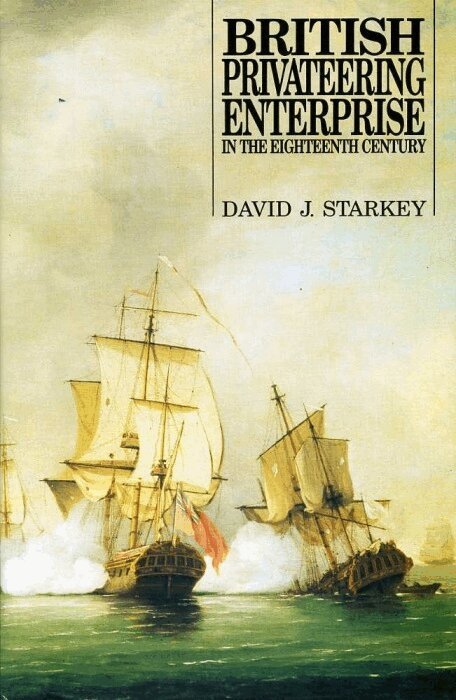
British Privateering Enterprise in the Eighteenth Century
Inbunden, 1990
2126 kr
Lägg i varukorg
An important part of eighteenth-century maritime conflict involved the destruction of enemy commerce and the protection of home trade. In performing these tasks, state navies were augmented by privateers, vessels owned, equipped and manned by private individuals authorised by their governments to …
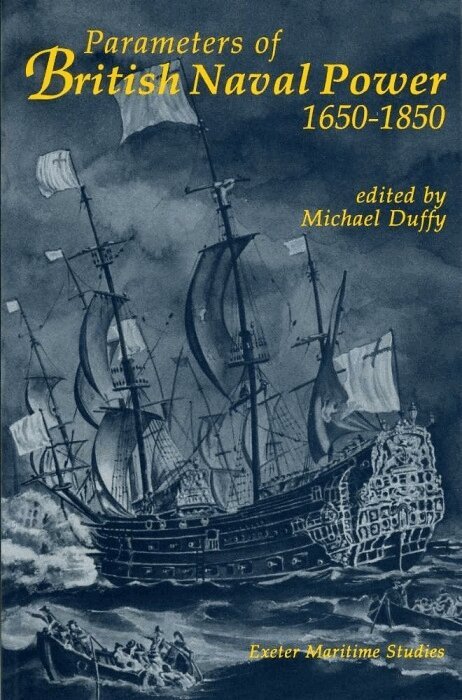
Parameters of British Naval Power, 1650-1850
Häftad, 1992
473 kr
Lägg i varukorg
A searching collection of investigations into British naval power in the closing centuries of the sailing ship era. The discussions focus on the later seventeenth century strategy of a 'big ship' battlefleet; the setting up of a Western Squadron post-1689; naval recruiting; naval power and foreign …
Pirates and Privateers
New Perspectives on the War on Trade in the Eighteenth and Nineteenth Centuries
Av David J. Starkey, E.S. Eyck van Heslinga m. fl.
Inbunden, 1997
2126 kr
Lägg i varukorg
Those travelling on the seas have always been vulnerable to the attacks of predators acting within or without the law. In the eighteenth and nineteenth centuries such assaults reached new heights as the development of trans-oceanic empires increased massively the wealth and extent of sea-borne …
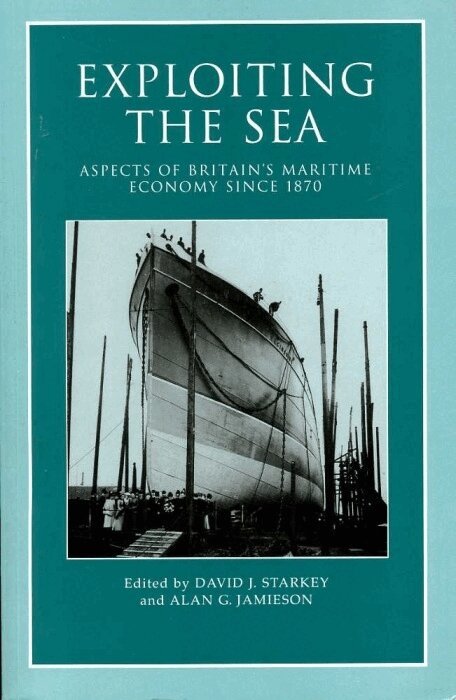
Exploiting the Sea
Aspects of Britain's Maritime Economy since 1870
Av David J. Starkey, Alan G. Jamieson
Häftad, 1998
473 kr
Lägg i varukorg
Exploiting the Sea offers new perspectives on Britain's vital but changing relationship with the sea since the late nineteenth century. It assesses the significance to the British economy of sea-reliant industries such as shipping, shipbuilding, fishing, coastal trading and seaside tourism. It also …
British Shipbuilding and the State since 1918
A Political Economy of Decline
Inbunden, 2002
2126 kr
Lägg i varukorg
Few industries attest to the decline of Britain’s political and economic power as does the near disappearance of British shipbuilding. On the eve of the First World War, British shipbuilding produced more than the rest of the world put together. But by the 1980s, the industry which had dominated …
British Shipbuilding and the State since 1918
A Political Economy of Decline
Häftad, 2002
597 kr
Lägg i varukorg
Few industries attest to the decline of Britain’s political and economic power as does the near disappearance of British shipbuilding. On the eve of the First World War, British shipbuilding produced more than the rest of the world put together. But by the 1980s, the industry which had dominated …
Trawling
The Rise and Fall of the British Trawl Fishery
Häftad, 1998
566 kr
Lägg i varukorg
A distinct branch of the multi-faceted fishing industry, trawling dates back at least to the 1370s when attempts were made to prohibit the use of a primitive trawling device, the 'wondyrychoun' on the Thames. But it was not until the late 18th century that the beam trawl was deployed to any great …
The Glorious First of June 1794
A Naval Battle and its Aftermath
Av Michael Duffy, Roger Morriss
Häftad, 2001
473 kr
Lägg i varukorg
The Glorious First of June 1794 was the first great naval engagement of the Great War with France (1793-1815). Participants on both sides considered it the hardest-fought battle between them in the eighteenth century and both sides felt they attained their objectives: the British captured or sank …
Ebb Tide in the British Maritime Industries
Change and Adaptation, 1918-1990
Inbunden, 2002
2126 kr
Lägg i varukorg
This book examines how the principal British maritime industries - shipping, shipbuilding and ports - adapted, or failed to adapt, to a changing world in the period 1918 to 1990, and discusses their reactions to the great opportunities seemingly offered by offshore oil and gas from the mid-1960s. …
Shipping and Military Power in the Seven Year War, 1756–1763
The Sails of Victory
Av David Syrett
Inbunden, 2008
2126 kr
Lägg i varukorg
The Seven Years War was the most successful in British History, with naval supremacy triumphantly asserted over France and Spain, and a vast new overseas empire conquered. This is the story of the British shipping that carried, supplied and sustained the British expeditions that shattered French …
The Rise of the Devon Seaside Resorts, 1750-1900
Av John Travis
Inbunden, 1993
2126 kr
Tillfälligt slut
The first comprehensive study of the emergence of Devon's seaside resorts. Relating the development of these resorts to the wider processes of social and economic change, it explains why early tourists were drawn to the remote Devon coast and shows how fishing villages were transformed into …
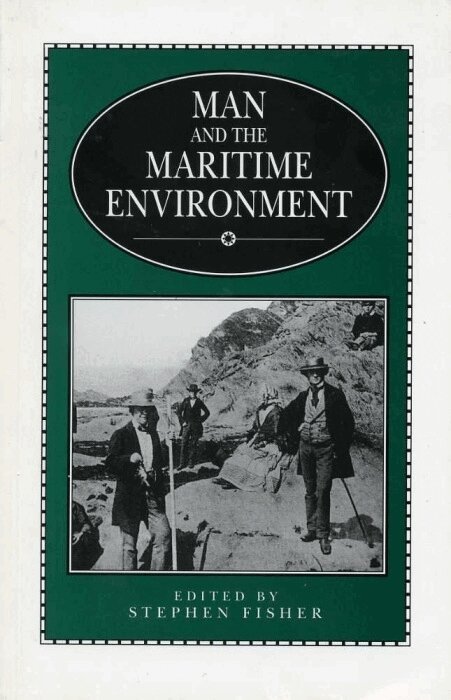
Man and the Maritime Environment
Häftad, 1994
459 kr
Tillfälligt slut
Man and the Maritime Environment is the ninth volume to be published in the now well-established series Exeter Maritime Studies which aims to investigate and interpret not only the British maritime past but also the European and international topics from the earliest times to the contemporary …
Manila Ransomed
The British Assault on Manila in the Seven Years War
Häftad, 1995
473 kr
Tillfälligt slut
In 1762, at the end of the Seven Years War, a small but technically proficient force of British Army regulars and East India Company soldiers, supported by the ships and men of the East Indies Squadron of the Royal Navy, sailed from Madras to capture Manila. Commanded by General William Draper and …
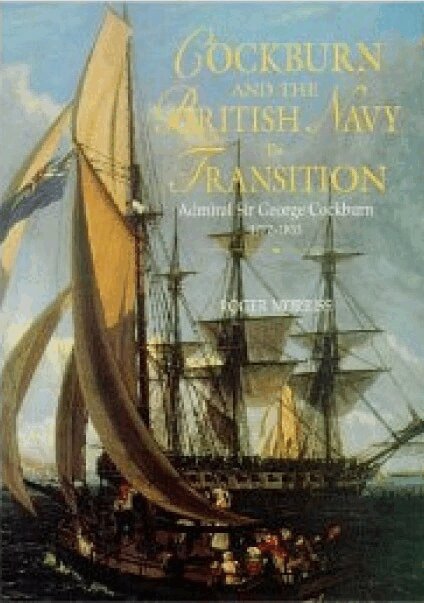
Cockburn and the British Navy in Transition
Admiral Sir George Cockburn 1772-1853
Inbunden, 1997
2126 kr
Tillfälligt slut
Sir George Cockburn was the most influential serving officer in the politics of the British navy in the nineteenth century. He came to public notice as the man who burned the White House, following his part in the British attack on Washington in 1814. He also escorted Napoleon to St Helena after …
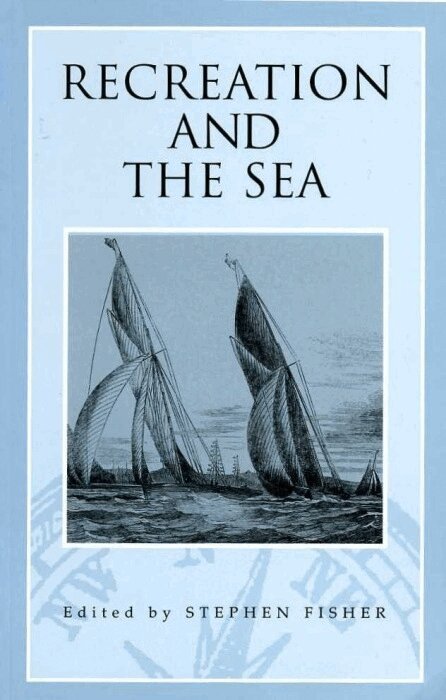
Recreation and the Sea
Häftad, 1997
473 kr
Tillfälligt slut
Leisure studies have become an increasingly important area of research within social history. In six original essays and an Introduction by established historians, RECREATION AND THE SEA focuses on the theme of the sea and leisure activities in England and Continental Europe.
Power and Politics at the Seaside
The Development of Devon's Resorts in the Twentieth Century
Av Nigel J. Morgan, Annette Pritchard
Inbunden, 1999
2064 kr
Tillfälligt slut
The seaside is the twentieth century's pre-eminent global tourism site and this is the first book of its kind to examine political and power relations in modern seaside resort development. As an historical study of seaside tourism in Devon-England's most popular domestic holiday destination-it …
Coastal and River Trade in Pre-Industrial England
Bristol and its Region, 1680-1730
Av David Hussey
Inbunden, 2000
2126 kr
Tillfälligt slut
This book provides full case studies and fresh, critical analysis of the principal voyage patterns, commodities, traders and shipping of Bristol and its region in the seventeenth and eighteenth centuries, the widely acknowledged 'Golden Age' of the port. Making use of data derived from port books, …