Food Series - Böcker
Visar alla böcker i serien Food Series. Handla med fri frakt och snabb leverans.
6 produkter
6 produkter
455 kr
Skickas inom 7-10 vardagar
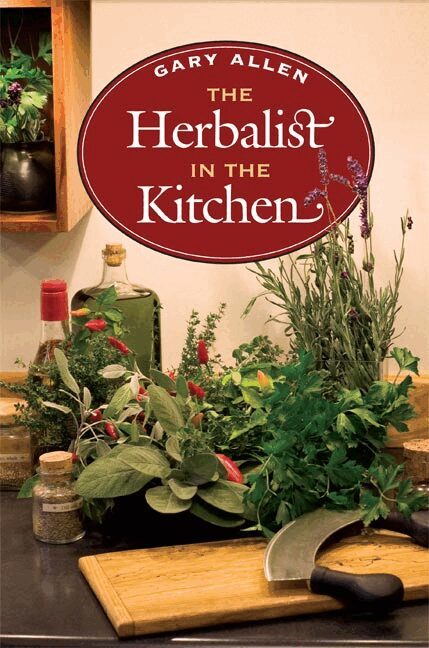
The foodie's ultimate herbal encyclopediaCreated as the ideal reference for anyone with a serious interest in cooking with herbs, spices, or related plant materials, The Herbalist in the Kitchen is truly encyclopedic in scope. It provides detailed information about the uses, botany, toxicity, and flavor chemistry of herbs, as well as a listing for nearly every name that an ingredient is known by around the world. Richly illustrated with fifty-six images from the Missouri Botanical Garden rare book collection, The Herbalist in the Kitchen promises to enlighten cooks of all levels, from beginning culinary artists to seasoned professional chefs . Even including herbs and spices not yet seen in the United States (but likely to be featured in recipes for adventurous cooks soon), The Herbalist in the Kitchen is organized into one hundred five sections, each consisting of a single botanical family. The book provides all available information about the chemical compounds responsible for a plant's characteristic taste and scent, which allows cooks to consider new subtleties and potential alternatives. For instance, the primary flavoring ingredient of cloves is eugenol; when a cook knows that bay leaves also contain eugenol, a range of exciting substitutions becomes clear. The foodie's ultimate herbal reference book, The Herbalist in the Kitchen also provides guidance about measuring herbs, enabling readers to understand the dated measuring standards from old-fashioned cookbooks.
301 kr
Skickas inom 7-10 vardagar
This classic barbeque of our foodways is as valid and as savory today as when it first tickled ribs a generation ago. Based on the superlative authority of John L. Hess, onetime food critic of the New York Times, and Karen Hess, the pioneering historian of cookery, The Taste of America is both a history of American cooking and a history of the advice smiling celebrity cooks have asked Americans to swallow.The Taste of America provoked the cooking experts of the 1970s into spitting rage by pointing out in embarrassing detail that most of them lacked an essential ingredient: expertise. Now "Kool-Aid like Mother used to make" has become "Kool-Aid like Grandmother used to make," and a new generation has been weaned on synthetic food, pathetic snobbery, neurotic health advice, and reconstituted history.This much-needed new edition chars Julia Child ("She's not a cook, but she plays one on TV"), chides food maven Ruth Reichl, and marvels at a convention of food technologists (whose program bore the slogan "Eat your heart out, Mother Nature"). Delectable reading for consumers, reformers, and scholars, this twenty-fifth anniversary reissue of The Taste of America will serve well into the new millennium.
483 kr
Skickas inom 7-10 vardagar
Favorite Dishes is a celebrity cookbook of autographed recipes, accented by portraits of the distinguished contributors, that was compiled on the occasion of the 1893 World's Columbian Exposition in Chicago. It is a handsome sourcebook on nineteenth-century cookery as well as a testament to the desire of well-educated, well-placed women to use their position for social good. It is also a prime example of the genre of charitable cookbooks that began after the Civil War and extends to today's Junior League community cookbooks. The world's fair in Chicago was the first event of its kind that offered women a conspicuous and responsible role. A Woman's Building was designed by a woman architect, decorated with the statues and paintings of prominent women artists, and overseen by a Board of Lady Managers, comprised of 115 wives and daughters of prominent political and business leaders from every state and territory. Carrie Shuman approached the president of this unprecedented body, Bertha HonorÉ Palmer, with the idea of producing a charitable cookbook, endorsed and autographed by the Lady Managers, of their prize recipes. The books would be offered to women of limited means--women who dreamed "longingly and hopelessly of the Exposition"--who could sell them to raise money to cover the expense of a visit to the fair. This reissue of Favorite Dishes is set off by a pair of new introductions. Reid Badger discusses the phenomenon of world's fairs and the particular success and significance of the 1893 Exposition in Chicago. Bruce Kraig examines the culinary significance of the book and sets it in the context of the era's food standardization, changing cooking technology, recipe book conventions, and social practices.
238 kr
Skickas inom 7-10 vardagar
Although encouraging people to eat more nutritiously can promote better health, most efforts by companies, health professionals, and even parents are disappointingly ineffective. Consumer confusion has lead to floundering sales for soy foods; embarrassing results for expensive Five-a-Day for Better Health programs; and uneaten mountains of vegetables at homes and in school cafeterias. Brian Wansink's Marketing Nutrition focuses on why people eat the foods they do, and what can be done to improve their nutrition. Wansink argues that the true challenge in marketing nutrition lies in leveraging new tools of consumer psychology (which he specifically demonstrates) and by applying lessons from other products' failures and successes. The same tools and insights that have helped make less nutritious products popular also offer the best opportunity to reintroduce a nutritious lifestyle. The key problem with marketing nutrition remains, after all, marketing.
231 kr
Skickas inom 7-10 vardagar
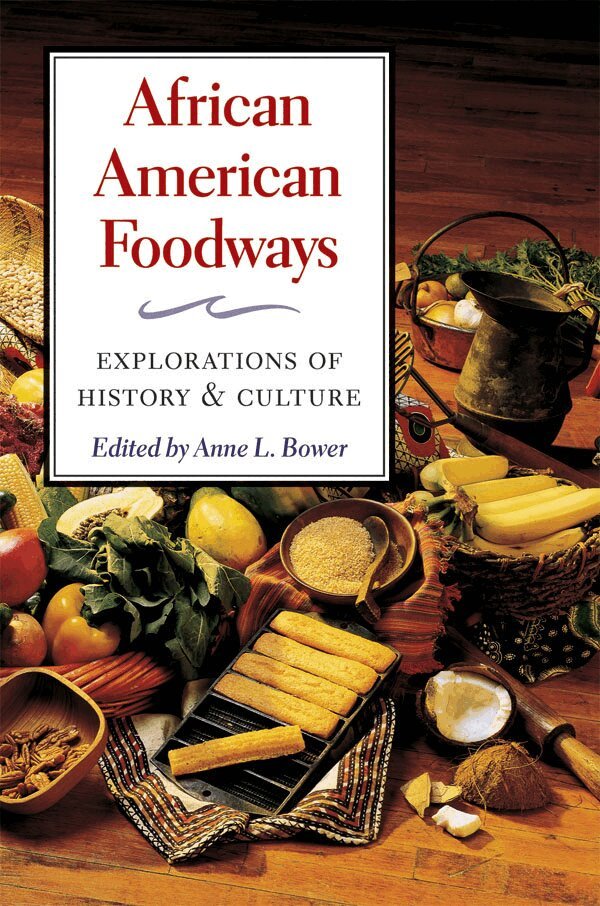
Ranging from seventeenth-century West African fare to contemporary fusion dishes using soul food ingredients, the essays in this book provide an introduction to many aspects of African American foodways and an antidote to popular misconceptions about soul food. Examining the combination of African, Caribbean, and South American traditions, the volume's contributors offer lively insights from history, literature, sociology, anthropology, and African American studies to demonstrate how food's material and symbolic values have contributed to African Americans' identity for centuries. Individual chapters examine how African foodways survived the passage into slavery, cultural meanings associated with African American foodways, and the contents of African American cookbooks, both early and recent.Contributors are Anne L. Bower, Robert L. Hall, William C. Whit, Psyche Williams-Forson, Doris Witt, Anne Yentsch, Rafia Zafar.
155 kr
Skickas
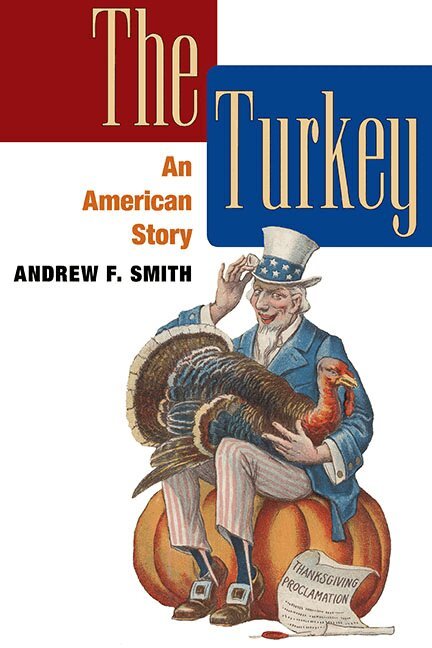
“Talking turkey” about the bird you thought you knewFondly remembered as the centerpiece of family Thanksgiving reunions, the turkey is a cultural symbol as well as a multi-billion dollar industry. As a bird, dinner, commodity, and as a national icon, the turkey has become as American as the bald eagle (with which it actually competed for supremacy on national insignias). Food historian Andrew F. Smith’s sweeping and multifaceted history of Meleagris gallopavo separates fact from fiction, serving as both a solid historical reference and a fascinating general read. With his characteristic wit and insatiable curiosity, Smith presents the turkey in ten courses, beginning with the bird itself (actually several different species of turkey) flying through the wild. The Turkey subsequently includes discussions of practically every aspect of the iconic bird, including the wild turkey in early America, how it came to be called “turkey,” domestication, turkey mating habits, expansion into Europe, stuffing, conditions in modern industrial turkey factories, its surprising commercial history of boom and bust, and its eventual ascension to holiday mainstay. As one of the easiest of foods to cook, the turkey’s culinary possibilities have been widely explored if little noted. The second half of the book collects an amazing array of over one hundred historical and modern turkey recipes from across America and Europe. From sandwiches to salmagundi, you’ll find detailed instructions on nearly every variation on the turkey. Historians will enjoy a look back at the varied appetites of their ancestors and seasoned cooks will have an opportunity to reintroduce a familiar food in forgotten ways.