Fordyce W. Mitchel Memorial Lecture Series - Böcker
Visar alla böcker i serien Fordyce W. Mitchel Memorial Lecture Series. Handla med fri frakt och snabb leverans.
5 produkter
5 produkter
269 kr
Skickas inom 10-15 vardagar
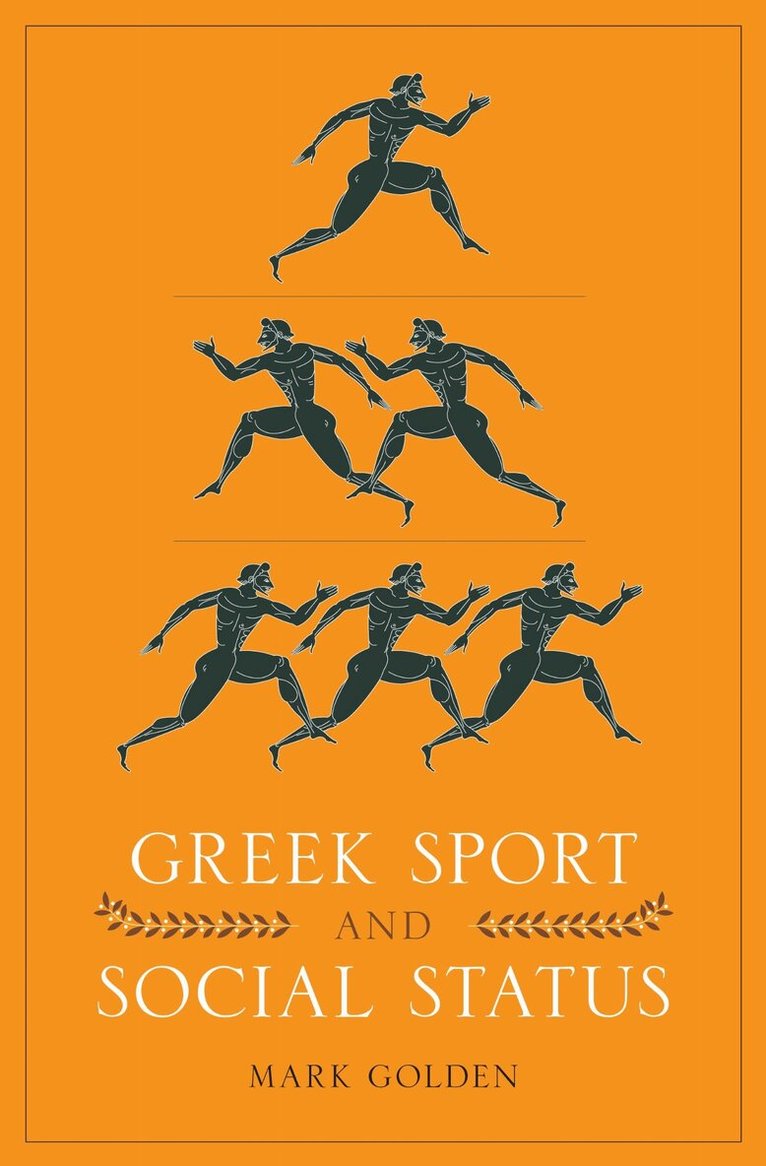
From the ancient Olympic games to the World Series and the World Cup, athletic achievement has always conferred social status. In this collection of essays, a noted authority on ancient sport discusses how Greek sport has been used to claim and enhance social status, both in antiquity and in modern times. Mark Golden explores a variety of ways in which sport provided a route to social status. In the first essay, he explains how elite horsemen and athletes tried to ignore the important roles that jockeys, drivers, and trainers played in their victories, as well as how female owners tried to rank their equestrian achievements above those of men and other women. In the next essay, Golden looks at the varied contributions that slaves made to sport, despite its use as a marker of free, Greek status. In the third essay, he evaluates the claims made by gladiators in the Greek east that they be regarded as high-status athletes and asserts that gladiatorial spectacle is much more like Greek sport than scholars today usually admit. In the final essay, Golden critiques the accepted accounts of ancient and modern Olympic history, arguing that attempts to raise the status of the modern games by stressing their links to the ancient ones are misleading. He concludes that the contemporary movement to call a truce in world conflicts during the Olympics is likewise based on misunderstandings of ancient Greek traditions.
296 kr
Skickas inom 10-15 vardagar
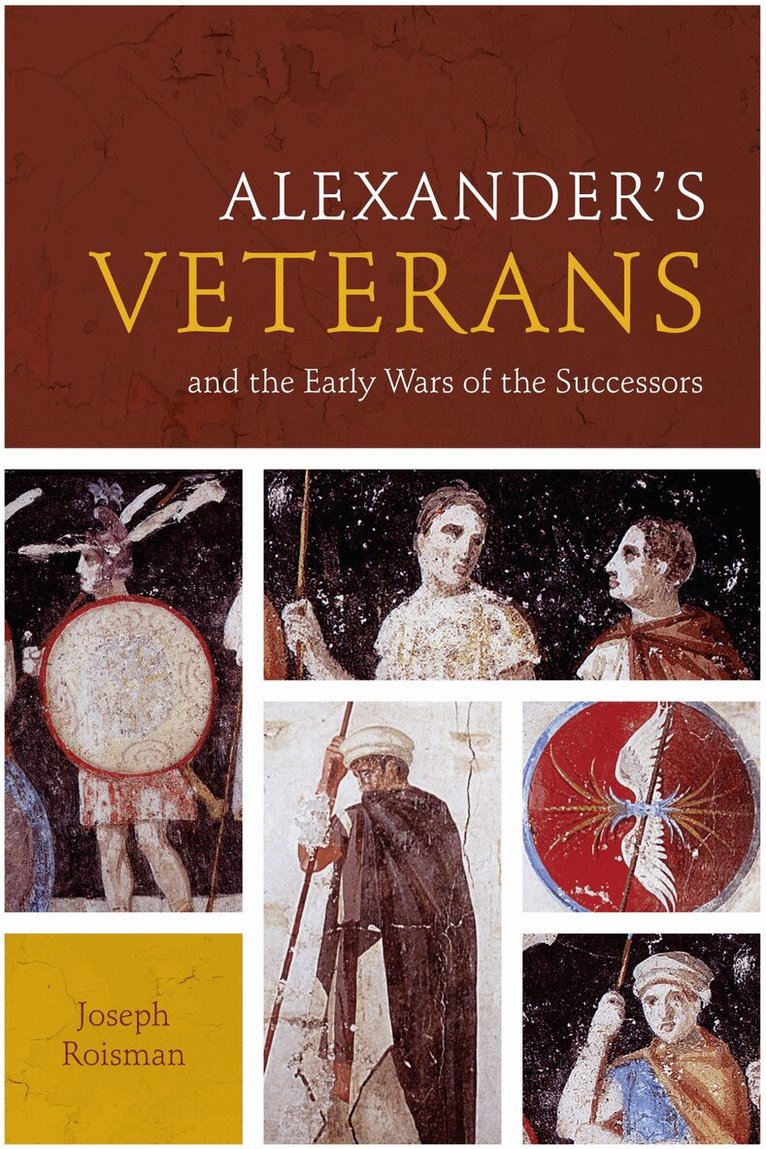
This first focused analysis of veterans’ experiences in ancient Greece offers a fresh, “bottom-up” perspective on important military and political aspects of early Hellenistic history.Runner-up, PROSE Award, Classics and Ancient History, 2013From antiquity until now, most writers who have chronicled the events following the death of Alexander the Great have viewed this history through the careers, ambitions, and perspectives of Alexander’s elite successors. Few historians have probed the experiences and attitudes of the ordinary soldiers who followed Alexander on his campaigns and who were divided among his successors as they fought for control of his empire after his death. Yet the veterans played an important role in helping to shape the character and contours of the Hellenistic world.This pathfinding book offers the first in-depth investigation of the Macedonian veterans’ experience during a crucial turning point in Greek history (323–316 BCE). Joseph Roisman discusses the military, social, and political circumstances that shaped the history of Alexander’s veterans, giving special attention to issues such as the soldiers’ conduct on and off the battlefield, the army assemblies, the volatile relationship between the troops and their generals, and other related themes, all from the perspective of the rank-and-file. Roisman also reexamines the biases of the ancient sources and how they affected ancient and modern depictions of Alexander’s veterans, as well as Alexander’s conflicts with his army, the veterans’ motives and goals, and their political contributions to Hellenistic history. He pays special attention to the Silver Shields, a group of Macedonian veterans famous for their invincibility and martial prowess, and assesses whether or not they deserved their formidable reputation.
675 kr
Skickas inom 7-10 vardagar
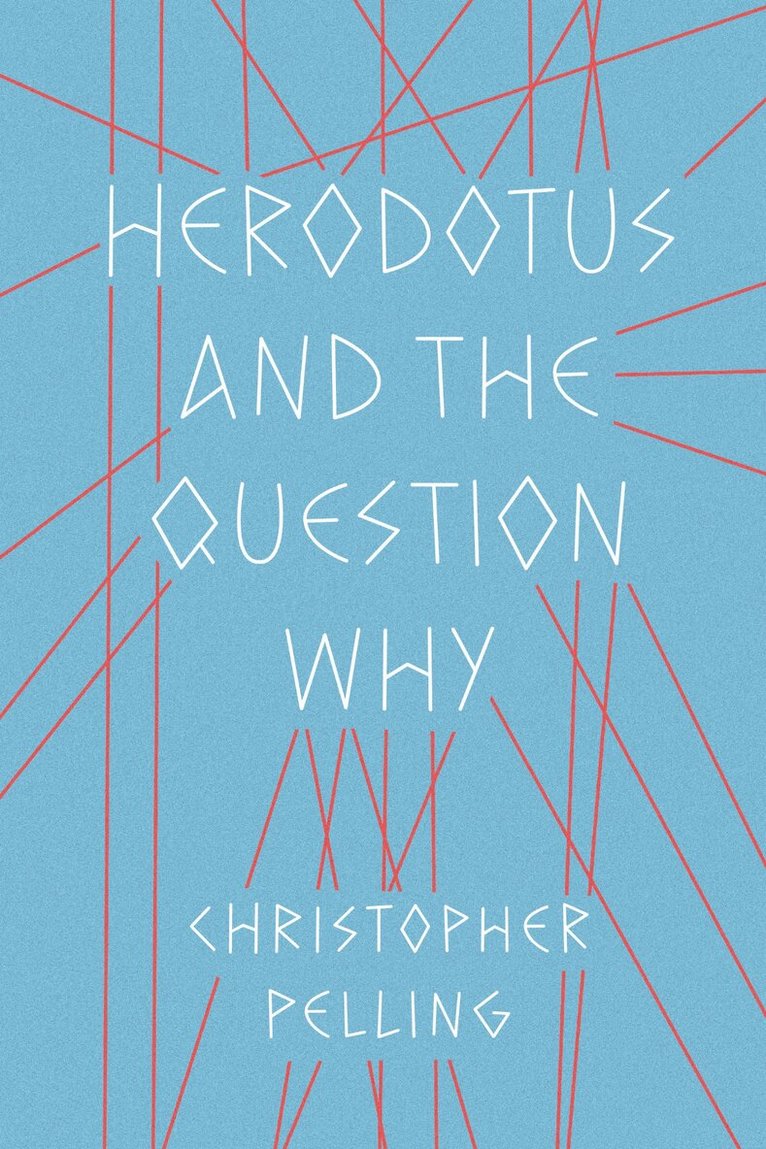
In the 5th century BCE, Herodotus wrote the first known Western history to build on the tradition of Homeric storytelling, basing his text on empirical observations and arranging them systematically. Herodotus and the Question Why offers a comprehensive examination of the methods behind the Histories and the challenge of documenting human experiences, from the Persian Wars to cultural traditions.In lively, accessible prose, Christopher Pelling explores such elements as reconstructing the mentalities of storyteller and audience alike; distinctions between the human and the divine; and the evolving concepts of freedom, democracy, and individualism. Pelling traces the similarities between Herodotus's approach to physical phenomena (Why does the Nile flood?) and to landmark events (Why did Xerxes invade Greece? And why did the Greeks win?), delivering a fascinating look at the explanatory process itself. The cultural forces that shaped Herodotus's thinking left a lasting legacy for us, making Herodotus and the Question Why especially relevant as we try to record and narrate the stories of our time and to fully understand them.
443 kr
Skickas inom 7-10 vardagar
The democratic legal system created by the Athenians was completely controlled by ordinary citizens, with no judges, lawyers, or jurists involved. It placed great importance on the litigants’ rhetorical performances. Did this make it nothing more than a rhetorical contest judged by largely uneducated citizens that had nothing to do with law, a criticism that some, including Plato, have made?Michael Gagarin argues to the contrary, contending that the Athenians both controlled litigants’ performances and incorporated many other unusual features into their legal system, including rules for interrogating slaves and swearing an oath. The Athenians, Gagarin shows, adhered to the law as they understood it, which was a set of principles more flexible than our current understanding allows. The Athenians also insisted that their legal system serve the ends of justice and benefit the city and its people. In this way, the law ultimately satisfied most Athenians and probably produced just results as often as modern legal systems do. Comprehensive and wide-ranging, Democratic Law in Classical Athens offers a new perspective for viewing a legal system that was democratic in a way only the Athenians could achieve.
485 kr
Skickas inom 10-15 vardagar
In the 5th century BCE, Herodotus wrote the first known Western history to build on the tradition of Homeric storytelling, basing his text on empirical observations and arranging them systematically. Herodotus and the Question Why offers a comprehensive examination of the methods behind the Histories and the challenge of documenting human experiences, from the Persian Wars to cultural traditions.In lively, accessible prose, Christopher Pelling explores such elements as reconstructing the mentalities of storyteller and audience alike; distinctions between the human and the divine; and the evolving concepts of freedom, democracy, and individualism. Pelling traces the similarities between Herodotus's approach to physical phenomena (Why does the Nile flood?) and to landmark events (Why did Xerxes invade Greece? And why did the Greeks win?), delivering a fascinating look at the explanatory process itself. The cultural forces that shaped Herodotus's thinking left a lasting legacy for us, making Herodotus and the Question Why especially relevant as we try to record and narrate the stories of our time and to fully understand them.