French Voices - Böcker
Visar alla böcker i serien French Voices. Handla med fri frakt och snabb leverans.
12 produkter
12 produkter
347 kr
Skickas inom 10-15 vardagar
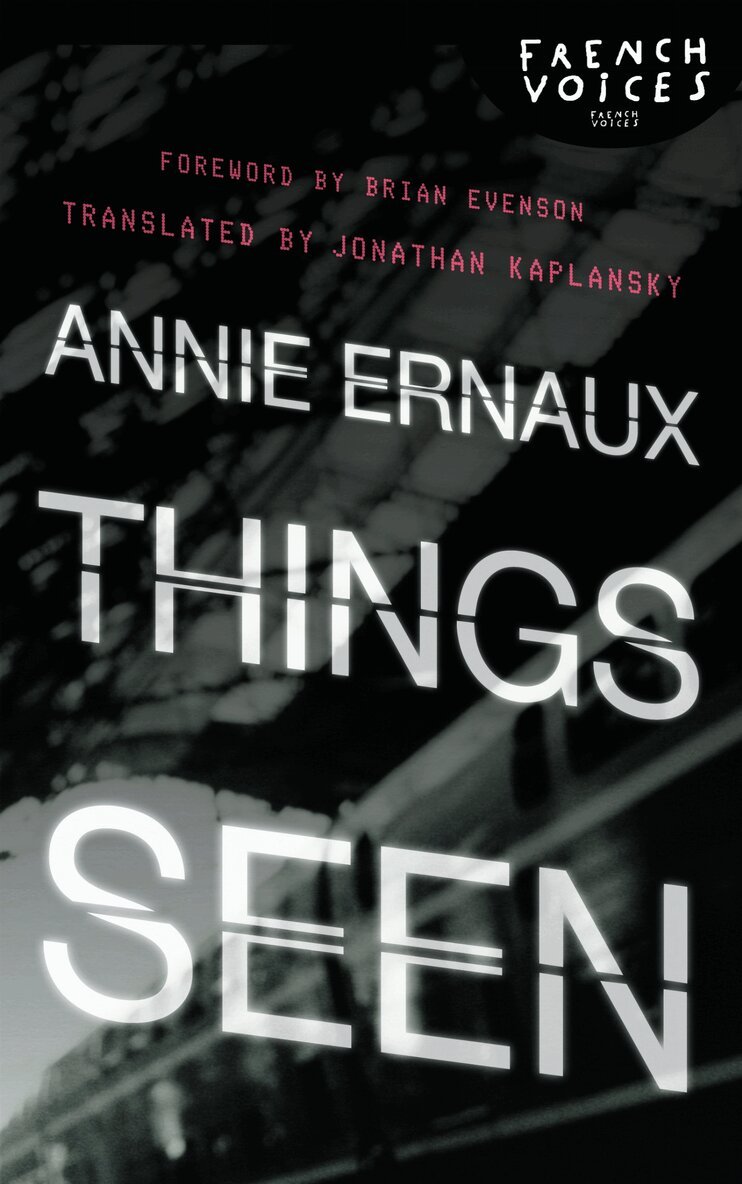
Winner of the 2022 Nobel Prize in Literature“Annie Ernaux’s work,” wrote Richard Bernstein in the New York Times, “represents a severely pared-down Proustianism, a testament to the persistent, haunting and melancholy quality of memory.” In the New York Times Book Review, Kathryn Harrison concurred: “Keen language and unwavering focus allow her to penetrate deep, to reveal pulses of love, desire, remorse.” In this “journal” Ernaux turns her penetrating focus on those points in life where the everyday and the extraordinary intersect, where “things seen” reflect a private life meeting the larger world. From the war crimes tribunal in Bosnia to social issues such as poverty and AIDS; from the state of Iraq to the world’s contrasting reactions to Princess Diana’s death and the starkly brutal political murders that occurred at the same time; from a tear-gas attack on the subway to minute interactions with a clerk in a store: Ernaux’s thought-provoking observations map the world’s fleeting and lasting impressions on the shape of inner life.
287 kr
Skickas inom 3-6 vardagar
In a literary reversal as deadly serious as it is wickedly satiric, this novel by the acclaimed French-speaking African writer Abdourahman A. Waberi turns the fortunes of the world upside down. On this reimagined globe a stream of sorry humanity flows from the West, from the slums of America and the squalor of Europe, to escape poverty and desperation in the prosperous United States of Africa. It is in this world that an African doctor on a humanitarian mission to France adopts a child. Now a young artist, this girl, Malaïka, travels to the troubled land of her birth in hope of finding her mother—and perhaps something of her lost self. Her search, at times funny and strange, is also deeply poignant, reminding us at every moment of the turns of fate we call truth.
177 kr
Skickas inom 10-15 vardagar
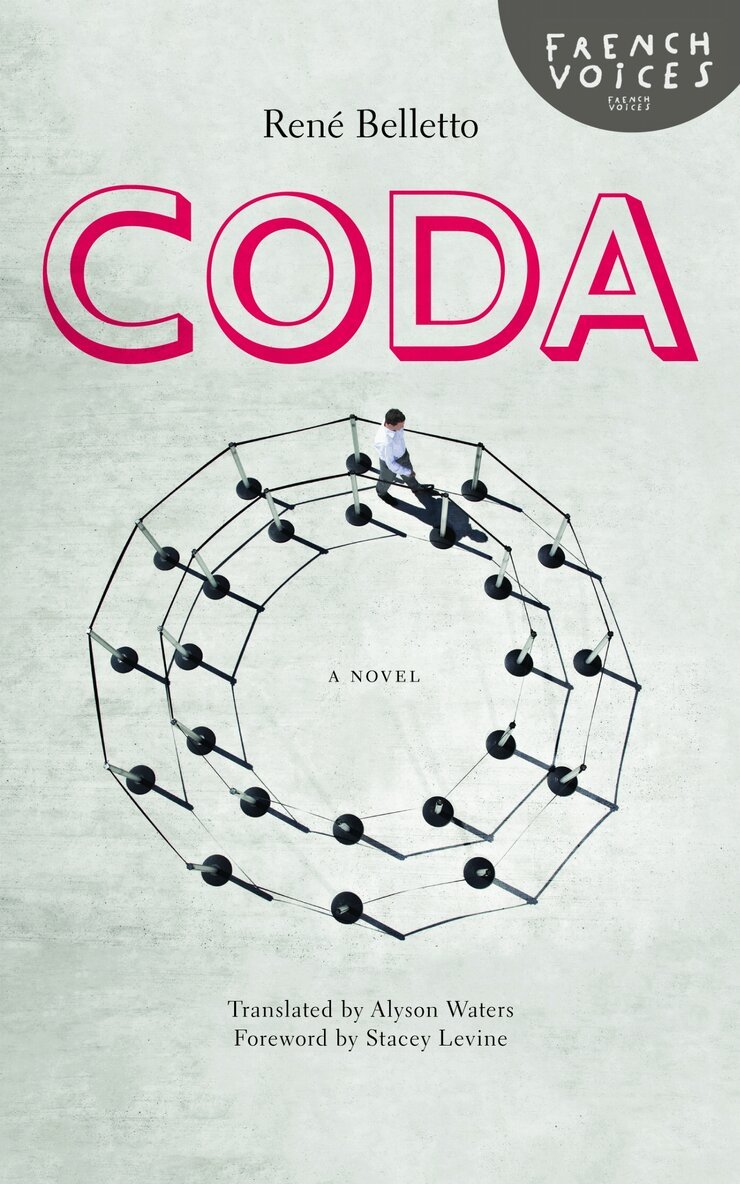
"It is to me that we owe our immortality, and this is the story that proves it beyond all doubt." With this sentence René Belletto begins a novel that compresses every genre he has worked in—thriller, science fiction, experimental literature, horror—into one breathless narrative in which what is at stake is nothing less than our own immortality.Playing with the expectations of the reader, Belletto constructs a logical puzzle that defies logic, much like the "almost-perpetual motion machine" invented by the narrator of this novel and his father. What sets the story in (perpetual) motion is a package of frozen seafood. This lowly mechanism triggers a series of picaresque and otherworldly events, from the storyteller's meeting with Fate disguised as a beautiful woman, to the kidnapping of his daughter, to his amorous reunion with the younger half-sister of a high school friend, to the elimination of death from the world. It's a funny business, but Belletto's playful and falsely transparent language opens the book to such serious matters as explorations of death, immortality, love, and the innocence of children.
206 kr
Skickas inom 10-15 vardagar
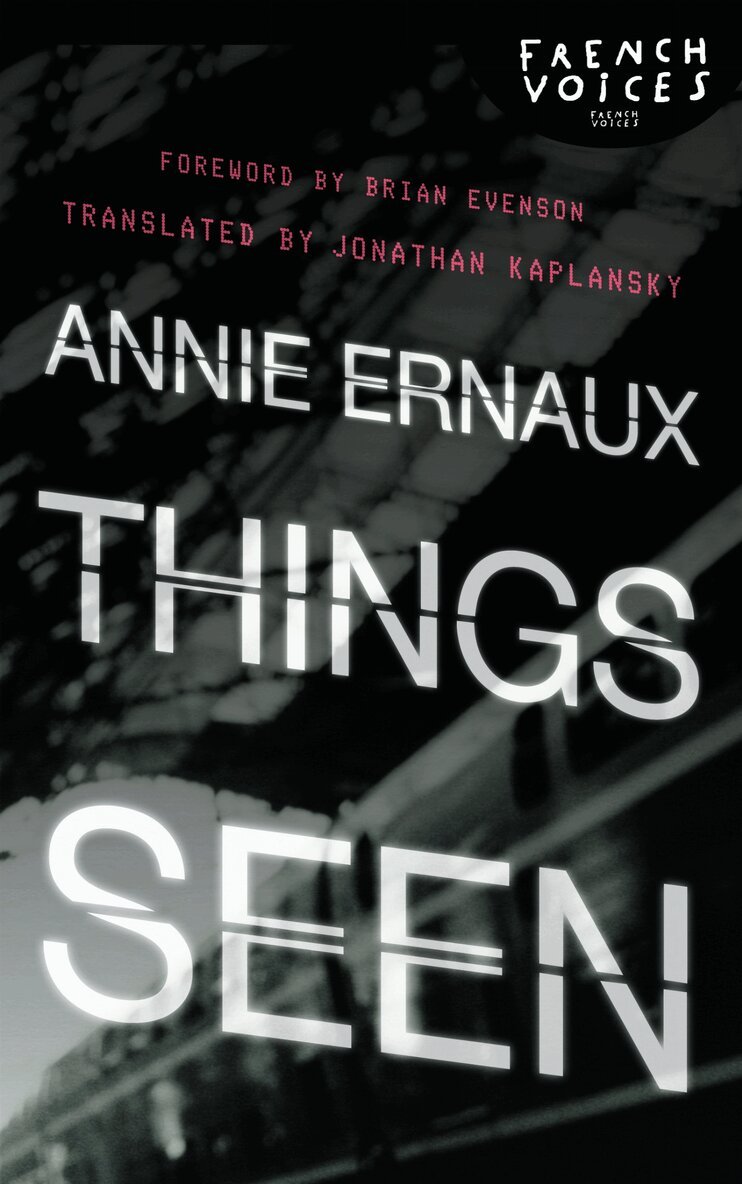
Winner of the 2022 Nobel Prize in Literature“Annie Ernaux’s work,” wrote Richard Bernstein in the New York Times, “represents a severely pared-down Proustianism, a testament to the persistent, haunting and melancholy quality of memory.” In the New York Times Book Review, Kathryn Harrison concurred: “Keen language and unwavering focus allow her to penetrate deep, to reveal pulses of love, desire, remorse.” In this “journal” Ernaux turns her penetrating focus on those points in life where the everyday and the extraordinary intersect, where “things seen” reflect a private life meeting the larger world. From the war crimes tribunal in Bosnia to social issues such as poverty and AIDS; from the state of Iraq to the world’s contrasting reactions to Princess Diana’s death and the starkly brutal political murders that occurred at the same time; from a tear-gas attack on the subway to minute interactions with a clerk in a store: Ernaux’s thought-provoking observations map the world’s fleeting and lasting impressions on the shape of inner life.
238 kr
Skickas inom 10-15 vardagar
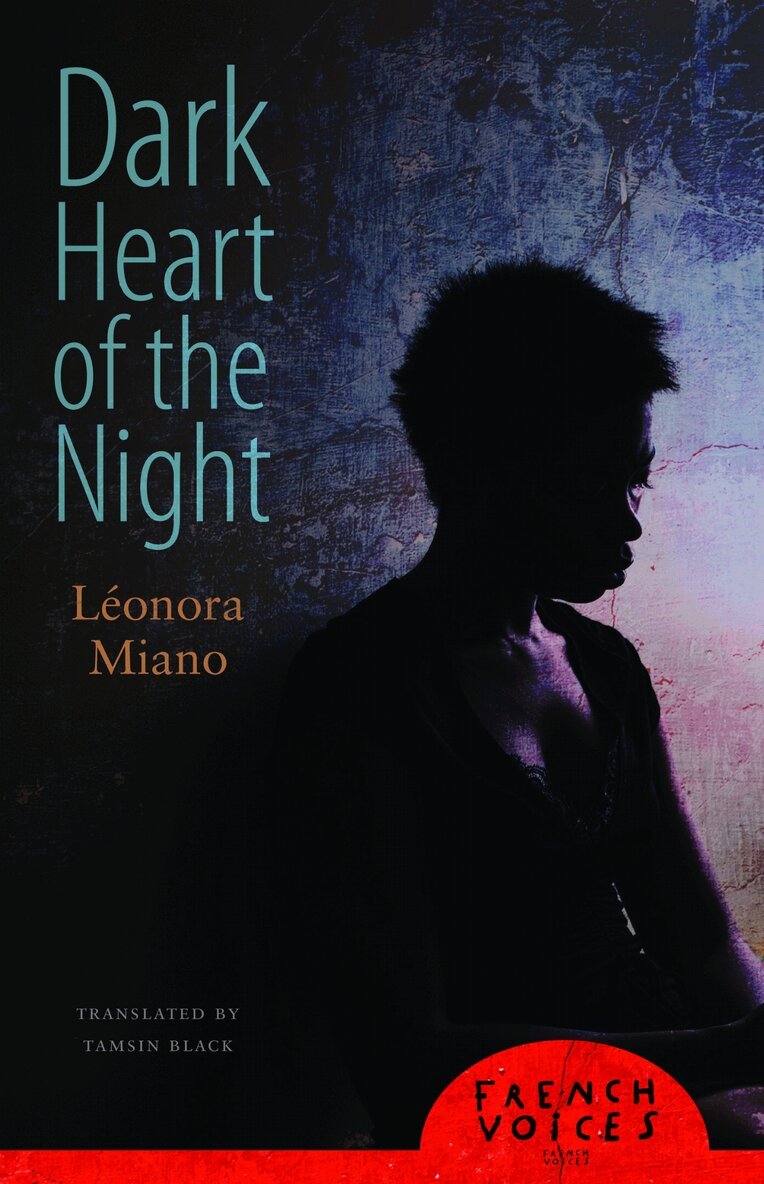
What is Africa's own "heart of darkness"? It is what confronts Ayané when, after three years abroad, she returns to the Central African village of her birth. Now an "outsider" with foreign ways distrusted by her fellow villagers, she must face alone the customs and superstitions that bind this clan of men and women. When invading militia organize a horrific ceremony that they claim will help reunite Africa, Ayané is forced to confront the monstrosity of the act that follows, as well as the responsibility that all the villagers must bear for silently accepting evil done in their name. Through Ayané's unwilling witness, Léonora Miano probes the themes of submission and responsibility and questions the role of Africans in the suffering of their fellows. Also exploring African identity, Dark Heart of the Night is a profoundly disturbing novel in its evocation of the darkest side of people driven by their instinct to survive.
192 kr
Skickas inom 10-15 vardagar
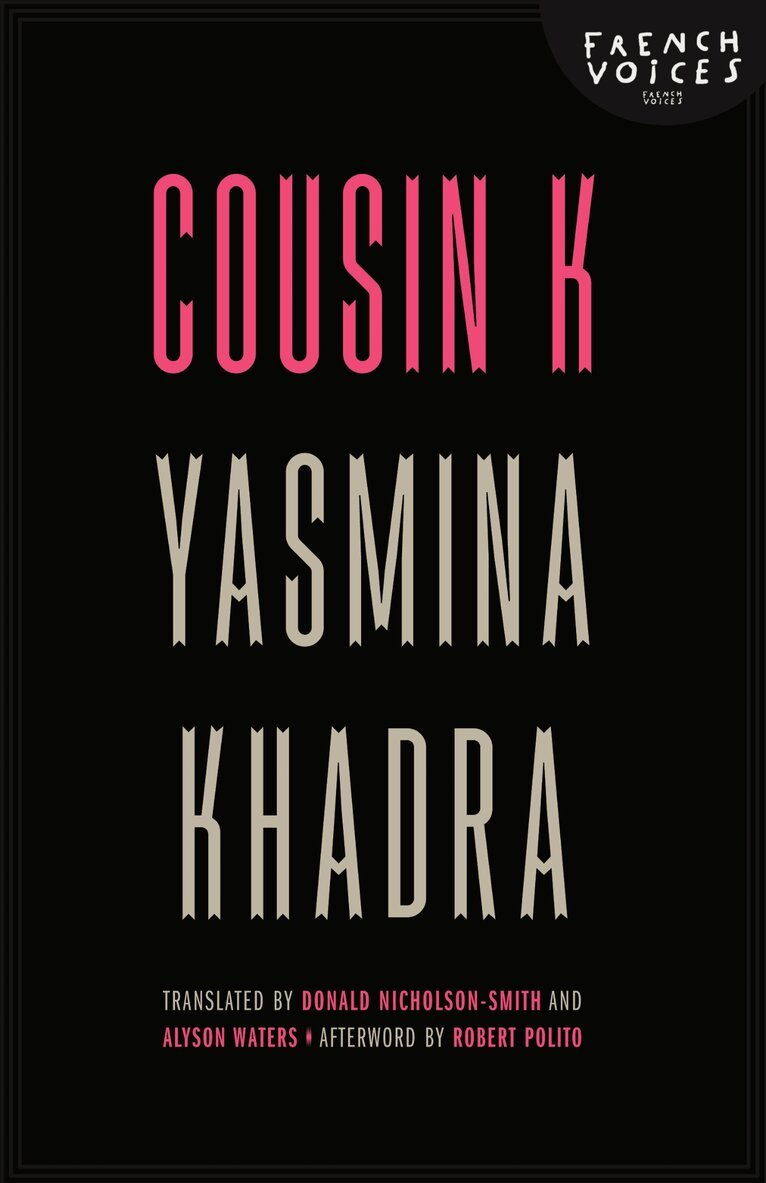
"Such was the battle that raged between Cousin K and me: good done badly; evil done well." And such is the twisted logic of good and bad, right and wrong, knitted into this novella by one of the most powerful voices to emerge from North Africa in our time. With his father brutally killed as a traitor during a national liberation war and his older brother an army officer far away, the young narrator lives reclusively with his mother, who scorns him. He turns to his young cousin for affection, only to be mocked and humiliated so deeply that his love becomes hopelessly entangled with hatred. Fate places a young woman in the narrator's path when he rescues her from a violent attack, and the reawakening of his confused passions proceeds toward terrible vengeance. In this nameless narrator's tormented reflections, played out against the backdrop of an indifferent world, Yasmina Khadra plumbs the mysteries of the crippled heart's desires.
223 kr
Skickas inom 10-15 vardagar
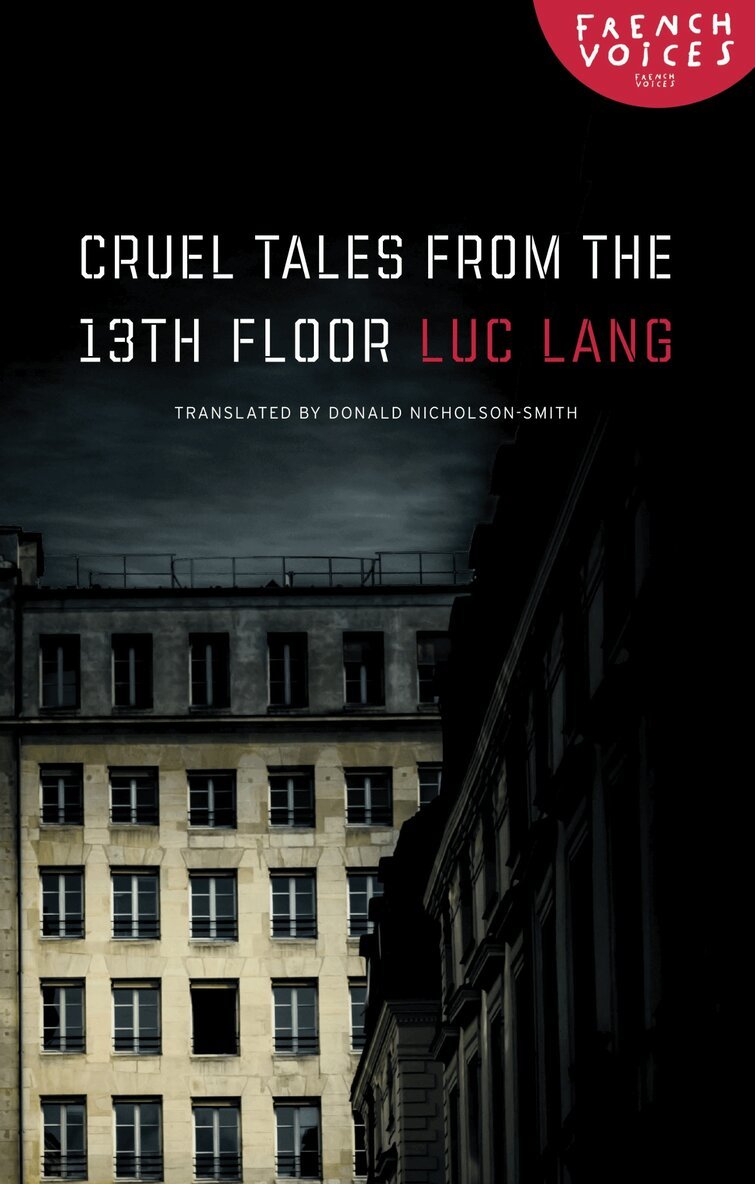
In sixteen ferocious short stories French author Luc Lang encapsulates the brutality of everyday life. Each tale is an admixture of tragedy, comedy, ridicule, and pain. Compassion lurks somewhere, perhaps, but pity is conspicuous by its absence.Lang’s curt, agitated prose disassembles daily life with a swift, unflinching hand and examines it with a sharp, analytic eye. Skinning quotidian moments to bare, raw impulses, confusions, and the agonies underneath, the stories in Cruel Tales from the Thirteenth Floor show the mundane grind of the everyday forces that are fueled by cruel calculation and amoral happenstance and shot through with bizarre surprise. The results are at once coldly comic and powerfully tragic.Interpreting human interactions as a series of precise jabs and desperate flailings, Cruel Tales from the Thirteenth Floor tells truths about the darker sides of our potential and our well-meaning urges dimmed by chance.
269 kr
Skickas inom 10-15 vardagar
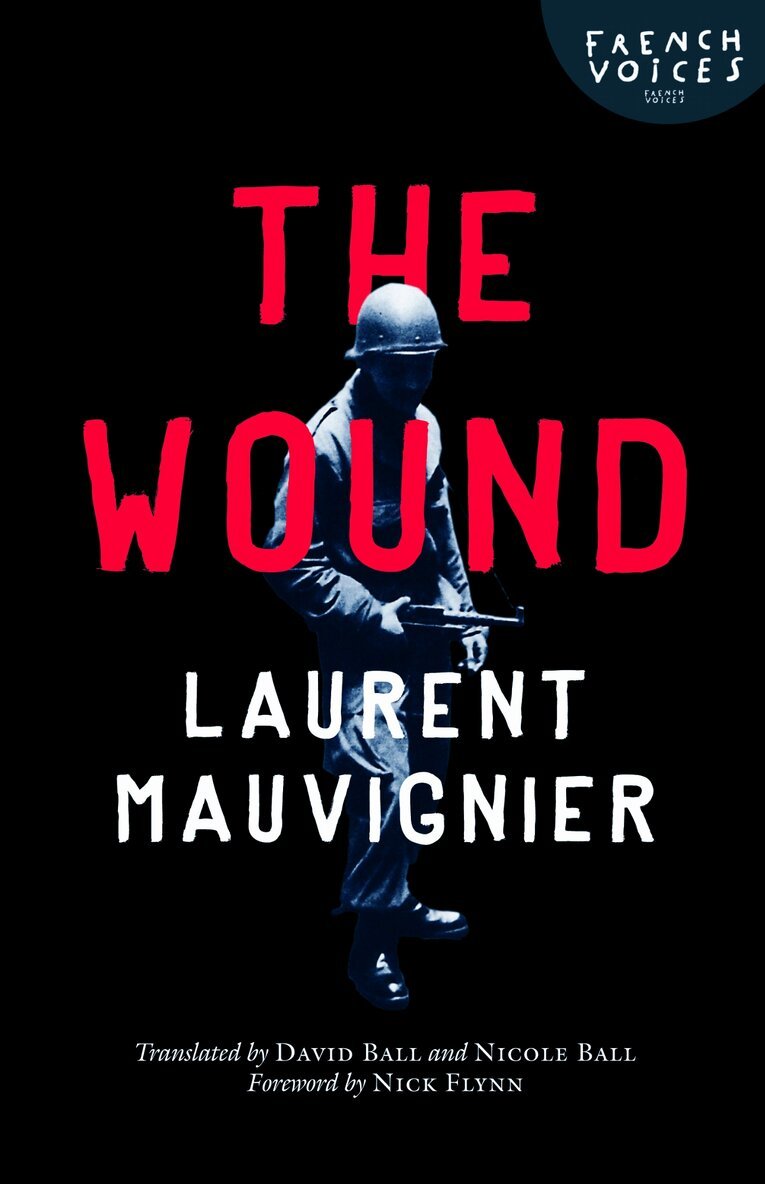
"Where is your wound?" asks Jean Genet in the lines Laurent Mauvignier uses as an epigraph to The Wound. By the time we have finished this four-part novel, we realize that for many the wound lies four decades back in "the Events" that people have tried to not talk about ever since: the Algerian War.Chronicling the lives of two cousins—Bernard and Rabut—both in the present and at the time of the Algerian War of Independence in the 1960s, we get a full picture of the lasting effects this event had on the men who were involved. Through the fragments of their stories we see the whole history of the war: its atrocities, its horrors, and its hatreds. Mauvignier shows readers how the Algerian War, always present yet always repressed, has sickened the emotional and moral life of everyone it touched—and France itself, perhaps. The epigraph, like the novel, suggests that wounded men may even become the wound itself.
223 kr
Skickas inom 10-15 vardagar
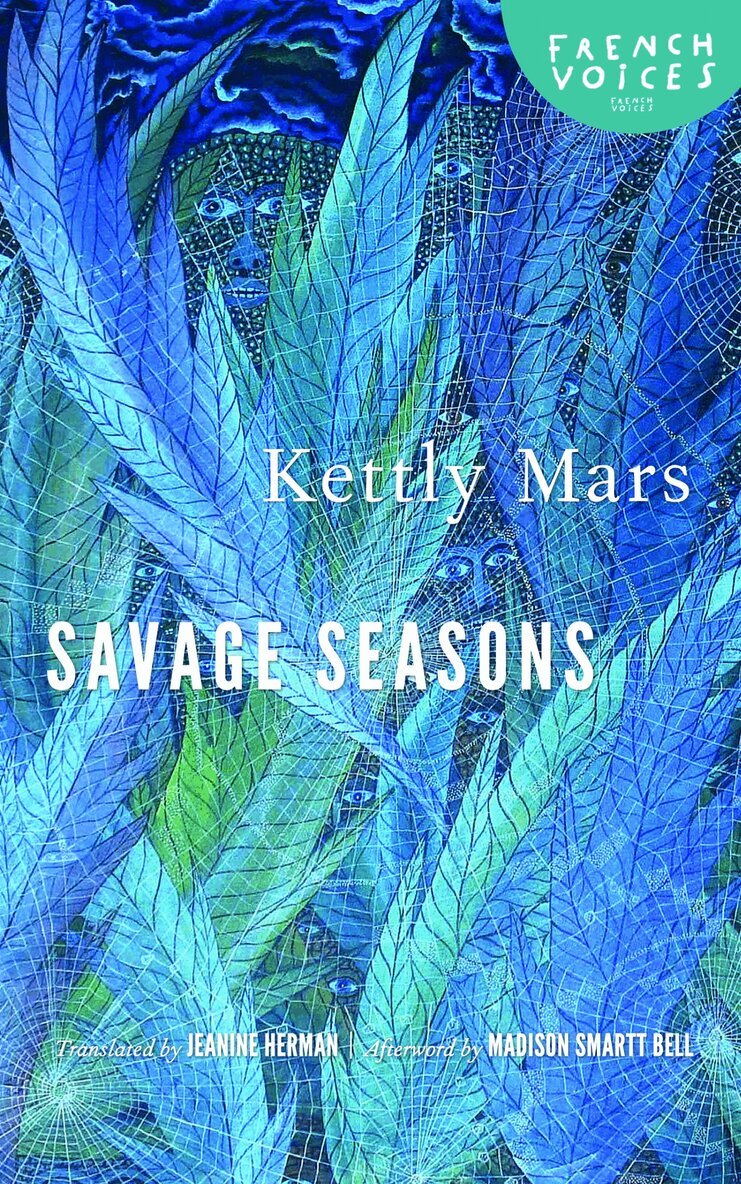
Port-au-Prince, the 1960s: Baby Doc Duvalier and his militia are systematically eliminating opponents to the regime. Daniel Leroy, editor in chief of the opposition newspaper, has just been arrested. To find out what has become of him, his wife, Nirvah, visits Raoul Vincent, secretary of state at the Office of Public Safety. This fearsome head of the secret police is instantly smitten, and to ensure her husband’s survival and protect her family, Nirvah submits to the official’s desires. Becoming the mistress of a strongman in the regime is not without its benefits. Still, she has to endure her neighbors’ inquisitive looks and the silent questions of her own children.Kettly Mars’s Savage Seasons describes a pivotal and painful period in Haitian history by weaving together two stories: the personal story of Nirvah and her family and the universal story of Duvalier’s dictatorial regime and its abuses.
269 kr
Skickas inom 10-15 vardagar
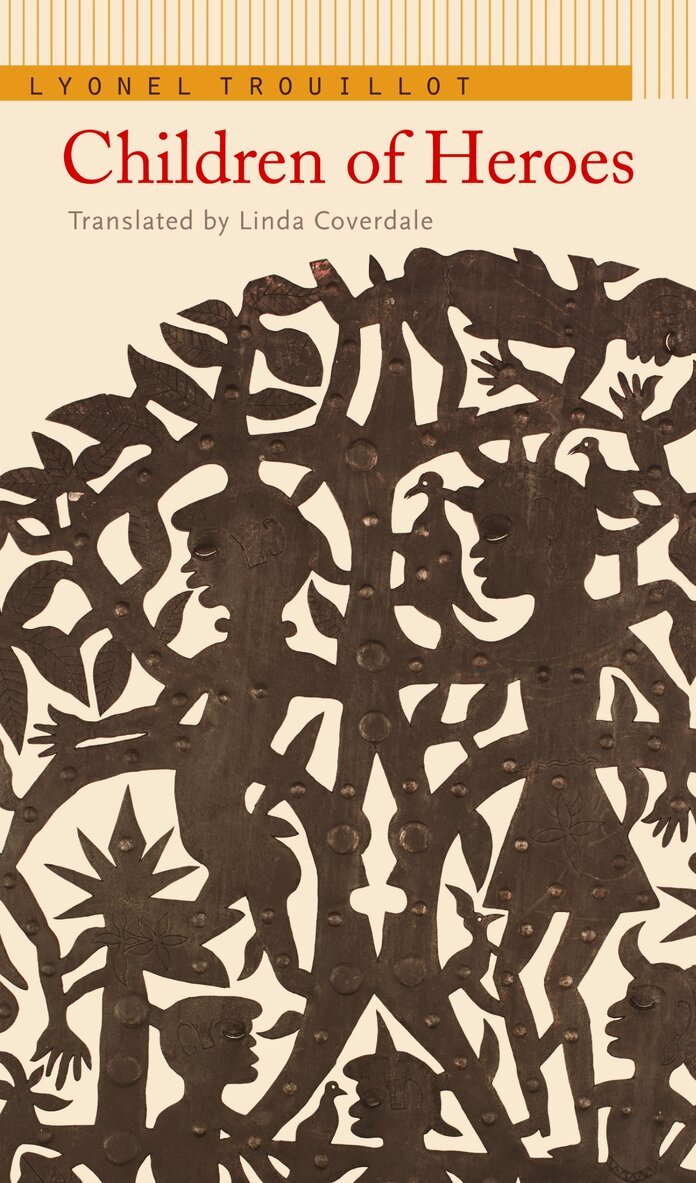
Their father's favorite saying, between drinks and blows, was, "Life holds only bad surprises, and the last one will be death." And now, Colin observes of the man sprawled under all the broken furniture, their father was definitely and forever out of surprises. Children of Heroes is the story Colin tells of what happened—and what happened before that. Testimony, confession, a child's outpouring: this is his painfully matter-of-fact account of how he and his older sister, Mariéla, killed the man who tyrannized them and their piously pathetic mother, who is now a "blank." As he describes their flight from the slum in Haiti to an uncertain somewhere called "far away," Colin conjures a bleak picture of the life he and his sister are trying to leave behind. And whether these two—children only in age—are guilty or merely victims of the violence festering in their city is a question only the reader can answer. In its picture of a world in which the heroes and the destroyers—whether fathers or leaders—are often indistinguishable, and where life's poetry and poverty are inextricably linked, this book tells a story of Haiti that is at once intimate, universal, and otherworldly.
1 021 kr
Skickas inom 10-15 vardagar
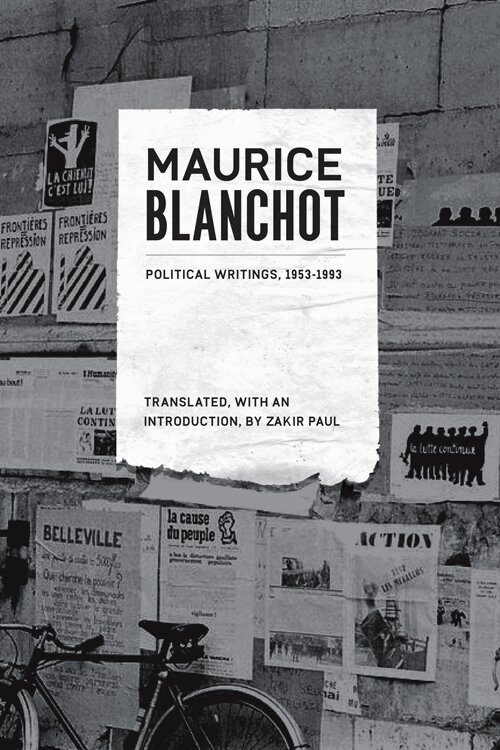
Maurice Blanchot is a towering yet enigmatic figure in twentieth-century French thought. A lifelong friend of Levinas, he had a major influence on Foucault, Derrida, Nancy, and many others. Both his fiction and his criticism played a determining role in how postwar French philosophy was written, especially in its intense concern with the question of writing as such. Never an academic, he published most of his critical work in periodicals and led a highly private life. Yet his writing included an often underestimated public and political dimension.This posthumously published volume collects his political writings from 1953 to 1993, from the French-Algerian War and the mass movements of May 1968 to postwar debates about the Shoah and beyond. A large number of the essays, letters, and fragments it contains were written anonymously and signed collectively, often in response to current events. The extensive editorial work done for the original French edition makes a major contribution to our understanding of Blanchot's work.The political stances Blanchot adopts are always complicated by the possibility that political thought remains forever to be discovered. He reminds us throughout his writings both how facile and how hard it is to refuse established forms of authority.The topics he addresses range from the right to insubordination in the French-Algerian War to the construction of the Berlin Wall and repression in Eastern Europe; from the mass movements of 1968 to personal responses to revelations about Heidegger, Levinas, and Robert Antelme, among others.When read together, these pieces form a testament to what political writing could be: not merely writing about the political or politicizing the written word, but unalterably transforming the singular authority of the writer and his signature. Cet ouvrage, publiÉ dans le cadre d'un programme d'aide À la publication bÉnÉficie du soutien financier du ministÈre des Affaires ÉtrangÈs et du Service culturel de l'ambassade de France aux Etats-Unis, ainsi que de l'appui de FACE (French American Cultural Exchange). This work, published as part of a program providing publication assistance, received financial support from the Cultural Services of the French Embassy in the United States and FACE (French American Cultural Exchange).
460 kr
Skickas inom 10-15 vardagar
Maurice Blanchot is a towering yet enigmatic figure in twentieth-century French thought. A lifelong friend of Levinas, he had a major influence on Foucault, Derrida, Nancy, and many others. Both his fiction and his criticism played a determining role in how postwar French philosophy was written, especially in its intense concern with the question of writing as such. Never an academic, he published most of his critical work in periodicals and led a highly private life. Yet his writing included an often underestimated public and political dimension.This posthumously published volume collects his political writings from 1953 to 1993, from the French-Algerian War and the mass movements of May 1968 to postwar debates about the Shoah and beyond. A large number of the essays, letters, and fragments it contains were written anonymously and signed collectively, often in response to current events. The extensive editorial work done for the original French edition makes a major contribution to our understanding of Blanchot's work.The political stances Blanchot adopts are always complicated by the possibility that political thought remains forever to be discovered. He reminds us throughout his writings both how facile and how hard it is to refuse established forms of authority.The topics he addresses range from the right to insubordination in the French-Algerian War to the construction of the Berlin Wall and repression in Eastern Europe; from the mass movements of 1968 to personal responses to revelations about Heidegger, Levinas, and Robert Antelme, among others.When read together, these pieces form a testament to what political writing could be: not merely writing about the political or politicizing the written word, but unalterably transforming the singular authority of the writer and his signature. Cet ouvrage, publiÉ dans le cadre d'un programme d'aide À la publication bÉnÉficie du soutien financier du ministÈre des Affaires ÉtrangÈs et du Service culturel de l'ambassade de France aux Etats-Unis, ainsi que de l'appui de FACE (French American Cultural Exchange). This work, published as part of a program providing publication assistance, received financial support from the Cultural Services of the French Embassy in the United States and FACE (French American Cultural Exchange).