Global Handbooks in Media and Communication Research – serie
Visar alla böcker i serien Global Handbooks in Media and Communication Research. Handla med fri frakt och snabb leverans.
16 produkter
16 produkter
Del 4 - Global Handbooks in Media and Communication Research
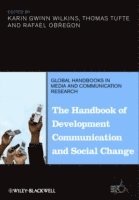
Handbook of Development Communication and Social Change
Inbunden, Engelska, 2014
2 229 kr
Skickas inom 7-10 vardagar
This valuable resource offers a wealth of practical and conceptual guidance to all those engaged in struggles for social justice around the world. It explains in accessible language and painstaking detail how to deploy and to understand the tools of media and communication in advancing the goals of social, cultural, and political change. A stand-out reference on a vital topic of primary international concern, with a rising profile in communications and media research programsMultinational editorial team and global contributorsCovers the history of the field as well as integrating and reconceptualising its diverse perspectives and approachesProvides a fully formed framework of understanding and identifies likely future developmentsFeatures a wealth of insights into the critical role of digital media in development communication and social change
496 kr
Skickas inom 7-10 vardagar
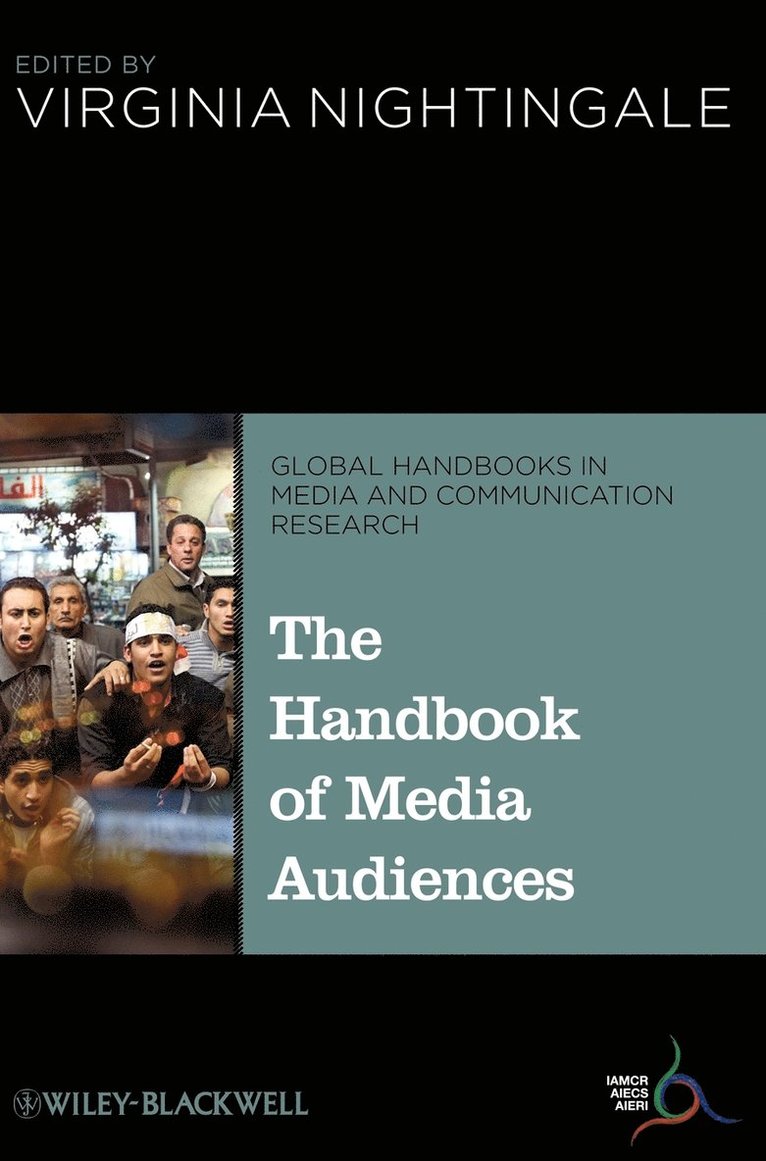
This handbook offers a comprehensive overview of the complexity and diversity of audience studies in the advent of digital media. Details the study of audiences and how it is changing in relation to digital mediaRecognizes and appreciates valuable traditional approaches and identifies how they can be applied to, and evolve with, the changing media worldOffers diverse perspectives from which being an audience, theorizing audiences, researching audiences, and doing audience research are approached todayArgues that the field works best by identifying particular 'audience problems' and applying the best theories and research methods available to solving themIncludes contributions from some of the most outstanding international scholars in the field
481 kr
Skickas inom 7-10 vardagar
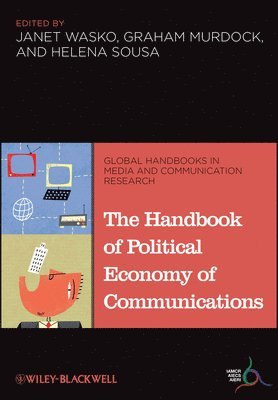
Over the last decade, political economy has grown rapidly as a specialist area of research and teaching within communications and media studies and is now established as a core element in university programmes around the world. The Handbook of Political Economy of Communications offers students and scholars a comprehensive, authoritative, up-to-date and accessible overview of key areas and debates. Combines overviews of core ideas with new case study materials and the best of contemporary theorization and researchWritten many of the best known authors in the fieldIncludes an international line-up of contributors, drawn from the key markets of North and Latin America, Europe, Australasia, and the Far East
520 kr
Skickas inom 7-10 vardagar
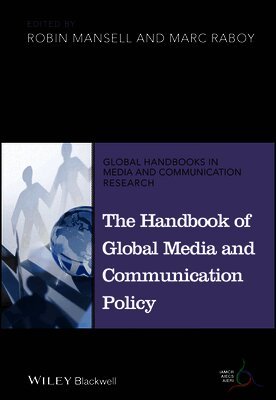
The Handbook of Global Media and Communication Policy offers insights into the boundaries of this field of study, assesses why it is important, who is affected, and with what political, economic, social, and cultural consequences. Contributors draw on theory and empirical research to offer diverse perspectives on the local, national, regional, and global forums in which policy debate occurs. Policy is understood as an emergent process, informed by historical context, power dynamics, and local/global interdependencies. Changes in the press, broadcasting, telecommunication, and the internet are shown to result from complex interactions among players including states, corporations, and civil society organizations as well as those who produce and use media and communications in all their guises.
2 170 kr
Skickas inom 7-10 vardagar
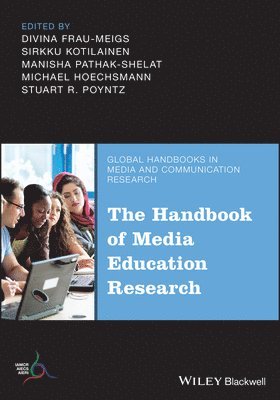
A guide to the most recent practices and theories of media education researchOver the past forty years, media education research has emerged as a historical, epistemological and practical field of study. Shifts in the field—along with radical transformations in media technologies, aesthetic forms, ownership models, and audience participation practices—have driven the application of new concepts and theories across a range of both school and non-school settings. The Handbook of Media Education Research is a unique exploration of the complex set of practices, theories, and tools of media research.Featuring contributions from a diverse range of internationally-recognized experts and practitioners, this timely volume discusses recent developments in the field in the context of related scholarship, public policy, formal and non-formal teaching and learning, and DIY and community practice.Offering a truly global perspective, the Handbook focuses on empirical work from Media and Information Literacy (MIL) practitioners from around the world. The book's five parts explore global youth cultures and the media, trans-media learning, media literacy and scientific controversies, varying national approaches to media research, media education policies, and much more. A ground breaking resource on the concepts and theories of media research, this important book: Provides a diversity of views and experiences relevant to media literacy education researchFeatures contributions from experts from a wide-range of countries including South Africa, Finland, India, Italy, Brazil, and many moreExamines the history and future of media education in various international contextsDiscusses the development and current state of media literacy education institutions and policiesAddresses important contemporary issues such as social media use; datafication; digital privacy, rights, and divides; and 'glocal' cultural practices.The Handbook of Media Education Research is an invaluable guide for researchers in the field, undergraduate and graduate students in media studies, policy makers, and MIL practitioners.
2 109 kr
Skickas inom 7-10 vardagar
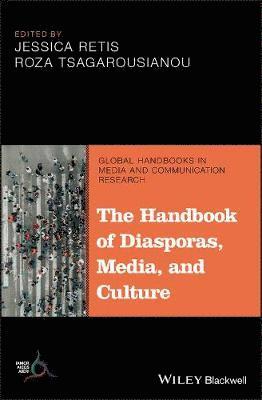
A multidisciplinary, authoritative outline of the current intellectual landscape of the field.Over the past three decades, the term ‘diaspora’ has been featured in many research studies and in wider theoretical debates in areas such as communications, the humanities, social sciences, politics, and international relations. The Handbook of Diasporas, Media, and Culture explores new dimensions of human mobility and connectivity—presenting state-of-the-art research and key debates on the intersection of media, cultural, and diasporic studiesThis innovative and timely book helps readers to understand diasporic cultures and their impact on the globalized world.The Handbook presents contributions from internationally-recognized scholars and researchers to strengthen understanding of diasporas and diasporic cultures, diasporic media and cultural resources, and the various forms of diasporic organization, expression, production, distribution, and consumption. Divided into seven sections, this wide-ranging volume covers topics such as methodological challenges and innovations in diasporic research, the construction of diasporic identity, the politics of diasporic integration, the intersection of gender and generation with the diasporic condition, new technologies in media, and many others. A much-needed resource for anyone with interest diasporic studies, this book: Presents new and original theory, research, and essaysEmploys unique methodological and conceptual debatesOffers contributions from a multidisciplinary team of scholars and researchersExplores new and emerging trends in the study of diasporas and mediaApplies a wide-ranging, international perspective to the subject Due to its international perspective, interdisciplinary approach, and wide range of authors from around the world, The Handbook of Diasporas, Media, and Culture is ideal for undergraduate and graduate students, teachers, lecturers, and researchers in areas that focus on the relationship of media and society, ethnic identity, race, class and gender, globalization and immigration, and other relevant fields.
1 891 kr
Skickas inom 7-10 vardagar
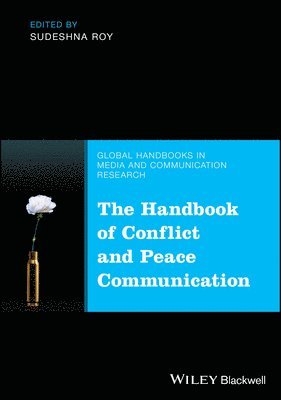
An incisive collection of essays highlighting conflict and peace issues in the Global South, with coverage of theory, method, mediated, case-oriented, and innovative approaches In Handbook of Conflict and Peace Communication, renowned communication and media scholar Dr. Sudeshna Roy delivers an authoritative exploration of a variety of critical conflicts in the world and a spectrum of approaches to peace communication. This book offers an in-depth view of how intricate and intractable conflicts can be and how the communicative aspects of conflict are equally challenging. The author reviews and guides readers through classic and contemporary analysis in the field, providing a truly interdisciplinary work. Handbook of Conflict and Peace Communication is divided into five navigable sections—Theory Development, Method Development, Traditional/Digital Media and Peace and Conflict, Case Studies, and Innovative Approaches – that help illuminate workable and innovative peace communication strategies relevant to today’s conflicts. Readers will also find: Informative contributions from a collection of outstanding scholars, practitioners, and activistsComprehensive explorations of past conflict communication theory in the context of contemporary theoryPractical tools to navigate complex local and global conflictsIn-depth examinations of strategies of peace communication from the margins that acknowledge and elevate solutions for and from the most vulnerablePerfect for undergraduate and graduate students, scholars, and practitioners of peace and conflict studies, media studies, intercultural communication, human rights, and social justice, Handbook of Conflict and Peace Communication will also earn a place in the libraries of interdisciplinary studies involving philosophy, anthropology, political science, history, geography, economics, psychology, and others.
1 918 kr
Skickas inom 7-10 vardagar
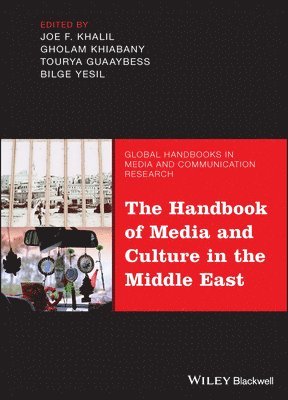
The Handbook of Media and Culture in the Middle East The Handbook of Media and Culture in the Middle East is an invaluable resource for anyone seeking to understand the profound and complex changes shaping the 21st century. With trans-regional contributions from established and emerging scholars, this ground-breaking volume offers conceptual essays and in-depth chapters that present rich analyses grounded in historical and geopolitical contexts, as well as key theory and empirical research. Rather than viewing the Middle East as a monolithic culture, this Handbook examines the diverse and multi-local characteristics of the region’s knowledge production, dynamic media, and rich cultures. It addresses a wide range of topics, including the evolving mainstream and alternative media, competing histories in the region, and pressing socio-economic and media debates. Additionally, the Handbook explores the impact of regional and international politics on Middle Eastern cultures and media. Designed to serve as a foundation for the next era of research in the field, The Handbook of Media and Culture in the Middle East is essential reading for all academics, scholars, and media practitioners. Its comprehensive scope makes it an excellent primary or supplementary textbook for undergraduate or graduate courses in global studies, media and communication, journalism, anthropology, sociology, economics, political science, and history.
1 918 kr
Skickas inom 7-10 vardagar
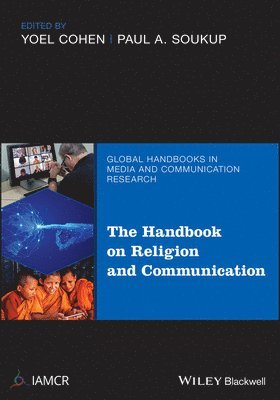
Provides a contemporary view of the intertwined relationship of communication and religion The Handbook of Religion and Communication presents a detailed investigation of the complex interaction between media and religion, offering diverse perspectives on how both traditional and new media sources continue to impact religious belief and practice across multiple faiths around the globe. Contributions from leading international scholars address key themes such as the changing role of religious authority in the digital age, the role of media in cultural shifts away from religious institutions, and the ways modern technologies have transformed how religion is communicated and portrayed.Divided into five parts, the Handbook opens with a state-of-the-art overview of the subject’s intellectual landscape, introducing the historical background, theoretical foundations, and major academic approaches to communication, media, and religion. Subsequent sections focus on institutional and functional perspectives, theological and cultural approaches, and new approaches in digital technologies. The essays provide insight into a wide range of topics, including religious use of media, religious identity, audience gratification, religious broadcasting, religious content in entertainment, films and religion, news reporting about religion, race and gender, the sex-religion matrix, religious crisis communication, public relations and advertising, televangelism, pastoral ministry, death and the media, online religion, future directions in religious communication, and more. Explores the increasing role of media in creating religious identity and communicating religious experienceDiscusses the development and evolution of the communication practices of various religious bodiesCovers all major media sources including radio, television, film, press, digital online content, and social media platformsPresents key empirical research, real-world case studies, and illustrative examples throughoutEncompasses a variety of perspectives, including individual and institutional actors, academic and theoretical areas, and different forms of communication mediaExplores media and religion in Judeo-Christian traditions, Islam, Buddhism, Hinduism, religions of Africa, Atheism, and othersThe Handbook of Religion and Communication is an essential resource for scholars, academic researchers, practical theologians, seminarians, mass communication researchers, and undergraduate and graduate students taking courses on media and religion.
481 kr
Kommande
Provides a contemporary view of the intertwined relationship of communication and religion The Handbook of Religion and Communication presents a detailed investigation of the complex interaction between media and religion, offering diverse perspectives on how both traditional and new media sources continue to impact religious belief and practice across multiple faiths around the globe. Contributions from leading international scholars address key themes such as the changing role of religious authority in the digital age, the role of media in cultural shifts away from religious institutions, and the ways modern technologies have transformed how religion is communicated and portrayed.Divided into five parts, the Handbook opens with a state-of-the-art overview of the subject’s intellectual landscape, introducing the historical background, theoretical foundations, and major academic approaches to communication, media, and religion. Subsequent sections focus on institutional and functional perspectives, theological and cultural approaches, and new approaches in digital technologies. The essays provide insight into a wide range of topics, including religious use of media, religious identity, audience gratification, religious broadcasting, religious content in entertainment, films and religion, news reporting about religion, race and gender, the sex-religion matrix, religious crisis communication, public relations and advertising, televangelism, pastoral ministry, death and the media, online religion, future directions in religious communication, and more. Explores the increasing role of media in creating religious identity and communicating religious experienceDiscusses the development and evolution of the communication practices of various religious bodiesCovers all major media sources including radio, television, film, press, digital online content, and social media platformsPresents key empirical research, real-world case studies, and illustrative examples throughoutEncompasses a variety of perspectives, including individual and institutional actors, academic and theoretical areas, and different forms of communication mediaExplores media and religion in Judeo-Christian traditions, Islam, Buddhism, Hinduism, religions of Africa, Atheism, and othersThe Handbook of Religion and Communication is an essential resource for scholars, academic researchers, practical theologians, seminarians, mass communication researchers, and undergraduate and graduate students taking courses on media and religion.
1 918 kr
Skickas inom 7-10 vardagar
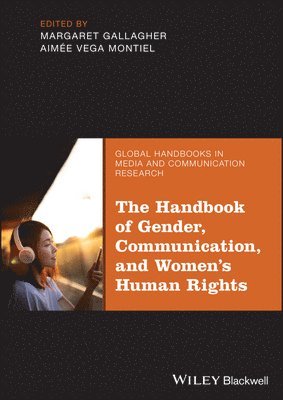
A timely feminist intervention on gender, communication, and women’s human rightsThe Handbook on Gender, Communication, and Women's Human Rights engages contemporary debates on women’s rights, democracy, and neoliberalism through the lens of feminist communication scholarship. The first major collection of its kind published in the COVID-19 era, this unique volume frames a wide range of issues relevant to the gender and communication agenda within a human rights framework.An international panel of feminist academics and activists examines how media, information, and communication systems contribute to enabling, ignoring, questioning, or denying women's human and communication rights. Divided into four parts, the Handbook covers governance and policy, systems and institutions, advocacy and activism, and content, rights, and freedoms. Throughout the text, the contributors demonstrate the need for strong feminist critiques of exclusionary power structures, highlight new opportunities and challenges in promoting change, illustrate both the risks and rewards associated with digital communication, and much more. Offers a state-of-the-art exploration of the intersection between gender, communication, and women's rightsAddresses both core and emerging topics in feminist media scholarship and researchDiscusses the vital role of communication systems and processes in women's struggles to claim and exercise their rightsAnalyzes how the COVID-19 pandemic has exacerbated structures of inequality and intensified the spread of disinformationExplores feminist-based concepts and approaches that could enrich communication policy at all levelsPart of the Global Handbooks in Media and Communication Research series, TheHandbook of Gender, Communication, and Women's Human Rights is essential reading for advanced undergraduate and graduate students in media studies, communication studies, cultural studies, journalism, feminist studies, gender studies, global studies, and human rights programs at institutions around the world. It is also an invaluable resource for academics, researchers, policymakers, and civil society and human rights activists.
1 916 kr
Skickas inom 7-10 vardagar
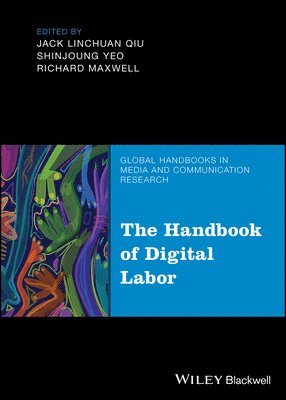
Provides a global perspective on labor and technology, exploring resistance, solidarity, and alternatives in digital capitalismThe Handbook of Digital Labor critically examines how digital technologies are reshaping work and employment around the globe. Bridging historical and contemporary perspectives, this timely volume explores the dynamics of labor within digital capitalism using a critical framework that illuminates the systemic challenges faced by workers across diverse sectors. Dozens of contributing authors address key challenges including surveillance, inequality, and environmental exploitation, while highlighting innovative forms of resistance and organizing.Organized into four sections—Working-Class Resistance, Digital Capitalism and Alternatives, Laboring under Digital Capitalism, and Theorizing Digital Labor—the Handbook offers a nuanced understanding of how workers navigate the intersection of technological advancement and capitalist development. In-depth chapters cover topics ranging from platform work to AI-driven labor processes—shedding light on the realities of digital labor.Equipping readers with the tools to critically engage with labor struggles across diverse industries and geographies, the Handbook of Digital Labor: Offers interdisciplinary insights from leading scholars in media, communication, labor studies, political economy, as well as unionists, activists, and other on-the-ground practitionersPresents both historical and contemporary analyses of labor conditions under digital capitalismAdvocates for actionable strategies to empower labor movements and build equitable and sustainable alternativesFeatures real-world case studies of worker resistance and solidarity across platforms and industriesEmphasizing both theory and praxis, the Handbook of Digital Labor is ideal for advanced undergraduate and graduate students, junior faculty, and researchers in media studies, labor sociology, and public policy. It is a vital resource for courses on digital labor, political economy, and social change within communications and technology programs. Labor organizers, policymakers, and industry professionals will find it an indispensable guide to navigating the complexities of work in the digital age.
1 818 kr
Skickas inom 7-10 vardagar
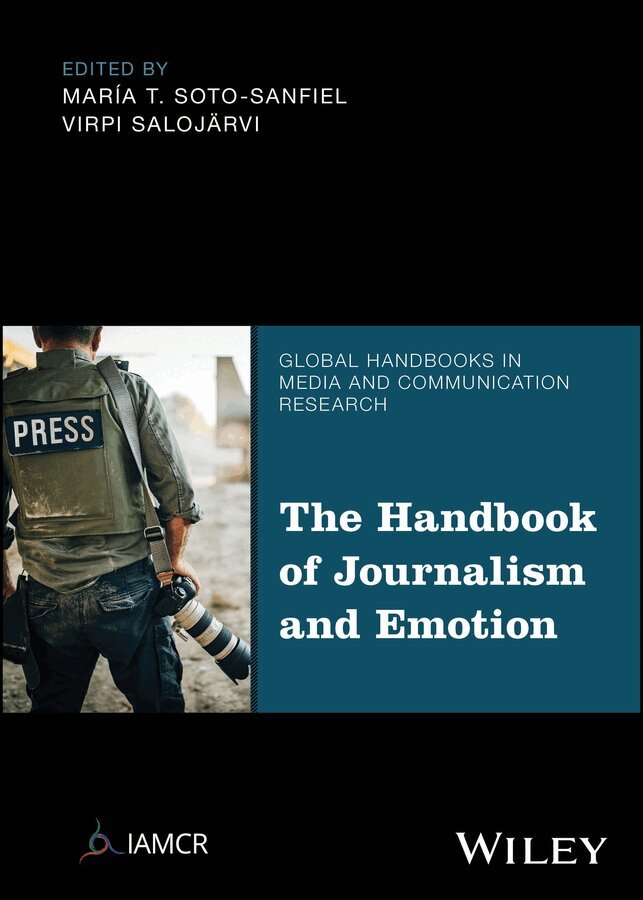
A groundbreaking global exploration of how emotions shape journalism Emotion is no longer peripheral to journalism—it is central to how news is made, shared, and experienced. The Handbook of Journalism and Emotions: Theory, Production, Content and Responses redefines how we understand journalism in today’s emotionally charged world, bringing together 60 leading scholars from across five continents to investigate how emotion shapes journalism theory, production practices, content, and audience engagement. Organized into four thematic sections—Theory, Production, Content, and Responses—the Handbook covers topics ranging from emotional labor and trauma in reporting to audience reactions and emotional authority in visual storytelling. Drawing from sociology, psychology, communication, linguistics, and neuroscience, in-depth chapters highlight how emotional forces interact with journalistic values, ethics, and norms. Throughout the book, in-depth chapters respond to the growing scholarly and professional recognition of the “emotional turn” in media studies, filling a critical gap in media and communication scholarship. The first book to provide an interdisciplinary, multicultural, and methodologically diverse analysis of the pivotal role of emotion across all dimensions of journalism, the Handbook of Journalism and Emotions: Presents cutting-edge research that integrates communication studies, sociology, psychology, neuroscience, and media theoryEmploys a wide range of methods, including digital ethnography, content analysis, interviews, experiments, and meta-analysisCovers both traditional and digital media formats, such as audio-visual journalism, social media, and multimodal storytellingEngages with timely global issues, such as conflict reporting, populism, misinformation, and journalistic safetySituates emotion as an essential aspect of journalism’s epistemology, examining its role in both individual and collective experienceHighlights under-researched perspectives from Latin America, Sub-Saharan Africa, Southeast Asia, and other regions worldwideIdeal for scholars, students, and professionals, the Handbook of Journalism and Emotions: Theory, Production, Content and Responses is a core reference for courses in journalism, communication, media and cultural studies, and emotion research. It is also a key resource for journalists, editors, media educators, and policymakers seeking to understand and teach the emotional complexities of modern journalism.
Del 1 - Global Handbooks in Media and Communication Research
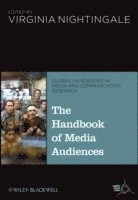
Handbook of Media Audiences
Inbunden, Engelska, 2011
1 729 kr
Tillfälligt slut
This handbook offers a comprehensive overview of the complexity and diversity of audience studies in the advent of digital media. Details the study of audiences and how it is changing in relation to digital mediaRecognizes and appreciates valuable traditional approaches and identifies how they can be applied to, and evolve with, the changing media worldOffers diverse perspectives from which being an audience, theorizing audiences, researching audiences, and doing audience research are approached todayArgues that the field works best by identifying particular 'audience problems' and applying the best theories and research methods available to solving themIncludes contributions from some of the most outstanding international scholars in the field
Del 3 - Global Handbooks in Media and Communication Research
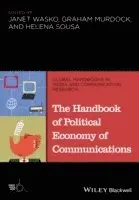
Handbook of Political Economy of Communications
Inbunden, Engelska, 2011
1 729 kr
Tillfälligt slut
Over the last decade, political economy has grown rapidly as a specialist area of research and teaching within communications and media studies and is now established as a core element in university programmes around the world. The Handbook of Political Economy of Communications offers students and scholars a comprehensive, authoritative, up-to-date and accessible overview of key areas and debates. Combines overviews of core ideas with new case study materials and the best of contemporary theorization and researchWritten many of the best known authors in the fieldIncludes an international line-up of contributors, drawn from the key markets of North and Latin America, Europe, Australasia, and the Far East
Del 2 - Global Handbooks in Media and Communication Research
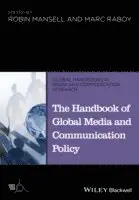
Handbook of Global Media and Communication Policy
Inbunden, Engelska, 2011
2 115 kr
Skickas inom 7-10 vardagar
The Handbook of Global Media and Communication Policy offers insights into the boundaries of this field of study, assesses why it is important, who is affected, and with what political, economic, social, and cultural consequences. Contributors draw on theory and empirical research to offer diverse perspectives on the local, national, regional, and global forums in which policy debate occurs. Policy is understood as an emergent process, informed by historical context, power dynamics, and local/global interdependencies. Changes in the press, broadcasting, telecommunication, and the internet are shown to result from complex interactions among players including states, corporations, and civil society organizations as well as those who produce and use media and communications in all their guises.