Virpi Salojärvi - Böcker
Visar alla böcker från författaren Virpi Salojärvi. Handla med fri frakt och snabb leverans.
4 produkter
4 produkter
2 088 kr
Skickas inom 10-15 vardagar
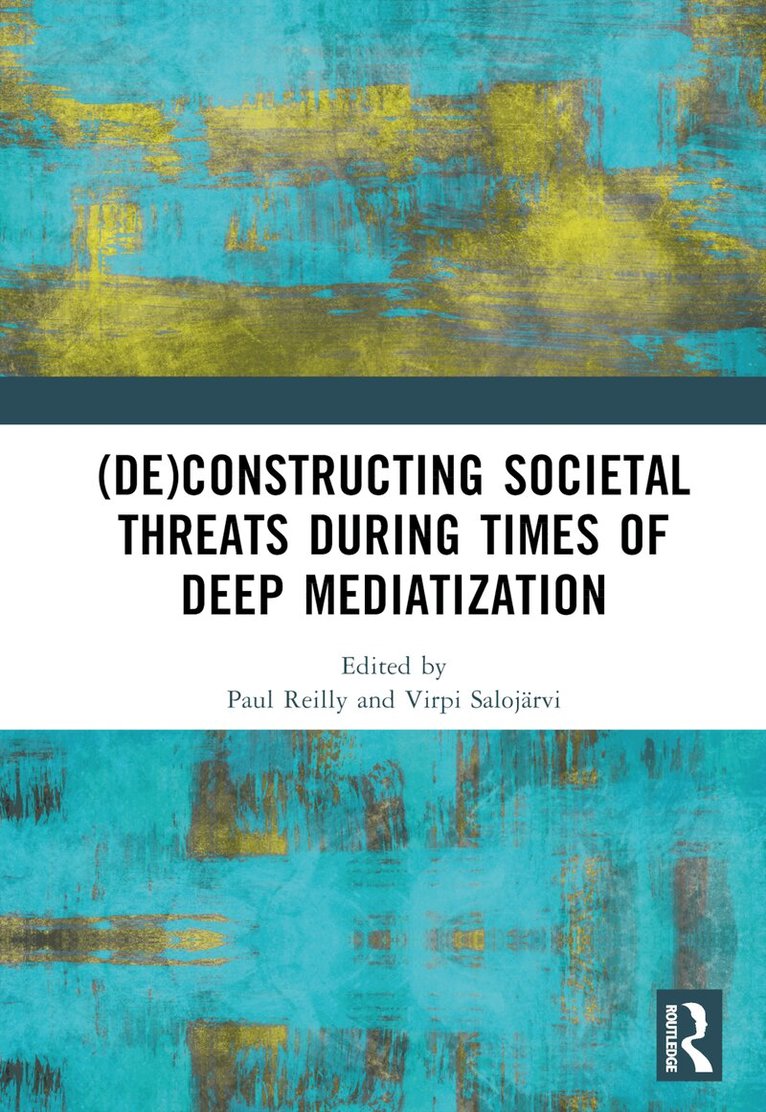
This book explores how both elite and non-elite actors frame societal threats such as the refugee crisis and COVID-19 using both digital and traditional media. It also explores ways in which the framing of these issues as threatening can be challenged using these platforms.People typically experience societal threats such as war and terrorism through the media they consume, both on and offline. Much of the research in this area to date focuses on either how political and media elites present these issues to citizens, or audience responses to these frames. This book takes a different approach by focusing on how issues such as the refugee crisis and the COVID-19 pandemic are both constructed and deconstructed in an era of hybrid media. It draws on a range of traditional and innovative research methodologies to explore how these issues are framed as ‘threats’ within deeply mediatized societies, ranging from content analysis of newspaper coverage of the Macedonian name dispute in Greece to investigating conspiratorial communities on YouTube using Systemic Functional Linguistics. In doing so, this book enriches our understanding of not only how civil and uncivil actors frame these issues, but also their impact on societal resilience towards future crises.(De)constructing Societal Threats During Times of Deep Mediatization will be a key resource for academics, researchers, and advanced students of Communication Studies, Media Studies, Journalism, Cultural Studies, Research Methods, Sociology and Politics. The chapters included in this book were originally published as a special issue of The Communication Review.
576 kr
Skickas inom 10-15 vardagar
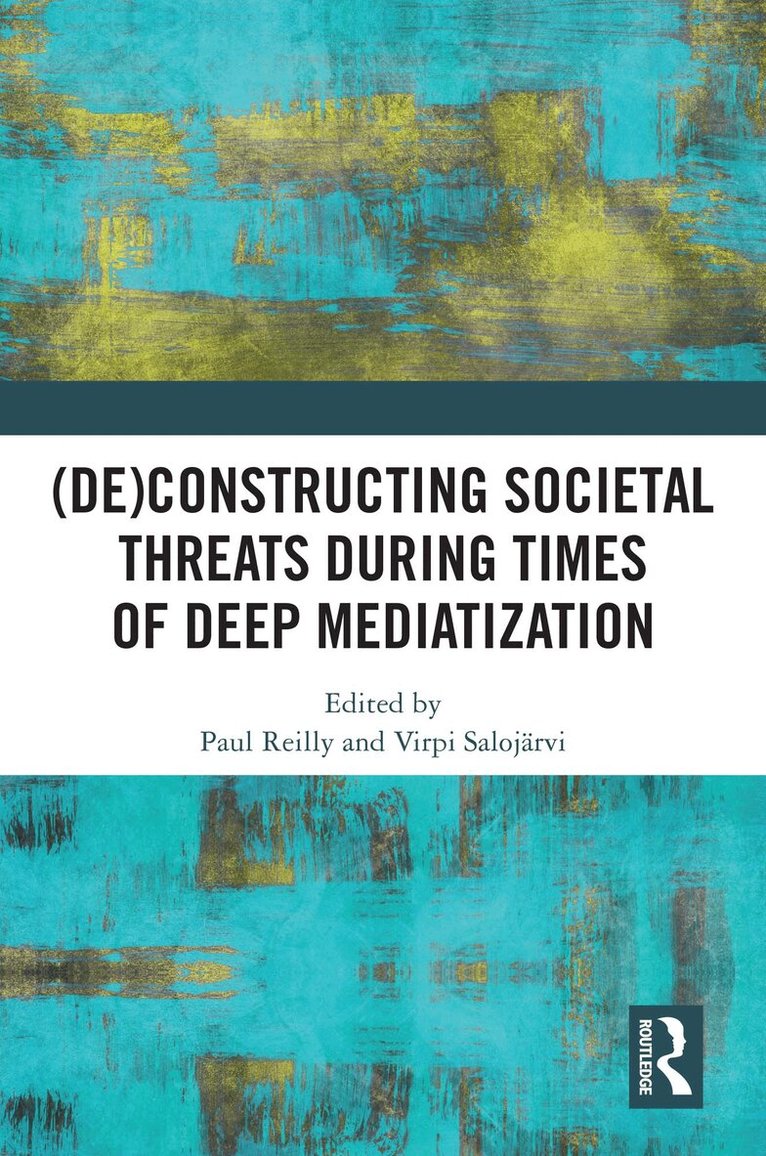
This book explores how both elite and non-elite actors frame societal threats such as the refugee crisis and COVID-19 using both digital and traditional media. It also explores ways in which the framing of these issues as threatening can be challenged using these platforms.People typically experience societal threats such as war and terrorism through the media they consume, both on and offline. Much of the research in this area to date focuses on either how political and media elites present these issues to citizens, or audience responses to these frames. This book takes a different approach by focusing on how issues such as the refugee crisis and the COVID-19 pandemic are both constructed and deconstructed in an era of hybrid media. It draws on a range of traditional and innovative research methodologies to explore how these issues are framed as ‘threats’ within deeply mediatized societies, ranging from content analysis of newspaper coverage of the Macedonian name dispute in Greece to investigating conspiratorial communities on YouTube using Systemic Functional Linguistics. In doing so, this book enriches our understanding of not only how civil and uncivil actors frame these issues, but also their impact on societal resilience towards future crises.(De)constructing Societal Threats During Times of Deep Mediatization will be a key resource for academics, researchers, and advanced students of Communication Studies, Media Studies, Journalism, Cultural Studies, Research Methods, Sociology and Politics. The chapters included in this book were originally published as a special issue of The Communication Review.
1 792 kr
Skickas inom 7-10 vardagar
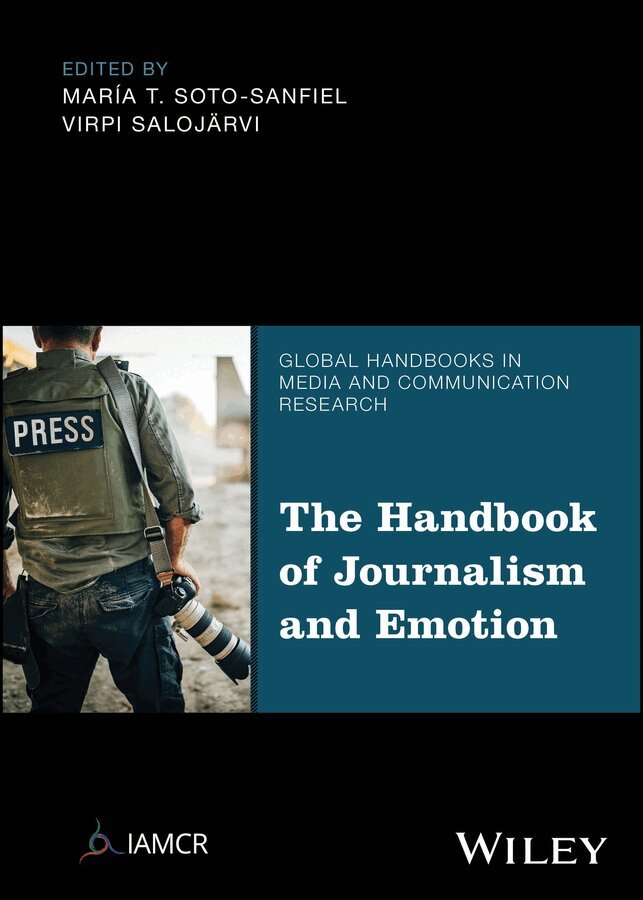
A groundbreaking global exploration of how emotions shape journalism Emotion is no longer peripheral to journalism—it is central to how news is made, shared, and experienced. The Handbook of Journalism and Emotions: Theory, Production, Content and Responses redefines how we understand journalism in today’s emotionally charged world, bringing together 60 leading scholars from across five continents to investigate how emotion shapes journalism theory, production practices, content, and audience engagement. Organized into four thematic sections—Theory, Production, Content, and Responses—the Handbook covers topics ranging from emotional labor and trauma in reporting to audience reactions and emotional authority in visual storytelling. Drawing from sociology, psychology, communication, linguistics, and neuroscience, in-depth chapters highlight how emotional forces interact with journalistic values, ethics, and norms. Throughout the book, in-depth chapters respond to the growing scholarly and professional recognition of the “emotional turn” in media studies, filling a critical gap in media and communication scholarship. The first book to provide an interdisciplinary, multicultural, and methodologically diverse analysis of the pivotal role of emotion across all dimensions of journalism, the Handbook of Journalism and Emotions: Presents cutting-edge research that integrates communication studies, sociology, psychology, neuroscience, and media theoryEmploys a wide range of methods, including digital ethnography, content analysis, interviews, experiments, and meta-analysisCovers both traditional and digital media formats, such as audio-visual journalism, social media, and multimodal storytellingEngages with timely global issues, such as conflict reporting, populism, misinformation, and journalistic safetySituates emotion as an essential aspect of journalism’s epistemology, examining its role in both individual and collective experienceHighlights under-researched perspectives from Latin America, Sub-Saharan Africa, Southeast Asia, and other regions worldwideIdeal for scholars, students, and professionals, the Handbook of Journalism and Emotions: Theory, Production, Content and Responses is a core reference for courses in journalism, communication, media and cultural studies, and emotion research. It is also a key resource for journalists, editors, media educators, and policymakers seeking to understand and teach the emotional complexities of modern journalism.
706 kr
Kommande