Yoel Cohen - Böcker
Visar alla böcker från författaren Yoel Cohen. Handla med fri frakt och snabb leverans.
10 produkter
10 produkter
2 222 kr
Skickas inom 10-15 vardagar
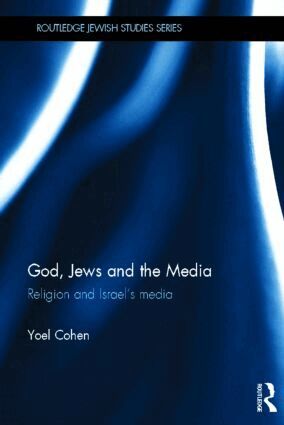
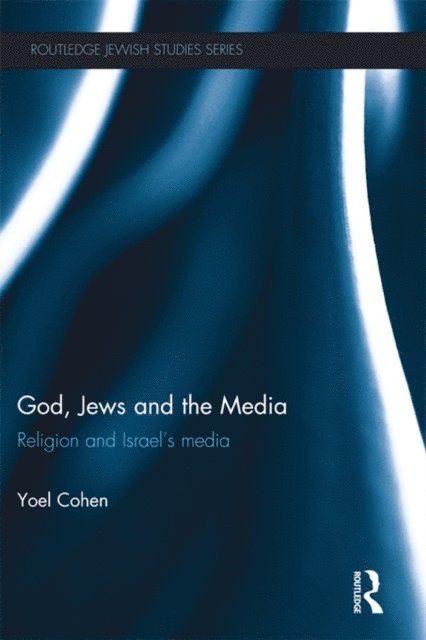
In order to understand contemporary Jewish identity in the twenty-first century, one needs to look beyond the Synagogue, the holy days and Jewish customs and law to explore such modern phenomena as mass media and their impact upon Jewish existence. This book delves into the complex relationship between Judaism and the mass media to provide a comprehensive examination of modern Jewish identity in the information age. Covering Israel as well as the Diaspora populations of the US and UK, the author looks at journalism, broadcasting, advertising and the internet to give a wide-ranging analysis of how the Jewish religion and Jewish people have been influenced by the media age. He tackles questions such as: What is the impact of Judaism on mass media? How is the religion covered in the secular Israeli media? Does the coverage strengthen religious identity? What impact does the media have upon secular-religious tensions? Chapters explore how the impact of Judaism is to be found particularly in the religious media in Israel – haredi and modern Orthodox – and looks at the evolution of new patterns of religious advertising, the growth and impact of the internet on Jewish identity, and the very legitimacy of certain media in the eyes of religious leaders. Also examined are such themes as the marketing of rabbis, the `Holyland’ dimension in foreign media reporting from Israel, and the media’s role in the Jewish Diaspora. An important addition to the existing literature on the nature of Jewish identity in the modern world, this book will be of great interest to scholars of media studies, media and religion, sociology, Jewish studies, religion and politics, as well as to the broader Jewish and Israeli communities.
1 685 kr
Skickas inom 10-15 vardagar
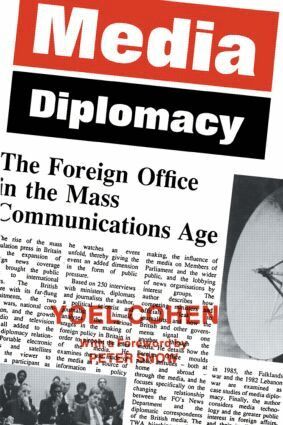
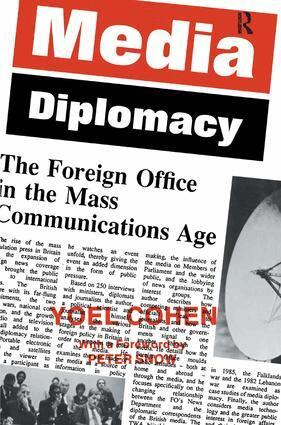
Published in 1986, Media Diplomacy is a valuable contribution to the field of Military & Strategic Studies.
630 kr
Skickas inom 10-15 vardagar
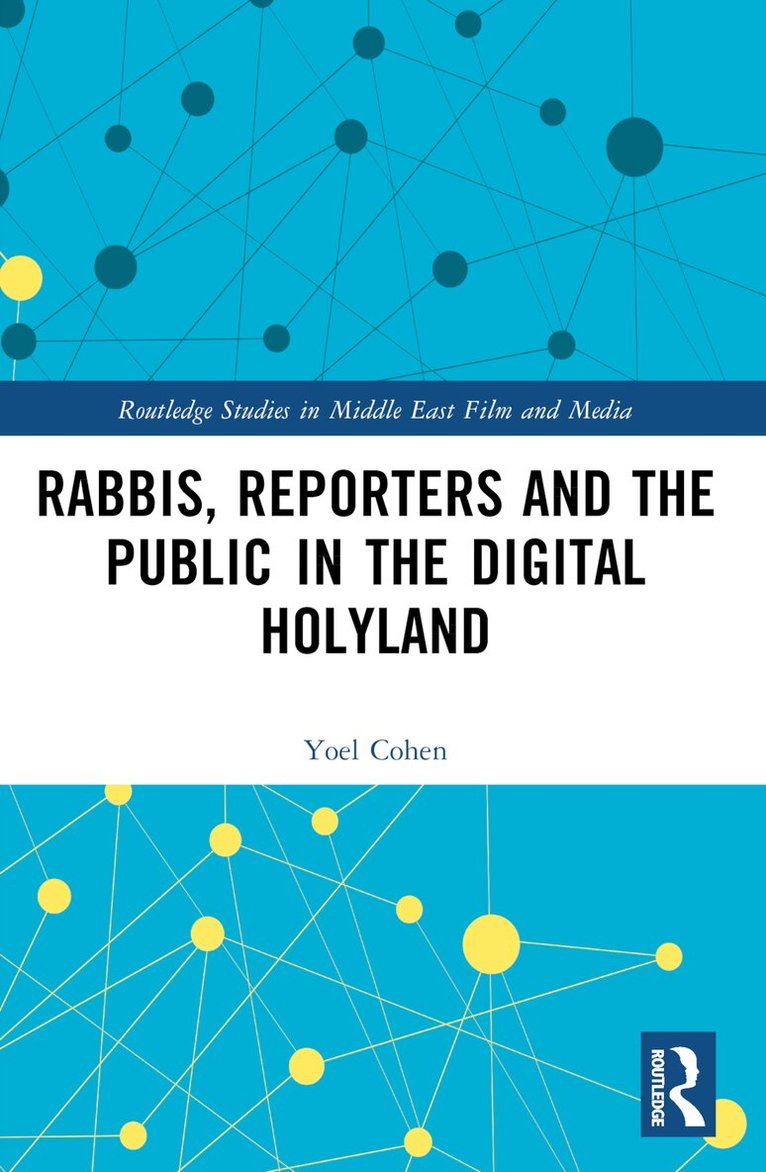
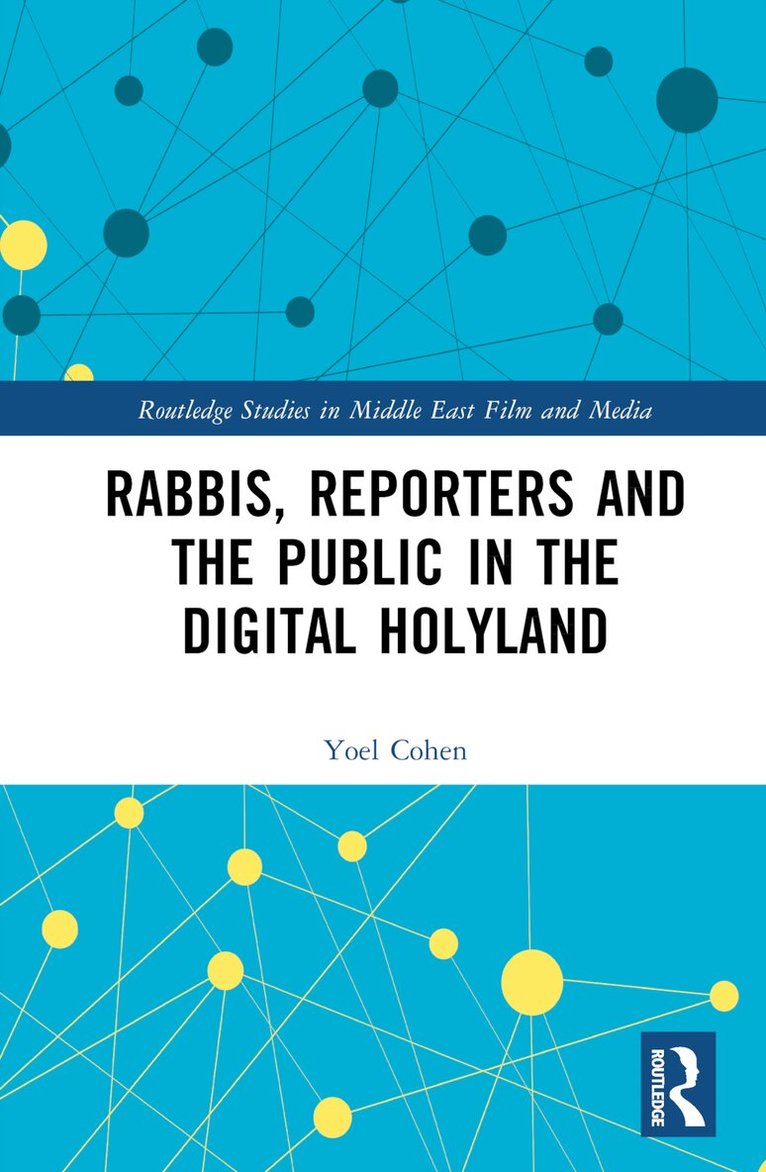
Focused on the triangular relationship between rabbis, journalists and the public, this book analyses each group’s role in influencing the agenda around religion in Israel.The book draws upon the author's original research, comprising an analysis of the coverage of religion on four Israeli news websites, a series of surveys of rabbis, journalists, and the public, as well as a large number of interviews conducted with a range of stakeholders: community rabbis, teacher rabbis, and religious court judges; reporters, editors, and spokespersons; and the Israeli Jewish public. Key questions include:What are rabbis’ philosophical views of the media?How does the media define news about Judaism?What aspect of news about religion and spirituality interest the public?How do spokespersons and rabbis influence the news agenda?How is the triangular relationship between rabbis, journalists and the public being altered by the digital age?Despite a lack of understanding about mass media behaviour among many rabbis, and, concurrently, a lack of knowledge about religion among many journalists, it is argued that there is shared interest between the two groups, both in support of mass-media values like the right to know and freedom of expression. It is further argued that the public's attitude to news about religion is significant in determining what journalists should publish.The book will be of interest to those studying mass communications, the media, Judaism and Israeli society, as well as researchers of media and religion.
1 895 kr
Skickas inom 7-10 vardagar
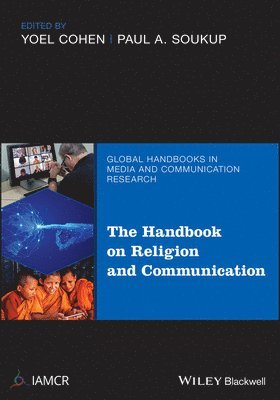
Provides a contemporary view of the intertwined relationship of communication and religion The Handbook of Religion and Communication presents a detailed investigation of the complex interaction between media and religion, offering diverse perspectives on how both traditional and new media sources continue to impact religious belief and practice across multiple faiths around the globe. Contributions from leading international scholars address key themes such as the changing role of religious authority in the digital age, the role of media in cultural shifts away from religious institutions, and the ways modern technologies have transformed how religion is communicated and portrayed.Divided into five parts, the Handbook opens with a state-of-the-art overview of the subject’s intellectual landscape, introducing the historical background, theoretical foundations, and major academic approaches to communication, media, and religion. Subsequent sections focus on institutional and functional perspectives, theological and cultural approaches, and new approaches in digital technologies. The essays provide insight into a wide range of topics, including religious use of media, religious identity, audience gratification, religious broadcasting, religious content in entertainment, films and religion, news reporting about religion, race and gender, the sex-religion matrix, religious crisis communication, public relations and advertising, televangelism, pastoral ministry, death and the media, online religion, future directions in religious communication, and more. Explores the increasing role of media in creating religious identity and communicating religious experienceDiscusses the development and evolution of the communication practices of various religious bodiesCovers all major media sources including radio, television, film, press, digital online content, and social media platformsPresents key empirical research, real-world case studies, and illustrative examples throughoutEncompasses a variety of perspectives, including individual and institutional actors, academic and theoretical areas, and different forms of communication mediaExplores media and religion in Judeo-Christian traditions, Islam, Buddhism, Hinduism, religions of Africa, Atheism, and othersThe Handbook of Religion and Communication is an essential resource for scholars, academic researchers, practical theologians, seminarians, mass communication researchers, and undergraduate and graduate students taking courses on media and religion.
481 kr
Kommande
Provides a contemporary view of the intertwined relationship of communication and religion The Handbook of Religion and Communication presents a detailed investigation of the complex interaction between media and religion, offering diverse perspectives on how both traditional and new media sources continue to impact religious belief and practice across multiple faiths around the globe. Contributions from leading international scholars address key themes such as the changing role of religious authority in the digital age, the role of media in cultural shifts away from religious institutions, and the ways modern technologies have transformed how religion is communicated and portrayed.Divided into five parts, the Handbook opens with a state-of-the-art overview of the subject’s intellectual landscape, introducing the historical background, theoretical foundations, and major academic approaches to communication, media, and religion. Subsequent sections focus on institutional and functional perspectives, theological and cultural approaches, and new approaches in digital technologies. The essays provide insight into a wide range of topics, including religious use of media, religious identity, audience gratification, religious broadcasting, religious content in entertainment, films and religion, news reporting about religion, race and gender, the sex-religion matrix, religious crisis communication, public relations and advertising, televangelism, pastoral ministry, death and the media, online religion, future directions in religious communication, and more. Explores the increasing role of media in creating religious identity and communicating religious experienceDiscusses the development and evolution of the communication practices of various religious bodiesCovers all major media sources including radio, television, film, press, digital online content, and social media platformsPresents key empirical research, real-world case studies, and illustrative examples throughoutEncompasses a variety of perspectives, including individual and institutional actors, academic and theoretical areas, and different forms of communication mediaExplores media and religion in Judeo-Christian traditions, Islam, Buddhism, Hinduism, religions of Africa, Atheism, and othersThe Handbook of Religion and Communication is an essential resource for scholars, academic researchers, practical theologians, seminarians, mass communication researchers, and undergraduate and graduate students taking courses on media and religion.
2 772 kr
Skickas inom 10-15 vardagar
Published in 1986, Media Diplomacy is a valuable contribution to the field of Military & Strategic Studies.
752 kr
Skickas inom 10-15 vardagar
In order to understand contemporary Jewish identity in the twenty-first century, one needs to look beyond the Synagogue, the holy days and Jewish customs and law to explore such modern phenomena as mass media and their impact upon Jewish existence. This book delves into the complex relationship between Judaism and the mass media to provide a comprehensive examination of modern Jewish identity in the information age. Covering Israel as well as the Diaspora populations of the US and UK, the author looks at journalism, broadcasting, advertising and the internet to give a wide-ranging analysis of how the Jewish religion and Jewish people have been influenced by the media age. He tackles questions such as: What is the impact of Judaism on mass media? How is the religion covered in the secular Israeli media? Does the coverage strengthen religious identity? What impact does the media have upon secular-religious tensions? Chapters explore how the impact of Judaism is to be found particularly in the religious media in Israel – haredi and modern Orthodox – and looks at the evolution of new patterns of religious advertising, the growth and impact of the internet on Jewish identity, and the very legitimacy of certain media in the eyes of religious leaders. Also examined are such themes as the marketing of rabbis, the `Holyland’ dimension in foreign media reporting from Israel, and the media’s role in the Jewish Diaspora. An important addition to the existing literature on the nature of Jewish identity in the modern world, this book will be of great interest to scholars of media studies, media and religion, sociology, Jewish studies, religion and politics, as well as to the broader Jewish and Israeli communities.
2 246 kr
Skickas inom 10-15 vardagar
Focused on the triangular relationship between rabbis, journalists and the public, this book analyses each group’s role in influencing the agenda around religion in Israel.The book draws upon the author's original research, comprising an analysis of the coverage of religion on four Israeli news websites, a series of surveys of rabbis, journalists, and the public, as well as a large number of interviews conducted with a range of stakeholders: community rabbis, teacher rabbis, and religious court judges; reporters, editors, and spokespersons; and the Israeli Jewish public. Key questions include:What are rabbis’ philosophical views of the media?How does the media define news about Judaism?What aspect of news about religion and spirituality interest the public?How do spokespersons and rabbis influence the news agenda?How is the triangular relationship between rabbis, journalists and the public being altered by the digital age?Despite a lack of understanding about mass media behaviour among many rabbis, and, concurrently, a lack of knowledge about religion among many journalists, it is argued that there is shared interest between the two groups, both in support of mass-media values like the right to know and freedom of expression. It is further argued that the public's attitude to news about religion is significant in determining what journalists should publish.The book will be of interest to those studying mass communications, the media, Judaism and Israeli society, as well as researchers of media and religion.
744 kr
Skickas inom 5-8 vardagar
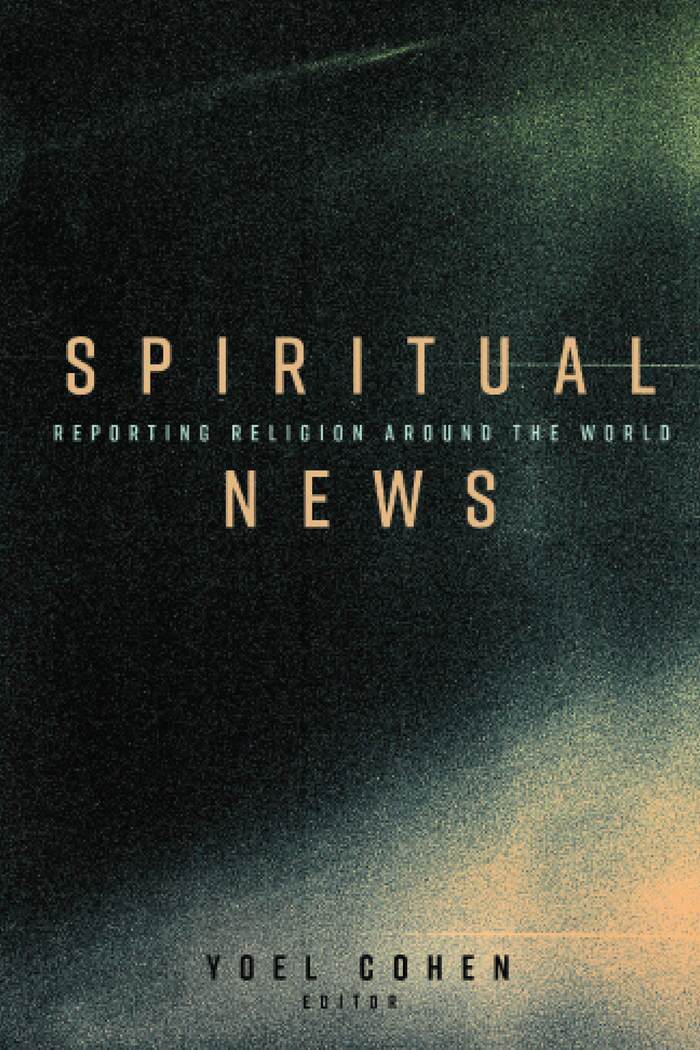
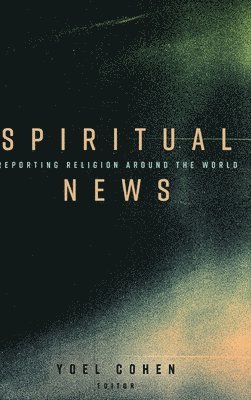
The media's coverage of religion is an important question for academic researchers, given the central role which news media play in ensuring that people are up-to-date with religion news developments. Not only is there a lack of treatment of the subject in other countries, but there is also the absence of comparative study on news and religion. A key question is how the media, the political system, the religions themselves, the culture, and the economy influence how religion is reported in different countries. Spiritual News: Reporting Religion Around the World is intended to fill this gap. The book is divided into six parts: an introductory section; the newsgathering process; religion reporting in different regions; media events concerning religion; political and social change and the role of religion news; future trends.
1 241 kr
Skickas inom 5-8 vardagar
The media's coverage of religion is an important question for academic researchers, given the central role which news media play in ensuring that people are up-to-date with religion news developments. Not only is there a lack of treatment of the subject in other countries, but there is also the absence of comparative study on news and religion. A key question is how the media, the political system, the religions themselves, the culture, and the economy influence how religion is reported in different countries. Spiritual News: Reporting Religion Around the World is intended to fill this gap. The book is divided into six parts: an introductory section; the newsgathering process; religion reporting in different regions; media events concerning religion; political and social change and the role of religion news; future trends.