Gumshoe – serie
Visar alla böcker i serien Gumshoe. Handla med fri frakt och snabb leverans.
3 produkter
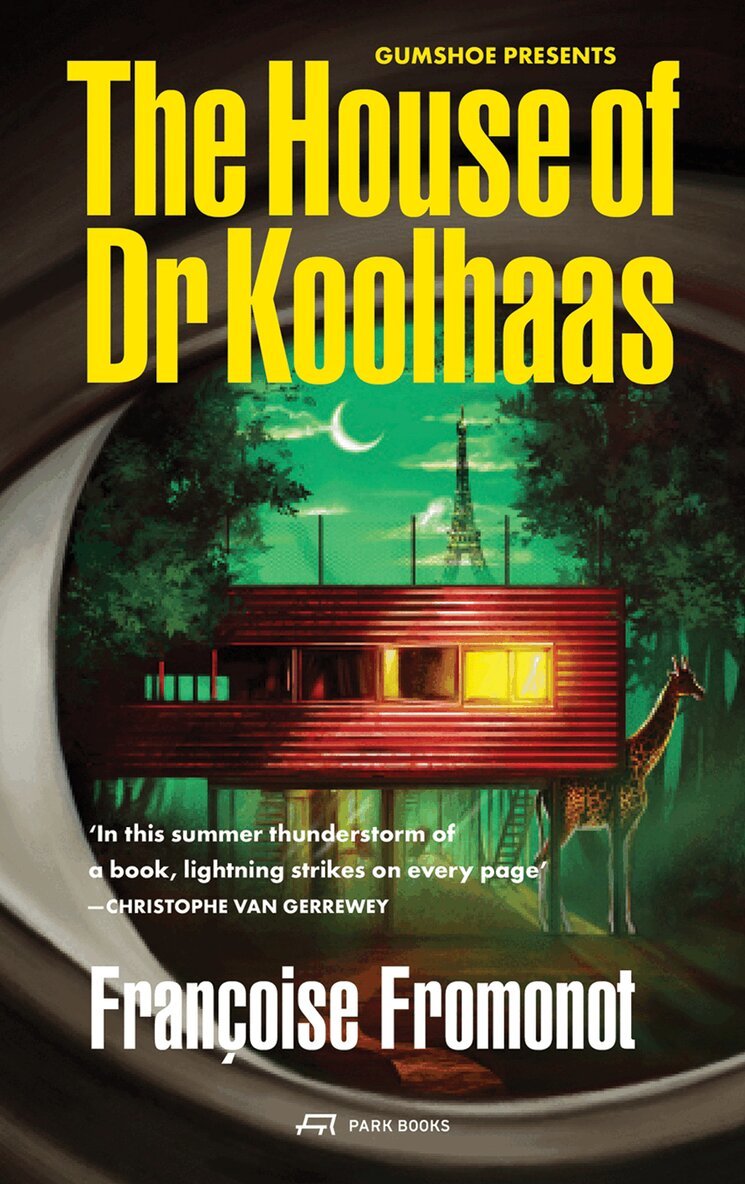
House of Doctor Koolhaas
Av Françoise Fromonot, Thomas Weaver
Häftad, 2025
198 kr
Lägg i varukorg
Gumshoe is new series of architectural books, introducing a new approach to the writing of architectural history. It returns the focus of architectural discourse back onto buildings, in a style and form that is original and scholarly but also easy and enjoyable to read. It emulates the detective …
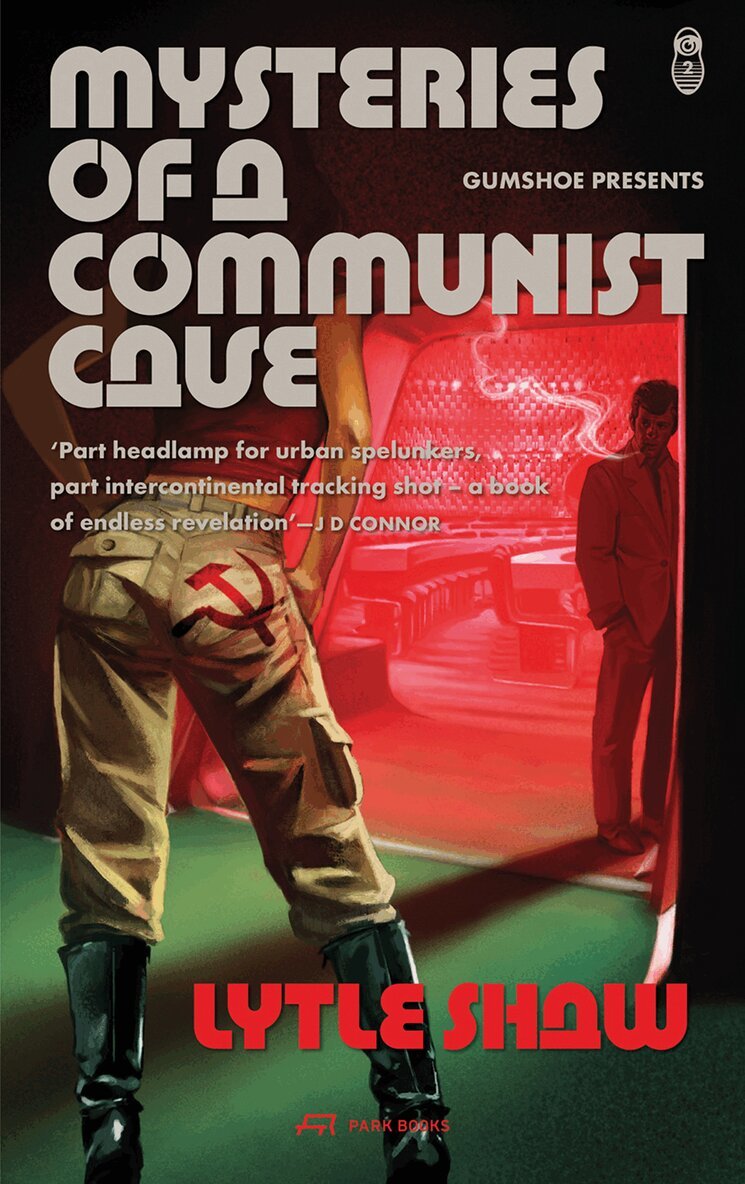
Mysteries of a Communist Cave
Av Lytle Shaw, Thomas Weaver m. fl.
Häftad, 2026
196 kr
Lägg i varukorg
Gumshoe is a new series of architectural books that introduces an original approach to the writing of architectural history. Emulating the detective novel, the focus is on actual buildings rather than on speculative designs and theories. The style and form is fresh and scholarly but also easy and …
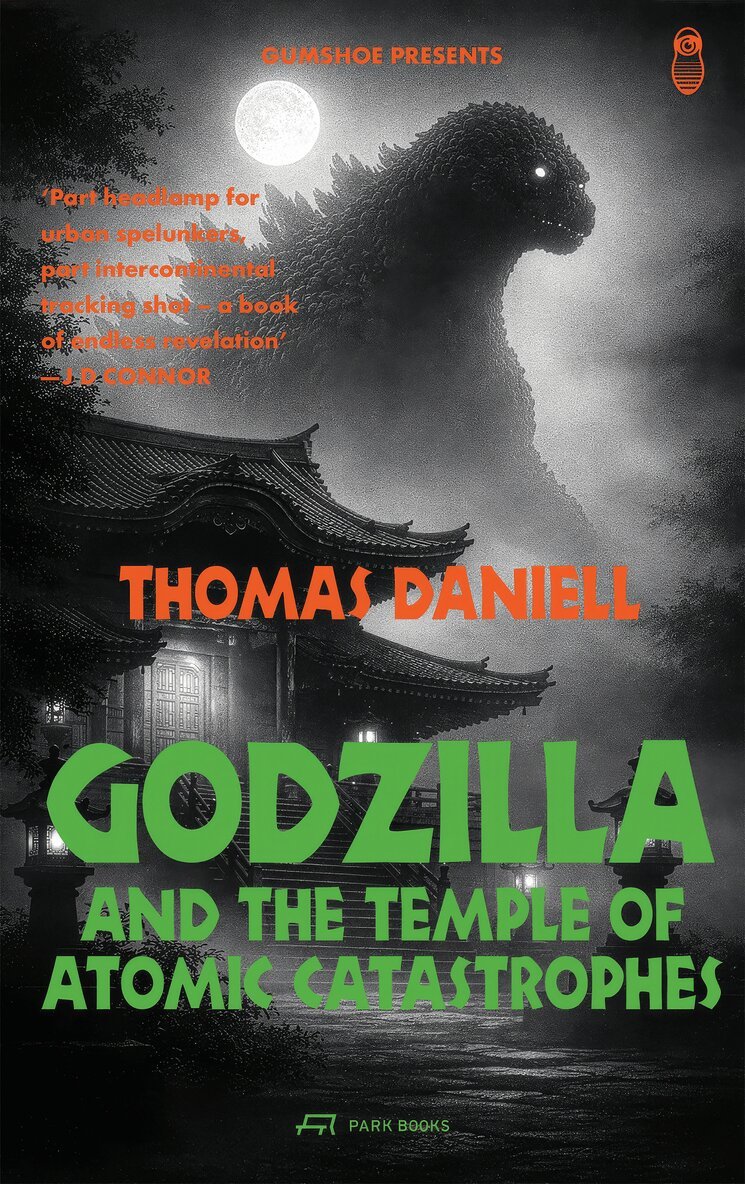
Godzilla and the Temple of Atomic Catastrophes
Av Thomas Daniell, Thomas Weaver m. fl.
Häftad, 2026
196 kr
Kommande
The Temple of Atomic Catastrophes was designed in 1955 by Japanese architect Seiichi Shirai (1905–83). Although never built, the memorial has become a touchstone in debates about Japanese monuments, tradition, and culture. Shirai’s temple design is one of the few architectural works to explicitly …