Historical Endings - Böcker
Visar alla böcker i serien Historical Endings. Handla med fri frakt och snabb leverans.
6 produkter
6 produkter
475 kr
Skickas inom 10-15 vardagar
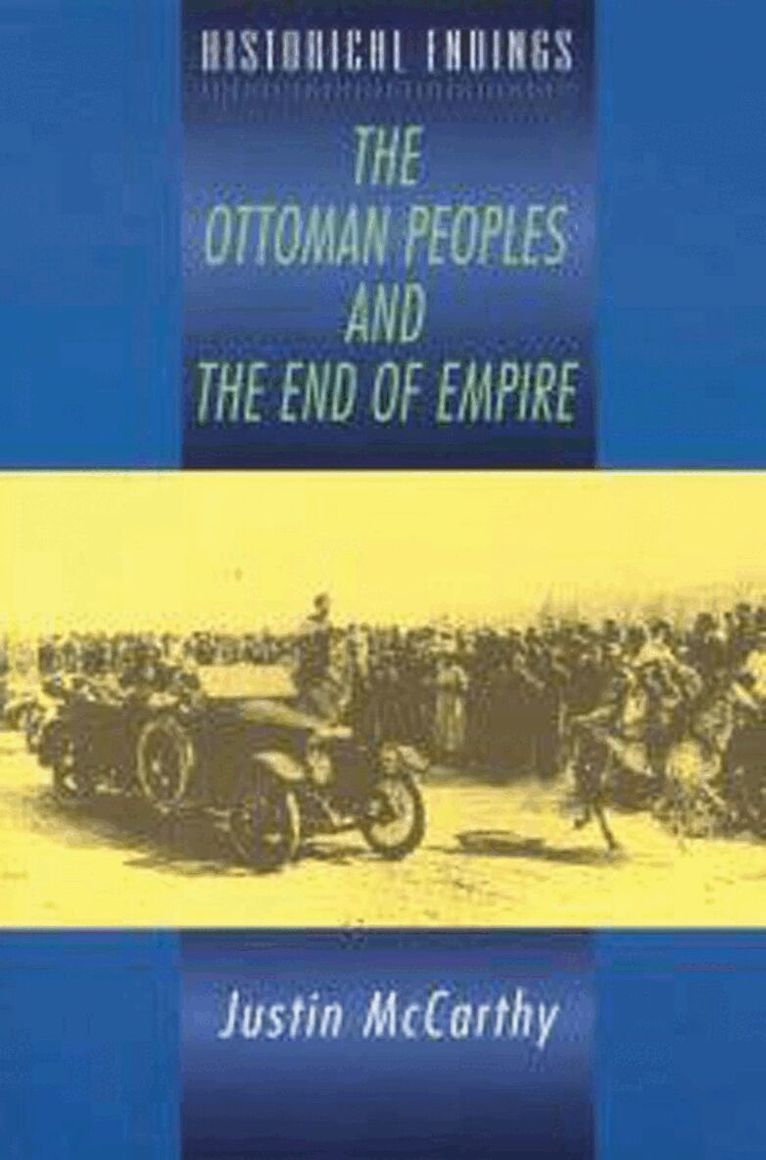
Here, historian Justin McCarthy tells the story of the collapse of the Ottoman Empire and how this changed the lives of Slavs, Turks, Greeks, Arabs, and Armenians. The history has striking parallels, as well as direct links, to the crises in the Balkans today. For six centuries the Ottoman Empire united a diverse array of religious and ethnic groups, but its dissolution into distinct states left a tradition of nationalism and ethnic enmity in much of the Balkans and Middle East. In particular, the majority of the Muslim population of the Ottoman Balkans would never be integrated into the new states, as the 'national' characters of these states depended in part on the elimination of 'outsiders'. The new map of the Balkans and Middle East, which was largely the product of the victorious Allies after World War I, made little concession to practical concerns, such as access to seaports, or the rights of minorities. Only the Turkish Republic was able to thwart the plans of the conquerors by defeating military incursion.Ideal for undergraduates in history and political science, "The Ottoman Peoples and the End of Empire" provides the historical background to one of the central conflicts of our time.
544 kr
Skickas inom 10-15 vardagar
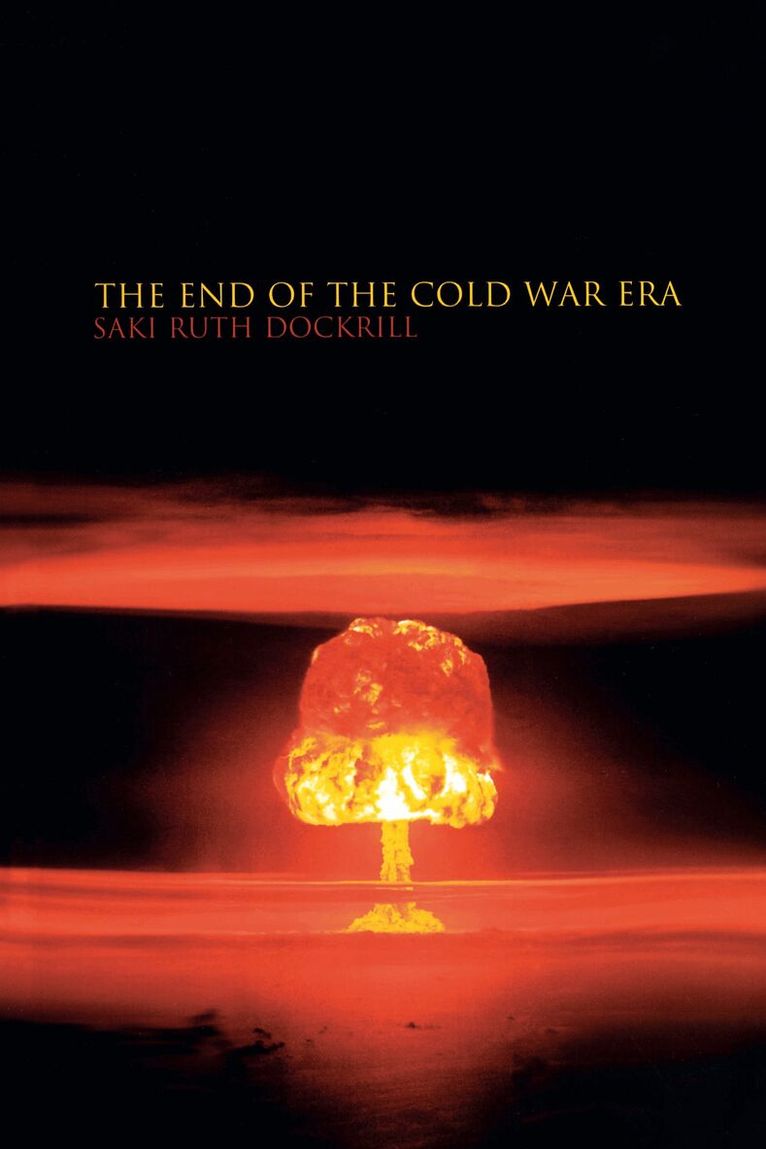
Between 1989 and 1991 the world witnessed a number of dramatic and traumatic changes: the end of communism in Central and Eastern Europe, the reunification of Germany, the end of the superpower nuclear arms race, the demise of East-West rivalries in the Third World and, finally, the break-up of the Soviet Union. The final stages of the Cold War were impossible to accurately predict, and many of the questions posed by those events remain unanswered today. This book investigates the evolutionary and sudden end of the Cold War in three major areas: Europe, superpower relations, and the Third World. Extracting essential lessons from recent past, The End of the Cold War Era provides the reader with a clearer understanding of today's and tomorrow's world.
1 754 kr
Skickas inom 10-15 vardagar
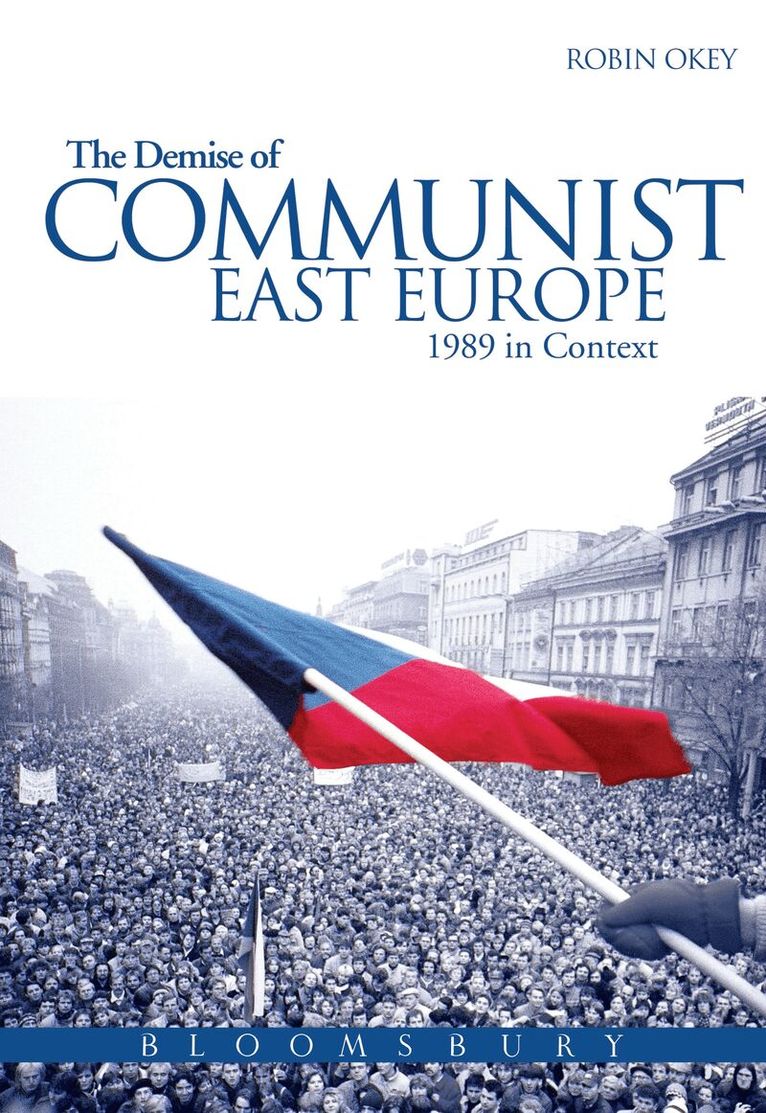
In 1989 communism crumbled in eastern Europe and with it one of the most conspicuous legacies of the Second World War. This book charts the demise of east European communism and analyses the failure of the communist experiment, the revolutionary events of 1989 and the post-communist aftermath as the legacy of both these processes. Starting from the premise that communism's proclaimed egalitarian, modernizing goals always enjoyed more support than the one-party politics through which these goals were pursued, Robin Okey explains communism's initial ability to survive crises but then its cumulative decline in the face of dissidence, economic weakness and reform movements, and, after 1989, the growing divergence between the northern and Balkan states, the revival of ex-communist parties as the new liberalism faltered, and the repeated failure of academics to anticipate these shifts.By analysing these issues in the context of the region's drive since the nineteenth-century to catch up with western Europe, this book concludes that the events of 1989 can cast light more widely still, on the fortunes of the three great ideas that the continent as a whole derived from revolutionary France: liberalism, socialism and nationalism.
585 kr
Skickas inom 10-15 vardagar
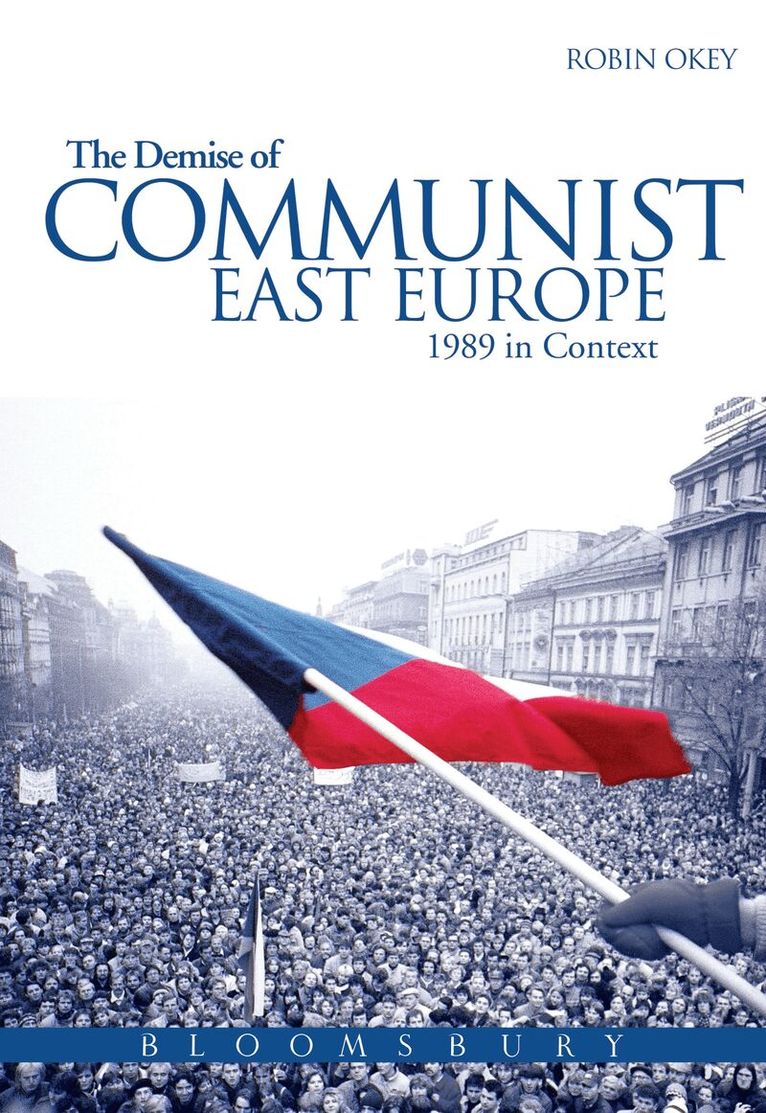
This book charts the demise of east European communism and analyses the failure of the communist experiment, the revolutionary events of 1989 and the post-communist aftermath as the legacy of both these processes. The author explains communism's initial ability to survive crises but then its cumulative decline in the face of dissidence, economic weakness and reform movements. By analysing these issues in the context of the regions drive since the nineteenth-century to catch up with western Europe, this book concludes that the events of 1989 can cast light more widely still, on the fortunes of the three great ideas that the continent as a whole derived from revolutionary France: liberalism, socialism and nationalism.
475 kr
Skickas inom 10-15 vardagar
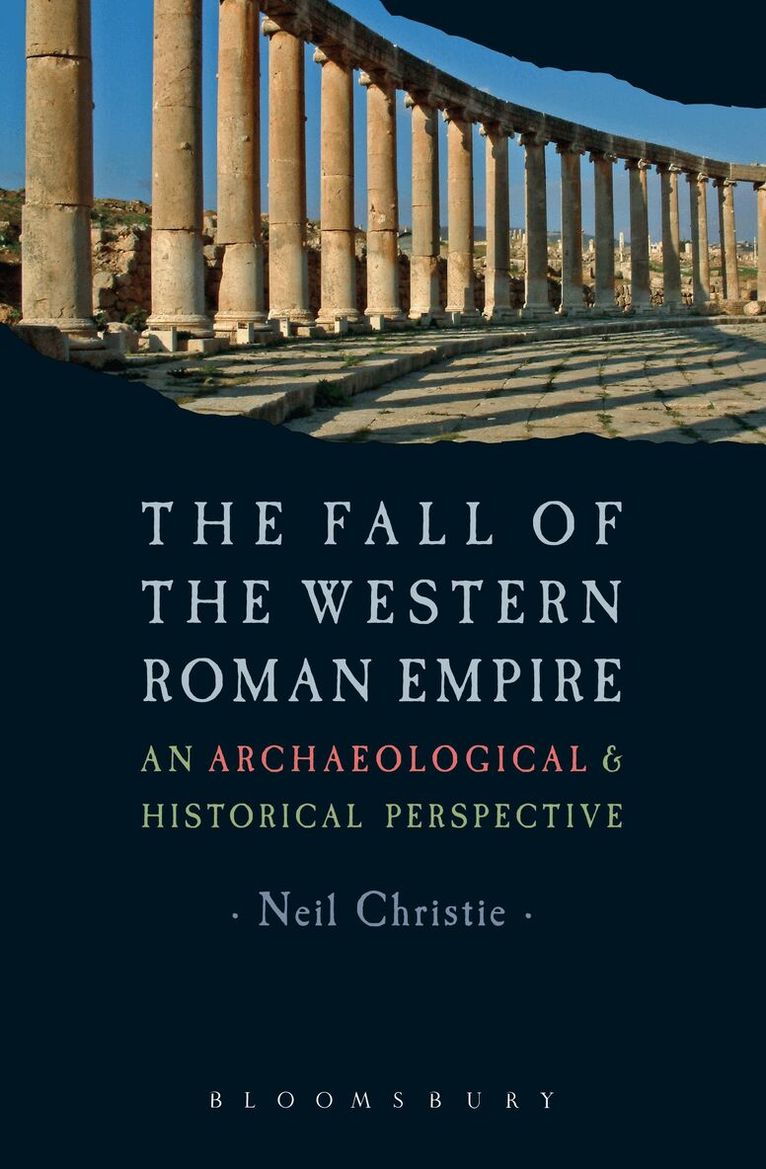
The decline of the Roman Empire has been a subject of fascination and debate for centuries. In this original new work, Neil Christie draws on numerous sources, interweaving the latest archaeological evidence, to reconstruct the period's landscape and events. In the process, he rethinks some of historians' most widely held and long-established views: Was the Empire's disintegration caused primarily by external or internal factors? Why did the Eternal City of Old Rome collapse in the West, while the ‘New Rome' of Constantinople endured in the East? What was destroyed and what remained of Roman culture after successive invasions by Vandals, Goths, Huns and other ‘barbarians', and what was the impact of the new Christian religion? As Christie expertly demonstrates, the archaeology of the late Roman period reveals intriguing answers to these and other questions. Taking an innovative, interdisciplinary approach that combines traditional historical methods and a unique familiarity with the Empire's physical remnants, he uncovers new aspects of Rome's military struggles, its shifting geography, and the everyday lives of its subjects.Written in a clear, accessible style, The Fall of the Western Roman Empire is a perfect introduction for newcomers to the subject, and essential reading for undergraduate students and specialists in archaeology and ancient history.
Fall of the Western Roman Empire
Archaeology, History and the Decline of Rome
Inbunden, Engelska, 2011
1 888 kr
Skickas inom 10-15 vardagar
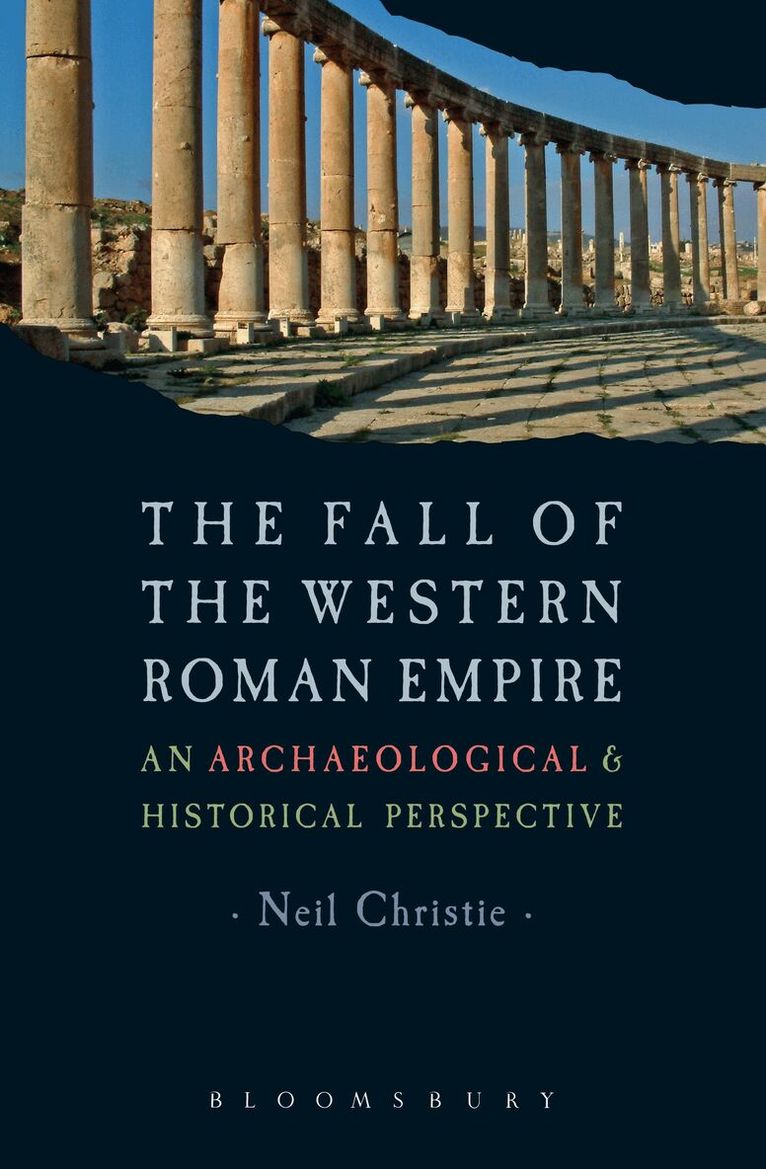
The decline of the Roman Empire has been a subject of fascination and debate for centuries. In this original new work, Neil Christie draws on numerous sources, interweaving the latest archaeological evidence, to reconstruct the period's landscape and events. In the process, he rethinks some of historians' most widely held and long-established views: Was the Empire's disintegration caused primarily by external or internal factors? Why did the Eternal City of Old Rome collapse in the West, while the ‘New Rome' of Constantinople endured in the East? What was destroyed and what remained of Roman culture after successive invasions by Vandals, Goths, Huns and other ‘barbarians', and what was the impact of the new Christian religion? As Christie expertly demonstrates, the archaeology of the late Roman period reveals intriguing answers to these and other questions. Taking an innovative, interdisciplinary approach that combines traditional historical methods and a unique familiarity with the Empire's physical remnants, he uncovers new aspects of Rome's military struggles, its shifting geography, and the everyday lives of its subjects.Written in a clear, accessible style, The Fall of the Western Roman Empire is a perfect introduction for newcomers to the subject, and essential reading for undergraduate students and specialists in archaeology and ancient history.