History of American Thought and Culture – serie
Visar alla böcker i serien History of American Thought and Culture. Handla med fri frakt och snabb leverans.
9 produkter
9 produkter
207 kr
Skickas inom 10-15 vardagar
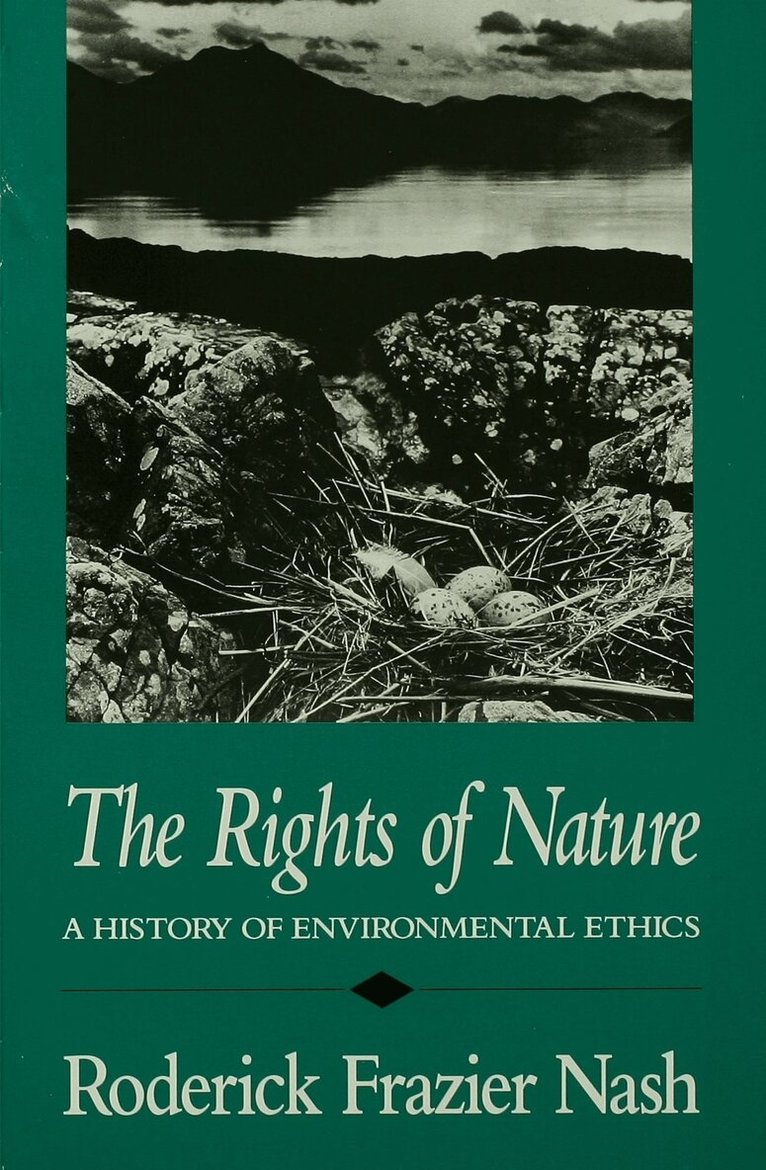
Charting the history of contemporary philosophical and religious beliefs regarding nature, Roderick Nash focuses primarily on changing attitudes toward nature in the United States. His work is the first comprehensive history of the concept that nature has rights and that American liberalism has, in effect, been extended to the nonhuman world.
192 kr
Skickas inom 10-15 vardagar
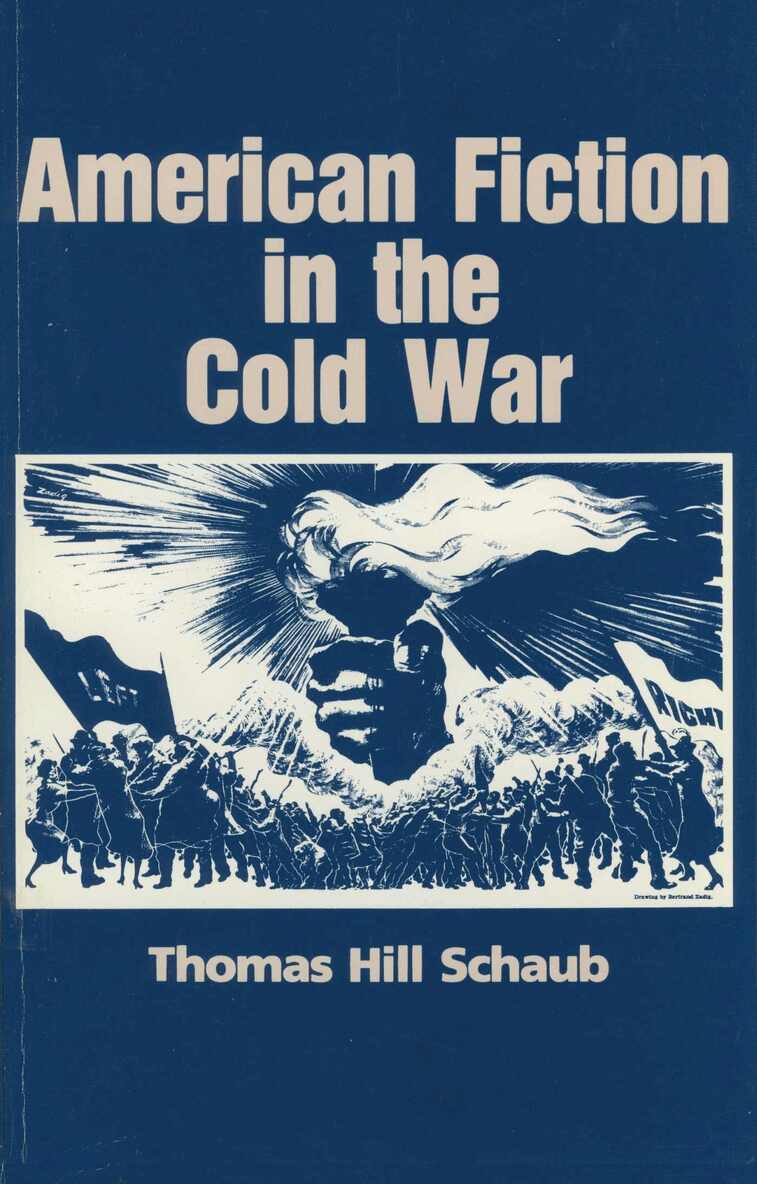
We tried as hard as we could to believe that politics might be idyl, only to discover that what we took to be a political pastoral was really a grim military campaign or a murderous betrayal of political allies. Thus Lionel Trilling summarized the experience of an entire generation of American liberal intellectuals who had watched with mounting disbelief and disillusion the rise of totalitarianism in the 1950s. In this book, the author makes it clear that Trilling's summary was in itself a mythic reconstruction, a prominent example of the way liberals came to terms with their own political past. Schaub's book analyzes their efforts to reshape an ""old"" liberalism alleged to hold naively optimistic views of human nature, scientific reason, and social progress into a ""new"", skeptical liberalism that recognized the persistence of human evil, the fragility of reason, and the ambiguity of moral decision. These liberal reassessments of history, politics, human nature, and distiny - what Schaub calls the ""liberal narrative"" - mediated the critical and imaginative production of the literary community after World War II. Schaub shows that the elements of this narrative in American history, political philosophy, and social criticism during the Cold War era. His analysis of the dominant critical communities of the '40s - led by critics such as Lionel Trilling and Irving Howe, Cleanth Brooks, and Allen Tates - recovers the political meanings embedded within their debates over the nature of literary realism, the definition of the novel, and speculations on its ""death"". In the second part of this study, Schaub turns to Ralph Ellison, Flannery O'Connor, Norman Mailer, and John Barth. His readings of their fictions isolate the political and cultural content of works often faulted for their apparent efforts to transcend social history.
269 kr
Skickas inom 10-15 vardagar
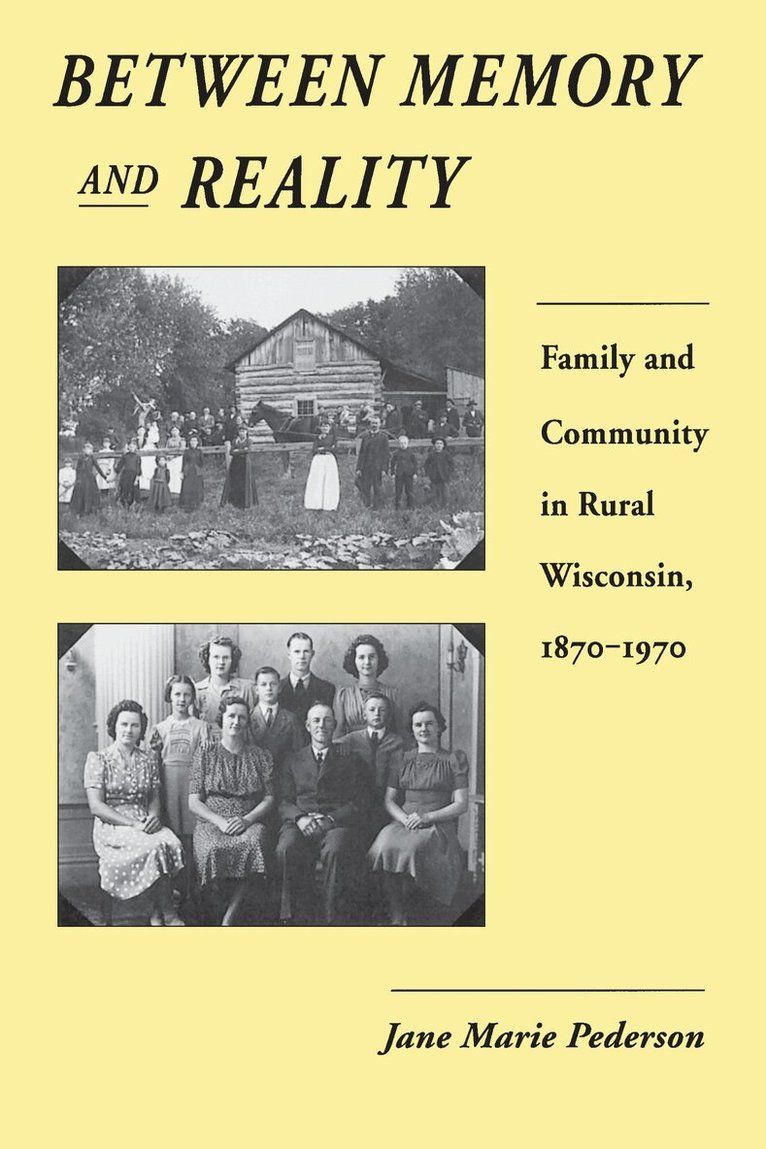
Jane Marie Pederson examines the social history of two neighbouring rural communities, Lincoln and Pigeon, in Trempealeau County, Wisconsin. Building upon Merle Curti's classic work of social history set in the same country, ""The Making of an American Community"", she shows how distinct local ethnic cultures ""between memory and reality"" were established as communities changed and settled over the course of a century. She demonstrates the dynamic process of change Lincoln and Pigeon experienced as each created its own distinct community and culture from a variety of sources. These rural ethnic cultures were sustained into the second half of the 20th century by rural women and men who actively shaped their own political economy, institutions, and mentality out of their memories of earlier traditions and from the opportunities and challenges of the rural American environment. Pederson pays particular attention to gender as a category of analysis, tracing the adaptation of traditional peasant courtship patterns and social rituals into the contemporary pattern of culture, work and community.
314 kr
Skickas inom 10-15 vardagar
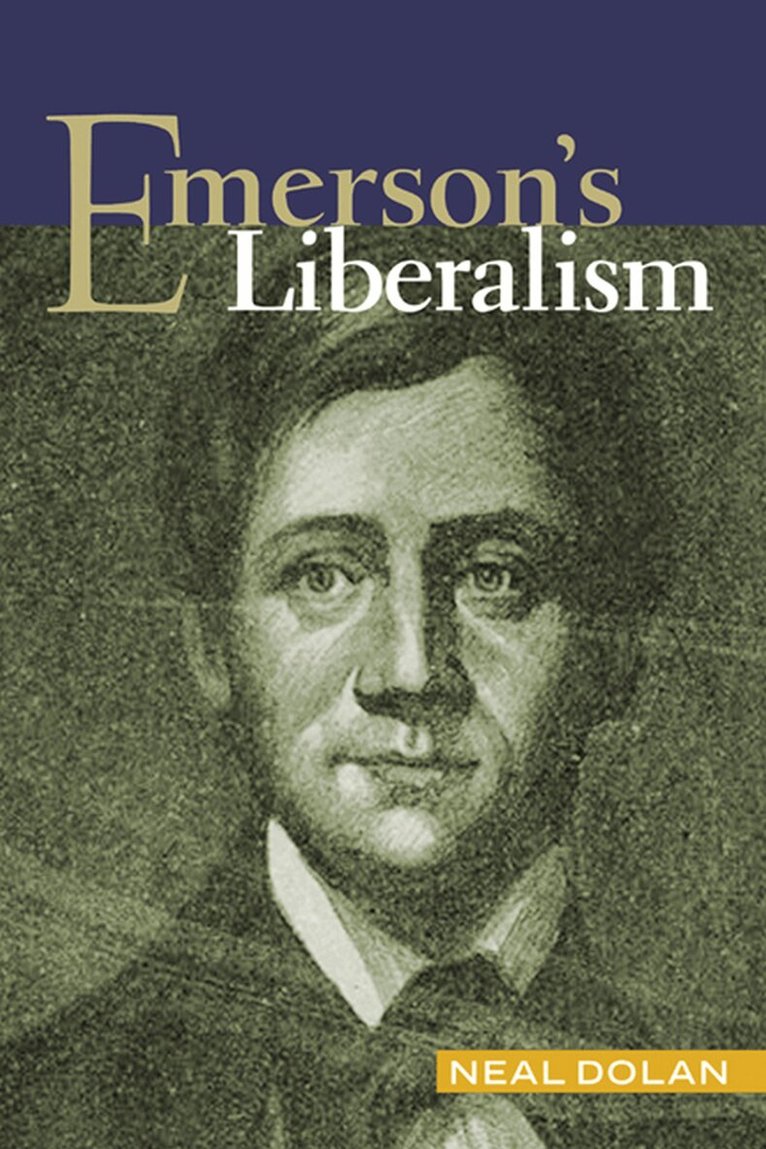
Emerson's Liberalism explains why Ralph Waldo Emerson has been and remains the central literary voice of American culture: he gave ever-fresh and lasting expression to its most fundamental and widely shared liberal values. Liberalism, after all, is more than a political philosophy: it is a form of civilization, a set of values, a culture, a way of representing and living in the world. This book makes explicit what has long been implicit in America's embrace of Emerson. Neal Dolan offers the first comprehensive and historically informed exposition of all of Ralph Waldo Emerson's writings as a contribution to the theory and practice of liberal culture. Rather than projecting twentieth-century viewpoints onto the past, he restores Emerson's great body of work to the classical liberal contexts that most decisively shaped its general political-cultural outlook - the libertarian-liberalism of John Locke, the Scottish Enlightenment, the American founders, and the American Whigs. In addition to in-depth consideration of Emerson's journals and lectures, Dolan provides original commentary on many of Emerson's most celebrated published works, including ""Nature"", the ""Divinity School Address"", ""History"", ""Compensation"", ""Experience"", the political addresses of the early 1840s, ""An Address...on...The Emancipation of the Negroes in the British West Indies"", ""Representative Men"", ""English Traits"", and ""The Conduct of Life"". He considers Emerson's distinctive elaborations of foundational liberal values - progress, reason, work, property, limited government, rights, civil society, liberty, commerce, and empiricism. And he argues that Emerson's ideas are a morally bracing and spiritually inspiring resource for the ongoing sustenance of American culture and civilization, reminding us of the depth, breadth, and strength of our common liberal inheritance.
274 kr
Skickas inom 10-15 vardagar
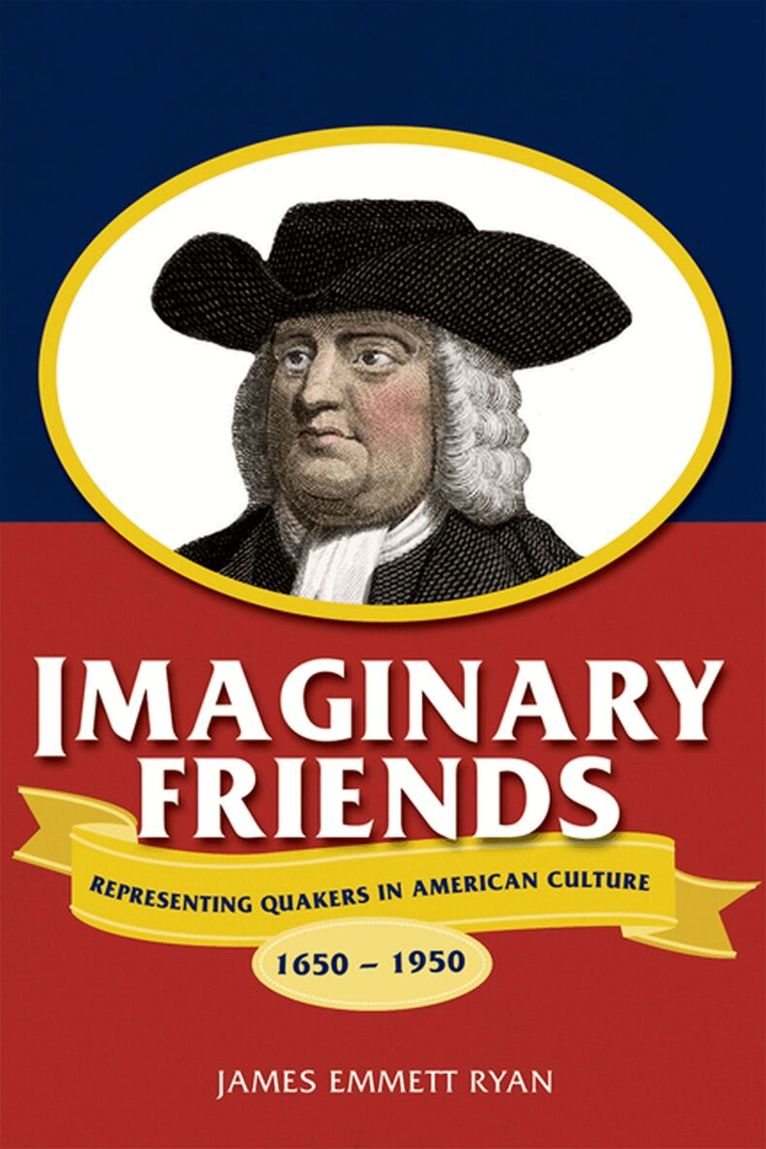
When Americans today think of the Religious Society of Friends, better known as Quakers, they may picture the smiling figure on boxes of oatmeal. But since their arrival in the American colonies in the 1650s, Quakers' spiritual values and social habits have set them apart from other Americans. And their example - whether real or imagined - has served as a religious conscience for an expanding nation. Portrayals of Quakers - from dangerous and anarchic figures in seventeenth-century theological debates to moral exemplars in twentieth-century theater and film (Grace Kelly in High Noon, for example) - reflected attempts by writers, speechmakers, and dramatists to grapple with the troubling social issues of the day. As foils to more widely held religious, political, and moral values, members of the Society of Friends became touchstones in national discussions about pacifism, abolition, gender equality, consumer culture, and modernity. Spanning four centuries, Imaginary Friends takes readers through the shifting representations of Quaker life in a wide range of literary and visual genres, from theological debates, missionary work records, political theory, and biography to fiction, poetry, theater, and film. It illustrates the ways that, during the long history of Quakerism in the United States, these 'imaginary' Friends have offered a radical model of morality, piety, and anti-modernity against which the evolving culture has measured itself. Winner, CHOICE Outstanding Academic Book Award
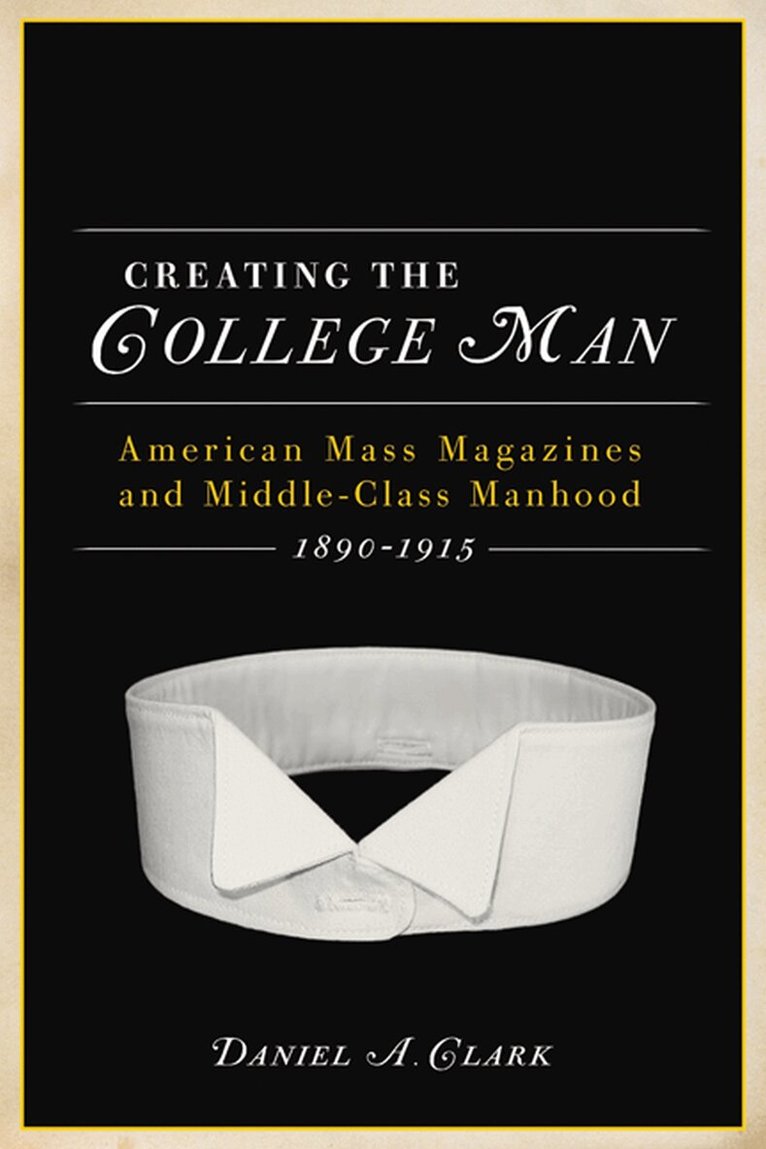
CREATING the COLLEGE MAN
American Mass Magazines and Middle-class Manhood 1890-1915
Häftad, Engelska, 2010
267 kr
Skickas inom 10-15 vardagar
How did a college education become so vital to American notions of professional and personal advancement? Reared on the ideal of the self-made man, American men had long rejected the need for college. But in the early twentieth century this ideal began to change as white men born in the U.S. faced a barrage of new challenges, among them a stultifying bureaucracy and growing competition in the workplace from an influx of immigrants and women. At this point a college education appealed to young men as an attractive avenue to success in a dawning corporate age. Accessible at first almost exclusively to middle-class white males, college funneled these aspiring elites toward a more comfortable and certain future in a revamped construction of the American dream. In Creating the College Man Daniel A. Clark argues that the dominant mass media of the era—popular magazines such as Cosmopolitan and the Saturday Evening Post—played an integral role in shaping the immediate and long-term goals of this select group of men. In editorials, articles, fiction, and advertising, magazines depicted the college man as simultaneously cultured and scientific, genteel and athletic, polished and tough. Such depictions underscored the college experience in powerful and attractive ways that neatly united the incongruous strains of American manhood and linked a college education to corporate success.
288 kr
Skickas inom 10-15 vardagar
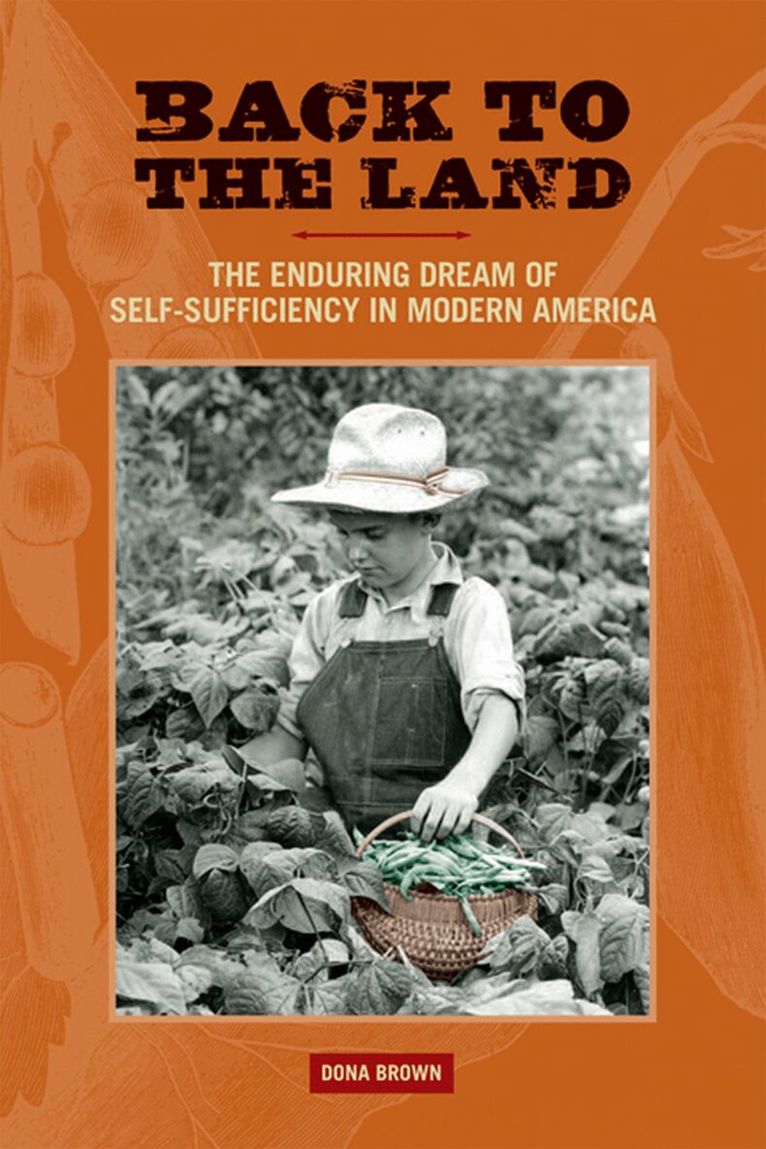
For many, 'going back to the land' brings to mind the 1960s and 1970s - hippie communes and the Summer of Love, The Whole Earth Catalog and Mother Earth News. More recently, the movement has reemerged in a new enthusiasm for locally produced food and more sustainable energy paths. But these latest back-to-the-landers are part of a much larger story. Americans have been dreaming of returning to the land ever since they started to leave it. In Back to the Land, Dona Brown explores the history of this recurring impulse. Back-to-the-landers have often been viewed as nostalgic escapists or romantic nature-lovers. But their own words reveal a more complex story. In such projects as Gustav Stickley's Craftsman Farms, Frank Lloyd Wright's 'Broadacre City,' and Helen and Scott Nearing's quest for 'the good life,' Brown finds that the return to the farm has meant less a going-backwards than a going-forwards, a way to meet the challenges of the modern era. Progressive reformers pushed for homesteading to help impoverished workers get out of unhealthy urban slums. Depression-era back-to-the-landers, wary of the centralizing power of the New Deal, embraced a new 'third way' politics of decentralism and regionalism. Later still, the movement merged with environmentalism. To understand Americans' response to these back-to-the- land ideas, Brown turns to the fan letters of ordinary readers - retired teachers and overworked clerks, recent immigrants and single women. In seeking their rural roots, Brown argues, Americans have striven above all for the independence and self-sufficiency they associate with the agrarian ideal.
University and the People
Envisioning American Higher Education in an Era of Popular Protest
Häftad, Engelska, 2011
306 kr
Skickas inom 10-15 vardagar
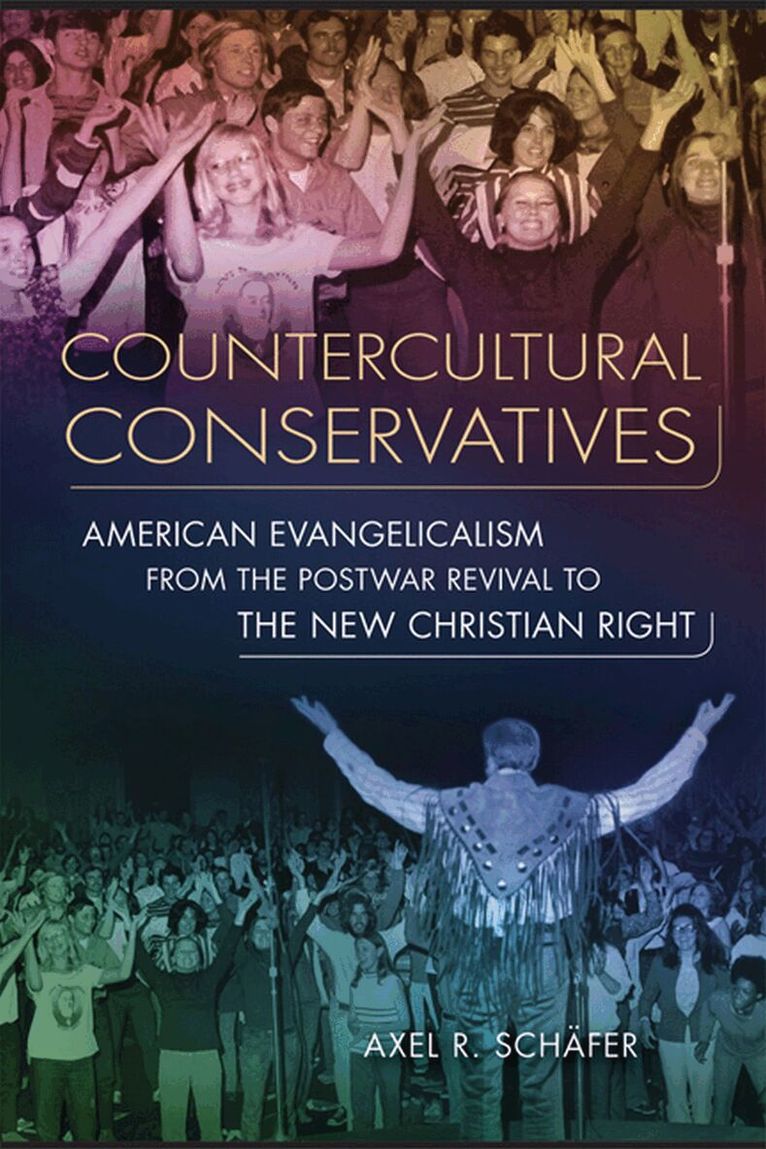
Counterculture Conservatives
American Evangelicalism from the Postwar Revival to the New Christian Right
Häftad, Engelska, 2011
314 kr
Skickas inom 10-15 vardagar
In the mid-twentieth century, far more evangelicals supported such “liberal” causes as peace, social justice, and environmental protection. Only gradually did the conservative evangelical faction win dominance, allying with the Republican Party of Ronald Reagan and, eventually, George W. Bush.In Countercultural Conservatives Axel Schäfer traces the evolution of a diffuse and pluralistic movement into the political force of the New Christian Right. In forging its complex theological and political identity, evangelicalism did not simply reject the ideas of 1960s counterculture, Schäfer argues. For all their strict Biblicism and uncompromising morality, evangelicals absorbed and extended key aspects of the countercultural worldview.Carefully examining evangelicalism’s internal dynamics, fissures, and coalitions, this book offers an intriguing reinterpretation of the most important development in American religion and politics since World War II.