• Fri frakt över 249 kr
  • •
  • Snabba leveranser
  • •
  • Billiga böcker
Kundservice

Du är på sajten för privatpersoner.

Företag, bibliotek eller offentlig verksamhet?

Du handlar på classic.bokus.com, där alla dina funktioner finns intakta.
Till classic.bokus.com
Bokus logotyp. Gå till startsidan.
  • Erbjudanden
  • Nyheter
  • Student
  • Topplistor
  • Barn & ungdom
  • Bokus Play
  • E-böcker
  • Pocketböcker
  • Spel & pussel

10% rabatt på allt med kod: NYSTART10 →

Sidfot

Mina sidor

    Hjälp

    • Kundservice
    • Vanliga frågor och svar
    • Frakt och leverans
    • Retur vid ångerrätt
    • Reklamera vara
    • Betalning
    • Köpvillkor
    • Allmänna villkor
    • Information om webbplatsens tillgänglighet

    Om Bokus

    • Om oss
    • Pressrum
    • För studenter
    • För företag
    • För bibliotek och offentlig verksamhet
    • För leverantörer
    • Hållbarhet

    Populärt

    • Aktuella erbjudanden
    • Presentkort
    • Studentlitteratur
    • Nya böcker
    • Topplistor
    • Signerade böcker
    • Engelska böcker

    Inspiration

    • Boktips
    • BookTok
    • Populära bokserier
    • Barnbokskaraktärer
    • Populära författare
    Logotyp för Bokus
    Följ oss på Facebook (extern länk)Följ oss på Instagram (extern länk)Följ oss på YouTube (extern länk)Följ oss på TikTok (extern länk)
    bokus @ CookiesAnpassa cookiesIntegritetspolicyKöpvillkor
    Till Citymail hemsida (extern länk)Till Budbee hemsida (extern länk)Till Postnord hemsida (extern länk)Till Schenker hemsida (extern länk)Till Early Bird hemsida (extern länk)Till Walleys hemsida (extern länk)
    1. Psykologi och pedagogik
    2. Pedagogik
    3. Högskola och universitet

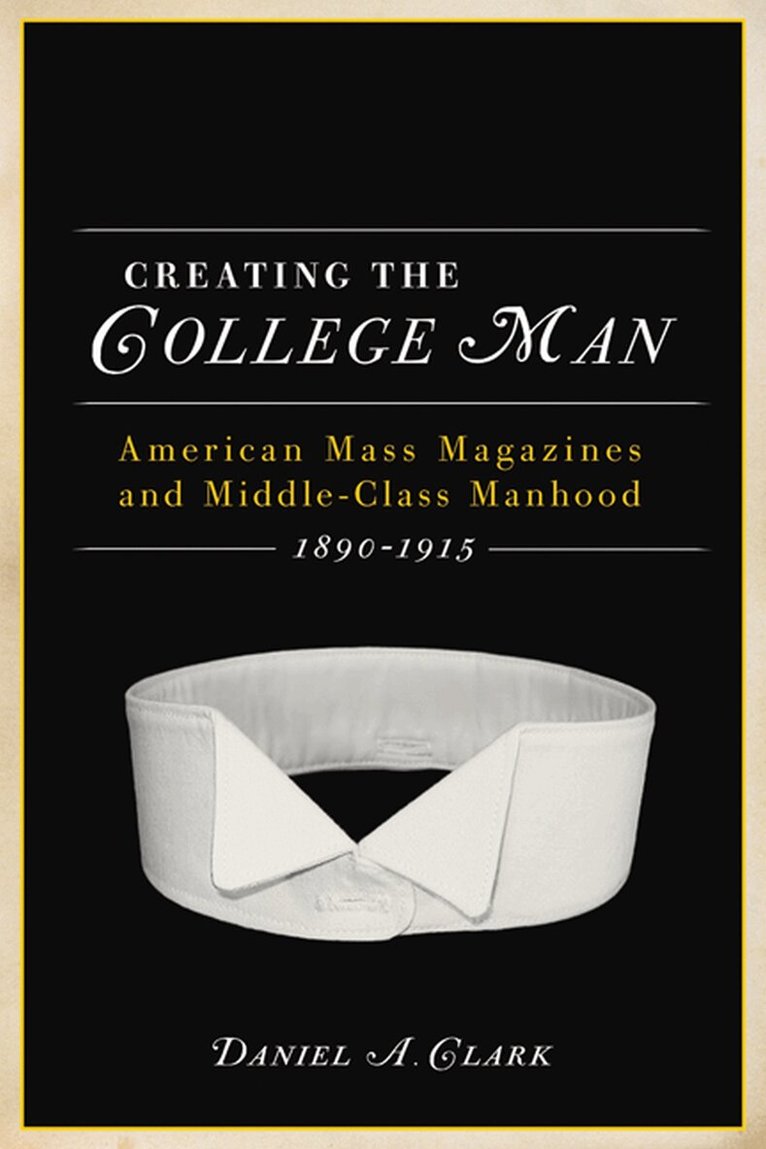
    CREATING the COLLEGE MAN

    American Mass Magazines and Middle-class Manhood 1890-1915

    AvUniversity of Wisconsin Press

    Häftad, Engelska, 2010

    Del i serien History of American Thought and Culture

    276 kr

    Beställningsvara. Skickas inom 10-15 vardagar. Fri frakt över 249 kr.

    Beskrivning

    How did a college education become so vital to American notions of professional and personal advancement? Reared on the ideal of the self-made man, American men had long rejected the need for college. But in the early twentieth century this ideal began to change as white men born in the U.S. faced a barrage of new challenges, among them a stultifying bureaucracy and growing competition in the workplace from an influx of immigrants and women. At this point a college education appealed to young men as an attractive avenue to success in a dawning corporate age. Accessible at first almost exclusively to middle-class white males, college funneled these aspiring elites toward a more comfortable and certain future in a revamped construction of the American dream. In Creating the College Man Daniel A. Clark argues that the dominant mass media of the era—popular magazines such as Cosmopolitan and the Saturday Evening Post—played an integral role in shaping the immediate and long-term goals of this select group of men. In editorials, articles, fiction, and advertising, magazines depicted the college man as simultaneously cultured and scientific, genteel and athletic, polished and tough. Such depictions underscored the college experience in powerful and attractive ways that neatly united the incongruous strains of American manhood and linked a college education to corporate success.

    Produktinformation

    • Utgivningsdatum:2010-04-30
    • Mått:149 x 223 x 17 mm
    • Vikt:458 g
    • Format:Häftad
    • Språk:Engelska
    • Serie:History of American Thought and Culture
    • Antal sidor:256
    • Förlag:University of Wisconsin Press
    • ISBN:9780299235345

    Utforska kategorier

    • Högskola och universitet inom Psykologi och pedagogik

    Recensioner i media

    "Articulate and engaging. . . .the findings here are significant and timely, suggesting how college education acquired its democratic value and even utility, less from curricular changes than from larger norms and narratives attached to it by educators, editors, and advertisers."--Thomas Augst, "Journal of American History."