History of Mathematics Education – serie
Visar alla böcker i serien History of Mathematics Education. Handla med fri frakt och snabb leverans.
20 produkter
20 produkter
Inbunden, Engelska, 2019
1 071 kr
Skickas inom 10-15 vardagar
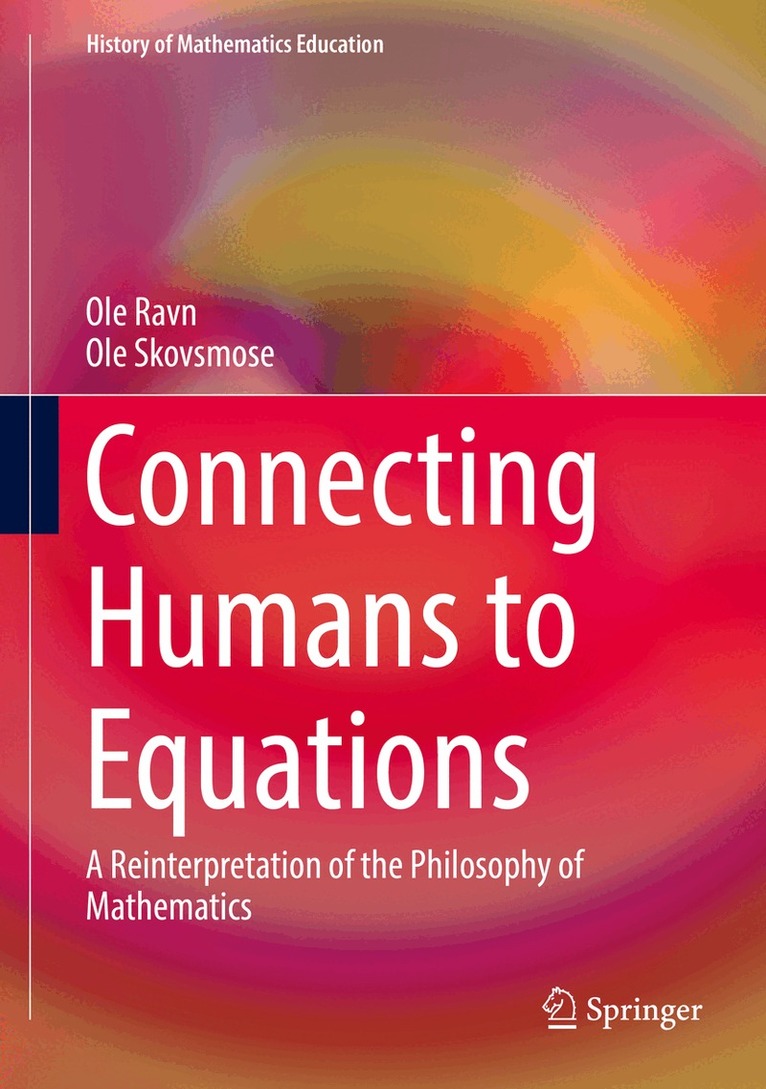
Connecting Humans to Equations: A Reinterpretation of the Philosophy of Mathematics presents some of the most important positions in the philosophy of mathematics, while adding new dimensions to this philosophy.
Inbunden, Engelska, 2019
1 542 kr
Skickas inom 10-15 vardagar
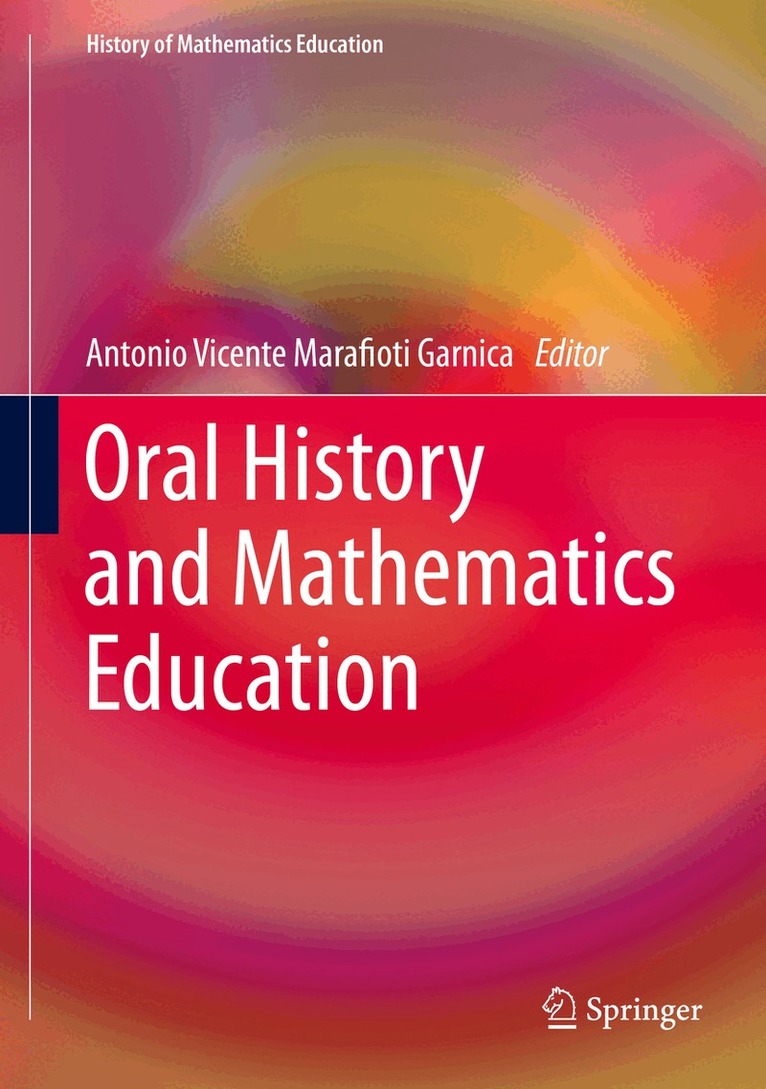
This book presents an innovative method to investigate the history of mathematics education using oral narratives to study different aspects related to the teaching and learning of mathematics.
Häftad, Engelska, 2020
1 542 kr
Skickas inom 10-15 vardagar
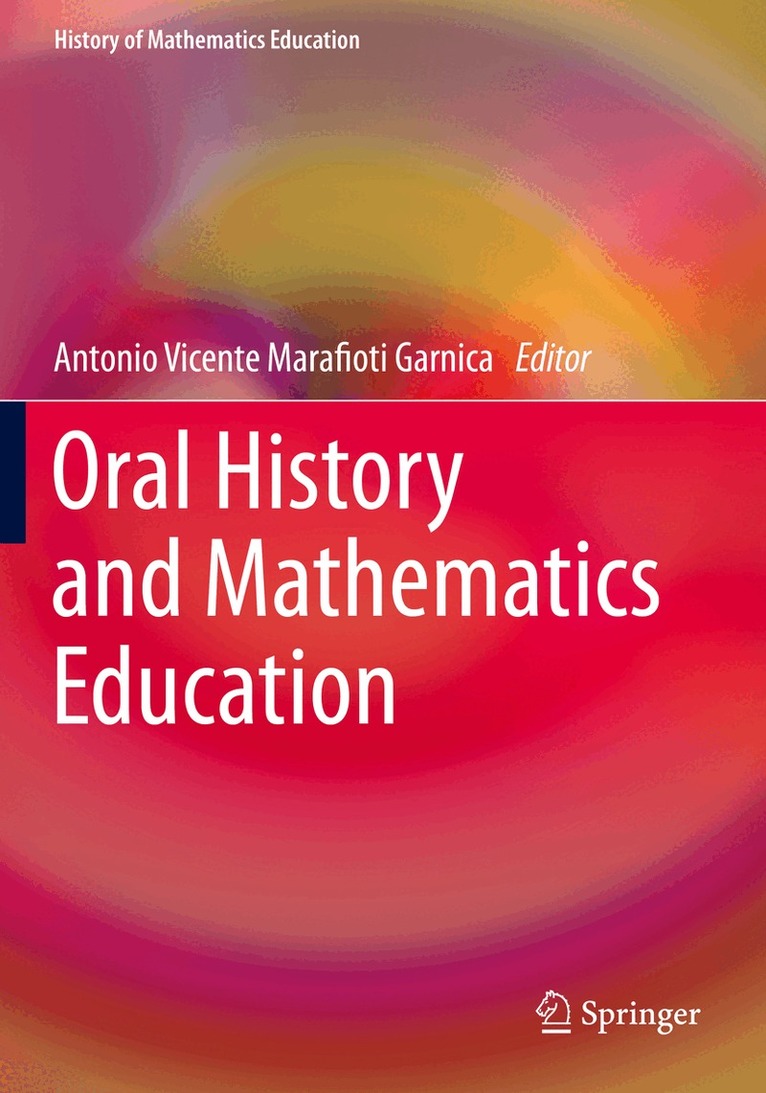
This book presents an innovative method to investigate the history of mathematics education using oral narratives to study different aspects related to the teaching and learning of mathematics.
Inbunden, Engelska, 2019
1 497 kr
Skickas inom 10-15 vardagar
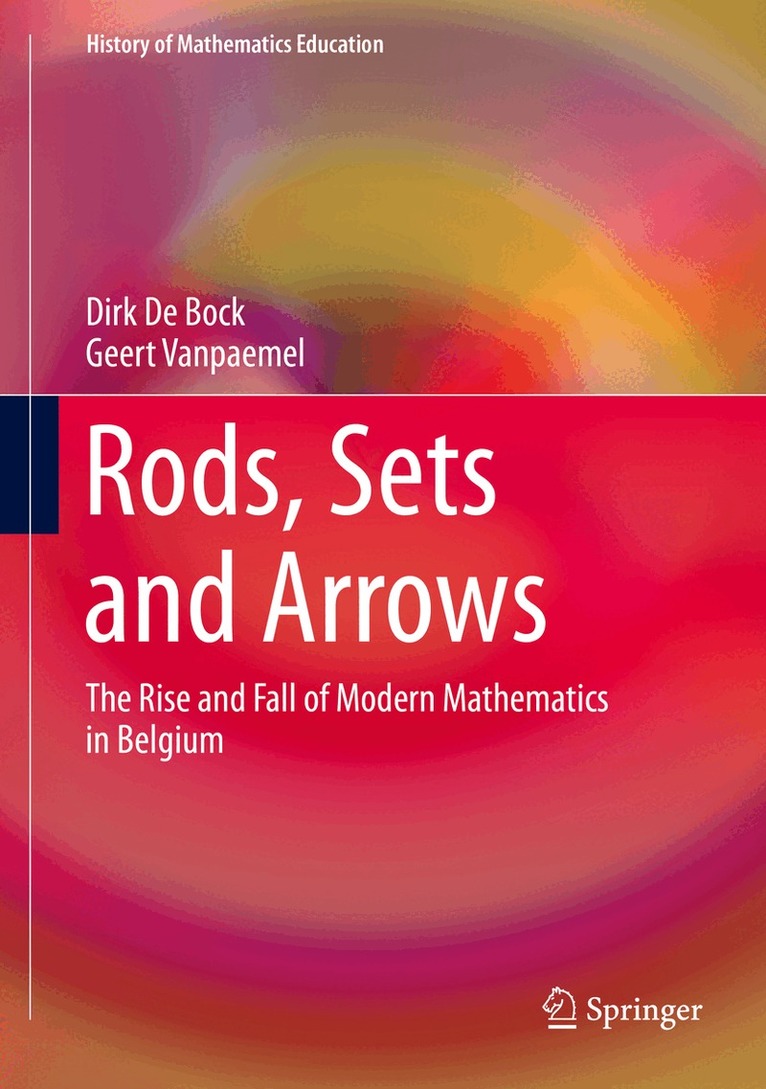
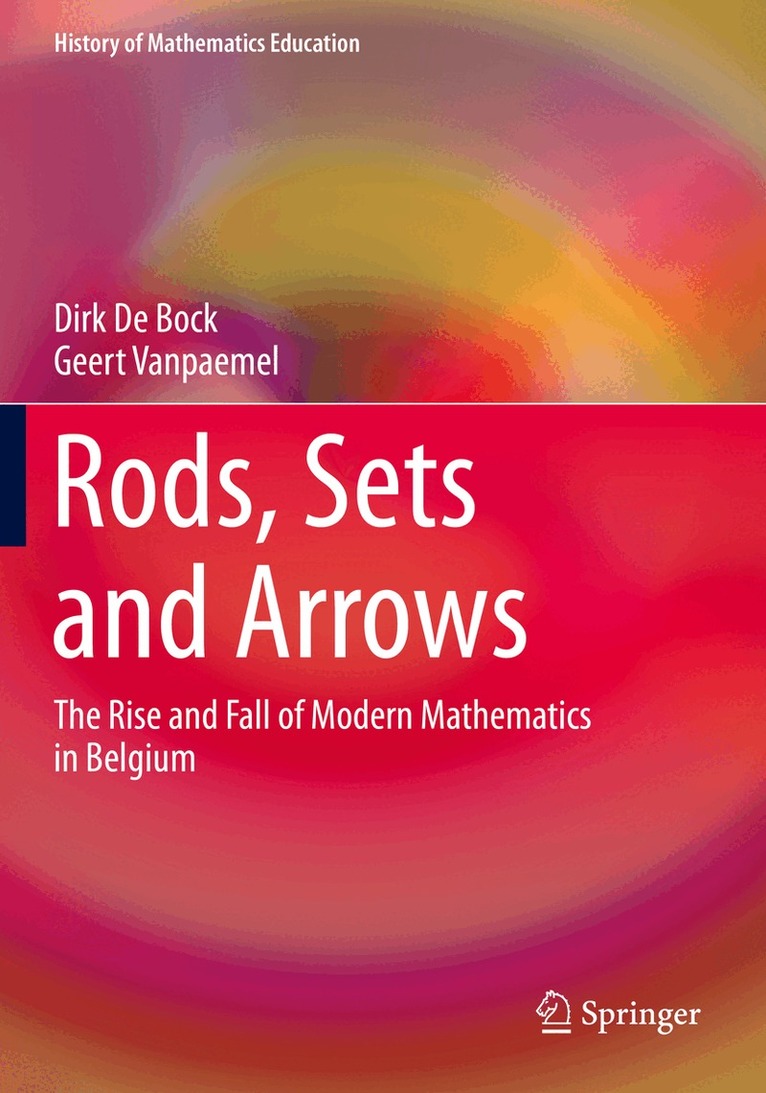
For anyone interested in the history and effects of the introduction of so-called “Modern Mathematics” (or “Mathématique Moderne,” or “New Mathematics,” etc.) this book, by Dirk De Bock and Geert Vanpaemel, is essential reading. The two authors are experienced and highly qualified Belgian scholars and the book looks carefully at events relating to school mathematics for the period from the end of World War II to 2010. Initially the book focuses on events which helped to define the modern mathematics revolution in Belgium before and during the 1960s. The book does much more than that, however, for it traces the influence of these events on national and international debates during the early phases of the reform. By providing readers with translations into English of relevant sections of key Continental documents outlining the major ideas of leading Continental scholars who contributed to the “Mathématique Moderne” movement, this book makes available to a wide readership,the theoretical, social, and political backdrops of Continental new mathematics reforms. In particular, the book focuses on the contributions made by Belgians such as Paul Libois, Willy Servais, Frédérique Lenger, and Georges Papy.The influence of modern mathematics fell away rapidly in the 1970s, however, and the authors trace the rise and fall, from that time into the 21st century, of a number of other approaches to school mathematics—in Belgium, in other Western European nations, and in North America. In summary, this is an outstanding, landmark publication displaying the fruits of deep scholarship and careful research based on extensive analyses of primary sources.
Häftad, Engelska, 2020
1 497 kr
Skickas inom 10-15 vardagar
For anyone interested in the history and effects of the introduction of so-called “Modern Mathematics” (or “Mathématique Moderne,” or “New Mathematics,” etc.) this book, by Dirk De Bock and Geert Vanpaemel, is essential reading. The two authors are experienced and highly qualified Belgian scholars and the book looks carefully at events relating to school mathematics for the period from the end of World War II to 2010. Initially the book focuses on events which helped to define the modern mathematics revolution in Belgium before and during the 1960s. The book does much more than that, however, for it traces the influence of these events on national and international debates during the early phases of the reform. By providing readers with translations into English of relevant sections of key Continental documents outlining the major ideas of leading Continental scholars who contributed to the “Mathématique Moderne” movement, this book makes available to a wide readership,the theoretical, social, and political backdrops of Continental new mathematics reforms. In particular, the book focuses on the contributions made by Belgians such as Paul Libois, Willy Servais, Frédérique Lenger, and Georges Papy.The influence of modern mathematics fell away rapidly in the 1970s, however, and the authors trace the rise and fall, from that time into the 21st century, of a number of other approaches to school mathematics—in Belgium, in other Western European nations, and in North America. In summary, this is an outstanding, landmark publication displaying the fruits of deep scholarship and careful research based on extensive analyses of primary sources.
Inbunden, Engelska, 2022
1 603 kr
Skickas inom 10-15 vardagar
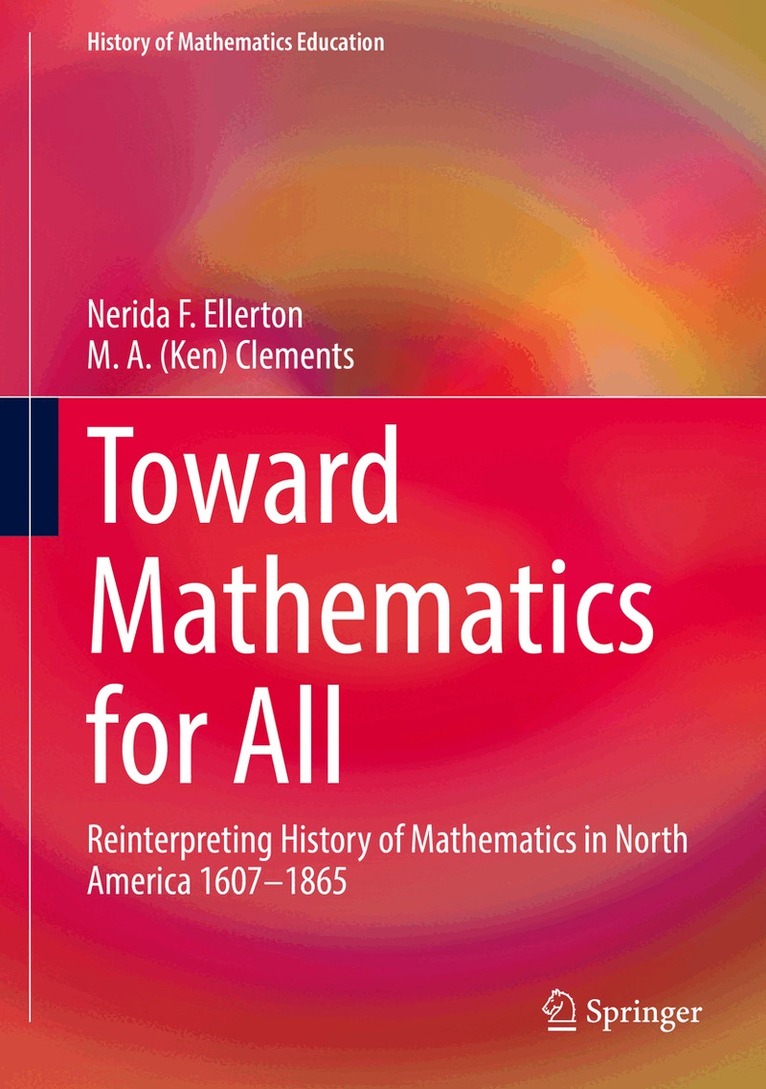
Unlike most other histories of mathematics now available, the emphasis is on the gradual emergence of "mathematics for all" programs and associated changes in thinking which drove this emergence.
Häftad, Engelska, 2023
1 603 kr
Skickas inom 10-15 vardagar
Unlike most other histories of mathematics now available, the emphasis is on the gradual emergence of "mathematics for all" programs and associated changes in thinking which drove this emergence.
Inbunden, Engelska, 2023
1 390 kr
Skickas inom 10-15 vardagar
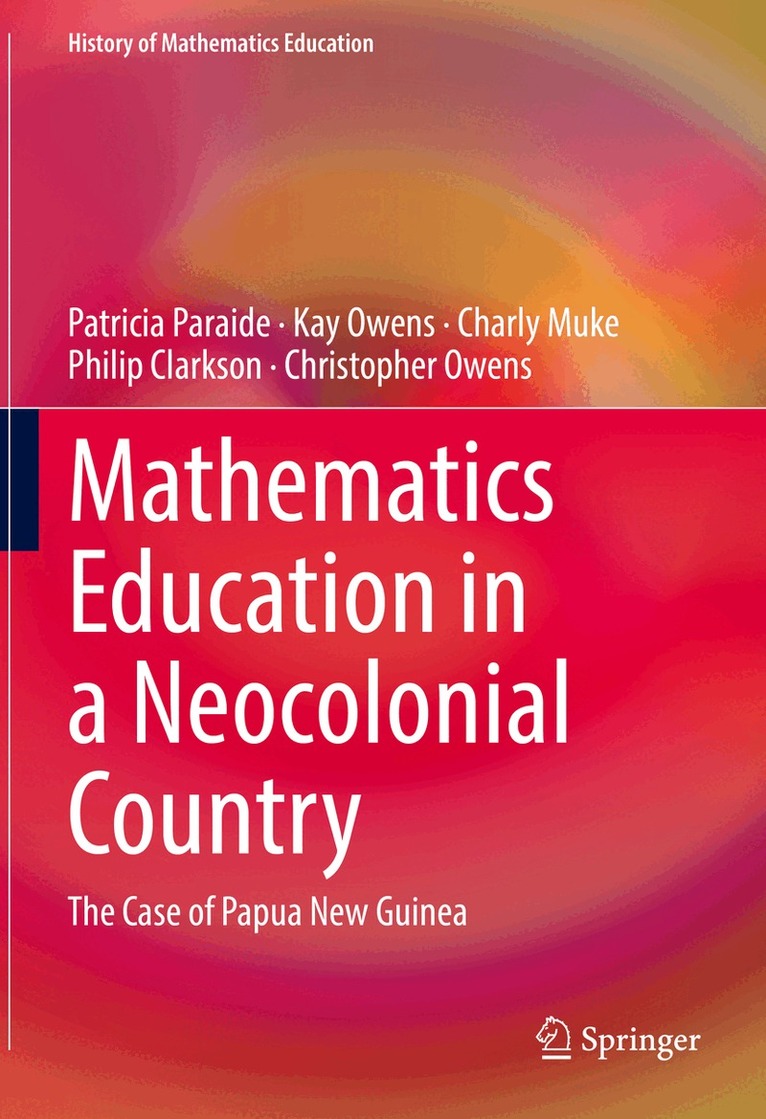
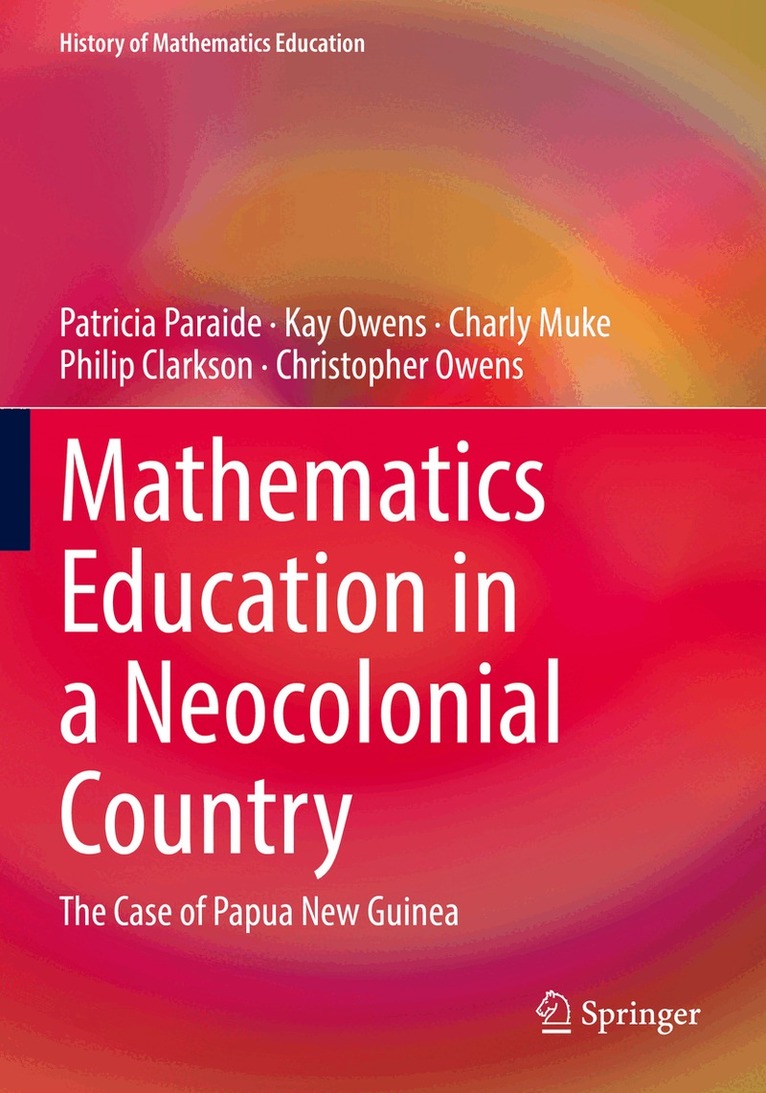
Most education research is undertaken in western developed countries. While some research from developing countries does make it into research journals from time to time, but these articles only emphasize the rarity of research in developing countries. The proposed book is unique in that it will cover education in Papua New Guinea over the millennia. Papua New Guinea’s multicultural society with relatively recent contact with Europe and the Middle East provides a cameo of the development of education in a country with both a colonial history and a coup-less transition to independence. Discussion will focus on specific areas of mathematics education that have been impacted by policies, research, circumstances and other influences, with particular emphasis on pressures on education in the last one and half centuries. This volume will be one of the few records of this kind in the education research literature as an in-depth record and critique of how school mathematics has been grown in Papua New Guinea from the late 1800s, and should be a useful addition to graduate programs mathematics education courses, history of mathematics, as well as the interdisciplinary fields of cross cultural studies, scholarship focusing on globalization and post / decolonialism, linguistics, educational administration and policy, technology education, teacher education, and gender studies.
Häftad, Engelska, 2024
1 390 kr
Skickas inom 10-15 vardagar
Most education research is undertaken in western developed countries. While some research from developing countries does make it into research journals from time to time, but these articles only emphasize the rarity of research in developing countries. The proposed book is unique in that it will cover education in Papua New Guinea over the millennia. Papua New Guinea’s multicultural society with relatively recent contact with Europe and the Middle East provides a cameo of the development of education in a country with both a colonial history and a coup-less transition to independence. Discussion will focus on specific areas of mathematics education that have been impacted by policies, research, circumstances and other influences, with particular emphasis on pressures on education in the last one and half centuries. This volume will be one of the few records of this kind in the education research literature as an in-depth record and critique of how school mathematics has been grown in Papua New Guinea from the late 1800s, and should be a useful addition to graduate programs mathematics education courses, history of mathematics, as well as the interdisciplinary fields of cross cultural studies, scholarship focusing on globalization and post / decolonialism, linguistics, educational administration and policy, technology education, teacher education, and gender studies.
Inbunden, Engelska, 2023
1 710 kr
Skickas inom 10-15 vardagar
The international New Math developments between about 1950 through 1980, are regarded by many mathematics educators and education historians as the most historically important development in curricula of the twentieth century. It attracted the attention of local and international politicians, of teachers, and of parents, and influenced the teaching and learning of mathematics at all levels—kindergarten to college graduate—in many nations. After garnering much initial support it began to attract criticism. But, as Bill Jacob and the late Jerry Becker show in Chapter 17, some of the effects became entrenched.This volume, edited by Professor Dirk De Bock, of Belgium, provides an outstanding overview of the New Math/modern mathematics movement. Chapter authors provide exceptionally high-quality analyses of the rise of the movement, and of subsequent developments, within a range of nations.The first few chapters show how the initial leadership came from mathematicians in European nations and in the United States of America. The background leaders in Europe were Caleb Gattegno and members of a mysterious group of mainly French pure mathematicians, who since the 1930s had published under the name of (a fictitious) “Nicolas Bourbaki.” In the United States, there emerged, during the 1950s various attempts to improve U.S. mathematics curricula and teaching, especially in secondary schools and colleges. This side of the story climaxed in 1957 when the Soviet Union succeeded in launching “Sputnik,” the first satellite. Undoubtedly, this is a landmark publication in education. The foreword was written by Professor Bob Moon, one of a few other scholars to have written on the New Math from an international perspective. The final “epilogue” chapter, by Professor Geert Vanpaemel, a historian, draws together the overall thrust of the volume, and makes links with the general history of curriculum development, especially in science education, including recent globalization trends.
Häftad, Engelska, 2024
1 710 kr
Skickas inom 10-15 vardagar
The international New Math developments between about 1950 through 1980, are regarded by many mathematics educators and education historians as the most historically important development in curricula of the twentieth century. It attracted the attention of local and international politicians, of teachers, and of parents, and influenced the teaching and learning of mathematics at all levels—kindergarten to college graduate—in many nations. After garnering much initial support it began to attract criticism. But, as Bill Jacob and the late Jerry Becker show in Chapter 17, some of the effects became entrenched.This volume, edited by Professor Dirk De Bock, of Belgium, provides an outstanding overview of the New Math/modern mathematics movement. Chapter authors provide exceptionally high-quality analyses of the rise of the movement, and of subsequent developments, within a range of nations.The first few chapters show how the initial leadership came from mathematicians in European nations and in the United States of America. The background leaders in Europe were Caleb Gattegno and members of a mysterious group of mainly French pure mathematicians, who since the 1930s had published under the name of (a fictitious) “Nicolas Bourbaki.” In the United States, there emerged, during the 1950s various attempts to improve U.S. mathematics curricula and teaching, especially in secondary schools and colleges. This side of the story climaxed in 1957 when the Soviet Union succeeded in launching “Sputnik,” the first satellite. Undoubtedly, this is a landmark publication in education. The foreword was written by Professor Bob Moon, one of a few other scholars to have written on the New Math from an international perspective. The final “epilogue” chapter, by Professor Geert Vanpaemel, a historian, draws together the overall thrust of the volume, and makes links with the general history of curriculum development, especially in science education, including recent globalization trends.
Inbunden, Engelska, 2026
2 383 kr
Kommande
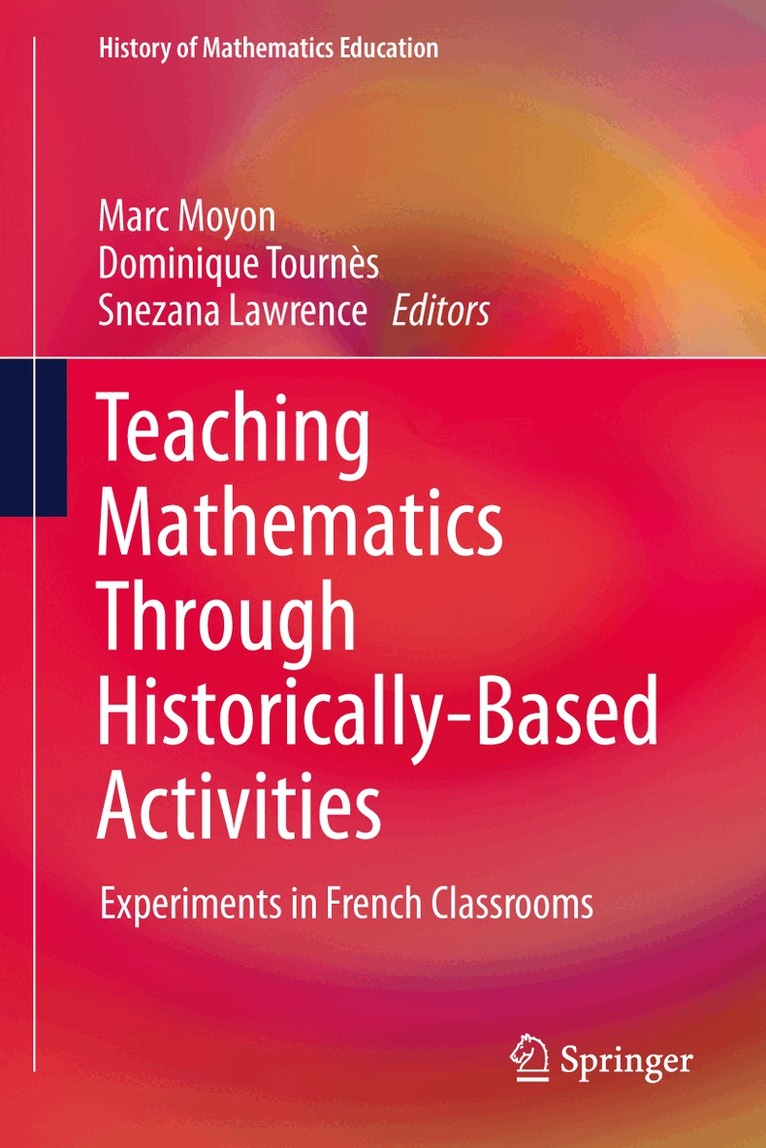
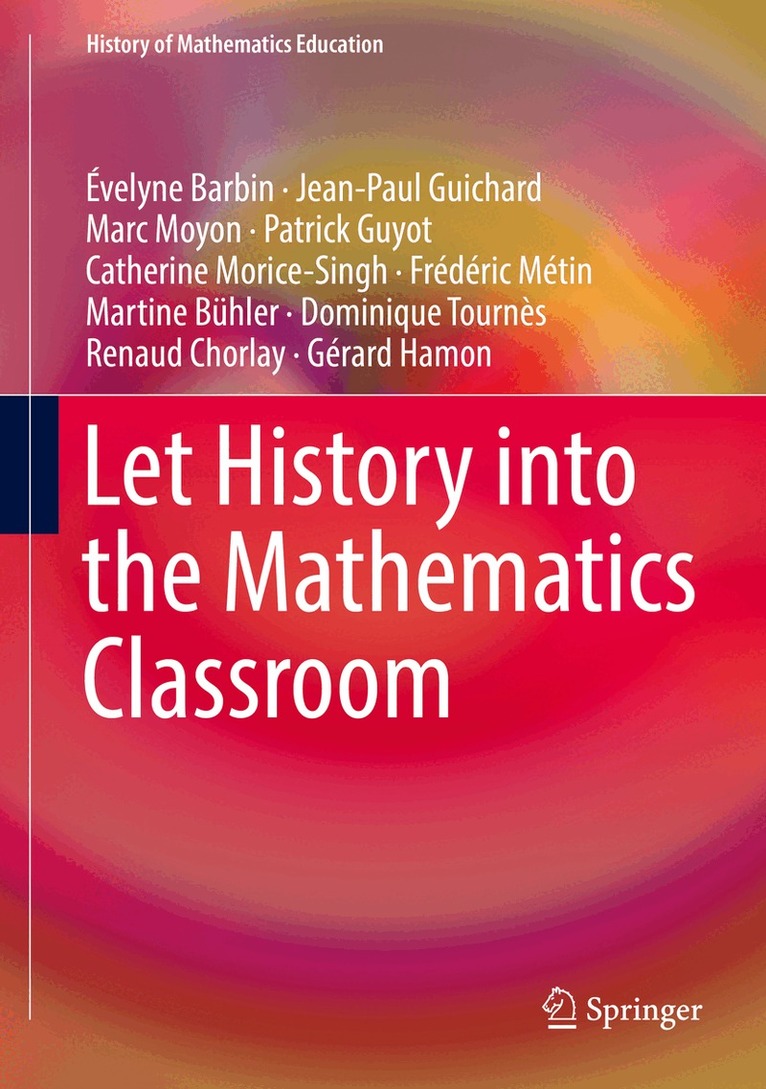
This edited volume examines how historical mathematical experiments can enrich mathematics education for children aged 9 to 12. It presents nine chapters across three domains: numbers and calculation, magnitude and measurement, and space and geometry. Each chapter follows a consistent structure, beginning with historical context and followed by classroom activities conducted in French schools. Analyses include pupils’ work and didactic insights into how history of mathematics supports conceptual understanding. The book offers bibliographies for further reading and is ideal for mathematics educators, teacher trainers, researchers in mathematics education, historians of mathematics, and mathematicians interested in educational practice.
Inbunden, Engelska, 2026
1 669 kr
Kommande
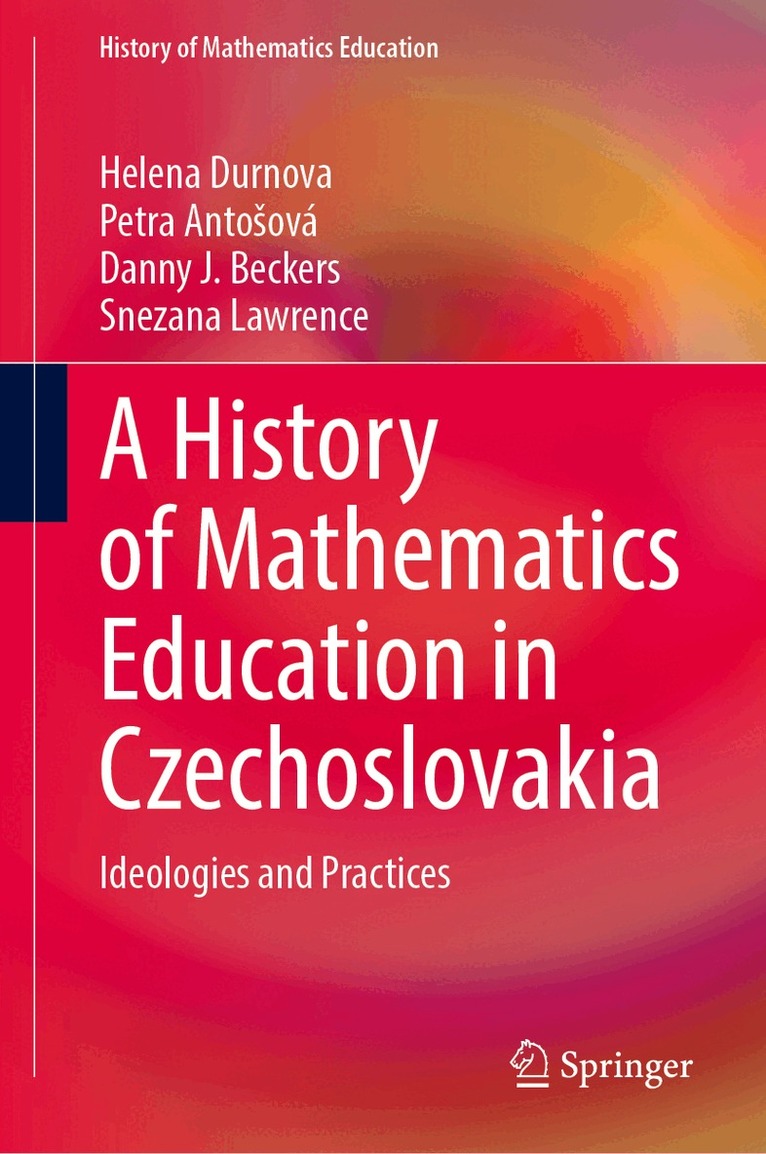
The book traces developments in mathematics education for the entire duration of Czechoslovakia (1918-1993). It focuses on the attempts of Czechoslovak mathematicians to reform mathematics education in the country and their navigating between their own original ideas and the changes promoted by international organisations such as the ICMI and UNESCO and the congresses organised by them, known as modern mathematics, New Math, or in Czechoslovakia, the set-theoretical approach. Three distinct points were constitutive of the movement: mathematicians fascinated by modern maths; mathematicians and educators believing this was panacea for progress; and the recognition that this nevertheless does not work for everybody. This book describes the case of Czechoslovakia rooted in historical events, including the arrival of the automatic computer, research in mathematics was considered of utmost importance and accordingly, mathematics became the most important school subject.
Inbunden, Engelska, 2017
1 390 kr
Skickas inom 10-15 vardagar
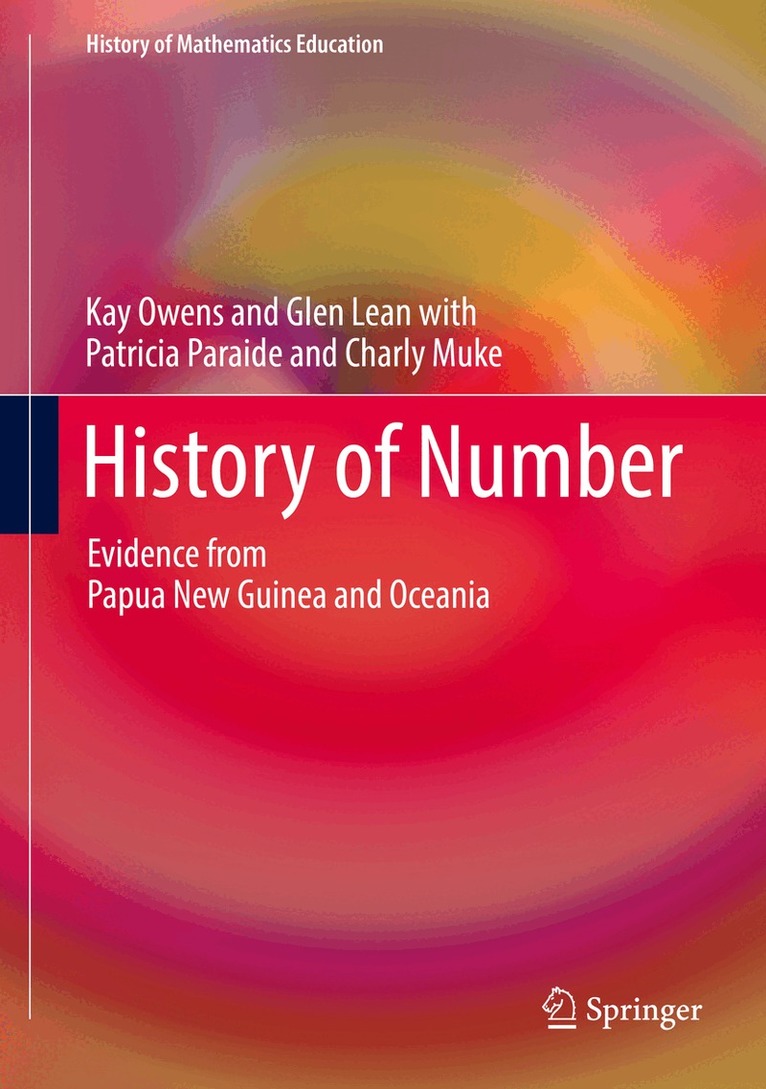
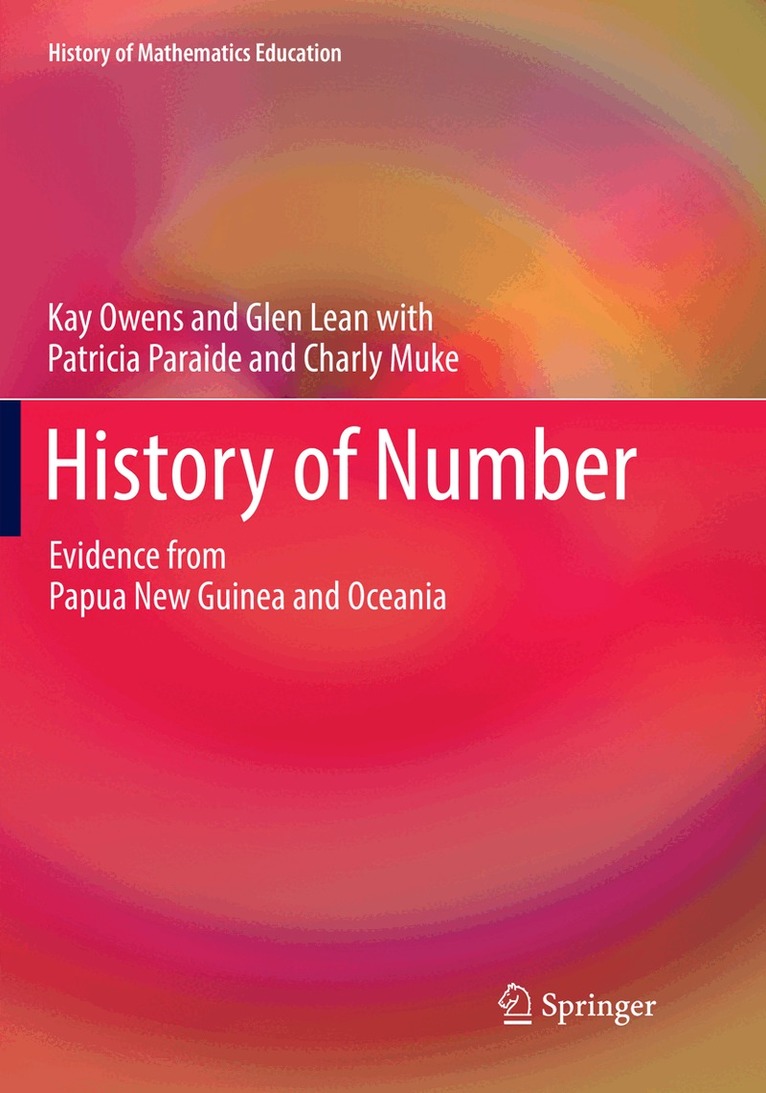
This unique volume presents an ecocultural and embodied perspective on understanding numbers and their history in indigenous communities. The book focuses on research carried out in Papua New Guinea and Oceania, and will help educators understand humanity's use of numbers, and their development and change. The authors focus on indigenous mathematics education in the early years and shine light on the unique processes and number systems of non-European styled cultural classrooms. This new perspective for mathematics education challenges educators who have not heard about the history of number outside of Western traditions, and can help them develop a rich cultural competence in their own practice and a new vision of foundational number concepts such as large numbers, groups, and systems. Featured in this invaluable resource are some data and analyses that chief researcher Glendon Angove Lean collected while living in Papua New Guinea before his death in 1995.Among the topicscovered:The diversity of counting system cycles, where they were established, and how they may have developed.A detailed exploration of number systems other than base 10 systems including: 2-cycle, 5-cycle, 4- and 6-cycle systems, and body-part tally systems.Research collected from major studies such as Geoff Smith's and Sue Holzknecht’s studies of Morobe Province's multiple counting systems, Charly Muke's study of counting in the Wahgi Valley in the Jiwaka Province, and Patricia Paraide's documentation of the number and measurement knowledge of her Tolai community. The implications of viewing early numeracy in the light of this book’s research, and ways of catering to diversity in mathematics education. In this volume Kay Owens draws on recent research from diverse fields such as linguistics and archaeology to present their exegesis on the history of number reachingback ten thousand years ago. Researchers and educators interested in the history of mathematical sciences will find History of Number: Evidence from Papua New Guinea and Oceania to be an invaluable resource.
Inbunden, Engelska, 2017
1 071 kr
Skickas inom 10-15 vardagar
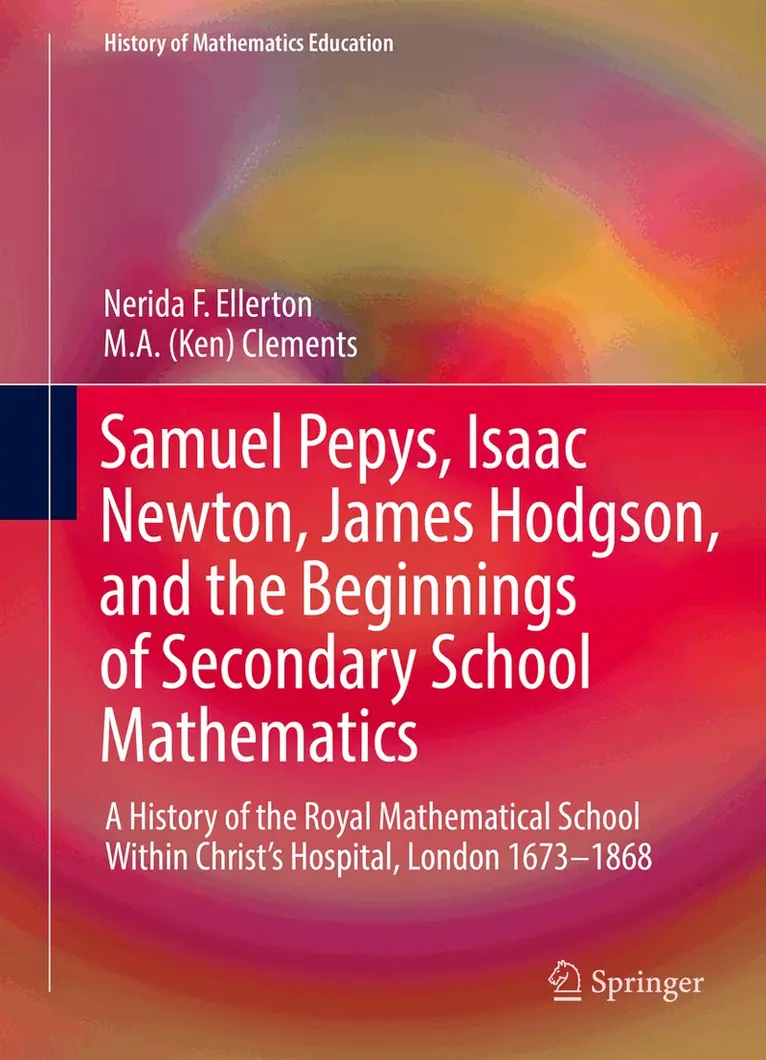
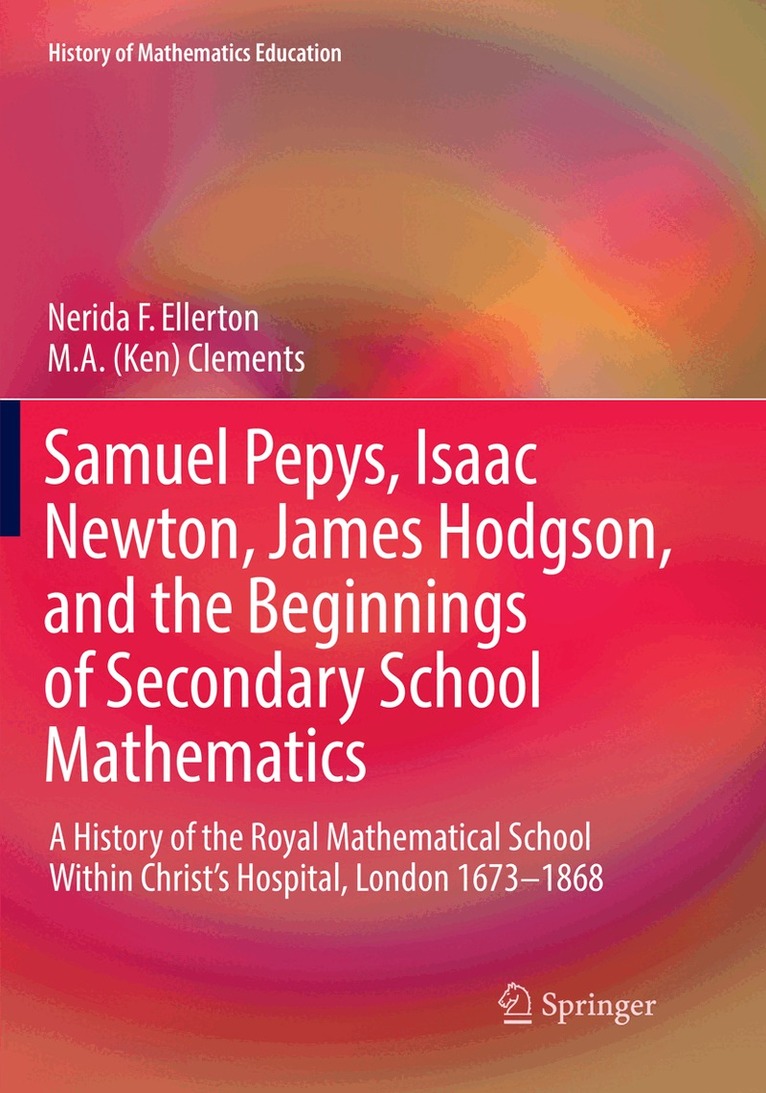
This book tells one of the greatest stories in the history of school mathematics. Two of the names in the title—Samuel Pepys and Isaac Newton—need no introduction, and this book draws attention to their special contributions to the history of school mathematics. According to Ellerton and Clements, during the last quarter of the seventeenth century Pepys and Newton were key players in defining what school mathematics beyond arithmetic and elementary geometry might look like. The scene at which most of the action occurred was Christ’s Hospital, which was a school, ostensibly for the poor, in central London. The Royal Mathematical School (RMS) was established at Christ’s Hospital in 1673.It was the less well-known James Hodgson, a fine mathematician and RMS master between 1709 and 1755, who demonstrated that topics such as logarithms, plane and spherical trigonometry, and the application of these to navigation, might systematically and successfully be taughtto 12- to 16-year-old school children. From a wider history-of-school-education perspective, this book tells how the world’s first secondary-school mathematics program was created and how, slowly but surely, what was being achieved at RMS began to influence school mathematics in other parts of Great Britain, Europe, and America.The book has been written from the perspective of the history of school mathematics. Ellerton and Clements’s analyses of pertinent literature and of archival data, and their interpretations of those analyses, have led them to conclude that RMS was the first major school in the world to teach mathematics-beyond-arithmetic, on a systematic basis, to students aged between 12 and 16.Throughout the book, Ellerton and Clements examine issues through the lens of a lag-time theoretical perspective. From a historiographical perspective, this book emphasizes how the history of RMS can be portrayed in very different ways, depending on the vantage point from which the history is written. The authors write from the vantage point of international developments in school mathematics education and, therefore, their history of RMS differs from all other histories of RMS, most of which were written from the perspective of the history of Christ’s Hospital.
Inbunden, Engelska, 2017
1 392 kr
Skickas inom 10-15 vardagar
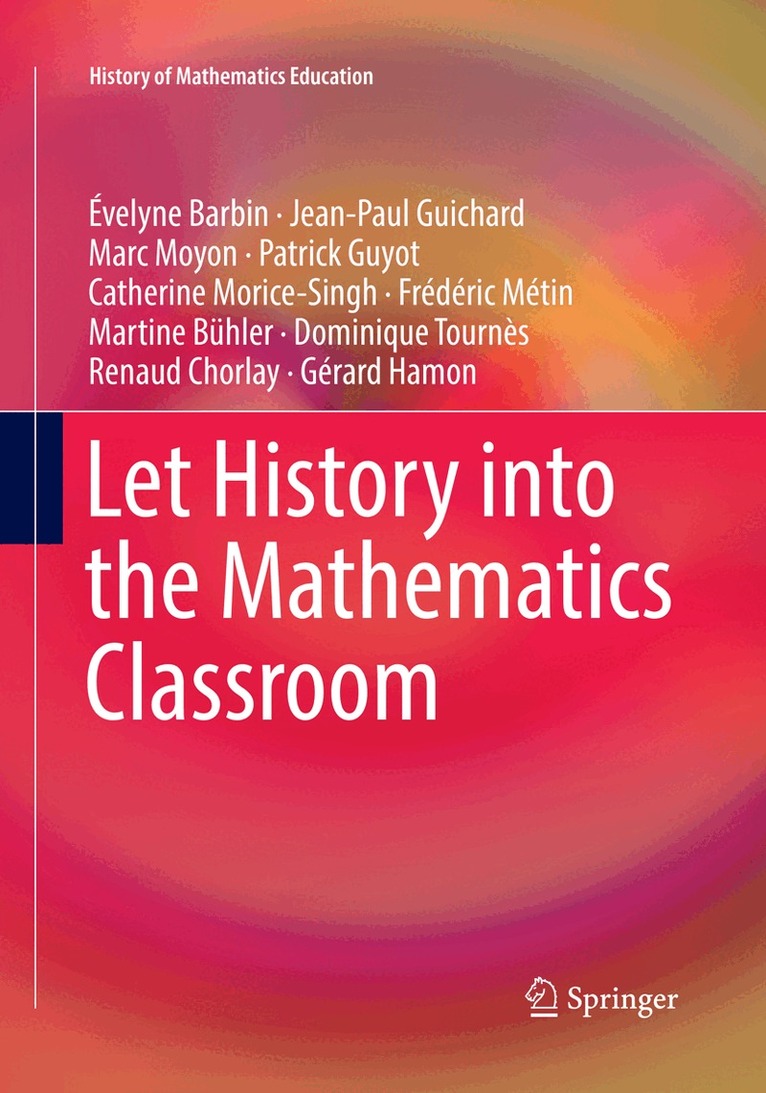
This book brings together 10 experiments which introduce historical perspectives into mathematics classrooms for 11 to 18-year-olds. The different chapters refer to ancient Greek, Indian, Chinese and Arabic mathematics as well as to contemporary mathematics.
Inbunden, Engelska, 2017
1 071 kr
Skickas inom 10-15 vardagar
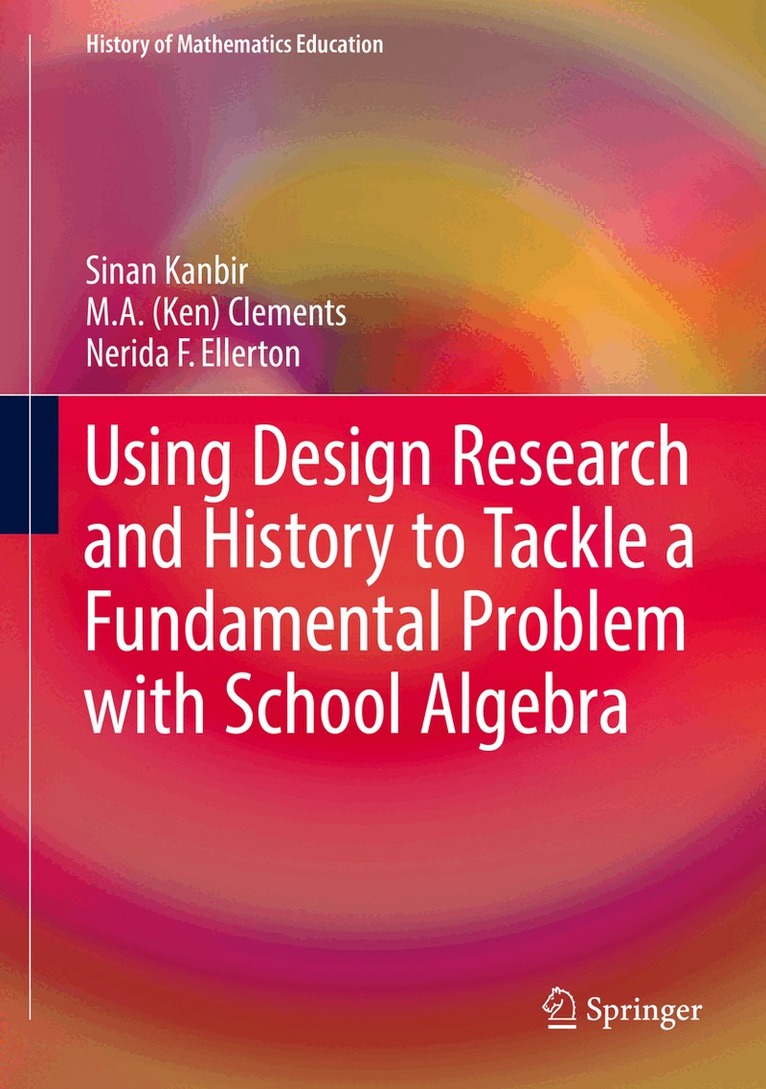
In this well-illustrated book the authors, Sinan Kanbir, Ken Clements, and Nerida Ellerton, tackle a persistent, and universal, problem in school mathematics—why do so many middle-school and secondary-school students find it difficult to learn algebra well? What makes the book important are the unique features which comprise the design-research approach that the authors adopted in seeking a solution to the problem. The first unique feature is that the authors offer an overview of the history of school algebra. Despite the fact that algebra has been an important component of secondary-school mathematics for more than three centuries, there has never been a comprehensive historical analysis of factors influencing the teaching and learning of that component.The authors identify, through historical analysis, six purposes of school algebra: (a) algebra as a body of knowledge essential to higher mathematical and scientific studies,(b) algebra as generalized arithmetic, (c) algebra as a prerequisite for entry to higher studies, (d) algebra as offering a language and set of procedures for modeling real-life problems, (e) algebra as an aid to describing structural properties in elementary mathematics, and (f) algebra as a study of variables. They also raise the question whether school algebra represents a unidimensional trait.Kanbir, Clements and Ellerton offer an unusual hybrid theoretical framework for their intervention study (by which seventh-grade students significantly improved their elementary algebra knowledge and skills). Their theoretical frame combined Charles Sanders Peirce’s triadic signifier-interpretant-signified theory, which is in the realm of semiotics, with Johann Friedrich Herbart’s theory of apperception, and Ken Clements’ and Gina Del Campo’s theory relating to the need to expand modes of communications in mathematics classrooms so that students engage in receptiveand expressive modes. Practicing classroom teachers formed part of the research team.This book appears in Springer’s series on the “History of Mathematics Education.” Not only does it include an important analysis of the history of school algebra, but it also adopts a theoretical frame which relies more on “theories from the past,” than on contemporary theories in the field of mathematics education. The results of the well-designed classroom intervention are sufficiently impressive that the study might havecreated and illuminated a pathway for future researchers to take.
Häftad, Engelska, 2018
1 390 kr
Skickas inom 10-15 vardagar
This unique volume presents an ecocultural and embodied perspective on understanding numbers and their history in indigenous communities. The book focuses on research carried out in Papua New Guinea and Oceania, and will help educators understand humanity's use of numbers, and their development and change. The authors focus on indigenous mathematics education in the early years and shine light on the unique processes and number systems of non-European styled cultural classrooms. This new perspective for mathematics education challenges educators who have not heard about the history of number outside of Western traditions, and can help them develop a rich cultural competence in their own practice and a new vision of foundational number concepts such as large numbers, groups, and systems. Featured in this invaluable resource are some data and analyses that chief researcher Glendon Angove Lean collected while living in Papua New Guinea before his death in 1995.Among the topicscovered:The diversity of counting system cycles, where they were established, and how they may have developed.A detailed exploration of number systems other than base 10 systems including: 2-cycle, 5-cycle, 4- and 6-cycle systems, and body-part tally systems.Research collected from major studies such as Geoff Smith's and Sue Holzknecht’s studies of Morobe Province's multiple counting systems, Charly Muke's study of counting in the Wahgi Valley in the Jiwaka Province, and Patricia Paraide's documentation of the number and measurement knowledge of her Tolai community. The implications of viewing early numeracy in the light of this book’s research, and ways of catering to diversity in mathematics education. In this volume Kay Owens draws on recent research from diverse fields such as linguistics and archaeology to present their exegesis on the history of number reachingback ten thousand years ago. Researchers and educators interested in the history of mathematical sciences will find History of Number: Evidence from Papua New Guinea and Oceania to be an invaluable resource.
Häftad, Engelska, 2018
1 071 kr
Skickas inom 10-15 vardagar
This book tells one of the greatest stories in the history of school mathematics. Two of the names in the title—Samuel Pepys and Isaac Newton—need no introduction, and this book draws attention to their special contributions to the history of school mathematics. According to Ellerton and Clements, during the last quarter of the seventeenth century Pepys and Newton were key players in defining what school mathematics beyond arithmetic and elementary geometry might look like. The scene at which most of the action occurred was Christ’s Hospital, which was a school, ostensibly for the poor, in central London. The Royal Mathematical School (RMS) was established at Christ’s Hospital in 1673.It was the less well-known James Hodgson, a fine mathematician and RMS master between 1709 and 1755, who demonstrated that topics such as logarithms, plane and spherical trigonometry, and the application of these to navigation, might systematically and successfully be taughtto 12- to 16-year-old school children. From a wider history-of-school-education perspective, this book tells how the world’s first secondary-school mathematics program was created and how, slowly but surely, what was being achieved at RMS began to influence school mathematics in other parts of Great Britain, Europe, and America.The book has been written from the perspective of the history of school mathematics. Ellerton and Clements’s analyses of pertinent literature and of archival data, and their interpretations of those analyses, have led them to conclude that RMS was the first major school in the world to teach mathematics-beyond-arithmetic, on a systematic basis, to students aged between 12 and 16.Throughout the book, Ellerton and Clements examine issues through the lens of a lag-time theoretical perspective. From a historiographical perspective, this book emphasizes how the history of RMS can be portrayed in very different ways, depending on the vantage point from which the history is written. The authors write from the vantage point of international developments in school mathematics education and, therefore, their history of RMS differs from all other histories of RMS, most of which were written from the perspective of the history of Christ’s Hospital.
Häftad, Engelska, 2018
1 390 kr
Skickas inom 10-15 vardagar
This book brings together 10 experiments which introduce historical perspectives into mathematics classrooms for 11 to 18-year-olds. The different chapters refer to ancient Greek, Indian, Chinese and Arabic mathematics as well as to contemporary mathematics.