I.B.Tauris History of the Christian Church – serie
Visar alla böcker i serien I.B.Tauris History of the Christian Church. Handla med fri frakt och snabb leverans.
11 produkter
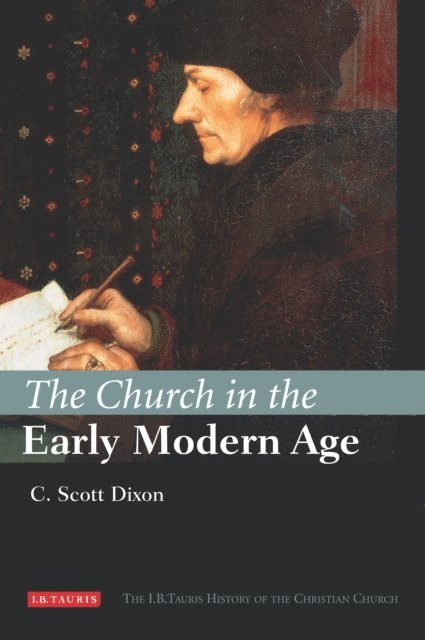
Church in the Early Modern Age
E-bok, 2016
839 kr
Lägg i varukorg
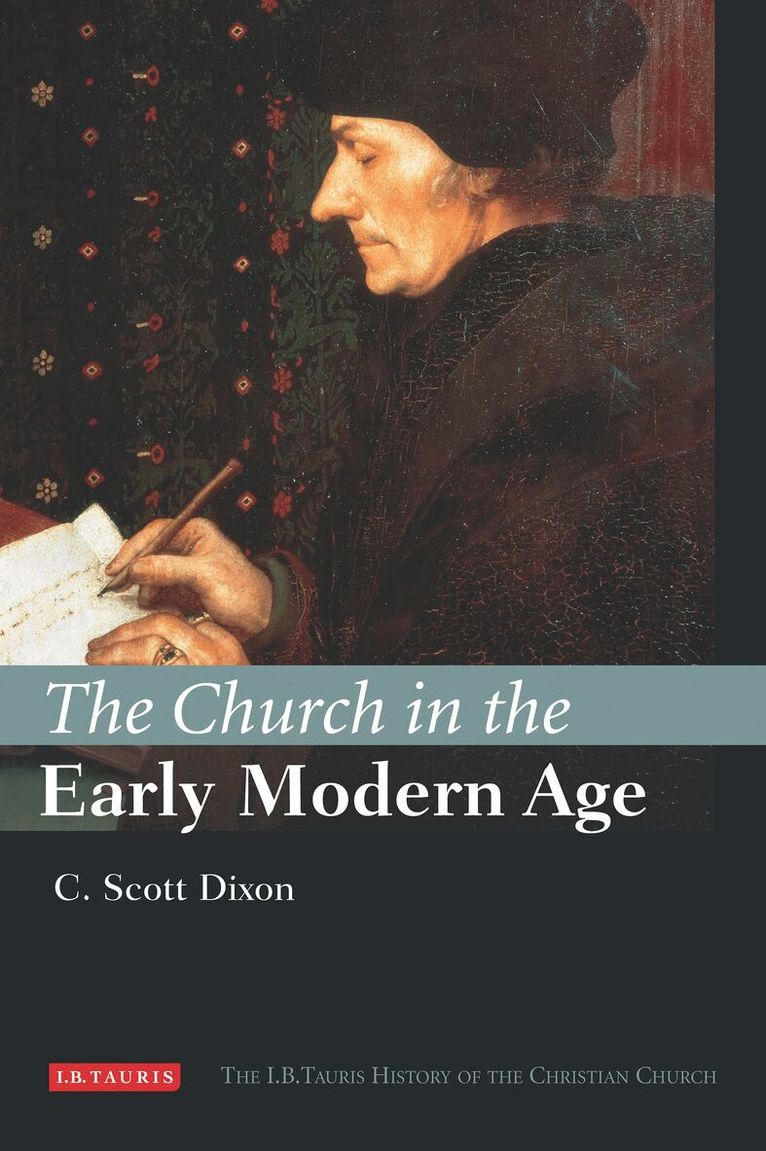
The years 1450-1650 were a momentous period for the development of Christianity. They witnessed the age of Reformation and Counter-Reformation: perhaps the most important era for the shaping of the faith since its foundation. C Scott Dixon explores how the ideas that went into the making of early …
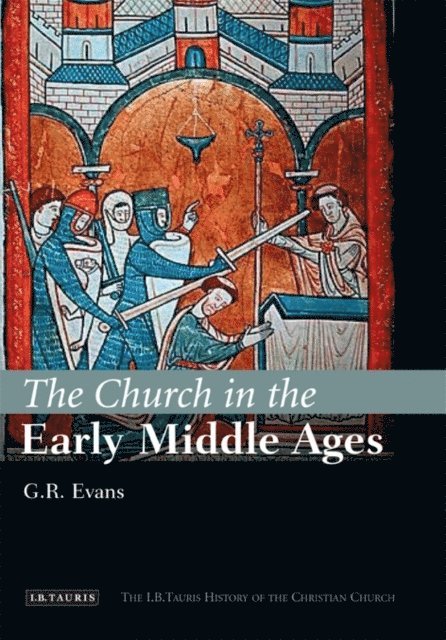
Church in the Early Middle Ages
The I.B.Tauris History of the Christian Church
Av G.R. Evans
E-bok, 2007
864 kr
Lägg i varukorg
The creation of a new history of the Church at the beginning of the third millennium is an ambitious but necessary project. Perhaps nowhere is it needed more than in re-describing the Church's development - its life and its thinking - in the period that followed the end of the 'early Church' in …
Church in the Nineteenth Century
The I.B.Tauris History of the Christian Church
E-bok, 2008
857 kr
Lägg i varukorg
The nineteenth century was one of the most fascinating and volatile periods in Christian history. It was during this time that Christianity evolved into a truly global religion, which led to an ever greater variety of ways for Christians to express and profess their faith. Frances Knight addresses …
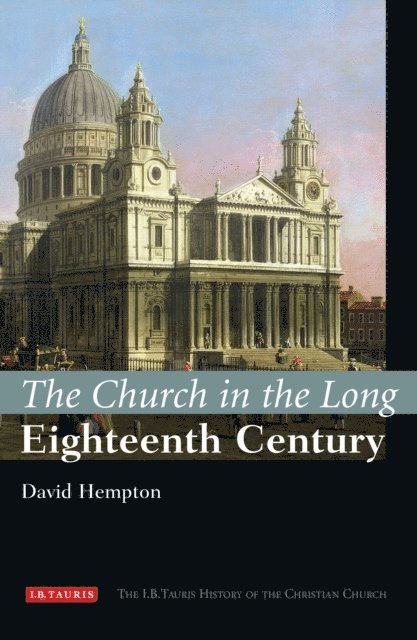
Church in the Long Eighteenth Century
The I.B.Tauris History of the Christian Church
E-bok, 2011
839 kr
Lägg i varukorg
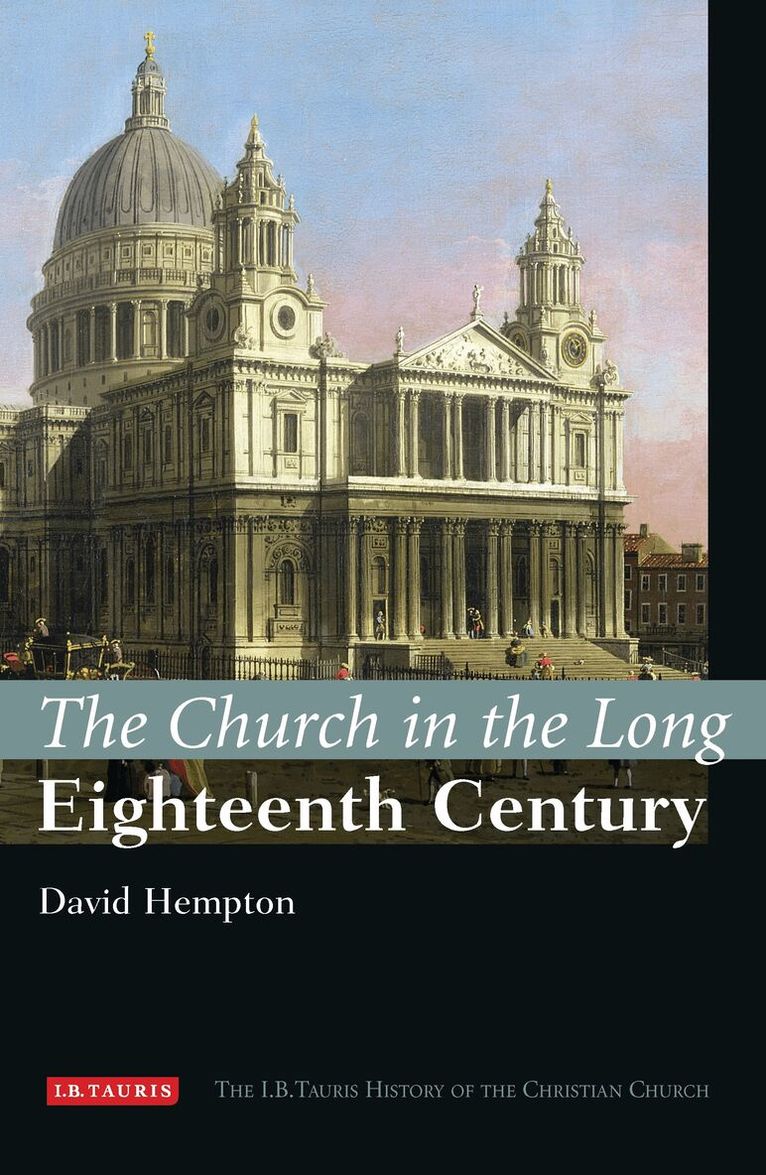
David Hempton's history of the vibrant period between 1650 and 1832 engages with a truly global story: that of Christianity not only in Europe and North America, but also in Latin America, Africa, Russia and Eastern Europe, India, China, and South-East Asia. Examining eighteenth-century religious …
Church in the Modern Age
The I.B.Tauris History of the Christian Church
E-bok, 2007
857 kr
Lägg i varukorg
Given the diversity and complexity of developments in the twentieth century, a history of the Christian Church in the modern period is in some ways the most challenging volume of all to write. But Jeremy Morris succeeds in presenting a coherent account of the Church. He emphasises the changing …
Church in the Early Middle Ages
The I.B.Tauris History of the Christian Church
Av G.R. Evans
Inbunden, 2007
805 kr
Lägg i varukorg
The creation of a new history of the Church at the beginning of the third millennium is an ambitious but necessary project. Perhaps nowhere is it needed more than in re-describing the Church's development - its life and its thinking - in the period that followed the end of the 'early Church' in …
Church in the Modern Age
The I.B.Tauris History of the Christian Church
Inbunden, 2007
782 kr
Lägg i varukorg
Given the diversity and complexity of developments in the twentieth century, a history of the Christian Church in the modern period is in some ways the most challenging volume of all to write. But Jeremy Morris succeeds in presenting a coherent account of the Church. He emphasises the changing …
Early Church
The I.B.Tauris History of the Christian Church
Inbunden, 2008
805 kr
Lägg i varukorg
How did the early Christians manage to establish a religion and institution which, despite persecution, flourished and grew? How did their initial experience of being a despised minority in the Roman Empire shape their sense of privileged identity and uniqueness? And how was it that - at least at …
Church in the Later Middle Ages
The I.B.Tauris History of the Christian Church
Inbunden, 2008
782 kr
Lägg i varukorg
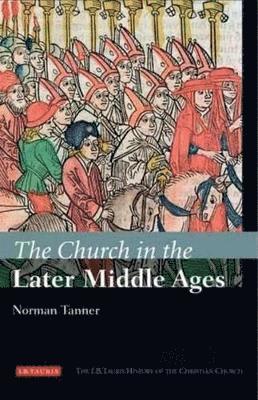
The Later Middle Ages (1300-1500 CE) have often been characterised as a period of decline for Christendom. The era seems to sit uncomfortably between the remarkable achievements of church and society in the twelfth and thirteenth centuries, and the revivals of the Reformation and …
Church in the Early Modern Age
Inbunden, 2016
782 kr
Lägg i varukorg
The years 1450-1650 were a momentous period for the development of Christianity. They witnessed the age of Reformation and Counter-Reformation: perhaps the most important era for the shaping of the faith since its foundation. C Scott Dixon explores how the ideas that went into the making of early …
Church in the Long Eighteenth Century
The I.B.Tauris History of the Christian Church
Inbunden, 2011
782 kr
Lägg i varukorg
David Hempton's history of the vibrant period between 1650 and 1832 engages with a truly global story: that of Christianity not only in Europe and North America, but also in Latin America, Africa, Russia and Eastern Europe, India, China, and South-East Asia. Examining eighteenth-century religious …