Norman Tanner – Författare
Visar alla böcker från författaren Norman Tanner. Handla med fri frakt och snabb leverans.
4 produkter
4 produkter
286 kr
Skickas inom 3-6 vardagar
274 kr
Skickas inom 10-15 vardagar
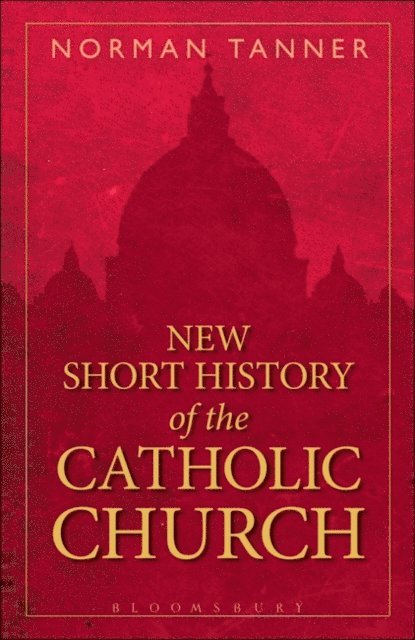
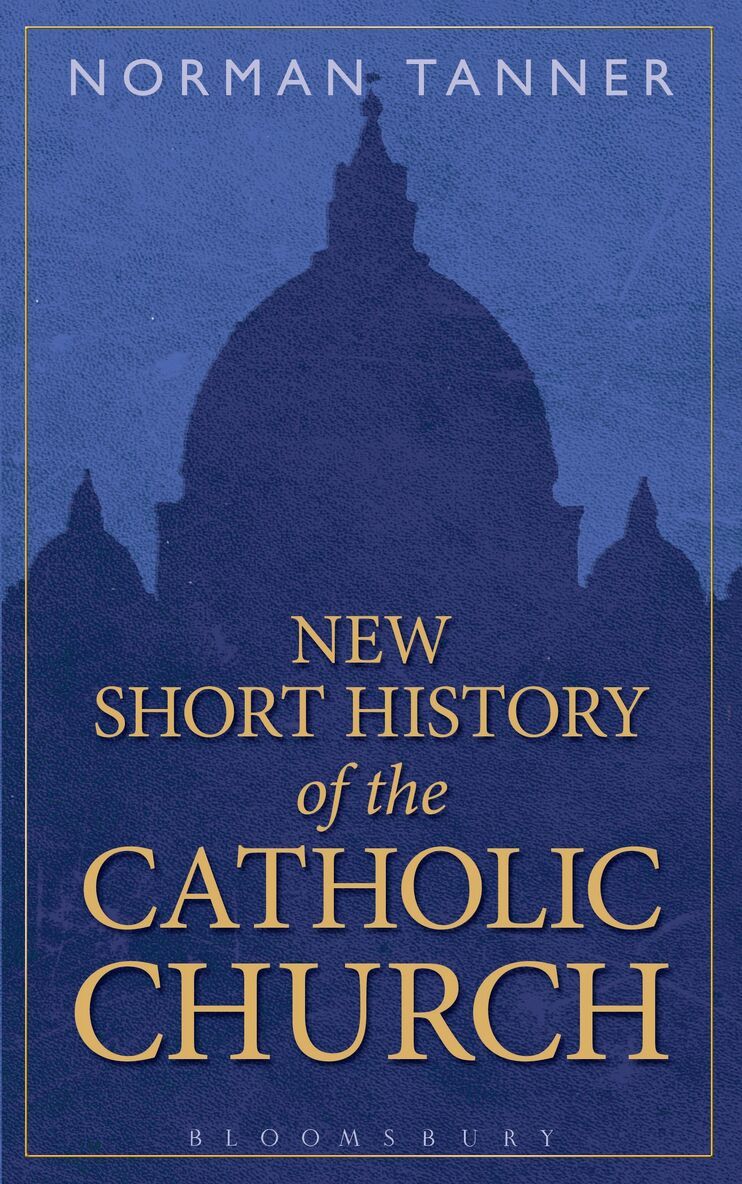
‘A useful book of reference by the master of the history of the councils of the Church... There is enormous value in a short, reliable, and careful study of a sequence of events that may have unfamiliar joinings and passageways to modern believers...’ - Catholic Historical Review‘A short, readable and informed survey of church history.’ - The Church of England Newspaper‘A rich foundation for Catholic understanding and witness.’ - Catholic San Francisco____________A one-volume history of the Christian people from Pentecost to the present day, with principal focus on the Catholic Church. Having passed AD 2000 it seems appropriate and necessary to have a new short history of the first two millennia of the Christian era.In the last half century there has been a massive amount of research into Church history, published in learned articles and in multi-volume works. Full notice is taken of these recent scholarly initiatives in writing this short account, which is also eminently readable.In each section there is a balance between the institutional and the more directly religious dimensions of the Church - here are some of the elements: bishops, canon law, charity, councils crusades, devotions, heresies, laity, liturgy, martyrs, missionaries, parishes, pilgrimages, popes, prayer, priesthood, religious orders, sacraments, schools, theologians, universities and the vita consacrata.The scope is wide; the pace of the narrative is attractive.

Church in the Later Middle Ages
The I.B.Tauris History of the Christian Church
Inbunden, Engelska, 2008
742 kr
Skickas inom 10-15 vardagar
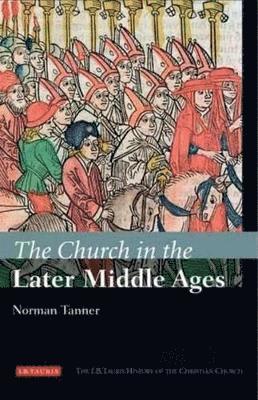
The Later Middle Ages (1300-1500 CE) have often been characterised as a period of decline for Christendom. The era seems to sit uncomfortably between the remarkable achievements of church and society in the twelfth and thirteenth centuries, and the revivals of the Reformation and Counter-Reformation in the sixteenth century. The period has even been called a 'Babylonian Captivity' for the Church, echoing the struggles of the Israelites in exile, and reflecting the transferral of the papacy to Avignon in 1309.Norman Tanner challenges this negative view, examining a vibrant period of ecclesiastical history in its own right rather than just through the lenses of the centuries that preceded and succeeded it. He discusses the trials of the age in the form of the papal schism between 1378-1417, the heresies of Cathars, Lollards and Hussites, the Hundred Years' War, and the terror of the Black Death. Yet he focuses, too, on the great ecumenical councils, the flowering of intellectual life in the Renaissance and the extraordinarily rich spirituality of mystics like Julian of Norwich, Catherine of Siena and Meister Eckhart.What comes to light in this lively and readable volume is that the later medieval age was actually one of extraordinary achievement for the Church: of deepening and enrichment, as well as of schism and conflict.
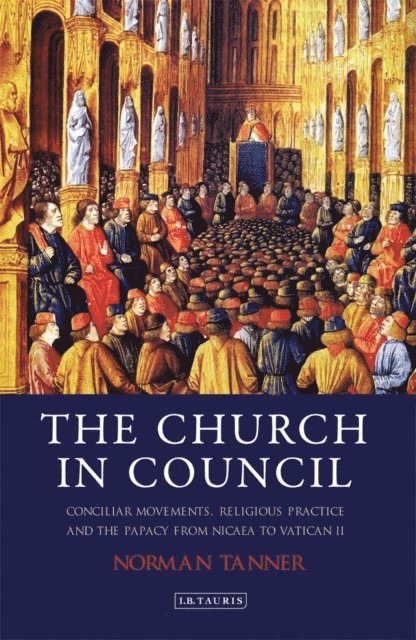
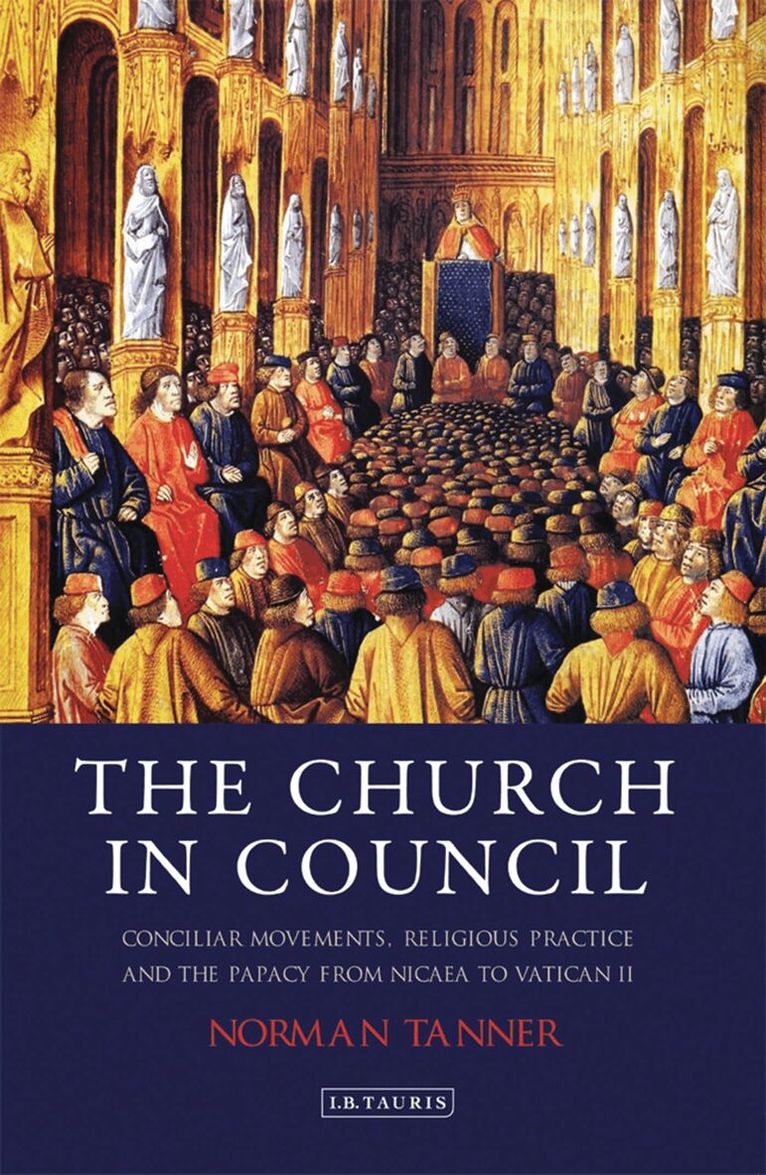
Church in Council
Conciliar Movements, Religious Practice and the Papacy from Nicaea to Vatican II
Inbunden, Engelska, 2010
1 703 kr
Skickas inom 10-15 vardagar
Councils have been of fundamental importance to the historical development of the Catholic Church. From the First Council of Nicaea in 325 CE to the reforming Second Vatican Council of 1962-5, the conciliar movement has more often than not represented the interests and prerogatives of the mass of the faithful: frequently - especially from medieval times - as a bulwark against the untrammelled supremacy of the Pope. Norman Tanner is arguably the outstanding scholar of church councils writing in English and his work provides an essential framework to our understanding of the development of Western Catholicism. In this volume, which assembles some of his best work on the topic, he reflects on the legacy of conciliarism, and shows how and why the apostolic spirit of Nicaea was to resurface at Vatican II.