I.B.Tauris Introductions to Religion - Böcker
Visar alla böcker i serien I.B.Tauris Introductions to Religion. Handla med fri frakt och snabb leverans.
10 produkter
10 produkter
348 kr
Skickas inom 7-10 vardagar
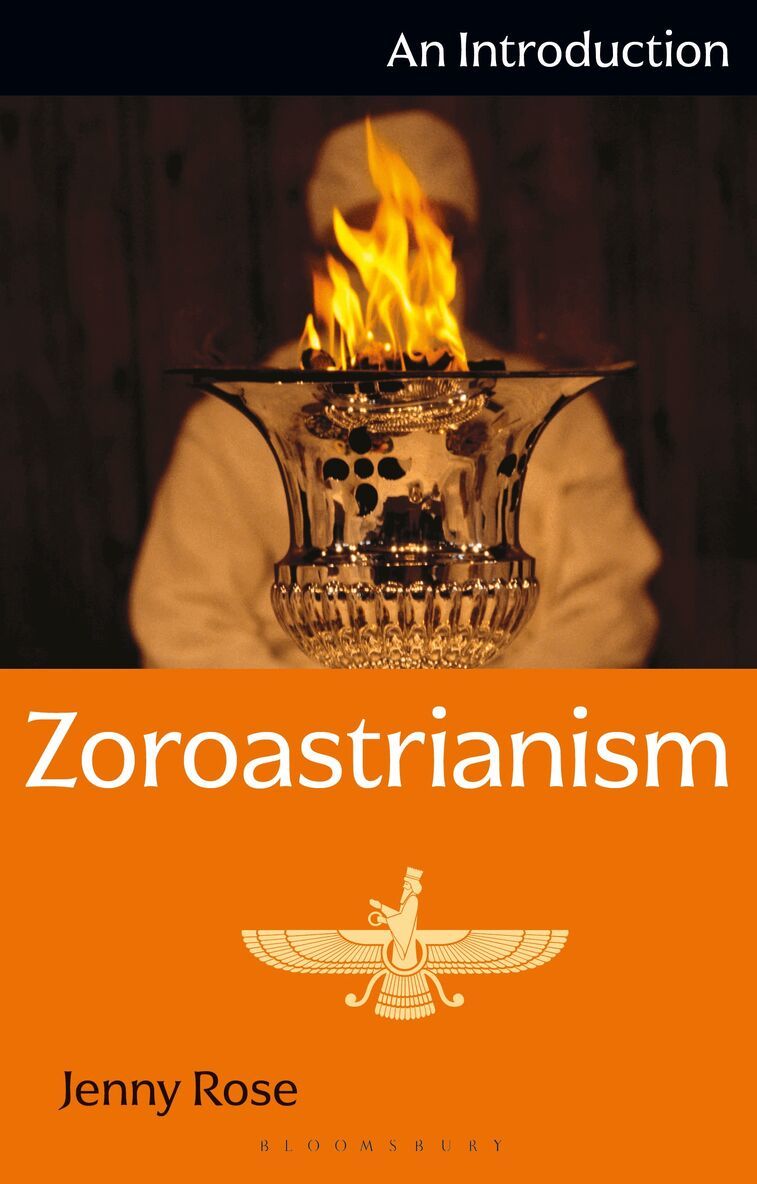
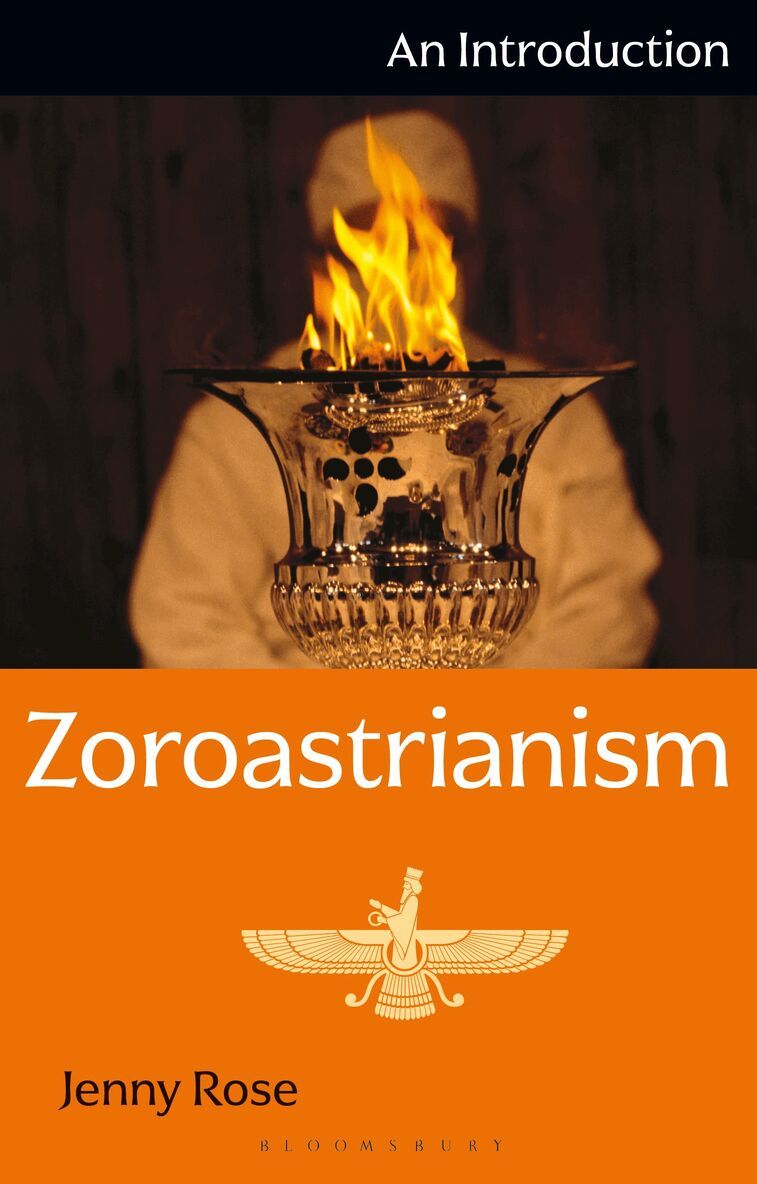
Zoroastrianism is one of the world's great ancient religions. In present-day Iran, significant communities of Zoroastrians (who take their name from the founder of the faith, the remarkable religious reformer Zoroaster) still practise the rituals and teach the moral precepts that once undergirded the officially state-sanctioned faith of the mighty Sasanian empire. Beyond Iran, the Zoroastrian disapora is significant especially in India, where the Gujarati-speaking community of emigrants from post-Sasanian Iran call themselves 'Parsis'. But there are also significant Zoroastrian communities to be found elsewhere, such as in the USA, Britain and Canada, where western cultural contexts have shaped the religion in intriguing ways and directions. This new, thorough and wide-ranging introduction will appeal to anyone interested in discovering more about the faith that bequeathed the contrasting words 'Magi' and 'magic', and whose adherents still live according to the code of 'Good Thoughts, Good Words, Good Deeds.'The central Zoroastrian concept that human beings are continually faced with a choice between the path of 'good' and 'evil', represented by the contrasting figures of Ahura Mazda and Ahriman, inspired thinkers as diverse as Voltaire, Mozart and Nietzsche. Jenny Rose shows why Zoroastrianism remains one of the world's most inspiring and perennially fascinating systems of ethics and belief.
368 kr
Skickas inom 10-15 vardagar
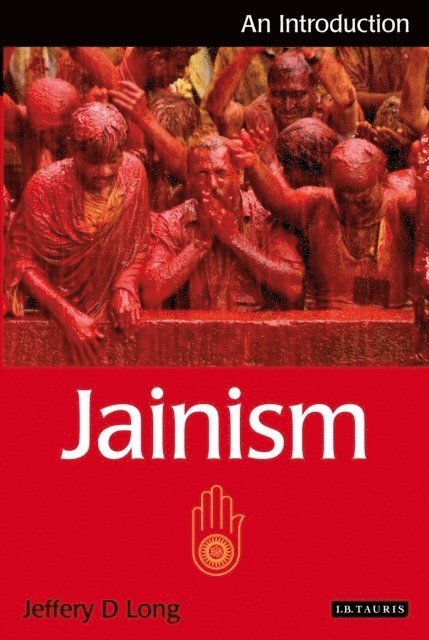
Jainism evokes images of monks wearing face-masks to protect insects and mico-organisms from being inhaled. Or of Jains sweeping the ground in front of them to ensure that living creatures are not inadvertently crushed: a practice of non-violence so radical as to defy easy comprehension. Yet for all its apparent exoticism, Jainism is still little understood in the West. What is this mysterious philosophy which originated in the 6th century BCE, whose absolute requirement is vegetarianism, and which now commands a following of four million adherents both in its native India and diaspora communities across the globe?In his welcome new treatment of the Jain religion, Long makes an ancient tradition fully intelligible to the modern reader. Plunging back more than two and a half millennia, to the plains of northern India and the life of a prince who - much like the Buddha - gave up a life of luxury to pursue enlightenment, Long traces the history of the Jain community from founding sage Mahavira to the present day.He explores asceticism, worship, the life of the Jain layperson, relations between Jainism and other Indic traditions, the Jain philosophy of relativity, and the implications of Jain ideals for the contemporary world. The book presents Jainism in a way that is authentic and engaging to specialists and non-specialists alike.
368 kr
Skickas inom 10-15 vardagar
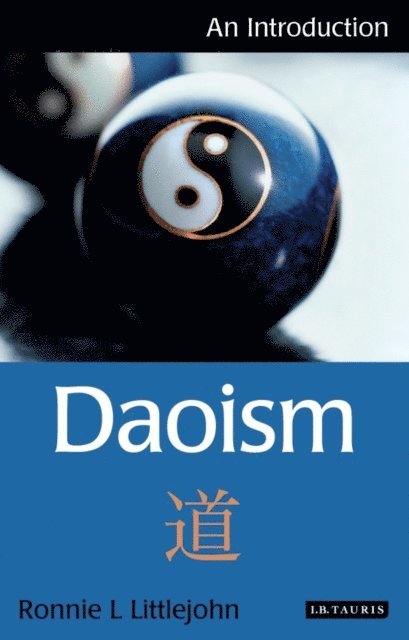
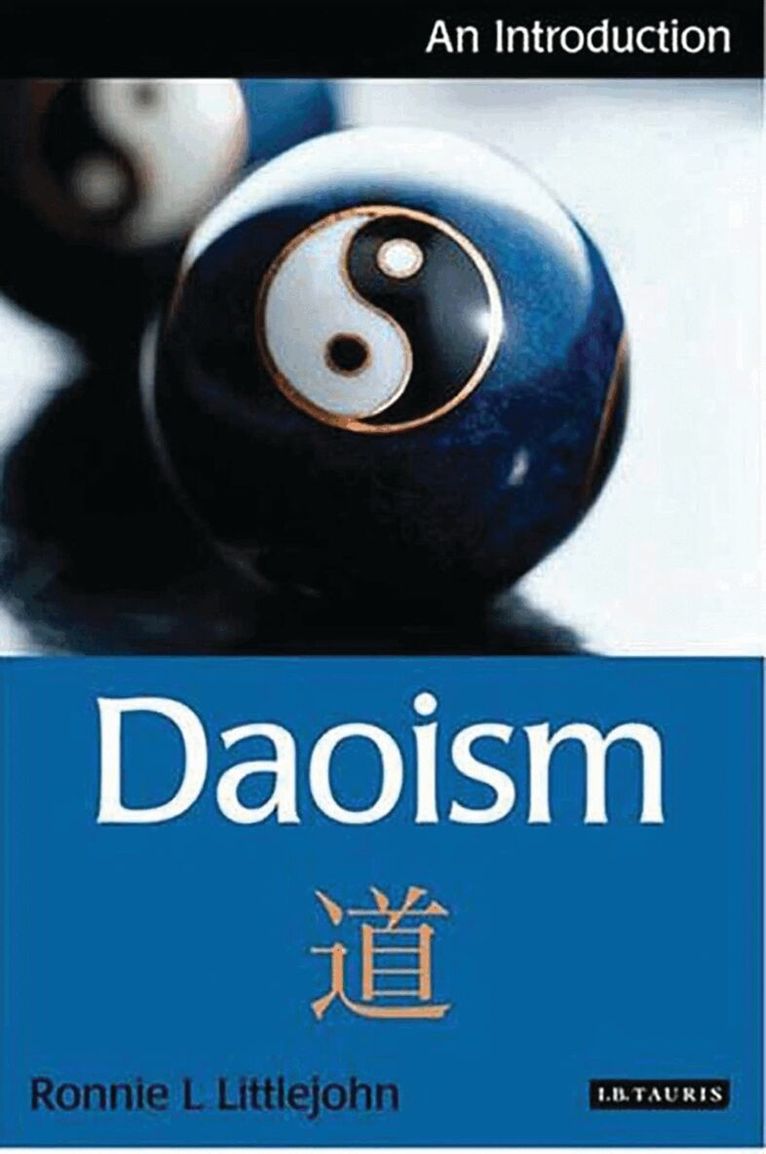
'The way that can be told is not the eternal Way; the name that can be named is not the eternal Name.' So begins the first verse of the mysterious "Dao De Jing", foundation text of the ancient Chinese religion of Daoism. Often attributed to semi-mythical sage Laozi, the origins of this enigmatic document - which probably came into being in the third century BCE - are actually unknown. But the tenets of Daoism laid down in the "Dao De Jing", and in later texts like the "Yi Jing" (or "Book of Changes"), continue to exert considerable fascination, particularly in the West, where in recent years they have been popularized by writers such as the novelist Ursula K LeGuin. In this fresh and engaging introduction to Daoism, Ronnie L Littlejohn discusses the central facets of a tradition which can sometimes seem as elusive as the slippery notion of 'Dao' itself. The author shows that fundamental to Daoism is the notion of 'Wu-wei', or non-action: a paradoxical idea emphasizing alignment of the self with the harmony of the universe, a universe in continual flux and change.This flux is expressed by the famous symbol of Dao, the 'taiji' representing yin and yang eternally correlating in the form of a harmonious circle. Exploring the great subtleties of this ancient religion, Littlejohn traces its development and encounters with Buddhism; its expression in art and literature; its fight for survival during the Cultural Revolution; and its manifestations in modern-day China and beyond.
368 kr
Skickas inom 10-15 vardagar
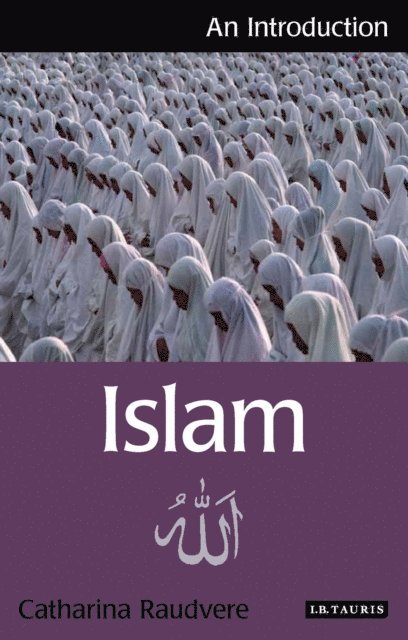
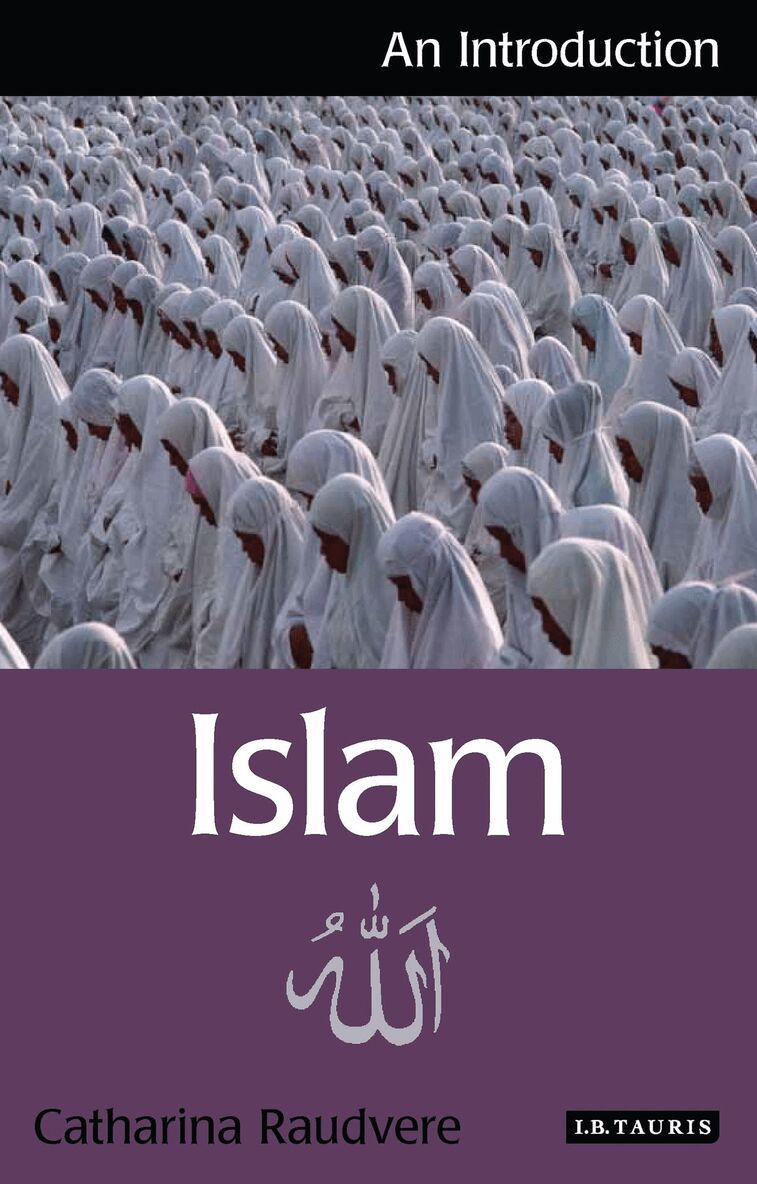
Many existing introductions to Islam focus predominantly on the Middle East and on historical background at the expense of Islam as a lived faith. Assessing Islam as a truly global phenomenon, Catharina Raudvere engages thoroughly with history, (explaining the significance of the revelation of the Prophet Muhammad and the origins of the different Sunni and Shi'a groups within Islam), while also giving full and comprehensive coverage to Muslim ritual life and Islamic ethics. She discusses moral debates and modern lifestyle issues such as halal consumption, interfaith dialogue and controversy over the wearing of the veil. Diaspora communities are considered with a view to showing how norms and doctrines are understood - and sometimes contradicted - in social and ritual practice. In addition, the author focuses on the meaning and continuing application to modern life of the Quran and hadith as sources for Islamic theology (kalam) and jurisprudence (fiqh).The book gives much attention to questions of universal values, Islam and democracy, gender issues, women's rights and pluralism, contrasting the thinking of Jihadists and radical Islamism with liberal reformist voices within Islam.Islam: An Introduction offers undergraduate students of religion and general readers a balanced, sensitive and well informed overview of the world's most intensively discussed religious and cultural tradition.
1 507 kr
Skickas inom 10-15 vardagar
Zoroastrianism is one of the world's great ancient religions. In present-day Iran, significant communities of Zoroastrians (who take their name from the founder of the faith, the remarkable religious reformer Zoroaster) still practise the rituals and teach the moral precepts that once undergirded the officially state-sanctioned faith of the mighty Sasanian empire. Beyond Iran, the Zoroastrian disapora is significant especially in India, where the Gujurati-speaking community of exiles from post-Sasanian Iran call themselves 'Parsis'. But there are also significant Zoroastrian communities to be found elsewhere, such as in the USA, Britain and Canada, where western cultural contexts have shaped the religion in intriguing ways and directions. This new, thorough and wide-ranging introduction will appeal to anyone interested in discovering more about the faith that bequeathed the contrasting words 'Magi' and 'magic', and whose adherents still live according to the code of 'Good Thoughts, Good Words, Good Deeds.'The central Zoroastrian concept that human beings are continually faced with a choice between the path of 'good' and 'evil', represented by the contrasting figures of Ahura Mazda and Ahriman, inspired thinkers as diverse as Voltaire, Mozart and Nietzsche. Jenny Rose shows why Zoroastrianism remains one of the world's most inspiring and perennially fascinating systems of ethics and belief.
1 582 kr
Skickas inom 7-10 vardagar
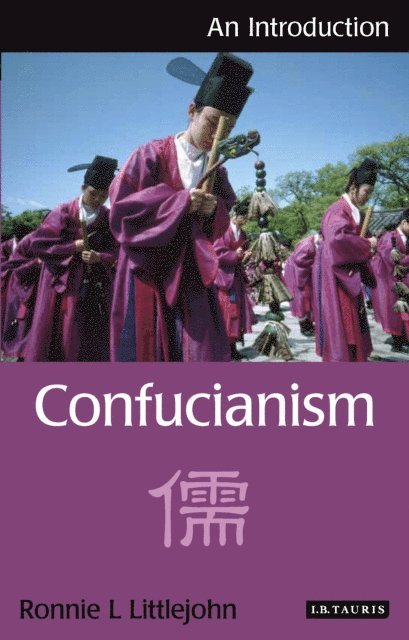
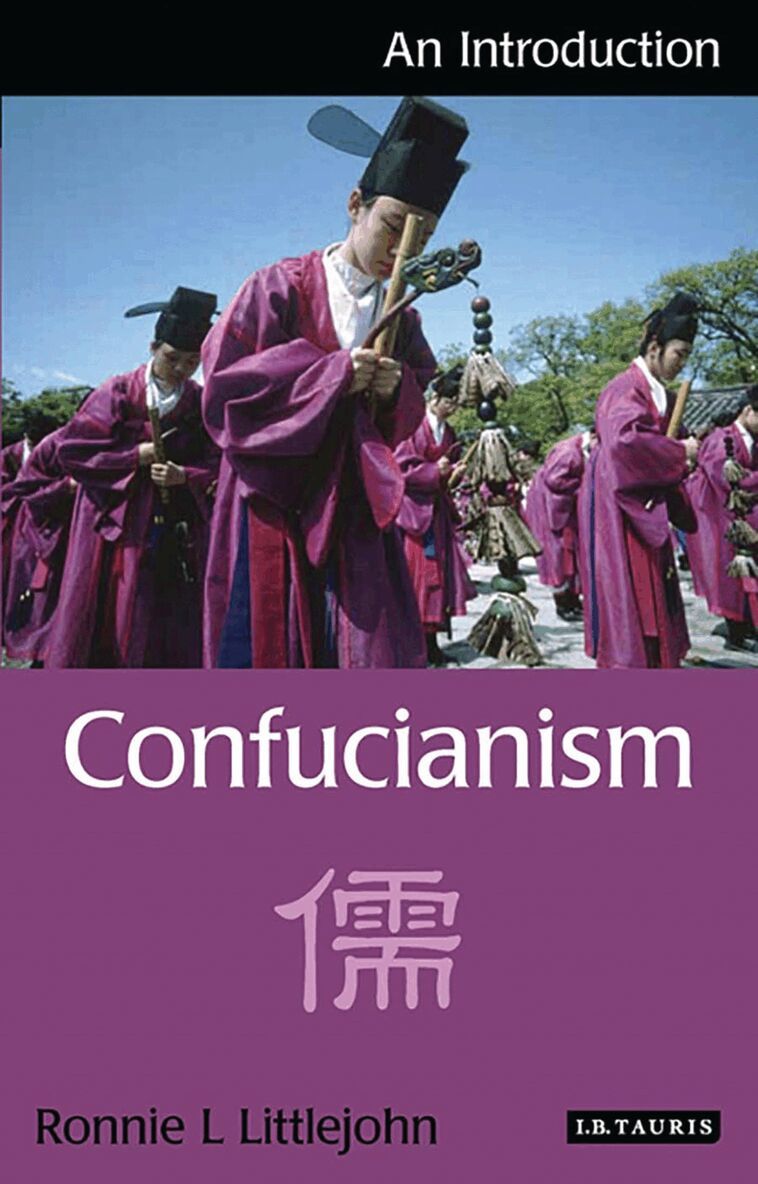
It is arguably Confucianism, not Communism, which lies at the core of China's deepest sense of self. Although reviled by Chinese intellectuals of the 1950s-1990s, who spoke of it as 'yellow silt clotting the arteries of the country', Confucianism has defied eradication, remaining a fundamental part of the nation's soul for 2500 years. And now, as China assumes greater ascendancy on the world economic stage, it is making a strong comeback as a pragmatic philosophy of personal as well as corporate transformation, popular in both home and boardroom. What is this complex system of ideology that stems from the teachings of a remarkable man called Confucius (Kongzi), who lived in the distant sixth century BCE? Though he left no writings of his own, the oral teachings recorded by the founder's disciples in the 'Analects' left a profound mark on later Chinese politics and governance. They outline a system of social cohesiveness dependent upon personal virtue and self-control.For Confucius, society's harmony relied upon the appropriate behaviour of each individual within the social hierarchy; and its emphasis on practical ethics has led many to think of Confucianism as a secular philosophy rather than a religion. In this new, comprehensive introduction, Ronnie Littlejohn argues rather that Confucianism is profoundly spiritual, and must be treated as such. He offers full coverage of the tradition's sometimes neglected metaphysics, as well as its varied manifestations in education, art, literature and culture.
368 kr
Skickas inom 10-15 vardagar
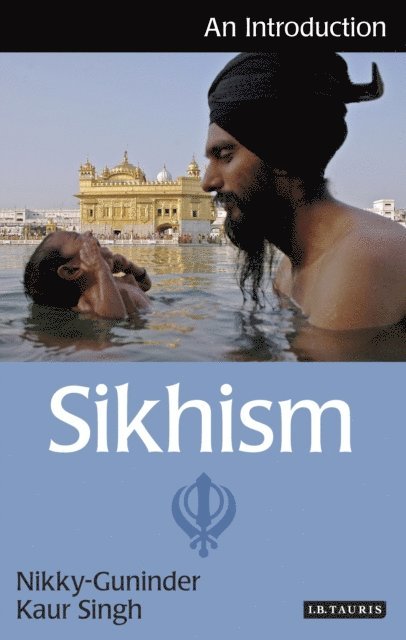
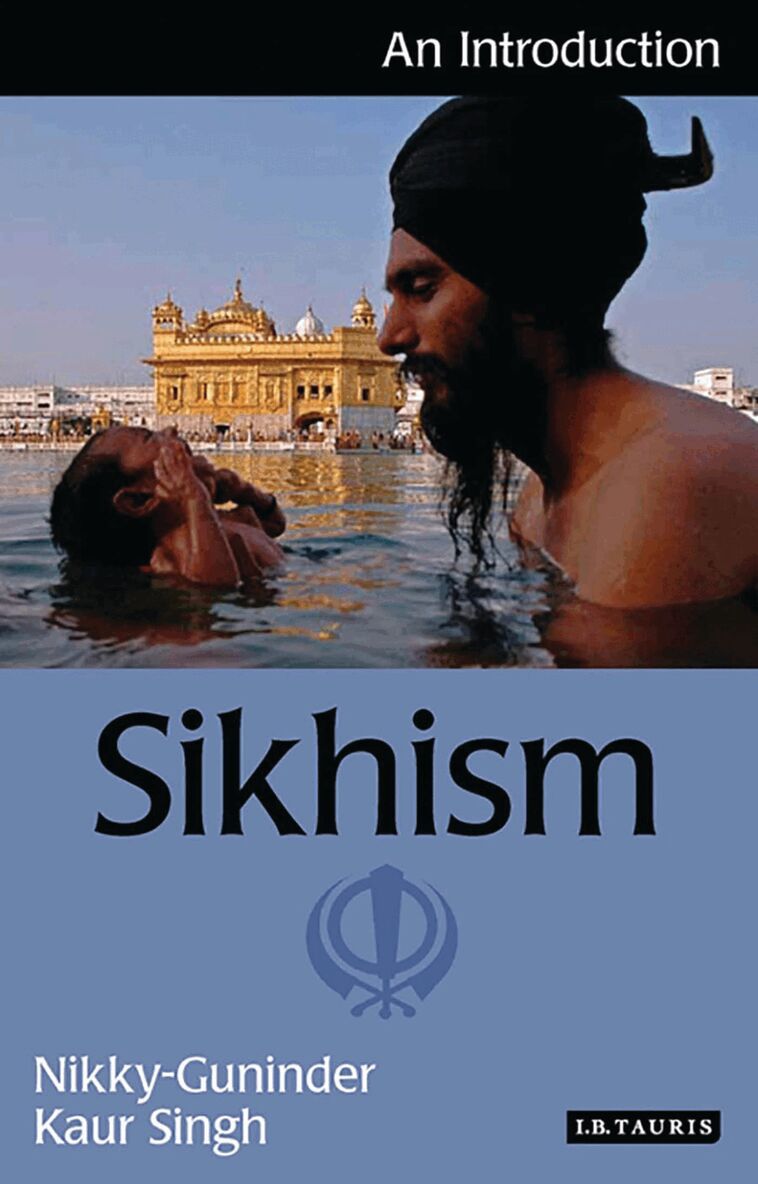
Almost from the moment, some five centuries ago, that their religion was founded in the Punjab by Guru Nanak, Sikhs have enjoyed a distinctive identity. This sense of difference, forged during Sikhism's fierce struggles with the Mughal Empire, is still symbolised by the 'Five Ks' ('panj kakar', in Punjabi), those articles of faith to which all baptised Sikhs subscribe: uncut hair bound in a turban; comb; special undergarment; iron bracelet and dagger (or kirpan) - the unique marks of the Sikh military fraternity (the word Sikh means 'disciple' in Punjabi). Yet for all its ongoing attachment to the religious symbols that have helped set it apart from neighbouring faiths in South Asia, Sikhism amounts to far more than just signs or externals. Now the world's fifth largest religion, with a significant diaspora especially in Britain and North America, this remarkable monotheistic tradition commands the allegiance of 25 million people, and is a global phenomenon. In her balanced appraisal, Nikky-Guninder Kaur Singh reviews the history, theology and worship of a community poised between reconciling its hereditary creeds and certainties with the fast-paced pressures of modernity.She outlines and explains the core Sikh beliefs, and explores the writings and teachings of the Ten Sikh Gurus in Sikhism's Holy Scriptures, the Sri Guru Granth Sahib (more usually called just the 'Granth'). Further chapters explore Sikh ethics, art and architecture, and matters of gender and the place of women in the tradition. The book attractively combines the warm empathy of a Sikh with the objective insights and acute perspectives of a prominent scholar of religion.
368 kr
Skickas inom 10-15 vardagar
The Christian faith has the allegiance of one third of the human race. It has succeeded in influencing civilization to such a degree that we now take its existence almost for granted. Yet it might all have been so different. Christianity began with the words and deeds of an obscure village carpenter's son who died a shameful criminal's death at the hands of the Roman occupiers of his country: itself an insignificant outpost of the powerful ruling Empire. The feverish land of biblical Palestine, awash with apocalyptic expectations of deliverance from its foreign overlords, was hardly short of seers and prophets who claimed to be sent visions from God. Yet the followers of this man thought he was different: so different, in fact, that some years after his death and asserted resurrection they scandalously insisted not only that he was sent by God, but that he 'was' God. How a provincial sect, with its seemingly outrageous ideas, became first the sanctioned religion of the Roman Empire and then, over the course of 2000 years, the creed of billions of people, is the improbable story that this book tells.It is a story of freethinkers, friars, fanatics and firebrands; and of the lay people (not just the clerical or the powerful) who have made up the great mass of Christians over the centuries. Many introductions to Christianity are written by Christians, for Christians. This elegant textbook, by contrast, shows that the history of the religion, while often glorious, is not one of unimpeded progress, but something still more remarkable, flawed and human.
368 kr
Skickas inom 10-15 vardagar
The story of Judaism is a story of paradox. It is the story of how a small cluster of desert tribes gave birth to a monotheistic doctrine that profoundly shaped the history of human civilization. It is the story of how that initially obscure desert doctrine came to be codified into the Hebrew Bible, one of the world's greatest works of literature. It is the story of how a small minority came to be viewed by the majority as disproportionately powerful and, following pogrom and Holocaust, were driven to the edge of extinction. And it is the story of how a displaced people, globally dispersed throughout other nations for two-and-a-half millennia, came to forge a modern, secular Israeli state which many Jews believe to have been granted an explicitly divine mandate. Oliver Leaman carefully and creatively explores the nature of these apparent contradictions.He discusses the origins of the Jewish Bible; recounts the history of the Jewish people from the era of Patriarchs and Prophets through the Middle Ages up to the contemporary era; outlines the Jewish liturgical calendar and its major rites and modes of worship; and, considers the great variety of Jewish literatures (including modern post-Holocaust writers like Primo Levi and Elie Wiesel), art, food and culture. Further chapters examine such topics as mysticism and kabbalah; modern Hebrew; interfaith relations; and, the highly contested question, 'Who is a Jew?'
368 kr
Skickas inom 10-15 vardagar
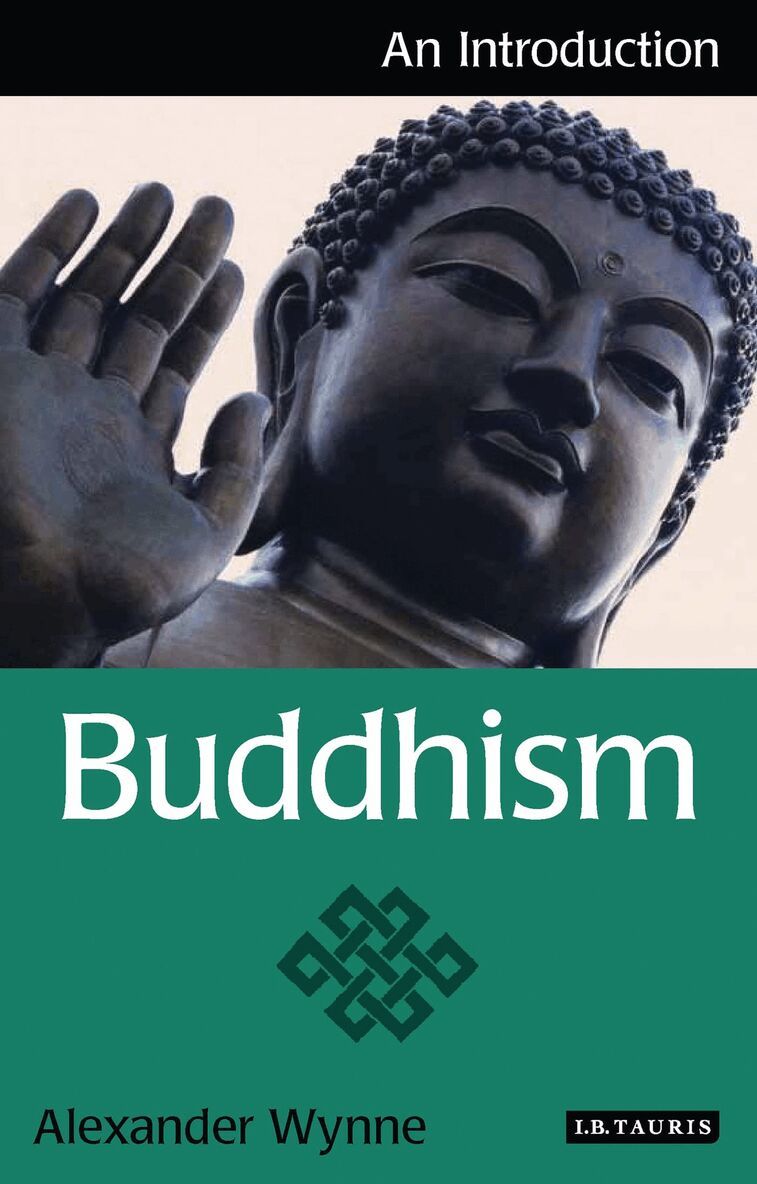
Buddhism is often characterised as one of the most complex and enigmatic of all the world's religions. Although the Buddha himself was not a philosopher in the sense that that term is often understood, a Buddhist philosophy nevertheless emerged from the Buddha's teachings that was astonishingly rich, profound and elusive. Buddhism, which for over two millennia has been an integral part of South and East Asian society and civilisation, is now increasingly popular in the West, where its teachings about liberation of the self from the cycle of existence have proved attractive to people from a wide variety of backgrounds. In this new and comprehensive textbook, Alexander Wynne shows that the story of Buddhism as a global system of belief begins with the life of the Buddha in northern India in the fifth century bce. He discusses the many new advances that have been made in recent years with regard to Buddhist origins, and traces the ways that formative Indian doctrines helped shape the features of later Asian Buddhism.Carefully outlining the major Buddhist traditions, Wynne examines in turn the major Mahayana traditions of China, in- cluding the Ch'an and Pure Land schools, as well as recent trends in Theravada Buddhism, especially in Sri Lanka and Thailand, and the Tantric Buddhism of Tibet. Finally, he turns to the role of Buddhism in the modern world, and explores how the western encounter with Buddhism has both affected and been affected by it, especially in the fields of cognitive science and modern psychology.