In War and in Peace: U.S. Civil-Military Relations – serie
Visar alla böcker i serien In War and in Peace: U.S. Civil-Military Relations. Handla med fri frakt och snabb leverans.
10 produkter
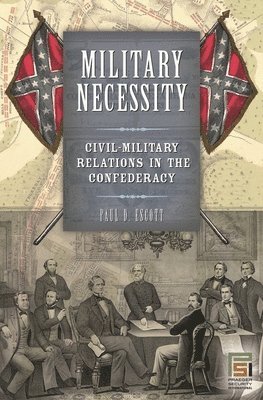
Military Necessity
Civil-Military Relations in the Confederacy
Inbunden, 2006
1095 kr
Lägg i varukorg
Never before or since in American history have the needs and influence of the military weighed so heavily on society. Escott analyzes the militarization of life in the Confederacy and probes the relationships between military commanders, legislators, and Jefferson Davis and his administration. As …
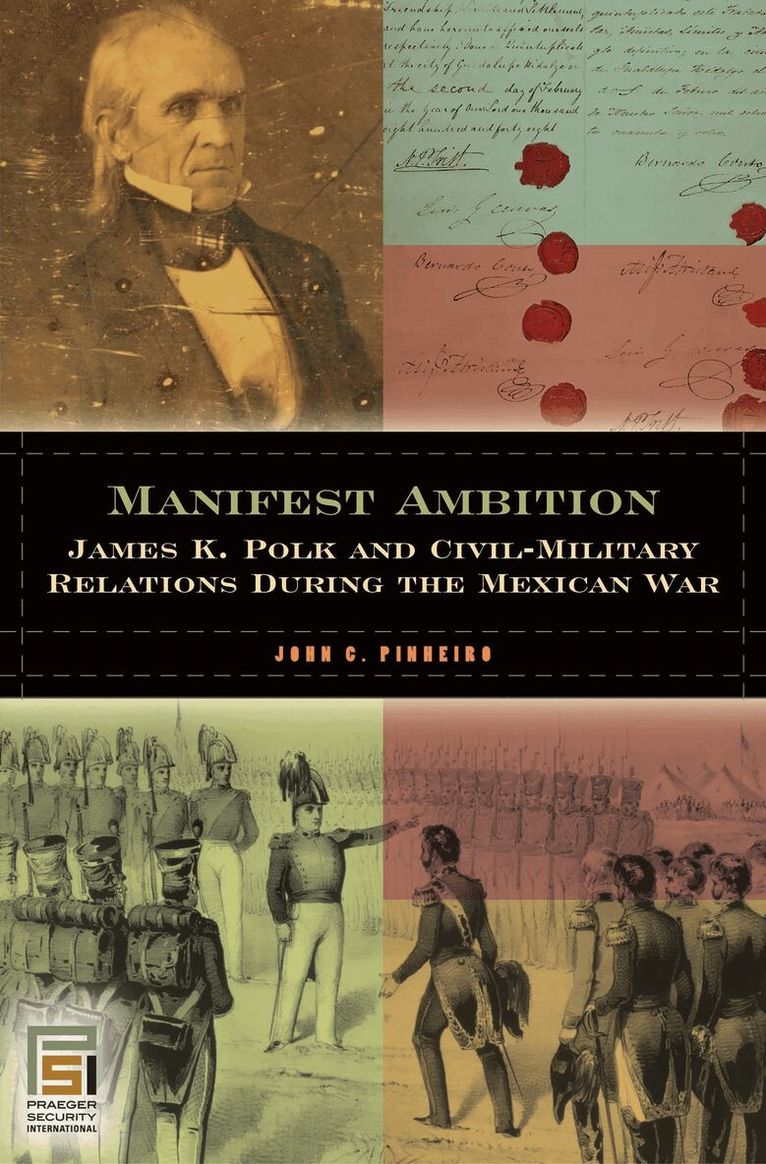
Manifest Ambition
James K. Polk and Civil-Military Relations during the Mexican War
Inbunden, 2007
755 kr
Lägg i varukorg
This is not another chronological retelling of the Mexican War. Instead, it examines civil-military clashes during the war in light of Jacksonian politics and the American citizen-soldier tradition, looking at events that shed light on civilian authority over the military, as well as the far …
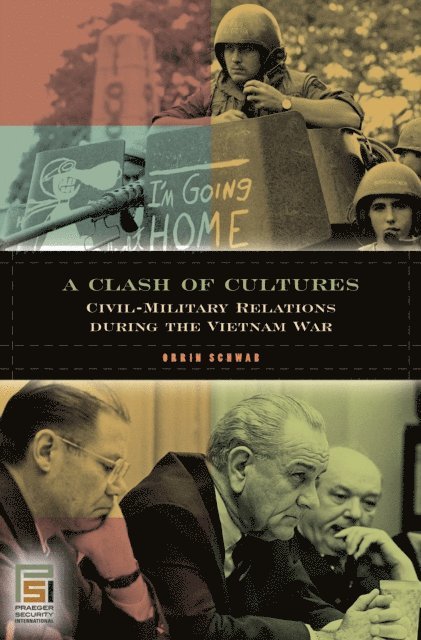
Clash of Cultures
Civil-Military Relations during the Vietnam War
Av Orrin Schwab
Inbunden, 2006
732 kr
Lägg i varukorg
The Vietnam War was in many ways defined by a civil-military divide, an underlying clash between military and civilian leadership over the conflict's nature, purpose and results. This book explores the reasons for that clash—and the results of it.The relationships between the U.S. military, its …
Manifest Ambition
James K. Polk and Civil-Military Relations During the Mexican War
E-bok, 2007
803 kr
Lägg i varukorg
This is not another chronological retelling of the Mexican War. Instead, it examines civil-military clashes during the war in light of Jacksonian politics and the American citizen-soldier tradition, looking at events that shed light on civilian authority over the military, as well as the far …
Clash of Cultures
Civil-Military Relations During the Vietnam War
Av Orrin Schwab
E-bok, 2006
803 kr
Lägg i varukorg
The Vietnam War was in many ways defined by a civil-military divide, an underlying clash between military and civilian leadership over the conflict's nature, purpose and results. This book explores the reasons for that clash—and the results of it. The relationships between the U.S. military, its …
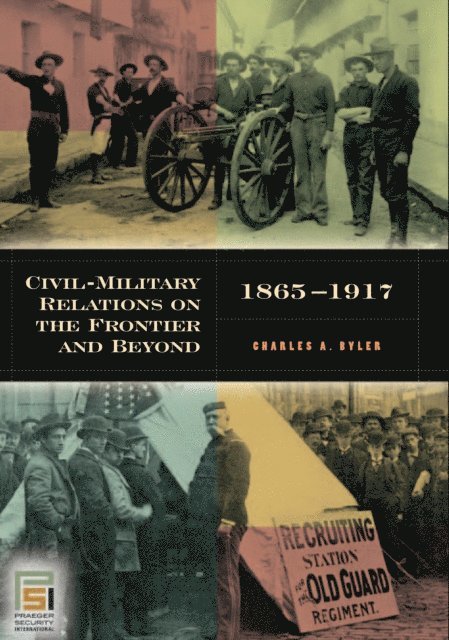
Civil-Military Relations on the Frontier and Beyond, 1865-1917
E-bok, 2006
780 kr
Lägg i varukorg
Civilian control of the military is one of the cornerstones on which America is built, extending back even before the founding of the nation. In this volume, Byler examines the development of civil-military relations from the end of the Civil War until the start of the First World War, looking at …
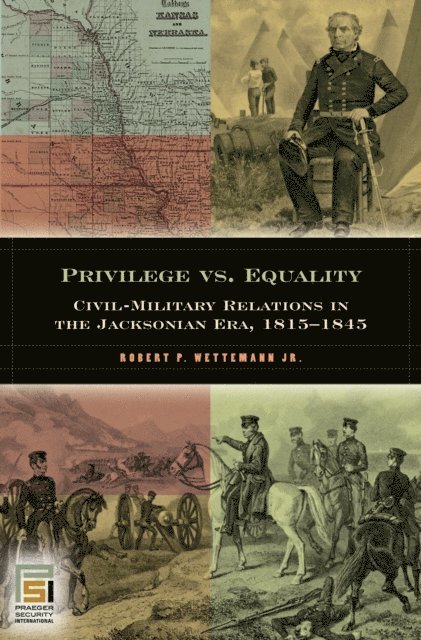
Privilege vs. Equality
Civil-Military Relations in the Jacksonian Era, 1815-1845
E-bok, 2009
1204 kr
Lägg i varukorg
Between 1815-1860, the tiny American army took on many new and often daunting tasks. In the face of civil opposition to the very existence of a professional military, the first battle officers and supporters had to win after 1815 was that of simply preserving some small professional force. As …
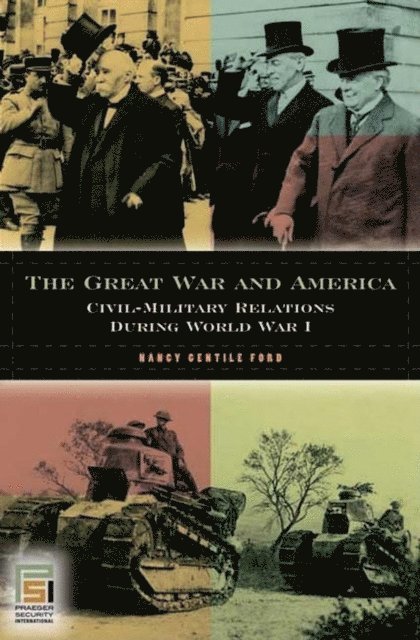
Great War and America
Civil-Military Relations During World War I
E-bok, 2008
803 kr
Lägg i varukorg
The First World War marked a key turning point in America's involvement on the global stage. Isolationism fell, and America joined the ranks of the Great Powers. Civil-Military relations faced new challenges as a result. Ford examines the multitude of changes that stemmed from America's first major …
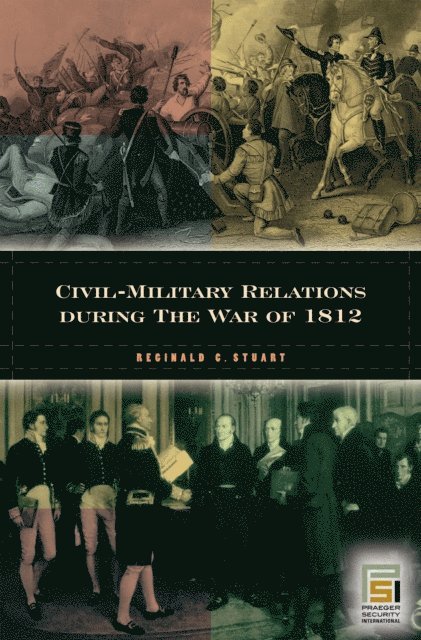
Civil-Military Relations during the War of 1812
E-bok, 2009
779 kr
Lägg i varukorg
Civil-military relations in the era of the War of 1812 must be seen as a broad theme, not just the particular relationships between officers, military organizations, and civil government and civilians. Civil-military attitudes were interwoven in the lives of Americans and must be seen as …
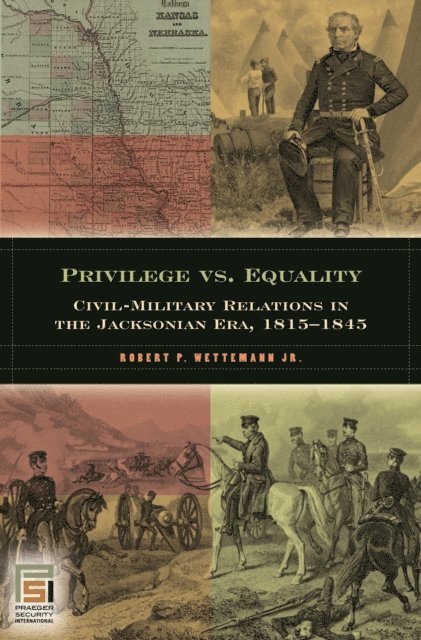
Privilege vs. Equality
Civil-Military Relations in the Jacksonian Era, 1815-1845
E-bok, 2009
1178 kr
Lägg i varukorg
Between 1815-1860, the tiny American army took on many new and often daunting tasks. In the face of civil opposition to the very existence of a professional military, the first battle officers and supporters had to win after 1815 was that of simply preserving some small professional force. As …