Johns Hopkins Wavelengths - Böcker
Visar alla böcker i serien Johns Hopkins Wavelengths. Handla med fri frakt och snabb leverans.
10 produkter
10 produkter
183 kr
Skickas inom 7-10 vardagar
How can consumers, nations, and international organizations work together to improve food systems before our planet loses its ability to sustain itself and its people?Do we have the right to eat wrongly?As the world's agricultural, environmental, and nutritional needs intersect—and often collide—how can consumers, nations, and international organizations work together to reverse the damage by changing how we make, distribute, and purchase food? Can such changes in practice and policy reverse the trajectories of the biggest global crises impacting our world: the burden of chronic diseases, the consequences of climate change, and the systemic economic and social inequities that exist within and among nations?Can Fixing Dinner Fix the Planet? is a clarion call for both individual consumers and those who shape our planet's food and environmental policies that:• describes the often destructive path that foods take from farms and seas through their processing, distribution, marketing, purchasing and waste management sites• explores the complex web of factors impacting our ability to simultaneously meet nutritional needs, sustain biodiversity and protect the environment• raises readers' food and environmental literacy through an engaging narrative about Fanzo's research on five continents along with the work of other inspiring global experts who are providing solutions to these crises• empowers readers to contribute to immediate and long-term changes by informing their decisions in restaurants, grocery stores, farmers markets, and kitchens
183 kr
Skickas inom 7-10 vardagar
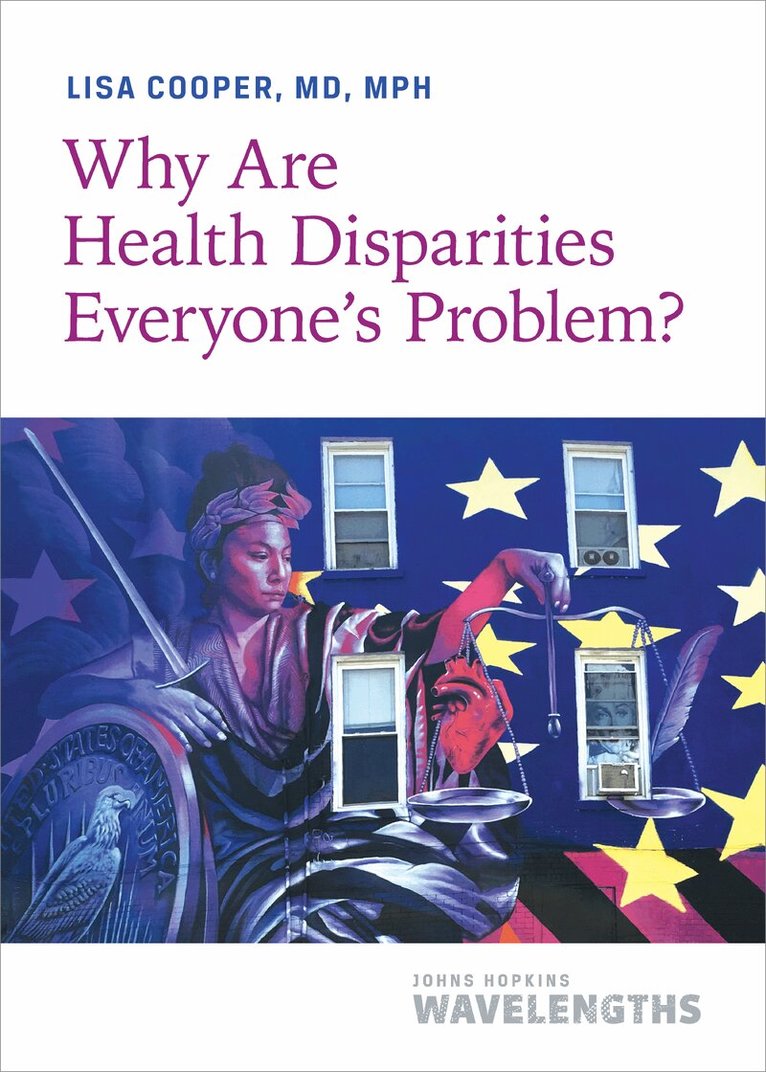
How can we all work together to eliminate the avoidable injustices that plague our health care system and society?Health is determined by far more than a person's choices and behaviors. Social and political conditions, economic forces, physical environments, institutional policies, health care system features, social relationships, risk behaviors, and genetic predispositions all contribute to physical and mental well-being. In America and around the world, many of these factors are derived from a lingering history of unequal opportunities and unjust treatment for people of color and other vulnerable communities. But they aren't the only ones who suffer because of these disparities—everyone is impacted by the factors that degrade health for the least advantaged among us.In Why Are Health Disparities Everyone's Problem? Dr. Lisa Cooper shows how we can work together to eliminate the injustices that plague our health care system and society. The book follows Cooper's journey from her childhood in Liberia, West Africa, to her thirty-year career working first as a clinician and then as a health equity researcher at Johns Hopkins University. Drawing on her experiences, it explores how differences in communication and the quality of relationships affect health outcomes. Through her work as the founder and director of the Johns Hopkins Center for Health Equity, it details the actions and policies needed to reduce and eliminate the conditions that are harming us all. Cooper reveals with compelling detail how health disparities are crippling our health care system and society, driving up health care costs, leading to adverse health outcomes and ultimately an enormous burden of human suffering. Why Are Health Disparities Everyone's Problem? demonstrates the ways in which everyone's health is interconnected, both within communities and across the globe. Cooper calls for a new kind of herd immunity, when a sufficiently high proportion of people, across race and social class, become immune to harmful social conditions through "vaccination" with solidarity among groups and opportunities created by institutional and societal practices and policies. By acknowledging and acting upon that interconnectedness, she believes everyone can help to create a healthier world.Features• Raises readers' health care inequities literacy through an approachable narrative with specific examples• Introduces the concept of "herd immunity" as it applies to building communal awareness of systemic injustices• Features sections that underscore key takeaways• Includes contributions from the world's leading minds through their research findings and quotations• Guides readers on what can be done at an individual level as a patient, public health professional, and community member • Includes inspiring stories of effective health equity studies and practices around the world, from Ghana's ADHINCRA Project addressing hypertension control to Baltimore's BRIDGE Study for depression in African Americans and the Maryland and Pennsylvania–based RICH LIFE Project for hypertension, diabetes, and other medical conditionsJohns Hopkins WavelengthsIn classrooms, field stations, and laboratories in Baltimore and around the world, the Bloomberg Distinguished Professors of Johns Hopkins University are opening the boundaries of our understanding of many of the world's most complex challenges. The Johns Hopkins Wavelengths book series brings readers inside their stories, illustrating how their pioneering discoveries benefit people in their neighborhoods and across the globe in artificial intelligence, cancer research, food systems' environmental impacts, health equity, science diplomacy, and other critical arenas of study. Through these compelling narratives, their insights will spark conversations from dorm rooms to dining rooms to boardrooms.
183 kr
Skickas inom 7-10 vardagar
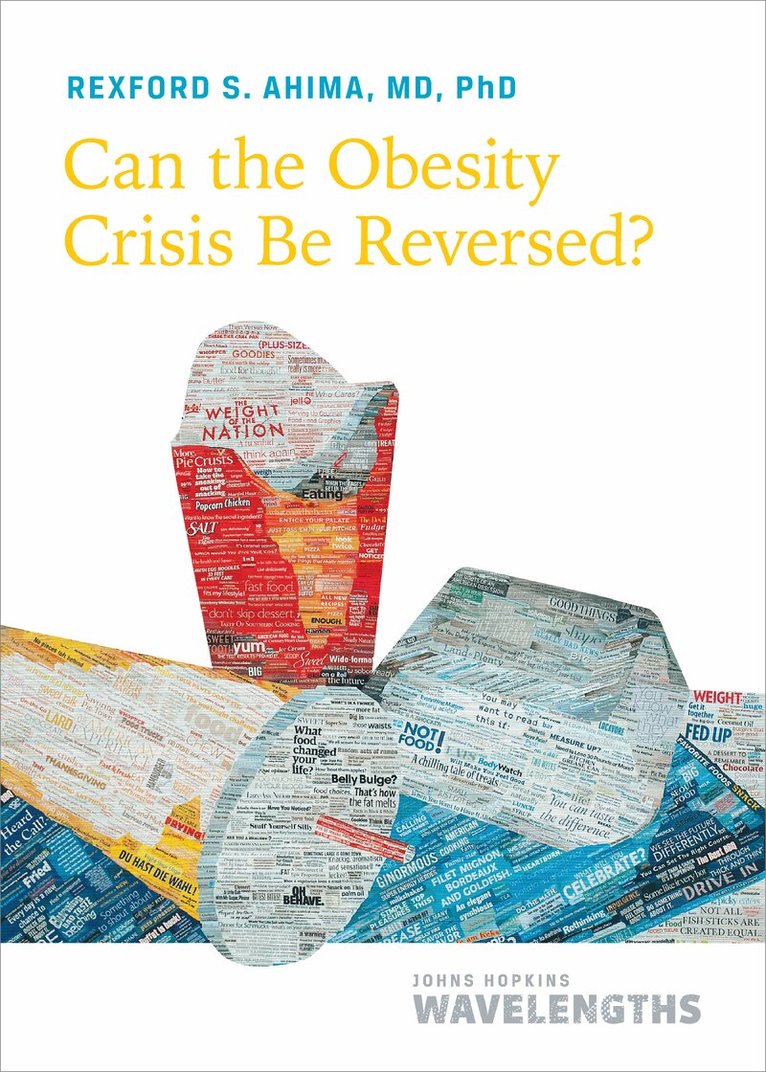
How can we work together to understand the rise of obesity and reverse its related diseases and societal impacts?Obesity is a complex condition that increases a person's risk for developing diabetes, heart disease, cancer, dementia, and other life-threatening conditions. Contrary to prevailing notions that it results solely from a person's diet and exercise failings, a predisposition to obesity is actually determined by genetics as well as by environmental and socioeconomic factors that lie beyond individual control. In Can the Obesity Crisis Be Reversed?, Dr. Rexford Ahima draws on his extensive laboratory and clinical experiences at top institutions to examine the complicated causes of obesity, as well as the most cutting-edge approaches for prevention and treatment. Ahima looks at how the rising trends of obesity and associated diseases are driving up health care costs. He also offers insight into the widespread suffering that obesity imposes and its disproportionate impacts in minority and underserved communities.Calling for greater societal and community engagement in stemming the obesity crisis, Ahima argues that there is an urgent need to promote healthier foods and environmental infrastructure as well as formal programs that reduce obesity. By understanding and applying fundamental knowledge, Can the Obesity Crisis Be Reversed? makes a convincing case that all of us, working individually and collectively, can help to reverse the obesity crisis.Features• Provides information on the biological pathways that control eating and metabolism• Explains genetic and environmental bases of obesity• Reviews the contributions of diet and physical activity to weight gain while speaking to the folly and dangers of individual blame• Offers practical recommendations for healthy diets, exercise, and lifestyle• Discusses current medical and surgical treatments of obesity• Examines comprehensive societal strategies for obesity preventionJohns Hopkins WavelengthsIn classrooms, field stations, and laboratories in Baltimore and around the world, the Bloomberg Distinguished Professors of Johns Hopkins University are opening the boundaries of our understanding of many of the world's most complex challenges. The Johns Hopkins Wavelengths book series brings readers inside their stories, illustrating how their pioneering discoveries benefit people in their neighborhoods and across the globe in artificial intelligence, cancer research, food systems' environmental impacts, health equity, science diplomacy, and other critical arenas of study. Through these compelling narratives, their insights will spark conversations from dorm rooms to dining rooms to boardrooms.
183 kr
Skickas inom 7-10 vardagar
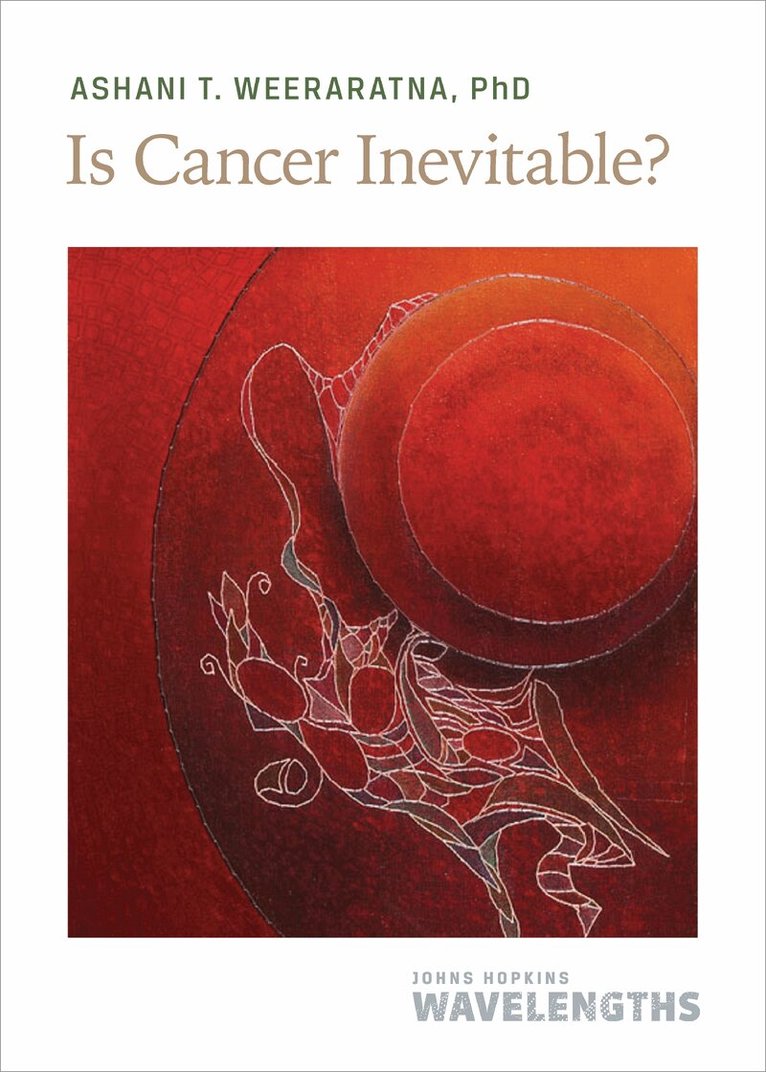
How can new understandings about cancer cell interactions help doctors better control, and eventually cure, cancer?Cancer is a formidable enemy. In fact, people born in America since 1960 face a one in two chance of being diagnosed with cancer in their lifetimes. However, there's growing evidence that fewer cancers will be death sentences for patients. New approaches and understandings are transforming the medical world, increasing success rates for remissions, disease management, and cures. Dr. Ashani Weeraratna is at the forefront of this new level of care. In Is Cancer Inevitable?, Weeraratna—a pioneering melanoma researcher whose work explores the role aging plays in cancer cells' spread and drug resistance—gives readers an inside look at several of the latest cancer advances. Detailing the actions that are reducing the disease's impact and exploring what the future may hold, she explains how the molecular mechanisms involved in metastasis and the cells' microenvironments influence cancer's development and progression. Over the years, she writes, our understanding of how cancer cells move throughout the body, change as they plant themselves in the body's microenvironments, and even communicate with one another have led to major insights about how cancer works. With compelling detail, she takes us inside her lab, revealing how new insights are leading to major breakthroughs, even among patients with Stage IV cancer. She also explains how age-related changes in the microenvironment contribute to multiple aspects of melanoma formation and development. Such scholarship, she argues, is moving us toward a day when more patients will be declared cancer-free. An inspiring and deeply personal book, Is Cancer Inevitable? offers readers newfound hope.Features• Explores key insights and studies developed in recent years that have greatly influenced the world of cancer research, including how aging microenvironments within our bodies encourage metastasis and therapy resistance• Guides readers through Dr. Ashani Weeraratna's personal story of coming to the United States from Lesotho at the age of 17 and rising to become one of the pioneers in her field• Brings readers inside Weeraratna's lab, describing both the processes and the missions of her work • Raises awareness about how cancer works within the body and what any patient or family encountering the disease needs to understand—while also offering them hope based on new and forthcoming diagnostic and treatment methods• Outlines why we will never control—let alone cure—cancer if we don't find a common purpose and come together in collaboration, inviting the greatest minds from around the world to participate in finding and implementing solutionsJohns Hopkins WavelengthsIn classrooms, field stations, and laboratories in Baltimore and around the world, the Bloomberg Distinguished Professors of Johns Hopkins University are opening the boundaries of our understanding of many of the world's most complex challenges. The Johns Hopkins Wavelengths book series brings readers inside their stories, illustrating how their pioneering discoveries benefit people in their neighborhoods and across the globe in artificial intelligence, cancer research, food systems' environmental impacts, health equity, science diplomacy, and other critical arenas of study. Through these compelling narratives, their insights will spark conversations from dorm rooms to dining rooms to boardrooms.
183 kr
Skickas inom 7-10 vardagar
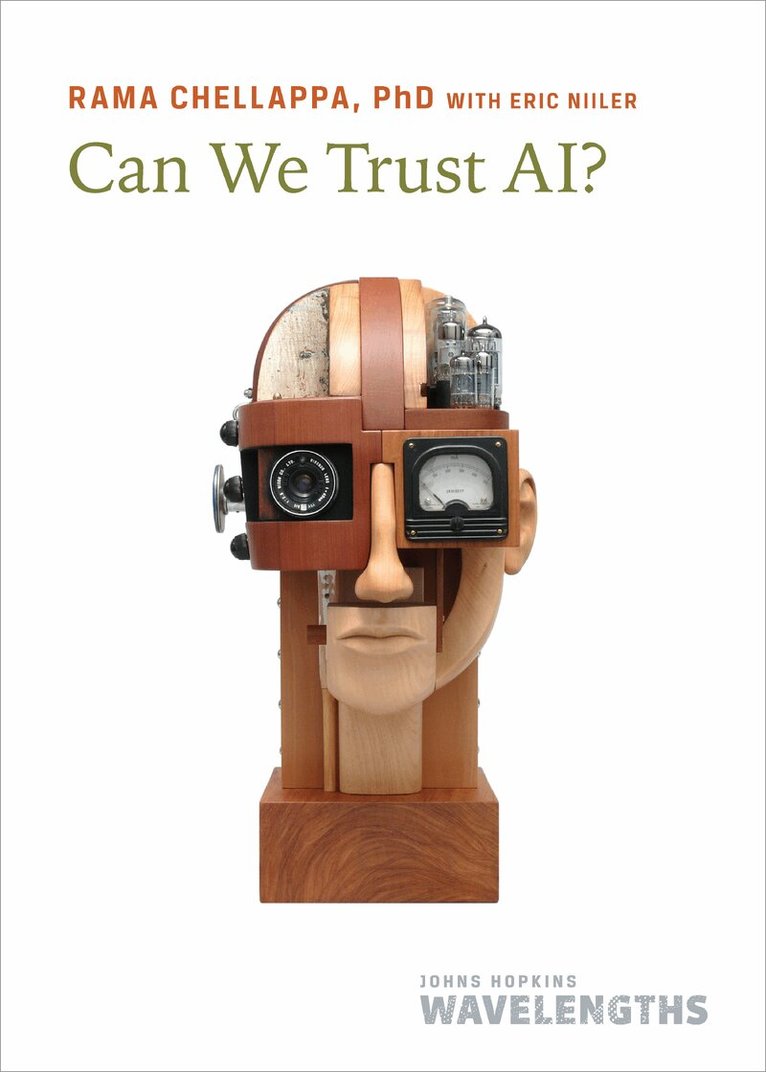
Artificial intelligence is part of our daily lives. How can we address its limitations and guide its use for the benefit of communities worldwide?Artificial intelligence (AI) has evolved from an experimental computer algorithm used by academic researchers to a commercially reliable method of sifting through large sets of data that detect patterns not readily apparent through more rudimentary search tools. As a result, AI-based programs are helping doctors make more informed decisions about patient care, city planners align roads and highways to reduce traffic congestion with better efficiency, and merchants scan financial transactions to quickly flag suspicious purchases. But as AI applications grow, concerns have increased, too, including worries about applications that amplify existing biases in business practices and about the safety of self-driving vehicles. In Can We Trust AI?, Dr. Rama Chellappa, a researcher and innovator with 40 years in the field, recounts the evolution of AI, its current uses, and how it will drive industries and shape lives in the future. Leading AI researchers, thought leaders, and entrepreneurs contribute their expertise as well on how AI works, what we can expect from it, and how it can be harnessed to make our lives not only safer and more convenient but also more equitable. Can We Trust AI? is essential reading for anyone who wants to understand the potential—and pitfalls—of artificial intelligence. The book features:• an exploration of AI's origins during the post–World War II era through the computer revolution of the 1960s and 1970s, and its explosion among technology firms since 2012;• highlights of innovative ways that AI can diagnose medical conditions more quickly and accurately;• explanations of how the combination of AI and robotics is changing how we drive; and• interviews with leading AI researchers who are pushing the boundaries of AI for the world's benefit and working to make its applications safer and more just. Johns Hopkins WavelengthsIn classrooms, field stations, and laboratories in Baltimore and around the world, the Bloomberg Distinguished Professors of Johns Hopkins University are opening the boundaries of our understanding of many of the world's most complex challenges. The Johns Hopkins Wavelengths book series brings readers inside their stories, illustrating how their pioneering discoveries and innovations benefit people in their neighborhoods and across the globe in artificial intelligence, cancer research, food systems' environmental impacts, health equity, planetary science, science diplomacy, and other critical arenas of study. Through these compelling narratives, their insights will spark conversations from dorm rooms to dining rooms to boardrooms.
182 kr
Skickas inom 7-10 vardagar
A guided journey through the inner workings of Earth, the cloaked mysteries of other planets in our solar system, and beyond.Extreme heat. Extreme cold. Extreme pressure. Toxic gases. Scorching magma flows, and ice volcanoes. Interior tides. Asteroids filled with gold. In What's Hidden Inside Planets? planetary scientist Dr. Sabine Stanley cracks the surface to reveal the beating heart of planets and what created them—from the building blocks of swirling cosmic dust, pebbles, and gas to coalesced planetesimal beginnings to the worlds we see today. We're only beginning to explore the secretive interiors of planets, where awe-inspiring wonders await. Our home planet is no exception. Earth, from space, looks like a shimmering gem suspended in an inky, infinite expanse. But this serene image masks the magnificent and volatile interior forces that make life possible for millions of species on the surface. The placid appearances of our neighboring planets similarly belie their powers—and science fiction-worthy features, like diamond rain. The daily machinations of Earth's deep interior make the planet a habitable, yet sometimes treacherous, place to live. Drill down thousands of miles through our built environments and soil, sand, water, rock, and minerals to the outer (mainly liquid iron with nickel) and inner core, encountering intense convection, roiling metals, hidden continents, and shifting tectonic plates. Discover the effects of magnetism, rotation, and seismic activity seen and sensed in the forms of auroras, hurricanes, volcanoes, and earthquakes, among other manifestations. Our neighboring planets boast their own fierce forces, along with moons covered by frozen oceans that might someday reveal extraterrestrial life. Join this exciting journey to far-flung interstellar locations and the center of the Earth to learn what lies beneath our feet, and why it's the best real estate in our solar system.
178 kr
Skickas inom 7-10 vardagar
Could fungal pathogens outsmart us before we find ways to combat them?Humans and fungi share nearly 50 percent of the same DNA. Because we're related, designing drugs to combat the varieties that attack us is a challenge. Meanwhile, in an ever hotter, wetter world, fungi may be finding new ways to thrive, queueing up global outbreak potentials for which no vaccine and woefully few medications exist; some fungi are already beginning to resist treatment. Among other lifeforms, bats, amphibians, and essential crops are also increasingly threatened by these pathogens. Enter fungal kingdom frontiersman Dr. Arturo Casadevall, an epidemiologist, professor, and inventor. Casadevall shares how the 1990s AIDS epidemic's fungal complications drove his medical mycology work, how COVID-19's fungal incidences underscore the continuing threat to the immunocompromised, and how he and his Johns Hopkins University laboratory team are discovering ways to counter the threats posed by these cunning, hungry combatants.What If Fungi Win? describes the beneficial roles of fungi along with their mischievous and deadly impacts and illustrates how committed experts like Casadevall are researching ways to save us and our food supplies. In addition to an overview of blights, lichens, molds, mushrooms, rusts, and smuts, readers will learn about:• how fungi proliferated following the mass dinosaur extinction• Oregon's ancient 2,384-acre Armillaria ostoyae—Earth's largest organism • the rye fungus ergot that may have fueled the Salem witch trials• mushrooms used to create vegan leather and eco-friendly packaging, as well as plastic-consuming fungi• why it's critical that funding institutions pay attention to fungal risks and aid scientists in their work.
197 kr
Skickas inom 7-10 vardagar
What will robots discover as they gather life-supporting data and resources from the depths of Earth's oceans to the reaches of deep space?Below the waves, the ocean remains a largely undiscovered realm, with only 25% of its features mapped in detail. What we know about its depths, we've learned with the help of deep-sea robots. The latest generation of their technologies play a critical role as we tap the ocean in new ways to sustain our food, energy, and resource needs. World-renowned robotics expert James Bellingham introduces readers to this compelling world of contemporary undersea exploration and the vital role autonomous robots play in corporate and governmental aquaculture management, climate data, energy source locations, shipwreck explorations, and much more. Bellingham, an inventor who has led dozens of expeditions from the Arctic to the Antarctic, discusses how deep-sea research using autonomous underwater vehicles and drones can translate into future missions, including the exploration of oceans on other planets and their moons. These forbidding environments are difficult to access and are not easily conducive to life, making robots that can move, explore, and collect data—without the need for crews—critically important for research and the development of essential industries that support our survival. Exploration robotics works on three frontiers simultaneously: scientific discovery, advanced technology, and extreme environments. Bellingham shares harrowing anecdotes from his work on all three, including weathering storms off the Antarctic Peninsula, breaking new ground in designing and deploying ocean robots that think and navigate for themselves, and seeing the ocean in a new light through the eyes of these technological proxies. Along the way, readers will develop a newfound appreciation for how robots are transforming exploration—and what these voyages mean for the future of humanity.The more marine robotics extend our physical and intellectual capacities, the more they challenge us to redefine what it means to coexist with the world around us. The real revolution is just beginning, lying in how these machines will transform our understanding of our environments—allowing us to balance discovery with stewardship by supporting a thriving human society while safeguarding the ecosystems we depend on.In classrooms, field stations, and laboratories in Baltimore and around the world, Johns Hopkins University professors are opening the boundaries of our understanding of many of the world's most complex challenges. The Johns Hopkins Wavelengths book series brings readers inside their stories, illustrating how their pioneering discoveries benefit people in their neighborhoods and across the globe in artificial intelligence, cancer research, food systems' environmental impacts, health equity, planetary science, science diplomacy, and other critical arenas of study. Through these compelling narratives, their insights will spark conversations from dorm rooms to dining rooms to boardrooms.
197 kr
Skickas inom 7-10 vardagar
How can science prevail when policies fall short?Political, military, and intelligence professionals alone can't resolve all global threats. Sometimes, when other solutions have faltered, scientists step out of their classrooms, labs, and offices to help resolve these dangerous crises—often at considerable personal risk. Whether as official ambassadors for their governments or by less formal (or even secret) means, scientists have played pivotal roles in numerous critical moments in modern history, including during the negotiations leading to the Paris Climate Agreement, the global response to the COVID crisis, and many more.What compels them to enter the high-stakes atmospheres surrounding international emergencies, and what are some of their success stories? Can Scientists Succeed Where Politicians Fail? vividly recounts Nobel laureate Dr. Peter Agre's metamorphosis from a physician-scientist who studied malaria and other diseases into a trusted global voice for scientific collaboration and consensus building. In his travels, he has met with kings, presidents, prime ministers, and other formidable leaders—including Cuba's Fidel Castro, North Korean officials, Zambian tribal leaders, and the inner circles of the Islamic Republic of Iran—to form relationships and defuse tensions.The dynamic results of scientific knowledge sharing and capacity building shift often tense cross-border relationships, reducing global threats such as climate change, famine, conflict, and epidemics. Thousands of scientists are working on the frontlines—from active volcanoes to remote medical field stations to the halls of government—to help inform policy, change the course of international catastrophes, and build the bonds that promote safety and prosperity.Johns Hopkins WavelengthsIn classrooms, field stations, and laboratories in Baltimore and around the world, the Bloomberg Distinguished Professors of Johns Hopkins University are opening the boundaries of our understanding of many of the world's most complex challenges. The Johns Hopkins Wavelengths book series brings readers inside their stories, illustrating how their pioneering discoveries benefit people in their neighborhoods and across the globe in artificial intelligence, cancer research, food systems' environmental impacts, health equity, planetary science, science diplomacy, and other critical arenas of study. Through these compelling narratives, their insights will spark conversations from dorm rooms to dining rooms to boardrooms.
183 kr
Kommande
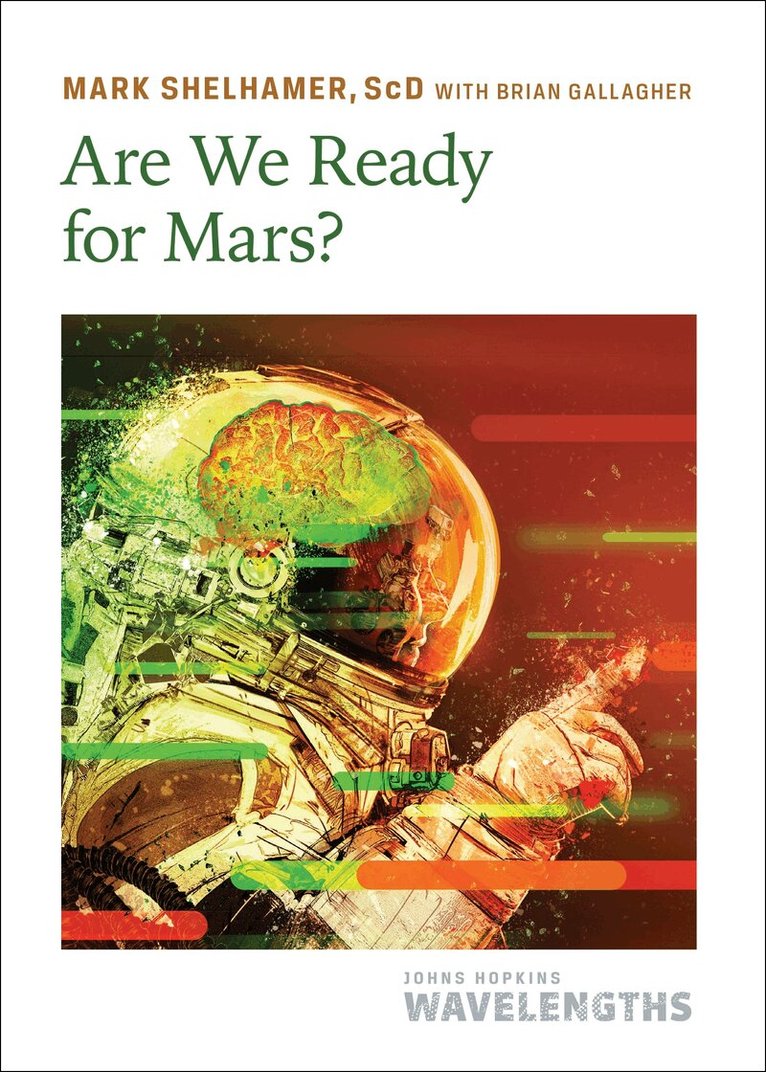
What will it take to send astronauts to the Red Planet—and have them return safely?If the future of humanity is to be among the stars, Mars represents our next giant leap. But sending people there will expose them to unknown and understudied risks to their safety and sanity. Overcoming their many physical dangers raises questions just as serious as rocket designs and landing sites. A mission to Mars will be the ultimate test of human endurance, stressing bodies, minds, and technologies in ways no human endeavor—on Earth or beyond—ever has. In Are We Ready for Mars? biomedical engineer and human spaceflight expert Mark Shelhamer takes readers inside this demanding and thrilling challenge.A journey to Mars will take about a year, and once the rocket launches, there's no turning back until the mission is complete. Mars-bound astronauts will have to survive using only what they have on board (there will be no restock missions), and long communication delays mean they'll be almost entirely on their own. They'll face prolonged isolation, altered gravity, constant radiation exposure, and the strain of living in a closed, high-risk environment with little privacy. Human biology—from bones and muscles to vision and immunity—will react in unpredictable ways. Human psychology—from the ability to think clearly and cooperate to the capacity to stay cool under pressure—will have to adapt to inevitable setbacks and surprises. The crew will have to expect the unexpected and endure threats—from the social to the physiological—that grow as their time in space ticks on. Shelhamer looks beyond science fiction to the research and planning already underway, showing how medicine, engineering, mission operations, and artificial intelligence must work together to make human exploration possible.Shelhamer argues that the traditional, siloed approaches to human health that got us to the moon and kept us aboard the low orbit International Space Station will not suffice. What Mars demands instead is an integrated approach, and deep resilience: a spaceship, crew, and systems crafted and trained to cope with whatever crises crop up. Are We Ready for Mars? offers a rare, realistic look at what it would truly take to have astronauts safely reach, and return from, the Red Planet—and how those efforts might transform the way we care for human health on Earth.