Labour in History and Society – serie
Visar alla böcker i serien Labour in History and Society. Handla med fri frakt och snabb leverans.
8 produkter
8 produkter
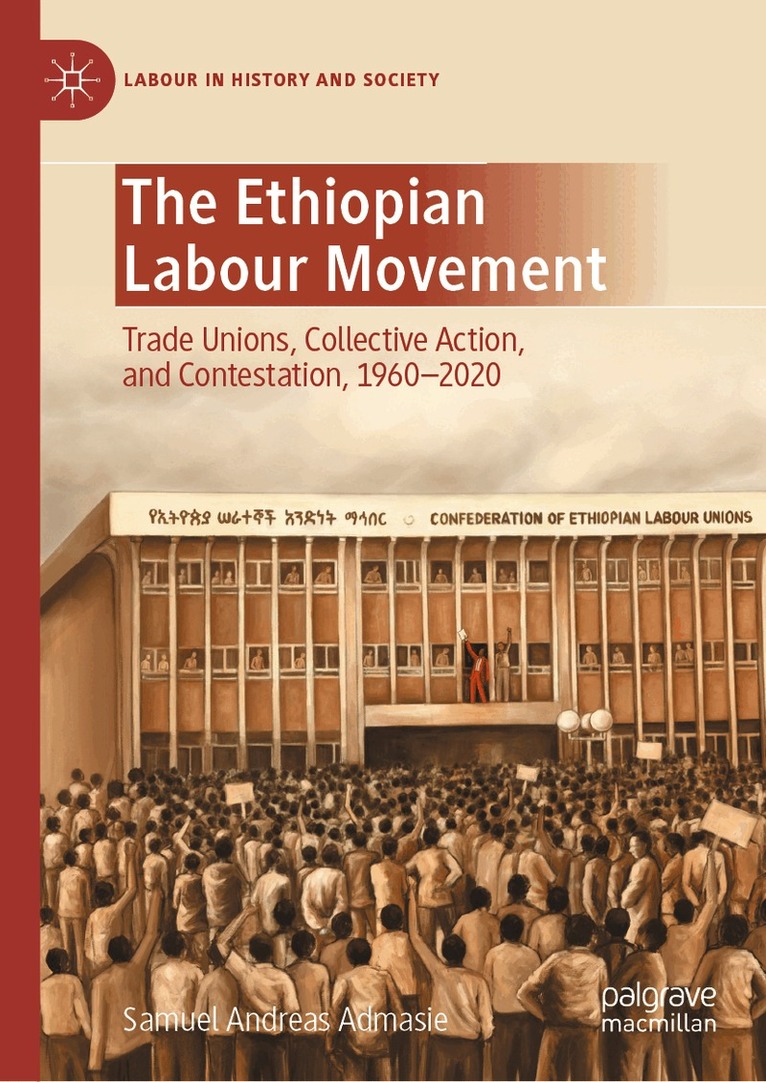
Ethiopian Labour Movement
Trade Unions, Collective Action, and Contestation, 1960–2020
Inbunden, Engelska, 2025
1 528 kr
Skickas inom 10-15 vardagar
This book offers a comprehensive history of the Ethiopian labour movement, exploring the impact of trade unions and workers’ militancy from the 1960s onwards.
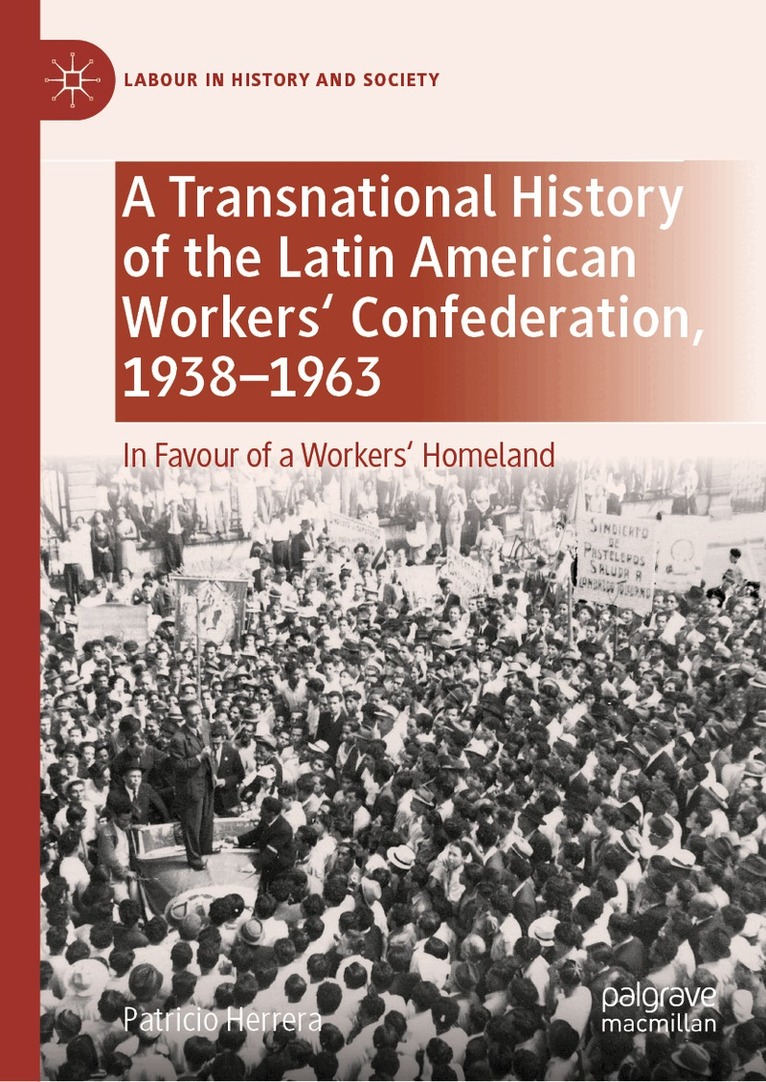
Transnational History of the Latin American Workers' Confederation, 1938–1963
In Favour of a Workers' Homeland
Inbunden, Engelska, 2025
1 419 kr
Skickas inom 10-15 vardagar
This book examines the efforts of the Confederation of Latin American Workers (CTAL) in generating workers’ unity across the continent from 1938-1963. Emerging in 1938 during a period of geopolitical instability, CTAL was systemically and actively preoccupied with the problems that affected workers in Latin America, consistently carrying out concrete actions to protect working-class interests. In doing so, CTAL initiated a process that led to the strengthening of union organisations and the promotion of a common language to defend the social and labour demands of the working class across the continent. This was particularly important due to the complex economic and political repercussions of the Second World War: namely, the high cost of basic necessities, and restrictions on collective and individual liberties. By the end of 1944, CTAL had consolidated its position as a continental union, inserted itself into international debate with organisations such as the ILO, and received widespread support from other labour organisations, including those in the USA and Canada. By analysing how international politics affected workers’ movements across various countries, this book offers a transnational, historic overview of the working class in Latin America.
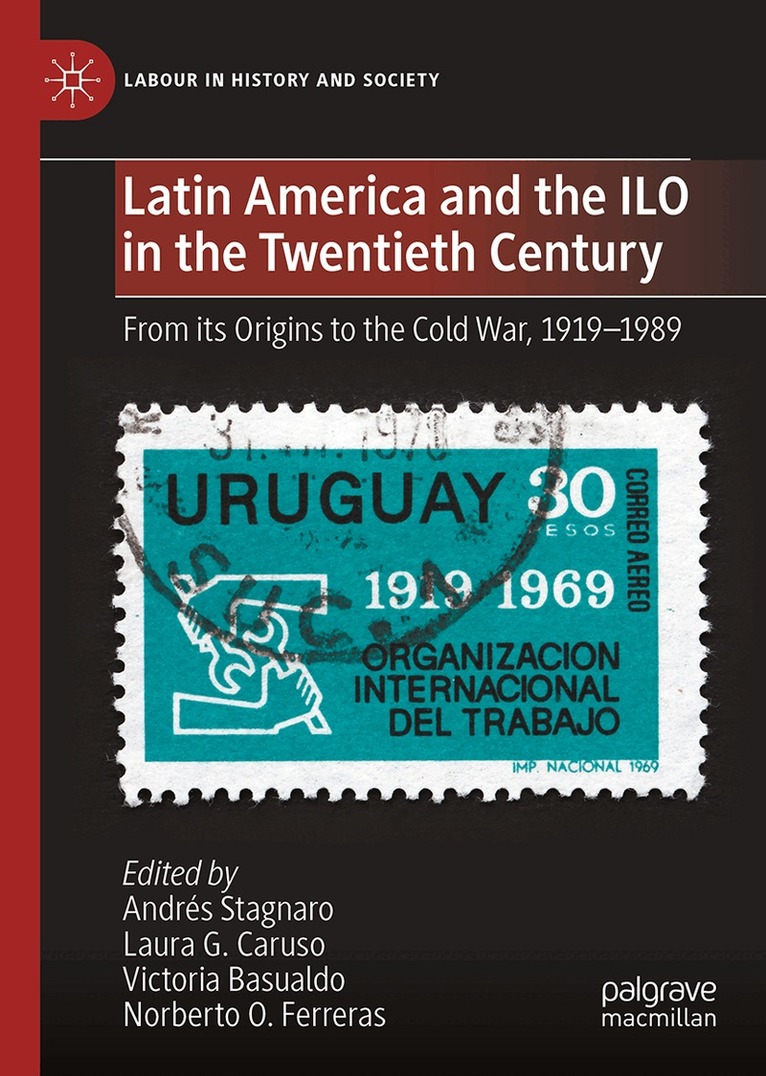
Latin America and the ILO in the Twentieth Century
From its Origins to the Cold War, 1919-1989
Inbunden, Engelska, 2026
2 269 kr
Kommande
1 202 kr
Skickas inom 10-15 vardagar
896 kr
Kommande
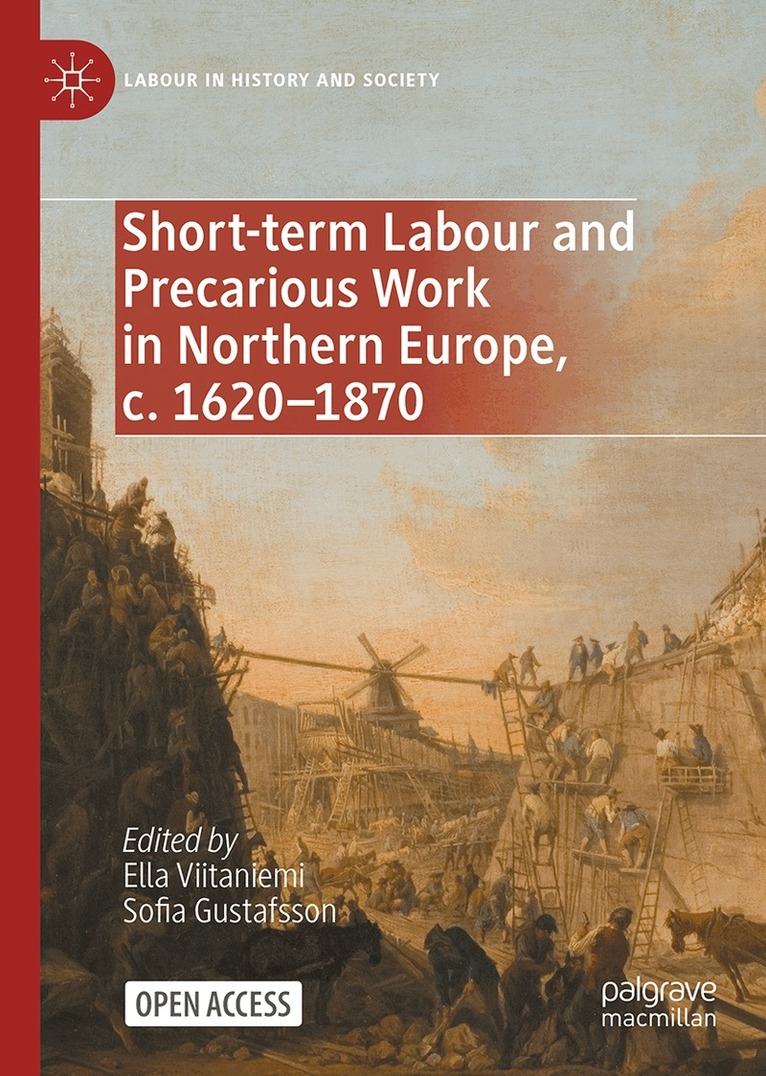
This open access volume explores the history of short-term employment and precarious work in pre-industrial Northern Europe. Contrary to popular belief, stable, long-term employment—potentially lasting decades—was uncommon in Northern Europe until the advent of large-scale industrialisation and the emergence of the welfare state. Prior to this, most wage earners survived through work that was often temporary, seasonal, and poorly paid, forcing families to rely on multiple jobs and alternative ways of supplementing their modest income. The central aim of this book is to investigate how people dependent on odd jobs or temporary work navigated precarious labour markets. What strategies did they employ to cope with uncertainty? What were their opportunities for social mobility? What do their labour relations reveal about the structure of pre-industrial labour markets in Northern Europe?The book focuses on two key groups of wage labourers: unskilled manual workers—such as servants and day labourers—and those engaged in temporary employment for institutions like the Crown and the Church, including scribes, clergymen, and military personnel. An uncertain livelihood, vagrant lifestyle, and loose ties with the local community have been traditionally associated with the lower echelons of society, but as this collection demonstrates, this was a reality for multitudes of people. Comprising nine chapters, the volume examines various social groups in both urban and rural settings, primarily within the borders of present-day Finland. Drawing on a rich array of source materials, it offers a fresh perspective on labour market insecurity in early modern Europe, and provides valuable insights for those interested in contemporary working life and culture.
608 kr
Kommande
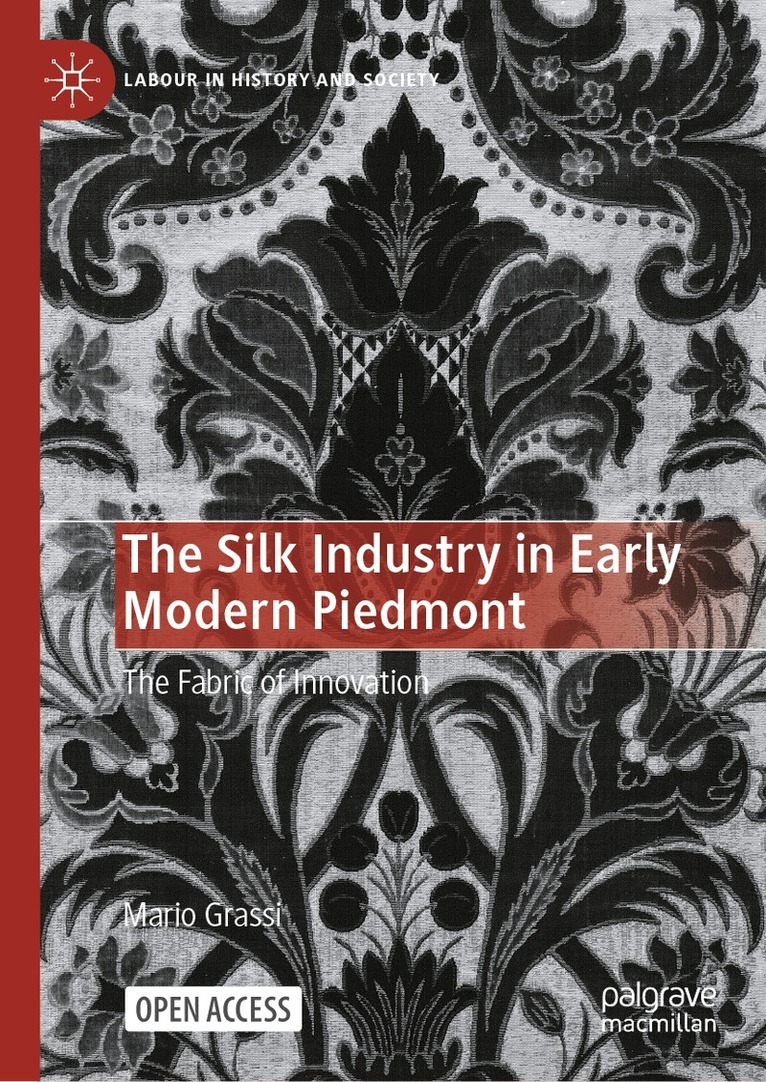
This open access book examines how Piedmont, in early modern Italy, developed silk production into a distinctive system of technological and social innovation. It explores the ways in which this fragile yet economically significant material shaped regional strategies of adaptation and growth, linking local expertise to the expanding networks of global trade. Across ten chapters, the author traces the evolution of a complex production ecosystem, from small workshops to royal manufactories, and considers how technology, policy, and labour interacted to sustain the silk economy. Particular attention is given to the contributions of women, migrants, and apprentices, whose work underpinned both the aesthetics of fashion and the practical mechanisms of manufacture. As political and economic transformations unfolded across eighteenth-century Europe, silk became a lens through which to examine tensions between tradition and change, and between vulnerability and resilience. By situating Piedmont within broader European processes, the book demonstrates that innovation emerged not solely from institutional or technological breakthroughs, but from the craft of making, the capacity to adapt, and the steady labour of human hands.
Labour Activism across Social Movements in the Twentieth Century
Nested internationalisms
Inbunden, Engelska, 2026
2 269 kr
Kommande
This book brings an inclusive and transnational perspective to the history of labour organisations and activism in the twentieth century. Together, the essays demonstrate how connections, interactions, and competition between different movements, networks, and organisations impacted the historical development of international, regional, and local labour activisms. Authors take up more informal—even transgressive—activist networks and repertoires, spotlight the work of once-marginalised figures, and address the “nested” nature of local, national, inter-imperial, and postcolonial spaces in and across world regions. Alongside themes such as migration policies, gender (in)equality, peace movements, and antiracist activism that have been absent from or sidelined in labour history, classic themes of transnational labour activism, such as labour rights, occupational safety, and workplace discrimination appear in a new light.Chapter 4 is available open access under a Creative Commons Attribution-NonCommercial-NoDerivatives 4.0 International License via link.springer.com.
History of Work and Time in Europe
From the Fourteenth to the Nineteenth Century
Inbunden, Engelska, 2026
1 980 kr
Kommande
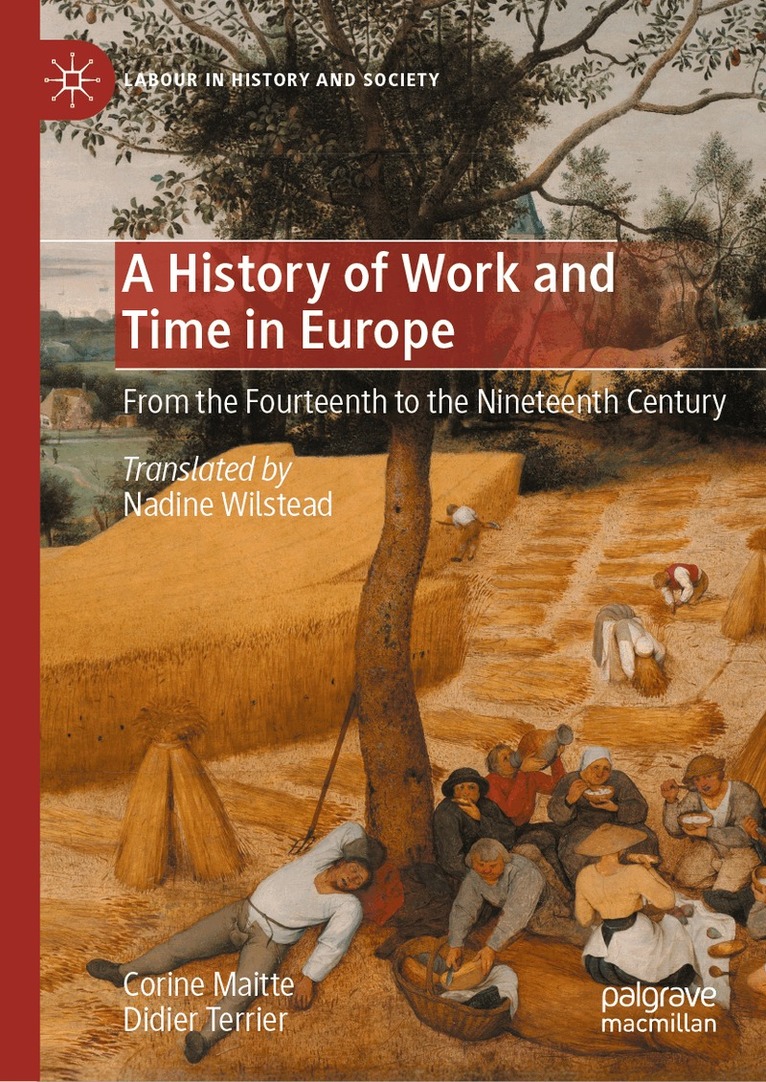
This book challenges conventional narratives about the evolution of working hours in Western Europe, offering a fresh perspective on the complex mosaic of actual working time. By examining the historical and sociological dimensions of labour from the fourteenth to the nineteenth century, it challenges the oversimplified view that work evolved over three main periods: the pre-industrial era when working time was not measured; the advent of industrialisation when work dramatically increased; and the period after 1850, when it began to decline. In doing so, the book invites readers to reconsider the ideas of influential thinkers such as Adam Smith, Karl Marx, Max Weber, and Michel Foucault.Key concepts explored include the division of labour, work ethic, and the impact of industrialisation. Through meticulous micro-historical case studies, the authors reconstruct the temporal realities of work in Europe, with a focus on France, Belgium, and Italy. This approach provides a ground-level view of labour, revealing the nuanced realities of working hours along with work duration and intensity. Ideal for historians, sociologists, and scholars of labour studies, this volume offers a bridge between the various historiographies of work, and encourages dialogue across periods and regions. It is an essential resource for anyone interested in the historical depth of contemporary issues like productivity and work-life balance.