Lyda Conley Series on Trailblazing Indigenous Futures – Serie
Visar alla böcker i serien Lyda Conley Series on Trailblazing Indigenous Futures. Handla med fri frakt och snabb leverans.
4 produkter
4 produkter
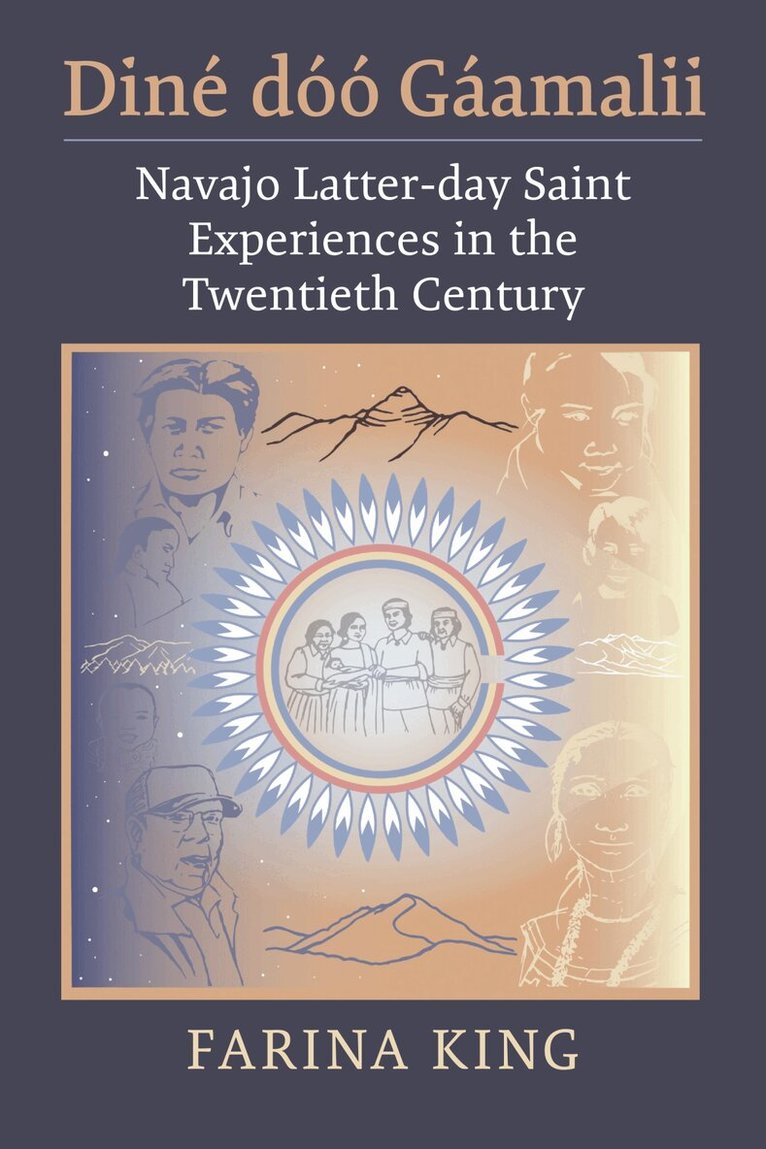
Diné Dóó Gáamalii
Navajo Latter-day Saint Experiences in the Twentieth Century
Inbunden, Engelska, 2023
482 kr
Skickas inom 7-10 vardagar
“Navajo Latter-day Saints are DineÌ doÌoÌ GaÌamalii,” writes Farina King, in this deeply personal collective biography. “We are DinÉ who decided to walk a Latter-day Saint pathway, although not always consistently or without reappraising that decision.”DineÌ doÌoÌ GaÌamalii is a history of twentieth-century Navajos, including author Farina King and her family, who have converted and joined the Church of Jesus Christ of Latter-day Saints (LDS), becoming DineÌ doÌoÌ GaÌamalii—both DineÌ and LDS. Drawing on DineÌ stories from the LDS Native American Oral History Project, King illuminates the mutual entanglement of Indigenous identity and religious affiliation, showing how their DineÌ identity made them outsiders to the LDS Church and, conversely, how belonging to the LDS community made them outsiders to their Native community. The story that King tells shows the complex ways that DineÌ people engaged with church institutions in the context of settler colonial power structures. The lived experiences of DineÌ in church programs sometimes diverged from the intentions and expectations of those who designed them.In this empathetic and richly researched study, King explores the impacts of Navajo Latter-day Saints who seek to bridge different traditions, peoples, and communities. She sheds light on the challenges and joys they face in following both the Dineì teachings of Si’ h NaaghÁÌ Bik’eh HÓzh Ì—“live to old age in beauty”—and the teachings of the church.
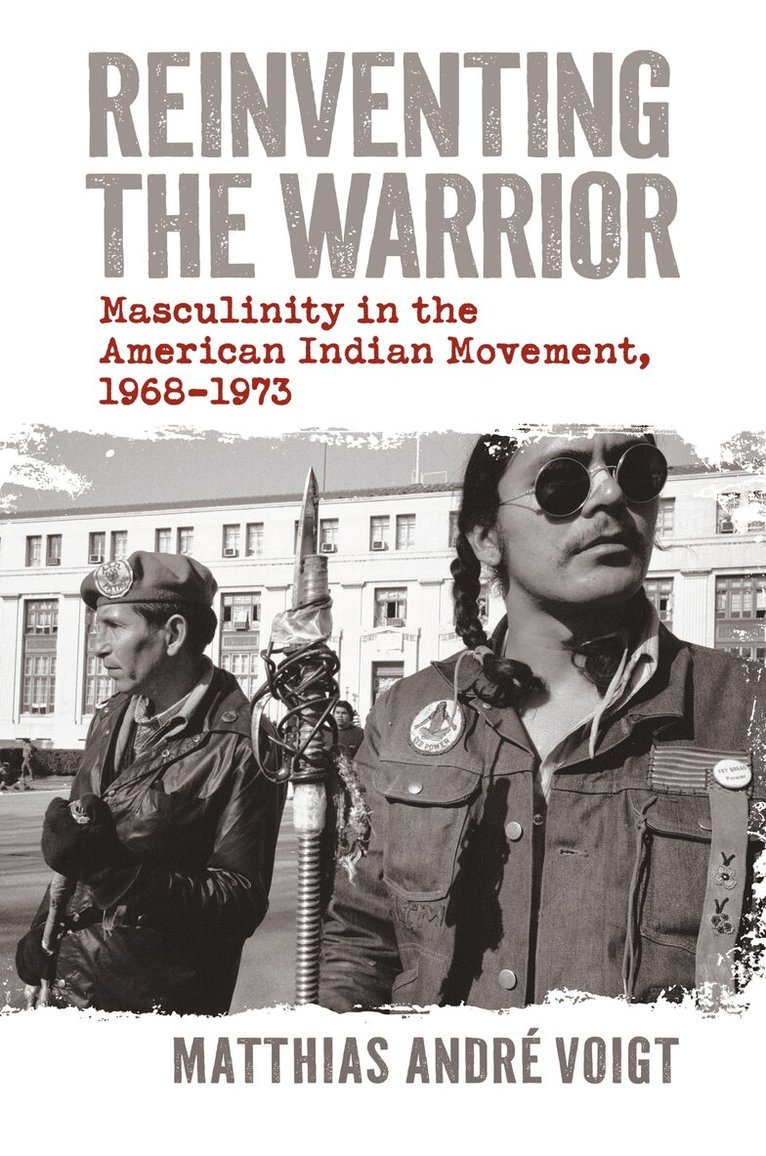
Reinventing the Warrior
Masculinity in the American Indian Movement, 1968-1973
Inbunden, Engelska, 2024
613 kr
Skickas inom 10-15 vardagar
On February 27, 1973, a group of roughly 300 armed Indigenous men, women, and children seized the tiny hamlet of Wounded Knee, South Dakota, at gunpoint, took hostages, barricaded themselves in the hilltop church, and raised an upside-down American flag. Taking place at the site of the infamous massacre in 1890, the highly symbolic confrontation spearheaded by the American Indian Movement (AIM) ultimately evolved into a prolonged, seventy-one-day armed standoff between law enforcement officers and modern-day Indigenous warriors. Among these warriors were Vietnam War veterans armed with Vietnam-era equipment and weaponry. By organizing in defense of the newly proclaimed Independent Oglala Nation, the AIM activists at Wounded Knee linked their nationalist quest for sovereignty and self-determination with a warrior masculinity they constructed from a mix of Indigenous cultures and contemporary cultural elements, including the Black civil rights movement, the counterculture of the 1960s and early 1970s, and the antiwar movement.As Matthias AndrÉ Voight shows, the takeover of Wounded Knee was only one moment among many in the complex interplay between protest activism, gender, race, and identity within AIM. While AIM is widely recognized for its militancy and nationalism, Reinventing the Warrior is the first major study to examine the gendered transformation of Indigenous men within the Red Power movement and the United States more generally. AIM activists came to regard themselves, like their ancestors before them, as warriors fighting for their people, their lands, and their rights. They sought to remasculinize their Indigenous identity in order to confront hegemonic masculinities—and, by implication, colonialism itself. By becoming “more manly,” Indigenous men challenged the disempowering nature of white supremacy.Voigt traces the story of the reinvention of Indigenous warriorhood from 1968 to the takeover of Wounded Knee in 1973 and beyond. His trailblazing work explores why and how Indigenous men refashioned themselves as modern-day warriors in their anticolonial nation-building endeavor, thereby remaking both self and society.
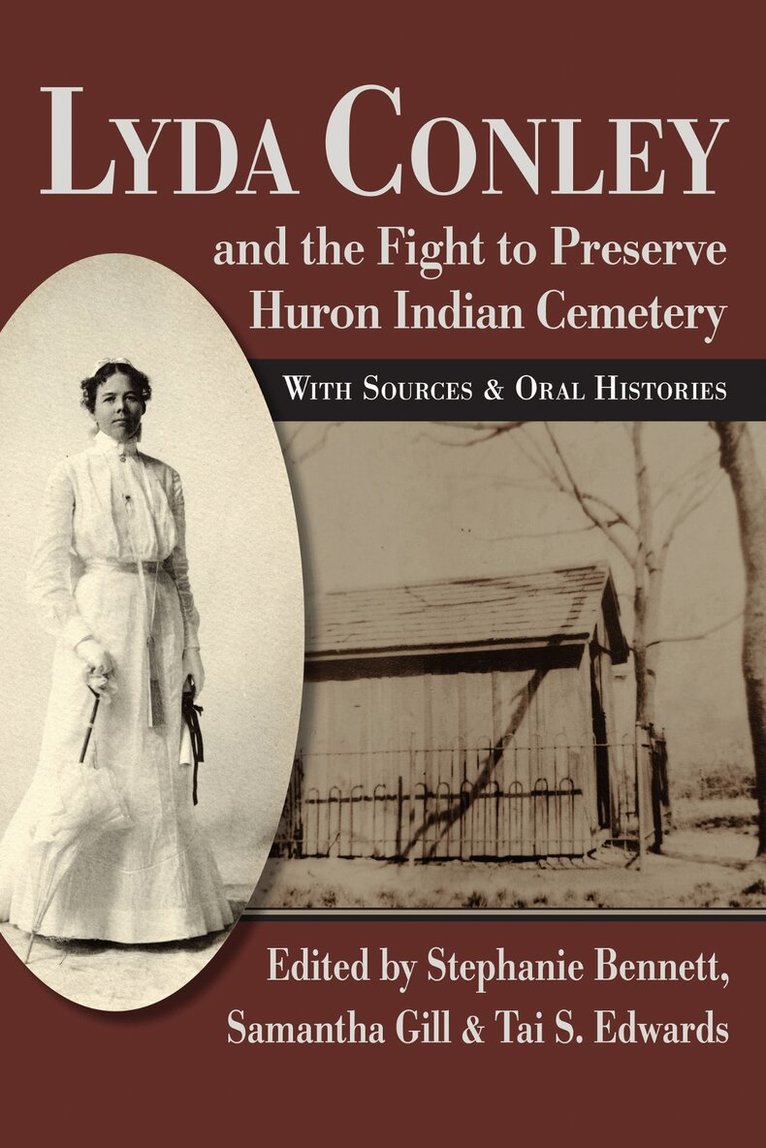
Lyda Conley and the Fight to Preserve Huron Indian Cemetery
With Sources and Oral Histories
Häftad, Engelska, 2026
284 kr
Skickas inom 7-10 vardagar
The inspiring story of Lyda Conley, the first Indigenous woman to argue a case before the United States Supreme Court and a trailblazing lawyer and activist who defended the burials of her Wyandot family and ancestors in Kansas City’s Huron Indian Cemetery. Driven by primary sources and oral histories, this biography and source reader is the definitive work on this remarkable woman.For fifty years, Eliza (“Lyda”) Conley and her two older sisters, Helena and Ida, protected the Huron Indian Cemetery in Kansas City, Kansas, now known as the Wyandot National Burying Ground. A member of the Wyandot Nation of Kansas, Lyda Conley is the first Indigenous woman to argue a case before the United States Supreme Court, where she established legal precedents used to protect Indigenous sovereignty today.In conjunction with her legal fight, Conley and her sisters spent years physically defending their ancestors’ burials by building a shack in the cemetery they called “Fort Conley.” When a US Marshal tore down their fort in 1911, the sisters simply built another one. While they occupied the grounds, they also tended to cemetery upkeep, maintaining it in pristine condition between 1907 and 1922. Finally, under the leadership of Kansas senator—and future vice president under Herbert Hoover—Charles Curtis, a member of the Kaw Nation, Congress passed legislation to prevent sale or development of the cemetery's land in 1913.Unfortunately, the cemetery needed defending decades later when the Wyandotte Nation (of Oklahoma) attempted to open a casino on the cemetery grounds in the 1990s. The Conley sisters’ Wyandot Nation of Kansas relatives used similar strategies to protect the cemetery once again.Using primary sources, including images, oral histories, and art, as well as scholarly analysis, Stephanie Bennett, Samantha Gill, and Tai S. Edwards tell the story of Lyda Conley, her sisters, and their perseverance. This book stands as a testament to the Conley sisters, who demonstrated the resilience and courage of Indigenous women who resisted colonialism and protected Indigenous sovereignty, blazing a trail for future generations.
305 kr
Kommande
An enduring story of how Kanza people (Kaw Nation citizens) and other collaborators worked together to bring a grandfather rock home, told through essay, poetry, oral history, and art.For almost a century, the city of Lawrence, Kansas displayed a 28-ton red quartzite boulder as a memorial to the town’s founders. However, this boulder, In‘zhÚje‘waxÓbe (EE(n)) ZHOO-jay wah-HO-bay), had a centuries-long relationship with Kanza people (Kaw Nation citizens). In this powerful collection of imagery, analysis, and reflection, Land is telling the story and the contributors explore narratives of place, how a grandfather rock became a monument, and how Kaw Nation citizens reunited with their relative, facilitating In‘zhÚje‘waxÓbe shokhÍbe (return of he/she/it home, to Kanza people/Land).In ShokhÍ, scholars, poets, activists, and artists explore the organizing and collaboration that brought In‘zhÚje‘waxÓbe home to Kaw Nation-owned Allegawaho Memorial Heritage Park in 2024. Indigenous and non-Indigenous contributors chronicle the winding path a group of people took to dismantle a monument, understand intersecting forgotten histories, rematriate a grandfather rock, and confront our ongoing colonial history.