Making of the Christian Imagination - Böcker
Visar alla böcker i serien Making of the Christian Imagination. Handla med fri frakt och snabb leverans.
8 produkter
8 produkter
386 kr
Skickas inom 5-8 vardagar
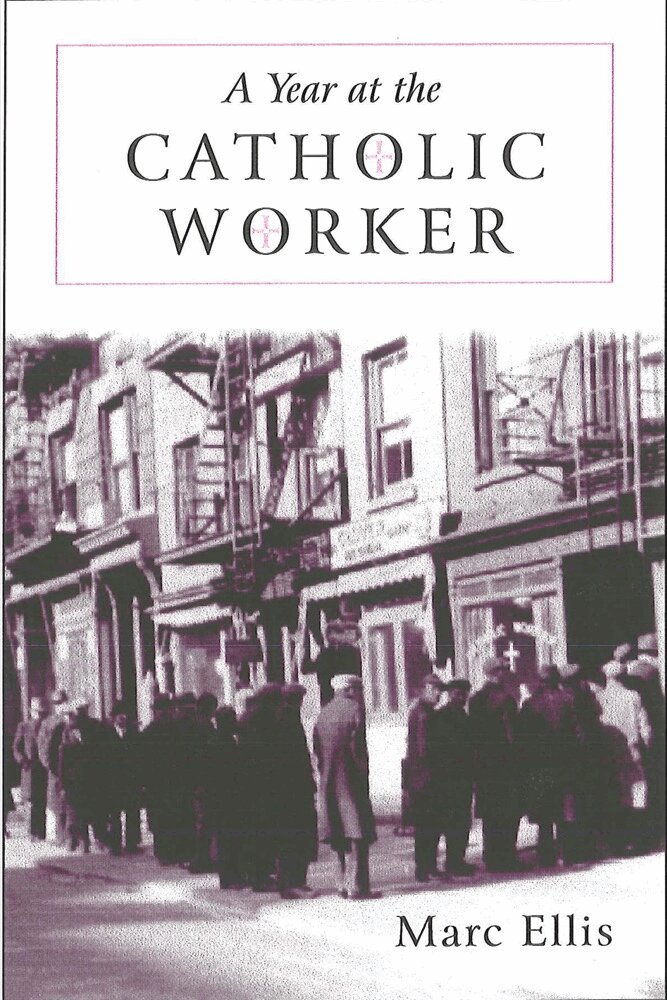
Sixty-six years ago the Catholic Worker movement began with the opening of a shared aprtment as a house of hospitality and the selling of the Catholic Worker newspaper for a penny a copy in Union Square. It began amidst the Great Depression with millions out of work and the foundation of American capitalism crumbling. Most of all, however, the Catholic Worker began with the meeting of two persons: Dorothy Day and Peter Maurin. Their meeting was the effective beginning of the Catholic Worker movement and remains to this day the source of its inspiration.In this diary Marc H. Ellis recounts his spiritual journey among the poor in New York City in the early 1970s. What he witnessed at the Catholic Worker continues to increase in our world today: homelessness, destitution, and other forms of poverty. Yet, the spiritual life he experienced is even more real today as well: commitment, hope, and faith among the poor.
819 kr
Skickas inom 11-20 vardagar
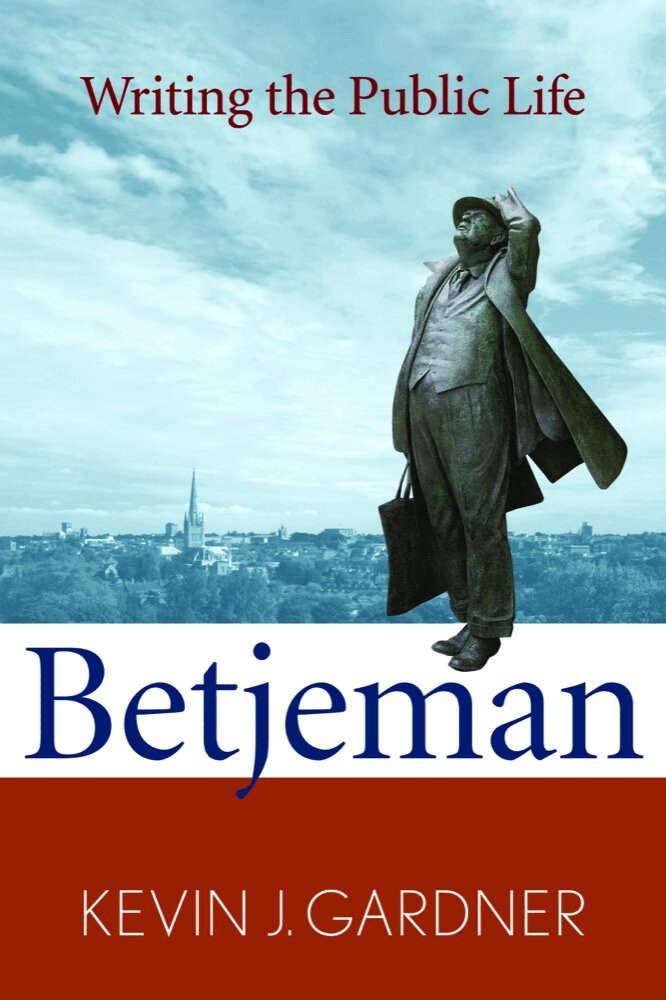
A household name in Great Britain, John Betjeman was a public literary figure who openly declared his Christian faith and championed the social and aesthetic joys of Anglicanism as unique to English identity. Through poetry in newspapers and on radio and television broadcasts, Betjeman celebrated the cultural significance of the Church of England well beyond its religious role. Although a steadfast proponent for Christianity and the Church, Gardner explains, Betjeman nevertheless struggled mightily to believe the faith, and he was forthcoming with his own spiritual failures. In this master study of his writings, Gardner deems Betjeman to be the poet of the Church of England--and demonstrates his works to be a vital part of Anglicanism's living traditions.
423 kr
Skickas inom 10-15 vardagar
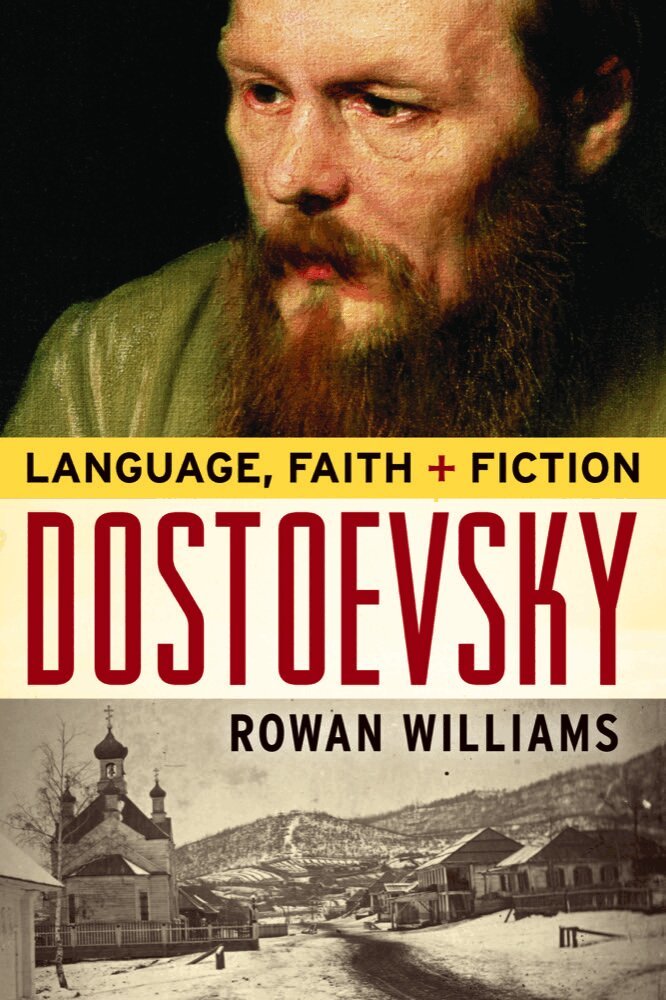
Rowan Williams explores the intricacies of speech, fiction, metaphor, and iconography in the works of one of literature's most complex, and most complexly misunderstood, authors. Williams' investigation focuses on the four major novels of Dostoevsky's maturity ( Crime and Punishment , The Idiot , Devils , and The Brothers Karamozov ). He argues that understanding Dostoevsky's style and goals as a writer of fiction is inseparable from understanding his religious commitments. Any reader who enters the rich and insightful world of Williams' Dostoevsky will emerge a more thoughtful and appreciative reader for it.
423 kr
Skickas inom 10-15 vardagar
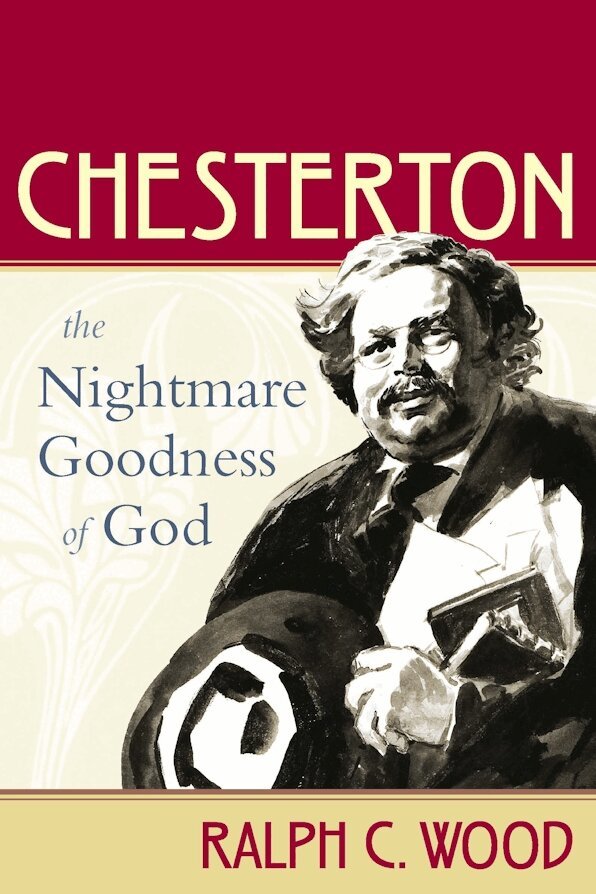
G. K. Chesterton is often praised as the "Great Optimist"—God's rotund jester. In this fresh and daring endeavor, Ralph Wood turns a critical eye on Chesterton's corpus to reveal the beef-and-ale believer's darker vision of the world and those who live in it. During an age when the words grace, love, and g ospel, sound more hackneyed than genuine, Wood argues for a recovery of Chesterton's primary contentions: First, that the incarnation of Jesus was necessary reveals a world full not of a righteous creation but of tragedy, terror, and nightmare, and second, that the problem of evil is only compounded by a Christianity that seeks progress, political control, and cultural triumph.Wood's sharp literary critique moves beyond formulaic or overly pious readings to show that, rather than fleeing from the ghoulish horrors of his time, Chesterton located God's mysterious goodness within the existence of evil. Chesterton seeks to reclaim the keen theological voice of this literary authority who wrestled often with the counterclaims of paganism. In doing so, it argues that Christians may have more to learn from the unbelieving world than is often supposed.
423 kr
Skickas inom 10-15 vardagar
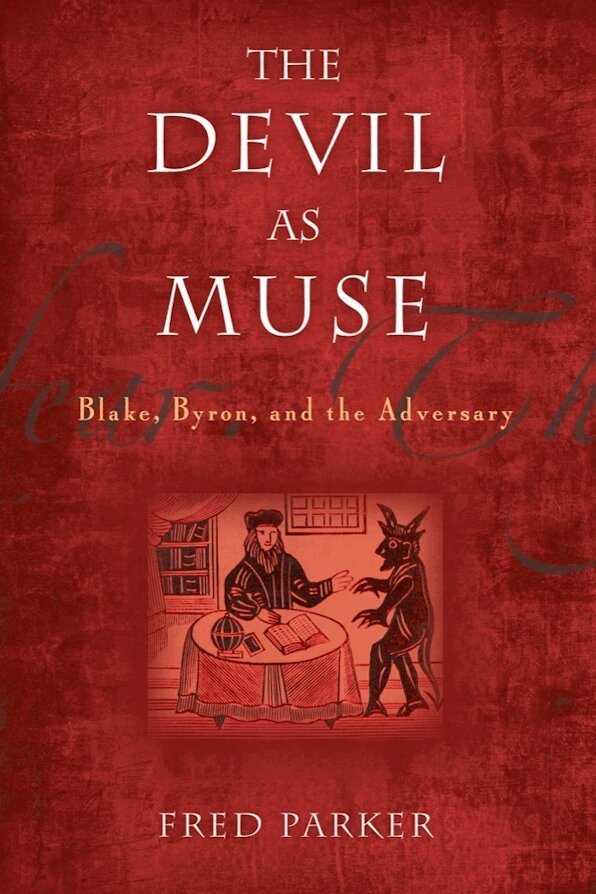
Does the Devil lie at the heart of the creative process? In The Devil as Muse, Fred Parker offers an entirely fresh reflection on the age-old question, echoing William Blake's famous statement: "the true poet is of the Devil's party." Expertly examining three literary interpretations of the Devil and his influence upon the artist--Milton's Satan in Paradise Lost, the Mephistopheles of Goethe's Faust, and the one who offers daimonic creativity in Thomas Mann's Doctor Faustus--Parker unveils a radical tension between the ethical and the aesthetic. While the Devil is the artist's necessary collaborator and liberating muse, from an ethical standpoint the price paid for such creativity is nothing less damnable than the Faustian pact--and the artist who is creative in that way is seen as accursed, alienated, morally disturbing. In their own different ways, Parker shows, Blake, Byron, and Mann all reflect and acknowledge that tension in their work, and model ways to resolve it through their writing. Linking these literary conceptions with scholarship on the genesis of the historical conception of the Devil and recent work on the role of "otherness" in creativity, Parker insightfully suggests how creative literature can feel its way back along the processes--both theological and psychological--that lie behind such constructions of the Adversary.
429 kr
Skickas inom 11-20 vardagar
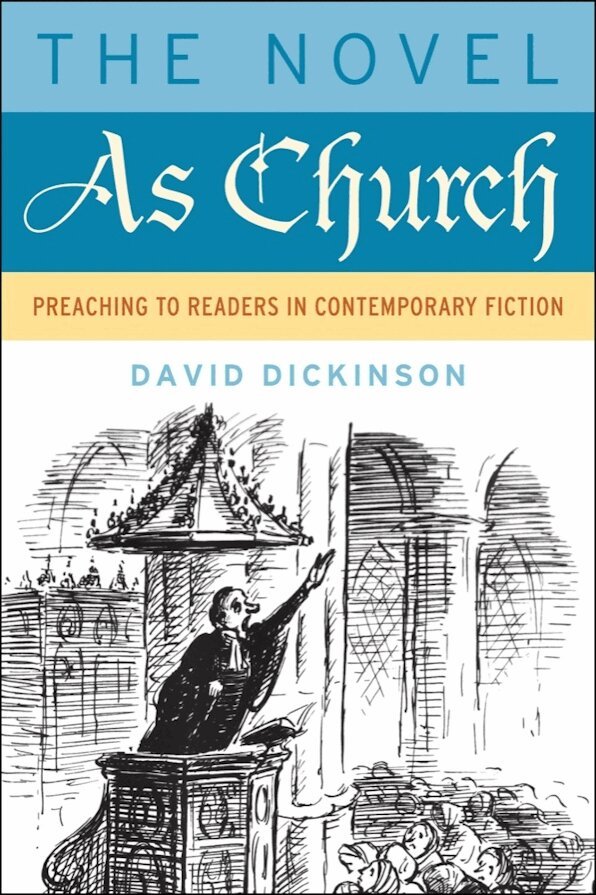
Reading the likes of Updike, Dickens, and Faulkner with a preacher's eye, David Dickinson offers an instructive examination of the role of the sermon as a literary element and, most strikingly, of literature as a modern sermon. Popular perceptions of religion, religious authority, and the practice of preaching have changed significantly during the past century, so much so, Dickinson argues, that fiction writers have a surprising and unique ability to preach to readers through their own fictionalized sermons and the characters who deliver them. The Novel as Church analyzes the context and intent behind these messages, uncovers the dissonance between ""novel"" and traditional preaching, and illuminates how readers' attitudes toward preaching (and those who preach) may be influenced--or not--by the sermon writers themselves.
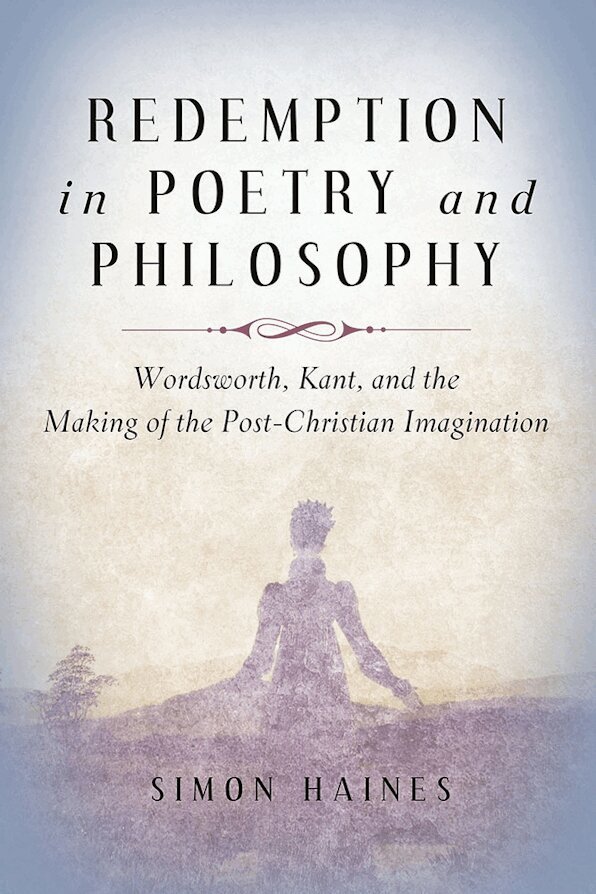
Redemption in Poetry and Philosophy
Wordsworth, Kant, and the Making of the Post-Christian Imagination
Häftad, Engelska, 2023
654 kr
Skickas inom 10-15 vardagar
A biblical understanding of redemption requires the sacrificial death of Jesus. In the post-Christian world envisioned by Jean-Jacques Rousseau and his Enlightenment contemporaries, the Christ-centric source of redemption disappears, though the human need for salvation remains. Redemption in Poetry and Philosophy explores how this need for redemption is realized in the post-Christian poetics of William Wordsworth and philosophical imagination of Immanuel Kant. Simon Haines critiques the secular modes of salvation articulated by each figure to illustrate the shortcomings of modern, post-Christian imagination. Redemption in Poetry and Philosophy highlights the ways in which prose allegedly serves as a redemptive agent for nonbelievers in the modern age, but also engenders dangerous notions of self-redemption in contemporary Christians.
423 kr
Skickas inom 10-15 vardagar
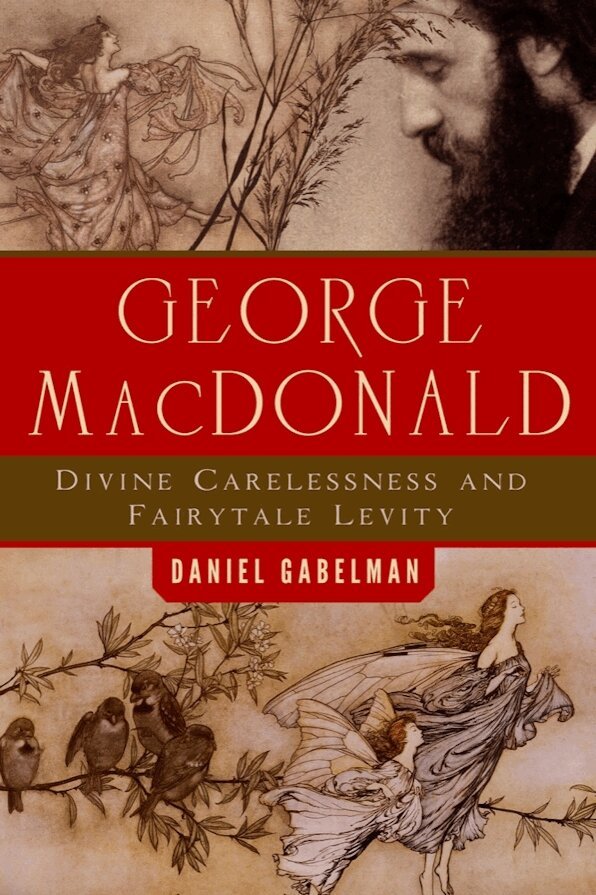
The Scottish poet, author, and Christian minister George MacDonald is widely known as an inspiration for the works of C. S. Lewis, J. R. R. Tolkien, and Lewis Carroll, among others. Nineteenth century photographs of MacDonald present a forbidding visage, embodying Victorian-era solemnity. Yet behind the facade, as Daniel Gabelman writes, lived a whimsical and fantastical muse. Indeed, MacDonald imbued theological weight through childlike lightheartedness. Gabelman ably reveals in MacDonald's writings a bridge between playfulness and seriousness in the modern imagination. George MacDonald delivers a balanced reading of its subject that ultimately lends a new theological and literary weight to whimsy.