Mass Markets: Storyworlds Across Media – Serie
Visar alla böcker i serien Mass Markets: Storyworlds Across Media. Handla med fri frakt och snabb leverans.
6 produkter
6 produkter
982 kr
Skickas inom 7-10 vardagar
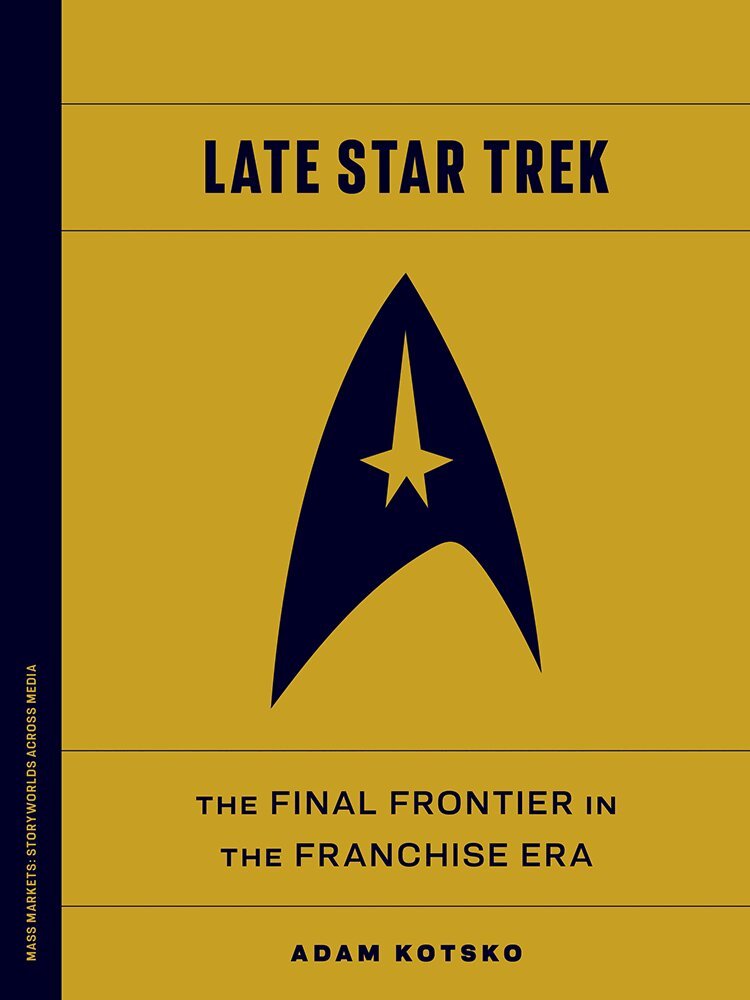
How Star Trek’s twenty-first-century reinventions illuminate the unique challenges and opportunities of franchise-style corporate storytellingLate Star Trek explores the beloved science fiction franchise’s repeated attempts to reinvent itself after the end of its 1990s golden age. Beginning with the prequel series Enterprise, Adam Kotsko analyzes the wealth of content set within Star Trek’s sprawling continuity-including authorized books, the three “Kelvin Timeline” films, and the streaming series Discovery, Picard, Lower Decks, Prodigy, and Strange New Worlds-along with fan discourse, to reflect on the perils and promise of the franchise as a unique form of storytelling. Significantly including the licensed novels and comic books that fill out the Star Trek universe for its fans, Kotsko brings the multiple productions of the early twenty-first century together as a unified whole rather than analyzing them in their current stratified view. He argues that the variety of styles and approaches in this tumultuous era of Star Trek history provides the perfect opportunity to reflect on the nature of the franchise storyworlds that now dominate popular culture. By taking the spin-offs and tie-ins seriously as creative attempts to tell a new story within an established universe, Late Star Trek highlights creative triumphs as well as the tendency for franchise faithfulness to get in the way of creating engaging characters and ideas. Arguing forcefully against the prevailing consensus that franchises are a sign of cultural decay, Kotsko contends that the Star Trek universe exemplifies an approach to storytelling that has been perennial across cultures. Instead, he finds that what limits creativity within franchises is not their reliance on the familiar but their status as modern myths, held not as common cultural heritage but rather owned as corporate intellectual property. Retail e-book files for this title are screen-reader friendly with images accompanied by short alt text and/or extended descriptions.
231 kr
Skickas inom 7-10 vardagar
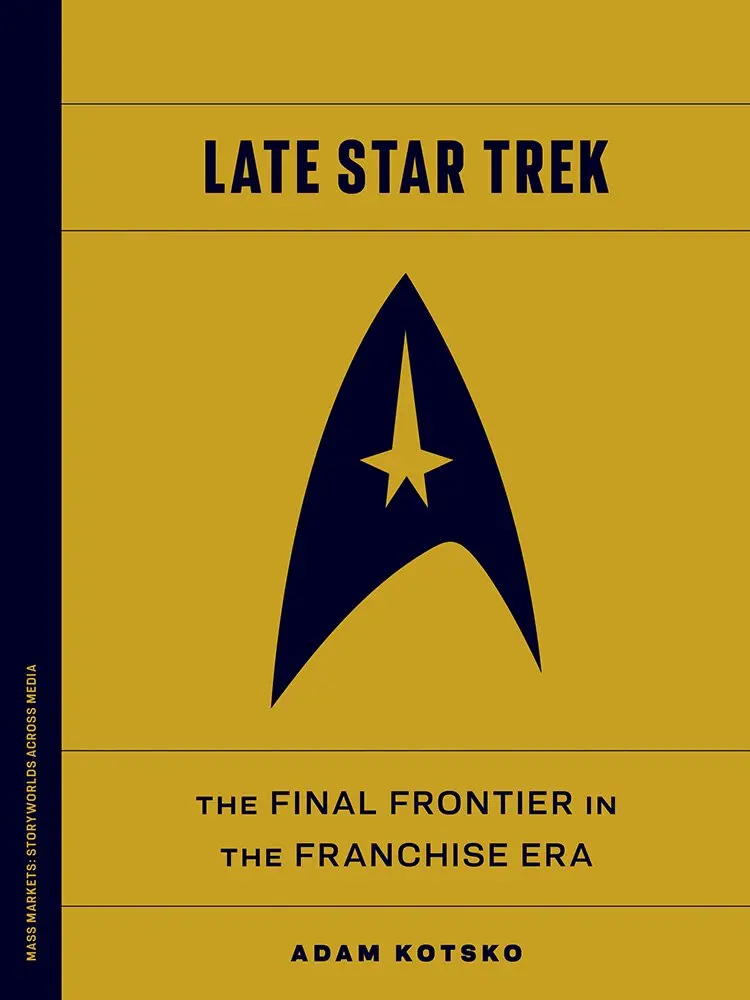
How Star Trek’s twenty-first-century reinventions illuminate the unique challenges and opportunities of franchise-style corporate storytellingLate Star Trek explores the beloved science fiction franchise’s repeated attempts to reinvent itself after the end of its 1990s golden age. Beginning with the prequel series Enterprise, Adam Kotsko analyzes the wealth of content set within Star Trek’s sprawling continuity-including authorized books, the three “Kelvin Timeline” films, and the streaming series Discovery, Picard, Lower Decks, Prodigy, and Strange New Worlds-along with fan discourse, to reflect on the perils and promise of the franchise as a unique form of storytelling. Significantly including the licensed novels and comic books that fill out the Star Trek universe for its fans, Kotsko brings the multiple productions of the early twenty-first century together as a unified whole rather than analyzing them in their current stratified view. He argues that the variety of styles and approaches in this tumultuous era of Star Trek history provides the perfect opportunity to reflect on the nature of the franchise storyworlds that now dominate popular culture. By taking the spin-offs and tie-ins seriously as creative attempts to tell a new story within an established universe, Late Star Trek highlights creative triumphs as well as the tendency for franchise faithfulness to get in the way of creating engaging characters and ideas. Arguing forcefully against the prevailing consensus that franchises are a sign of cultural decay, Kotsko contends that the Star Trek universe exemplifies an approach to storytelling that has been perennial across cultures. Instead, he finds that what limits creativity within franchises is not their reliance on the familiar but their status as modern myths, held not as common cultural heritage but rather owned as corporate intellectual property. Retail e-book files for this title are screen-reader friendly with images accompanied by short alt text and/or extended descriptions.
1 091 kr
Kommande
How media production and fan play interact to shape the aesthetics of a global anime franchiseSince its debut in 1984, Dragon Ball has become one of the most popular, influential, and lucrative global media franchises in the world. In Next Time on Dragon Ball, Vincent Haddad investigates how the franchise has maintained huge global demand despite its formulaic plotlines. Examining its exhaustive repetition of storytelling forms across comics, TV series, games, and merchandise, Haddad argues that the convergence of play, fandom, and narrative made Dragon Ball an unlikely success—and a harbinger of broader shifts in the media landscape of franchises from the 1980s to the present.Haddad conceives of Dragon Ball as a "franchise toy," a corporate media property that is constantly remixed by its fans in ways that its owners resist but also ultimately embrace: appropriation is essential to the franchise's popularity. Over the past forty years, Haddad argues, Dragon Ball's deployment of familiar tropes, cultural references, and narrative forms—from classical Chinese stories and the films of Bruce Lee and Jackie Chan to American franchises like Superman and Star Wars—has invited unique transcultural play. Through diverse examples of how fans use its characters as "playthings," Haddad shows how Dragon Ball travels across international networked fandoms, highlighting the queer, gendered, and racialized dimensions of this play.Parsing the dynamics of "sites of conflict" between authorized media and fan content, Next Time on Dragon Ball illuminates how fan engagement across the Americas changes the parameters of what a manga and anime franchise is and can be.Retail e-book files for this title are screen-reader friendly with images accompanied by short alt text and/or extended descriptions.
246 kr
Kommande
How media production and fan play interact to shape the aesthetics of a global anime franchiseSince its debut in 1984, Dragon Ball has become one of the most popular, influential, and lucrative global media franchises in the world. In Next Time on Dragon Ball, Vincent Haddad investigates how the franchise has maintained huge global demand despite its formulaic plotlines. Examining its exhaustive repetition of storytelling forms across comics, TV series, games, and merchandise, Haddad argues that the convergence of play, fandom, and narrative made Dragon Ball an unlikely success—and a harbinger of broader shifts in the media landscape of franchises from the 1980s to the present.Haddad conceives of Dragon Ball as a "franchise toy," a corporate media property that is constantly remixed by its fans in ways that its owners resist but also ultimately embrace: appropriation is essential to the franchise's popularity. Over the past forty years, Haddad argues, Dragon Ball's deployment of familiar tropes, cultural references, and narrative forms—from classical Chinese stories and the films of Bruce Lee and Jackie Chan to American franchises like Superman and Star Wars—has invited unique transcultural play. Through diverse examples of how fans use its characters as "playthings," Haddad shows how Dragon Ball travels across international networked fandoms, highlighting the queer, gendered, and racialized dimensions of this play.Parsing the dynamics of "sites of conflict" between authorized media and fan content, Next Time on Dragon Ball illuminates how fan engagement across the Americas changes the parameters of what a manga and anime franchise is and can be.Retail e-book files for this title are screen-reader friendly with images accompanied by short alt text and/or extended descriptions.
956 kr
Skickas inom 10-15 vardagar
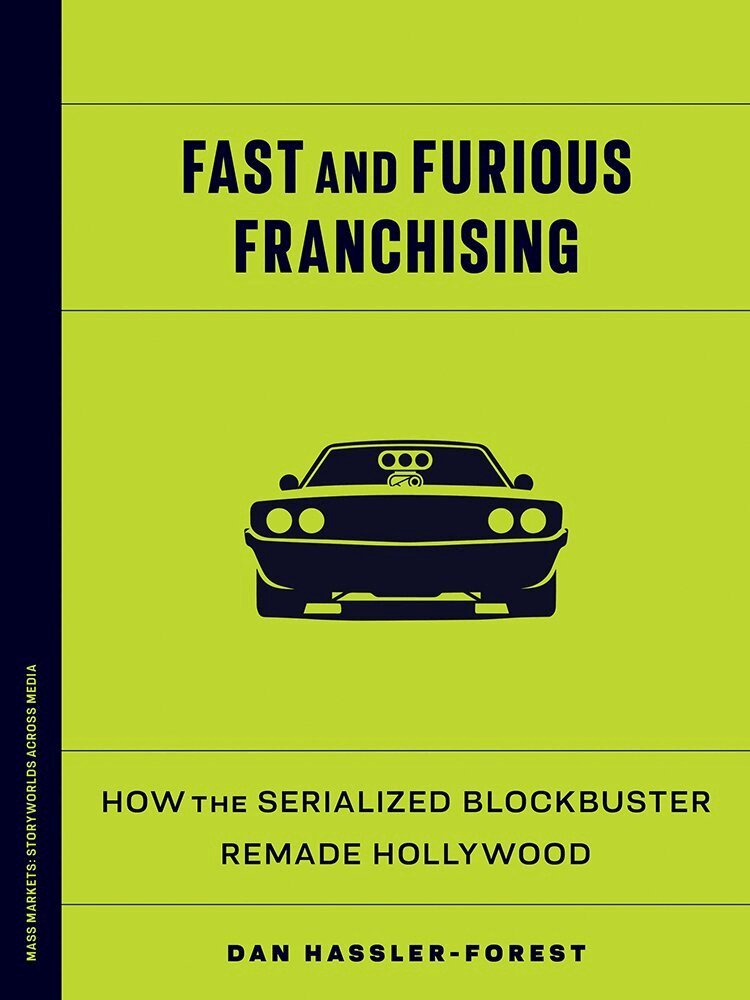
What the popularity of the Fast and Furious film franchise says about Hollywood blockbusters and media productionFast and Furious Franchising charts the transformation of Hollywood through the story of one of its most successful cinematic universes. Released in 2001, The Fast and the Furious became an unexpected hit, developing into a seven-billion-dollar media franchise with nine direct sequels (so far), one "sidequel," copious spin-offs, and licensing deals from board games to theme park rides.Dan Hassler-Forest shows how Fast and Furious paved the way for a new form of serialized storytelling that balanced new distribution practices and expansion into international markets with a savvy awareness of representational politics. By following the series's development over the past twenty-five years, Fast and Furious Franchising reveals distinct phases that reflect larger media-industrial trends: the postclassical blockbuster era of the early 2000s; the emergence of the megafranchise between 2008 and 2014; the franchise's "imperial" era, from 2015 through 2019; and the postpandemic crisis era of media saturation and franchise fatigue.While examining this rapidly changing media landscape, Hassler-Forest offers lively, insightful analyses of the films as they have embraced ever-more-ludicrous plots and unlikely character turns while always maintaining their signature faith in the power of family. As he illuminates the role of the Fast and Furious movies in the global entertainment industry, Hassler-Forest shows how the films' improbable success proves Dominic Toretto's adage that, whether "you win by an inch or a mile . . . winning's winning."Retail e-book files for this title are screen-reader friendly with images accompanied by short alt text and/or extended descriptions.
221 kr
Skickas
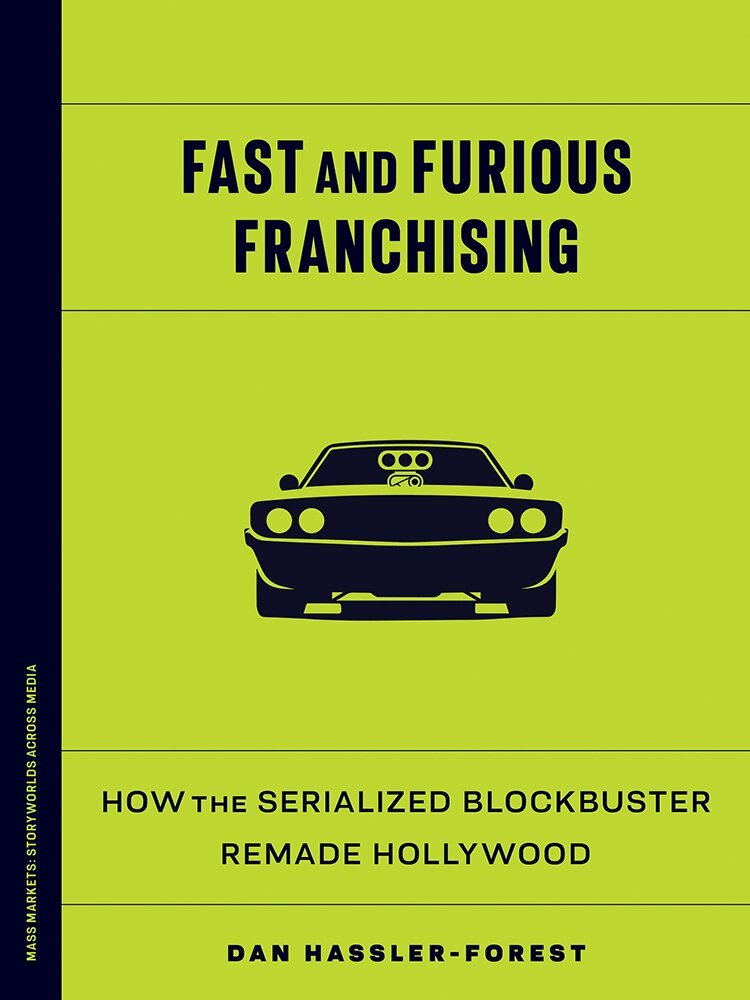
What the popularity of the Fast and Furious film franchise says about Hollywood blockbusters and media productionFast and Furious Franchising charts the transformation of Hollywood through the story of one of its most successful cinematic universes. Released in 2001, The Fast and the Furious became an unexpected hit, developing into a seven-billion-dollar media franchise with nine direct sequels (so far), one "sidequel," copious spin-offs, and licensing deals from board games to theme park rides.Dan Hassler-Forest shows how Fast and Furious paved the way for a new form of serialized storytelling that balanced new distribution practices and expansion into international markets with a savvy awareness of representational politics. By following the series's development over the past twenty-five years, Fast and Furious Franchising reveals distinct phases that reflect larger media-industrial trends: the postclassical blockbuster era of the early 2000s; the emergence of the megafranchise between 2008 and 2014; the franchise's "imperial" era, from 2015 through 2019; and the postpandemic crisis era of media saturation and franchise fatigue.While examining this rapidly changing media landscape, Hassler-Forest offers lively, insightful analyses of the films as they have embraced ever-more-ludicrous plots and unlikely character turns while always maintaining their signature faith in the power of family. As he illuminates the role of the Fast and Furious movies in the global entertainment industry, Hassler-Forest shows how the films' improbable success proves Dominic Toretto's adage that, whether "you win by an inch or a mile . . . winning's winning."Retail e-book files for this title are screen-reader friendly with images accompanied by short alt text and/or extended descriptions.