Military Profiles - Böcker
Visar alla böcker i serien Military Profiles. Handla med fri frakt och snabb leverans.
14 produkter
14 produkter
231 kr
Skickas inom 7-10 vardagar
One man—Capt. Raphael Semmes—dominates the history of Confederate naval operations in the American Civil War. Although the Confederates were hopelessly outnumbered at sea, Semmes roamed the oceans first in the CSS SUMTER and then the CSS ALABAMA, capturing nearly 100 Federal merchant ships and precipitating a flight from the American flag that decimated the Federal merchant marine. Revered in the South as a hero, the North reviled and feared the Yankee-hating Semmes as a pirate. Regardless of his reputation, his wartime exploits were remarkable.Noted historian and biographer John M. Taylor illustrates how, under Semmes's command, the ALABAMA became a household name in America and overseas and struck fear into the hearts of ships' crews and passengers alike. Incredibly, Semmes and the ALABAMA traveled 75,000 miles, and as far east as Singapore, without ever taking refuge in a Confederate port. In 1864, off the coast of Cherbourg, France, the Union's USS KEARSAGE finally caught up with the Confederate raider and fought the last ever ship-to-ship gun duel between wooden warships.
252 kr
Kommande
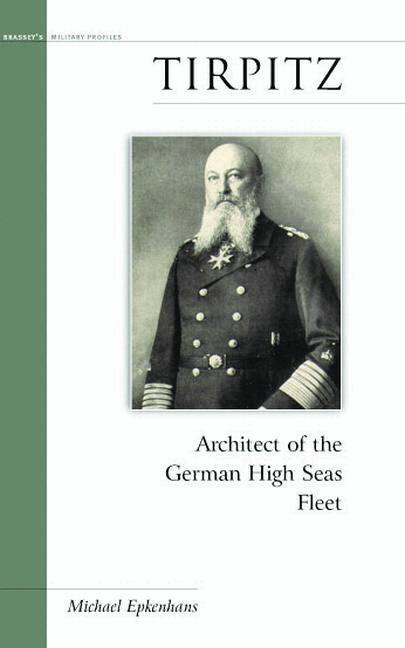
Alfred von Tirpitz (1849–1930), who joined the Prussian Navy in 1865 as a midshipman, was chiefly responsible for rapidly developing and enlarging the German Navy, especially the High Seas Fleet, from 1897 until the years immediately prior to the First World War. Epkenhans uses newly discovered documents to provide a fresh treatment of this important naval leader. In 1897, Tirpitz became the Secretary of State of the Imperial Navy Department. In four major building acts of 1898, 1900, 1908, and 1912, and, in working closely with Kaiser Wilhelm II, Tirpitz expanded the Imperial Navy from a small coastal force into a major blue-water navy. Great Britain, reacting with alarm to this challenge to its overseas trade and naval supremacy, accelerated the naval arms race by launching a revolutionary type of battleship, the Dreadnought, in 1906 and entering into strategic alliances with France and Russia. By the start of the First World War in 1914, the British Royal Navy still held a sizable advantage in capital ships over Germany, so that only one notable fleet action, Jutland in 1916, took place during the war. Tirpitz, who had become the German Navy commander with the outbreak of the war, thereafter became a staunch advocate of unrestricted submarine warfare. This policy did not differentiate between neutral and belligerent shipping and proved so controversial with the neutral United States that Germany was forced to retract it, albeit only temporarily. In the meantime, Tirpitz tendered his resignation to the Kaiser, who surprisingly accepted it. Tirpitz remained a minor figure thereafter, later serving the right-wing Fatherland Party as a deputy in the Reichstag.
245 kr
Skickas inom 7-10 vardagar
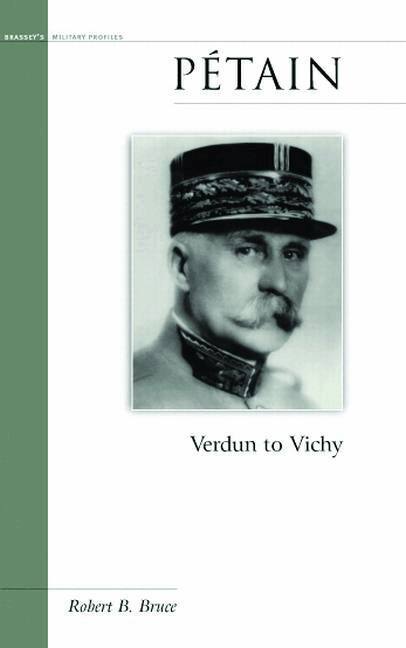
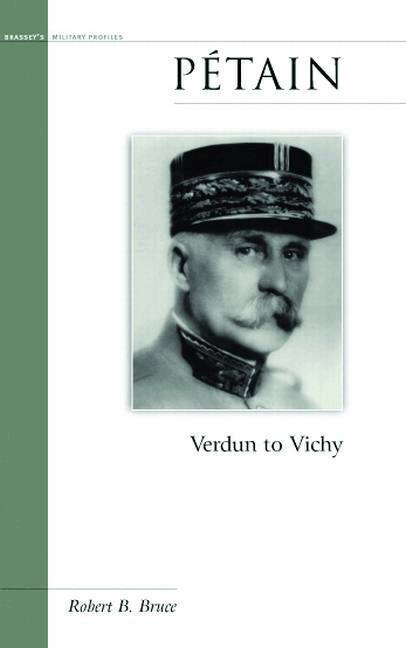
Few figures in modern French history have aroused more controversy than Marshal Philippe Pétain, who rose from obscurity to great fame in the First World War only to fall into infamy during the dark days of Nazi occupation in World War II. Pétain's brilliant theories of firepower and flexible defense, as well as his deep empathy for the soldiers of France and the horrific trials they endured on a daily basis, mark him as one of the greatest Allied generals of World War I. Yet today he is best remembered as the nearly senile marshal who was handed the reins of power in France in the midst of the disastrous 1940 campaign and tasked with seeking terms from Nazi Germany. His leadership of Vichy France from 1940 to 1944 and his postwar conviction of treason and lifetime exile to the Ile d'Yeu made him a scapegoat for the nation. This later perception forever tainted Pétain's military reputation as a soldier who served France his entire life and led the French Army through the crucible of Verdun, the morale crisis of 1917, and on to final victory in the Great War. He was despised for his actions as an octogenarian in June 1940. With the bulk of the French Army already destroyed and Paris itself wide-open to attack, Pétain, then eighty-four, immediately sought an armistice with Germany to halt further bloodshed. While others fled, Pétain took what he considered the braver course by staying and doing what he could to safeguard the remnants of his army and his nation. So began his descent into collaboration, treason, and the destruction of all that he had accomplished and stood for throughout his life.
191 kr
Skickas inom 10-15 vardagar
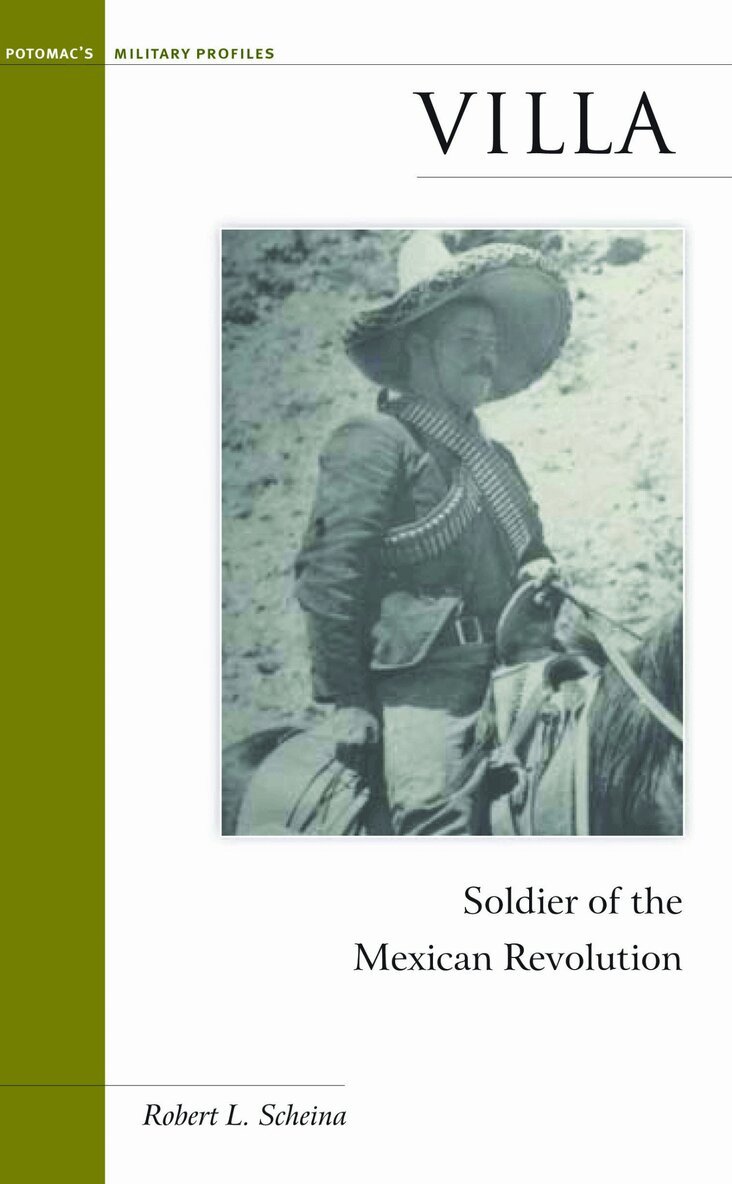
Starting with twenty-eight followers, Francisco Pancho Villa rose out of banditry to become a dynamic strategist who mastered the tactical use of a diverse array of weapons, including modern railroads and cavalry, to contest control of Mexico. In his early days as a brigand, the peasantry idolized him because he often gave them the largesse of his raids on the wealthy haciendas. His military career began in 1910 during the Mexican Revolution, and by the time of his defeat at the Battle of Celaya in 1915 he commanded 15,000 horsemen. Villa could be a generous patron to his loyal followers but a terrifying enemy. He believed that those whom he defeated earned the "privilege" of being executed by his own hand. During the bloodiest months of the Mexican Revolution, he even contended for control of the nation. He could not be intimidated by anyone, including the U.S. Army's Punitive Expedition led by Gen. John J. Pershing, who was sent to capture Villa after his raids into New Mexico during 1916. He died as he lived, violently, the victim of an assassination squad in 1923. Robert Scheina analyzes this complex man and provides a solid overview of Mexico's political history against the fabric of social and cultural turmoil.
158 kr
Skickas inom 10-15 vardagar
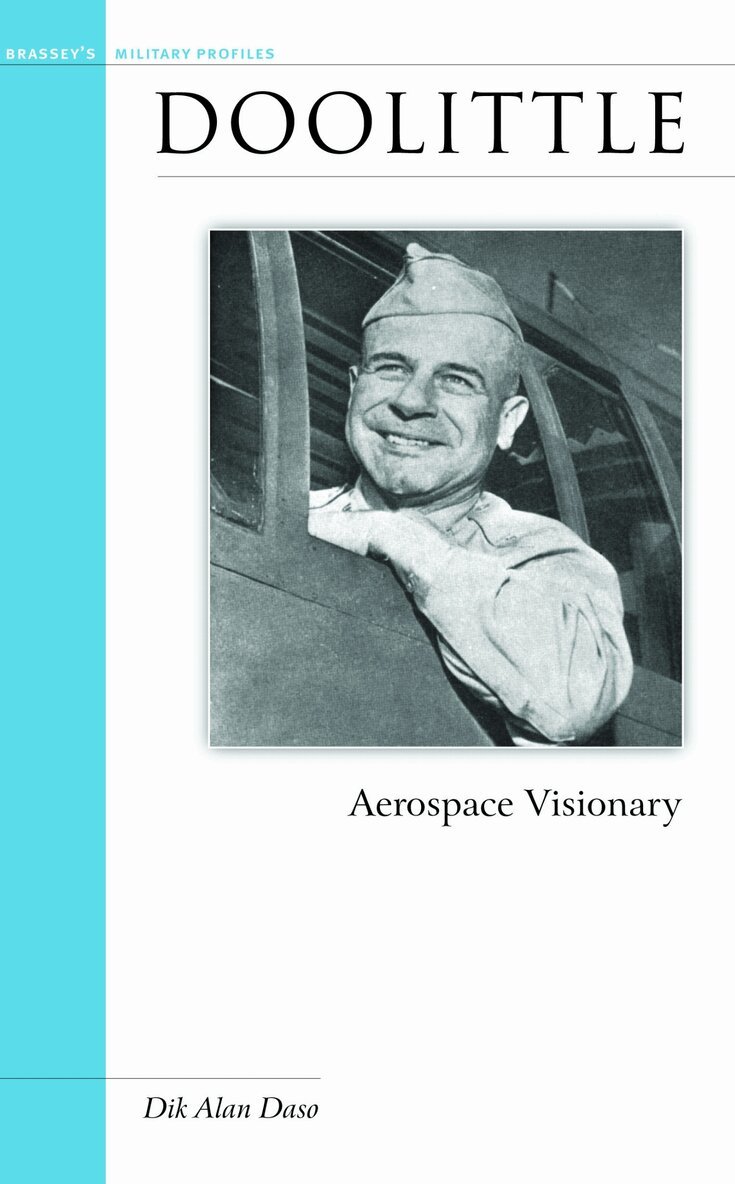
On April 18, 1942, Lt. Col. Jimmy Doolittle led a flight of sixteen B-25 bombers off the flight deck of the USS Hornet on one of the most daring raids in U.S. military history, a low-level strike on Tokyo and other Japanese cities. For this heroic act, he received the Medal of Honor. But, as Dik Alan Daso convincingly argues, James H. Doolittle should be remembered as much more than a famous combat pilot. With a doctorate in aeronautics from MIT, he devoted his life to mastering the technical and practical intricacies of the most amazing new invention of his time, the airplane. In 1922, Doolittle became the first person to complete a transcontinental flight across the United States in a single twenty-four-hour period. Later he worked with the Shell Oil Company to develop high-octane aviation fuel to enhance aircraft performance. He also won numerous trophies for his record-breaking high-speed flights, and he developed new instrumentation to assist pilots when flying "blind" in poor weather. In jet age parlance, Doolittle constantly "pushed the envelope." After holding several major combat commands during World War II, he was appointed a special assistant to the Air Force chief of staff in 1951 and served as a civilian adviser in scientific matters, including the development of ballistic missiles and the fledgling space program. From the early days of aviation to the space age, Daso provides a concise but expansive overview of the rapidly developing field of aviation and chronicles a pioneer's tireless efforts to be a visionary for the new era.
177 kr
Skickas inom 10-15 vardagar
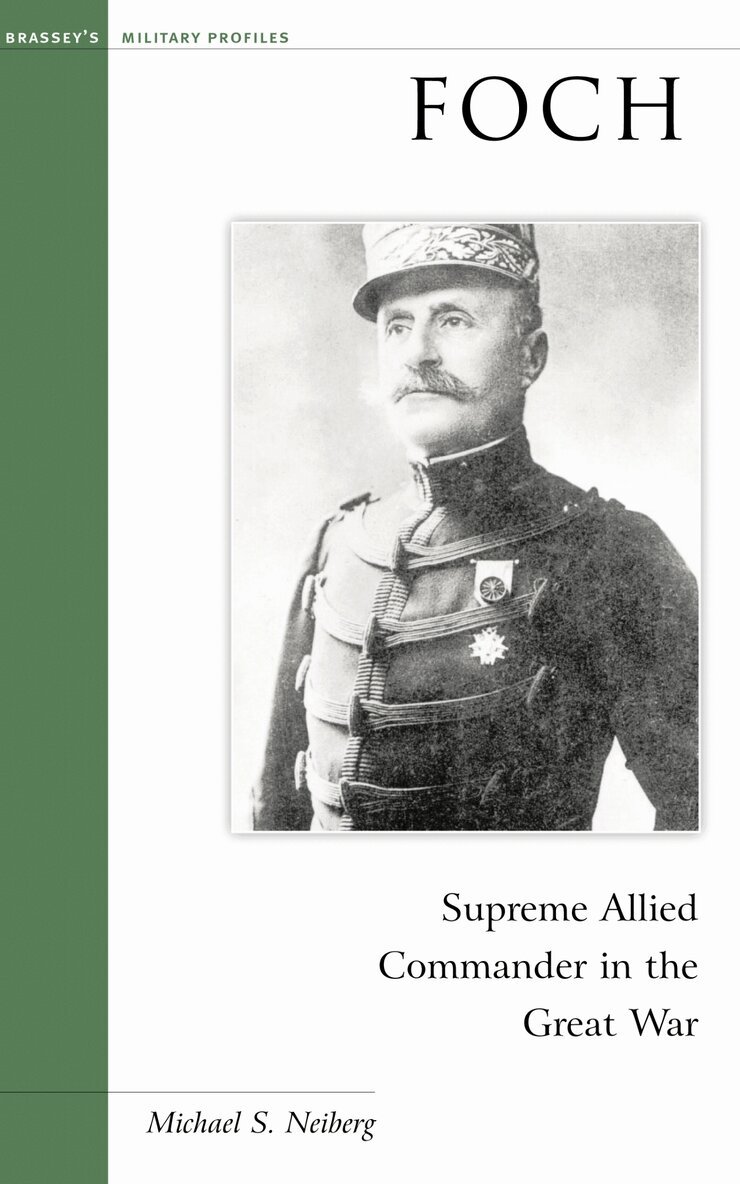
Ferdinand Foch is the prototype of the twentieth-century general. Better than any other general of the First World War, Foch came to understand how technology and modern alliance systems had changed the nature of warfare. He is most famous for his role as Allied commander in chief in 1918. In this position, unparalleled in the history of warfare, Foch welded together the disparate war efforts of France, Great Britain, the United States, Italy, and Belgium. Now fighting as a more coherent whole, the Allies repulsed the German spring offensives of 1918 and returned to the attack themselves in the summer. In this role, Foch foreshadowed the similar roles played by other commanders of large coalitions, such as Dwight Eisenhower in World War II and Norman Schwarzkopf in Desert Storm.Foch's other important legacy is his public dispute with French prime minister Georges Clemenceau during the armistice and peace negotiations. Foch argued strongly for the creation of Allied bridgeheads across the Rhine River to ensure that a less populous and less industrialized France could defeat a vengeful Germany in the future if necessary. His public quarrels with Clemenceau, who did not share Foch's opinion and did not care for his interference, left the French Third Republic with a civil-military crisis as menacing as the one with which it began World War I. Foch's legacies are both positive and negative, but he left a profound impact on the twentieth century. Michael S. Neiberg masterfully analyzes this complex man and provides a solid overview of French political history against the fabric of the twentieth century's first industrialized war.
163 kr
Skickas inom 10-15 vardagar
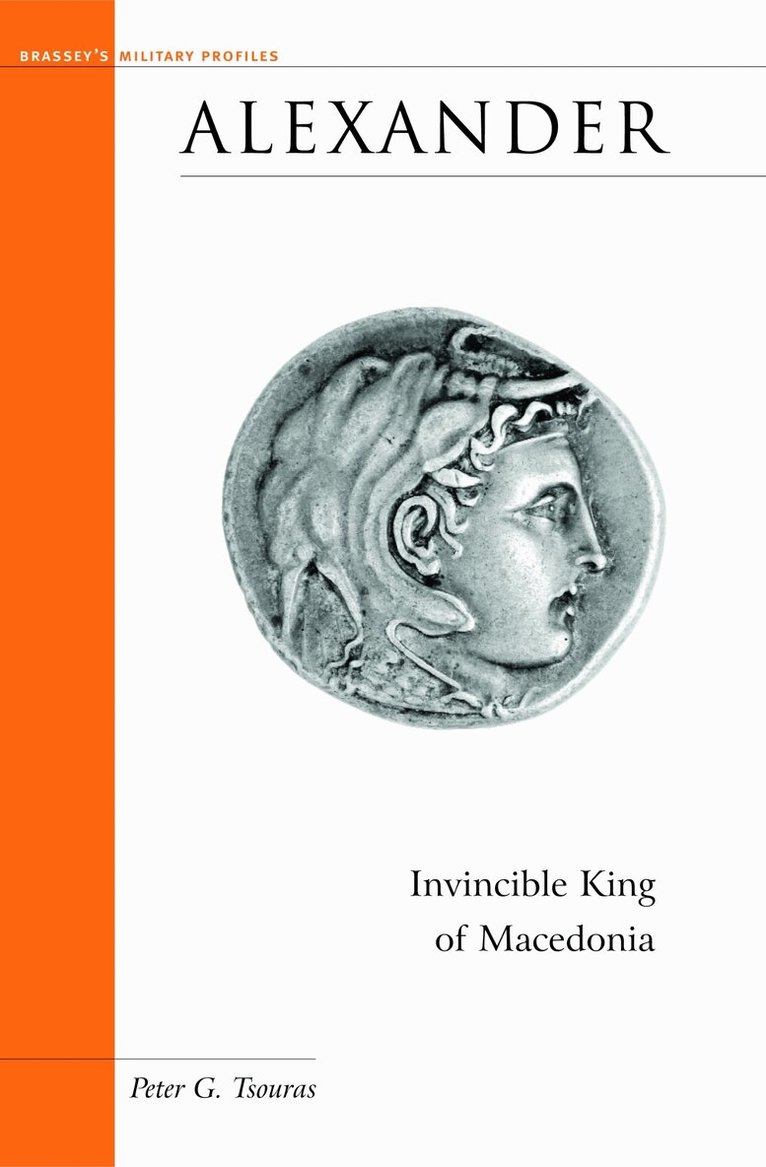
Alexander the Great (356-323 B.C.E.), who reigned as king of Macedonia for only thirteen years, set a flame of conquest that introduced the dynamism of Hellenism to the Mediterranean, Middle Eastern, and South Asian worlds. Re-creating their ossified cultures, he established a standard of leadership and military conquest that the most successful of Roman emperors, medieval knights, and steppe barbarians would never truly match. Julius Caesar wept that he could not surpass Alexander, while Napoleon could only dream of such invincibility. Alexander had the great fortune to be born the able son of Philip II, one of the most talented men of war and politics produced by the Hellenic world, who created for Alexander the foundation of the Macedonian state and army that would be the tools of his future greatness. Alexander's invincibility was the product of his profound genius - the perfection of body, boundless energy, imagination, daring, intellect, and vision in one man. He was a master tactician, strategist, logistician, diplomat, and statesman, with an ability to win the affection and quick obedience of others. Even his enemies fell victim to his valor and charm. His personal attributes and accomplishments were so far removed from those of ordinary men that he achieved almost superhuman status within his lifetime. Above all, he was the preeminent man of war. Even today, as the noise of battle rattles Kandahar, a city in Afghanistan that Alexander named for himself, war clings to his name.
177 kr
Skickas inom 10-15 vardagar
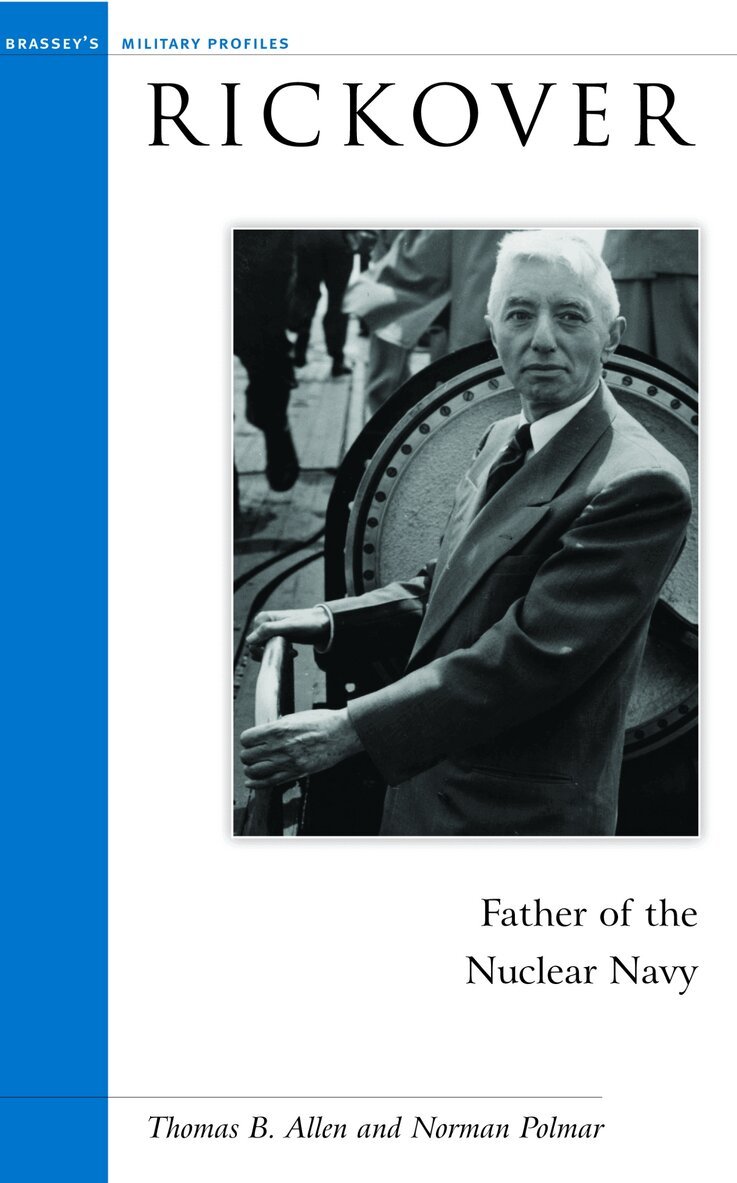
Hyman G. Rickover was not long removed from his Jewish roots in Poland when he graduated from the U.S. Naval Academy in 1922. After a respectable career spent mostly in unglamorous submarine and engineering billets, he took command of the U.S. Navy's nuclear propulsion program and revived his career, being retired—involuntarily—some thirty years later in early 1982. He was not only the architect of the nuclear Navy but also its builder. In the process, he erected a network of power and influence that rivaled those who were elected to high office, and that protected him from them when his controversial methods became objectionable or, as critics would suggest, undermined the nation's vital interests. Authors Thomas B. Allen and Norman Polmar, whose full-length biography of Rickover (in manuscript in 1981) was consulted by the Reagan Administration during the decision to remove him from active duty, are eminently qualified to write an essential treatment on the controversial genius of Admiral Rickover.
206 kr
Skickas inom 10-15 vardagar
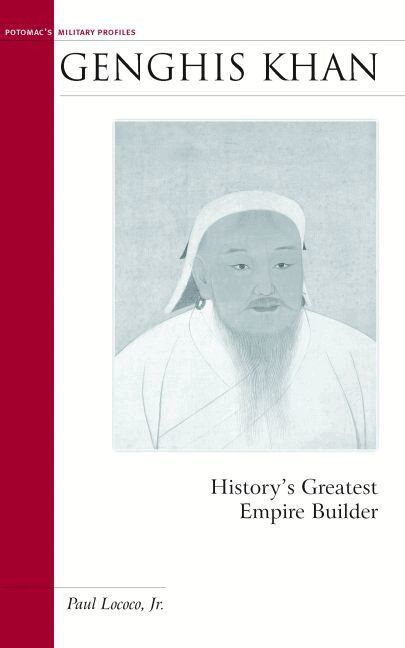
It was through bitter experience growing up on the harsh and unforgiving steppes of Mongolia that Genghis Khan learned to trust few people and to be vigilant of the personalities and events around him. As a result of an early life filled with hardship, betrayals, and constant struggle, Genghis Khan developed into a cunning and effective leader of men in battle. He became an innovative commander who disdained customary tactics when those strategies failed to bring victory.Genghis Khan united the tribes of Mongolia in a way never before seen, leading them to the settled lands of Eurasia and achieving almost super-human victories over vastly larger forces. By the time of his death he had created an empire of immense proportions, larger than anything before in history. Genghis Khan addresses how the teenaged son of a minor Mongol chieftain created a military machine of extraordinary striking power and wielded it to conquer such lands as China, Central Asia, and Persia.Potomac's Military Profiles series features essential treatments of the lives of significant military figures from ancient times through the present. Both the general audience and readers with a professional interest will appreciate each volume's concise blend of analysis and well-crafted writing. These books also serve as a starting point for those who wish to pursue a more advanced study of the subject.
163 kr
Skickas inom 10-15 vardagar
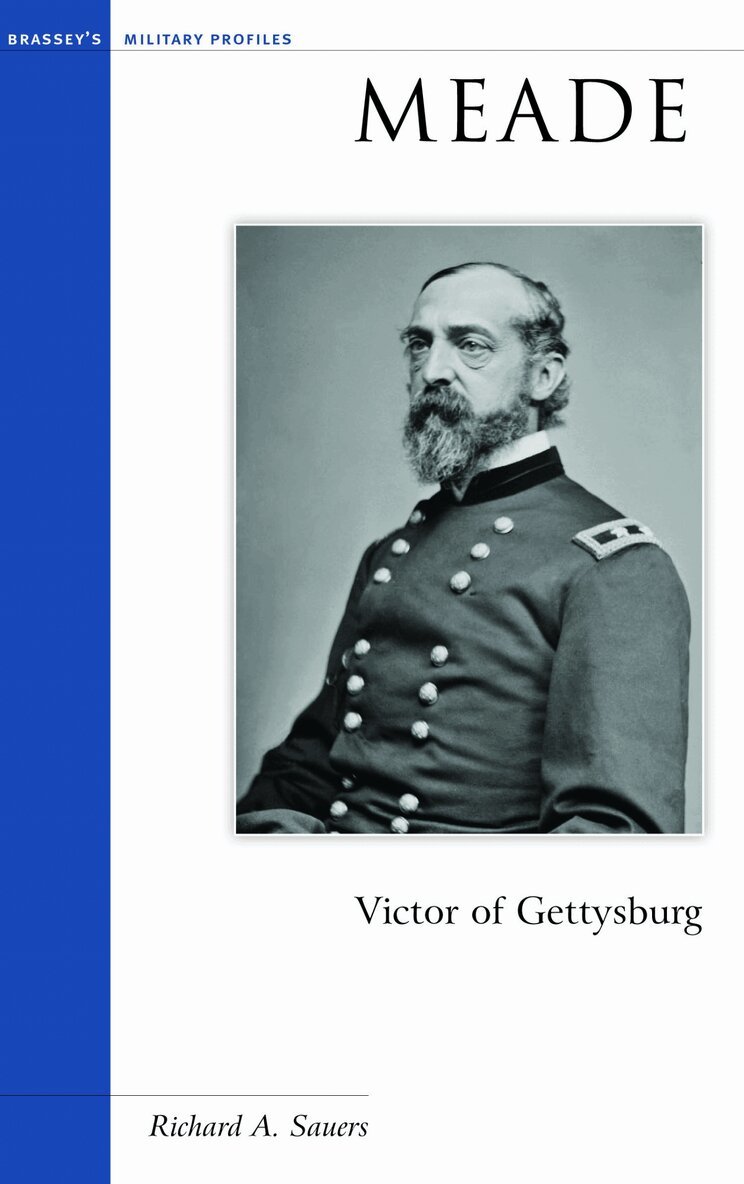
Most students of the American Civil War know the name George Gordon Meade, but few can tell you about the man. With this addition to Potomac's Military Profiles series, historian Richard Sauers examines the life of one of the Union Army's most notable generals. Rising from the Union officer corps to lead the previously ill-fated Army of the Potomac, Meade took command only hours before his forces stumbled upon Robert E. Lee's Confederates at Gettysburg, Pennsylvania, in 1863. He led his men to victory in one of the most famous battles in history, but Meade was soon embroiled in political battles with fellow generals and Washington politicians. Despite detractors' efforts to question Meade's judgment and smear his reputation—efforts often exacerbated by the general's own volatile temper and undiplomatic behavior—he continued to put duty to his country and his men first. When Ulysses S. Grant was named lieutenant general in charge of all Union forces, Grant made his headquarters with the Army of the Potomac and soon overshadowed Meade. Sauers chronicles the tense relationship that developed between the two men and the effect it had on the crucial last days of the war. Sauers's concise but authoritative biography sheds new light on one of the Civil War's most significant leaders. His book, the only new biography of Meade to appear in over thirty years, should spark renewed study of this brave but overlooked general.
163 kr
Skickas inom 10-15 vardagar
Few figures in modern French history have aroused more controversy than Marshal Philippe Pétain, who rose from obscurity to great fame in the First World War only to fall into infamy during the dark days of Nazi occupation in World War II. Pétain's brilliant theories of firepower and flexible defense, as well as his deep empathy for the soldiers of France and the horrific trials they endured on a daily basis, mark him as one of the greatest Allied generals of World War I. Yet today he is best remembered as the nearly senile marshal who was handed the reins of power in France in the midst of the disastrous 1940 campaign and tasked with seeking terms from Nazi Germany. His leadership of Vichy France from 1940 to 1944 and his postwar conviction of treason and lifetime exile to the Ile d'Yeu made him a scapegoat for the nation. This later perception forever tainted Pétain's military reputation as a soldier who served France his entire life and led the French Army through the crucible of Verdun, the morale crisis of 1917, and on to final victory in the Great War. He was despised for his actions as an octogenarian in June 1940. With the bulk of the French Army already destroyed and Paris itself wide-open to attack, Pétain, then eighty-four, immediately sought an armistice with Germany to halt further bloodshed. While others fled, Pétain took what he considered the braver course by staying and doing what he could to safeguard the remnants of his army and his nation. So began his descent into collaboration, treason, and the destruction of all that he had accomplished and stood for throughout his life.
191 kr
Skickas inom 10-15 vardagar
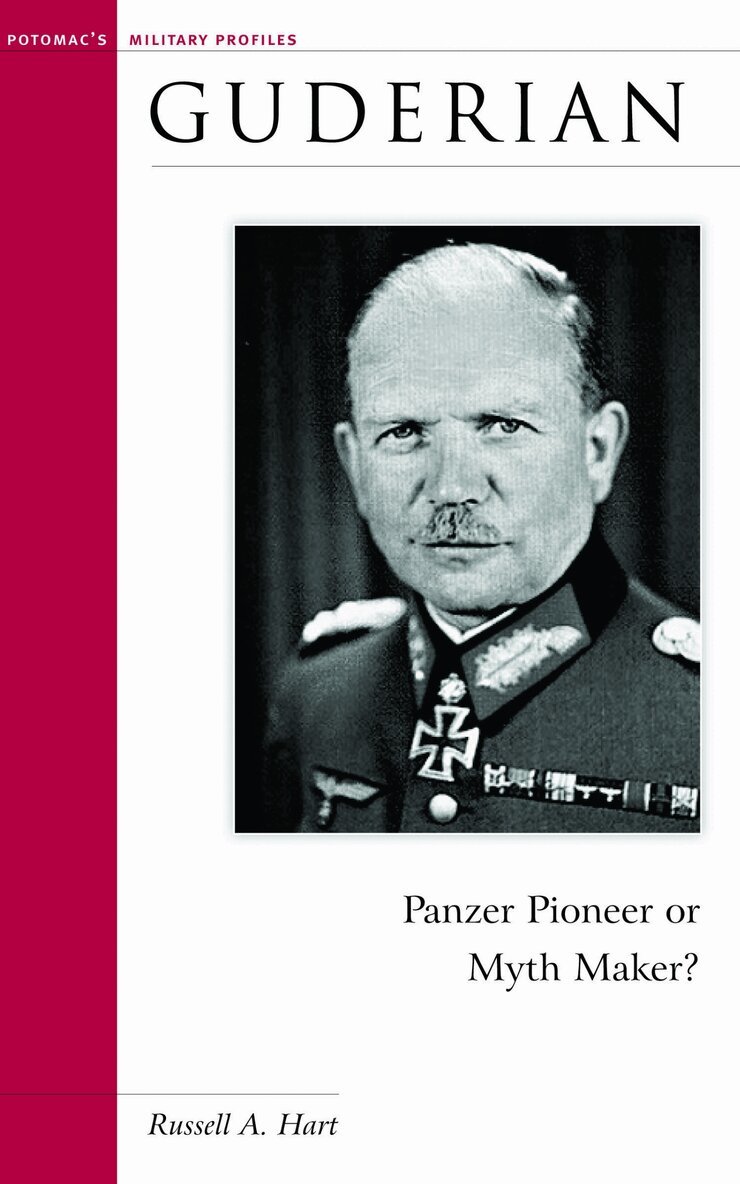
Biographers and historians have lionized Heinz Guderian as the legendary father of the German armored force and brilliant practitioner of blitzkrieg maneuver warfare. As Russell A. Hart argues, Guderian created this legend with his own highly influential yet self-serving and distorted memoir, which remains one of the most widely read accounts of the Second World War. Unfortunately, too many of Guderian's biographers have accepted his view of his accomplishments at face value, without sufficient critical scrutiny, resulting in an undeserved hagiography. While undoubtedly a great military figure of appreciable ego and ambition and with a volatile, impetuous, and difficult personality, Guderian was determined to achieve his vision of a war-winning armored force irrespective of the consequences. He proved to be a man who was politically naive enough to fall under the sway of Hitler and National Socialism and yet arrogant enough to believe he could save Germany from inevitable defeat late in the war, despite Hitler's interference. At the same time, Guderian was unwilling either to participate in attempts to remove Hitler or to denounce as traitors the conspirators who did. In the end, he distorted the truth to establish his place in history. In the process, he denigrated the myriad important contributions of his fellow officers as he took personal credit for what were, in reality, collective accomplishments. Thus, he succeeded in creating a legend that has endured long after his death. This brief biography puts the record straight by placing Guderian's career and accomplishments into sharper and more accurate relief. It exposes the real Heinz Guderian, not the man of legend.
245 kr
Skickas inom 7-10 vardagar
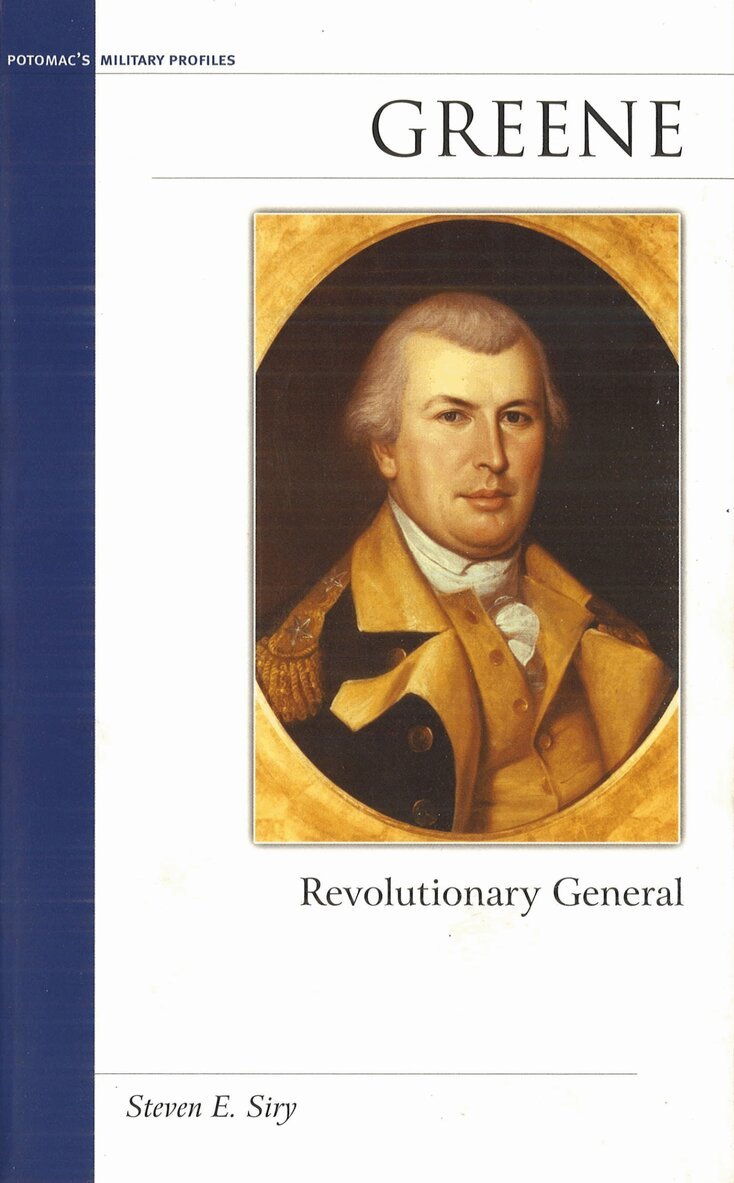
Born into a Quaker family, Nathanael Greene had nothing in his background that pointed to a military career. His total military training before mid-1775, when he abandoned pacifism, consisted of serving as a private in the Rhode Island militia for a few hours each week. Yet, no doubt because of his leadership ability, the Rhode Island Assembly in May 1775 appointed Greene commander of the Rhode Island Army of Observation at the siege of Boston. In June, at age thirty-two, Greene became the youngest general in the Continental Army and the only general who had never held a military commission. When the Revolutionary War ended eight years later, he was the only one of George Washington's generals who had served continuously from its start. Resourceful and courageous, Greene combined common sense, a keen intellect, fine organizational skills, and a remarkable aptitude for using topographical and geographical information. Indeed, he became Washington's most trusted adviser and eventually ranked second in the command structure of the Continental Army. After distinguishing himself in the northern campaign and providing invaluable service as quartermaster general, Greene became commander of the Southern Department with orders to rebuild its forces following devastating losses in South Carolina in 1780. With Georgia and South Carolina under British control and North Carolina and Virginia threatened by invasion, the situation seemed hopeless. Greene, however, combined regulars, militia, and guerrillas into a force that used rapid movement and continuous pressure against the British, outmaneuvering and outguessing them. By 1782, British forces were restricted to just two Southern seaports. With his understanding of unconventional warfare, Greene thus played a significant role in undoing Great Britain's power in North America during the War for Independence.
163 kr
Skickas inom 10-15 vardagar
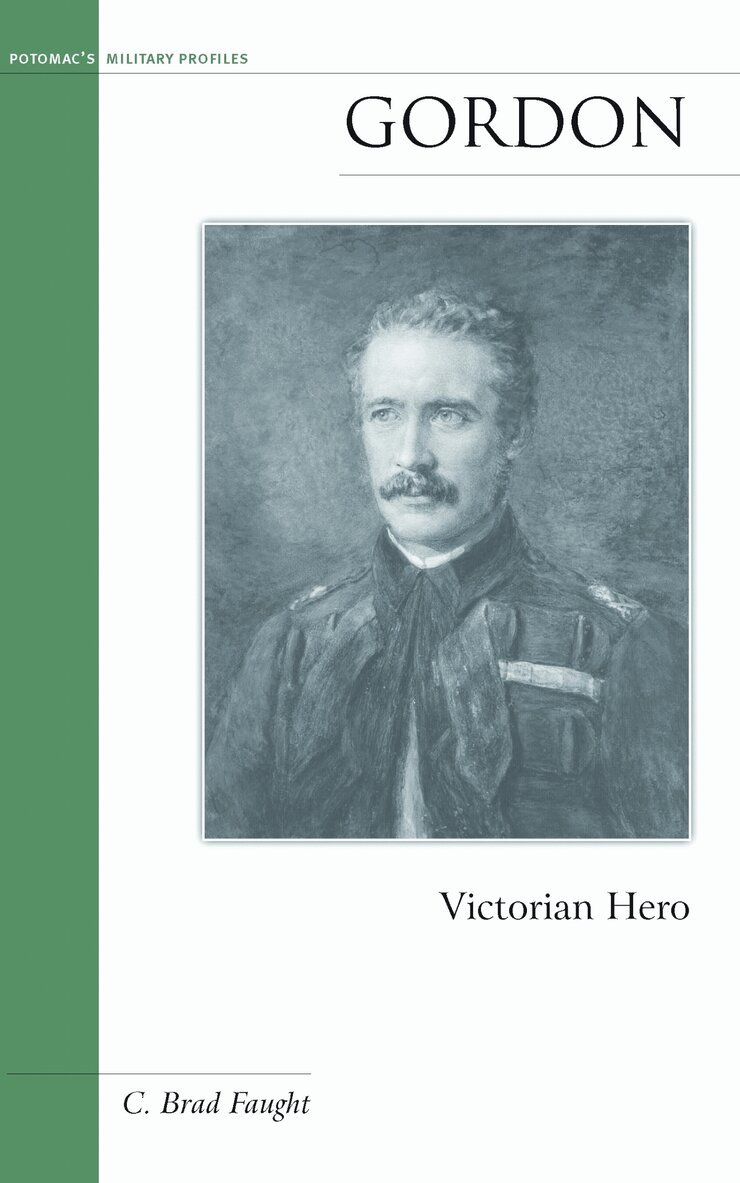
Charles George Gordon was the preeminent military hero of the late-Victorian British Empire. A lifetime officer in the Royal Engineers, he served in several theaters of war and imperial contest, most notably China and the Sudan. His last assignment took him back to the dusty Sudanese capital, Khartoum, where he supervised the overmatched Anglo-Egyptian garrison's evacuation in the face of imminent attack by Islamic extremists. He was killed there in January 1885, just two days before a British relief expedition arrived.In this new biography of General Gordon, C. Brad Faught looks afresh at the life of one of the most famous Victorian military men. Although a later age would come to reject Gordon's record and the values by which he lived, he has remained an enduring figure in the British Empire's late-nineteenth-century heyday and an important means by which to examine its contemporary issues: abolitionism, territorial conquest, and the rule of dependent peoples. Faught traces Gordon's life from his childhood in England and Corfu to his youth and training as an engineer at the Royal Military Academy in Woolwich and his subsequent military and proconsular service in the Crimea, eastern Europe, China, India, Mauritius, South Africa, and the Sudan. Throughout his varied career Gordon was guided by his staunch, conventional Christian faith—despite his critics' best efforts to suggest otherwise—and remained devoted to the best features of imperial rule. Whether as a key opponent of the Arab slave trade or a leader of troops in battle, Gordon was usually successful in his undertakings but always controversial. This biography gives an up-to-date rendering of an important British imperial figure whose demise at the hands of a Muslim extremist is both resonant and potentially instructive for the era in which we live today.