C. Brad Faught – författare
Visar alla böcker från författaren C. Brad Faught. Handla med fri frakt och snabb leverans.
21 produkter
21 produkter
Häftad, Engelska, 2003
438 kr
Skickas inom 5-8 vardagar
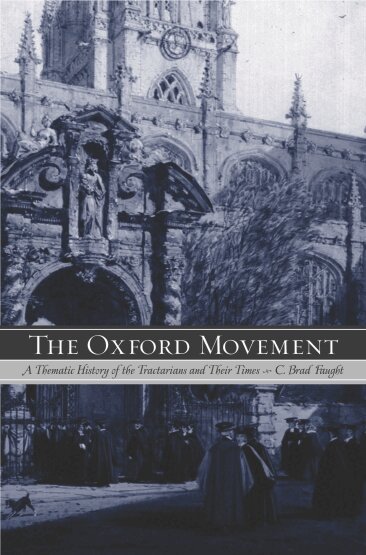
Well over a century and a half after its high point, the Oxford Movement continues to stand out as a powerful example of religion in action. Led by four young Oxford dons—John Henry Newman, John Keble, Richard Hurrell Froude, and Edward Pusey—this renewal movement within the Church of England was a central event in the political, religious, and social life of the early Victorian era. This book offers an up-to-date and highly accessible overview of the Oxford Movement. Beginning formally in 1833 with John Keble's famous "National Apostasy" sermon and lasting until 1845, when Newman made his celebrated conversion to Roman Catholicism, the Oxford Movement posed deep and far-reaching questions about the relationship between Church and State, the Catholic heritage of the Church of England, and the Church's social responsibility, especially in the new industrial society. The four scholar-priests, who came to be known as the Tractarians (in reference to their publication of Tracts for the Times), courted controversy as they attacked the State for its insidious incursions onto sacred Church ground and summoned the clergy to be a thorn in the side of the government. C. Brad Faught approaches the movement thematically, highlighting five key areas in which the movement affected English society more broadly—politics, religion and theology, friendship, society, and missions. The advantage of this thematic approach is that it illuminates the frequently overlooked wider political, social, and cultural impact of the movement. The questions raised by the Tractarians remain as relevant today as they were then. Their most fundamental question—"What is the place of the Church in the modern world?"—still remains unanswered.
Inbunden, Engelska, 2022
245 kr
Skickas inom 5-8 vardagar
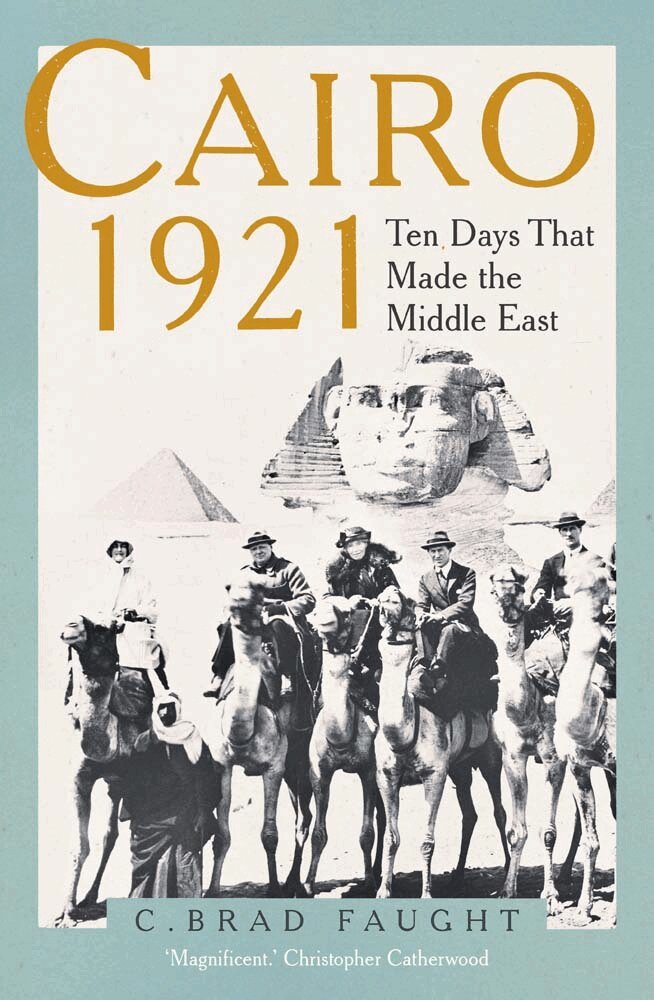
The first comprehensive history of the 1921 Cairo Conference which reveals its enduring impact on the modern Middle East Called by Winston Churchill in 1921, the Cairo Conference set out to redraw the map of the Middle East in the wake of the First World War and the collapse of the Ottoman Empire. The summit established the states of Iraq and Jordan as part of the Sherifian Solution and confirmed the establishment of a Jewish homeland in Palestine—the future state of Israel. No other conference had such an enduring impact on the region. C. Brad Faught demonstrates how the conference, although dominated by the British with limited local participation, was an ambitious, if ultimately unsuccessful, attempt to move the Middle East into the world of modern nationalism. Faught reveals that many officials, including T. E. Lawrence and Gertrude Bell, were driven by the determination for state building in the area to succeed. Their prejudices, combined with their abilities, would profoundly alter the Middle East for decades to come.
E-bok
PDF, Engelska, 2020402 kr
Läs direkt efter köp
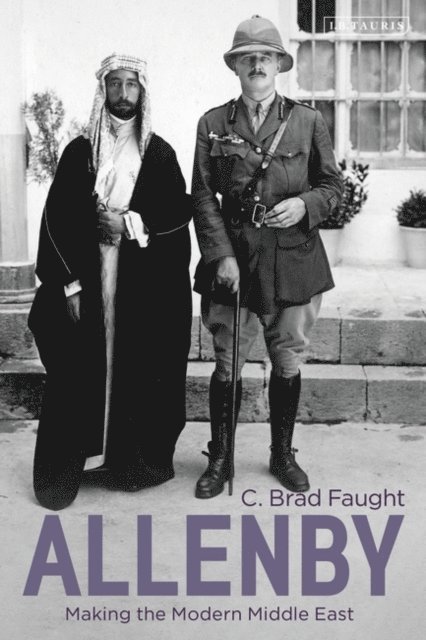
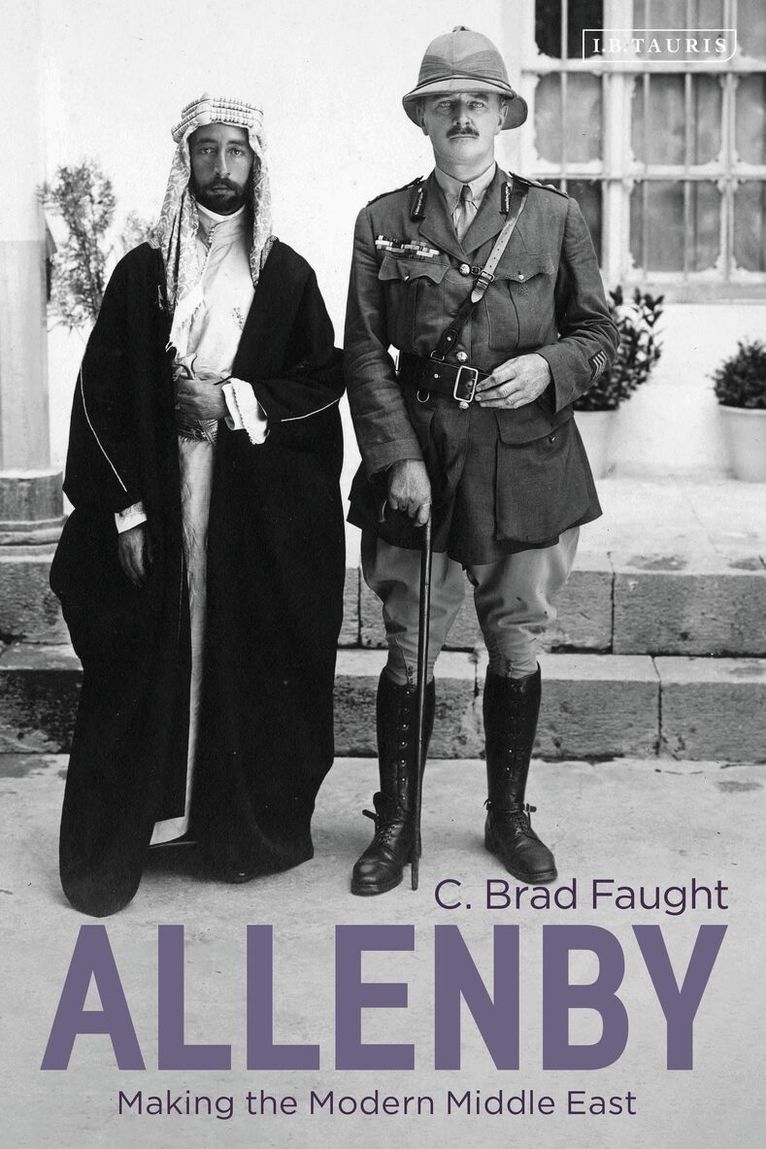
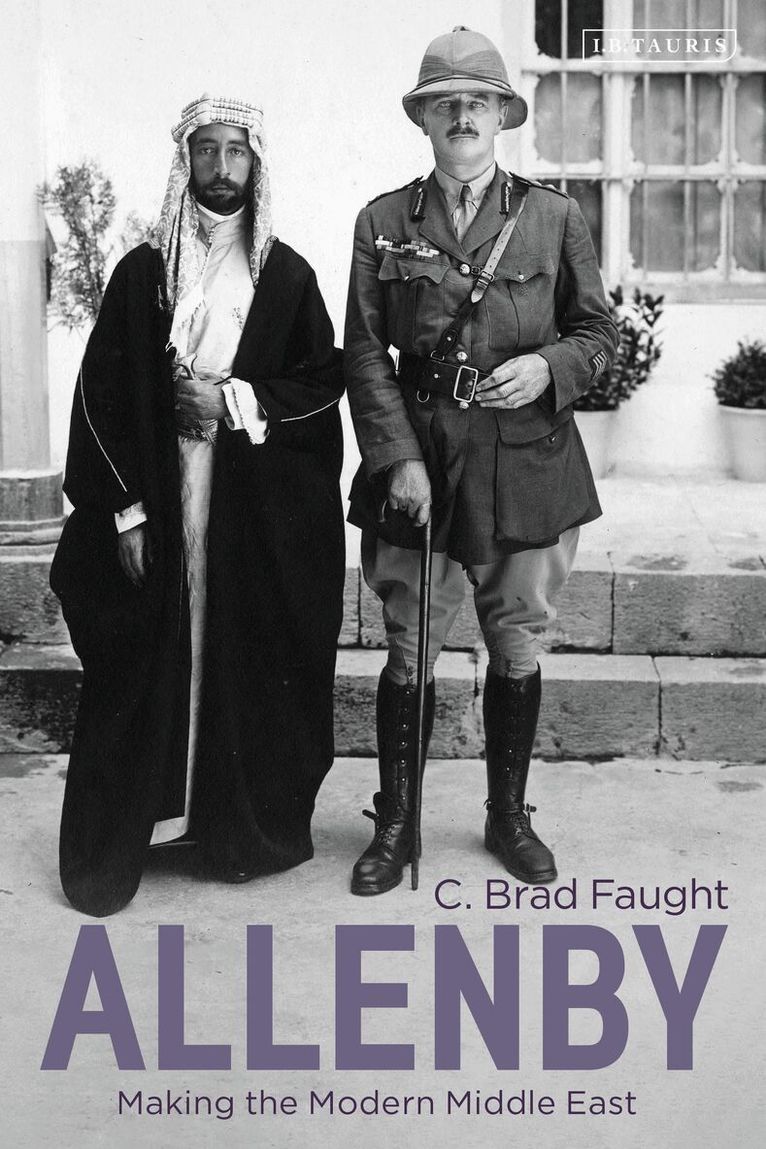
Edmund Allenby, Viscount Allenby of Megiddo and Felixstowe, as he became later, was the principal British military figure in the Middle East from 1917 to 1919. He fulfilled a similar proconsular role in Egypt from the latter year until 1925. In these two roles Allenby's eight years in the Middle East were of great impact, and in probing his life an especially revealing window can be found through which to observe closely and understand more fully the history that has resulted in the terminal roil afflicting the Middle East and international affairs today.In this biography Brad Faught explores the events and actions of Allenby's life, examining his thinking on both the British Empire and the post-World War I international order. Faught brings clarity to Allenby's decisive impact on British imperial policy in the making of the modern Middle East, and thereby on the long arc of the region's continuing and controversial place in world affairs.
E-bok
Engelska, 2020388 kr
Läs direkt efter köp
Edmund Allenby, Viscount Allenby of Megiddo and Felixstowe, as he became later, was the principal British military figure in the Middle East from 1917 to 1919. He fulfilled a similar proconsular role in Egypt from the latter year until 1925. In these two roles Allenby's eight years in the Middle East were of great impact, and in probing his life an especially revealing window can be found through which to observe closely and understand more fully the history that has resulted in the terminal roil afflicting the Middle East and international affairs today.In this biography Brad Faught explores the events and actions of Allenby's life, examining his thinking on both the British Empire and the post-World War I international order. Faught brings clarity to Allenby's decisive impact on British imperial policy in the making of the modern Middle East, and thereby on the long arc of the region's continuing and controversial place in world affairs.
Inbunden, Engelska, 2026
1 189 kr
Skickas inom 10-15 vardagar
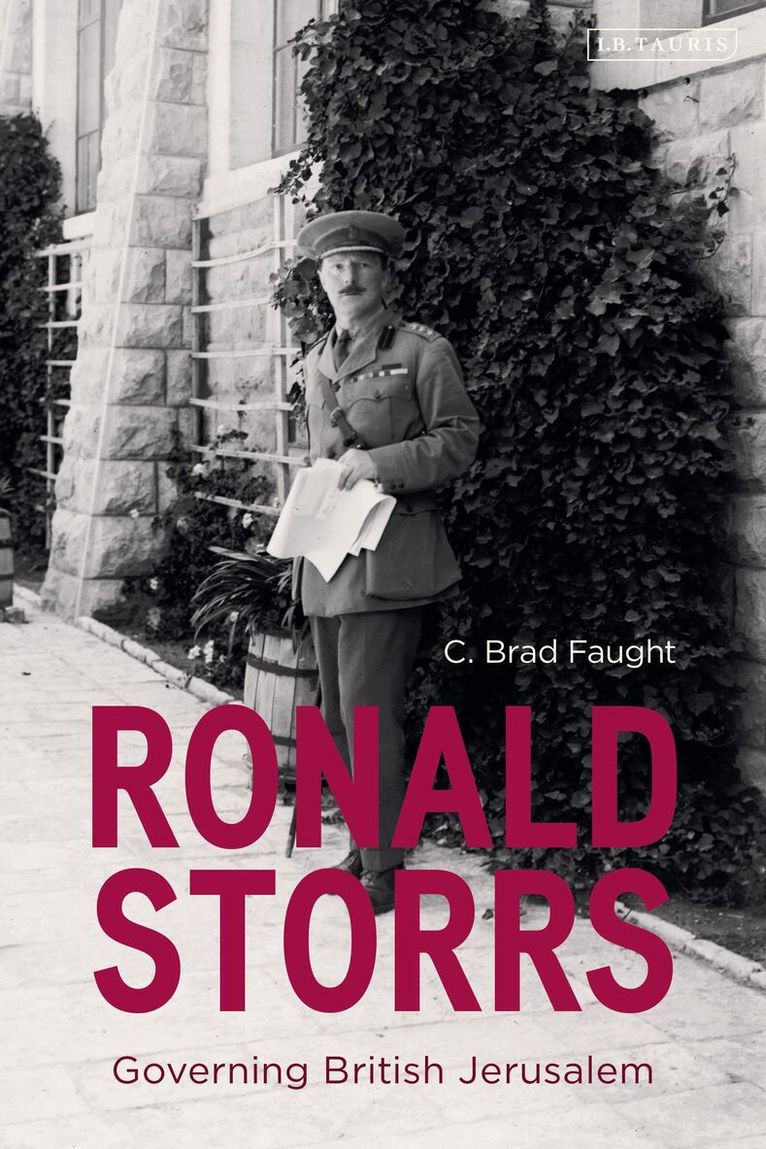
Called by T.E. Lawrence, ‘the most brilliant Englishman in the Middle East’, Ronald Storrs was a prominent British diplomat and governor who played a leading role in the Anglo-Egyptian government and the Arab Bureau in the years immediately before and during the First World War. In 1917, Storrs became Military Governor of Jerusalem under the British Mandate, in his words, the first such governor ‘since Pontius Pilate’.This book tells the story of Storrs’s life in the Middle East by weaving together international affairs, regional geopolitics, statecraft and biography to reassess his influence on British policy during the early years of the twentieth century. During this period, he witnessed the rise of Arab nationalism, the end of the Ottoman Empire and the emergence of Zionism in Palestine. Storrs’s governorship of Jerusalem came at a critical juncture in the city’s post-war history, and C. Brad Faught analyses his attempts to forge a working peace between Arabs and Jews while seeking also to preserve and protect the Holy City’s many sacred spaces. Storrs’s record as a colonial governor is examined, and the sharp divisions within Jerusalem’s body politic – some of which were created or exacerbated by Britain’s own policies – are explored.Included in the book are many of the leading figures in British and Middle East politics of the time, such as Edmund Allenby, Gertrude Bell, Winston Churchill, King Faisal, Sharif Hussein, David Lloyd George, Chaim Weizmann and Lawrence, By probing the life of an important but understudied British diplomat, the book makes an important contribution to deepening our understanding of the complicated history of the modern Middle East.
E-bok
Engelska, 20251 135 kr
Läs direkt efter köp
Called by T.E. Lawrence, 'the most brilliant Englishman in the Middle East', Ronald Storrs was a prominent British diplomat and governor who played a leading role in the Anglo-Egyptian government and the Arab Bureau in the years immediately before and during the First World War. In 1917, Storrs became Military Governor of Jerusalem under the British Mandate, in his words, the first such governor 'since Pontius Pilate'. This book tells the story of Storrs's life in the Middle East by weaving together international affairs, regional geopolitics, statecraft and biography to reassess his influence on British policy during the early years of the twentieth century. During this period, he witnessed the rise of Arab nationalism, the end of the Ottoman Empire and the emergence of Zionism in Palestine. Storrs's governorship of Jerusalem came at a critical juncture in the city's post-war history, and C. Brad Faught analyses his attempts to forge a working peace between Arabs and Jews while seeking also to preserve and protect the Holy City's many sacred spaces. Storrs's record as a colonial governor is examined, and the sharp divisions within Jerusalem's body politic – some of which were created or exacerbated by Britain's own policies – are explored. Included in the book are many of the leading figures in British and Middle East politics of the time, such as Edmund Allenby, Gertrude Bell, Winston Churchill, King Faisal, Sharif Hussein, David Lloyd George, Chaim Weizmann and Lawrence, By probing the life of an important but understudied British diplomat, the book makes an important contribution to deepening our understanding of the complicated history of the modern Middle East.
E-bok
PDF, Engelska, 20251 135 kr
Läs direkt efter köp
Called by T.E. Lawrence, 'the most brilliant Englishman in the Middle East', Ronald Storrs was a prominent British diplomat and governor who played a leading role in the Anglo-Egyptian government and the Arab Bureau in the years immediately before and during the First World War. In 1917, Storrs became Military Governor of Jerusalem under the British Mandate, in his words, the first such governor 'since Pontius Pilate'. This book tells the story of Storrs's life in the Middle East by weaving together international affairs, regional geopolitics, statecraft and biography to reassess his influence on British policy during the early years of the twentieth century. During this period, he witnessed the rise of Arab nationalism, the end of the Ottoman Empire and the emergence of Zionism in Palestine. Storrs's governorship of Jerusalem came at a critical juncture in the city's post-war history, and C. Brad Faught analyses his attempts to forge a working peace between Arabs and Jews while seeking also to preserve and protect the Holy City's many sacred spaces. Storrs's record as a colonial governor is examined, and the sharp divisions within Jerusalem's body politic – some of which were created or exacerbated by Britain's own policies – are explored. Included in the book are many of the leading figures in British and Middle East politics of the time, such as Edmund Allenby, Gertrude Bell, Winston Churchill, King Faisal, Sharif Hussein, David Lloyd George, Chaim Weizmann and Lawrence, By probing the life of an important but understudied British diplomat, the book makes an important contribution to deepening our understanding of the complicated history of the modern Middle East.
E-bok
PDF, Engelska, 2011421 kr
Läs direkt efter köp
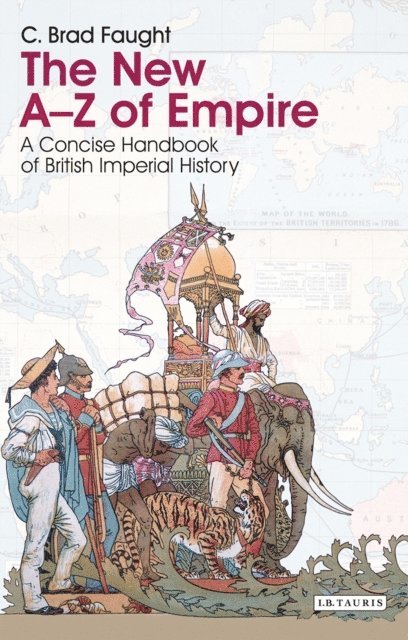
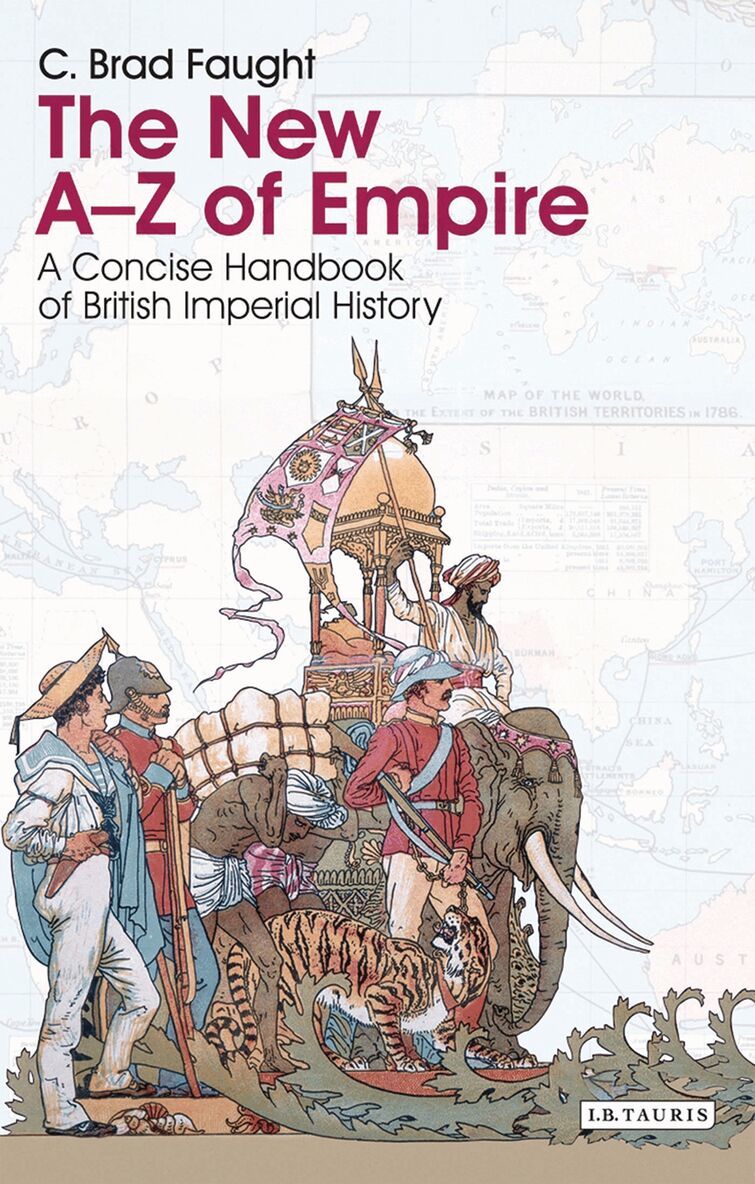
The British Empire, especially in its late-Victorian heyday, spanned the world and linked a quarter of world's population to Britain through a shared, official, allegiance to the Crown. In the long history of empires the British imperial state was among the most powerful ever and a major global player. "A New A-Z of Empire" catches the current burgeoning interest in empires and covers over 400 years of British imperial history from the founding of the East India Company in 1600, to the 'First' and 'Second' British Empires, the time of 'High Empire' following the War of American Independence, the unprecedented expansion of the 'Scramble' for Africa, the development of Dominion Status and the history - often turbulent - of decolonization and the growth of Commonwealth. The 400-plus entries include a rich panoply of individuals, territories, treaties, politics, the law, diplomacy, war and peace, administration, business and commerce, exploration, literature, art, literature and scholarship. Readers will find a mine of fascinating factual information, in concise form, with expert historical assessment, cross-referencing between entries and suggestions for further reading.The valuable time-line is essential to pick through the long period of complex history and links to key web resources are provided. "A New A-Z of Empire" is an indispensable tool for the scholar and student, and for the general reader interested in the rich history of the British Empire: a story of obscure foundation leading to dominance over a huge swathe of the globe, now represented by mere pinpricks on the world map.
E-bok
PDF, Engelska, 2011241 kr
Läs direkt efter köp
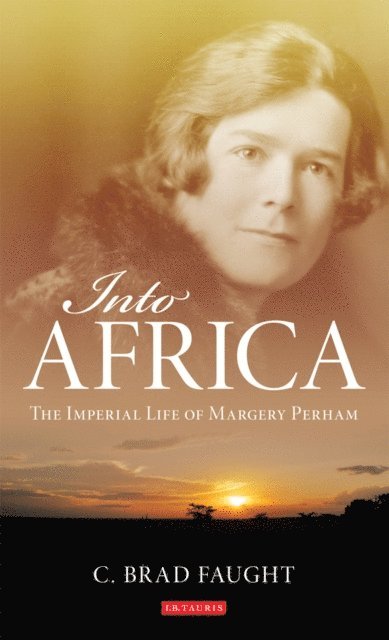
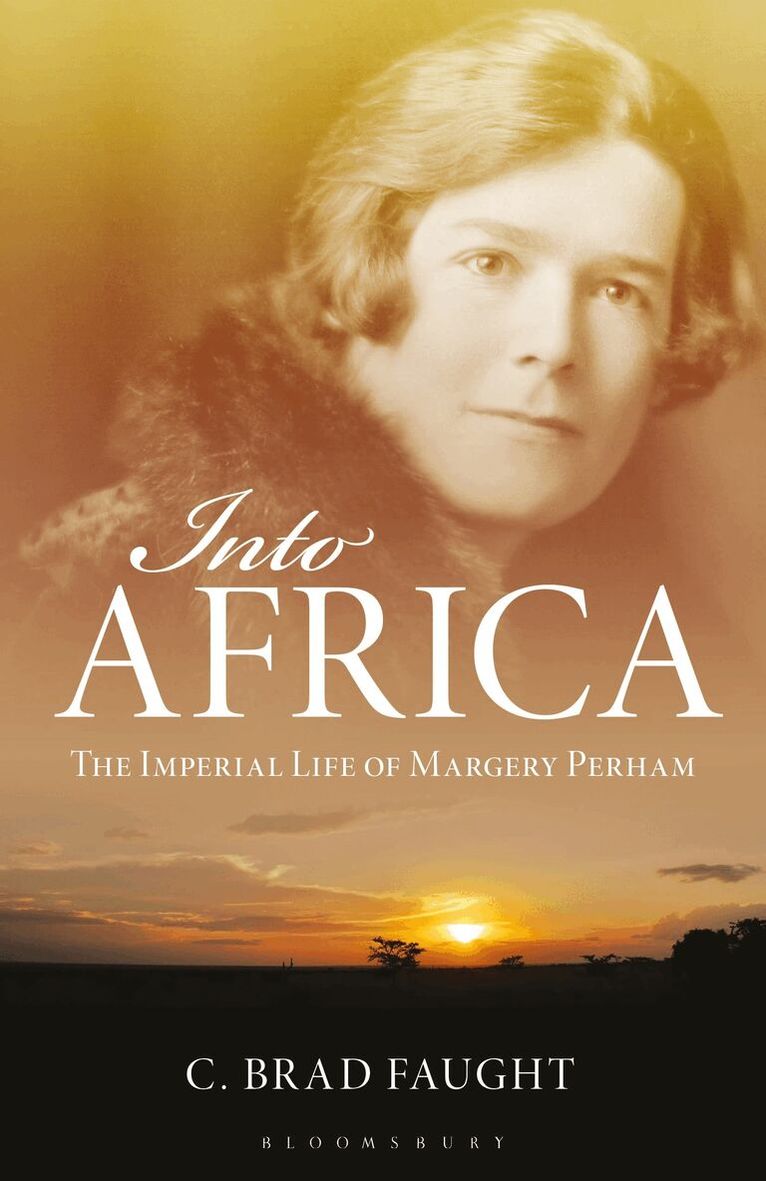
In the long history of the British Empire there are few stories as singular as that of Margery Perham. From the moment she first set foot on African soil in 1921, to her death over sixty years later, Perham was focused on the ways and means of Britain's administration of its African empire. She acquired an unrivalled expertise in all aspects of this branch of empire: its systems of governance and those who administered them; its economic impact; its geo-strategic implications and its effect on Africans, including their sense of nationalism and attitudes towards the end of empire. From the 1930s until the 1960s it is unlikely that anyone in the administrative apparatus of the British Empire, and almost assuredly anyone in the world of academia, had as nuanced an understanding of how Britain's African empire actually worked as did Margery Perham.Her road into Africa led from British Somaliland in 1921, where she went to visit her sister, the wife of a local British district commissioner. From such beginnings was spawned a career at the centre of British governance of empire. In 1928, as a Fellow of St Hugh's College, Oxford, she was awarded a travelling fellowship, which she used to study colonial administration. So long and thorough was her tour that she had to sacrifice her teaching post, but so expert did she become in the subject that, in 1935, Oxford appointed her research lecturer in the field and a few years later she was appointed the first official and only female Fellow of Nuffield College.For the next 30 years, Perham delved deeply into every aspect of British Africa. She was an adviser to the Colonial Office and became director of Oxford's Institute of Commonwealth Studies. She wrote extensively and prolifically and publicly debated the future of Africa in the press. As the era of African independence and decolonization began, she advised newly independent governments about post-colonial governance and corresponded with leading African nationalists. Appointed DCMG in 1965, Dame Margery Perham died in 1982. Her life provides a unique window into the workings of the British Empire in Africa for most of the time it was fully operational. In this new biography, the first of its kind and based primarily on Perham's extensive private papers, C. Brad Faught tells her life story in all its richness while throwing fresh light on Britain's twentieth-century imperial experience.
E-bok
PDF, Engelska, 2016884 kr
Läs direkt efter köp
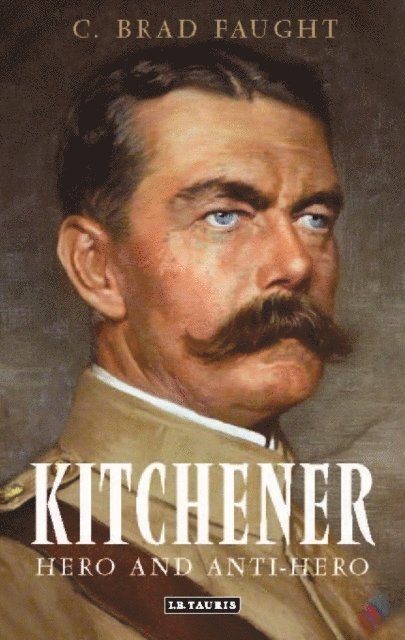
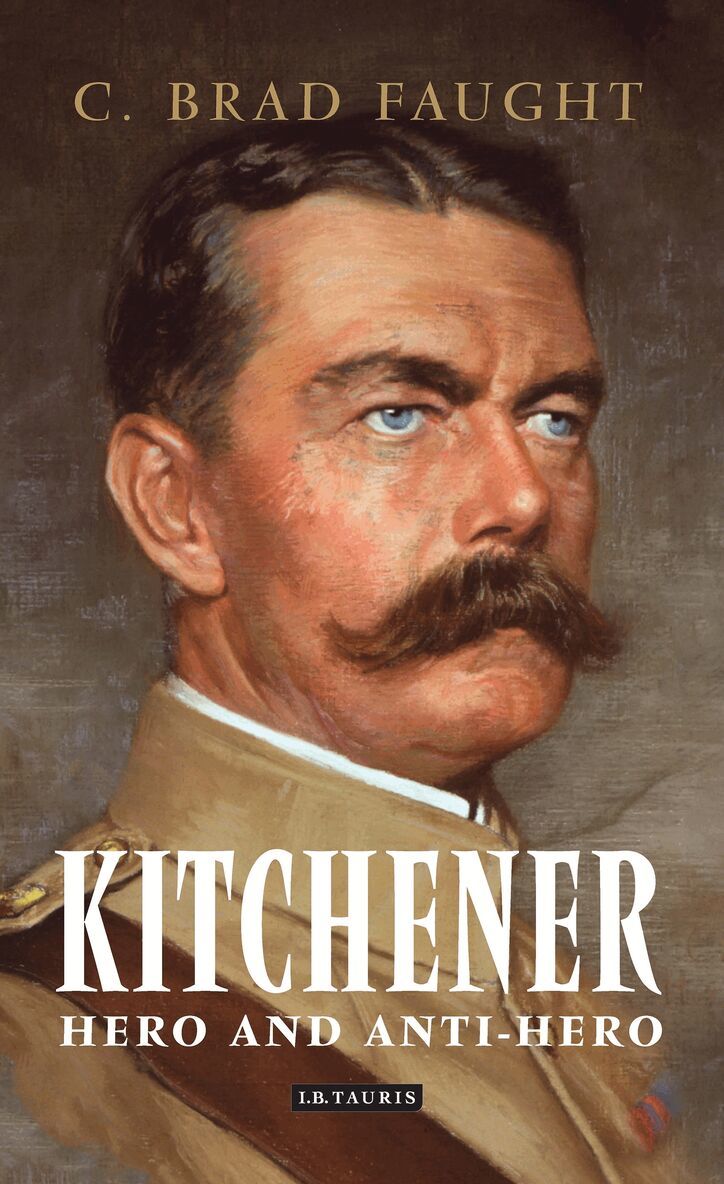
Horatio Herbert Kitchener, Earl Kitchener of Khartoum (1850-1916) is one of the most important figures in the history of the British Empire. Beginning as Royal Engineer in the 1870s he would end his career over forty years later as Secretary of State for War - the iconic figure of World War I recruitment posters. In between he became both the most famous British soldier in the world during the peak period of European imperialism, and a celebrated and sometimes controversial pro-consul and administrator. At his death in 1916 he had literally become the 'face' of the British war effort. This new biography offers a timely and modern evaluation of a still disputed and complex military man of empire.
E-bok
Engelska, 2016857 kr
Läs direkt efter köp
Horatio Herbert Kitchener, Earl Kitchener of Khartoum (1850-1916) is one of the most important figures in the history of the British Empire. Beginning as Royal Engineer in the 1870s he would end his career over forty years later as Secretary of State for War - the iconic figure of World War I recruitment posters. In between he became both the most famous British soldier in the world during the peak period of European imperialism, and a celebrated and sometimes controversial pro-consul and administrator. At his death in 1916 he had literally become the 'face' of the British war effort. This new biography offers a timely and modern evaluation of a still disputed and complex military man of empire.
Häftad, Engelska, 2020
376 kr
Skickas inom 10-15 vardagar
Edmund Allenby, Viscount Allenby of Megiddo and Felixstowe, as he became later, was the principal British military figure in the Middle East from 1917 to 1919. He fulfilled a similar proconsular role in Egypt from the latter year until 1925. In these two roles Allenby’s eight years in the Middle East were of great impact, and in probing his life an especially revealing window can be found through which to observe closely and understand more fully the history that has resulted in the terminal roil afflicting the Middle East and international affairs today.In this biography Brad Faught explores the events and actions of Allenby’s life, examining his thinking on both the British Empire and the post-World War I international order. Faught brings clarity to Allenby’s decisive impact on British imperial policy in the making of the modern Middle East, and thereby on the long arc of the region’s continuing and controversial place in world affairs.
Häftad, Engelska, 2020
229 kr
Skickas inom 10-15 vardagar
In the long history of the British Empire there are few stories as singular as that of Margery Perham. From the moment she first set foot on African soil in 1921, to her death over sixty years later, Perham was focused on the ways and means of Britain's administration of its African domains. She acquired an unrivalled expertise in all aspects of this branch of empire: its systems of governance and those who administered them; its economic impact; its geo-strategic implications and its effect on Africans, including their sense of nationalism and attitudes towards the end of empire. She spent a long and varied career exploring the continent as a traveller, academic, prolific author, and high-level government policy adviser. In later years, Dame Margery Perham, as she became in 1965, was Britain's best-known voice on the end of empire and African independence. In this new biography, the first of its kind and based primarily on Perham's extensive private papers, C. Brad Faught tells her life story in all its richness while throwing fresh light on Britain's twentieth-century imperial experience.
E-bok
Engelska, 2023146 kr
Läs direkt efter köp
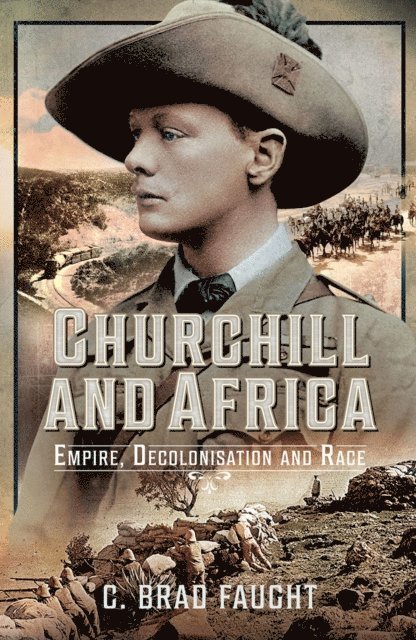
This timely book fills a lacuna in the extensive literature on Churchill''s life and times. It covers his long relationship with Africa during the most important period in Anglo-African history, from nineteenth-century imperial rule to independence and the emergence of modern Africa.Churchill first went to Africa during the British re-conquest of Sudan in 1898 and would spend almost the next sixty years dealing with Africa as soldier, journalist, government minister, and finally prime minister. Churchill''s story is one of transition from the height of late-Victorian British imperialism to the acceptance of African nationalism in the middle years of the twentieth century. He helped to shape British colonial policy in Africa from the first decade of the twentieth century through the Second World War and colonial Kenya''s Mau Mau crisis of the 1950s. Few British leaders were as closely involved with Africa as was Churchill.
Häftad, Engelska, 2008
170 kr
Skickas inom 10-15 vardagar
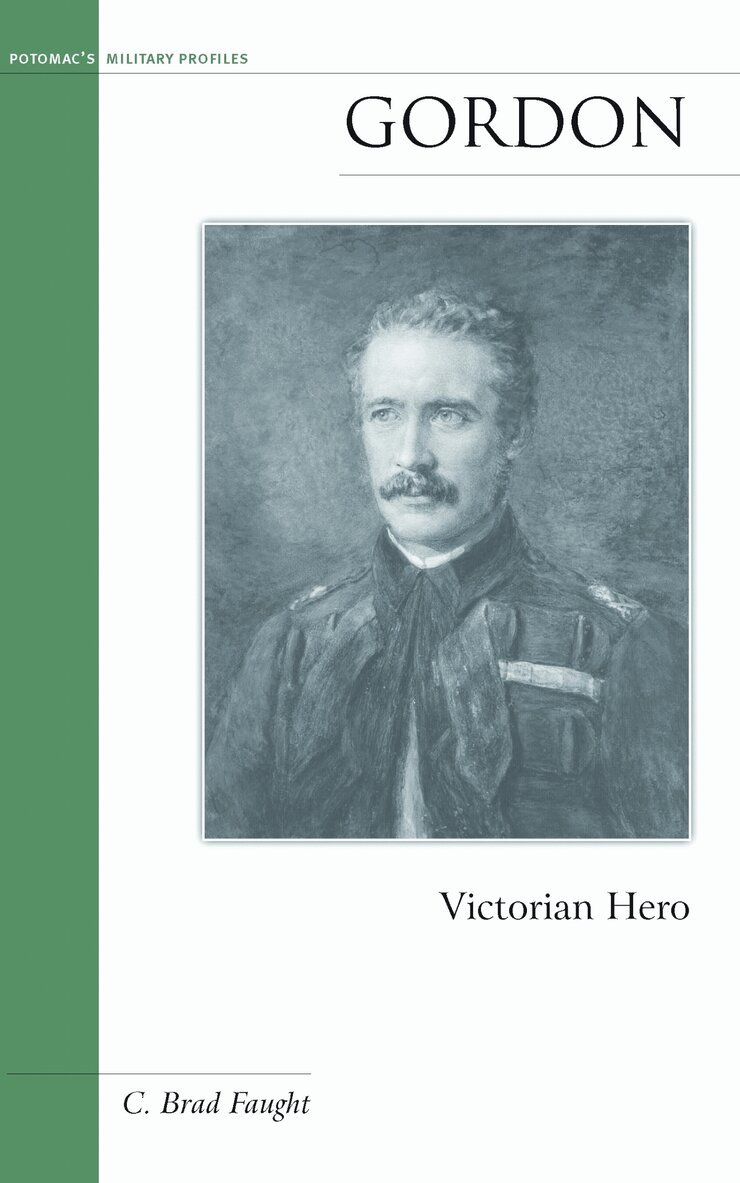
Charles George Gordon was the preeminent military hero of the late-Victorian British Empire. A lifetime officer in the Royal Engineers, he served in several theaters of war and imperial contest, most notably China and the Sudan. His last assignment took him back to the dusty Sudanese capital, Khartoum, where he supervised the overmatched Anglo-Egyptian garrison's evacuation in the face of imminent attack by Islamic extremists. He was killed there in January 1885, just two days before a British relief expedition arrived.In this new biography of General Gordon, C. Brad Faught looks afresh at the life of one of the most famous Victorian military men. Although a later age would come to reject Gordon's record and the values by which he lived, he has remained an enduring figure in the British Empire's late-nineteenth-century heyday and an important means by which to examine its contemporary issues: abolitionism, territorial conquest, and the rule of dependent peoples. Faught traces Gordon's life from his childhood in England and Corfu to his youth and training as an engineer at the Royal Military Academy in Woolwich and his subsequent military and proconsular service in the Crimea, eastern Europe, China, India, Mauritius, South Africa, and the Sudan. Throughout his varied career Gordon was guided by his staunch, conventional Christian faith—despite his critics' best efforts to suggest otherwise—and remained devoted to the best features of imperial rule. Whether as a key opponent of the Arab slave trade or a leader of troops in battle, Gordon was usually successful in his undertakings but always controversial. This biography gives an up-to-date rendering of an important British imperial figure whose demise at the hands of a Muslim extremist is both resonant and potentially instructive for the era in which we live today.
E-bok
Engelska, 2011150 kr
Läs direkt efter köp
Charles George Gordon was the preeminent military hero of the late-Victorian British Empire. A lifetime officer in the Royal Engineers, he served in several theaters of war and imperial contest, most notably China and the Sudan. His last assignment took him back to the dusty Sudanese capital, Khartoum, where he supervised the overmatched Anglo-Egyptian garrison's evacuation in the face of imminent attack by Islamic extremists. He was killed there in January 1885, just two days before a British relief expedition arrived.In this new biography of General Gordon, C. Brad Faught looks afresh at the life of one of the most famous Victorian military men. Although a later age would come to reject Gordon's record and the values by which he lived, he has remained an enduring figure in the British Empire's late-nineteenth-century heyday and an important means by which to examine its contemporary issues: abolitionism, territorial conquest, and the rule of dependent peoples. Faught traces Gordon's life from his childhood in England and Corfu to his youth and training as an engineer at the Royal Military Academy in Woolwich and his subsequent military and proconsular service in the Crimea, eastern Europe, China, India, Mauritius, South Africa, and the Sudan. Throughout his varied career Gordon was guided by his staunch, conventional Christian faith—despite his critics' best efforts to suggest otherwise—and remained devoted to the best features of imperial rule. Whether as a key opponent of the Arab slave trade or a leader of troops in battle, Gordon was usually successful in his undertakings but always controversial. This biography gives an up-to-date rendering of an important British imperial figure whose demise at the hands of a Muslim extremist is both resonant and potentially instructive for the era in which we live today.
E-bok
Engelska, 2013258 kr
Läs direkt efter köp
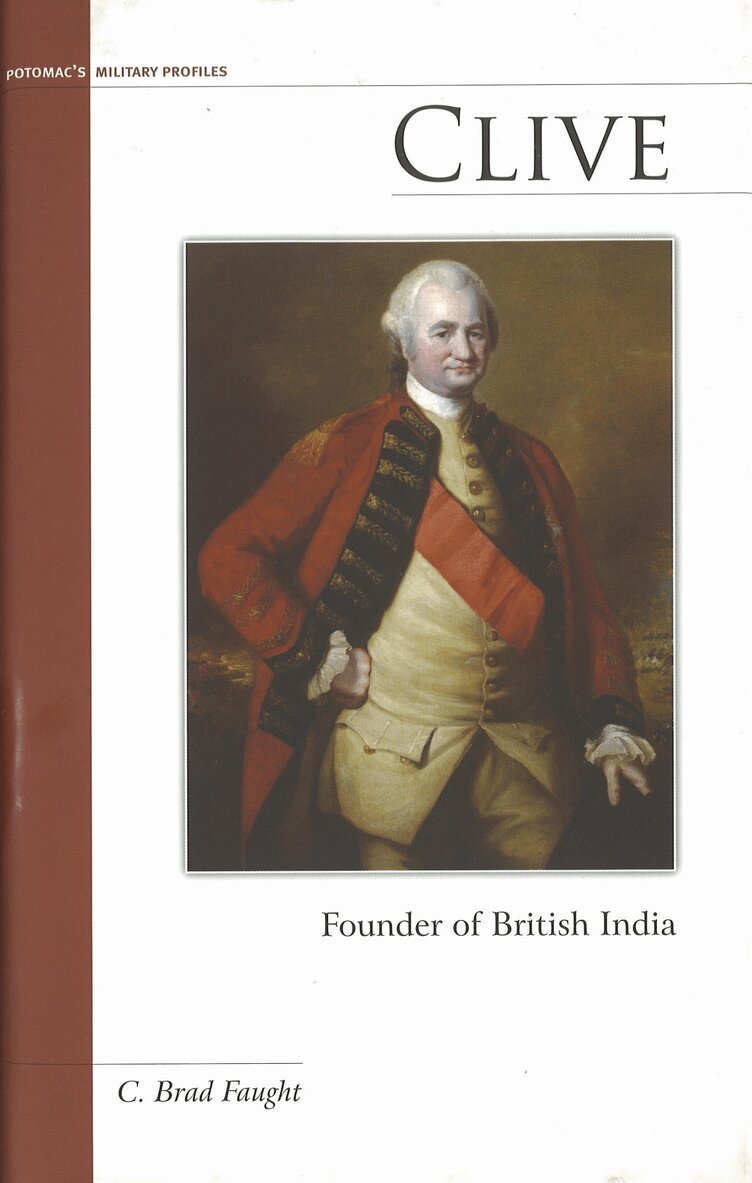
Robert Clive (1725–1774), later 1st Baron Clive, is widely considered the founder of British India. He arrived in Madras as a clerk for the East India Company in 1744. Through timely promotion and a clear affinity for military leadership, he proceeded to consolidate the company’s commercial and territorial position in South India before doing the same in the northeast in Bengal. In 1757 company troops under his command defeated the nawab of Bengal at the Battle of Plassey. This victory set in motion the East India Company’s ascendancy over much of India, paving the way for the 1857 creation of the British Raj, which would last for another ninety years.Clive is a fascinating and important historical figure: a lowly company employee who rose to great heights; an informally trained military commander who led company and local Indian troops to a series of stirring victories over local rivals who were supported by the French; a grasping politician who used his great wealth to secure a prominent social position; and, finally, a hounded society notable who, plagued by illness, allegedly took his own life.No one in the early days of the British ventures in India was as well known or as controversial as Clive became. In our own day, when empire and globalism are witnessed and talked about with ease, Clive’s position as both a servant of the East India Company-which developed into the world’s largest transnational trading company at the time-and an agent of imperialism makes him a surprisingly resonant figure.
Inbunden, Engelska, 2016
820 kr
Skickas inom 10-15 vardagar
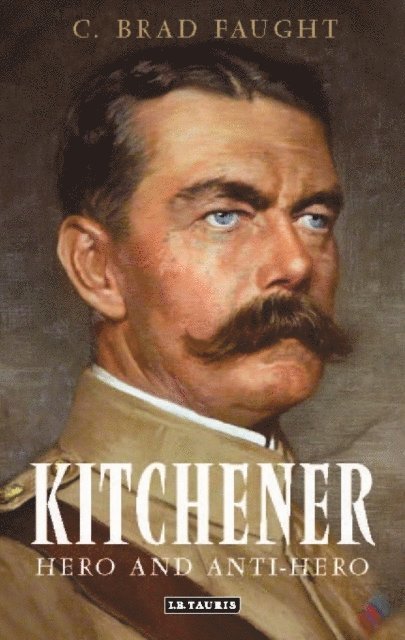
Horatio Herbert Kitchener, Earl Kitchener of Khartoum (1850-1916) is one of the most important figures in the history of the British Empire. Beginning as Royal Engineer in the 1870s he would end his career over forty years later as Secretary of State for War - the iconic figure of World War I recruitment posters. In between he became both the most famous British soldier in the world during the peak period of European imperialism, and a celebrated and sometimes controversial pro-consul and administrator. At his death in 1916 he had literally become the 'face' of the British war effort. This new biography offers a timely and modern evaluation of a still disputed and complex military man of empire.
Inbunden, Engelska, 2020
1 262 kr
Skickas inom 10-15 vardagar
Inbunden, Engelska, 2011
2 013 kr
Skickas inom 10-15 vardagar
The British Empire, especially in its late-Victorian heyday, spanned the world and linked a quarter of world's population to Britain through a shared, official, allegiance to the Crown. In the long history of empires the British imperial state was among the most powerful ever and a major global player. "A New A-Z of Empire" catches the current burgeoning interest in empires and covers over 400 years of British imperial history from the founding of the East India Company in 1600, to the 'First' and 'Second' British Empires, the time of 'High Empire' following the War of American Independence, the unprecedented expansion of the 'Scramble' for Africa, the development of Dominion Status and the history - often turbulent - of decolonization and the growth of Commonwealth. The 400-plus entries include a rich panoply of individuals, territories, treaties, politics, the law, diplomacy, war and peace, administration, business and commerce, exploration, literature, art, literature and scholarship. Readers will find a mine of fascinating factual information, in concise form, with expert historical assessment, cross-referencing between entries and suggestions for further reading.The valuable time-line is essential to pick through the long period of complex history and links to key web resources are provided. "A New A-Z of Empire" is an indispensable tool for the scholar and student, and for the general reader interested in the rich history of the British Empire: a story of obscure foundation leading to dominance over a huge swathe of the globe, now represented by mere pinpricks on the world map.
Häftad, Engelska, 2011
394 kr
Skickas inom 10-15 vardagar
The British Empire, especially in its late-Victorian heyday, spanned the world and linked a quarter of world's population to Britain through a shared, official, allegiance to the Crown. In the long history of empires the British imperial state was among the most powerful ever and a major global player. "A New A-Z of Empire" catches the current burgeoning interest in empires and covers over 400 years of British imperial history from the founding of the East India Company in 1600, to the 'First' and 'Second' British Empires, the time of 'High Empire' following the War of American Independence, the unprecedented expansion of the 'Scramble' for Africa, the development of Dominion Status and the history - often turbulent - of decolonization and the growth of Commonwealth. The 400-plus entries include a rich panoply of individuals, territories, treaties, politics, the law, diplomacy, war and peace, administration, business and commerce, exploration, literature, art, literature and scholarship. Readers will find a mine of fascinating factual information, in concise form, with expert historical assessment, cross-referencing between entries and suggestions for further reading.The valuable time-line is essential to pick through the long period of complex history and links to key web resources are provided. "A New A-Z of Empire" is an indispensable tool for the scholar and student, and for the general reader interested in the rich history of the British Empire: a story of obscure foundation leading to dominance over a huge swathe of the globe, now represented by mere pinpricks on the world map.