Modern Musicology and the College Classroom – Serie
Visar alla böcker i serien Modern Musicology and the College Classroom. Handla med fri frakt och snabb leverans.
17 produkter
17 produkter
2 176 kr
Skickas inom 10-15 vardagar
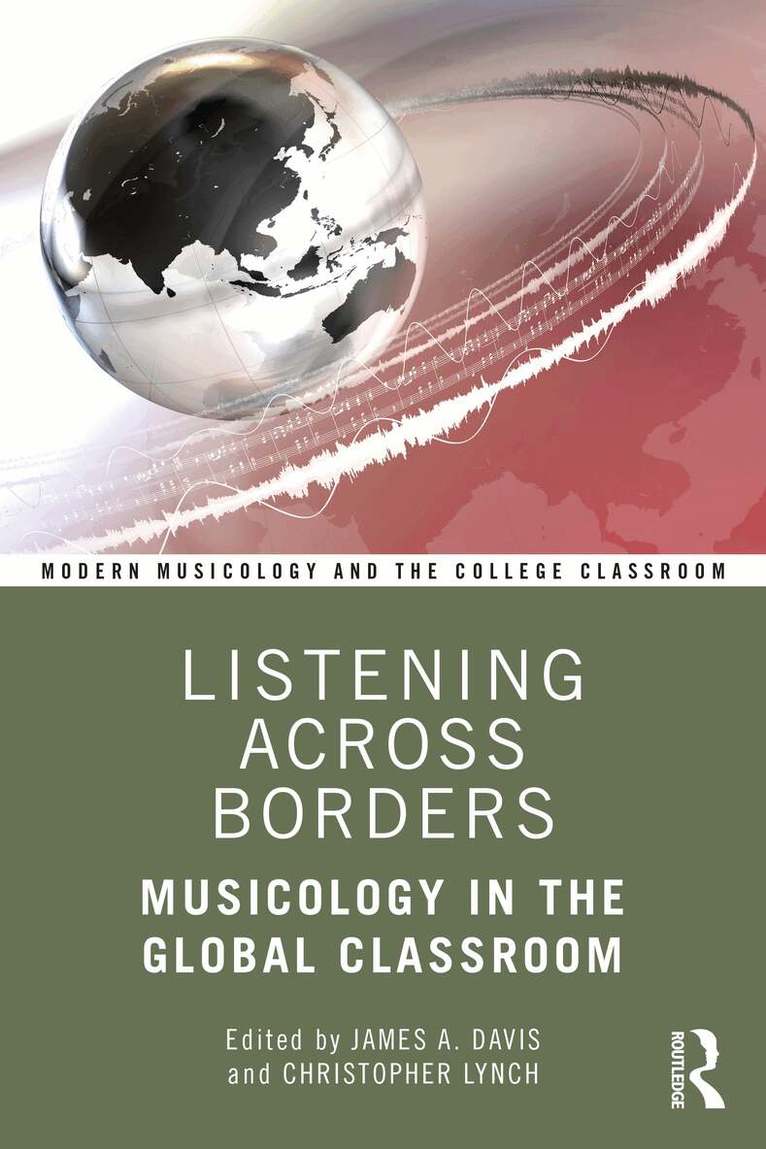
Listening Across Borders: Musicology in the Global Classroom provides readers with the tools and techniques for integrating a global approach to music history—within the framework of the roots, challenges, and benefits of internationalization—into the modern music curriculum. Contributors from around the world offer strategies for empowering students to critique the economic, ideological, and political structures that propagate global challenges. Applicable in a variety of classroom settings, the internationalized teaching methods collected here suggest fruitful ways forward in a global age, in three parts:Creating Global CitizensTeaching with Case Studies of Intercultural EncountersChallenges and OpportunitiesIn reevaluating the role of higher education in a cosmopolitan world, modern educators have come to question the limits of geographically defined canons, traditional curricular content, and other longstanding teaching approaches. Listening Across Borders places the music history classroom at the center of the conversation about internationalization in higher education, embracing pedagogies that develop the skillsets to become global citizens in a world where international cooperation is increasingly essential.
581 kr
Skickas inom 10-15 vardagar
Listening Across Borders: Musicology in the Global Classroom provides readers with the tools and techniques for integrating a global approach to music history—within the framework of the roots, challenges, and benefits of internationalization—into the modern music curriculum. Contributors from around the world offer strategies for empowering students to critique the economic, ideological, and political structures that propagate global challenges. Applicable in a variety of classroom settings, the internationalized teaching methods collected here suggest fruitful ways forward in a global age, in three parts:Creating Global CitizensTeaching with Case Studies of Intercultural EncountersChallenges and OpportunitiesIn reevaluating the role of higher education in a cosmopolitan world, modern educators have come to question the limits of geographically defined canons, traditional curricular content, and other longstanding teaching approaches. Listening Across Borders places the music history classroom at the center of the conversation about internationalization in higher education, embracing pedagogies that develop the skillsets to become global citizens in a world where international cooperation is increasingly essential.
581 kr
Skickas inom 10-15 vardagar
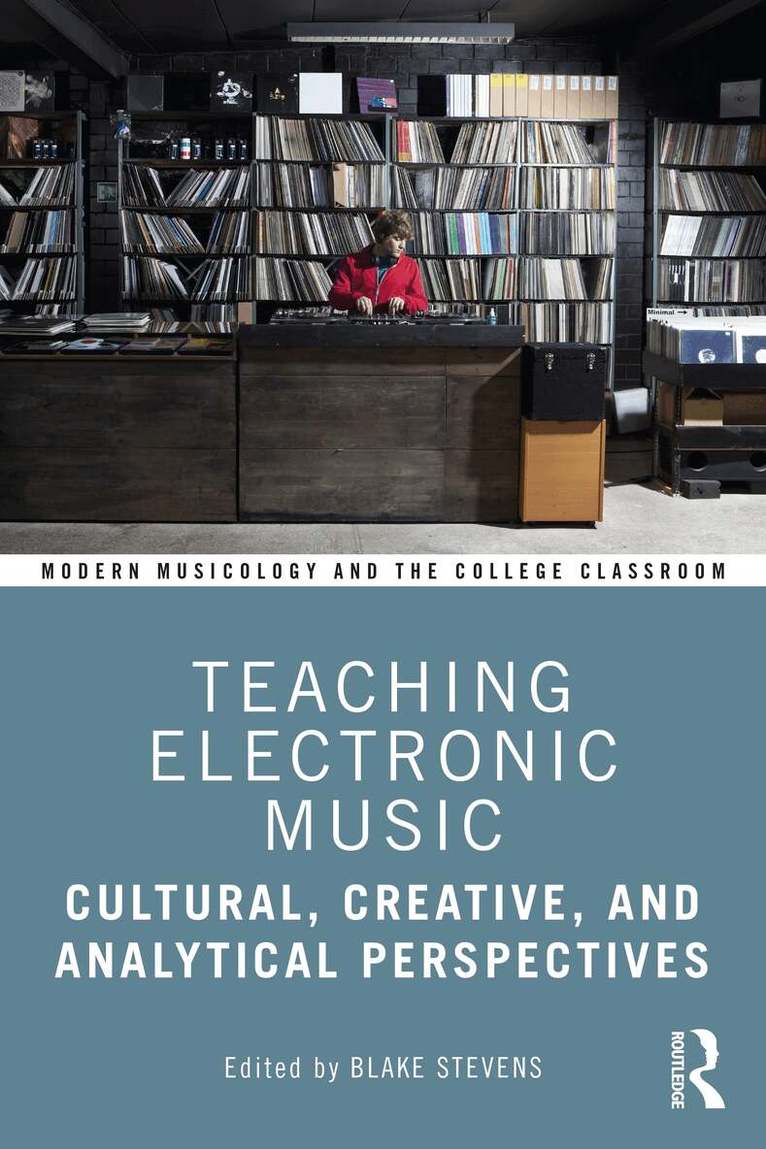
Teaching Electronic Music: Cultural, Creative, and Analytical Perspectives offers innovative and practical techniques for teaching electronic music in a wide range of classroom settings. Across a dozen essays, an array of contributors—including practitioners in musicology, art history, ethnomusicology, music theory, performance, and composition—reflect on the challenges of teaching electronic music, highlighting pedagogical strategies while addressing questions such as:What can instructors do to expand and diversify musical knowledge? Can the study of electronic music foster critical reflection on technology?What are the implications of a digital culture that allows so many to be producers of music?How can instructors engage students in creative experimentation with sound?Electronic music presents unique possibilities and challenges to instructors of music history courses, calling for careful attention to creative curricula, historiographies, repertoires, and practices. Teaching Electronic Music features practical models of instruction as well as paths for further inquiry, identifying untapped methodological directions with broad interest and wide applicability.
2 176 kr
Skickas inom 10-15 vardagar
Teaching Electronic Music: Cultural, Creative, and Analytical Perspectives offers innovative and practical techniques for teaching electronic music in a wide range of classroom settings. Across a dozen essays, an array of contributors—including practitioners in musicology, art history, ethnomusicology, music theory, performance, and composition—reflect on the challenges of teaching electronic music, highlighting pedagogical strategies while addressing questions such as:What can instructors do to expand and diversify musical knowledge? Can the study of electronic music foster critical reflection on technology?What are the implications of a digital culture that allows so many to be producers of music?How can instructors engage students in creative experimentation with sound?Electronic music presents unique possibilities and challenges to instructors of music history courses, calling for careful attention to creative curricula, historiographies, repertoires, and practices. Teaching Electronic Music features practical models of instruction as well as paths for further inquiry, identifying untapped methodological directions with broad interest and wide applicability.
777 kr
Skickas inom 10-15 vardagar
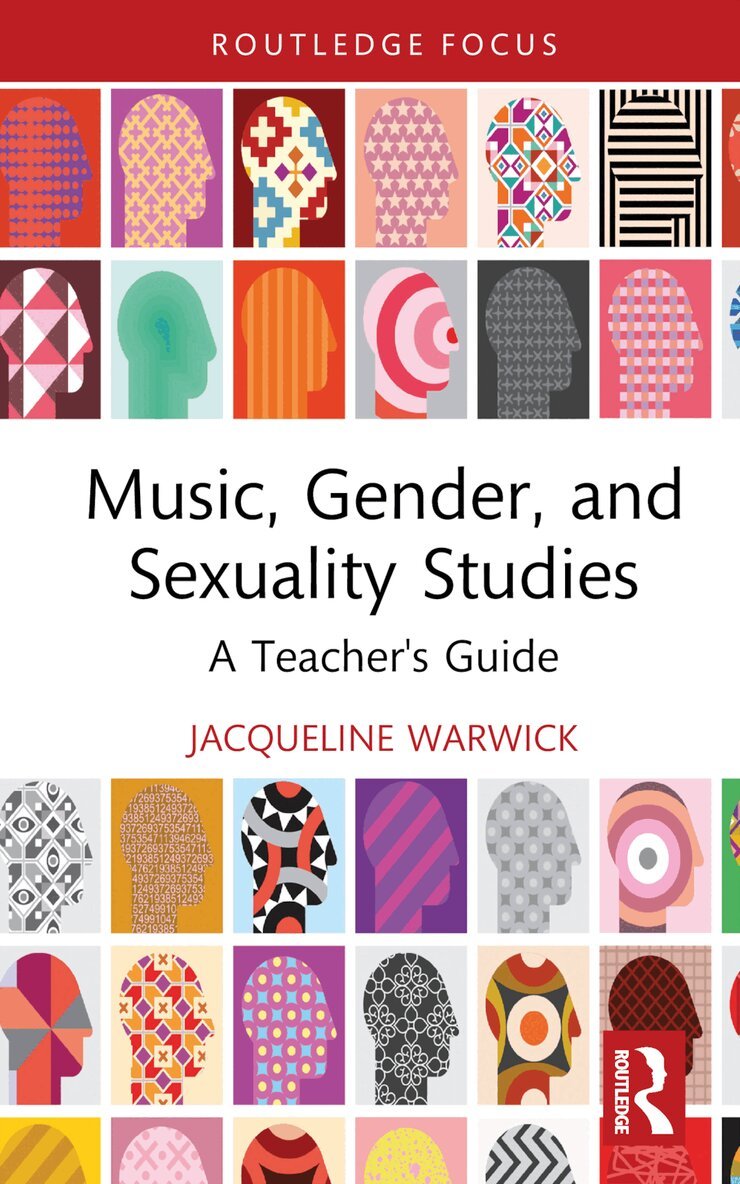
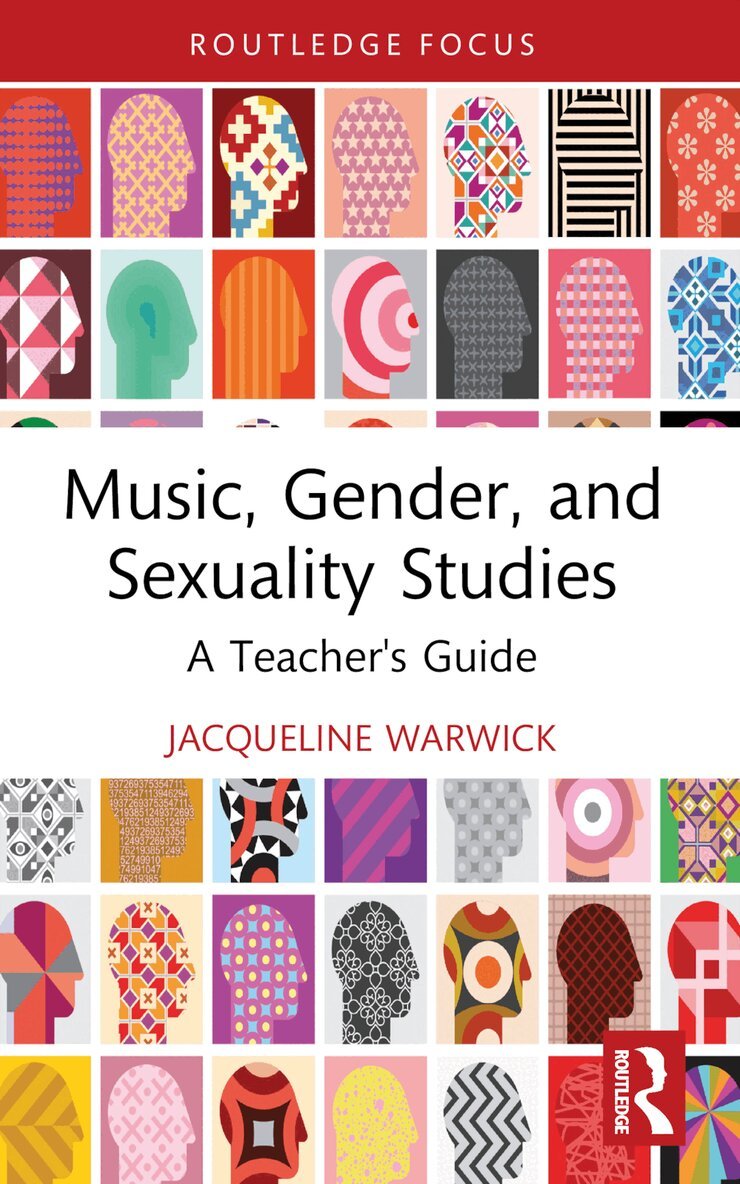
Music, Gender, and Sexuality Studies: A Teacher’s Guide serves as a guide to the professor tasked with teaching music to undergraduates, with a focus on gender. Although the notion of feminist approaches in musicology was once greeted with scorn, the last 40 years have seen a seismic shift across music studies, to the point that classes on women and music are now commonplace in most undergraduate music program. The goal of this book is to give the instructor some tools and strategies that will build confidence in approaching music as it relates to gender and sexuality, and to offer some advice on how to make the class rewarding for all.The book is organized into four broad sections, plus an introduction outlining how to use the book and how the teaching of music, gender, and sexuality can be rewarding. Each section – Composition, Support, Performance, and Audience – includes possible themes for study and examples of music that can illuminate those themes, allowing the instructor to shape the course according to their own preference for classical, jazz, or popular styles. The author offers a practical guide to building syllabi that can fit the instructor’s interests and the priorities of the institution, crafting assignments that will engage and inspire students, choosing repertoire from a range of styles and genres, and maintaining a focus on how music shapes gender, and how gender shapes music.
777 kr
Skickas inom 10-15 vardagar
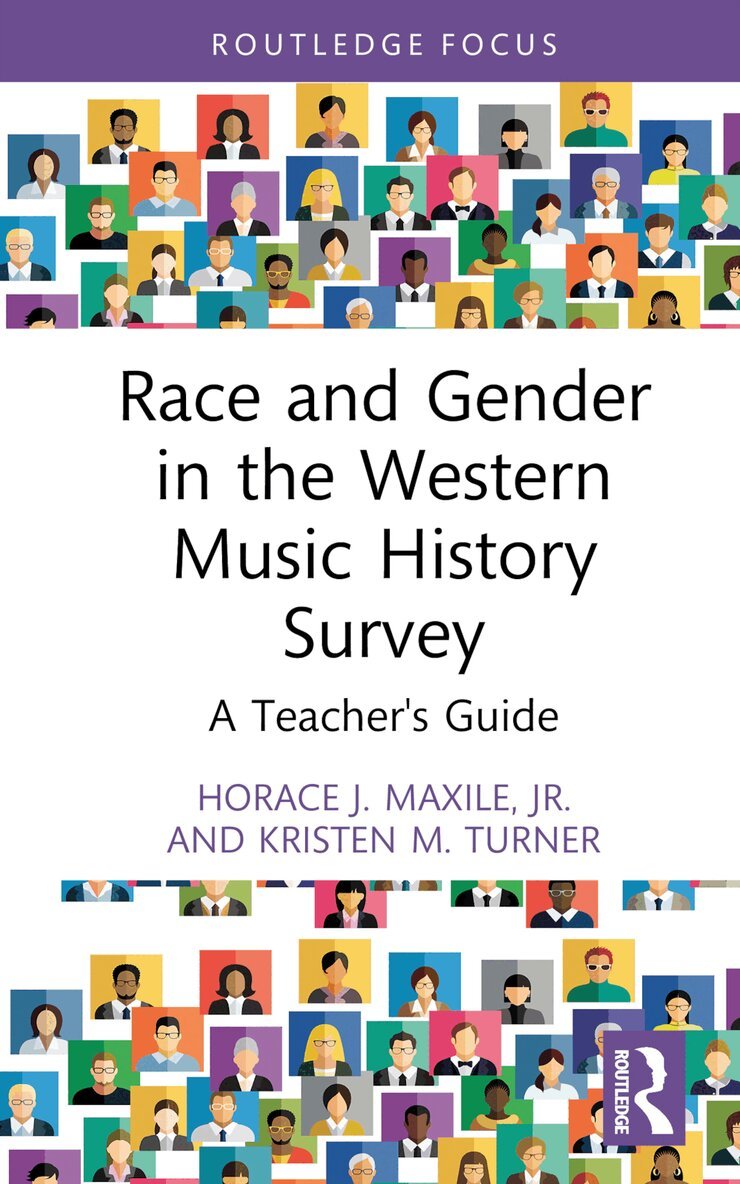
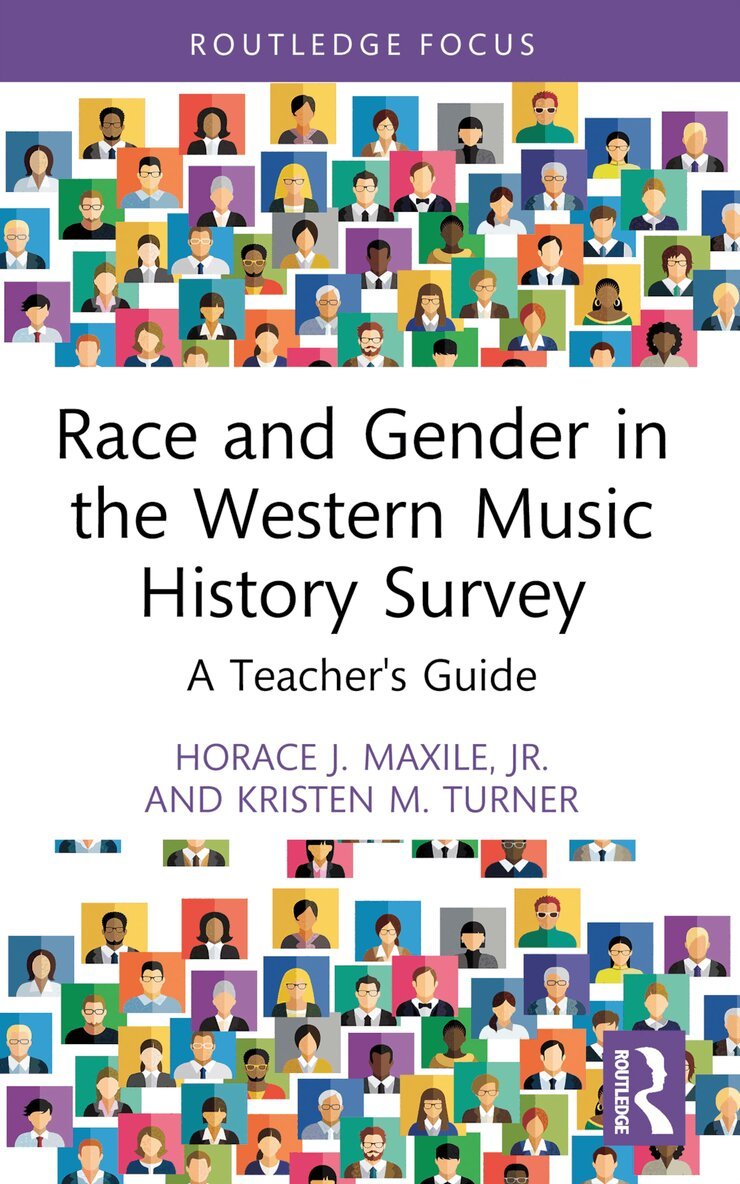
Race and Gender in the Western Music History Survey: A Teacher’s Guide provides concrete information and approaches that will help instructors include women and people of color in the typical music history survey course and the foundational music theory classes. This book provides a reconceptualization of the principles that shape the decisions instructors should make when crafting the syllabus. It offers new perspectives on canonical composers and pieces that take into account musical, cultural, and social contexts where women and people of color are present. Secondly, it suggests new topics of study and pieces by composers whose work fits into a more inclusive narrative of music history. A thematic approach parallels the traditional chronological sequencing in Western music history classes. Three themes include people and communities that suffer from various kinds of exclusion: Locales & Locations; Forms & Factions; Responses & Reception. Each theme is designed to uncover a different cultural facet that is often minimized in traditional music history classrooms but which, if explored, lead to topics in which other perspectives and people can be included organically in the curriculum, while not excluding canonical composers.
721 kr
Skickas inom 10-15 vardagar
Teaching Music History with Cases introduces a pedagogical approach to music history instruction in university coursework.What constitutes a music-historical "case?" How do we use them in the classroom? In business and the hard sciences, cases are problems that need solutions. In a field like music history, a case is not always a problem, but often an exploration of a context or concept that inspires deep inquiry. Such cases are narratives of rich, complex moments in music history that inspire questions of similar or related moments. This book guides instructors through the process of designing a curriculum based on case studies, finding and writing case studies, and guiding class discussions of cases.
301 kr
Skickas inom 10-15 vardagar
Teaching Music History with Cases introduces a pedagogical approach to music history instruction in university coursework.What constitutes a music-historical "case?" How do we use them in the classroom? In business and the hard sciences, cases are problems that need solutions. In a field like music history, a case is not always a problem, but often an exploration of a context or concept that inspires deep inquiry. Such cases are narratives of rich, complex moments in music history that inspire questions of similar or related moments. This book guides instructors through the process of designing a curriculum based on case studies, finding and writing case studies, and guiding class discussions of cases.
777 kr
Skickas inom 10-15 vardagar
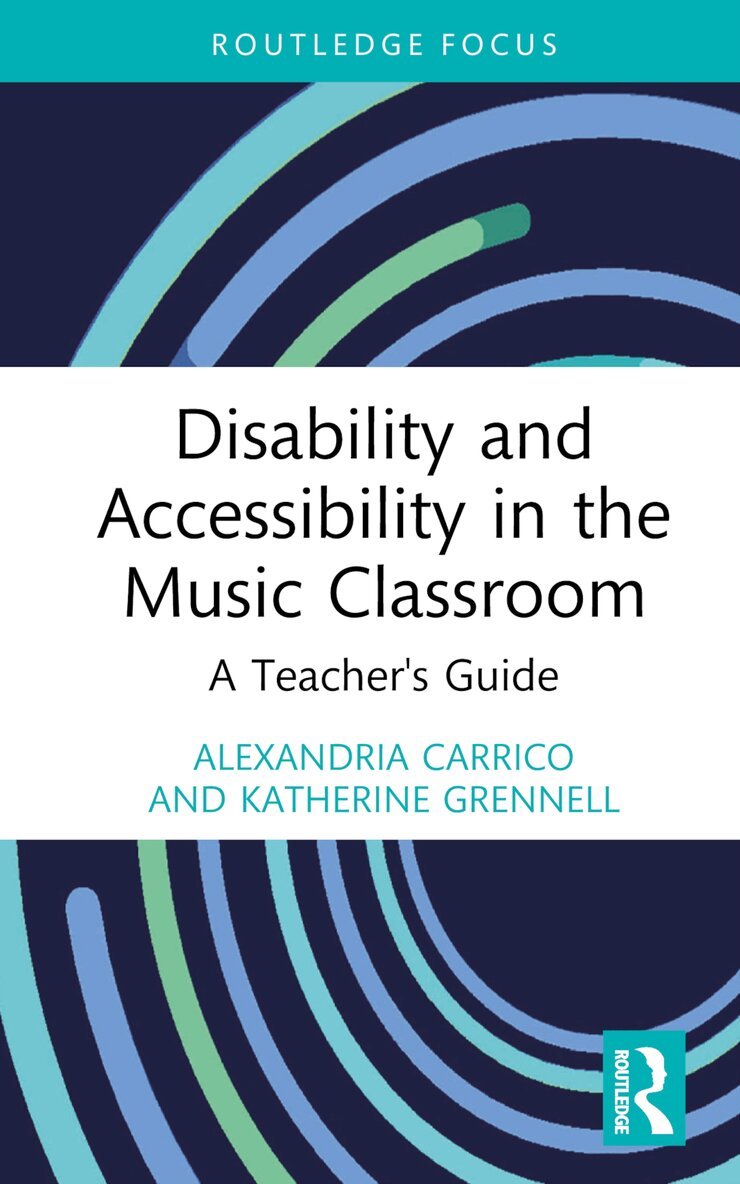
Disability and Accessibility in the Music Classroom provides college music history instructors with a concise guide on how to create an accessible and inclusive classroom environment. In addition to providing a concise overview of disability studies, highlighting definitions, theories, and national and international policies related to disability, this book offers practical applications for implementing accessibility measures in the music history classroom. The latter half of this text provides case studies of well-known disabled composers and musicians from the Western Art Music canon from the Middle Ages to the Twentieth Century as well as popular music genres, such as the blues, jazz, R&B, pop, country, and hip hop. These examples provide opportunities to integrate discussions of disability into a standard music history curriculum.
301 kr
Skickas inom 10-15 vardagar
Disability and Accessibility in the Music Classroom provides college music history instructors with a concise guide on how to create an accessible and inclusive classroom environment. In addition to providing a concise overview of disability studies, highlighting definitions, theories, and national and international policies related to disability, this book offers practical applications for implementing accessibility measures in the music history classroom. The latter half of this text provides case studies of well-known disabled composers and musicians from the Western Art Music canon from the Middle Ages to the Twentieth Century as well as popular music genres, such as the blues, jazz, R&B, pop, country, and hip hop. These examples provide opportunities to integrate discussions of disability into a standard music history curriculum.
301 kr
Skickas inom 10-15 vardagar
Race and Gender in the Western Music History Survey: A Teacher’s Guide provides concrete information and approaches that will help instructors include women and people of color in the typical music history survey course and the foundational music theory classes. This book provides a reconceptualization of the principles that shape the decisions instructors should make when crafting the syllabus. It offers new perspectives on canonical composers and pieces that take into account musical, cultural, and social contexts where women and people of color are present. Secondly, it suggests new topics of study and pieces by composers whose work fits into a more inclusive narrative of music history. A thematic approach parallels the traditional chronological sequencing in Western music history classes. Three themes include people and communities that suffer from various kinds of exclusion: Locales & Locations; Forms & Factions; Responses & Reception. Each theme is designed to uncover a different cultural facet that is often minimized in traditional music history classrooms but which, if explored, lead to topics in which other perspectives and people can be included organically in the curriculum, while not excluding canonical composers.
301 kr
Skickas inom 10-15 vardagar
Music, Gender, and Sexuality Studies: A Teacher’s Guide serves as a guide to the professor tasked with teaching music to undergraduates, with a focus on gender. Although the notion of feminist approaches in musicology was once greeted with scorn, the last 40 years have seen a seismic shift across music studies, to the point that classes on women and music are now commonplace in most undergraduate music program. The goal of this book is to give the instructor some tools and strategies that will build confidence in approaching music as it relates to gender and sexuality, and to offer some advice on how to make the class rewarding for all.The book is organized into four broad sections, plus an introduction outlining how to use the book and how the teaching of music, gender, and sexuality can be rewarding. Each section – Composition, Support, Performance, and Audience – includes possible themes for study and examples of music that can illuminate those themes, allowing the instructor to shape the course according to their own preference for classical, jazz, or popular styles. The author offers a practical guide to building syllabi that can fit the instructor’s interests and the priorities of the institution, crafting assignments that will engage and inspire students, choosing repertoire from a range of styles and genres, and maintaining a focus on how music shapes gender, and how gender shapes music.
Navigating Stylistic Boundaries in the Music History Classroom
Crossover, Exchange, Appropriation
Inbunden, Engelska, 2024
2 176 kr
Skickas inom 10-15 vardagar
At a time of transformation in the music history classroom and amid increasing calls to teach a global music history, Navigating Stylistic Boundaries in the Music History Classroom adds nuance to the teaching of varied musical traditions by examining the places where they intersect and the issues of musical exchange and appropriation that these intersections raise. Troubling traditional boundaries of genre and style, this collection of essays helps instructors to denaturalize the framework of Western art music and invite students to engage with other traditions—vernacular, popular, and non-Western—on their own terms.The book draws together contributions by a wide range of active scholars and educators to investigate the teaching of music history around cases of stylistic borders, exploring the places where different practices of music and values intersect. Each chapter in this collection considers a specific case in which an artist or community engages in what might be termed musical crossover, exchange, or appropriation and delves deeper into these concepts to explore questions of how musical meaning changes in moving across worlds of practice. Addressing works that are already widely taught but presenting new ways to understand and interpret them, this volume enables instructors to enrich the perspectives on music history that they present and to take on the challenge of teaching a more global music history without flattening the differences between traditions.
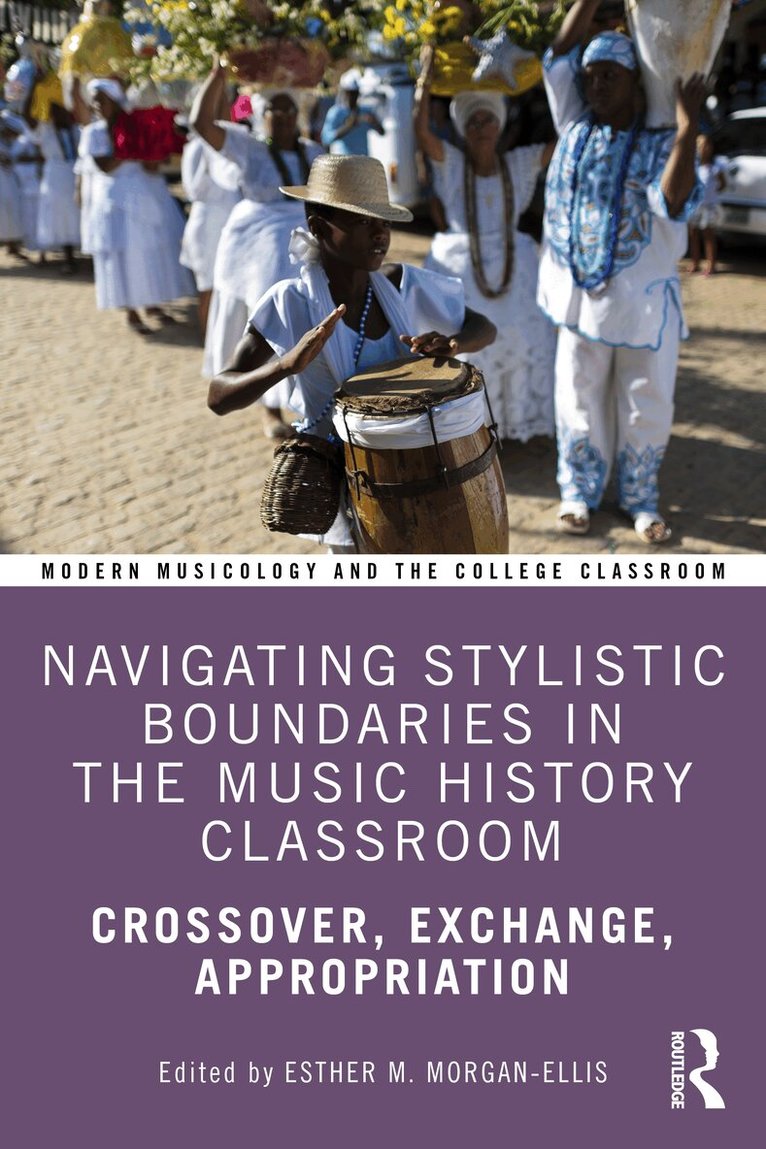
Navigating Stylistic Boundaries in the Music History Classroom
Crossover, Exchange, Appropriation
Häftad, Engelska, 2024
511 kr
Skickas inom 10-15 vardagar
At a time of transformation in the music history classroom and amid increasing calls to teach a global music history, Navigating Stylistic Boundaries in the Music History Classroom adds nuance to the teaching of varied musical traditions by examining the places where they intersect and the issues of musical exchange and appropriation that these intersections raise. Troubling traditional boundaries of genre and style, this collection of essays helps instructors to denaturalize the framework of Western art music and invite students to engage with other traditions—vernacular, popular, and non-Western—on their own terms.The book draws together contributions by a wide range of active scholars and educators to investigate the teaching of music history around cases of stylistic borders, exploring the places where different practices of music and values intersect. Each chapter in this collection considers a specific case in which an artist or community engages in what might be termed musical crossover, exchange, or appropriation and delves deeper into these concepts to explore questions of how musical meaning changes in moving across worlds of practice. Addressing works that are already widely taught but presenting new ways to understand and interpret them, this volume enables instructors to enrich the perspectives on music history that they present and to take on the challenge of teaching a more global music history without flattening the differences between traditions.
791 kr
Skickas inom 10-15 vardagar
For many instructors today, teaching canonical dramatic repertoire can be a fraught proposition: from Don Giovanni to South Pacific, key works in the history of opera and musical theater present challenges related to gender, race, colonialism, class, and more. Teaching Canonic Opera and Musical Theater with Intention: A Teacher's Guide offers instructors a toolkit with which to productively confront the canon, directly engaging in the difficult conversations this repertoire can prompt. Informed by evidence from contemporary and historical context, librettos, and production history, instructors will be able to confidently help students consider best practices for the future.This book presents 15 case studies of exemplars from the opera and musical theater canon, which showcase a close study of the music and text in service of addressing the most provocative aspects. With nuanced explorations of each work, the authors offer a variety of pathways to draw connections between their content and the present day. Teaching Canonic Opera and Musical Theater with Intention is a vital resource for college-level music history and appreciation instructors that will enable them to teach canonic repertoire as part of contemporary curricula, and to help students engage critically with these works, their historical impact, and ongoing relevance.
539 kr
Skickas inom 10-15 vardagar
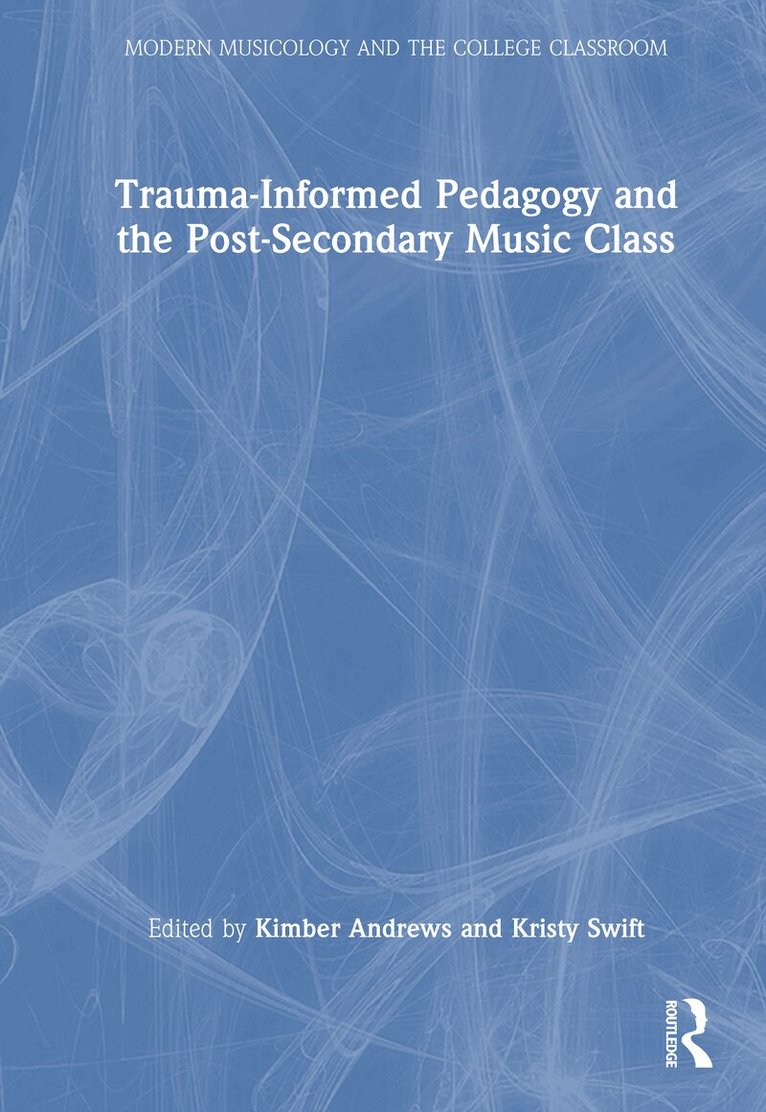
Trauma-Informed Pedagogy and the Post-Secondary Music Class explores the theory and practice of teaching and learning in a traumatized world and aims to support instructors in guiding students and walking with them through challenges that impact learning. With analysis contextualized within definitions of trauma, critical theoretical trauma studies, and clinical understandings of the causes and effects of trauma on the brain and nervous system, the book offers ways to empower faculty and students to build classrooms where it is safe enough to address the stress and trauma of learning. Bringing together a unique multidisciplinary group of contributors, this book includes perspectives from both music faculty and mental health counseling specialists.The volume engages music scholars and educators in higher education with scholarship on trauma-informed pedagogy, provides examples of how to introduce trauma-informed practices into music courses, explores how trauma-informed practices can increase both faculty and student well-being, and offers practical materials such as syllabi and assignments that instructors can implement in their classes. Reaching across disciplinary boundaries to contribute to an emerging body of research, teaching, and learning, this is a vital collection for educators across music higher education.
2 176 kr
Skickas inom 10-15 vardagar
Trauma-Informed Pedagogy and the Post-Secondary Music Class explores the theory and practice of teaching and learning in a traumatized world and aims to support instructors in guiding students and walking with them through challenges that impact learning. With analysis contextualized within definitions of trauma, critical theoretical trauma studies, and clinical understandings of the causes and effects of trauma on the brain and nervous system, the book offers ways to empower faculty and students to build classrooms where it is safe enough to address the stress and trauma of learning. Bringing together a unique multidisciplinary group of contributors, this book includes perspectives from both music faculty and mental health counseling specialists.The volume engages music scholars and educators in higher education with scholarship on trauma-informed pedagogy, provides examples of how to introduce trauma-informed practices into music courses, explores how trauma-informed practices can increase both faculty and student well-being, and offers practical materials such as syllabi and assignments that instructors can implement in their classes. Reaching across disciplinary boundaries to contribute to an emerging body of research, teaching, and learning, this is a vital collection for educators across music higher education.