Esther M. Morgan-Ellis – författare
Visar alla böcker från författaren Esther M. Morgan-Ellis. Handla med fri frakt och snabb leverans.
11 produkter
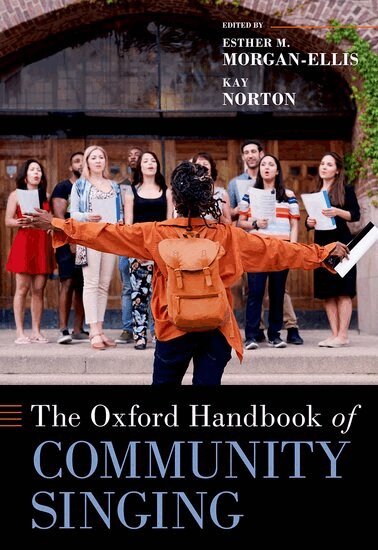
The Oxford Handbook of Community Singing
Av Esther M. Morgan-Ellis, Kay Norton
Inbunden, 2024
2342 kr
Lägg i varukorg
The Oxford Handbook of Community Singing embraces an open-ended interpretation of socio-musical practices that can be described with the term community singing. The volume exemplifies community singing as an interdisciplinary field of study that encompasses diverse methodologies and objects of …
Oxford Handbook of Community Singing
Av Kay Norton, Esther M. Morgan-Ellis
E-bok, 2024
2436 kr
Lägg i varukorg
The Oxford Handbook of Community Singing embraces an open-ended interpretation of socio-musical practices that can be described with the term community singing. The volume exemplifies community singing as an interdisciplinary field of study that encompasses diverse methodologies and objects of …
Oxford Handbook of Community Singing
Av Kay Norton, Esther M. Morgan-Ellis
E-bok, 2024
2436 kr
Lägg i varukorg
The Oxford Handbook of Community Singing embraces an open-ended interpretation of socio-musical practices that can be described with the term community singing. The volume exemplifies community singing as an interdisciplinary field of study that encompasses diverse methodologies and objects of …
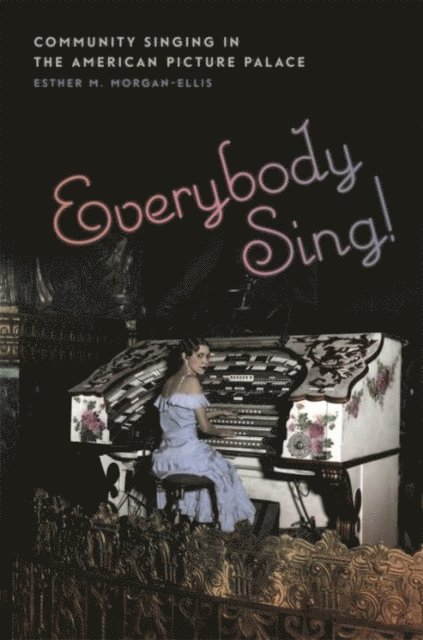
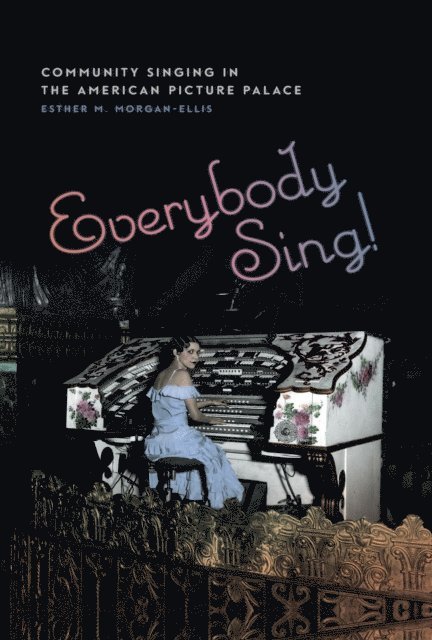
Everybody Sing!
Community Singing in the American Picture Palace
E-bok, 2018
849 kr
Lägg i varukorg
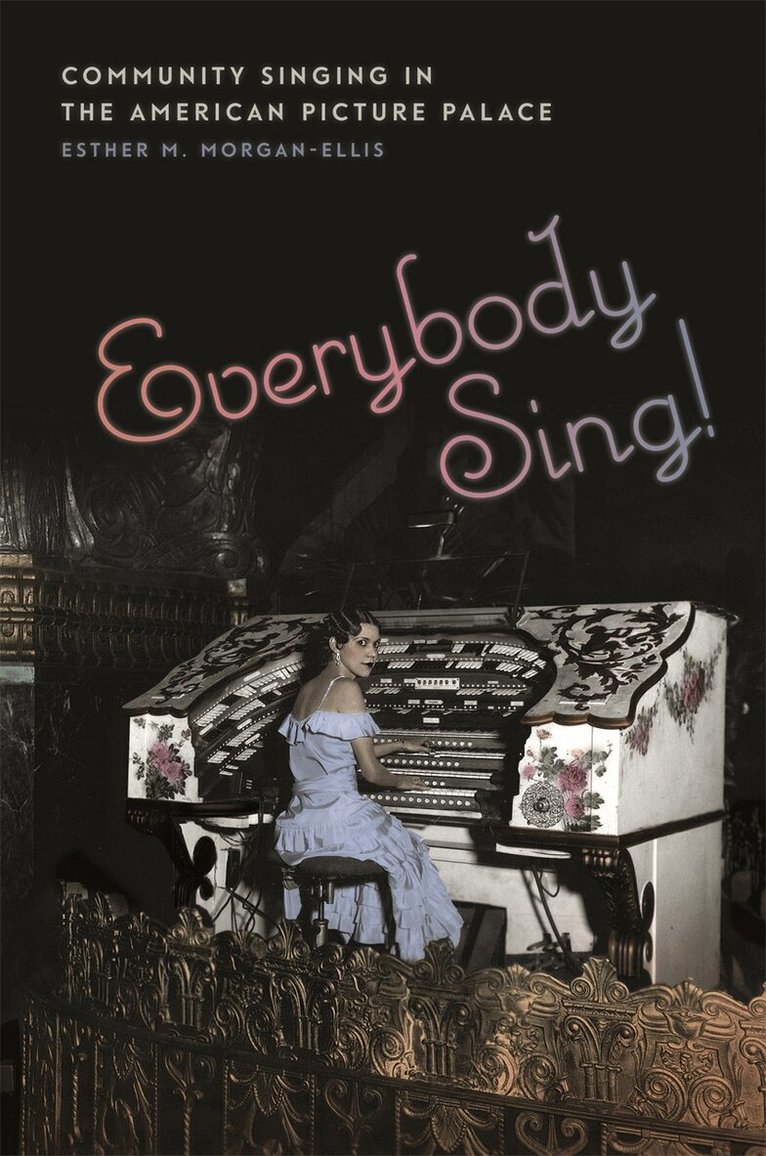
During the 1920s, a visit to the movie theater almost always included a sing-along. Patrons joined together to render old favorites and recent hits, usually accompanied by the strains of a mighty Wurlitzer organ. The organist was responsible for choosing the repertoire and presentation style that …
Everybody Sing!
Community Singing in the American Picture Palace
E-bok, 2018
818 kr
Lägg i varukorg
During the 1920s, a visit to the movie theater almost always included a sing-along. Patrons joined together to render old favorites and recent hits, usually accompanied by the strains of a mighty Wurlitzer organ. The organist was responsible for choosing the repertoire and presentation style that …
Navigating Stylistic Boundaries in the Music History Classroom
Crossover, Exchange, Appropriation
Inbunden, 2024
2594 kr
Lägg i varukorg
At a time of transformation in the music history classroom and amid increasing calls to teach a global music history, Navigating Stylistic Boundaries in the Music History Classroom adds nuance to the teaching of varied musical traditions by examining the places where they intersect and the issues …
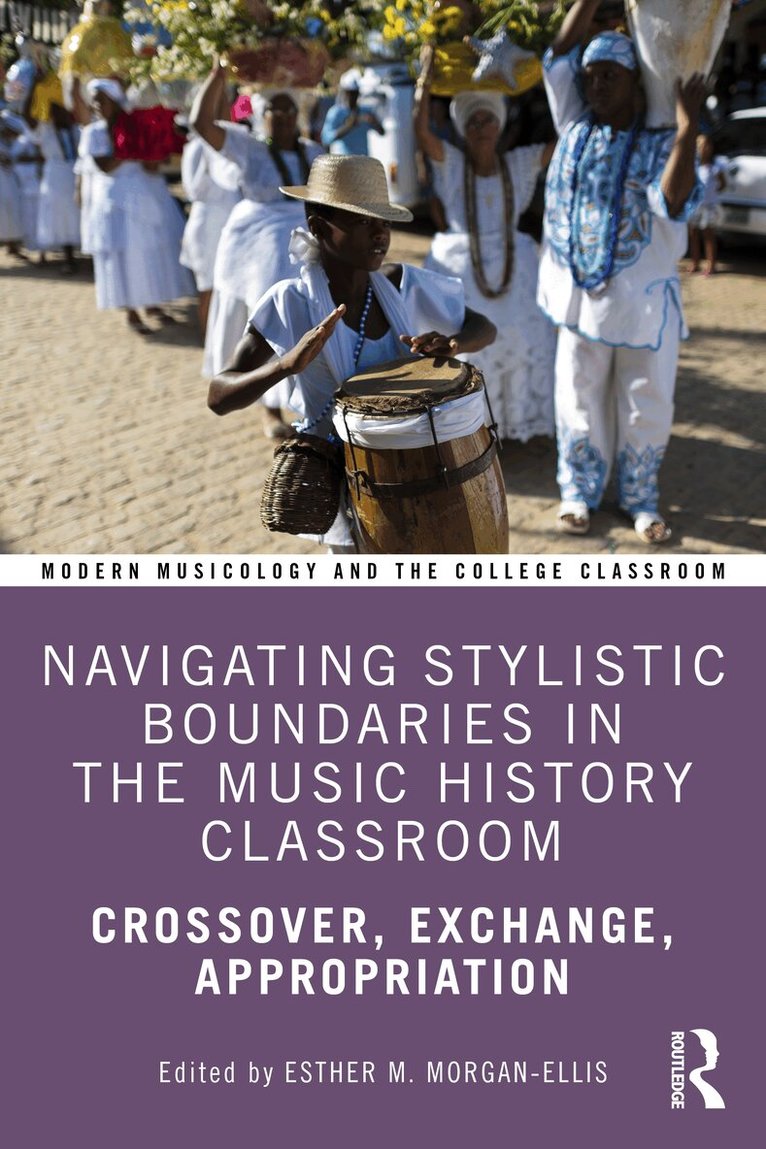
Navigating Stylistic Boundaries in the Music History Classroom
Crossover, Exchange, Appropriation
Häftad, 2024
579 kr
Lägg i varukorg
At a time of transformation in the music history classroom and amid increasing calls to teach a global music history, Navigating Stylistic Boundaries in the Music History Classroom adds nuance to the teaching of varied musical traditions by examining the places where they intersect and the issues …
Navigating Stylistic Boundaries in the Music History Classroom
Crossover, Exchange, Appropriation
E-bok, 2024
656 kr
Lägg i varukorg
At a time of transformation in the music history classroom and amid increasing calls to teach a global music history, Navigating Stylistic Boundaries in the Music History Classroom adds nuance to the teaching of varied musical traditions by examining the places where they intersect and the issues …
Navigating Stylistic Boundaries in the Music History Classroom
Crossover, Exchange, Appropriation
E-bok, 2024
663 kr
Lägg i varukorg
At a time of transformation in the music history classroom and amid increasing calls to teach a global music history, Navigating Stylistic Boundaries in the Music History Classroom adds nuance to the teaching of varied musical traditions by examining the places where they intersect and the issues …
Everybody Sing!
Community Singing in the American Picture Palace
Inbunden, 2018
1020 kr
Tillfälligt slut
During the 1920s, a visit to the movie theater almost always included a sing-along. Patrons joined together to render old favorites and recent hits, usually accompanied by the strains of a mighty Wurlitzer organ. The organist was responsible for choosing the repertoire and presentation style that …