Psychology of Emotions, Motivations and Actions – serie
Visar alla böcker i serien Psychology of Emotions, Motivations and Actions. Handla med fri frakt och snabb leverans.
2 produkter
2 produkter
2 502 kr
Skickas
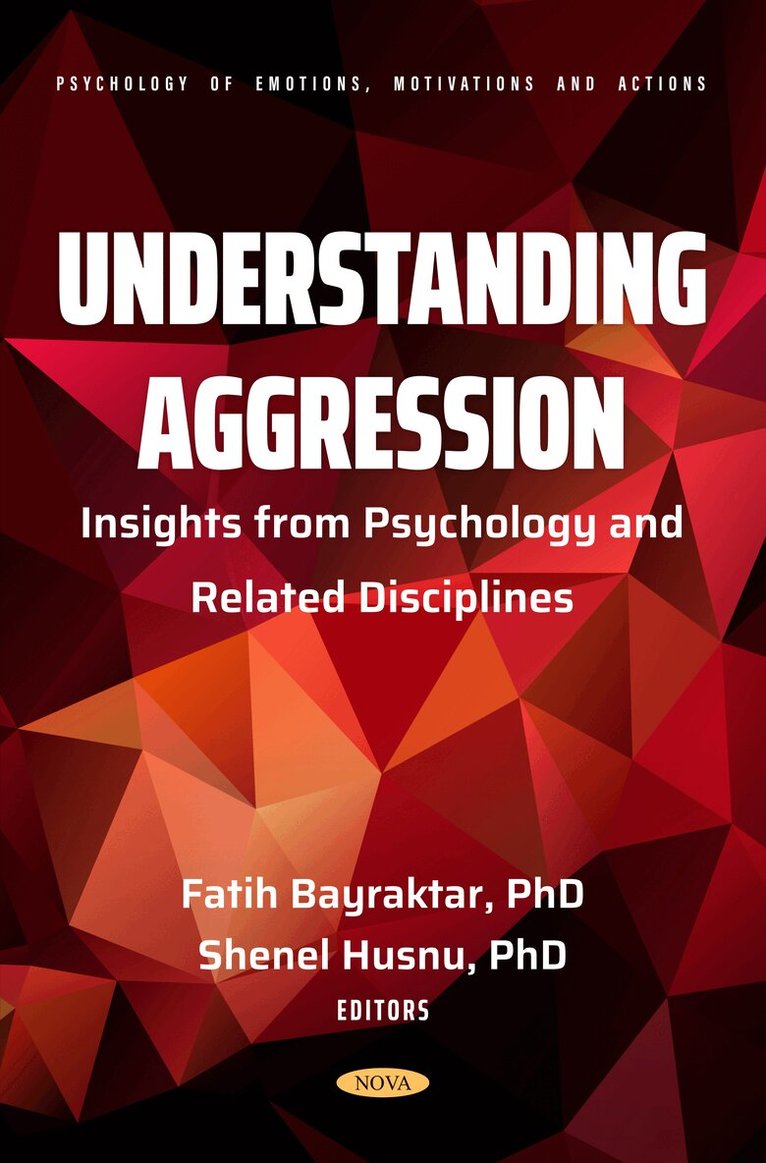
This book provides a comprehensive overview of the topic of aggression from multiple perspectives, aiming for a deeper understanding of this complex issue. It begins with the philosophical and sociological foundations of aggression, tracing its roots from Ancient Greek ethics and exploring macro-structural and subcultural theories. It follows with the classical approaches to the psychology of aggression in order to set the stage for a multifaceted discussion on aggression. In the second part, the book delves into psychological perspectives, starting with the neurological basis of aggression. It examines the neural circuitry involving the amygdala, hypothalamus, cingulate cortex, PAG, and prefrontal cortical regions that contribute to different forms of aggressive behavior. The cognitive aspects of aggression are also covered, focusing on how memories of aggression differ among perpetrators, victims, and witnesses, particularly in encoding, storage, and recollection processes. The book then explores aggression in specific contexts, such as the traffic environment, highlighting aggressive driving behaviors and potential countermeasures. As well as a social psychological perspective, in particular pertaining to gender-based violence as a hate crime. The third and final part of the book shifts focus to the risk and protective factors associated with aggression. It begins with a forensic psychology lens, investigating the intergenerational transmission of aggression and the impact of childhood violence on later life. Clinical findings are discussed, particularly aggressive tendencies in anxiety and personality disorders. The role of mindfulness as a protective factor against aggression is explored, along with key factors responsible for the emergence and persistence of aggressive behaviors throughout the lifespan, including gene-environment interactions. The book aims to bring together cutting-edge research from diverse viewpoints, offering scholars and students a unique and comprehensive understanding of aggression.
900 kr
Kommande
"Orthodox psychology" is still a theological concept, not a branch of conventional academic psychology. It refers to the Eastern Orthodox Church's traditional path for human spiritual growth, healing, and development. Orthodox Christianity Concept of Psychology is an attempt to integrate Orthodox Christianity and psychology. Today, "Orthodox psychology" is a pastoral and theological term, distinct from the Western, scientific, and evidence-based methods of modern psychology. The ultimate purpose is not merely psychological or emotional balance, but theosis (deification) or communion with God, which involves the cleansing of the "nous" (mind or "eye of the heart") that was darkened by sin. This approach is rooted in the Church's ancient neptic (watchfulness) and hesychastic tradition, which emphasizes inner life, prayer (specifically the Jesus Prayer), and the guidance of a spiritual father. It has a different anthropology (understanding of the human person) than Western psychology, which often focuses on rationalism and human autonomy. While distinct, Orthodox thought today does not entirely dismiss modern psychology or medical science. Many sources advocate for a cooperative or integrative approach where the spiritual father (who uses Orthodox "psychotherapy") and a psychiatrist or a Christian psychotherapist address the person's needs in a holistic manner. Modern psychology and medicine can help with neurological and physiological imbalances, while the Orthodox spiritual life addresses the deeper spiritual roots of distress, such as passions (sinful dispositions), pride, and lack of spiritual peace. Let Orthodox Christianity and Psychology live together.