Murders & Misdemeanours - Böcker
Visar alla böcker i serien Murders & Misdemeanours. Handla med fri frakt och snabb leverans.
23 produkter
23 produkter
178 kr
Skickas
Monmouthshire may have a reputation as a quaint, idyllic, rural county but scratch the surface and you’ll find a past riddled with scandal, strife and murder most foul. In Monmouthshire Murders and Misdemeanours Tim Butters digs up and throws new light on criminal cases long since buried, but still capable of making our modern minds recoil in horror.Among these tales of terror and woe you’ll find the wretched account of a child who callously murdered other children with the calculated ease of a born psychopath, a penniless and alcoholic prostitute butchered by the hand of a disease-riddled madman, a wandering vagabond with a penchant for opportunistic butchery, and a Spanish sailor who killed an entire family on a whim.This hellish history also contains tragic tales from those condemned to the desolate confines of the workhouse, the delirium of the asylum, the despair of the prison cell, and the unforgiving grasp of the hangman’s noose. So step right this way for a chilling tour of Monmouthshire’s brutal and bloody past. Dare you take a walk on the dark side of this fair county?
178 kr
Skickas inom 11-20 vardagar
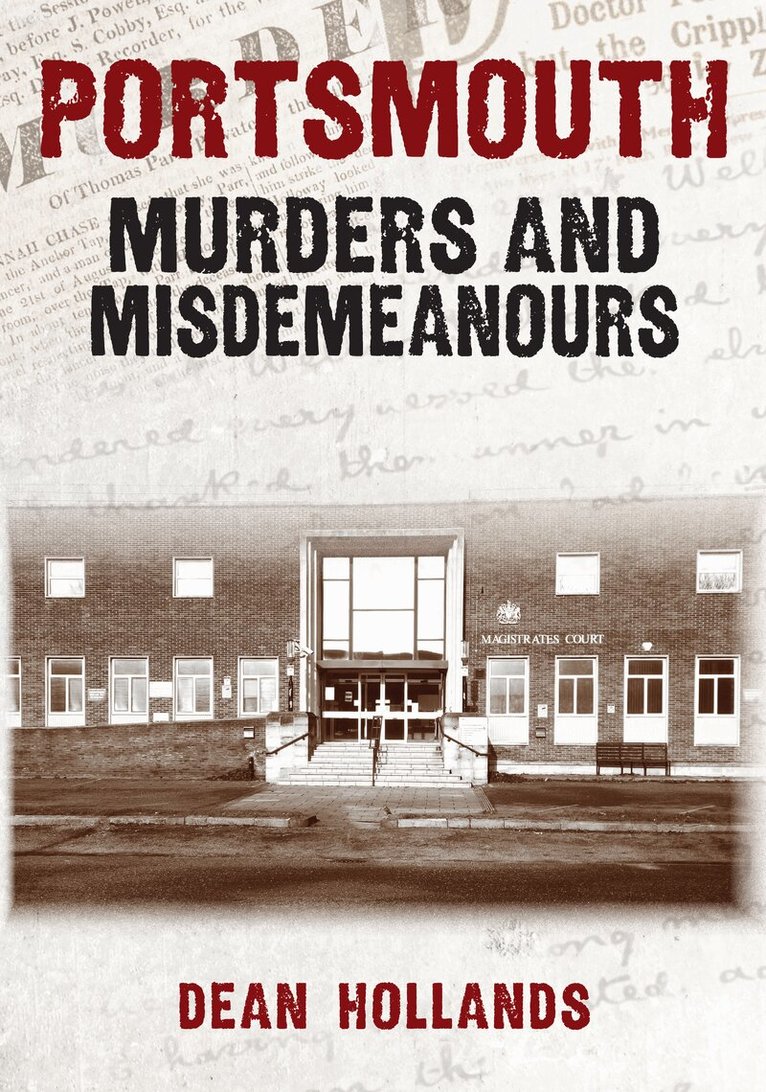
Portsmouth’s position on the south coast of England has meant it has been an important port for centuries, and the heavily fortified home of the Royal Navy. Industries surrounding the naval docks and shipbuilding led Portsmouth to become one of the most heavily industrialised areas in the country during the nineteenth century, and today this part of Hampshire is Britain’s most densely populated urban area.In Portsmouth Murders and Misdemeanours author Dean Hollands explores the history of serious crime in Portsmouth from medieval times to the twentieth century. He looks at how the punishments for crimes evolved, including the use of corporal and capital punishment and the sites of these grisly events. Tales include murder in many guises, crimes of passion, highwaymen, robbers and motor bandits, a conviction for witchcraft during the Second World War, arson and terrorism, and mutiny – most famously the trial of the crew of Captain Bligh’s Bounty, as well as the assassination of George Villiers, the Duke of Buckingham, and the Bishop of Chichester.This collection of true life crime stories gives a vivid insight into life in historic Portsmouth. This book will fascinate anyone with an interest in the history of crime, as well as those who want to know more about the history of the city.
178 kr
Skickas
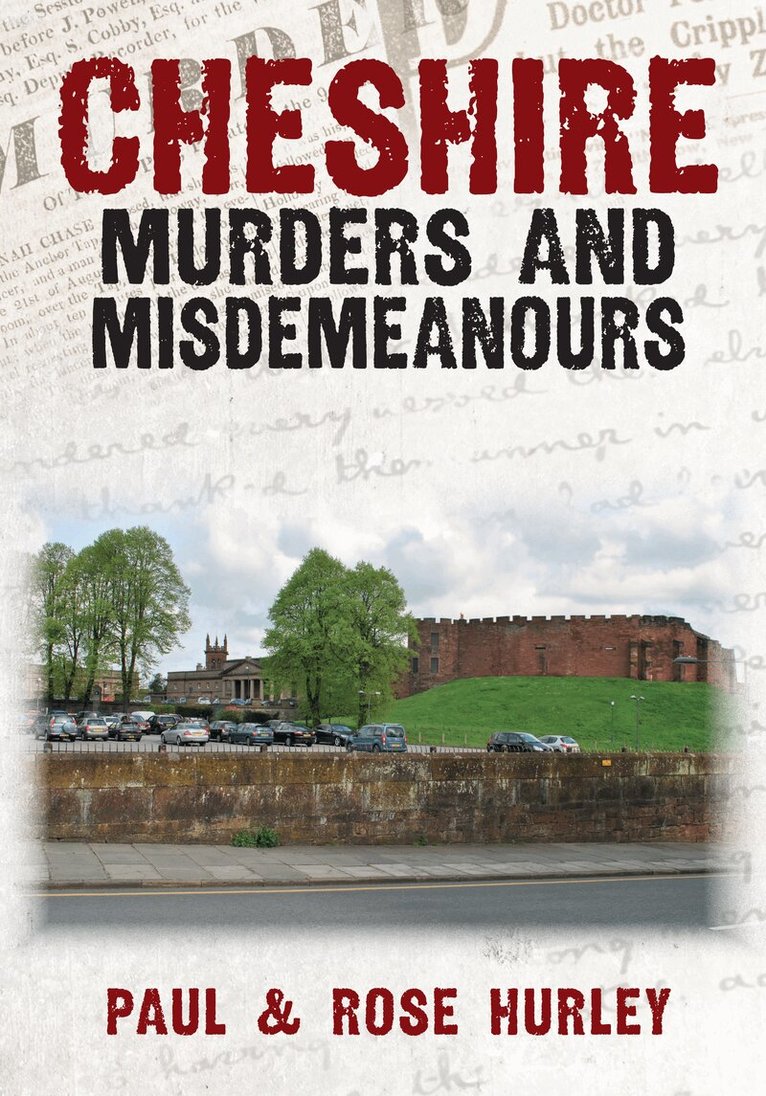
In the nineteenth and early twentieth centuries Cheshire was a thriving part of the north-west of England. Bordered by Liverpool and Manchester to the north, much of the county was rural and agricultural, centred on the historic county city of Chester, the market towns of Macclesfield, Winsford and Northwich and also the industrial towns of Warrington, Crewe, Widnes, Runcorn and Ellesmere Port.It was a period of great social change as people from all walks of life moved with their families in search of work. Deprivation and poverty could often be found cheek by jowl with more affluent sections of society, and crime, as always, knew no boundaries. The stories were often chronicled in detail in local press at the time and in this book authors Paul and Rose Hurley have delved into the historical records to reveal the dark side of life of everyday people of Cheshire, which could turn to murder and death by execution.This collection of true-life crime stories gives a vivid insight into life in Cheshire in the nineteenth and early twentieth centuries. This book will fascinate anyone with an interest in the history of crime, as well as those who want to know more about the history of this area of the North West.
178 kr
Skickas
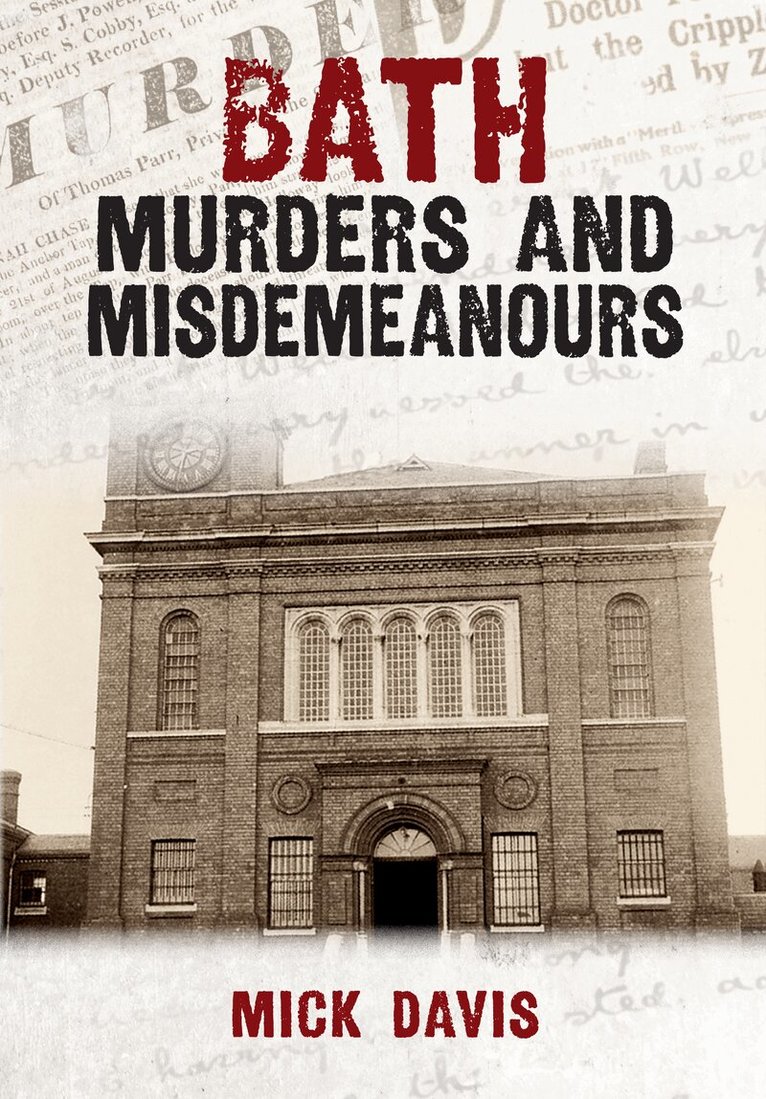
The ancient city of Bath has always attracted visitors, flourishing in the Georgian era and becoming home for the fashionable and wealthy. The city was rebuilt to reflect its new status and although areas were devastated by aerial attacks in the Second World War and the misguided destruction of the 1960s, Bath today is one of the most popular tourist destinations in the country.In Bath Murders and Misdemeanours author Mick Davis has delved into local records to reveal the dark side of life in the golden city. From highwaymen to grave robbers and murderers, poisoners to suicides, psychopaths to major disasters, the author has researched and examined a number of little-known crimes that rocked the city in days gone by.This collection of true-life crime stories gives a vivid insight into life in Bath in previous centuries. This book will fascinate anyone with an interest in the history of crime as well as those who want to know more about the history of Bath and the south-west of England.
178 kr
Skickas inom 11-20 vardagar
Frome was historically one of the largest towns in Somerset and is rapidly growing today. Its wealth was built on wool and cloth industries, later metalworking and printing, bringing many people into the town. Agricultural work was also the way of life for many. As these industries rose and fell, the fortunes of many fluctuated and in periods of decline life was often hard.In Frome Murders and Misdemeanours authors Mick Davis and David Lassman delve into local records to reveal the dark side of life for ordinary people through the ages, including tales of bewitchment, counterfeiting, revenge and vicious murder. The stories include a trial for witchcraft and the role of the vicar of Frome, a sadistic murder of a serving girl by her mistress and her mistress’ daughter, the parish constable’s account of his day-to-day dealings with domestic violence, drunkenness and general disorder in Regency Frome, an ageing playboy shot dead by a jealous husband who then shot himself, a farm labourer stabbed to death by his uncle and a triple tragedy of father, wife and son discovered dead in their home by a milkman on his rounds.This collection of true-life crime stories gives a vivid insight into life in Frome in previous centuries. This book will fascinate anyone with an interest in the history of crime as well as those who want to know more about the history of Frome and the south-west of England.
172 kr
Skickas
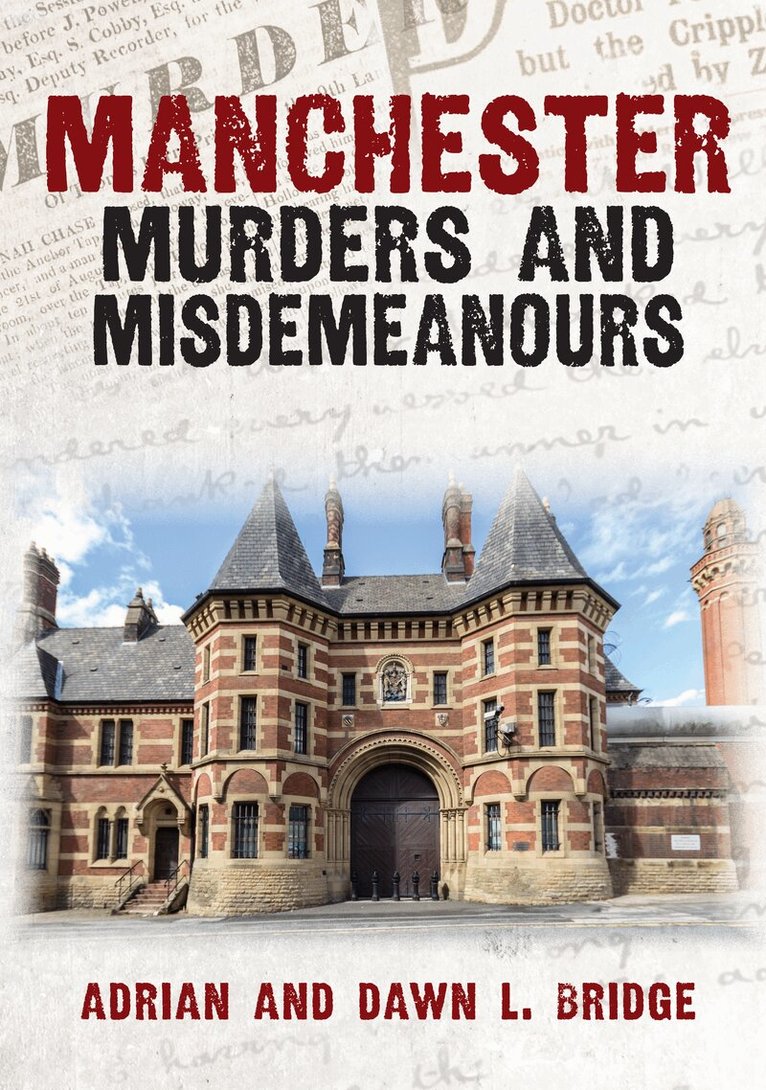
Manchester in the century between 1850 and 1950 witnessed extraordinary growth and changes. In the mid-nineteenth century, Manchester was the world’s first industrialised city, home of the Industrial Revolution and known as ‘Cottonopolis’. It was a city of immigrants from the countryside, Ireland, Scotland and further afield, where slums and poverty existed in close proximity to great wealth. The unique conditions in the city made it a breeding ground for crimes of all kinds, from the ‘high crimes’ of murder and large-scale robberies, frauds and theft, to ‘low-level’ crimes such as pickpocketing, mugging and other street crimes. ‘Snoozer’ gangs robbed hotels in Victorian Manchester and the city was home to numerous jewel thieves over the years including ‘Lucky Edgar’. Some crimes were even politically motivated, such as the suffragette law breaking, while others such as youth crime, which is often portrayed as a recent phenomenon, actually has a long history stretching back to the teenage scuttler gangs of the late nineteenth century.This collection of true-life crime stories gives a vivid insight into life in Manchester in years gone by. This book will fascinate anyone with an interest in the history of crime, as well as those who want to know more about the history of Manchester.
178 kr
Skickas
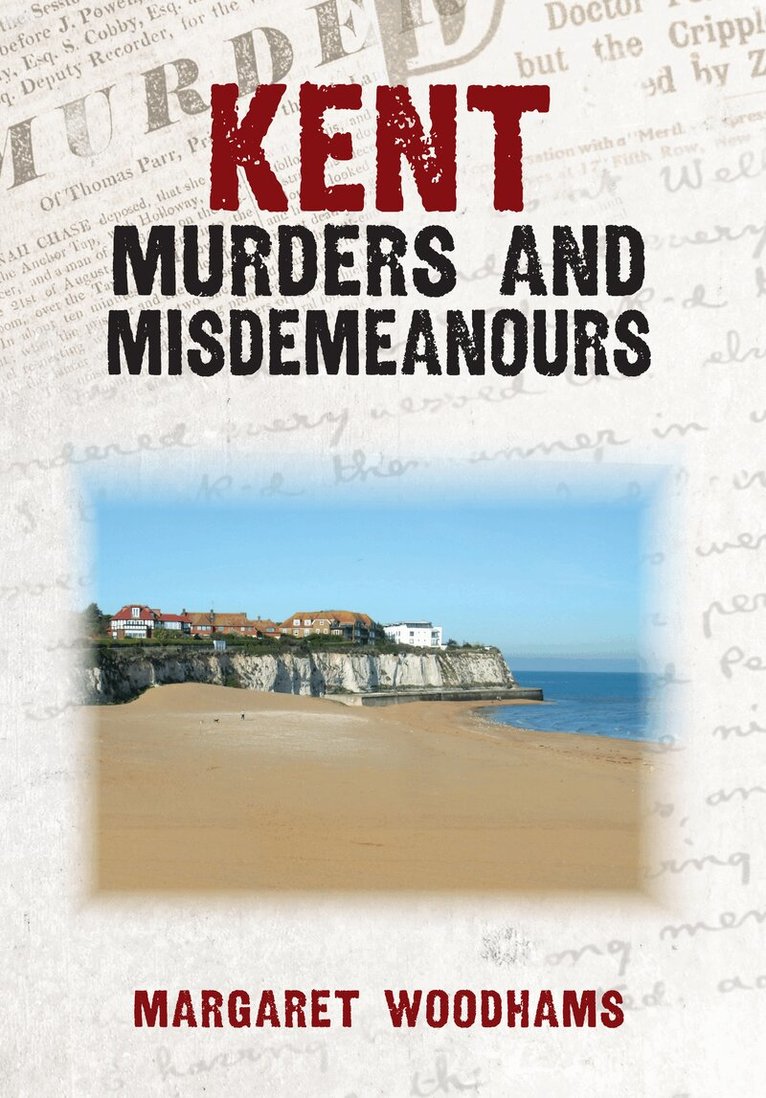
Kent is the largest and most heavily populated of the home counties. It is a county of contrasts: in the north and west it borders London and its population there has moved to and from the metropolis for centuries, but it is also known for agricultural produce and heavy industries including coal mining, as well as historic towns and cities such as Canterbury. Kent’s history has been shaped by its extensive coastline and today people and goods still transit through the county from its chief port of Dover.Kent was famous for the number of smuggling gangs who plied their trade on its coastline in the eighteenth and nineteenth centuries including the Hawkhurst Gang and the Romney Marsh Gang. Other crimes included the Train Robbery of 1855 and an attack on Charles Dickens by two rogues in 1862. There are a number of infamous murders linked to the county, such as Alphege, Becket and Arden of Faversham, the latter made famous in the play of the same name. The nineteenth century saw the unsolved murder of the Bonars in Chislehurst, the cruel murder by neglect of a wife and child in the Cudham of 1877, the death of a soldier in Bossenden Woods by Mad Thom and the death by opium of Dr Lyddon in Faversham in 1890. The murder of Ightham’s Caroline Luard in 1908 remains unsolved and the 1946 Wrotham Hill murder still resonates today. In more recent times, the Krays spent time in Canterbury Prison and the notorious criminal and murderer Kenneth Noye lived in the county. Kent was also briefly the home of serial killer Peter Tobin.This collection of true-life crime stories gives a vivid insight into life in Kent through the centuries to the present. This book will fascinate anyone with an interest in the history of crime as well as those who want to know more about the history of this county in the south-east of England.
178 kr
Skickas
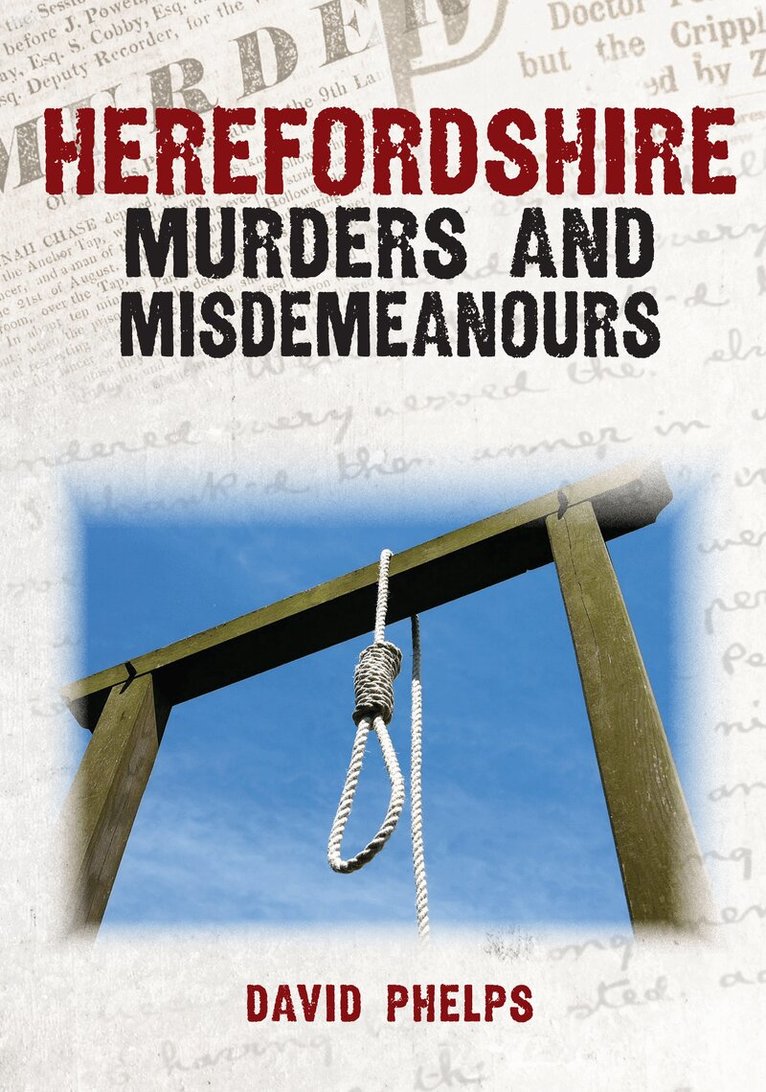
Herefordshire is still a largely rural and agricultural county, centred on the cathedral city of Hereford, but it has had infamous and bloody events in its past, including shocking murders and appalling crimes. From the only British solicitor to be hanged for murder to the still mysterious death of an architect who had a fanatical belief that his home had been the site of King Arthur’s castle, the county is the repository of some dark and fascinating stories. Victims and perpetrators range from royalty to farm labourers, from the effects of drink to domestic abuse, slavery and social unrest to greed and jealousy.Tales in this book span the centuries from the Anglo-Saxon St Ethelbert and include an unburied corpse that caused a riot; William Spiggot, the Herefordshire highwayman; Herefordshire witches; Silver John, a respected healer whose hoard of silver led to his death; and much more. This collection of true-life crime stories gives a vivid insight into life in Herefordshire gone by. This book will fascinate anyone with an interest in the history of crime as well as those who want to know more about the history of this area.
178 kr
Skickas
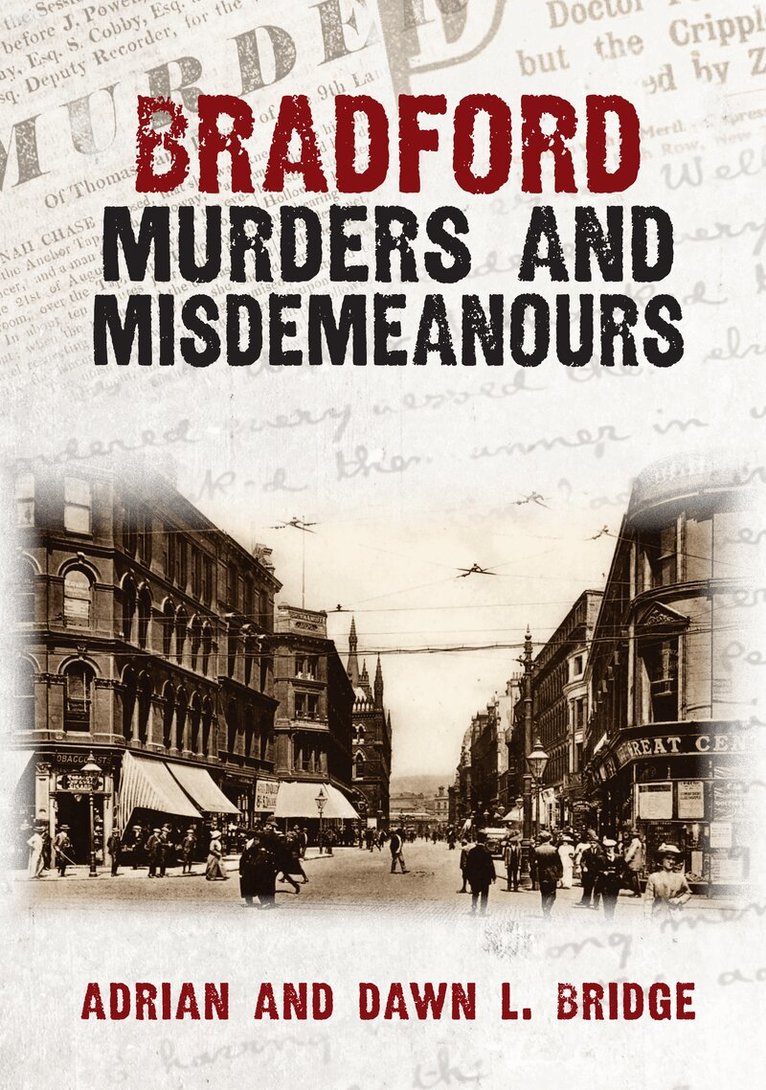
In the century between 1850 and 1950 Bradford witnessed extraordinary growth and changes. Its wealth was based on the textile industry, and the city became known as the ‘wool capital of the world’. It was a city of migrants, many from Ireland, and despite the efforts of philanthropic industrialists such as Titus Salt, wealth and poverty often lived close to each other. The city was a breeding ground for crime and Bradford Borough Police Force was formed in the 1840s, dealing with both the ‘high crimes’ of murder, large-scale robberies and frauds and ‘low-level’ crimes such as petty theft, vagrancy and loitering. Delving into original sources, court reports and newspaper archives, the authors also look at the effects of illegal gambling before the 1960 Betting & Gaming Act and the involvement of young people and their punishments.This collection of true-life crime stories from the mid-nineteenth century the mid-twentieth century gives a vivid insight into life in Bradford in the past. This book will fascinate anyone with an interest in the history of crime as well as those who want to know more about the history of Bradford.
178 kr
Kommande
Southport’s history goes back to its development as a seaside resort on the Lancashire coast in late Georgian England. Visitors arrived by the newly built Leeds and Liverpool Canal nearby, later by railway, and the town’s population grew rapidly in the nineteenth century. In Southport Murders and Misdemeanours local historian Geoff Wright reveals stories of serious crime in Southport from this period into the twentieth century. Throughout, this period the town was one of the most popular resorts in the country, drawing in day-trippers as more longer-term visitors, but also catering for its resident population. Crime was part of the story, and all layers of society could be touched by crime, sometimes with shocking and violent results.This collection of true-life crime stories gives a vivid insight into life in Southport in the past. This book will fascinate anyone with an interest in the history of crime as well as those who want to know more about the history of Southport.
178 kr
Kommande
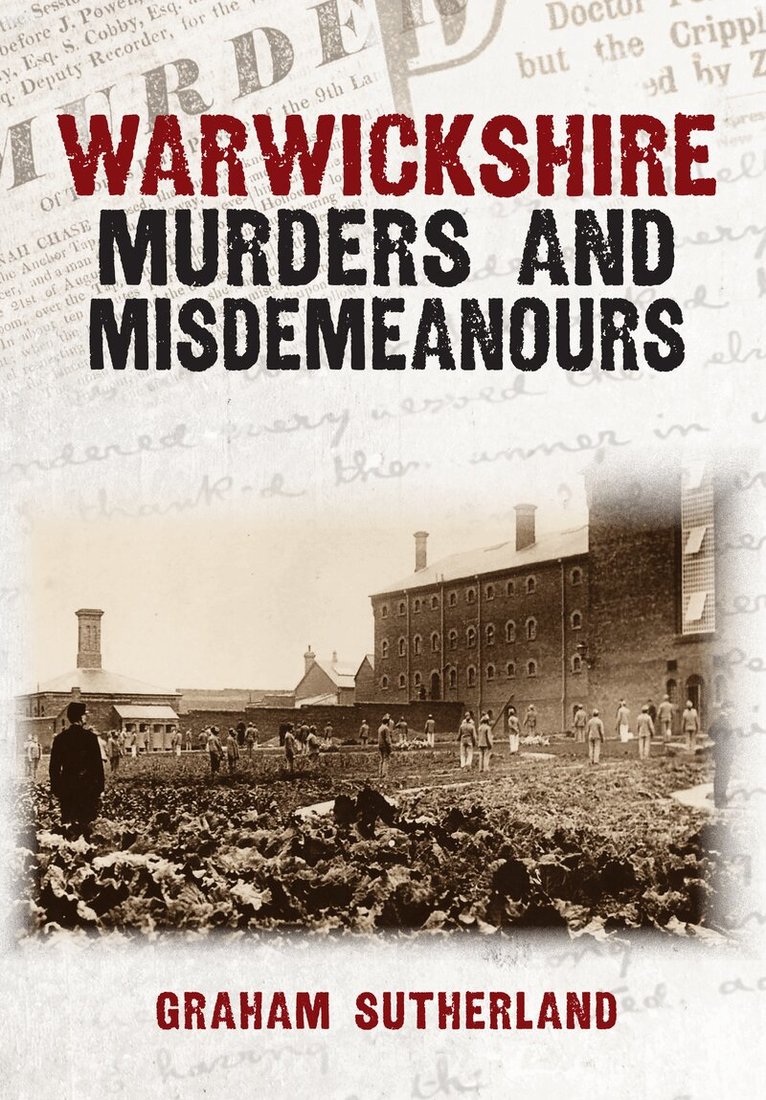
Although areas of Warwickshire became industrialised in the eighteenth, nineteenth and twentieth centuries, much of the county remains rural. The history of crime in the county encompasses small towns and villages in the countryside, historic market towns such as Warwick and Stratford-upon-Avon, and larger settlements such as Rugby, Bedworth and Nuneaton which attracted more industries. In this book author Graham Sutherland explores how historical crimes were investigated and punished in Warwickshire, including areas of the historic county such as Sutton Coldfield, Solihull and Aston which are now within the West Midlands conurbation. Cases range from highway robbery and a rebellion by pupils at Rugby School, murder, arson, fraud and bigamy to deaths through prize-fighting, and food hoarding during the First World War, poison pen letters and a workhouse resident prosecuted for refusing to work.This collection of true-life crime stories gives a vivid insight into life in Warwickshire through the centuries to the present. This book will fascinate anyone with an interest in the history of crime as well as those who want to know more about the history of this county in the heart of England.
178 kr
Kommande
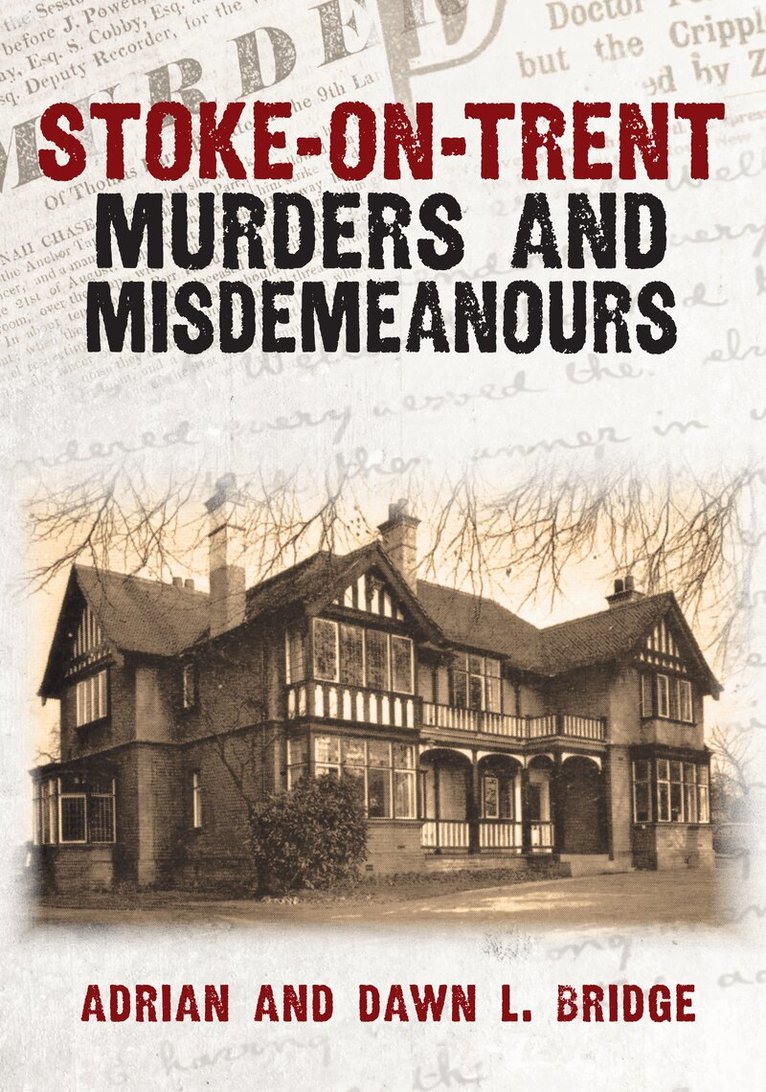
Stoke-on-Trent in the century between 1850 and 1950 witnessed huge changes. In the Victorian period the population in the area grew rapidly, attracted by the opportunities in the heart of the country’s pottery industry, and 1910, a new borough of Stoke-on-Trent was formed from a confederation of six towns. Alongside the potteries, many more worked in coal mining, manufacturing or other heavy industries and wealth and poverty often lived close together. The local police force not only had to deal with the ‘high crimes’ of murder and large-scale robberies and frauds, sometimes with the help of Scotland Yard, but also ‘low level’ crimes such as burglary and housebreaking, with constantly evolving criminal tactics and techniques. Delving into original sources, court reports and newspaper archives, the authors also look at the effects of crime and its punishment, as well as cases where the defendants were eventually adjudged insane.This collection of true-life crime stories gives a vivid insight into life in Stoke-on-Trent in the past. This book will fascinate anyone with an interest in the history of crime as well as those who want to know more about the history of Stoke-on-Trent.
178 kr
Skickas
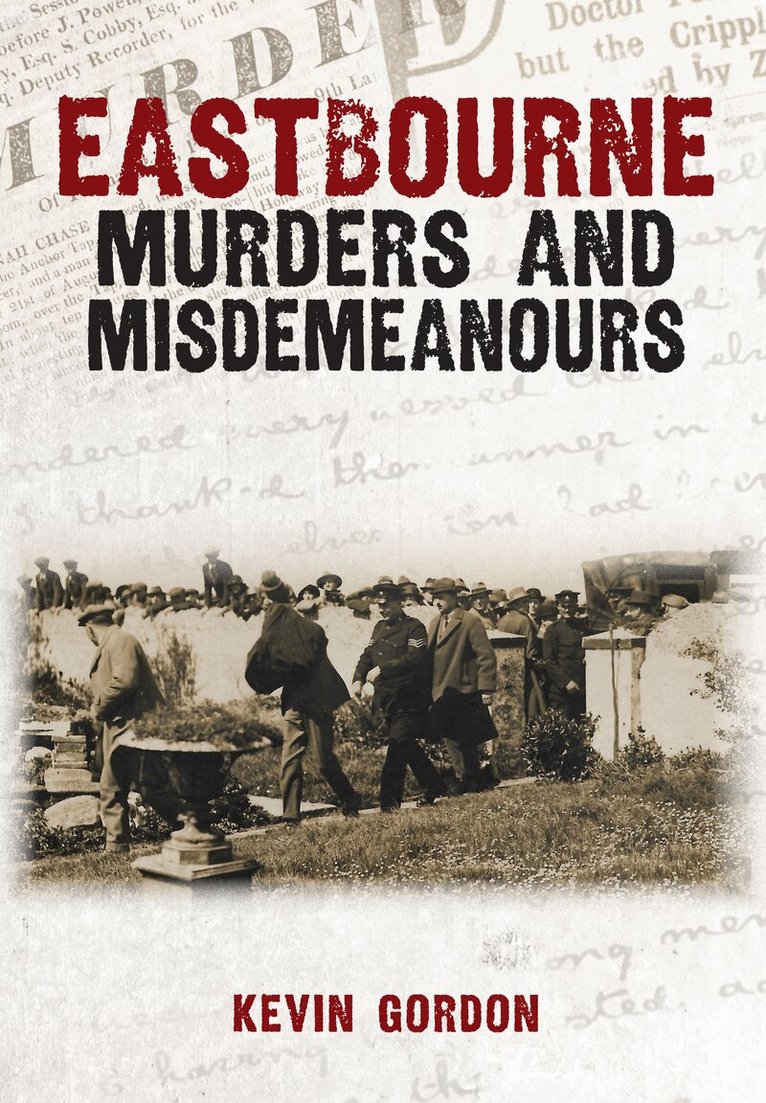
For much of Eastbourne’s history it was a collection of small settlements on the Sussex coast. In the eighteenth century select visitors came to enjoy the sea air and the coast became fortified against the threat of invasion by Napoleon. The arrival of the railways in the Victorian era brought large numbers of people to the area and the town of Eastbourne grew rapidly. Despite its reputation as a sedate and somewhat classy seaside resort, Eastbourne has had its fair share of murders and other criminal activity. A strict Victorian schoolteacher beat one of his pupils to death, a bigamist tried to murder his two families and in 1912 Police Inspector Arthur Walls was shot dead as he tried to arrest a burglar. In the 1920s there were two shocking crimes committed on the Crumbles, a lonely stretch of beach. The subsequent sensational trial of Patrick Mahon made headlines around the world and was described by Alfred Hitchcock as ‘his favourite crime’. In the 1950s the trial of local doctor Bodkin Adams shocked the country when he was accused of murdering his rich elderly patients. Perhaps the strangest story is why the local constabulary was established. This was a result of a series of riots in the town caused by the Salvation Army!This collection of true-life crime stories gives a vivid insight into life in Eastbourne in the past. This book will fascinate anyone with an interest in the history of crime as well as those who want to know more about the history of Eastbourne.
172 kr
Kommande
Worcester’s history goes back to a Roman settlement beside the River Severn later occupied by the Anglo-Saxons and murders and other serious crimes have been committed in the city since its beginnings although the types and methods of these crimes varied through time, from highway robbery to poisoning. Punishment of these crimes was very different in past centuries and even in the last two hundred years police procedures and legal sentences have changed markedly. Reporting of the crimes over this rapid growth of population and overcrowding in the Industrial Revolution evolved too and through delving into archives, parish registers and censuses the author is able to tell the story of the victims’ and criminals’ lives involved in often shocking criminal events.This collection of true-life crime stories gives a vivid insight into life in Worcester in the past. This book will fascinate anyone with an interest in the history of crime as well as those who want to know more about the history of Worcester.
172 kr
Kommande
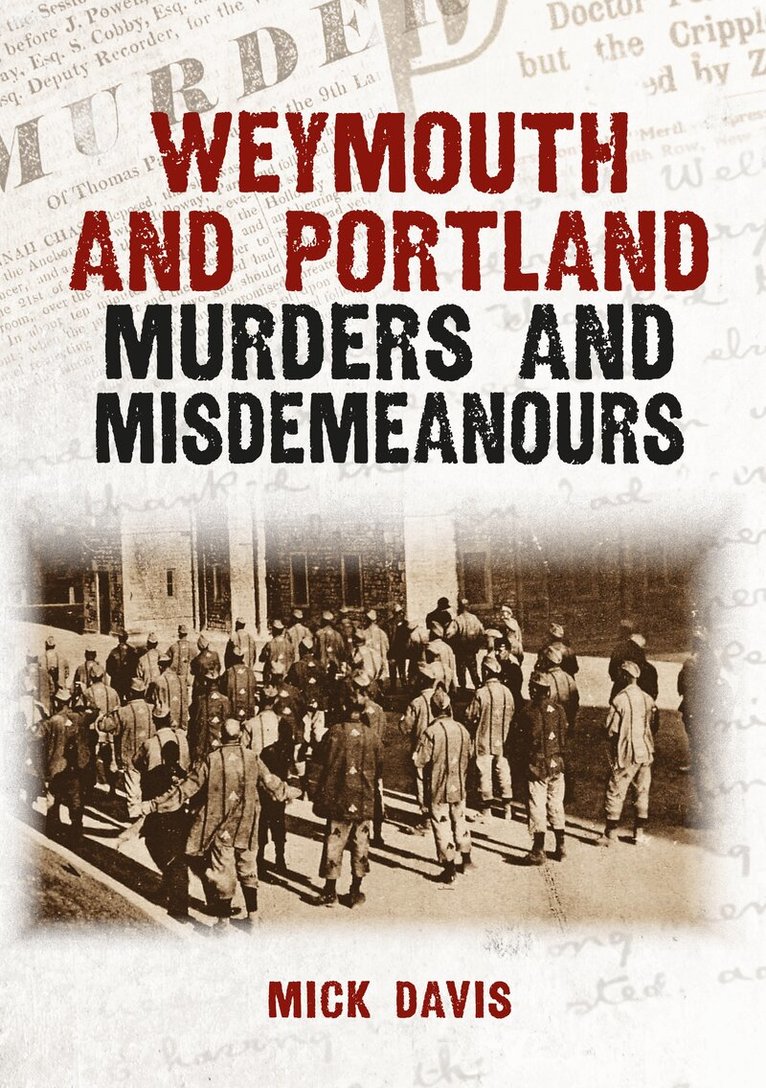
Weymouth has been a major sea port on England’s south coast since the Middle Ages and although it became a popular resort through King George III’s patronage and later when the railways arrived, the area also developed a strong military presence in the nineteenth century with barracks being built in Weymouth and a new naval dockyard developed on the nearby Isle of Portland. A convict prison was opened on Portland and is still a prison today. In this book author Mick Davis explores some of the most notorious crimes associated with Weymouth and Portland through the ages, including a gang of children running wild who terrorised Victorian Weymouth, the tragic shooting of a barmaid by a deluded admirer, the murder of a sailor pushed off a cliff on Portland by a fellow sailor, and many more.This collection of true-life crime stories gives a vivid insight into life in Weymouth and Portland in the past. This book will fascinate anyone with an interest in the history of crime as well as those who want to know more about the history of Weymouth and Portland.
178 kr
Kommande
Before its present-day affluence, the Notting Hill area of London once had a second-to-none reputation for its criminality. Victorian developers sought to bring in wealthy Londoners to the large villas, but in the twentieth century the houses became multi-occupancy and the area synonymous with cheap lodging and crimes of every hue. In Notting Hill and North Kensington Murders and Misdemeanours author Mick Davis explores some of the most notorious crimes associated with Notting Hill and adjoining North Kensington from the Victorian era onwards, including some of the less publicised but equally sensational crimes and infamous characters of this fascinating area.This collection of true-life crime stories gives a vivid insight into life in Notting Hill and North Kensington in the past. This book will fascinate anyone with an interest in the history of crime, as well as those who want to know more about the history of this corner of West London.
178 kr
Skickas
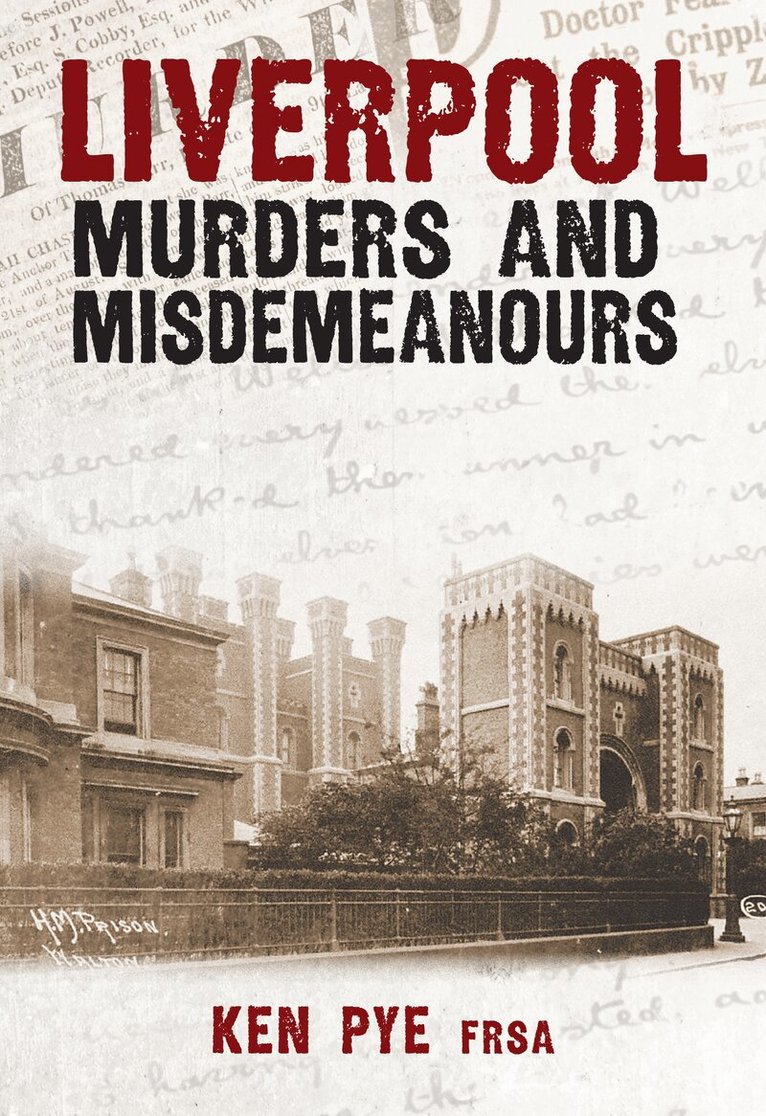
This book brings to life a selection of the most notorious, and grimmest, murders and other crimes in and around Liverpool from the eighteenth, nineteenth, and early twentieth centuries.The tales include ‘Fire in the Menagerie’, ‘Murderous Propaganda Against Prostitution’, ‘HMS Thetis - A Floating Tomb’, and ‘The Mass Graves of Old Swan’. Alongside these the author examines lesser-known cases such as ‘The Hope Street Bodysnatchers’, ‘The Telltale Brooch’ (the Liverpool pub landlady who was the main catalyst for the capture of Dr Crippen) and ‘The Prime Minister’s Assassin’ - when Spencer Percival was murdered in the House of Commons by a disgruntled Liverpudlian civil servant. Unusual crimes also feature including ‘The Man in the Iron Coffin’, ‘The Cheapside Vampire’, and the family of extremely violent Victorian muggers, ‘The Murderous Mulveys’. The story continues into the early twentieth century with the Edwardian gangs of Liverpool (the original Teddy boys) and the ‘Tithebarn Street Outrage’.The author also describes methods of punishing criminals in Liverpool through the ages and the role of the grisly Castle and Tower of Liverpool, where public hangings took place outside its walls and which became the disease-ridden town gaol in the nineteenth century. When the last hangings took place in Britain in the 1960s, one of them was carried out in Liverpool prison. This book will fascinate anyone with an interest in the history of crime, as well as those who want to know more about the story of Liverpool.
178 kr
Skickas
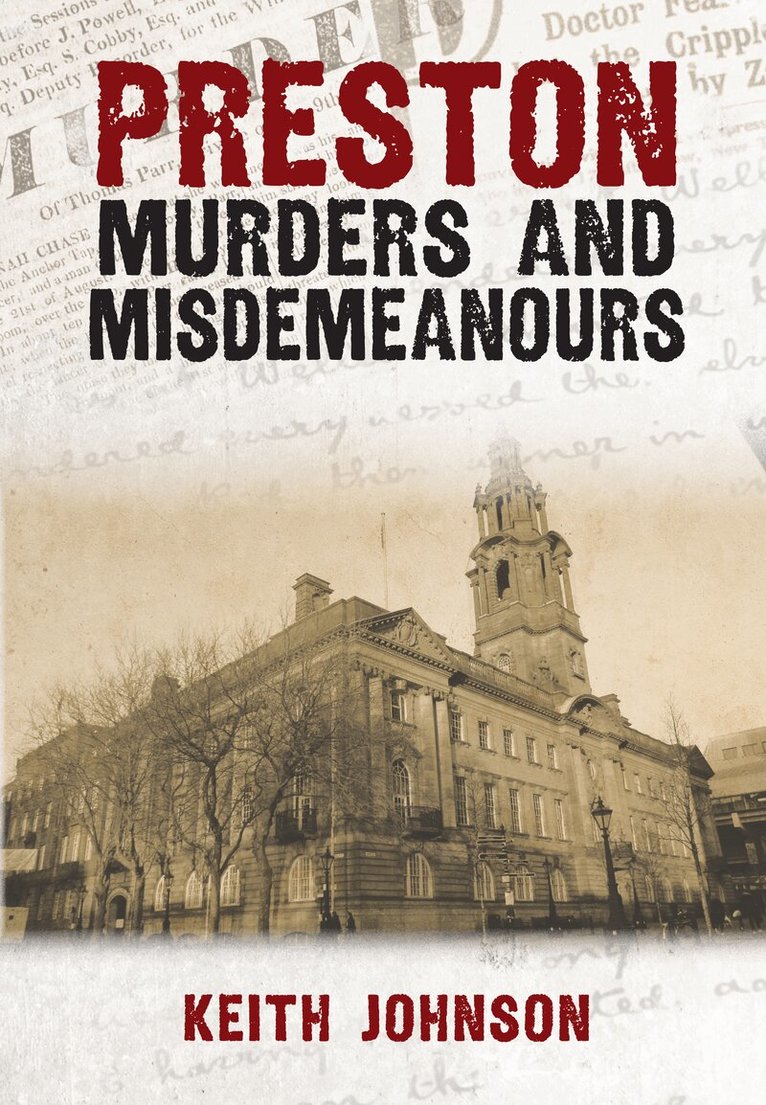
A Preston Chronicle newspaper headline in 1866 of ‘Thievery, Knavery & Harlotry in Preston’ described a town struggling with crime and its consequences. Justice had been swift from the days of horse thieves and highwaymen, when the gloom of the gallows or transportation brought fear to the less fortunate who lived among poverty and pestilence. Some would earn notoriety for their dreadful deeds, while others received pity for their plight.In Preston Murders and Misdemeanours, local author Keith Johnson brings together a collection of tales from the court archives to chronicle the events that occupied the courts and brought criminals to justice. Judges and justices, coroners and court clerks, barristers and briefs all played their part in a time when justice was swift and often delivered harshly with unflinching retribution. The poacher, the pickpocket, the prostitute and the pilfering thief were all punished for their crimes – whether petty or paramount.Keith Johnson tells of those who were murdered, poisoned, mistreated or cheated. He reveals the killers, thieves, swindlers and fraudsters who faced the glare of the courtroom and felt the long arm of the law. This journey through the justice system in this Lancashire city exposes the harsh realities of life and the curiosities of the past that are both compelling and thought-provoking.
146 kr
Tillfälligt slut
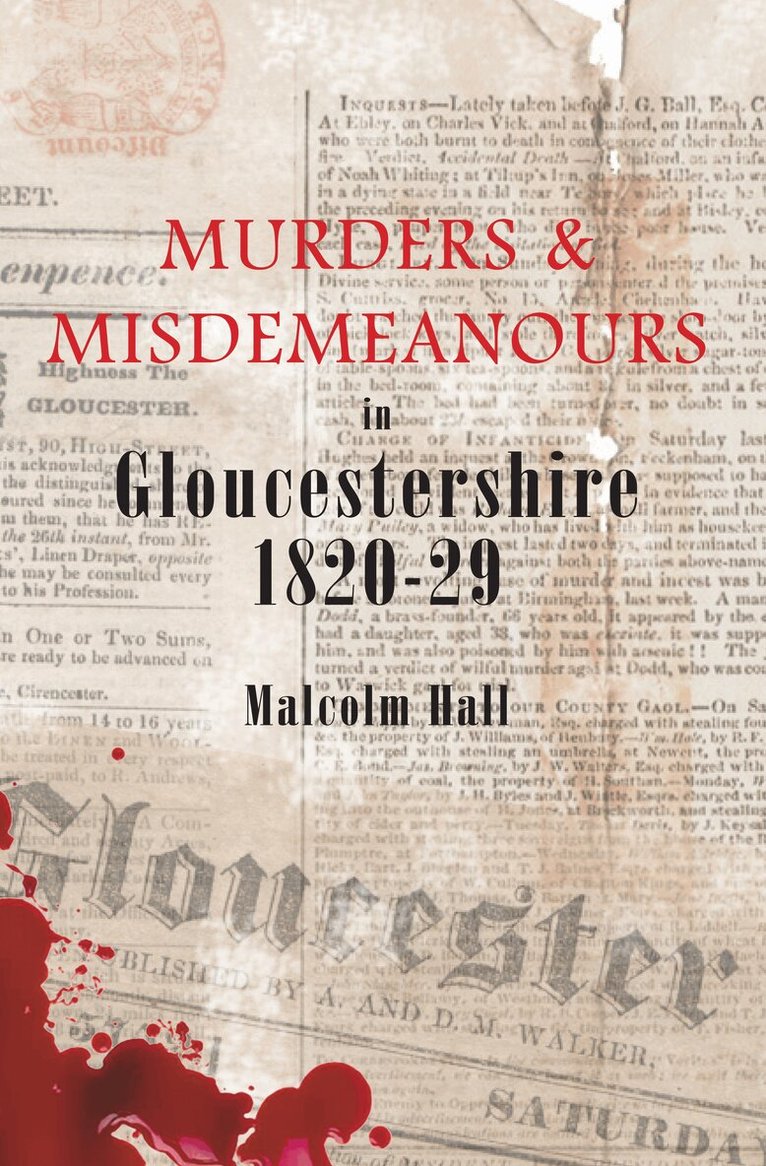
In relating the cases heard in the Courts of the County Assize in Gloucestershire nearly two centuries ago this book offers a variety of examples of the sins and sinners of those days, together with a fascinating insight into the consequences of those wrongdoings. The punishments awarded varied considerably, from time spent in Gloucester Gaol or a House of Correction, where hard labour or floggings could be expected, to deportation or, the ultimate penalty, hanging. The reports reproduced in this book come from the Gloucester Journal, the local newspaper of the day. They introduce the reader to all of the characters in each case: the eloquent counsel, the equally eloquent judges, the many witnesses and the condemned themselves.
168 kr
Tillfälligt slut
Pamela Shields' latest book is about Hertfordshire's many connections with royalty. Within these pages you find murder, mayhem, intrigue, scandal, love, hate, war and sometimes, even peace. She comes to her subject not as an academic historian but as a journalist with a passion for history and a populist eye for anecdotes and local myths and legends which surround some of the most famous of names. Quirky, insightful, entertaining, sometimes irreverent it is also, of course, full of fascinating facts such as: in 1361 the Prince of Wales spent his honeymoon in Berkhamsted and that his new Duchess of Cornwall was an older woman with a past; how Henry VIII's children (all future monarchs) were brought up; where James I was when he received news of the Gunpowder Plot and where George VI, father of the present Queen, fell madly in love with Lady Elizabeth Bowes Lyon. We read about Edward II and his lover Piers Gaveston; how Henry Bolingbroke had his cousin Richard II murdered and why he buried him in Kings Langley. We discover that The Three Lions on English football shirts are far from English and the famous Tudor dynasty was started by a Welsh servant. Pamela takes a modern approach to the shenanigans of kings and queens throughout history. Some were brave, some greedy, some cruel, others gentle, all are fascinating.
189 kr
Skickas inom 11-20 vardagar
In the Middle Ages, Norwich was the largest city in England apart from London. It maintained this position until the eighteenth-century, when it was overtaken by Bristol. During the nineteenth and twentieth centuries Norwich became known as a county town with a market and wide range of industries. This colourful history is one that inevitably embraces its share of murders and misdemeanours. The history of crime and punishment has played out here as much as in London or any other city. One aspect of criminality remained unchanged from the twelfth to the nineteenth century, the role of Norwich Castle as a prison; it was a place where criminals were kept while awaiting trial, not a place for locking them up afterwards. The major crimes were: theft, rape, murder and the occasional case of forgery or treason. If you committed a major crime, how long you waited in prison for your trial would depend on when the assize judges were next in town. All cases were heard before a jury of landowners, no women were allowed to serve as jurors. The consequences of this are explored several times in this book; the defence council might appeal to male prejudices by attempting to impugn the moral qualities of a female victim. Norwich Murders & Misdemeanours offers a fascinating insight into the darker side of Norwich.
146 kr
Tillfälligt slut
A look at the dark side of life, Victorian-style, when nothing was quite as it seemed and a public execution could be an entertaining family day out. Murderers, poachers, thieves, pickpockets and vagabonds all went about their business with impunity. Crime took place on the streets, on public transport, in homes, pubs, prisons, asylums, workhouses and brothels - it was all part of everyday life. Naturally the punishments awarded varied considerably, depending upon the crimes committed. Murderers and thieves - particularly horse thieves - could expect the rope, though others could hope for a reprieve. Such a remission would automatically add them to list of convicts to be deported to the penal colonies in Australia. Alternatively, convicts might expect to spend time in gaol or a House of Correction, with hard labour and floggings often thrown in for good measure. This collection of real life crimes vividly recreates the events surrounding them, offering an insight not only into criminal law but also into the social history attached to crime as society evolved and adapted to meet changing industries and class structures. A must have book for any arm chair detective and anyone interested in the social mores of the day.
189 kr
Skickas inom 11-20 vardagar
Yorkshire Murders & Misdemeanours invites the reader to take a look at the dark side of life. This gruesome collection of historical murders and misdemeanours vividly brings to life a selection of true crimes; crimes which took place on the streets, on public transport, in homes, pubs, prisons, workhouses and brothels. The reader will be introduced to characters such as Joseph Wooler whose wife died in 1855 in mysterious circumstances; the question is, was Joseph responsible for poisoning his wife, Jane, with arsenic or was her body simply unable to cope with the medication she was taking for her weak constitution? We are also introduced to the case of James Smith, the keeper of the toll house at Hebden Bridge in 1850, who was found with his throat cut. Was the man arrested for this crime the right man? This collection of real life crimes vividly recreates the events surrounding them. A must have book for any armchair detective!