Music in Society and Culture – serie
Visar alla böcker i serien Music in Society and Culture. Handla med fri frakt och snabb leverans.
16 produkter
16 produkter
Del 3 - Music in Society and Culture
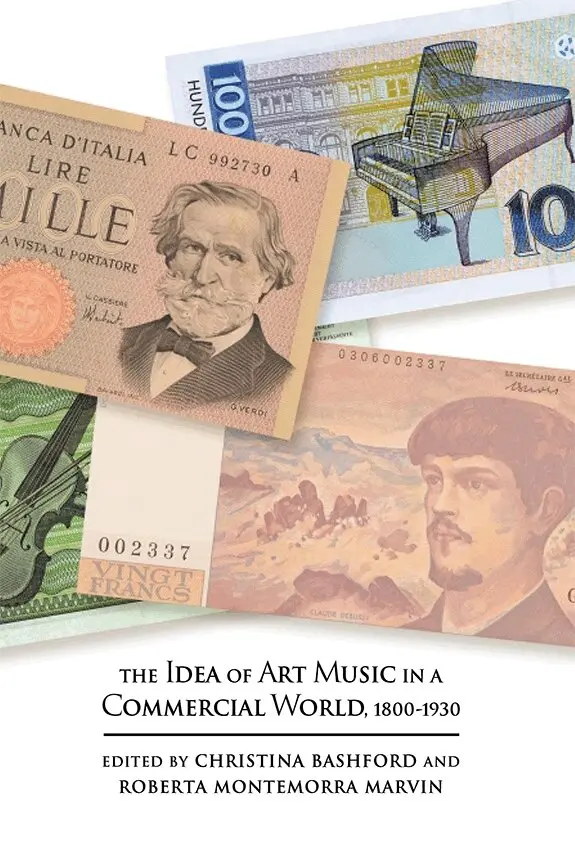
Idea of Art Music in a Commercial World, 1800-1930
Inbunden, Engelska, 2016
1 448 kr
Skickas inom 7-10 vardagar
Opens up significant paths for conversation about how musical concepts, practices and products were shaped by interrelationships between culture and commerce.Art and money, culture and commerce, have long been seen as uncomfortable bedfellows. Indeed, the connections between them have tended to resist full investigation, particularly in the musical sphere. The Idea of Art Music in aCommercial World, 1800-1930, is a collection of essays that present fresh insights into the ways in which art music, i.e., classical music, functioned beyond its newly established aesthetic purpose (art for art's sake) and intersected with commercial agendas in nineteenth- and early twentieth-century culture. Understanding how art music was portrayed and perceived in a modernizing marketplace, and how culture and commerce interacted, are the book's main goals.In this volume, international scholars from musicology and other disciplines address a range of unexplored topics, including the relationship of sacred music with commerce in the mid nineteenth century, the roleof music in urban cultural development in the early twentieth, and the marketing of musical repertories, performers and instruments across time and place, to investigate what happened once art music began to be understood as needing to exist within the wider framework of commercially oriented culture. Historical case studies present contrasting topics and themes that not only vary geographically and ideologically but also overlap in significant ways, pushing back the boundaries of the 'music as commerce' discussion. Through diverse, multidisciplinary approaches, the volume opens up significant paths for conversation about how musical concepts, practices and products were shaped byinterrelationships between culture and commerce.CHRISTINA BASHFORD is Associate Professor of Musicology at the University of Illinois.ROBERTA MONTEMORRA MARVIN is Director of the Opera Studies Forum in the Obermann Center for Advanced Studies at the University of Iowa, where she is also on the faculty.CONTRIBUTORS: Christina Bashford, George Biddlecombe, Denise Gallo, David Gramit, Catherine Hennessy Wolter, Roberta Montemorra Marvin, Fiona Palmer, Jann Pasler, Michela Ronzani, Jon Solomon, Jeffrey S. Sposato, Nicholas Vazsonyi, David Wright
Del 4 - Music in Society and Culture
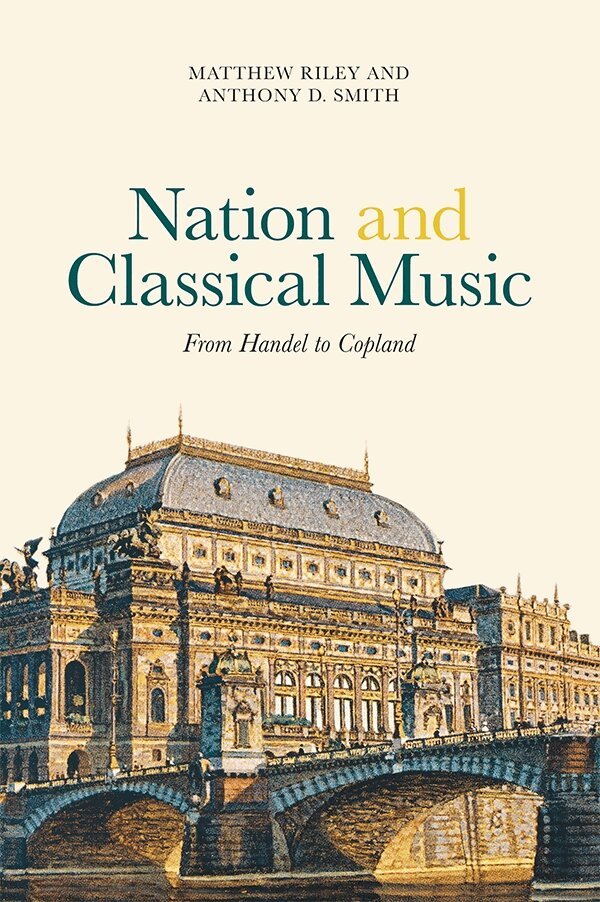
Nation and Classical Music
From Handel to Copland
Inbunden, Engelska, 2016
1 072 kr
Skickas inom 7-10 vardagar
How and why do listeners come over time to 'feel the nation' through particular musical works?Sunday Times Best Reads of 2016This book develops a comparative analysis of the relationship between western art music, nations and nationalism. It explores the influence of emergent nations and nationalism on the development of classical music in Europe and North America and examines the distinctive themes, sounds and resonances to be found in the repertory of each of the nations. Its scope is broad, extending well beyond the period 1848-1914 when national music flourished most conspicuously. The interplay of music and nation encompasses the oratorios of Handel, the open-air music of the French Revolution and the orchestral works of Beethoven and Mendelssohn and extends into the mid-twentieth century in the music of Prokofiev, Shostakovich and Copland. The book addresses the representation of the national community, the incorporation of ethnic vernacular idioms into art music, the national homeland in music, musical adaptations of national myths and legends, the music of national commemoration and the canonisation of national music. Bringing together insights from nationalism studies, musicology and cultural history, it will be essential reading not only for musicologists but for cultural historians and historians of nationalism as well.MATTHEW RILEY is Reader in Music at the University of Birmingham.The late ANTHONY D. SMITH was Professor Emeritus of Nationalism andEthnicity at the London School of Economics.
Del 6 - Music in Society and Culture
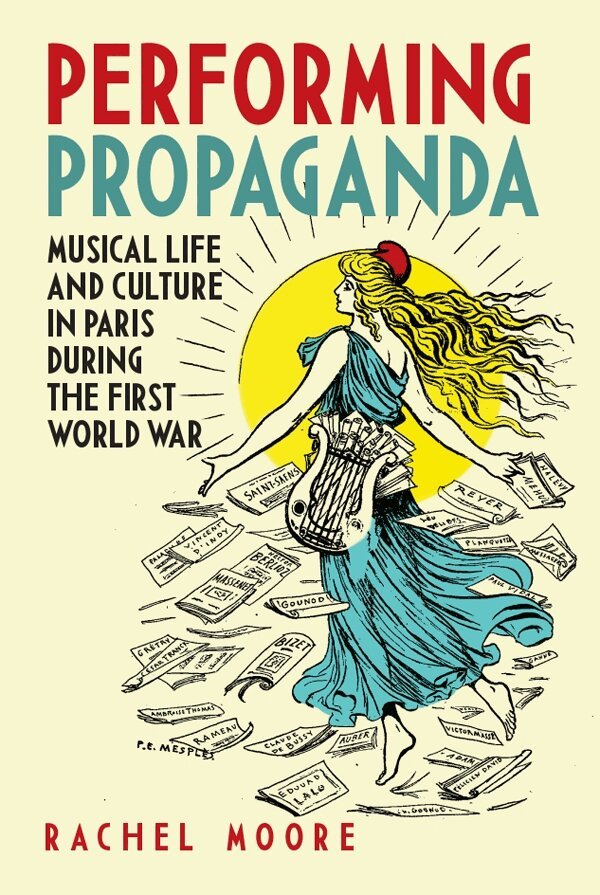
Performing Propaganda: Musical Life and Culture in Paris during the First World War
Inbunden, Engelska, 2018
1 072 kr
Skickas inom 7-10 vardagar
In the First World War, civilian life played a fundamental part in the war effort; and music was no exception.Performing Propaganda looks at musical life in Paris during the First World War. This conflict was one in which civilian life played a fundamental part in the war effort; and music was no exception. The book examines how Western art music became a central part of the home-front war effort, employed by both musicians and government as a powerful tool of propaganda. It situates French art music of the First World War within its social, cultural and political context, and within the wider temporal framework of the Franco-Prussian and Second World Wars. Drawing on a diverse range of archival material, including concert and operatic programmes, the musical and daily press, documents detailing government involvement in musical activity, and police records, it explores how various facets of French musical life served, in very different ways, as propaganda. In short, it explores why music mattered during a period of prolonged conflict, whether as emotional catalyst, weapon, or tool. This book will be of interest to musicologists, to cultural historians working on early twentieth-century France, and to scholars of the First World War,as well as to a more general readership with an interest in music during times of adversity.RACHEL MOORE is a Leverhulme Early Career Fellow in Music, University of Oxford.
Del 5 - Music in Society and Culture
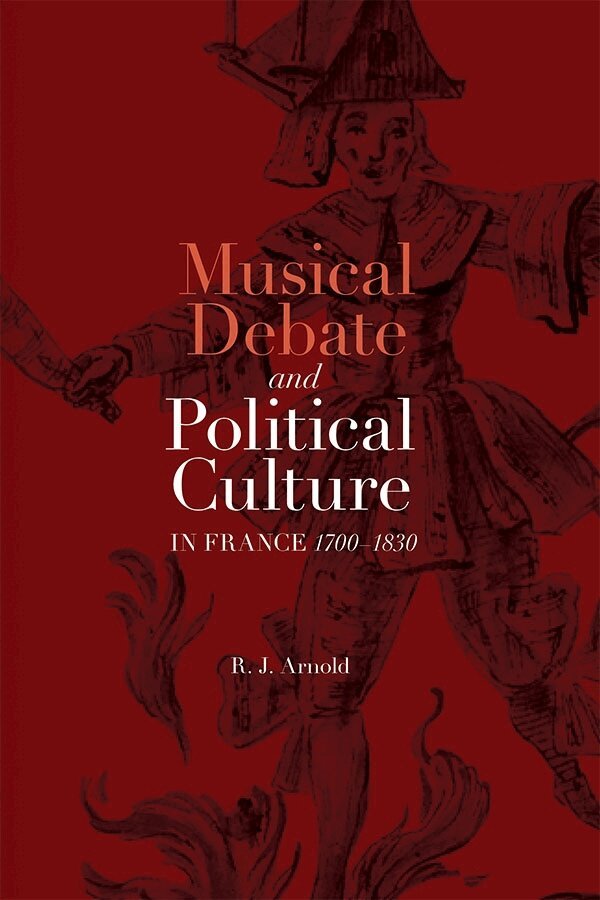
Musical Debate and Political Culture in France, 1700-1830
Inbunden, Engelska, 2017
1 072 kr
Skickas inom 7-10 vardagar
The first full-length treatment of the operatic querelles in eighteenth-century France, placing individual querelles in historical context and tracing common themes of authority, national prestige and the power of music over popular sentiment.In the eighteenth and early nineteenth centuries, French cultural life seethed with debates about the proper nature and form of musical expression, particularly in opera. Expressed in a flood of pamphlets, articles, letters and poems as well as in the actual disruption of performances, these so-called querelles were seen at the time as a distinctively French phenomenon and have been mined by scholars since for what they can tell us about French politics and culture in the revolutionary period.This is the first full-length treatment of the entire history of this phenomenon, from its beginnings in the last years of Louis XIV to the 1820s when the new musical challenges of Berlioz and Wagner put an end to this particular form of debate. Arnold analyses the individual querelles, showing how they reflected and played their part in wider political and cultural events. At the same time, hetraces themes common in varying degrees to them all - questions of authority, the issue of national prestige, and the relation of language to music. Where some scholars have characterised these disputes as simply politics by proxy, Arnold paints a more nuanced picture, showing that music itself was taken seriously beyond artistic circles because it was seen as having great, potentially limitless, power over popular sentiment and thus implicitly power to reform society and change the world.R.J. Arnold is an honorary research fellow at Birkbeck, University of London
Del 7 - Music in Society and Culture
Musical Journeys: Performing Migration in Twentieth-Century Music
Inbunden, Engelska, 2019
1 088 kr
Skickas inom 10-15 vardagar
The displacement of European musics and musicians is a defining feature of twentieth-century music history.WINNER: 2020 RMA/CUP Monograph PrizeThe displacement of European musics and musicians is a defining feature of twentieth-century music history. Musical Journeys uses vignettes of migratory moments in the works of Hanns Eisler in Paris, Mátyás Seiber in London, and István Anhalt in Montreal to investigate concepts of identity construction and musical aesthetics in the light of migratory experiences. Moving between the Austro-Hungarian Empire, proto-fascist Hungary, fascist Germany, war-time Britain, post-war Canada, and socialist East Germany, the book explores aspects of musical migrant culture including creative responses to nationalist ideas and politics, the role of cultural institutions in promoting (or censoring) the works of immigrant composers, and the complex interaction between Jewish identity and memory. It contends that an approach to music through the lens of migration can challenge and enrich socio-cultural understandings of music as well as conceptions of music historiography. Drawing on exile, diaspora, migration and mobilities studies, critical theory, and post-colonial and cultural studies, Musical Journeys weaves detailed biographical and contextual historical knowledge and analytical insights into music into an intricate fabric that does justice to the complexity of the musical migratory experience. FLORIAN SCHEDING is Senior Lecturer in Music at the University of Bristol.
Del 8 - Music in Society and Culture
Béla Bartók in Italy
The Politics of Myth-Making
Inbunden, Engelska, 2021
1 198 kr
Skickas inom 7-10 vardagar
Examines the reputation of the Hungarian musician Béla Bartók (1881-1945) as an antifascist hero.This book examines the reputation of the Hungarian composer Béla Bartók (1881-1945) as an antifascist hero and beacon of freedom. Following Bartok's reception in Italy from the early twentieth century, through Mussolini's fascist regime, and into the early Cold War, Palazzetti explores the connexions between music, politics and diplomacy. The wider context of this study also offers glimpses into broader themes such as fascist cultural policies, cultural resistance, and the ambivalent political usage of modernist music. The book argues that the 'Bartókian Wave' occurring in Italy after the Second World War was the result of the fusion of the Bartók myth as the 'musician of freedom' and the Cold War narrative of an Italian national regeneration. Italian-Hungarian diplomatic cooperation during the interwar period had supported Bartok's success in Italy. But, in spite of their political alliance, the cultural policies by Europe's leading fascist regimes started to diverge over the years: many composers proscribed in Nazi Germany were increasingly performed in fascist Italy. In the early 1940s, the now exiled composer came to represent one of the symbols of the anti-Nazi cultural resistance in Italy and was canonised as 'the musician of freedom'. Exile and death had transformed Bartók into a martyr, just as the Resistenza and the catastrophe of war had redeemed post-war Italy.
Del 9 - Music in Society and Culture
Creative Labor of Music Patronage in Interwar France
Inbunden, Engelska, 2022
1 072 kr
Skickas inom 7-10 vardagar
Challenges the longstanding perception that modernist composers made art, not money, and that those who made money somehow failed to make art.Patrons have long appeared as colorful, exceptional figures in music history, but this book recasts patrons and patronage as creative forces that shaped the sounds and meanings of new French music between the world wars. Far from mere sources of funding, early twentieth-century patrons collaborated closely with composers, treating commissions for new music as opportunities to express their own artistry. Patrons developed new pathways to participate in music-making, going beyond commissions to establish ballet companies, manage performance venues, and establish state programs. The impressive variety of patronage activities led to an explosion of new music as well as new styles and -isms, indelibly marking the repertoire that this book examines, including a number of pieces frequently heard in concert halls today. In addition to offering new perspectives on well-known French repertoire, this book challenges conceptions of patronage as a bygone phenomenon. Complementing a dwindling cast of aristocratic patrons were new ranks of music publishers, impresarios, state bureaucrats, opera directors, and others capitalizing on their savings, social connections, and artistic vision to bring new music into the world. In chapters on French discourse around patronage, aristocratic commissions, the stimulus provided by the interwar dance craze, music publishing, the Paris Opéra, state intervention in French musical life, and transatlantic musical exchanges, the book blends cultural history with primary source study and music analysis. It not only improves our understanding of French musical life and culture during the early twentieth century but also supplies us with essential insights into the ways modern music emerged at the intersection of music composition, aesthetic and national politics, and the creative labor of patrons.
Del 10 - Music in Society and Culture
America in the French Imaginary, 1789-1914
Music, Revolution and Race
Inbunden, Engelska, 2022
1 448 kr
Skickas inom 7-10 vardagar
Just as America was observed in French literary and political commentary, we find representations of America in French music, dance, and theatre which serve as the focus of this volume. Following the American Revolution, French authors often viewed the United States as a laboratory for the forging of new practices of liberté and égalité, in affinity with France's own Revolutionary ideals but in competition with lingering anti-American depictions of an inferior, untamed New World. The volume examines French imagining of America through musical/theatrical portrayals of the American Revolution and Republic, soundscapes of the Statue of Liberty, homages to Washington, Franklin and Lafayette and negotiations of Francophone identity in New Orleans. The subject of race features prominently in paradoxical depictions of slavery, freedom, and revolution in the United States and French Caribbean colonies of 'Amérique' and in varied interpretations of American music and gendered identity. Essays consider French constructions of the Indigenous American and Black American 'exotic' that intersect with tropes of noble, pastoral savagery, menacing barbarism and the 'civilising' potency of French culture. Such French constructions reveal both a revulsion of racial alterity and an attraction to the expressive, even subversive, freedom of Americanness. Investigations of French conceptions of America extend to critiques of American orchestral music, Gottschalk's Louisianan-Caribbean Creole works, Buffalo Bill's spectacles and the cakewalk in Paris. With scholarly contributions on music, dance, theatre and opera, the volume will be essential reading for students and scholars of these disciplines.
Del 11 - Music in Society and Culture
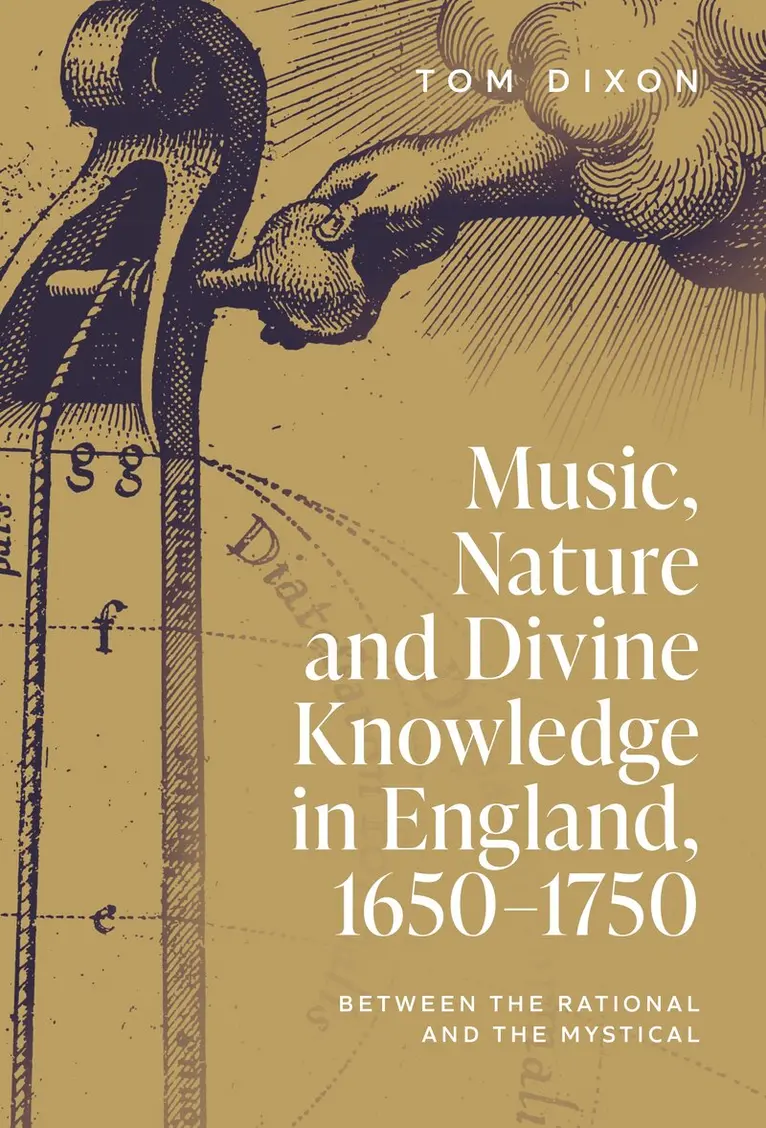
Music, Nature and Divine Knowledge in England, 1650-1750
Between the Rational and the Mystical
Inbunden, Engelska, 2023
1 406 kr
Skickas inom 7-10 vardagar
During a period of tumultuous change in English political, religious and cultural life, music signified the unspeakable presence of the divine in the world for many. What was the role of music in the early modern subject's sensory experience of divinity? While the English intellectuals Peter Sterry (1613-72), Richard Roach (1662-1730), William Stukeley (1687-1765) and David Hartley (1705-57), have not been remembered for their 'musicking', this book explores how the musical reflections of these individuals expressed alternative and often uncustomary conceptions of God, the world, and the human psyche. Music is always potentially present in their discourse, emerging as a crucial form of mediation between states: exoteric and esoteric, material and spiritual, outer and inner, public and private, rational and mystical. Dixon shows how Sterry, Roach, Stukeley and Hartley's shared belief in truly universal salvation was articulated through a language of music, implying a feminising influence that set these male individuals apart from contemporaries who often strictly emphasised the rational-i.e. the supposedly masculine-aspects of religion. Musical discourse, instead, provided a link to a spiritual plane that brought these intellectuals closer to 'ultimate reality'. Theirs was a discourse firmly rooted in the real existence of contemporary musical practices, both in terms of the forms and styles implied in the writings under discussion and the physical circumstances in which these musical genres were created and performed.Through exploring ways in which the idea of music was employed in written transmission of elite ideas, this book challenges conventional classifications of a seventeenth-century 'Scientific Revolution' and an eighteenth-century 'Enlightenment', defending an alternative narrative of continuity and change across a number of scholarly disciplines, from seventeenth-century English intellectual history and theology, to musicology and the social history of music.
Del 12 - Music in Society and Culture
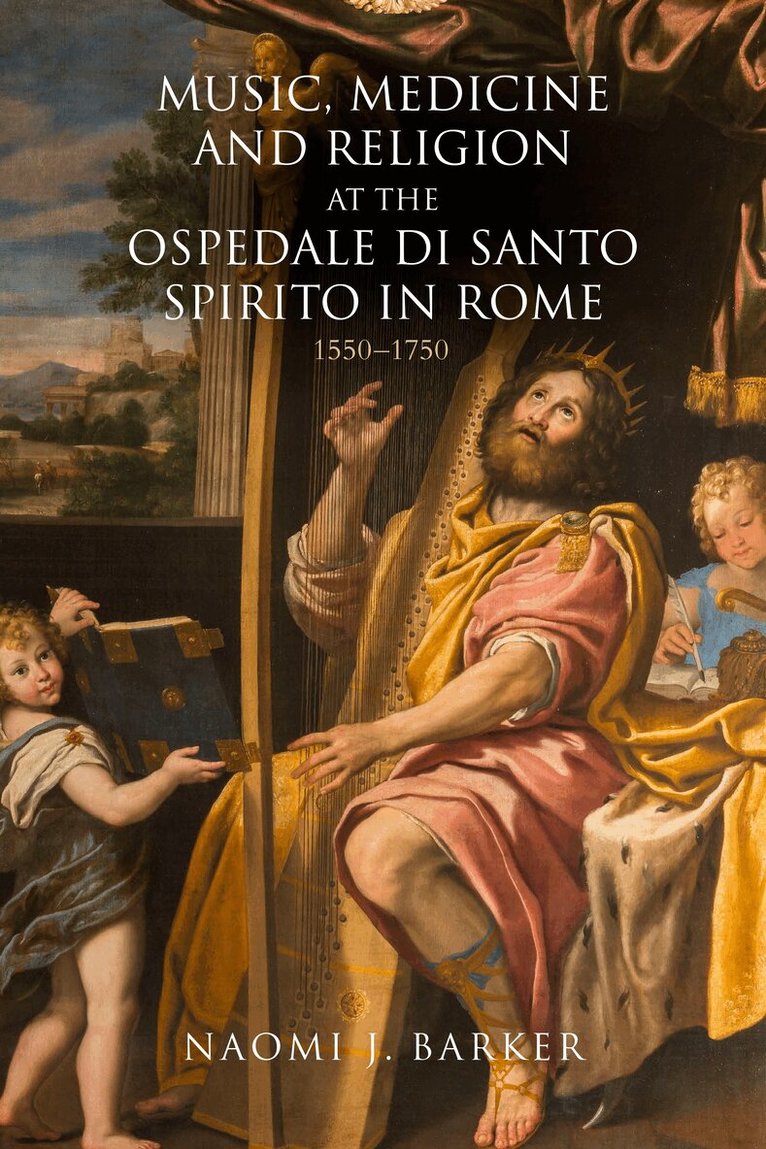
Music, Medicine and Religion at the Ospedale di Santo Spirito in Rome
1550–1750
Inbunden, Engelska, 2024
1 198 kr
Skickas inom 7-10 vardagar
Explores the use of music as therapy and shows how it operated in the hospital's institutional, social and historical contexts, undergoing change in response to broader cultural and religious movements.This book explores connections between the physical care of the sick based on the study of medicine, concepts of healing founded on religious thought, and the practice of music at the Ospedale di Santo Spirito (Hospital of the Holy Spirit) in Rome. The hospital was a unique institution that was regulated by the Roman Catholic Church but simultaneously reflected the significant shifts in scientific thought emerging during the period that coincided with post-Tridentine reforms in the church.The volume discusses the hospital's foundation, architecture and links with the papacy. It also reflects on the then acceptable "ways of knowing" informed by religious concerns and medical traditions. The tripartite relationship between religion, medicine and music within the institution was complex. At times they existed side-by-side, at others they intersected. Drawing on extensive archival research such as financial records, decrees, records of apostolic visits and inventories as well as surviving musical sources (printed and manuscript), the book makes connections between intellectual beliefs about music and actual musical practices. It explores the early use of music as therapy and investigates the musical ideals and practices of the monastic regime which ran the hospital. In a wider sense, the book shows how music operated in the hospital's institutional, social and historical contexts, and how it underwent change over time in response to broader cultural and religious movements.
Del 13 - Music in Society and Culture
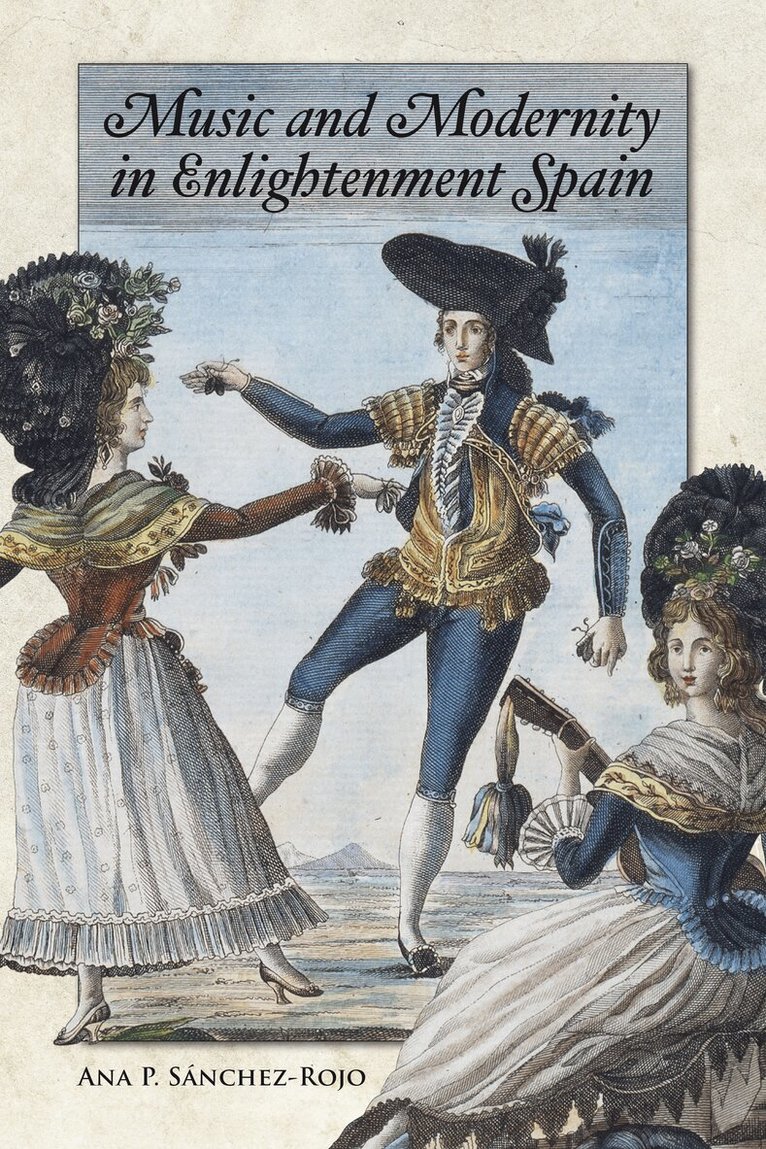
Music and Modernity in Enlightenment Spain
Inbunden, Engelska, 2024
1 163 kr
Skickas inom 7-10 vardagar
By showing how music intersected with wider cultural affairs, such as philosophy and criticism, this book connects music and the modern in eighteenth-century Spain within the context of Enlightenment thought.Histories of modern Europe often present late eighteenth-century Spain as a backward place struggling to keep pace with modernity. During the reign of Charles III (1759-1788), Spain pushed for economic and cultural modernization, but encountered resistance from members of the public and the elite alike. They viewed the modern as a passing fad that would, in time, show its fragility, and believed Spain would withstand the collapse thanks to its firm grounding in the pillars of monarchy, religion, and traditional forms of knowledge. One source of this solid foundation was the long-established musical knowledge based on the rules of counterpoint. In contrast, modernizers argued that Spain could be true to its essence, yet simultaneously modern and cosmopolitan: they favoured cosmopolitan genres, such as Italian opera, and artistic expression over counterpoint rules. At times this led to more creative uses of music, such as reinterpreting pastoral and sentimental topics to accommodate reformist political trends. Music was considered crucial to the integrity of the Spanish nation by both sides. Whether and how Spain became modern would in many ways be defined and reinforced by the kinds of music that Spaniards composed and witnessed on stage. Through the study of press debates, opera reception, and musical theatre productions, this book shows how music intersected with wider cultural affairs, such as philosophy and criticism, medicine and the human body, civilization, Bourbon policy and sentimentality. Music and Modernity in Enlightenment Spain for the first time connects music and the modern in eighteenth-century Spain within the context of Enlightenment thought.
Del 14 - Music in Society and Culture
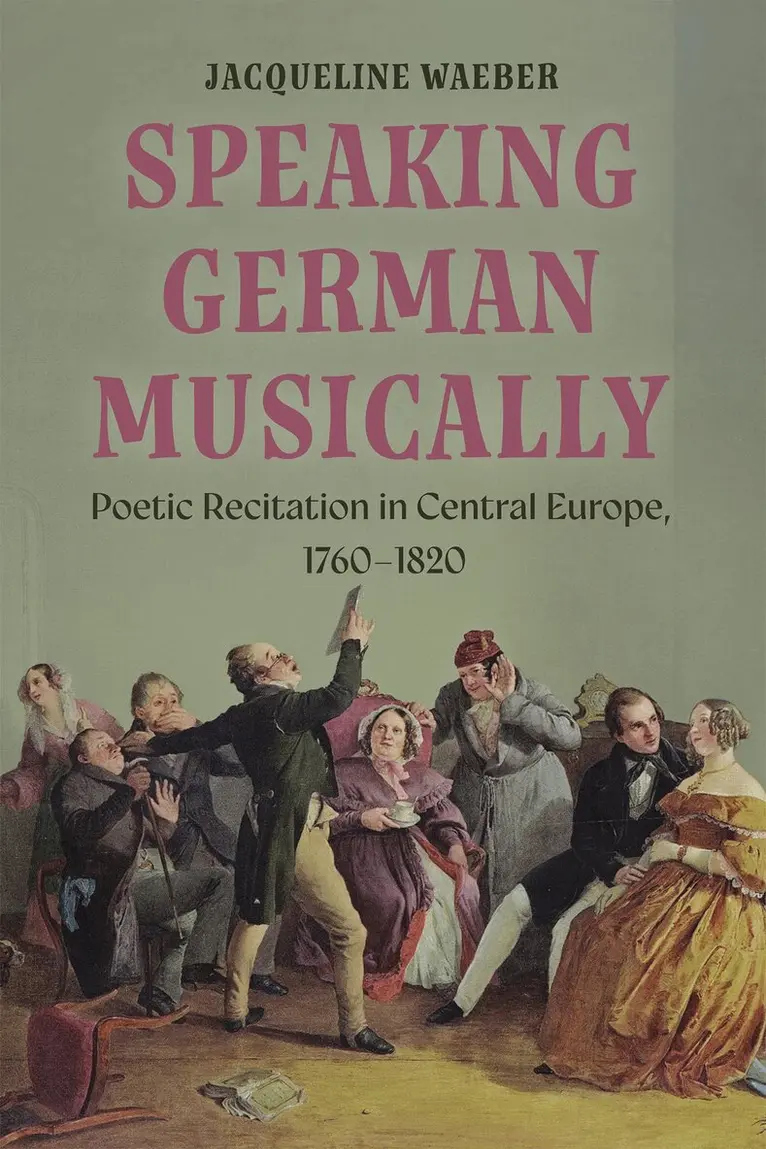
Speaking German Musically: Poetic Recitation in Central Europe, 1760-1820
Inbunden, Engelska, 2025
1 827 kr
Skickas inom 7-10 vardagar
Shows how poetic recitation and the interweaving of music and poetry contributed to the advent of a German identity in late eighteenth- and early nineteenth-century Europe.The art of reciting a text out loud, known as Vortragskunst, be it in a private circle or in a concert hall, originated in German-speaking countries in the 1760s, and by the nineteenth century had become a well-established practice subjected to an artistic blossoming unparalleled in the rest of Europe.In this book Jacqueline Waeber explains and examines how and why this happened, focusing on the origins of poetic recitation and its development during the late eighteenth and early nineteenth centuries, a period essential to the development of modern German literature and theatre, bookended by the two main figures who contributed to the theoretical and aesthetical tenets of poetic recitation, the poet Friedrich Gottlieb Klopstock (1724-1803) and Johann Wolfgang von Goethe (1749-1832). Poetic recitation quickly gained attraction for the Lied and the musical melodrama, both musical genres that were driven by a search for new declamatory styles. As a result, poetic recitation became increasingly 'musicalized' by the frequent addition of a musical accompaniment. As the book shows, this intertwining of music and poetry made a huge contribution to the advent of German identity through the reappraisal of its language.
Del 15 - Music in Society and Culture
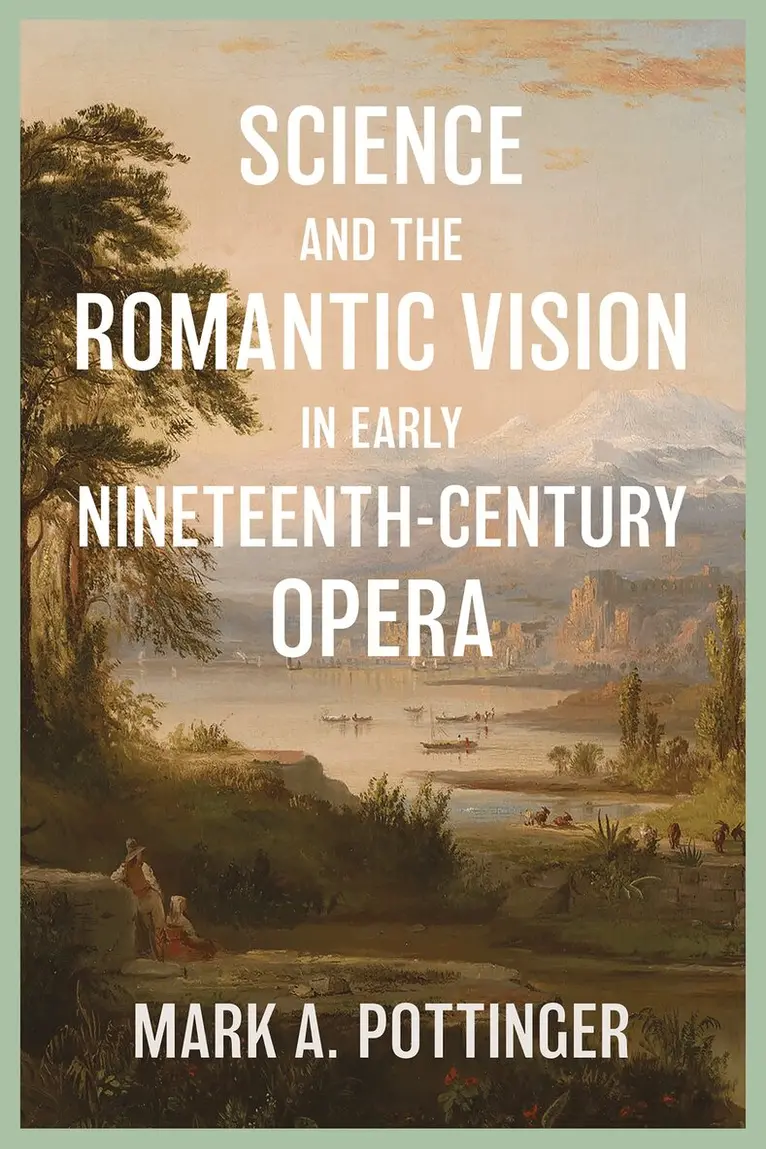
Science and the Romantic Vision in Early Nineteenth-Century Opera
Inbunden, Engelska, 2026
1 041 kr
Skickas inom 7-10 vardagar
An interdisciplinary study of how early nineteenth-century science and opera articulated a transnational romantic vision of harmony between self and nature, and how this ideal gave way to mid-century realism and social conflict.The end of the Napoleonic era ushered in a transnational outlook for Europe, where the traditional boundaries that separated people, ideas and things were blurred in favour of a unified and cosmopolitan vision for society. The result of this shift created a 'romantic vision', a new way to perceive the imagined potential of the self in correspondence with the infinite reality of the natural world. Early nineteenth-century scientists such as Alexander von Humboldt (earth sciences), Franz Anton Mesmer (mesmerism), Johann Wilhelm Ritter (galvanism) and Frédéric Dubois d'Amiens (hysteria) are explored in this context to see how the romantic vision was reflected in their work and received by society. Seeing opera as a confluence of all the arts and encompassing a similar romantic vision, this book examines three paradigmatic operas that contend with the forces of nature: Weber's Der Freischütz (1821), Meyerbeer's Robert le diable (1831) and Donizetti's Lucia di Lammermoor (1835). In these three highly successful works from separate operatic traditions, the unseen, inner world of nature reveals a wholeness of the self with the divine, showcasing a healthy optimism for society.The book concludes by discussing Gounod's Faust (1859), a work that highlights the struggle of an early-16th-century scientist and places it against the context of the social revolutions of 1848 and the seminal publication of Charles Darwin's The Origin of Species in 1859. In this post-1850 era, the potential of the unseen reality of nature is cast aside and replaced with the certainty of the everyday-the violence of man against man, the struggle for power and the destruction of nature itself.
1 942 kr
Kommande
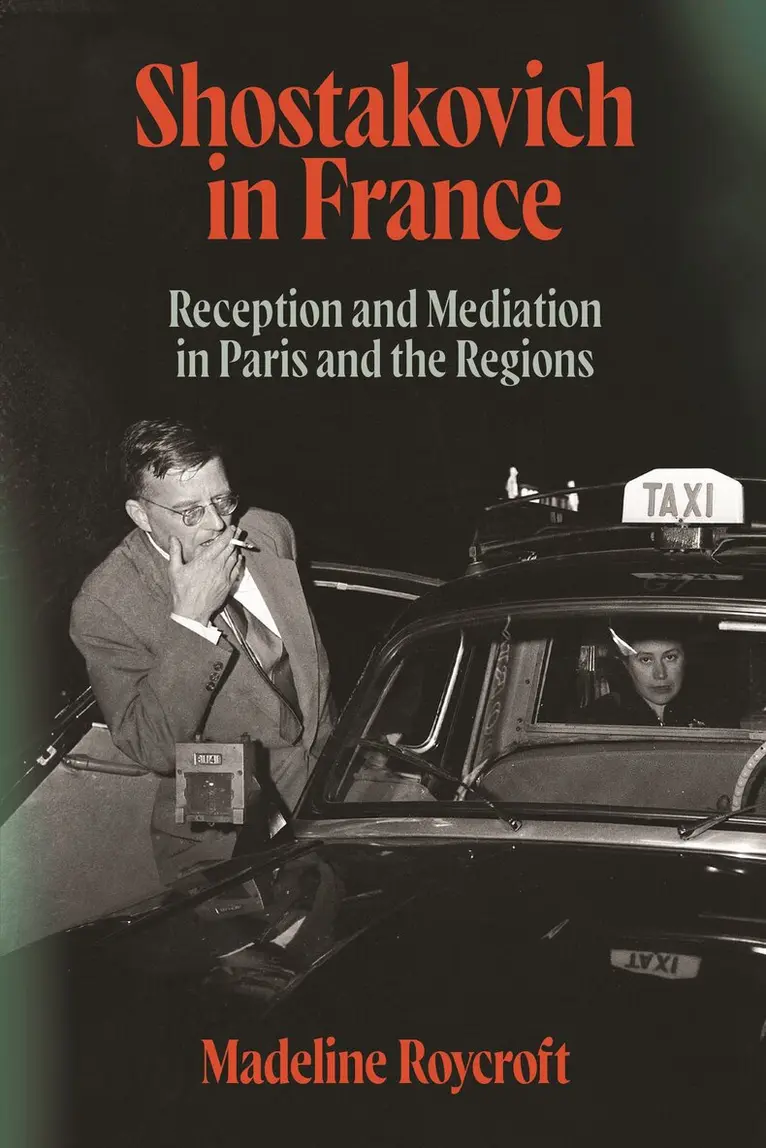
Traces how Shostakovich's music in France shifted from being seen in its communist context to an emblem of humanism and resistance across the twentieth century.This book examines shifting critical responses to Shostakovich's music in France throughout the twentieth century - from its introduction in Paris during the 1930s, through to the 1990s, when the symphonies and Lady Macbeth of the Mtsensk District were being performed and staged widely in the capital and across the regions.The book's account begins with the role of Shostakovich's music during the era of the Front populaire in 1930s Paris. Following repression under Vichy France and German Occupation, an influx of Shostakovich symphonies would premiere in the newly liberated post-war Paris, before Shostakovich made his only visit to France in the early years of the Cold War. In this period his music becomes entangled with international political and aesthetic debates regarding the influence and creative freedom of artists. The era of political and cultural détente accompanies a warmer reception of Shostakovich's music in Paris and regional cities alike, while Shostakovich's music receives intense promotion across France during the revolutions of 1989. The book concludes with a look at Shostakovich programming in Paris and France's regions following the collapse of the Soviet Union.Throughout the twentieth century, Shostakovich's music served as a means for French critics and writers to articulate their own ideas, opinions and concerns about the Soviet Union: ultimately, the music of Shostakovich evolved from an icon of French Communism to a symbol of humanism and resistance with broad social and political appeal.
Del 1 - Music in Society and Culture
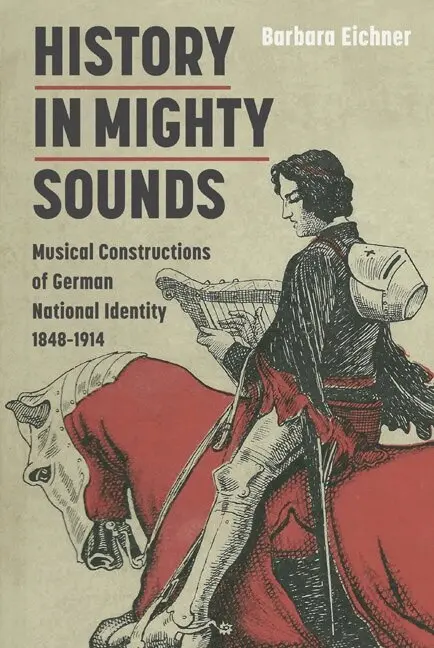
History in Mighty Sounds: Musical Constructions of German National Identity, 1848 -1914
Inbunden, Engelska, 2012
1 198 kr
Skickas inom 7-10 vardagar
An indispensable study of nineteenth-century German music, history and nationalism.Music played a central role in the self-conception of middle-class Germans between the March Revolution of 1848 and the First World War. Although German music was widely held to be 'universal' and thus apolitical, it participated- like the other arts - in the historicist project of shaping the nation's future by calling on the national heritage. Compositions based on - often heavily mythologised - historical events and heroes, such as the Battle of the Teutoburg Forest or the medieval Emperor Barbarossa, invited individual as well as collective identification and brought alive a past that compared favourably with contemporary conditions.History in Mighty Sounds mapsout a varied picture of these 'invented traditions' and the manifold ideas of 'Germanness' to which they gave rise, exemplified through works by familiar composers like Max Bruch or Carl Reinecke as well as their nowadays little-known contemporaries. The whole gamut of musical genres, ranging from pre- and post-Wagnerian opera to popular choruses to symphonic poems, contributes to a novel view of the many ways in which national identities were constructed,shaped and celebrated in and through music. How did artists adapt historical or literary sources to their purpose, how did they negotiate the precarious balance of aesthetic autonomy and political relevance, and how did notions of gender, landscape and religion influence artistic choices? All musical works are placed within their broader historical and biographical contexts, with frequent nods to other arts and popular culture. History in Mighty Sounds will be indispensable reading for anyone interested in nineteenth-century German music, history and nationalism.Barbara Eichner is Senior Lecturer in Musicology at Oxford Brookes University.
Del 2 - Music in Society and Culture
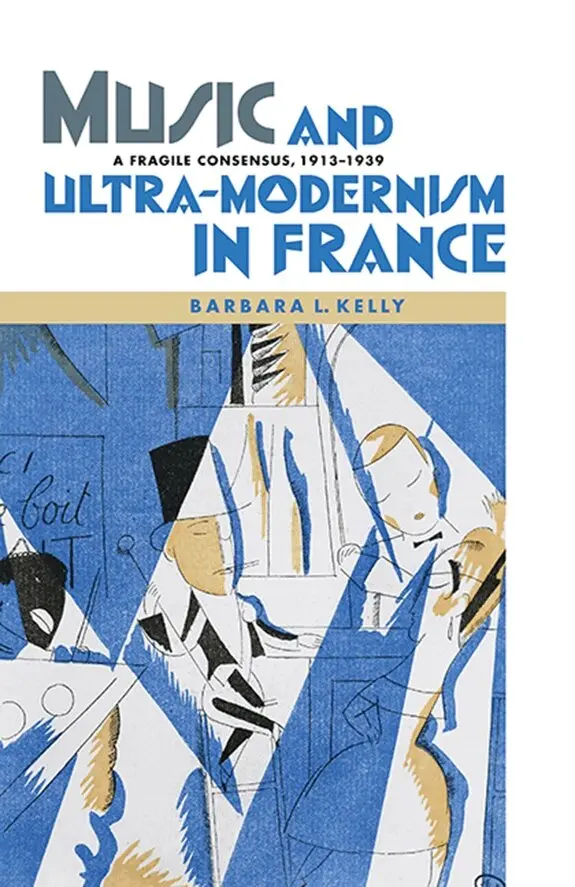
Music and Ultra-Modernism in France: A Fragile Consensus, 1913-1939
Inbunden, Engelska, 2013
464 kr
Skickas inom 5-8 vardagar
Exploring the ideas of consensus, resistance and rupture, this book contributes an important and nuanced reflection to the current debate on modernism in music.Music and Ultra-Modernism in France examines the priorities of three generational groupings: the pre-war Société Musicale Indépendente of Ravel and his circle, Les Six in the 1920s and Jeune France in 1936. Exploring the ideas of consensus, resistance and rupture, the book contributes an important and nuanced reflection to the current debate on modernism in music. It considers the roles composers, critics and biographers played in shaping debates about contemporary music, showing how composers including Ravel, Poulenc, Milhaud, Jolivet and Messiaen and critics such as Paul Landormy, André Coeuroy and Roland-Manuel often worked in partnership to bring their ideas to a publicforum. It also expands the notion of 'interwar' through the essential inclusion of World War I and the years before, reconfiguring the narrative for that period.This book challenges some of the stereotypes that characterisethe period, in particular, neo-classicism and the dominance of secularism. It shows how Stravinsky worked closely with Ravel, Satie and Poulenc and invited audiences and critics to rethink what it meant to be modern. The interwaryears were also marked by commemoration and loss. Debussy's wartime death in 1918 stimulated competing efforts (by Emile Vuillermoz, Léon Vallas and Henry Prunières) to shape his legacy. They were motivated by nostalgia for a lostand glorious generation and a commitment to building a legacy of French achievement. Music and Ultra-Modernism in France argues for the vitality of French music in the period 1913-39 and challenges the received view that the period and its musical culture lacked dynamism, innovation or serious musical debate.BARBARA L. KELLY is Professor of Music at Keele University.