Muslim International - Böcker
Visar alla böcker i serien Muslim International. Handla med fri frakt och snabb leverans.
14 produkter
14 produkter
279 kr
Skickas inom 7-10 vardagar
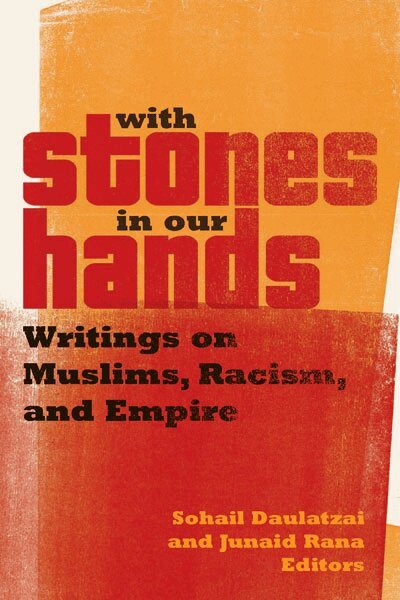
Bringing together scholars and activists, With Stones in Our Hands confronts the rampant anti-Muslim racism and imperialism across the globe todayAfter September 11, 2001, the global War on Terror has made clear that Islam and Muslims are central to an imperial system of racism. Prior to 9/11, white supremacy had a violent relationship of dominance with Islam and Muslims. Racism against Muslims today borrows from centuries of white supremacy and is a powerful and effective tool to maintain the status quo.With Stones in Our Hands compiles writings by scholars and activists who are leading the struggle to understand and combat anti-Muslim racism. Through a bold call for a politics of the Muslim Left and the poetics of the Muslim International, this book offers a glimpse into the possibilities of social justice, decolonial struggle, and political solidarity. The essays in this anthology reflect a range of concerns such as the settler colonial occupation of Palestine, surveillance and policing, blackness and radical protest traditions, militarism and empire building, social movements, and political repression. With Stones in Our Hands offers new ideas to achieve decolonization and global solidarity.Contributors: Rabab Ibrahim Abdulhadi, Abdullah Al-Arian, Arshad Imtiaz Ali, Evelyn Alsultany, Vivek Bald, Abbas Barzegar, Hatem Bazian, Sylvia Chan-Malik, Arash Davari, Fatima El-Tayeb, Hafsa Kanjwal, Ronak K. Kapadia, Maryam Kashani, Robin D. G. Kelley, Su‘ad Abdul Khabeer, Nadine Naber, Selim Nadi, Sherene H. Razack, Atef Said, Steven Salaita, Stephen Sheehi.
284 kr
Skickas inom 7-10 vardagar
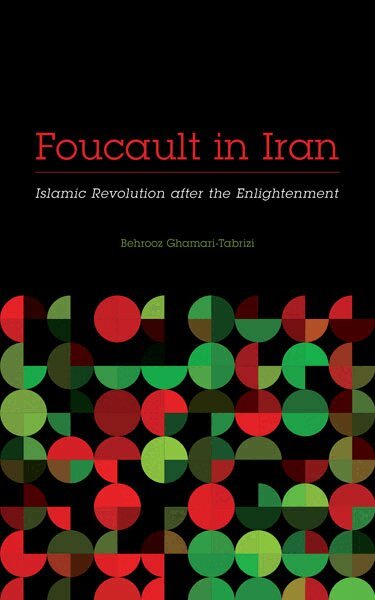
Were the thirteen essays Michel Foucault wrote in 1978 1979 endorsing the Iranian Revolution an aberration of his earlier work or an inevitable pitfall of his stance on Enlightenment rationality, as critics have long alleged? Behrooz Ghamari-Tabrizi argues that the critics are wrong. He declares that Foucault recognized that Iranians were at a threshold and were considering if it were possible to think of dignity, justice, and liberty outside the cognitive maps and principles of the European Enlightenment. Foucault in Iran centers not only on the significance of the great thinkers writings on the revolution but also on the profound mark the event left on his later lectures on ethics, spirituality, and fearless speech. Contemporary events since 9/11, the War on Terror, and the Arab Uprisings have made Foucaults essays on the Iranian Revolution more relevant than ever. Ghamari-Tabrizi illustrates how Foucault saw in the revolution an instance of his antiteleological philosophy: here was an event that did not fit into the normative progressive discourses of history. What attracted him to the Iranian Revolution was precisely its ambiguity. Theoretically sophisticated and empirically rich, this interdisciplinary work will spark a lively debate in its insistence that what informed Foucaults writing was not an effort to understand Islamism but, rather, his conviction that Enlightenment rationality has not closed the gate of unknown possibilities for human societies.
1 170 kr
Skickas inom 10-15 vardagar
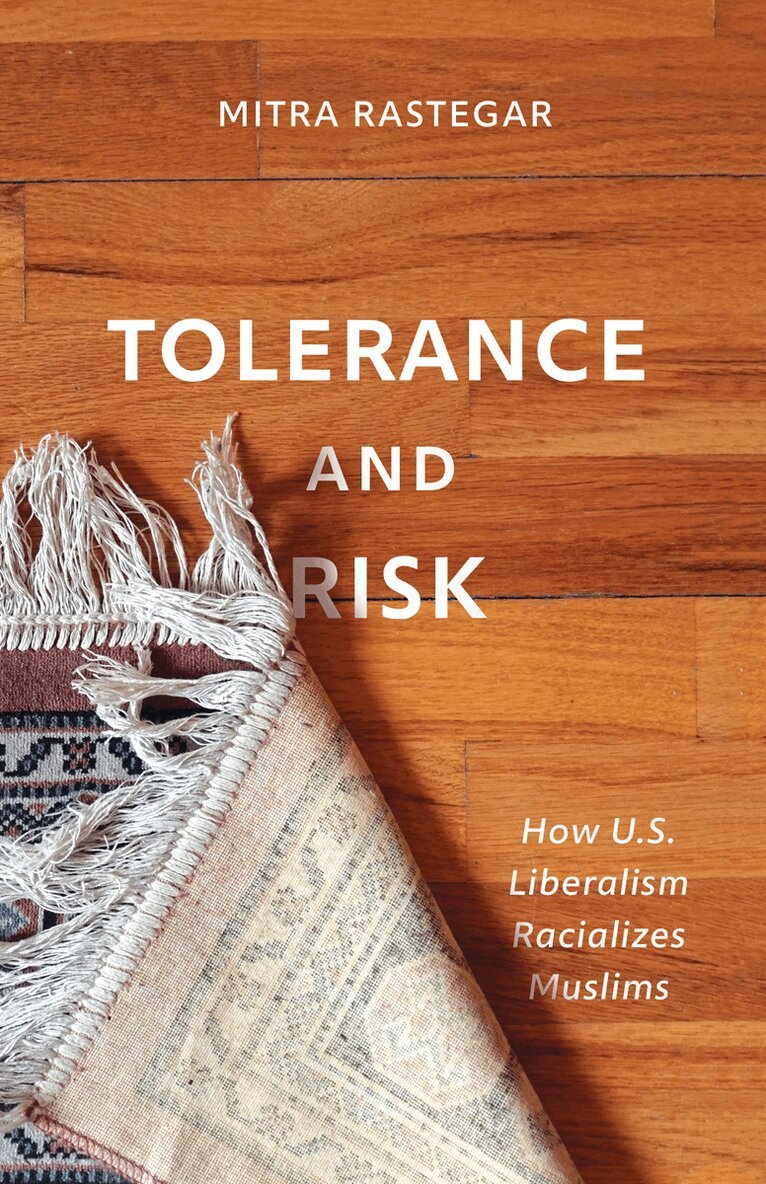
How apparently positive representations of Muslims in U.S. media cast Muslims as a racial populationPortrayals of Muslims as the beneficiaries of liberal values have contributed to the racialization of Muslims as a risky population since the September 11 attacks. These discourses, which hold up some Muslims as worthy of tolerance or sympathy, reinforce an unstable good Muslim/bad Muslim binary where any Muslim might be moved from one side to the other. In Tolerance and Risk, Mitra Rastegar explores these discourses as a component of the racialization of Muslims-where Muslims are portrayed as a highly diverse population that nevertheless is seen to contain within it a threat that requires constant vigilance.Tolerance and Risk brings together several case studies to examine the interrelation of representations of Muslims abroad and in the United States. These include human-interest stories and opinion polls of Muslim Americans, media representations of education activist Malala Yousafzai, LGBTQ activist discourses, local New York controversies surrounding Muslim-led public projects, and social media discourses of the Syrian refugee crisis. Tolerance and Risk demonstrates how representations of tolerable or sympathetic Muslims produce them as a population with distinct characteristics, capacities, and risks, and circulate standards by which the trustworthiness or threat of individual Muslims must be assessed.Tolerance and Risk examines the ways that discourses of liberal rights, including feminist and LGBTQ rights discourses, are mobilized to racialize Muslims as uncivilized, even as they garner sympathy and identification with some Muslims.
288 kr
Skickas inom 10-15 vardagar
How apparently positive representations of Muslims in U.S. media cast Muslims as a racial populationPortrayals of Muslims as the beneficiaries of liberal values have contributed to the racialization of Muslims as a risky population since the September 11 attacks. These discourses, which hold up some Muslims as worthy of tolerance or sympathy, reinforce an unstable good Muslim/bad Muslim binary where any Muslim might be moved from one side to the other. In Tolerance and Risk, Mitra Rastegar explores these discourses as a component of the racialization of Muslims-where Muslims are portrayed as a highly diverse population that nevertheless is seen to contain within it a threat that requires constant vigilance.Tolerance and Risk brings together several case studies to examine the interrelation of representations of Muslims abroad and in the United States. These include human-interest stories and opinion polls of Muslim Americans, media representations of education activist Malala Yousafzai, LGBTQ activist discourses, local New York controversies surrounding Muslim-led public projects, and social media discourses of the Syrian refugee crisis. Tolerance and Risk demonstrates how representations of tolerable or sympathetic Muslims produce them as a population with distinct characteristics, capacities, and risks, and circulate standards by which the trustworthiness or threat of individual Muslims must be assessed.Tolerance and Risk examines the ways that discourses of liberal rights, including feminist and LGBTQ rights discourses, are mobilized to racialize Muslims as uncivilized, even as they garner sympathy and identification with some Muslims.
1 170 kr
Skickas inom 10-15 vardagar
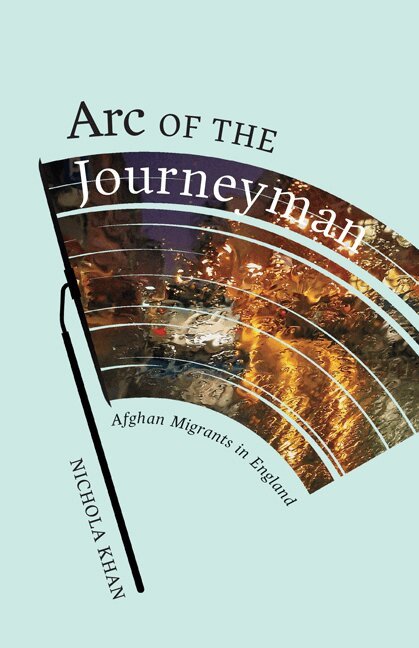
A monumental account of one migrant community’s everyday lives, struggles, and aspirations Forty years of continuous war and conflict have made Afghans the largest refugee group in the world. In this first full-scale ethnography of Afghan migrants in England, Nichola Khan examines the imprint of violence, displacement, kinship obligations, and mobility on the lives and work of Pashtun journeyman taxi drivers in Britain. Khan’s analysis is centered in the county of Sussex, site of Brighton’s orientalist Royal Pavilion and the former home of colonial propagandist Rudyard Kipling. Her nearly two decades of relationships and fieldwork have given Khan a deep understanding of the everyday lives of Afghan migrants, who face unrelenting pressures to remit money to their struggling relatives in Pakistan and Afghanistan, adhere to traditional values, and resettle the wives and children they have left behind. This kaleidoscopic narrative is enriched by the migrants’ own stories and dreams, which take on extra significance among sleep-deprived taxi drivers. Khan chronicles the way these men rely on Pashto poems and aphorisms to make sense of what is strange or difficult to bear. She also attests to the pleasures of local family and friends who are less demanding than kin back home-sharing connection and moments of joy in dance, excursions, picnics, and humorous banter. Khan views these men’s lives through the lenses of movement-the arrival of friends and family, return visits to Pakistan, driving customers, even the journey to remit money overseas-and immobility, describing the migrants who experience “stuckness” caused by unresponsive bureaucracies, chronic insecurity, or struggles with depression and other mental health conditions. Arc of the Journeyman is a deeply humane portrayal that expands and complicates current perceptions of Afghan migrants, offering a finely analyzed description of their lives and communities as a moving, contingent, and fully contemporary force.
288 kr
Skickas inom 10-15 vardagar
A monumental account of one migrant community’s everyday lives, struggles, and aspirations Forty years of continuous war and conflict have made Afghans the largest refugee group in the world. In this first full-scale ethnography of Afghan migrants in England, Nichola Khan examines the imprint of violence, displacement, kinship obligations, and mobility on the lives and work of Pashtun journeyman taxi drivers in Britain. Khan’s analysis is centered in the county of Sussex, site of Brighton’s orientalist Royal Pavilion and the former home of colonial propagandist Rudyard Kipling. Her nearly two decades of relationships and fieldwork have given Khan a deep understanding of the everyday lives of Afghan migrants, who face unrelenting pressures to remit money to their struggling relatives in Pakistan and Afghanistan, adhere to traditional values, and resettle the wives and children they have left behind. This kaleidoscopic narrative is enriched by the migrants’ own stories and dreams, which take on extra significance among sleep-deprived taxi drivers. Khan chronicles the way these men rely on Pashto poems and aphorisms to make sense of what is strange or difficult to bear. She also attests to the pleasures of local family and friends who are less demanding than kin back home-sharing connection and moments of joy in dance, excursions, picnics, and humorous banter. Khan views these men’s lives through the lenses of movement-the arrival of friends and family, return visits to Pakistan, driving customers, even the journey to remit money overseas-and immobility, describing the migrants who experience “stuckness” caused by unresponsive bureaucracies, chronic insecurity, or struggles with depression and other mental health conditions. Arc of the Journeyman is a deeply humane portrayal that expands and complicates current perceptions of Afghan migrants, offering a finely analyzed description of their lives and communities as a moving, contingent, and fully contemporary force.
Natives Against Nativism
Antiracism and Indigenous Critique in Postcolonial France
Inbunden, Engelska, 2023
1 372 kr
Skickas inom 7-10 vardagar
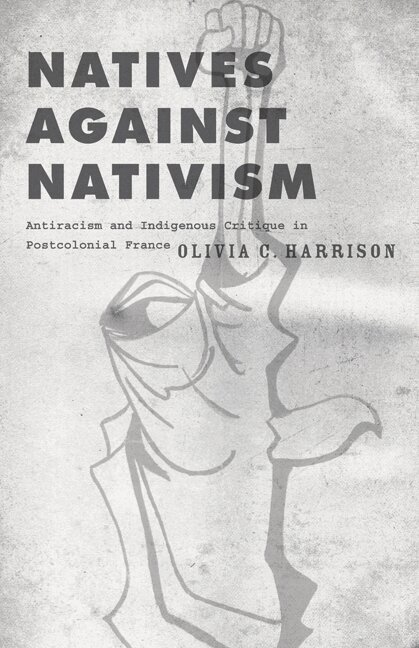
Examining the intersection of Palestine solidarity movements and antiracist activism in France from the 1970s to the present For the pasty fifty years, the Palestinian question has served as a rallying cry in the struggle for migrant rights in postcolonial France, from the immigrant labor associations of the 1970s and Beur movements of the 1980s to the militant decolonial groups of the 2000s. In Natives against Nativism, Olivia C. Harrison explores the intersection of anticolonial solidarity and antiracist activism from the 1970s to the present.Natives against Nativism analyzes a wide range of texts-novels, memoirs, plays, films, and militant archives-that mobilize the twin figures of the Palestinian and the American Indian in a crossed critique of Eurocolonial modernity. Harrison argues that anticolonial solidarity with Palestinians and Indigenous Americans has been instrumental in developing a sophisticated critique of racism across imperial formations-in this case, France, the United States, and Israel.Serving as the first relational study of antiracism in France, Natives against Nativism observes how claims to indigeneity have been deployed in multiple directions, both in the ongoing struggle for migrant rights and racial justice, and in white nativist claims in France today.
Natives Against Nativism
Antiracism and Indigenous Critique in Postcolonial France
Häftad, Engelska, 2023
326 kr
Skickas inom 7-10 vardagar
Examining the intersection of Palestine solidarity movements and antiracist activism in France from the 1970s to the present For the pasty fifty years, the Palestinian question has served as a rallying cry in the struggle for migrant rights in postcolonial France, from the immigrant labor associations of the 1970s and Beur movements of the 1980s to the militant decolonial groups of the 2000s. In Natives against Nativism, Olivia C. Harrison explores the intersection of anticolonial solidarity and antiracist activism from the 1970s to the present.Natives against Nativism analyzes a wide range of texts-novels, memoirs, plays, films, and militant archives-that mobilize the twin figures of the Palestinian and the American Indian in a crossed critique of Eurocolonial modernity. Harrison argues that anticolonial solidarity with Palestinians and Indigenous Americans has been instrumental in developing a sophisticated critique of racism across imperial formations-in this case, France, the United States, and Israel.Serving as the first relational study of antiracism in France, Natives against Nativism observes how claims to indigeneity have been deployed in multiple directions, both in the ongoing struggle for migrant rights and racial justice, and in white nativist claims in France today.
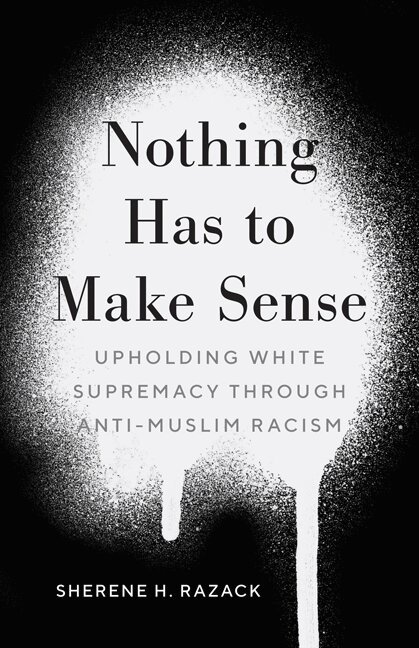
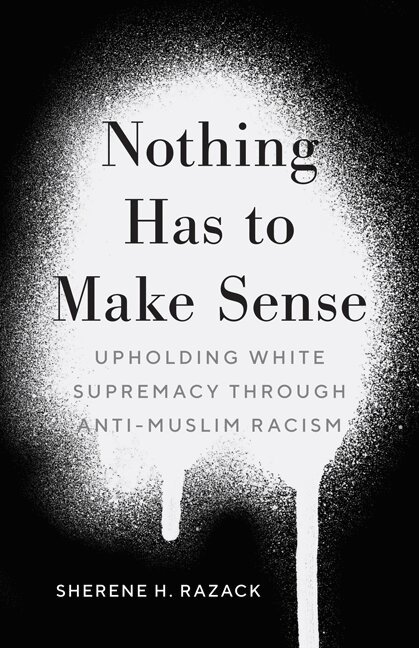
Nothing Has to Make Sense
Upholding White Supremacy Through Anti-Muslim Racism
Inbunden, Engelska, 2022
1 113 kr
Skickas inom 10-15 vardagar
How Western nations have consolidated their whiteness through the figure of the Muslim in the post-9/11 world While much has been written about post-9/11 anti-Muslim racism (often termed Islamophobia), insufficient attention has been given to how anti-Muslim racism operates through law and is a vital part of law’s protection of whiteness. This book fills this gap while also providing a unique new global perspective on white supremacy. Sherene H. Razack, a leading critical race and feminist scholar, takes an innovative approach by situating law within media discourses and historical and contemporary realities. We may think of law as logical, but, argues Razack, its logic breaks down when the subject is Muslim. Tracing how white subjects and majority-white nations in the post-9/11 era have consolidated their whiteness through the figure of the Muslim, Razack examines four sites of anti-Muslim racism: efforts by American evangelical Christians to ban Islam in the school curriculum; Canadian and European bans on Muslim women’s clothing; racial science and the sentencing of Muslims as terrorists; and American national memory of the torture of Muslims during wars and occupations. Arguing that nothing has to make sense when the subject is Muslim, she maintains that these legal and cultural sites reveal the dread, phobia, hysteria, and desire that mark the encounter between Muslims and the West. Through the prism of racism, Nothing Has to Make Sense argues that the figure of the Muslim reveals a world divided between the deserving and the disposable, where people of European origin are the former and all others are confined in various ways to regimes of disposability. Emerging from critical race theory, and bridging with Islamophobia/critical religious studies, it demonstrates that anti-Muslim racism is a revelatory window into the operation of white supremacy as a global force.
265 kr
Skickas inom 10-15 vardagar
How Western nations have consolidated their whiteness through the figure of the Muslim in the post-9/11 world While much has been written about post-9/11 anti-Muslim racism (often termed Islamophobia), insufficient attention has been given to how anti-Muslim racism operates through law and is a vital part of law’s protection of whiteness. This book fills this gap while also providing a unique new global perspective on white supremacy. Sherene H. Razack, a leading critical race and feminist scholar, takes an innovative approach by situating law within media discourses and historical and contemporary realities. We may think of law as logical, but, argues Razack, its logic breaks down when the subject is Muslim. Tracing how white subjects and majority-white nations in the post-9/11 era have consolidated their whiteness through the figure of the Muslim, Razack examines four sites of anti-Muslim racism: efforts by American evangelical Christians to ban Islam in the school curriculum; Canadian and European bans on Muslim women’s clothing; racial science and the sentencing of Muslims as terrorists; and American national memory of the torture of Muslims during wars and occupations. Arguing that nothing has to make sense when the subject is Muslim, she maintains that these legal and cultural sites reveal the dread, phobia, hysteria, and desire that mark the encounter between Muslims and the West. Through the prism of racism, Nothing Has to Make Sense argues that the figure of the Muslim reveals a world divided between the deserving and the disposable, where people of European origin are the former and all others are confined in various ways to regimes of disposability. Emerging from critical race theory, and bridging with Islamophobia/critical religious studies, it demonstrates that anti-Muslim racism is a revelatory window into the operation of white supremacy as a global force.
1 419 kr
Skickas inom 7-10 vardagar
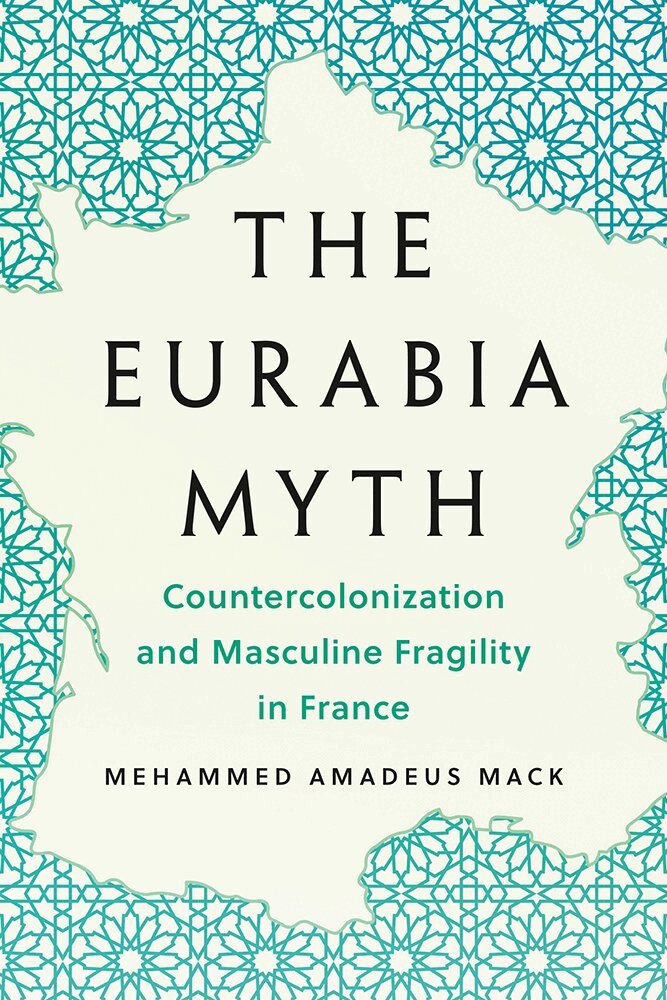
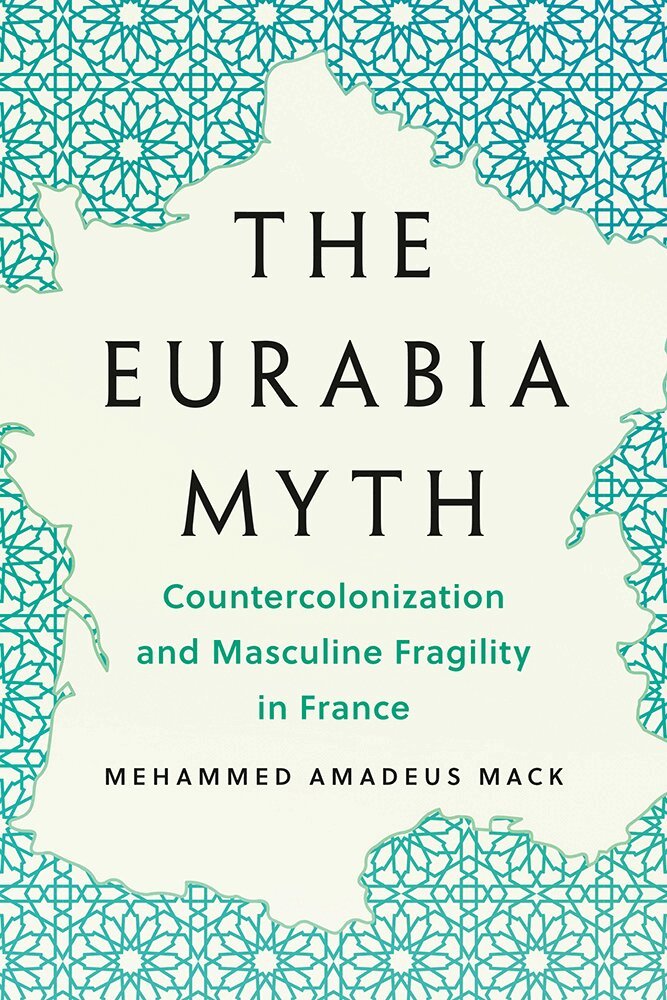
The roots-and reach-of “Great Replacement” theory in France and beyond The Eurabia Myth delves into the origins and evolution of far-right anxieties about the future of a Europe that welcomes postcolonial migration, racial and ethnic diversity, and tolerance of Islam. Nationalists deploy the specter of “Eurabia”-an Arabized and Islamized Europe-as a doomsday scenario of demographic replacement that only they can avert. Mehammed Amadeus Mack traces this dark vision to a sociopolitical conspiracy theory that began in France, spread throughout Europe, and has become especially virulent in the United States: Great Replacement Theory. Examining how the Eurabia narrative gained traction, Mack analyzes dystopian fiction that envisions how this Replacement will take place, the contemporary politicization of medieval history, and ecofascist rhetoric depicting immigrants as an “invasive” species. He also interviews prominent French activists of color about how they subvert being portrayed as Replacers and destroyers of European civilization, and he explores the American echoes of the Great Replacement Theory. Innovatively deploying gender and sexuality theory to the concept of Eurabia, Mack demonstrates that the demographic and racial anxieties underlying Great Replacement Theory are intertwined with a more fundamental crisis of masculinity, evident in the far right’s accusations that feminists and the LGBT community are responsible for the decline in white birth rates. As it uncovers the deeper roots of this pervasive theory, The Eurabia Myth shows its insidious relevance to a rising tide of nativist fear, hatred, and violence. Retail e-book files for this title are screen-reader friendly with images accompanied by short alt text and/or extended descriptions.
347 kr
Skickas inom 7-10 vardagar
The roots-and reach-of “Great Replacement” theory in France and beyond The Eurabia Myth delves into the origins and evolution of far-right anxieties about the future of a Europe that welcomes postcolonial migration, racial and ethnic diversity, and tolerance of Islam. Nationalists deploy the specter of “Eurabia”-an Arabized and Islamized Europe-as a doomsday scenario of demographic replacement that only they can avert. Mehammed Amadeus Mack traces this dark vision to a sociopolitical conspiracy theory that began in France, spread throughout Europe, and has become especially virulent in the United States: Great Replacement Theory. Examining how the Eurabia narrative gained traction, Mack analyzes dystopian fiction that envisions how this Replacement will take place, the contemporary politicization of medieval history, and ecofascist rhetoric depicting immigrants as an “invasive” species. He also interviews prominent French activists of color about how they subvert being portrayed as Replacers and destroyers of European civilization, and he explores the American echoes of the Great Replacement Theory. Innovatively deploying gender and sexuality theory to the concept of Eurabia, Mack demonstrates that the demographic and racial anxieties underlying Great Replacement Theory are intertwined with a more fundamental crisis of masculinity, evident in the far right’s accusations that feminists and the LGBT community are responsible for the decline in white birth rates. As it uncovers the deeper roots of this pervasive theory, The Eurabia Myth shows its insidious relevance to a rising tide of nativist fear, hatred, and violence. Retail e-book files for this title are screen-reader friendly with images accompanied by short alt text and/or extended descriptions.
1 193 kr
Skickas inom 7-10 vardagar
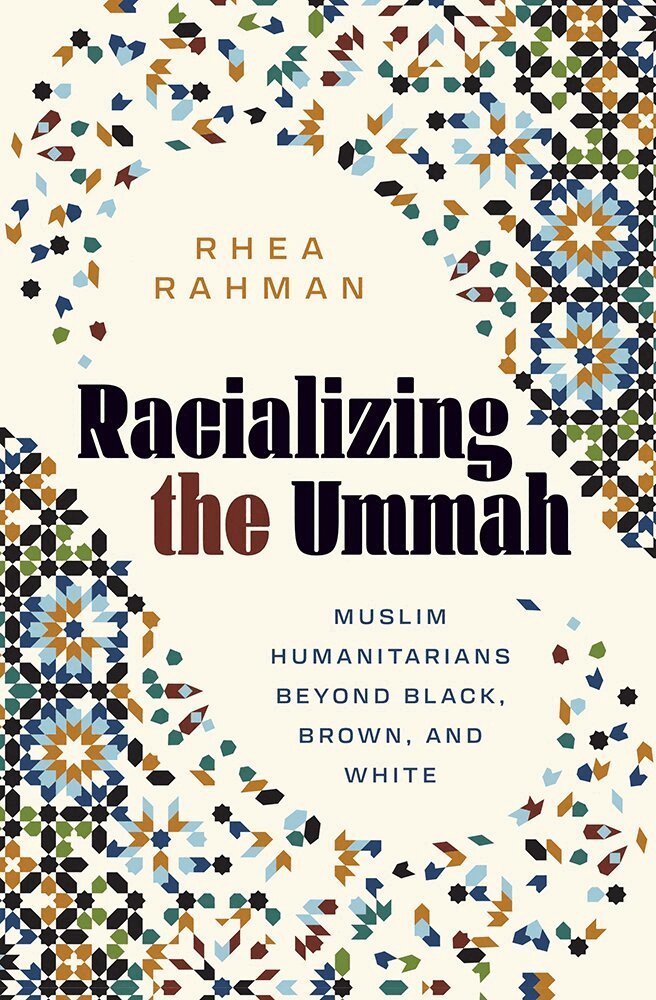
A robust ethnography of Islamic Relief explores difficult questions about the extensive reach of white supremacyAn ethnography of Islamic Relief (IR), the largest Islamic NGO based in the West, Racializing the Ummah explores how a Muslim organization can do good in a world that defines Muslimness as less than human. Rooted in more than a decade of international research, Rhea Rahman's study on the organization's projects, methods, and limitations reveals how racial capitalism permeates all aspects of humanitarianism.Beginning with a counterhistory of Muslims in the United Kingdom following World War II, Rahman analyzes IR's mission and transnational activities in and across places including the UK, South Africa, and Mali in the broader context of global white supremacy. She shows how IR's approaches often effectively secularize Islam to evade anti-Muslim racism and Islamophobia, implicating concepts such as the "good" Muslim aid worker, who complies with War on Terror surveillance while attending to victims of Western colonialism. Meanwhile, Rahman theorizes the tactics of aid workers on the ground, who creatively draw on an Islamic Black radical tradition to drive real change.Through her engagement with IR and other organizations, Rahman paints a frank, nuanced portrait of the constraints Islamic aid entities face in the effort to disentangle themselves from neocolonialism and Western hegemony. Yet she also locates the possibility of escape from the all-encompassing dictates of racial capitalism in alternative visions of doing good—ones that are grounded in Islam as the foundation of a revolutionary praxis.Retail e-book files for this title are screen-reader friendly.
271 kr
Skickas
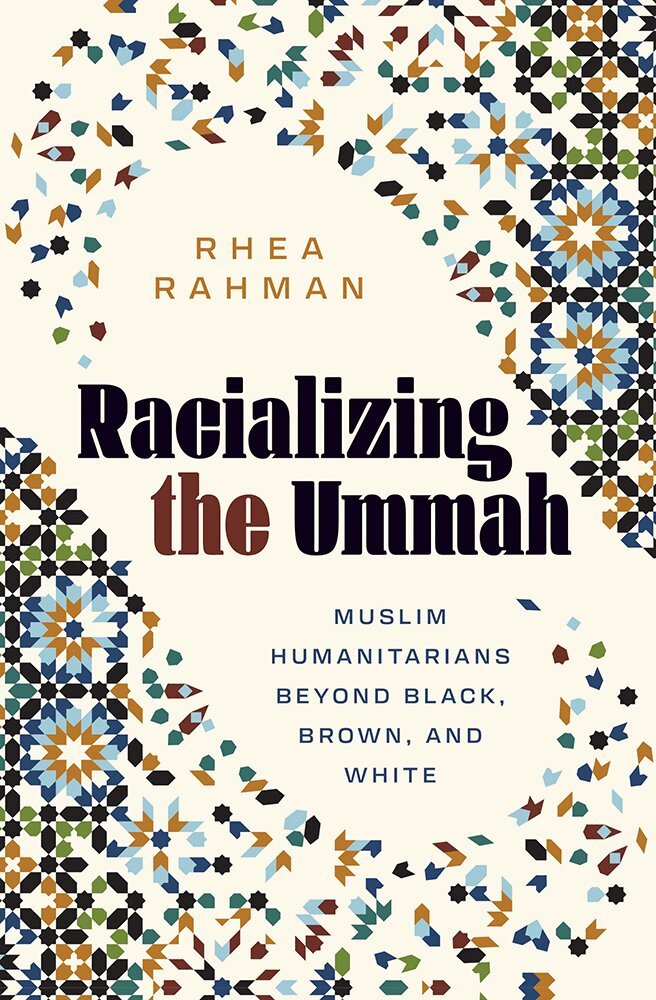
A robust ethnography of Islamic Relief explores difficult questions about the extensive reach of white supremacyAn ethnography of Islamic Relief (IR), the largest Islamic NGO based in the West, Racializing the Ummah explores how a Muslim organization can do good in a world that defines Muslimness as less than human. Rooted in more than a decade of international research, Rhea Rahman's study on the organization's projects, methods, and limitations reveals how racial capitalism permeates all aspects of humanitarianism.Beginning with a counterhistory of Muslims in the United Kingdom following World War II, Rahman analyzes IR's mission and transnational activities in and across places including the UK, South Africa, and Mali in the broader context of global white supremacy. She shows how IR's approaches often effectively secularize Islam to evade anti-Muslim racism and Islamophobia, implicating concepts such as the "good" Muslim aid worker, who complies with War on Terror surveillance while attending to victims of Western colonialism. Meanwhile, Rahman theorizes the tactics of aid workers on the ground, who creatively draw on an Islamic Black radical tradition to drive real change.Through her engagement with IR and other organizations, Rahman paints a frank, nuanced portrait of the constraints Islamic aid entities face in the effort to disentangle themselves from neocolonialism and Western hegemony. Yet she also locates the possibility of escape from the all-encompassing dictates of racial capitalism in alternative visions of doing good—ones that are grounded in Islam as the foundation of a revolutionary praxis.Retail e-book files for this title are screen-reader friendly.