Behrooz Ghamari-Tabrizi – författare
Visar alla böcker från författaren Behrooz Ghamari-Tabrizi. Handla med fri frakt och snabb leverans.
5 produkter
5 produkter
Häftad, Engelska, 2016
288 kr
Skickas
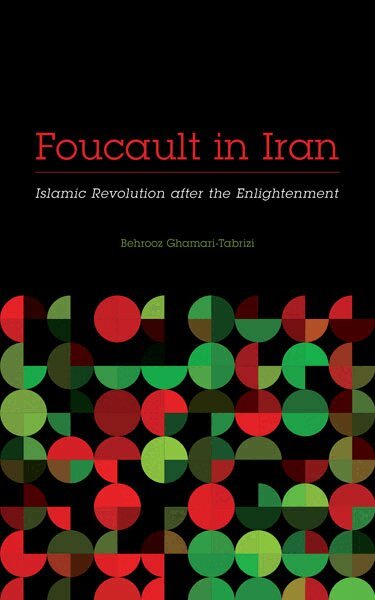
Were the thirteen essays Michel Foucault wrote in 1978 1979 endorsing the Iranian Revolution an aberration of his earlier work or an inevitable pitfall of his stance on Enlightenment rationality, as critics have long alleged? Behrooz Ghamari-Tabrizi argues that the critics are wrong. He declares that Foucault recognized that Iranians were at a threshold and were considering if it were possible to think of dignity, justice, and liberty outside the cognitive maps and principles of the European Enlightenment. Foucault in Iran centers not only on the significance of the great thinkers writings on the revolution but also on the profound mark the event left on his later lectures on ethics, spirituality, and fearless speech. Contemporary events since 9/11, the War on Terror, and the Arab Uprisings have made Foucaults essays on the Iranian Revolution more relevant than ever. Ghamari-Tabrizi illustrates how Foucault saw in the revolution an instance of his antiteleological philosophy: here was an event that did not fit into the normative progressive discourses of history. What attracted him to the Iranian Revolution was precisely its ambiguity. Theoretically sophisticated and empirically rich, this interdisciplinary work will spark a lively debate in its insistence that what informed Foucaults writing was not an effort to understand Islamism but, rather, his conviction that Enlightenment rationality has not closed the gate of unknown possibilities for human societies.
E-bok
Engelska, 2008394 kr
Läs direkt efter köp
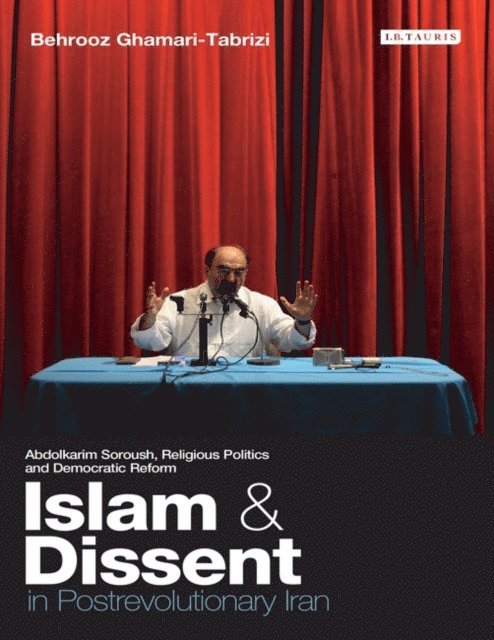
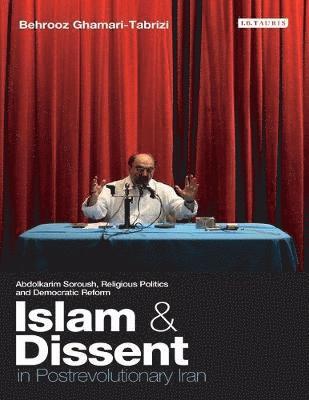
The Islamic Republic of Iran came into being in 1979, the result of a radical revolution that overhauled not only the foundations of Iranian society, religion and politics, but also our understanding of the role of religion in modern government. Here Behrooz Ghamari-Tabrizi takes us on an enlightening journey, showing that contrary to widespread assumptions the Iranian revolution opened up the public sphere to competing interpretations of Islam, with profound consequences for the nature of democratic reform. Ghamari-Tabrizi sheds new light on the contingencies within which the new regime evolved, and traces the steps by which the clerical establishment sought to consolidate power during the immediate postrevolutionary period. Contrary to the received view, he argues that the ruling class failed to institute a theocratic regime, and, more significantly, unintentionally established the grounds for civic challenges to government policies underwritten by official interpretations of Islam. Far from being the exclusive preserve of high-ranking seminarians, interpretations of doctrinal Islam in contemporary Iran now form a contested, varied and negotiated discourse in which lay theologians, intellectuals, lawyers and social activists are active and influential interlocutors. Against the background of this unexpected development, Ghamari-Tabrizi addresses the early and late works of Abdolkarim Soroush, an Iranian philosopher who has become one of the most influential Muslim intellectuals in recent years, a leading force behind Iran's pro-democracy movement and vocal critic of the state. Through a close reading of Soroush's evolving ideas, and of the works of Ali Shari`ati, and by tracing the links between Muslim intellectual critique and the realpolitik of postrevolutionary power struggles, Ghamari-Tabrizi offers nothing less than a pathbreaking reassessment of the Iranian revolution. In so doing, he demonstrates how democratic transformation in Muslim societies has taken place by means of a public engagement with the teachings of Islam and highlights a most significant, if unintended, consequences of the Iranian revolution - namely the secularization of Islam. Drawing on a wealth of sources and with powerful insights, 'Islam and Dissent' is essential for an understanding of the Muslim world today and of the new relationships between religion, culture and political power visible across the globe.
E-bok
PDF, Engelska, 2008394 kr
Läs direkt efter köp
The Iranian revolution of 1979 overhauled not only the foundations of Iranian society, religion and politics, but also our understanding of the role of religion in modern government. Here Behrooz Ghamari-Tabrizi takes us on an enlightening journey, showing that the revolution unintentionally opened up the public sphere to competing interpretations of Islam. Far from being the exclusive preserve of high-ranking seminarians as before, in contemporary Iran lay theologians, intellectuals, lawyers and social activists are active and influential interlocutors in debates on the meaning of Islam.A key figure is philosopher Abdolkarim Soroush, a leading force behind Iran's pro-democracy movement and vocal critic of the state. Through a close reading of Soroush's writings, and by tracing the links between Muslim intellectual critique and the realpolitik of postrevolutionary power struggles, Ghamari-Tabrizi offers nothing less than a pathbreaking reassessment of the Iranian revolution. With powerful insights, 'Islam and Dissent' is essential for an understanding of the Muslim world today, as of the new relationships between religion, politics and democracy visible across the globe.Islam and politics a very important topic, especially re.Iran. Soroush is a key figure in Iran, and in Middle East generally. This title is recommended by star academics in the field of Islam and politics.
Inbunden, Engelska, 2008
1 937 kr
Skickas inom 10-15 vardagar
The Iranian revolution of 1979 overhauled not only the foundations of Iranian society, religion and politics, but also our understanding of the role of religion in modern government. Here Behrooz Ghamari-Tabrizi takes us on an enlightening journey, showing that the revolution unintentionally opened up the public sphere to competing interpretations of Islam. Far from being the exclusive preserve of high-ranking seminarians as before, in contemporary Iran lay theologians, intellectuals, lawyers and social activists are active and influential interlocutors in debates on the meaning of Islam.A key figure is philosopher Abdolkarim Soroush, a leading force behind Iran's pro-democracy movement and vocal critic of the state. Through a close reading of Soroush's writings, and by tracing the links between Muslim intellectual critique and the realpolitik of postrevolutionary power struggles, Ghamari-Tabrizi offers nothing less than a pathbreaking reassessment of the Iranian revolution. With powerful insights, 'Islam and Dissent' is essential for an understanding of the Muslim world today, as of the new relationships between religion, politics and democracy visible across the globe.Islam and politics a very important topic, especially re.Iran. Soroush is a key figure in Iran, and in Middle East generally. This title is recommended by star academics in the field of Islam and politics.
Häftad, Engelska, 2008
379 kr
Skickas inom 10-15 vardagar
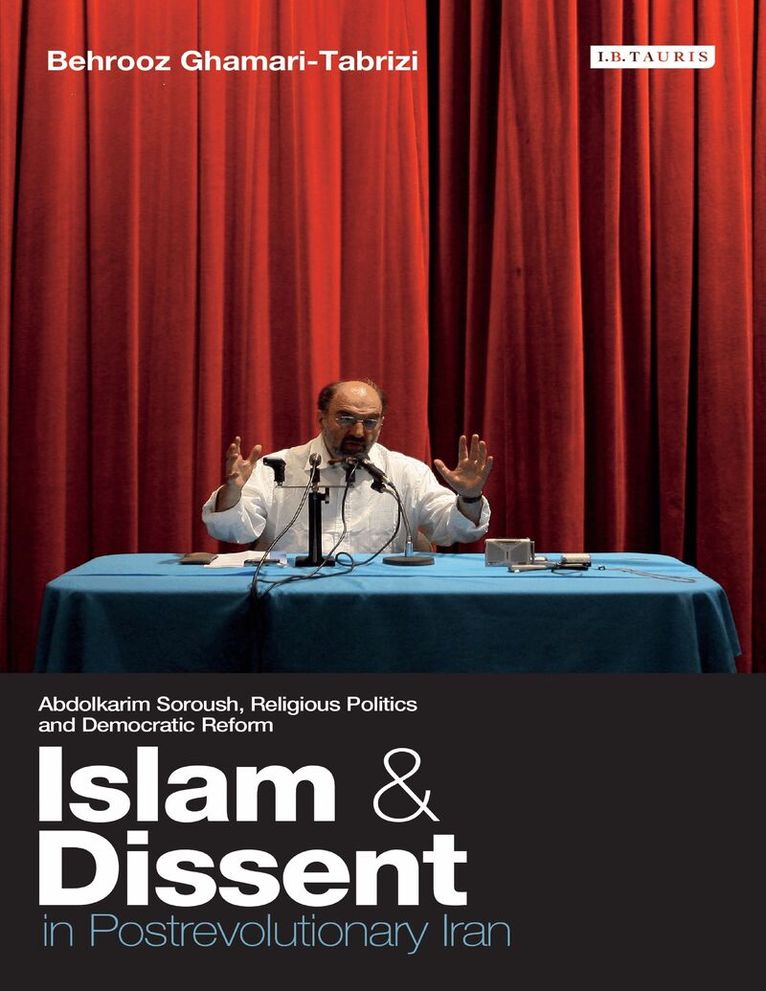
The Iranian revolution of 1979 overhauled not only the foundations of Iranian society, religion and politics, but also our understanding of the role of religion in modern government. This title shows that the revolution unintentionally opened up the public sphere to competing interpretations of Islam.