New Hispanisms - Böcker
Visar alla böcker i serien New Hispanisms. Handla med fri frakt och snabb leverans.
11 produkter
11 produkter
538 kr
Skickas inom 10-15 vardagar
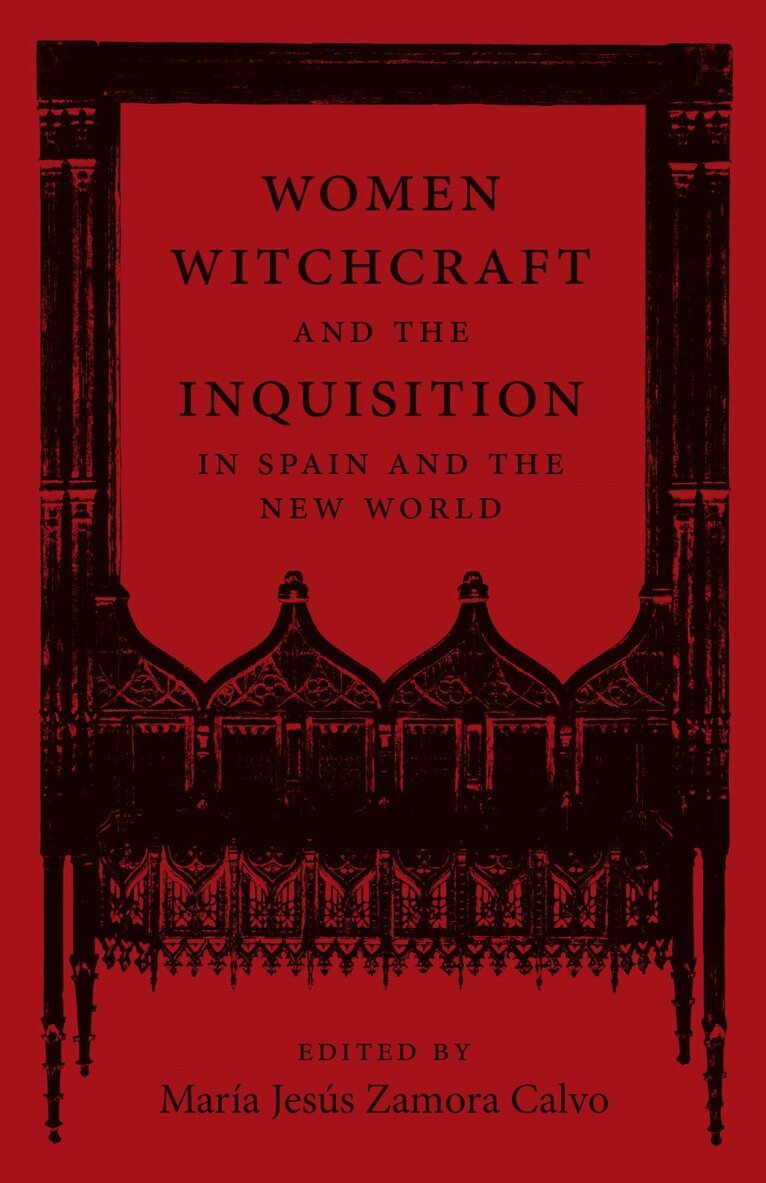
Women, Witchcraft, and the Inquisition in Spain and the New World investigates the mystery and unease surrounding the issue of women called before the Inquisition in Spain and its colonial territories in the Americas, including Mexico and Cartagena de Indias. Edited by María Jesús Zamora Calvo, this collection gathers innovative scholarship that considers how the Holy Office of the Inquisition functioned as a closed, secret world defined by patriarchal hierarchy and grounded in misogynistic standards.Ten essays present portraits of women who, under accusations as diverse as witchcraft, bigamy, false beatitude, and heresy, faced the Spanish and New World Inquisitions to account for their lives. Each essay draws on the documentary record of trials, confessions, letters, diaries, and other primary materials. Focusing on individual cases of women brought before the Inquisition, the authors study their subjects' social status, particularize their motivations, determine the characteristics of their prosecution, and deduce the reasons used to justify violence against them. With their subjection of women to imprisonment, interrogation, and judgment, these cases display at their core a specter of contempt, humiliation, silencing, and denial of feminine selfhood. The contributors include specialists in the early modern period from multiple disciplines, encompassing literature, language, translation, literary theory, history, law, iconography, and anthropology.By considering both the women themselves and the Inquisition as an institution, this collection works to uncover stories, lives, and cultural practices that for centuries have dwelled in obscurity.
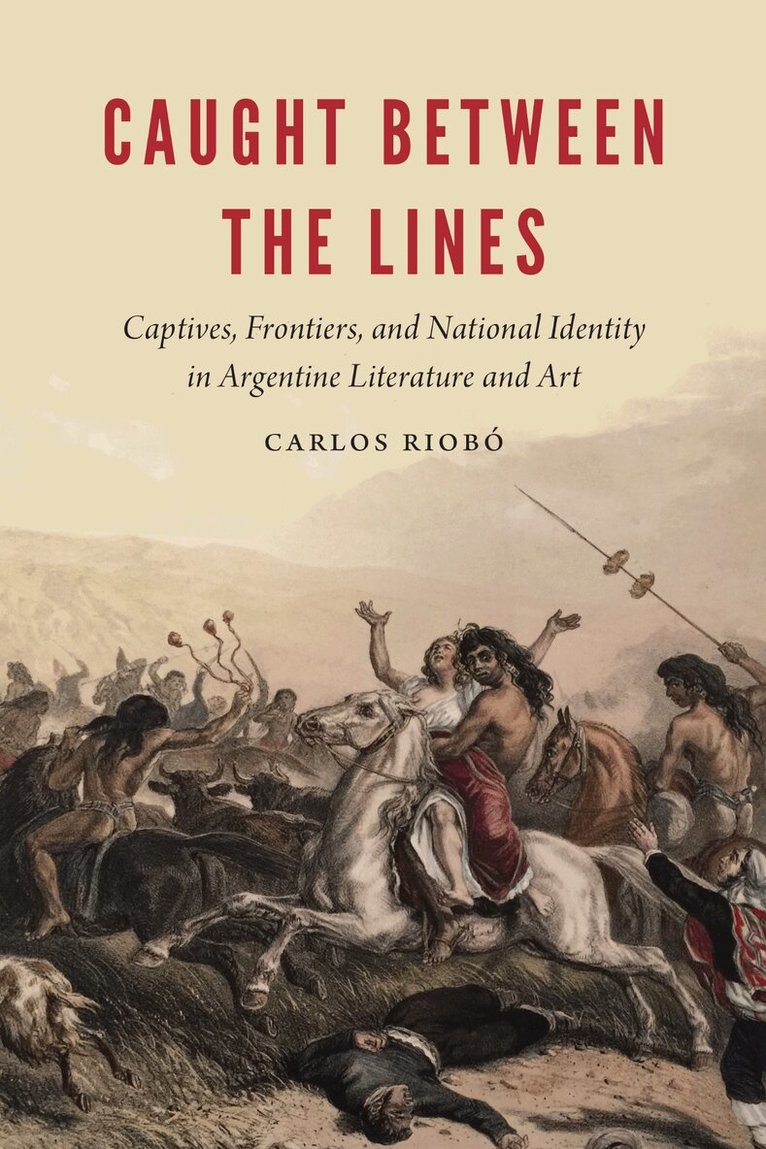
Caught Between the Lines
Captives, Frontiers, and National Identity in Argentine Literature and Art
Inbunden, Engelska, 2019
558 kr
Skickas inom 10-15 vardagar
Caught between the Lines examines how the figure of the captive and the notion of borders have been used in Argentine literature and painting to reflect competing notions of national identity from the nineteenth to the twenty-first centuries. Challenging the conventional approach to the nineteenth-century trope of “civilization versus barbary,” which was intended to criticize the social and ethnic divisions within Argentina in order to create a homogenous society, Carlos RiobÓ traces the various versions of colonial captivity legends. He argues convincingly that the historical conditions of the colonial period created an ethnic hybridity-a mestizo or culturally mixed identity-that went against the state compulsion for a racially pure identity. This mestizaje was signified not only in Argentina’s literature but also in its art, and RiobÓ thus analyzes colonial paintings as well as texts.Caught between the Lines focuses on borders and mestizaje (both biological and cultural) as they relate to captives: specifically, how captives have been used to create a national image of Argentina that relies on a logic of separation to justify concepts of national purity and to deny transculturation.
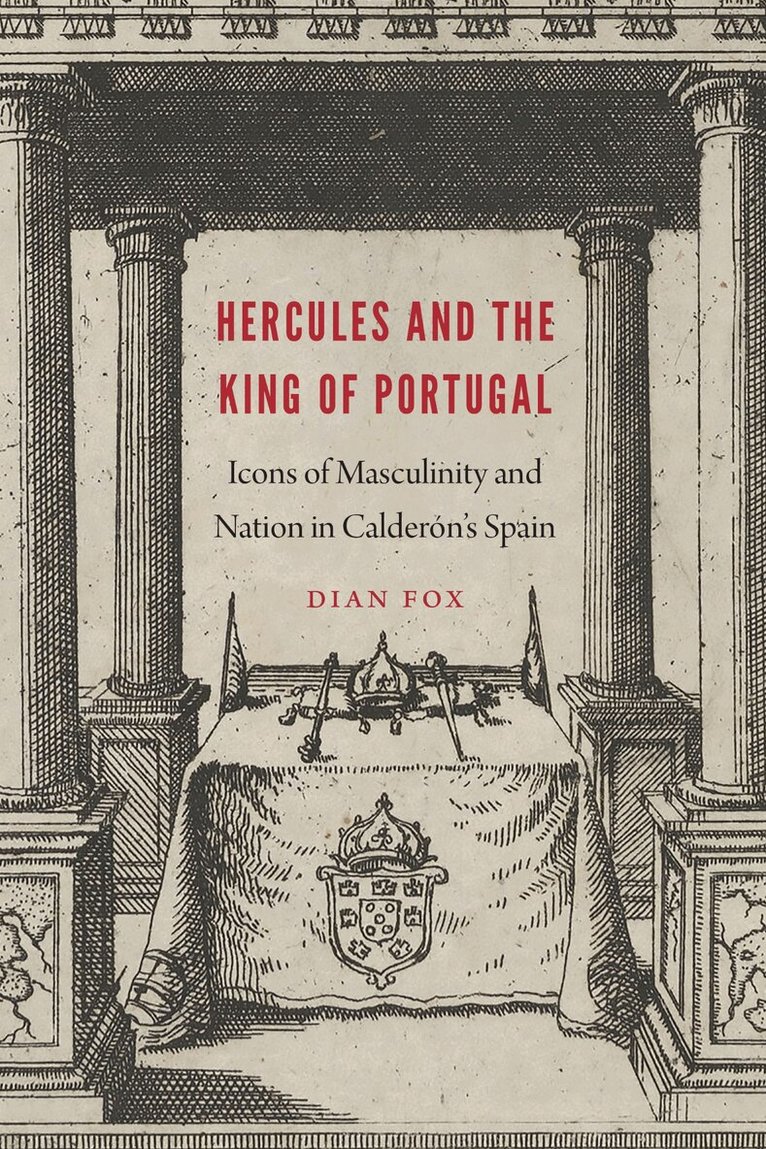
Hercules and the King of Portugal
Icons of Masculinity and Nation in Calderón's Spain
Inbunden, Engelska, 2019
609 kr
Skickas inom 10-15 vardagar
Hercules and the King of Portugal investigates how representations of masculinity figure in the fashioning of Spanish national identity, scrutinizing ways that gender performances of two early modern male icons-Hercules and King Sebastian-are structured to express enduring nationhood. The classical hero Hercules features prominently in Hispanic foundational fictions and became intimately associated with the Hapsburg monarchy in the early sixteenth century. King Sebastian of Portugal (1554–78), both during his lifetime and after his violent death, has been inserted into his own land’s charter myth, even as competing interests have adapted his narratives to promote Spanish power.The hybrid oral and written genre of poetic Spanish theater, as purveyor and shaper of myth, was well situated to stage and resolve dilemmas relating both to lineage determined by birth and performance of masculinity, in ways that would ideally uphold hierarchy. Dian Fox’s ideological analysis exposes how the two icons are subject to political manipulations in seventeenth-century Spanish theater and other media. Fox finds that officially sanctioned and sometimes popularly produced narratives are undercut by dynamic social and gendered processes: “Hercules” and “Sebastian” slip outside normative discourses and spaces to enact nonnormative behaviors and unreproductive masculinities.
499 kr
Skickas
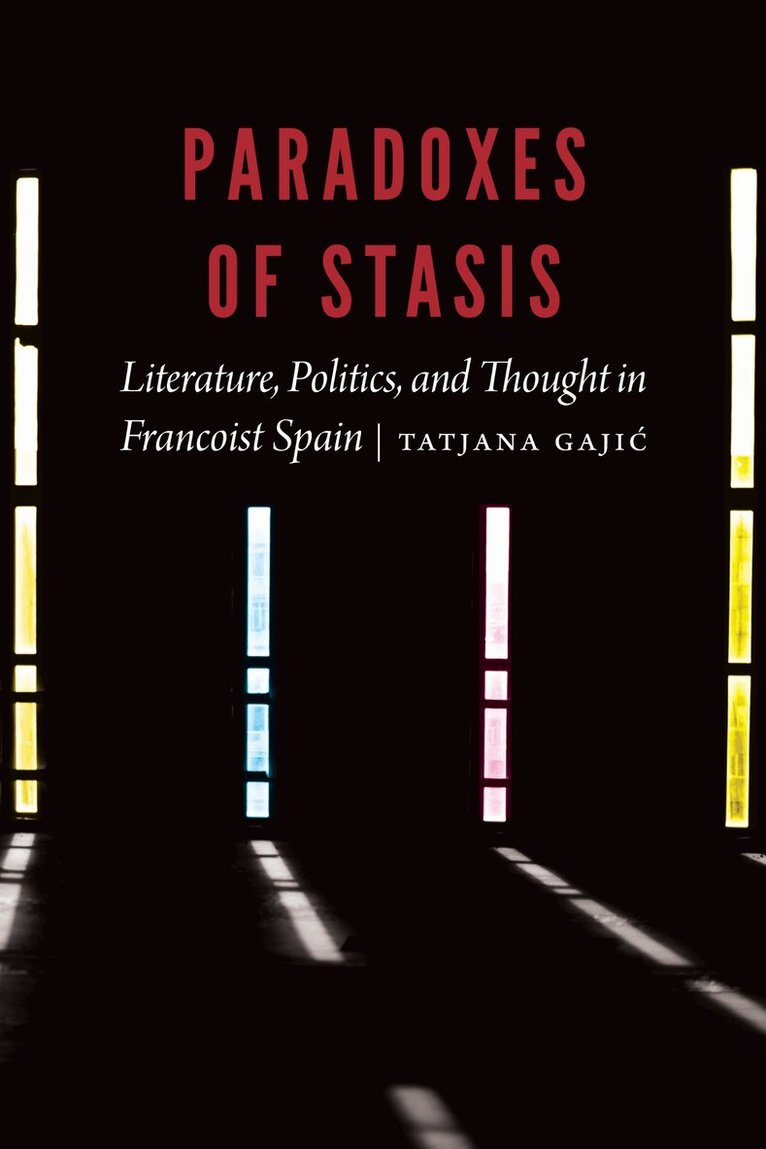
Paradoxes of Stasis examines the literary and intellectual production of the Francoist period by focusing on Spanish writers following the Spanish Civil War: the regime’s supporters and its opponents, the victors and the vanquished. Concentrating on the tropes of immobility and movement, Tatjana Gajić analyzes the internal politics of the Francoist regime and concurrent cultural manifestations within a broad theoretical and historical framework in light of the Greek notion of stasis and its contemporary interpretations. In Paradoxes of Stasis, Gajić argues that the combination of Francoism’s long duration and the uncertainty surrounding its ending generated an undercurrent of restlessness in the regime’s politics and culture. Engaging with a variety of genres-legal treatises, poetry, novels, essays, and memoir-Gajić examines the different responses to the underlying tensions of the Francoist era in the context of the regime’s attempts at reform and consolidation and in relation to oppositional writers’ critiques of Francoism’s endurance.By elucidating different manifestations of stasis in the politics, literature, and thought of the Francoist period, Paradoxes of Stasis reveals the contradictions of the era and offers new critical tools for understanding their relevance.
719 kr
Skickas inom 10-15 vardagar
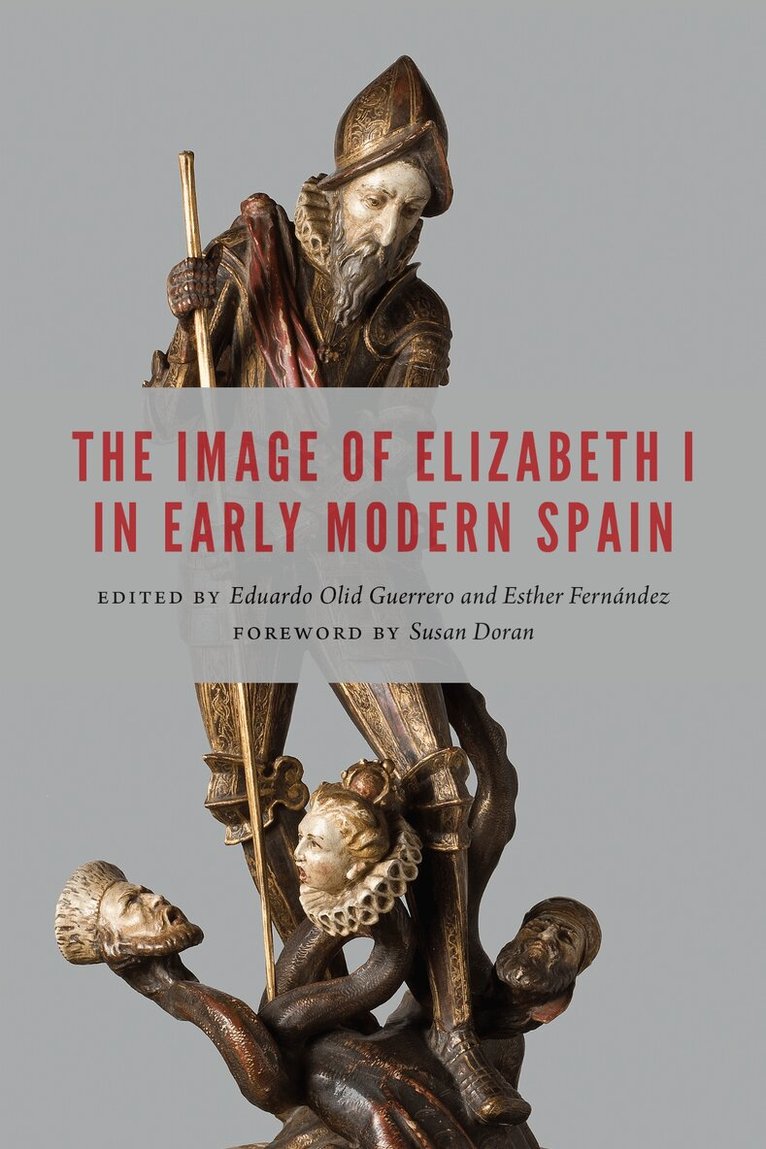
Queen Elizabeth I was an iconic figure in England during her reign, with many contemporary English portraits and literary works extolling her virtue and political acumen. In Spain, however, her image was markedly different. While few Spanish fictional or historical writings focus primarily on Elizabeth, numerous works either allude to her or incorporate her as a character.The Image of Elizabeth I in Early Modern Spain explores the fictionalized, historical, and visual representations of Elizabeth I and their impact on the Spanish collective imagination. Drawing on works by Miguel de Cervantes, Lope de Vega, Pedro de Ribadeneira, Luis de GÓngora, CristÓbal de ViruÉs, Antonio Coello, and CalderÓn de la Barca, among others, the contributors to this volume limn contradictory assessments of Elizabeth’s physical appearance, private life, personality, and reign. In doing so they articulate the various and sometimes conflicting ways in which the Tudor monarch became both the primary figure in English propaganda efforts against Spain and a central part of the Spanish political agenda.This edited volume revives and questions the image of Elizabeth I in early modern Spain as a means of exploring how the queen’s persona, as mediated by its Spanish reception, has shaped the ways in which we understand Anglo-Spanish relations during a critical era for both kingdoms.
Hearing Voices
Aurality and New Spanish Sound Culture in Sor Juana inés De La Cruz
Inbunden, Engelska, 2019
741 kr
Skickas inom 10-15 vardagar
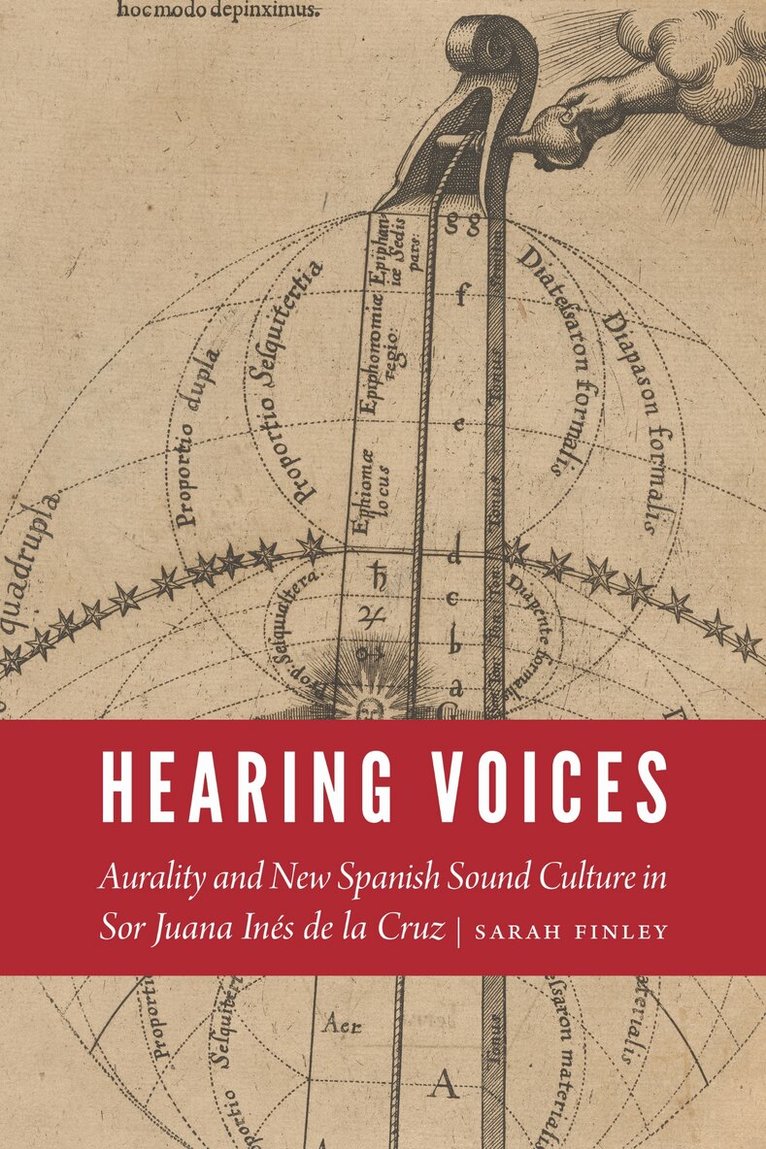
Hearing Voices takes a fresh look at sound in the poetry and prose of colonial Latin American poet and nun Sor Juana InÉs de la Cruz (1648/51–95). A voracious autodidact, Sor Juana engaged with early modern music culture in a way that resonates deeply in her writing. Despite the privileging of harmony within Sor Juana’s work, however, links between the poet’s musical inheritance and subjects such as acoustics, cognition, writing, and visual art have remained unexplored. These lacunae have marginalized nonmusical aurality and contributed to the persistence of both ocularcentrism and a corresponding visual dominance in scholarship on Sor Juana-and indeed in early modern cultural production in general.As in many areas of her work, Sor Juana’s engagement with acoustical themes restructures gendered discourses and transposes them to a feminine key. Hearing Voices focuses on these aural conceits in highlighting the importance of sound and-in most cases-its relationship with gender in Sor Juana’s work and early modern culture. Sarah Finley explores attitudes toward women’s voices and music making; intersections of music, rhetoric, and painting; aurality in Baroque visual art; sound and ritual; and the connections between optics and acoustics.Finley demonstrates how Sor Juana’s striking aurality challenges ocularcentric interpretations and problematizes paradigms that pin vision to logos, writing, and other empirical models that traditionally favor men’s voices. Sound becomes a vehicle for women’s agency and responds to anxiety about the female voice, particularly in early modern convent culture.
Supernatural Sublime
The Wondrous Ineffability of the Everyday in Films from Mexico and Spain
Inbunden, Engelska, 2019
609 kr
Skickas inom 10-15 vardagar
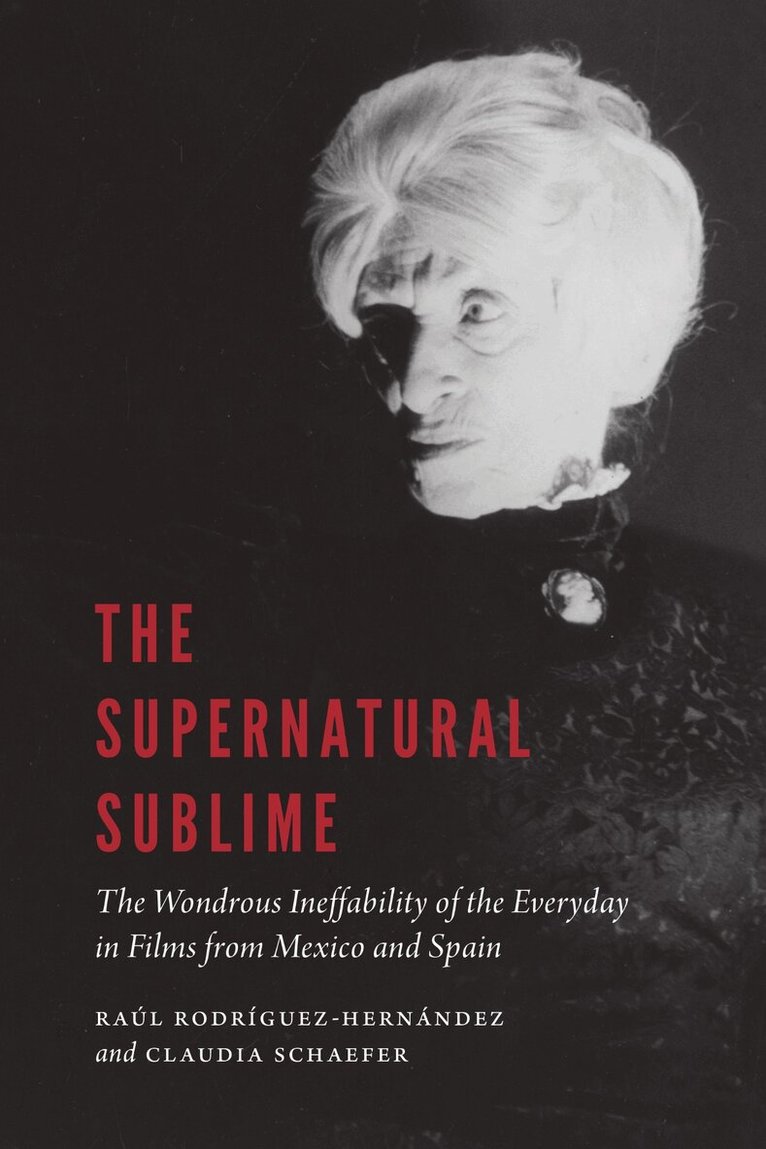
The Supernatural Sublime explores the long-neglected element of the supernatural in films from Spain and Mexico by focusing on the social and cultural contexts of their production and reception, their adaptations of codes and conventions for characters and plot, and their use of cinematic techniques to create the experience of emotion without explanation. Deploying the overarching concepts of the supernatural and the sublime, RaÚl RodrÍguez-HernÁndez and Claudia Schaefer detail the dovetailing of the unnatural and the experience of limitlessness associated with the sublime.The Supernatural Sublime embeds the films in the social histories of twentieth- and twenty-first-century Mexico and Spain, both of which made a forced leap into modernity after historical periods founded on official ideologies and circumscribed visions of the nation. Evoking Kant’s definition of the experience of the sublime, RodrÍguez-HernÁndez and Schaefer concentrate on the unrepresentable and the contradictory that oppose purported universal truths and instead offer up illusion, deception, and imagination through cinema, itself a type of illusion: writing with light.
680 kr
Skickas inom 10-15 vardagar
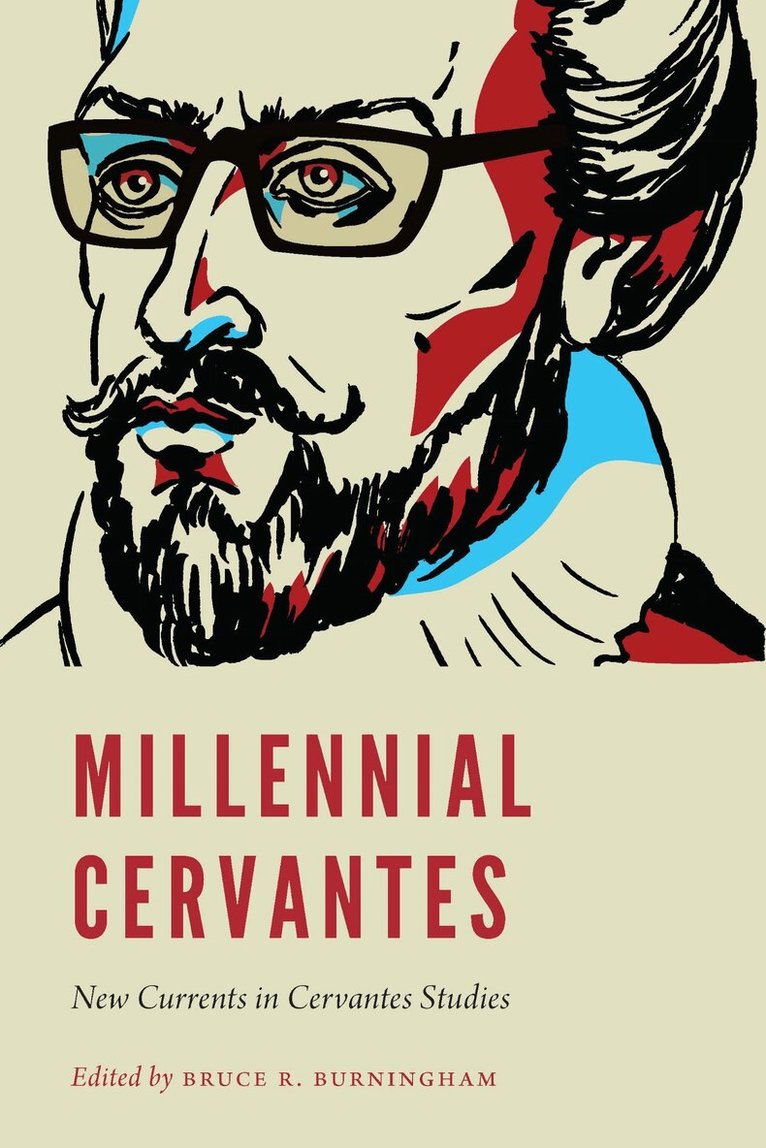
Millennial Cervantes explores some of the most important recent trends in Cervantes scholarship in the twenty-first century. It brings together leading Cervantes scholars of the United States in order to showcase their cutting-edge work within a cultural studies frame that encompasses everything from ekphrasis to philosophy, from sexuality to Cold War political satire, and from the culinary arts to the digital humanities.Millennial Cervantes is divided into three sets of essays-conceptually organized around thematic and methodological lines that move outward in a series of concentric circles. The first group, focused on the concept of “Cervantes in his original contexts,” features essays that bring new insights to these texts within the primary context of early modern Iberian culture. The second group, focused on the concept of “Cervantes in comparative contexts,” features essays that examine Cervantes’s works in conjunction with those of the English-speaking world, both seventeenth- and twentieth-century. The third group, focused on the concept of “Cervantes in wider cultural contexts,” examines Cervantes’s works-principally Don Quixote-as points of departure for other cultural products and wider intellectual debates.This collection articulates the state of Cervantes studies in the first two decades of the new millennium as we move further into a century that promises both unimagined technological advances and the concomitant cultural changes that will naturally adhere to this new technology, whatever it may be.
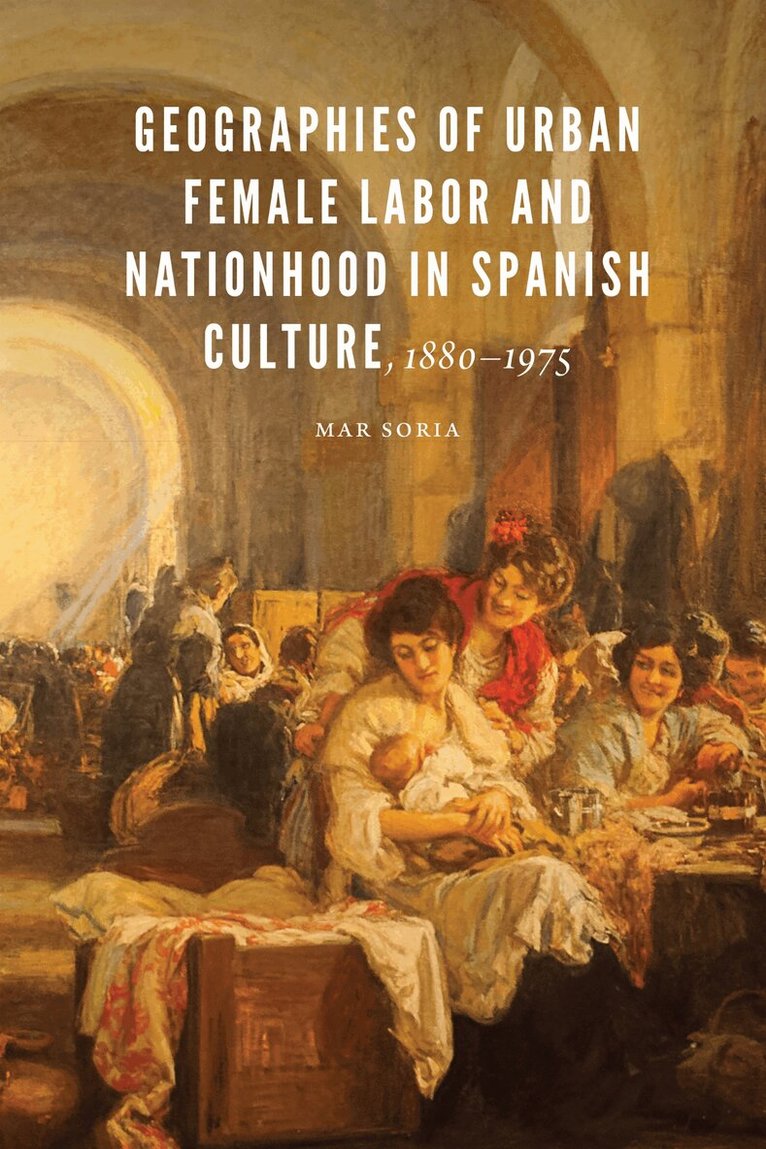
Geographies of Urban Female Labor and Nationhood in Spanish Culture, 1880–1975
Inbunden, Engelska, 2020
802 kr
Skickas inom 10-15 vardagar
Mar Soria presents an innovative cultural analysis of female workers in Spanish literature and films. Drawing from nation-building theories, the work of feminist geographers, and ideas about the construction of the marginal subject in society, Soria examines how working women were perceived as Other in Spain from 1880 to 1975. By studying the representation of these marginalized individuals in a diverse array of cultural artifacts, Soria contends that urban women workers symbolized the desires and anxieties of a nation caught between traditional values and rapidly shifting socioeconomic forces. Specifically, the representation of urban female work became a mode of reinforcing and contesting dominant discourses of gender, class, space, and nationhood in critical moments after 1880, when social and economic upheavals resulted in fears of impending national instability. Through these cultural artifacts Spaniards wrestled with the unresolved contradictions in the gender and class ideologies used to construct and maintain the national imaginary.Whether for reasons of inattention or disregard of issues surrounding class dynamics, nineteenth- and twentieth-century Spanish literary and cultural critics have assumed that working women played only a minimal role in the development of Spain as a modern nation. As a result, relatively few critics have investigated cultural narratives of female labor during this period. Soria demonstrates that without considering the role working women played in the construction and modernization of Spain, our understanding of Spanish culture and life at that time remains incomplete.
741 kr
Skickas inom 10-15 vardagar
The essays included in Talking Books with Mario Vargas Llosa celebrate Mario Vargas Llosa’s visits to the City College of New York, the creation of the CÁtedra Vargas Llosa in his honor, and the interests of the Peruvian author in reading and books. This volume contains previously unpublished material by Vargas Llosa himself, as well as by novelists and literary critics associated with the CÁtedra.This collection offers readers an opportunity to learn about Vargas Llosa’s body of work through multiple perspectives: his own and those of eminent fiction writers and important literary critics. The book offers significant analysis and rich conversation that bring to life many of the Nobel Laureate’s characters and provide insights into his writing process and imagination. As the last surviving member of the original group of writers of the Latin American Boom-which included Gabriel GarcÍa MÁrquez, Carlos Fuentes, and Julio CortÁzar-Vargas Llosa endures as a literary icon because his fiction has remained fresh and innovative. His prolific works span many different themes and subgenres.A combination of literary analyses and anecdotal contributions in this volume reveal the little-known human and intellectual dimensions of Vargas Llosa the writer and Vargas Llosa the man.
802 kr
Skickas inom 10-15 vardagar
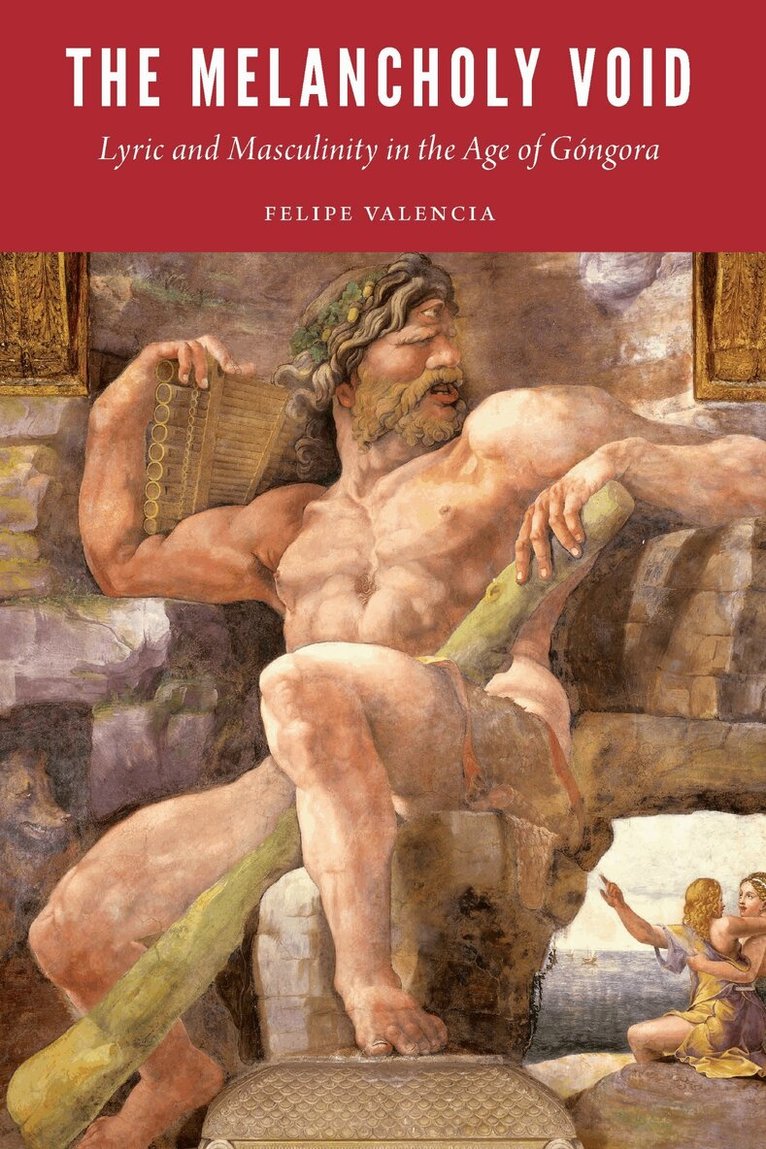
At the turn of the seventeenth century, Spanish lyric underwent a notable development. Several Spanish poets reinvented lyric as a melancholy and masculinist discourse that sang of and perpetrated symbolic violence against the female beloved. This shift emerged in response to the rising prestige and commercial success of the epic and was enabled by the rich discourse on the link between melancholy and creativity in men.In The Melancholy Void Felipe Valencia examines this reconstruction of the lyric in key texts of Spanish poetry from 1580 to 1620. Through a study of canonical and influential texts, such as the major poems by Luis de GÓngora and the epic of Alonso de Ercilla, but also lesser-known texts, such as the lyrics by Miguel de Cervantes, The Melancholy Void addresses four understudied problems in the scholarship of early modern Spanish poetry: the use of gender violence in love poetry as a way to construct the masculinity of the poetic speaker; the exploration in Spanish poetry of the link between melancholy and male creativity; the impact of epic on Spanish lyric; and the Spanish contribution to the fledgling theory of the lyric.The Melancholy Void brings poetry and lyric theory to the conversation in full force and develops a distinct argument about the integral role of gender violence in a prominent strand of early modern Spanish lyric that ran from Garcilaso to GÓngora and beyond.