
Objects in Focus - Böcker
Visar alla böcker i serien Objects in Focus. Handla med fri frakt och snabb leverans.
19 produkter
19 produkter
63 kr
Skickas inom 7-10 vardagar
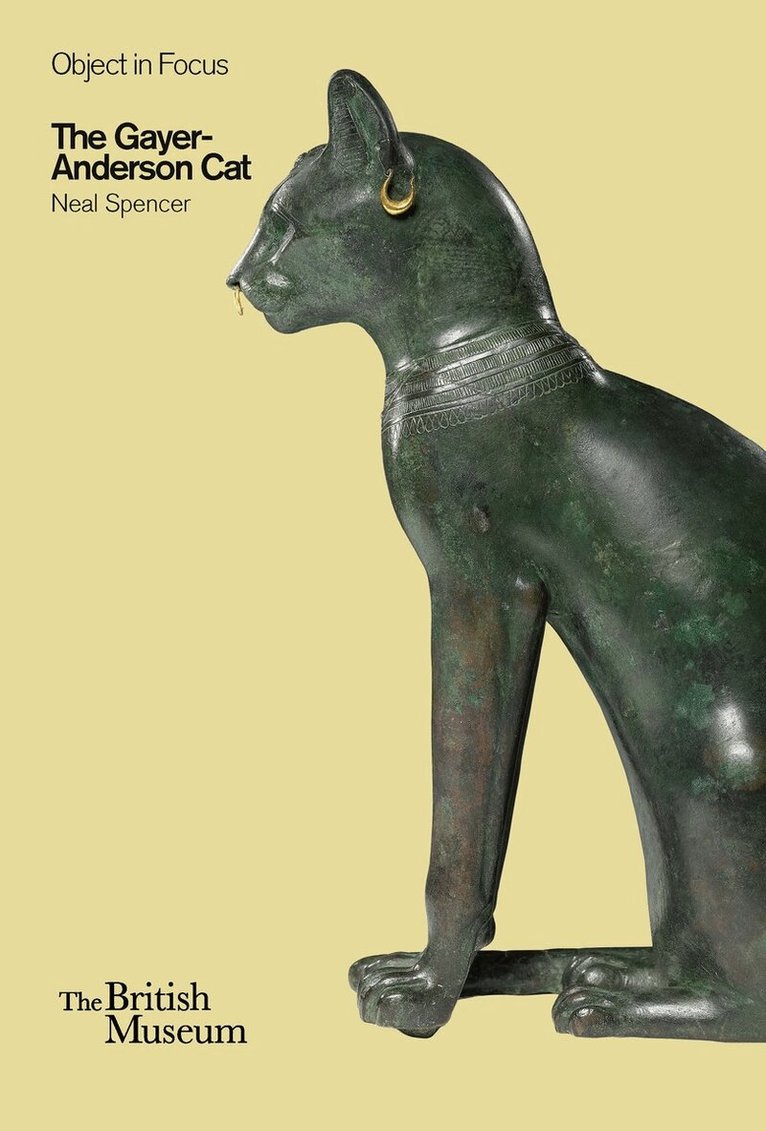
The Gayer-Anderson Cat has been one of the most admired objects at the British Museum since its arrival in 1947. This book presents a detailed description of the cat and a discussion of its possible meaning and role in ancient times. Surprising new finds from scientific analyses are presented for the first time, shedding light on the cat’s modern history, from its acquisition by the British Army major and avid antiquities collector John Gayer-Anderson to its donation to the British Museum. The fascinating narrative is complemented by outstanding new photography.
63 kr
Skickas inom 7-10 vardagar
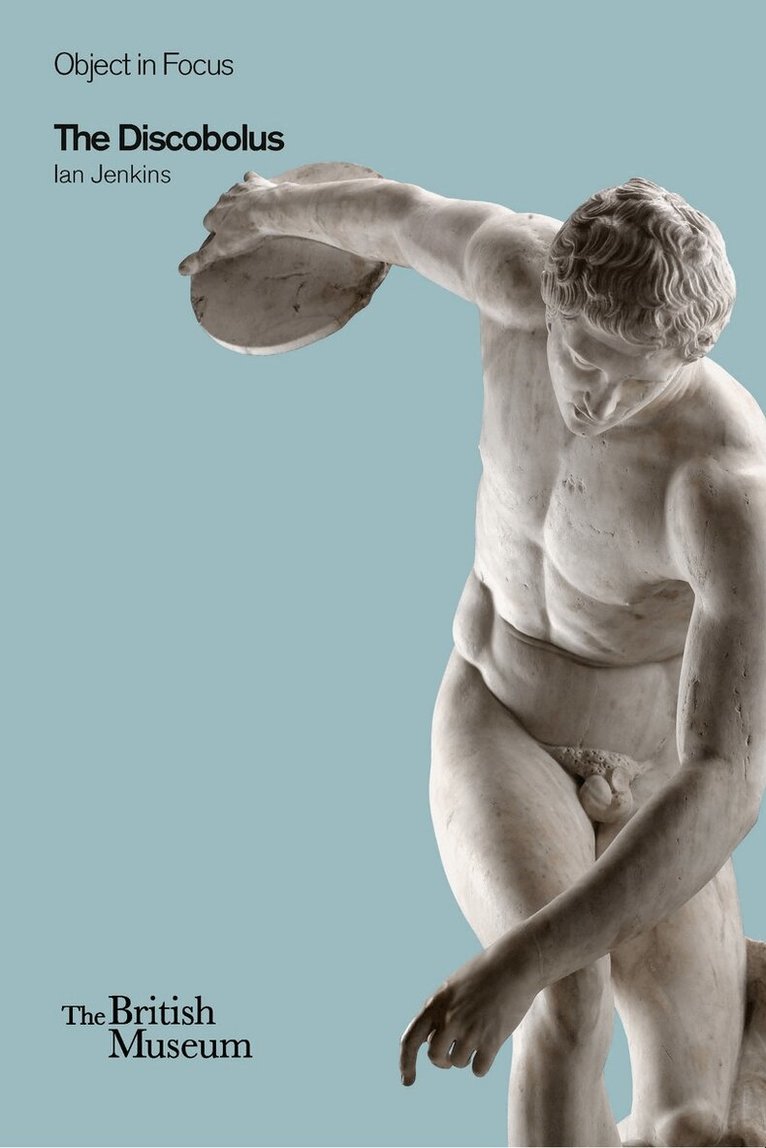
The Discobolus or discus-thrower is a marvellous classical piece of sculpture that over time has come to mean different things to different people. Originally cast in bronze by the fifth-century BC sculptor Myron, the composition portraying an athlete preparing to throw his discus captures a moment of action perfectly: the tensed body looks as if it is merely pausing and about to burst into life at any moment. An enduring pattern of energy, Myron’s statue of harmonious proportions is a fantastic representation of the athletic ideal and an embodiment of the male Greek body beautiful. Sadly, the original statue has long been lost; however, it was so admired by the Romans that numerous marble copies were made. This book tells the story of Myron’s Discobolus both as an archaeological artefact and bearer of meaning. Focusing on the Townley Discobolus, the Roman marble copy excavated from Hadrian’s Villa in Lazio, Italy, this illustrated introduction explores the history and significance of the statue – in both classical and modern times – in light of ancient discus throwing, Myron’s other works, and the artistic, intellectual and philosophical context of the Greek world.
63 kr
Skickas inom 7-10 vardagar
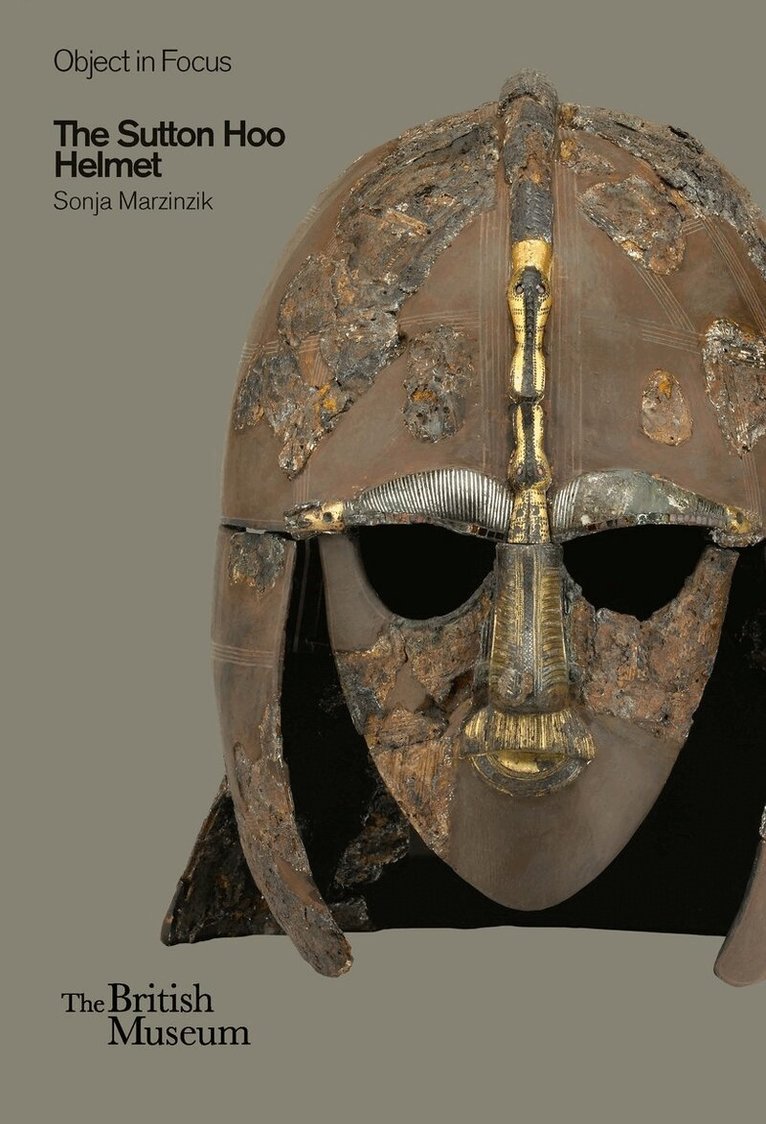
Discover the real story behind The Dig, streaming now on Netflix, starring Carey Mulligan and Ralph FiennesA warrior’s face – the strong brows inlaid with red garnets, the nose and mouth gilded and its surface tinned a silvery colour – this is how the Sutton Hoo helmet once appeared to those who saw it. Beautifully crafted and visually stunning, it would have inspired awe. But it was also fully capable of protecting its wearer in battle. This book explains how it was discovered together with other priceless treasures including a ship in the great mound at Sutton Hoo, Suffolk, by the archaeologist Basil Brown in the late 1930s. He was employed by the owner of the estate, Mrs Edith Pretty, who generously donated the whole find to the British Museum. After painstaking reconstruction, experts were able to compare this very rare helmet to the few others dating to the same period, and also to speculate for whom it might have been created. Today, some 1,400 years after it was buried, it is the centrepiece for the Sutton Hoo burial exhibit in the British Museum – a remarkable testament to Anglo- Saxon power and artistic skill.
- Nyhet
218 kr
Kommande
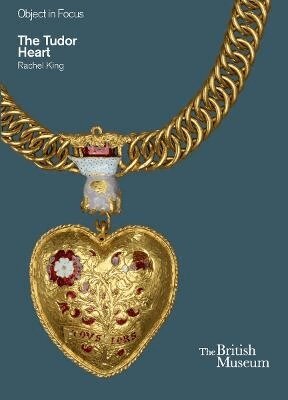
A new title in the British Museum’s Object in Focus series that tells the remarkable story of an enamelled gold necklace pendant associated with Henry VIII and his first wife Katherine of Aragon. This book tells the remarkable story of a spectacular chance find of a pendant associated with Henry VIII and his first wife Katherine of Aragon, as well as Mary, their only surviving child. Known as the Tudor Heart, the object comprises a heart-shaped pendant with enamelled motifs, suspended from a chain by an enamelled clasp. Over 3 metres of gold wire have been used to make the chain, the oldest known example of its type to survive, and together the pendant, chain and clasp weigh over 0.3 kilograms and are largely 24 carat gold. The pendant and chain have been dated to the last years of the 1510s based on the motifs used and archival evidence. This book argues that the object is an important witness to Henry’s ambitions in the early years of his long reign, marking his first and longest marriage to a princess of higher birth, commemorating his daughter’s betrothal to the infant son of the king of France, and showing the magnificence of Henry’s court before the arrival of Hans Holbein the Younger changed its expression completely. Readers will learn about a masterfully crafted work using the most luxurious of materials, as well as its place as important historical evidence for pivotal years in English history. This publication explores the sensational finding of the artefact, but its central aim is to establish the details of object’s making, its broader historical context and to tell its own extraordinary story.
63 kr
Skickas inom 7-10 vardagar
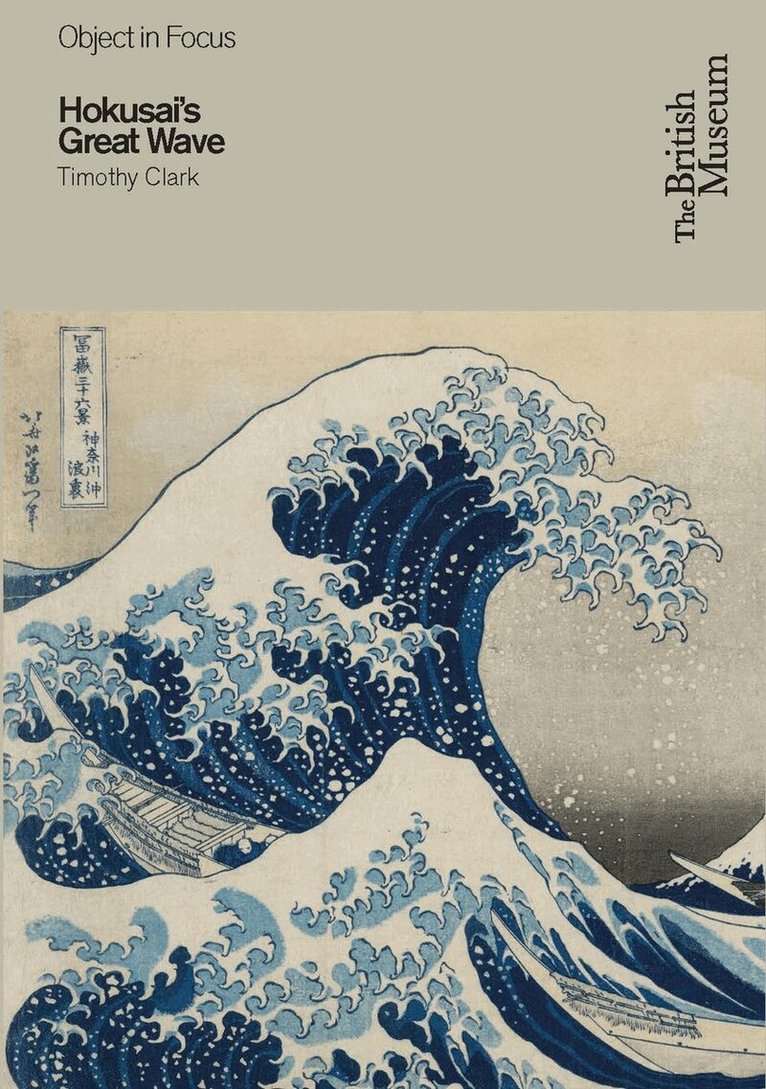
‘The Great Wave’ is a colour woodblock print designed by Japanese artist Hokusai in around 1830. The print, of which numerous multiples were made, shows a monster of a wave rearing up and about to come crashing down on three fishing boats and their crews. One of a monumental series known as ‘Thirty-six views of Mount Fuji’, Hokusai’s Great Wave – with the graceful snow-clad Mount Fuji on the horizon, unperturbed but wittily dwarfed by the towering strength of the wave that threatens to engulf the struggling boats – has become an iconic image of the power of nature and the relative smallness of man. One of the most famous pieces of Japanese art, this extraordinary artwork has had a huge impact worldwide and has served as a source of inspiration to artists, both past and present. This beautifully illustrated book explores the meaning behind Hokusai’s Great Wave, in the context of the Mount Fuji series and Japanese art as a whole. Taking an intimate look at the Wave’s artistic and historical significance and its influence on popular culture, this concise introduction explains why Hokusai’s modern masterpiece had such an impact after its creation in 1830 and why it continues to fascinate, inspire and challenge today.
63 kr
Skickas inom 7-10 vardagar
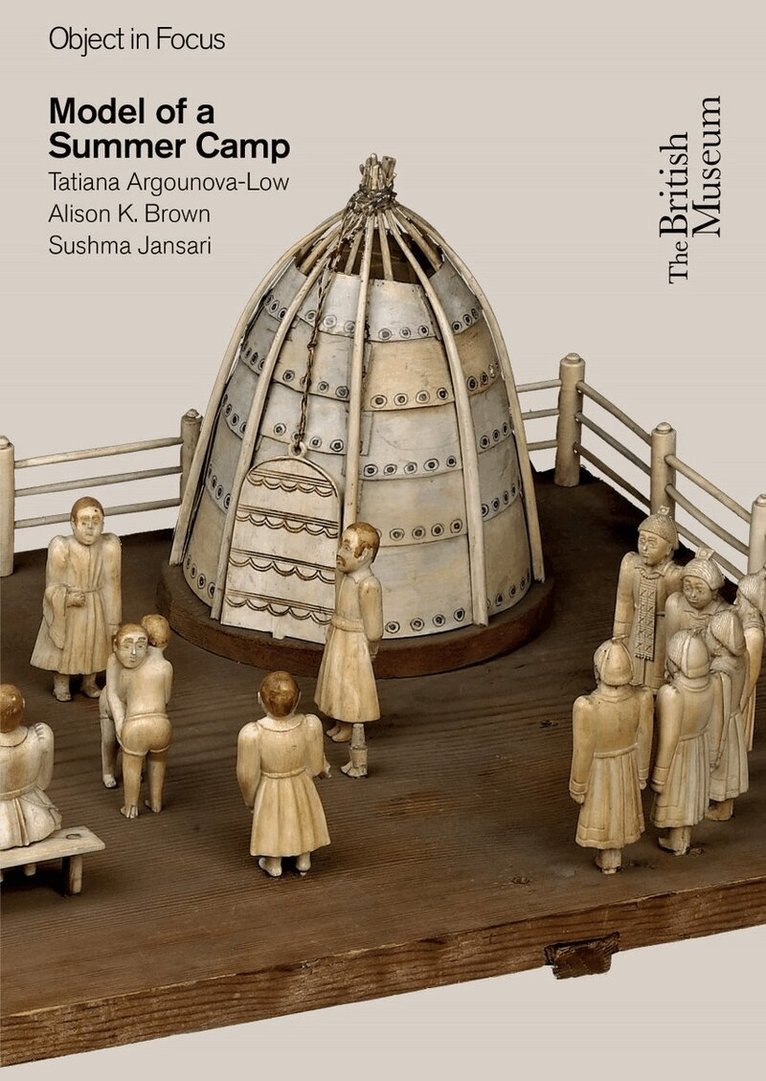
Model of a Summer Camp is an intriguing object with a range of stories to tell. Originating in the Sakha (Yakutia) region of far northeastern Russia, it depicts a yhyakh celebration – a festival of huge cultural importance to the region. This concise book takes a detailed look at the object, revealing the intricacies of the yhyakh and the model’s fascinating journey from Siberia to the British Museum. The recent resurgence of interest around the model is also explored, where creative responses and research have enriched our understanding of its stories.This book gives readers the opportunity to learn about a unique object in the British Museum’s Collection and the rich heritage of Sakha (Yakutia).
63 kr
Skickas inom 7-10 vardagar
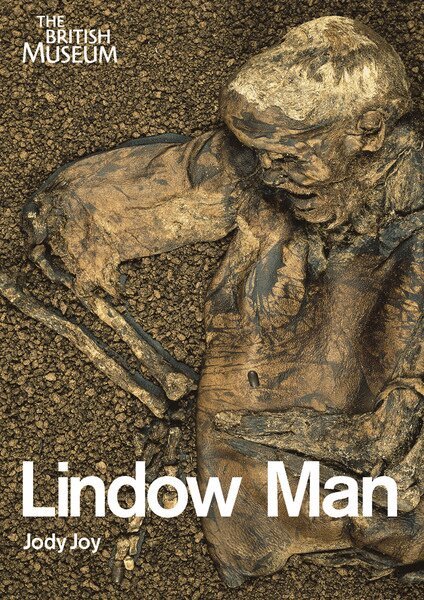
Lindow Man was accidentally discovered by peat-cutters in Cheshire in the 1980s. He was first thought to be a modern murder victim, but scientific investigations soon proved that he had died in the first century AD, around the time of the Roman conquest of Britain. The environment of the peat bog had kept his body in a remarkable state of preservation, and he is still providing a wealth of information to researchers about the diet and health of people at that time. Many theories have been put forward about his death. He was (apparently) struck on the head, strangled, and his throat was cut, before he went into the marsh. Does this literal overkill indicate that he was a sacrificial victim? Experts are still trying to understand exactly how he died. Other bog bodies have been found in Ireland and Scandinavia – what are the possible connections? Jody Joy tells the gripping and gruesome story of the discovery, examination and Lindow Man, and explores the many unanswered questions which remain.
63 kr
Skickas inom 7-10 vardagar
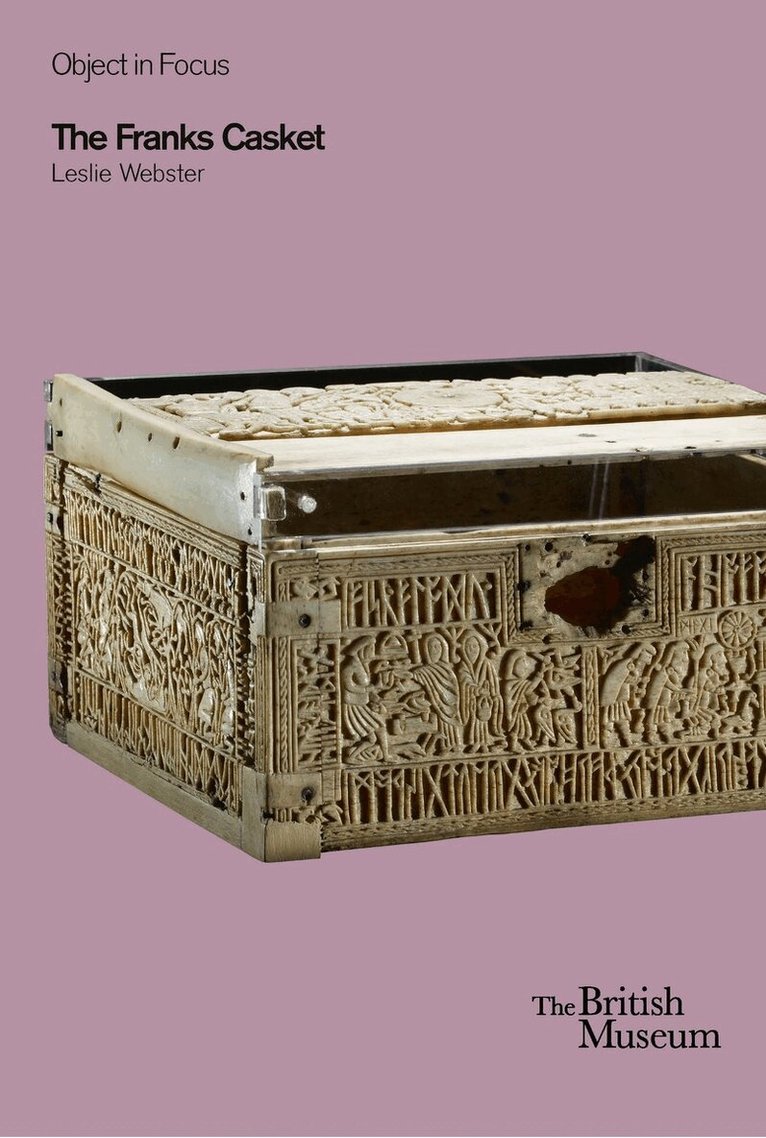
The whalebone box known as the Franks Casket has intrigued and puzzled viewers since its rediscovery in the nineteenth century. Made in northern England in the eighth century AD, the sides and lids of the rectangular casket carry some of the richest and most intricate carvings known from Anglo-Saxon times. The lively scenes depicted are drawn from a variety of sources, including Germanic and Roman legends and Jewish and Christian stories. They are accompanied by texts in both Old English and Latin, written in both the runic and Roman alphabets. At some point in its mysterious history the casket was dismantled. One of the end panels is in the Bargello in Florence; the rest of the box is in the British Museum, with the missing piece represented by a cast. This book explores the meaning, function and history of this extraordinary icon of Anglo-Saxon culture, describing and explaining the significance of the stories depicted in its magnificent carvings.
63 kr
Skickas inom 7-10 vardagar
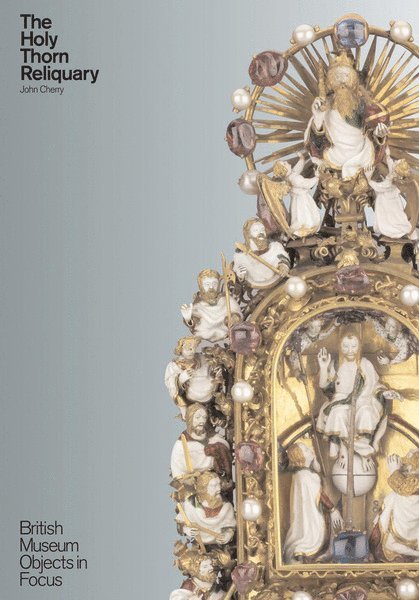
Made in gold and enamel and decorated with precious stones, the Holy Thorn Reliquary depicts the salvation of mankind through the sacrifice of Christ. It was commissioned around 1400–10 by Jean duc de Berry, a member of the French royal family, to house a single thorn from the relic of Christ’s Crown of Thorns. Having left the duke’s possession, it was recorded in Vienna from around 1544 until the 1860s, eventually being acquired by a member of the wealthy Rothschild family, with its true identity remaining undiscovered until the twentieth century. This book explores the meaning and history of this fascinating object, and tells the tale of its remarkable survival and eventual passage to the British Museum.
63 kr
Skickas inom 7-10 vardagar
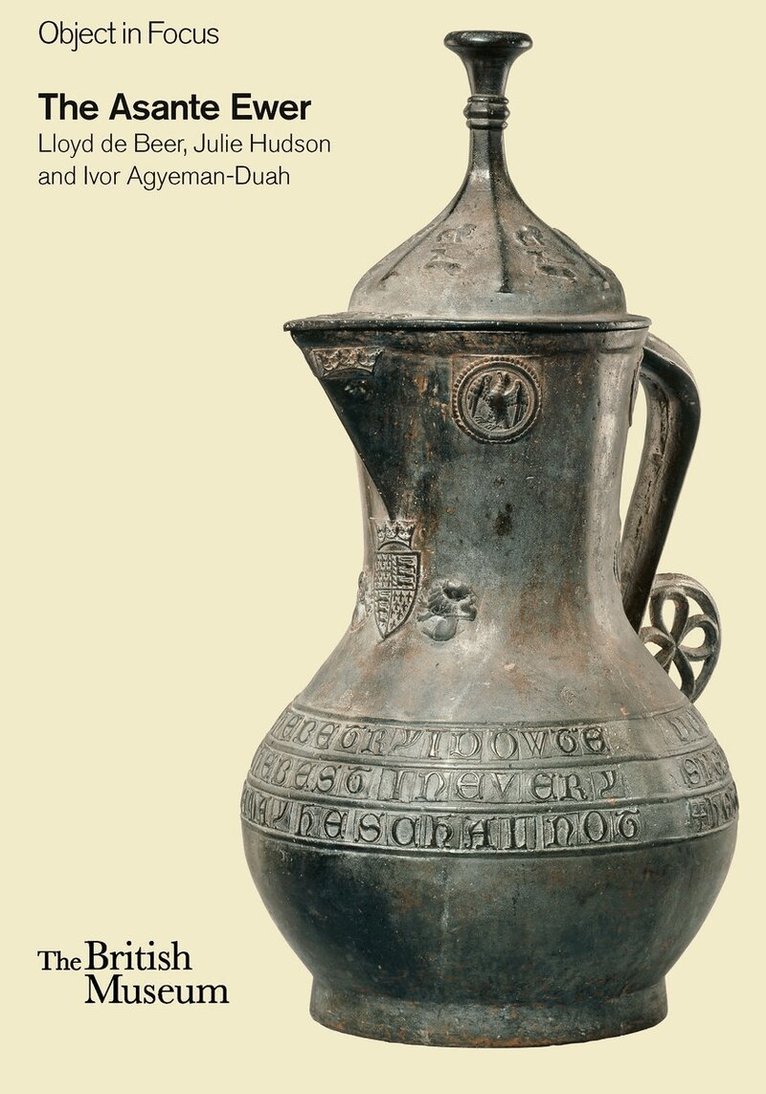
A new title in the British Museum's Object in Focus series that unpacks the history of a fascinating vessel and its journey from medieval England to West Africa and back. The fourteenth-century metal jug today popularly known as the Asante Ewer has a remarkable story. It was made in medieval England but transported to West Africa, possibly at some point between the fifteenth and seventeenth centuries. By the nineteenth century it was located in a courtyard associated with the royal palace of the Asantehene, the king of the Asante people in Kumasi, present-day Ghana. During widespread looting by British forces in the aftermath of the so-called Fourth Anglo-Asante War of 1896, the ewer was removed from the royal building and subsequently purchased by the British Museum. This book includes a detailed close reading of the object itself, which is one of the finest examples of late medieval English bronze casting. It also explores the significance of the vessel in both European and African contexts - from the intricate medieval symbolism, linked to English royalty, that forms its decoration, to its potential connections with the trade in ivory and gold across the Sahara and the West African coast. Finally, this publication addresses collecting practices of the nineteenth century and their inextricable links with colonialism, as well as discussing how the ewer has historically been presented in a European context and is now being re-evaluated to include its African history.
63 kr
Skickas inom 7-10 vardagar
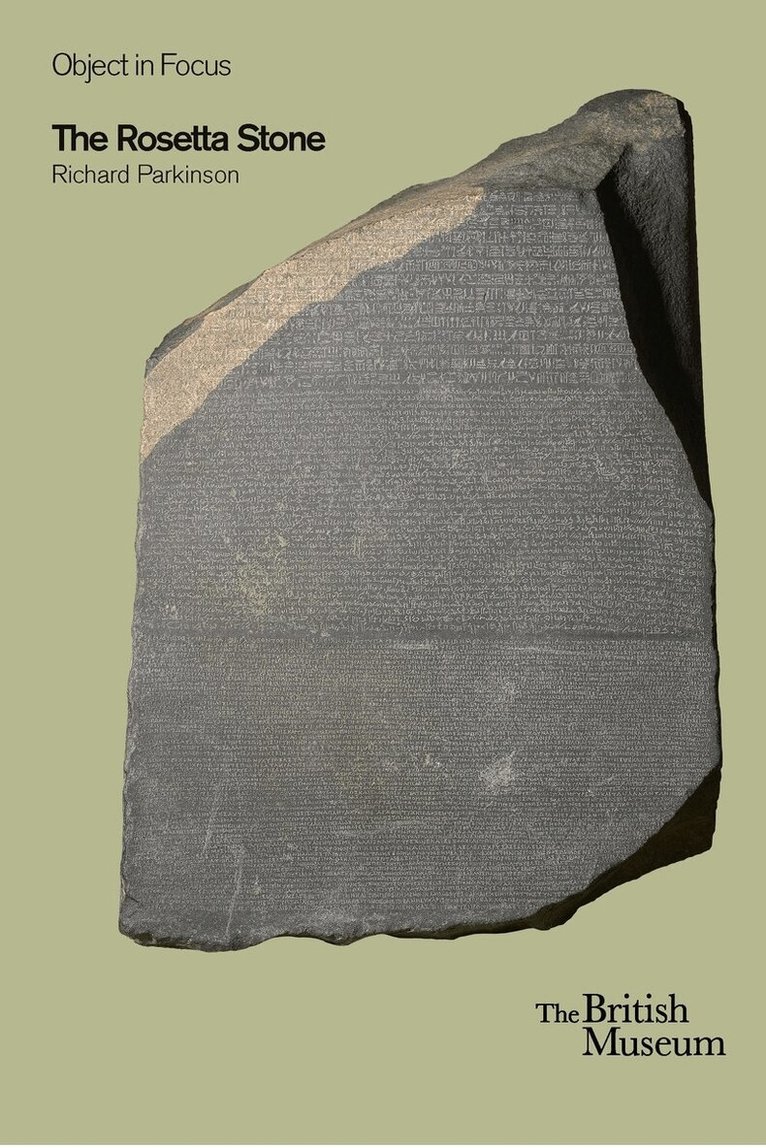
The Rosetta Stone contains a decree written three times in Greek, Demotic and hieroglyphic that provided the key to the mysterious hieroglyphic script of ancient Egypt, and opened up 3,000 years of the country's history and culture. This book tells the fascinating story of one of archaeology's icons, from its creation in the second century BC, to its discovery in 1799 during Napoleon's Egyptian campaign, to the subsequent race to decipher its hieroglyphic text. Undertaken by two brilliant scholars - the Frenchman Jean-Francois Champollion, and the English physicist Thomas Young - it was the former who eventually succeeded in making the crucial breakthrough. Today the Rosetta Stone stands in the Museum as an enduring symbol of human understanding and communication through the ages.
63 kr
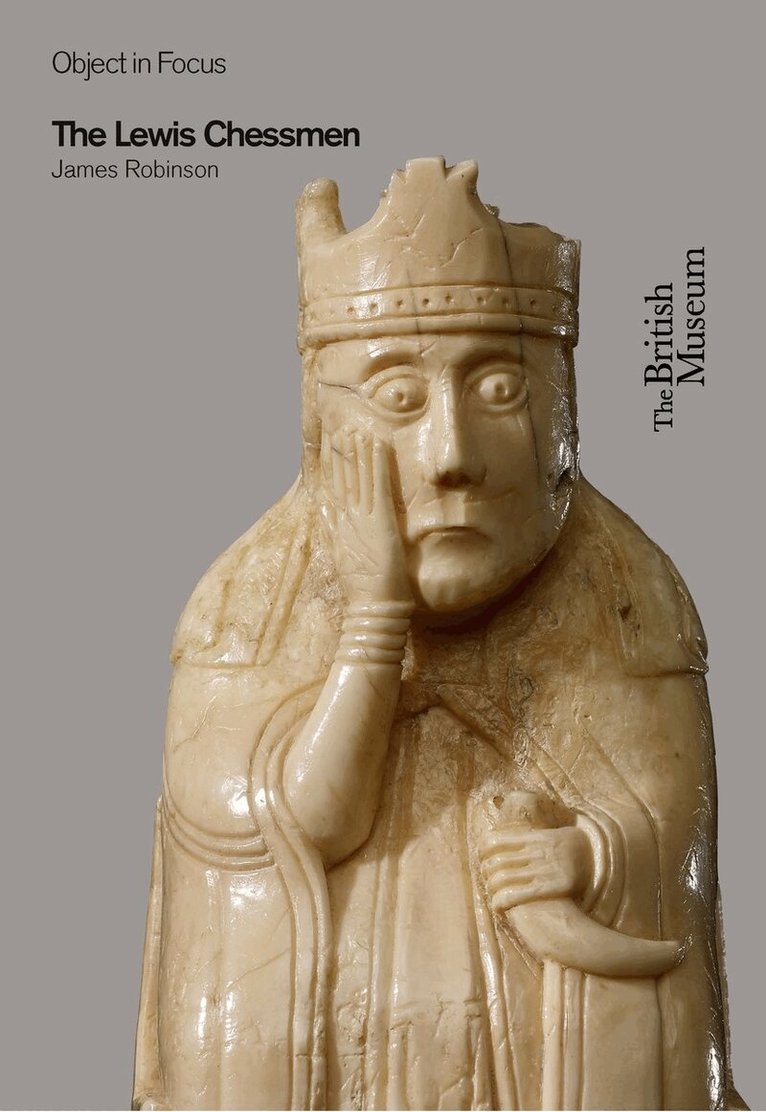
This lively book considers the various fascinating stories which have evolved to explain the ownership, concealment and discovery of the pieces whilst also placing them in the wider context of the ancient game of chess and secular art of the middle Ages.The Lewis Chessmen consist of elaborately worked walrus ivory and whales’ teeth in the forms of seated kings and queens, mitred bishops, knights on their mounts, standing warders and pawns in the shape of obelisks. They were found in the vicinity of Uig on the Isle of Lewis, but were probably made in Norway, in around 1150-1200 AD. At this time, the Western Isles where the Chessmen were buried were part of the kingdom of Norway, and not Scotland as they are today.Although very few details of the origins of the Chessmen are known, it is possible that they belonged to a merchant travelling from Norway and that they were buried for safekeeping on route to be traded in Ireland. This seems likely as there are enough pieces, though with some elements missing, to make four sets.No exact account of the discovery remains, but they apparently came to light after the collapse of a sand-bank on the coast of the island revealed their hiding place to a passing islander. All that is certain is that they were found some time before 11th April 1831 when they were exhibited at the Society of the Antiquaries in Scotland.Of the original 93 pieces discovered on the Isle of Lewis, 82 pieces are now housed in the British Museum.An exciting read for anyone interested in the history of the famous chess pieces.
63 kr
Skickas inom 7-10 vardagar
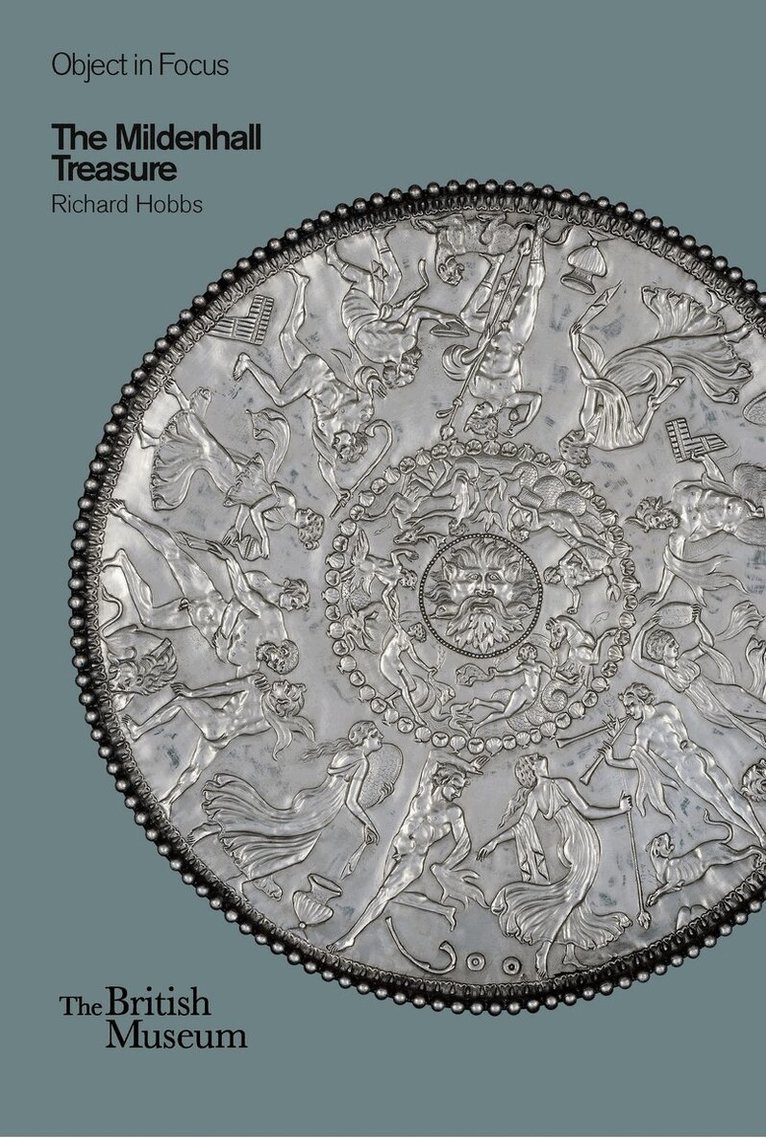
In 1942, while ploughing a field near Mildenhall in Suffolk, eastern England, Gordon Butcher stumbled upon a hoard of 34 silver objects that he turned over to his boss and owner of the land, Sydney Ford. Dating back to Roman Britain, fourth century AD, and of outstanding artistic and technical quality, the hoard was declared a Treasure Trove in 1946.
54 kr
Skickas inom 7-10 vardagar
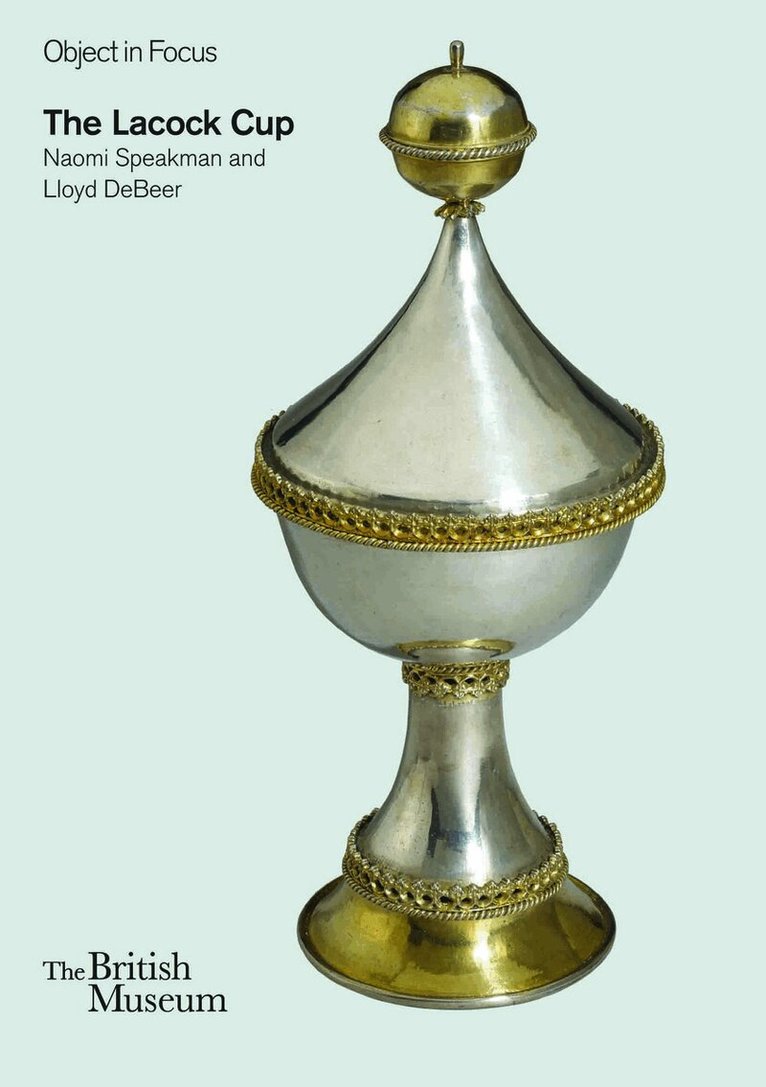
The Lacock Cup is a rare object with a unique English history. Made in the 1430s, it is one of a handful of pieces of secular silver from the Middle Ages, which both survived the changing culture of Tudor fashion and the turmoil of the Reformation. Originally created as a drinking cup for feasting in the fifteenth century, the Cup later became a sacred chalice for the community of Lacock in Wiltshire at the parish church of Saint Cyriac. With an unbroken local heritage of over 400 years, this piece was a central feature of religious ceremony until the late twentieth century. The remarkable story of this special cup is brought to life in this short and accessible book. Its history, from drinking vessel to holy chalice, opens a window into the culture of late medieval England and having survived the centuries in near perfect condition, it acts as a witness to these times of great change. Charting the journey of the Cup, from fifteenth century medieval society, through the Reformation and later Civil War to the present day, this book will also explore the Cup’s role as a communion vessel in its local setting of Lacock, and its treatment at the British Museum where it has been on loan since 1962. The Cup remained in irregular use by the parish until the 1980s, and this story of over 500 years of outstanding care and use provides a fitting conclusion to one of England’s most important silver objects.
63 kr
Skickas inom 7-10 vardagar
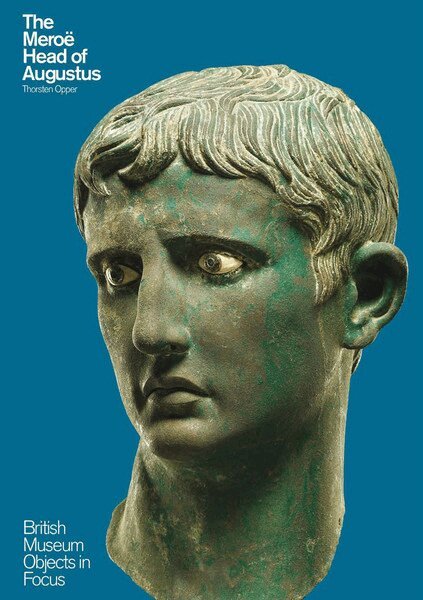
Made from Bronze with eyes inlaid with glass pupils set in metal rings, the ‘Meroe Head’ is a magnificent portrait of Julius Caesar’s great nephew and adopted heir Augustus (63 BC–AD 14). Once forming part of a statue of Rome’s revered first true emperor – one of many such statues that were erected in Egyptian towns – the head was violently separated from the body and carried away in triumph by ancient Meroitic tribesman shortly after its creation. For nearly two millennia it remained buried in front of a temple in their capital city of Meroe (modern Sudan), so that worshippers ritually had to trample the face of the supreme leader of Rome. The head was recovered in 1910 and remarkably well preserved, is one of the British Museum’s most treasured objects. This book reveals the significance of the head in light of Augustus’ rise to power and the role of portraits in the Roman world. Accompanied by a series of new photographs that highlight the wonderful, dramatic qualities of the head, this is an absorbing introduction about a portrait which was made as a continuous reminder of the all-embracing power of Rome, yet whose fate is a graphic illustration of resistance to its rule.
63 kr
Skickas inom 7-10 vardagar
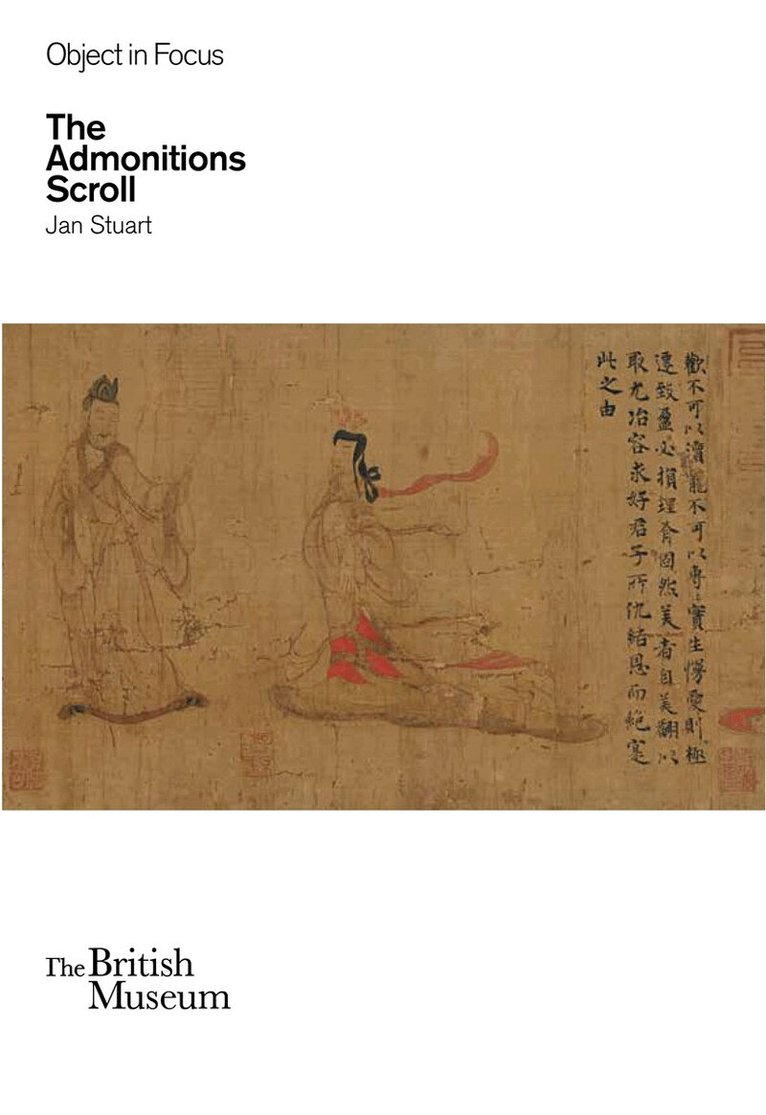
The Admonitions scroll is an internationally recognized masterpiece of narrative painting and is arguably the earliest surviving Chinese painting. Painted in ink and colour on silk and traditionally attributed to the ‘founding figure’ of Chinese painting, Gu Kaizhi (c.345–c.406), the scroll entered the British Museum in 1903 and has become one of its most famous objects. The scroll illustrates a poem written in AD 292 by the poet-official Zhang Hua (232–300), who was reprimanding Empress Jia (257–300) who had wantonly abandoned the Confucian-based ethical behaviour expected of court ladies, including personal sacrifice to save the emperor should he be in danger. The Admonitions scroll was painted centuries later in order to admonish a different wayward ruler – this time an emperor himself. While didactic and morally instructive, the painted scenes also reveal deep psychological insights into some of the figures as well as offer touching glimpses of court life, including in the bedchamber and a grooming session with the children. Modern scholarship holds that the Admonitions scroll dates from the sixth to eighth century AD. While it may or may not be a copy of an original work by Gu, without doubt it accurately represents a style current in his lifetime and as such represents the seminal development of the features that came to distinguish Chinese ink painting as a distinctive world tradition. The Admonitions scroll has been held in many prestigious Chinese private and imperial collections, as well as having been copied by other Chinese artists, before arriving in London over a century ago. The story of the scroll is of fascinating historical interest and this accessible and beautifully illustrated book really gets to the heart of it.
63 kr
Skickas inom 7-10 vardagar
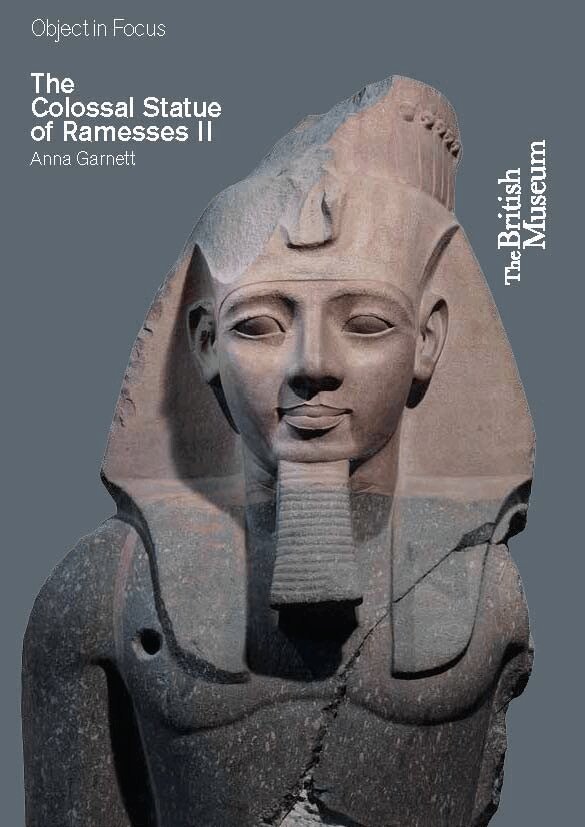
One of the largest pieces of Egyptian sculpture in the British Museum, the upper part of the colossal statue of Ramesses II, also known as the ‘Younger Memnon’, was perhaps the first piece of Egyptian sculpture to be recognized as a work of art by connoisseurs, who traditionally judged things by the standards of ancient Greek art. Weighing 7.25 tons, this fragment of his statue was cut from a single block of two - coloured granite, and shows Ramesses wearing the nemes head - dress surmounted by a cobra diadem. The statue was retrieved from the mortuary temple of Ramesses at Thebes (the 'Ramesseum') by Giovanni Belzoni in 1816. Belzoni wrote a fascinating account of his struggle to remove it, both literally, given its colossal size, and politically. After its arrival in England and its acquisition, the Colossal Statue of Ramesses was to become among the most famous objects in the British Museum’s Egyptian collection and is of significant historical interest. Beautifully illustrated with photographs of the statue and contextual images, and including archival material relating to the British Museum’s acquisition, this book tells the story of this magnificent artefact, discussing alongside the draw of colossal Egyptian sculpture, the history of the reign of Ramesses II and the nature of the statue’s acquisition.
63 kr
Skickas inom 7-10 vardagar
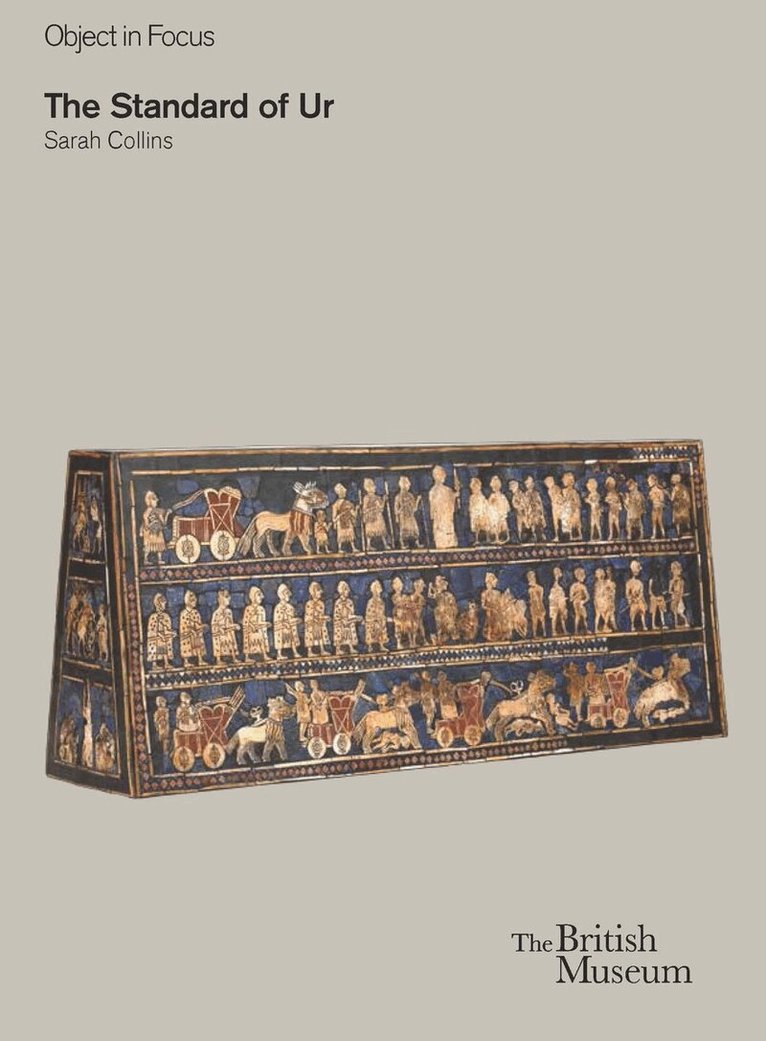
Ur, one of the world’s first cities, was highly important politically and economically around 2600 – 2500 BC when the Sumerian rulers of the city were buried in tombs filled with ornate, valuable objects and with evidence of elaborate rituals and human sacrifice. Without the artefacts from the tombs of Ur it would be very difficult for us today to visualise Sumerian history and know anything about Sumerian art. Of all the objects found in the royal tombs of Ur, the Standard is the most informative yet also the most enigmatic. The Standard was given its name because it lay in a tomb near the shoulder of a man as if it had been carried like a battle standard. However, its real function and purpose within the tomb is still unknown. It was originally hollow, like a box, and is decorated on four sides with mosaic images created with inlays of shell, lapis lazuli and red limestone that were set into bitumen on a wooden frame. The two main, rectangular sides sometimes referred to as ‘war’ and ‘peace’, show scenes of a battle and of a banquet. Both of these themes, commonly depicted in Mesopotamian art, are shown on the Standard using a narrative technique that was to be used in Mesopotamia for almost two thousand years and can still be appreciated today. Viewed as a remarkable work of ancient art the Standard testifies to sophisticated Sumerian craftsmanship and the wide tr ade networks and wealth of the city of Ur. More importantly for us today, it is also a realistic and lively representation of aspects of the life and concerns of people who lived in one of the world’s great ancient civilisations during the third millennium BC. This beautifully illustrated short introduction tells the story of discovery and significance of this splendid object.
63 kr
Skickas inom 7-10 vardagar
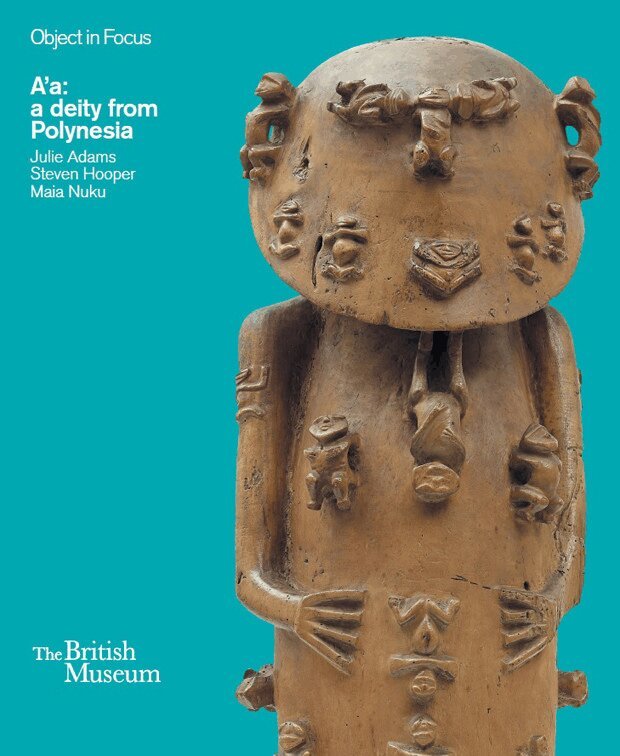
This world-renowned sculpture is a unique figure in Polynesian art. An image of a deified ancestor, A’a was created sometime before 1821 on the island of Rurutu. Thirty dynamic figures stud his body, and the excellence of his craftsmanship suggests that his hollow interior once contained something of great cultural importance. Research undertaken ahead of the forthcoming exhibition revealed a small red feather lodged inside the statue and encouraged the curators to begin a range of scientific tests that had been unavailable to previous generations. Their revelations about the meaning and function of A’a are published here for the first time. A’a has been inspiring visitors since its arrival at the Museum in 1890, as much for its dramatic backstory as for its workmanship. The missionary John Williams saved the statue from being burned, but met an untimely end himself in the course of his work. The statue was a sensation when it arrived in England and inspired artists and poets for decades – Picasso was so struck by it that he had a copy made for himself. A’a is an idol in every sense of the word, and this book aims to inspire a new audience with his story.