Oxford Studies in the Archaeology of Ancient States – serie
Visar alla böcker i serien Oxford Studies in the Archaeology of Ancient States. Handla med fri frakt och snabb leverans.
9 produkter
9 produkter
1 056 kr
Skickas inom 5-8 vardagar
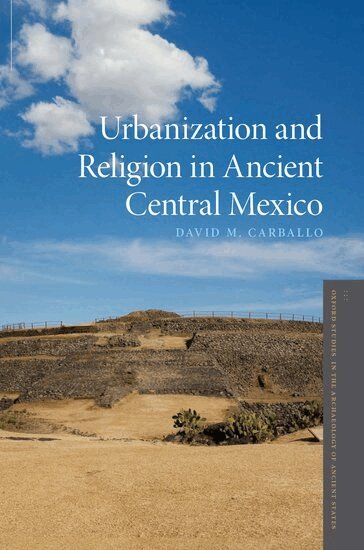
Urbanization and Religion in Ancient Central Mexico examines the ways in which urbanization and religion intersected in pre-Columbian central Mexico, with a primary focus on the later Formative period and the transition to the Classic period. The major societal transformations of this interval occurred approximately two-thousand years ago and over a millennium before Mexico's best known early civilization, the Aztecs. David M. Carballo presents a synthesis of data from regional archaeological projects and key sites such as Teotihuacan and Cuicuilco, while relying on the author's own excavations at the site of La Laguna as the central case study. A principal argument is that cities and states developed hand in hand with elements of a religious tradition of remarkable endurance and that these processes were fundamentally entangled. Prevalent religious beliefs and ritual practices created a cultural logic for urbanism, and as populations urbanized they became socially integrated and differentiated following this logic. Nevertheless, religion was used differently over time and by groups and individuals across the spectra of urbanity and social status. This book calls for a materially informed history of religion, with the temporal depth that archaeology can provide, and an archaeology of cities that considers religion seriously as a generative force in societal change.
503 kr
Skickas inom 5-8 vardagar
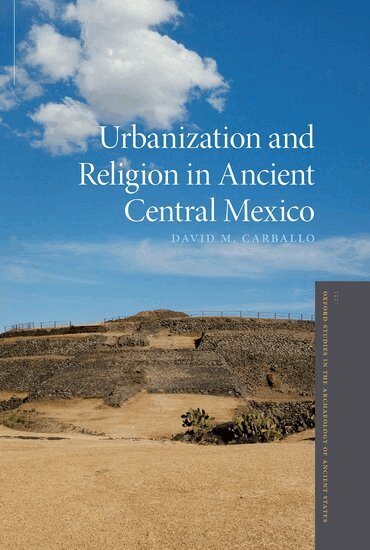
Urbanization and Religion in Ancient Central Mexico examines the ways in which urbanization and religion intersected in pre-Columbian central Mexico, with a primary focus on the later Formative period and the transition to the Classic period. The major societal transformations of this interval occurred approximately two-thousand years ago and over a millennium before Mexico's best known early civilization, the Aztecs. David M. Carballo presents a synthesis of data from regional archaeological projects and key sites such as Teotihuacan and Cuicuilco, while relying on his own excavations at the site of La Laguna as the central case study. A principal argument is that cities and states developed hand in hand with elements of a religious tradition of remarkable endurance and that these processes were fundamentally entangled. Prevalent religious beliefs and ritual practices created a cultural logic for urbanism, and as populations urbanized they became socially integrated and differentiated following this logic. Nevertheless, religion was used differently over time and by groups and individuals across the spectra of urbanity and social status. The book provides a materially informed history of religion, with the temporal depth that archaeology can provide, and an archaeology of cities that considers religion seriously as a generative force in societal change.
518 kr
Skickas inom 5-8 vardagar
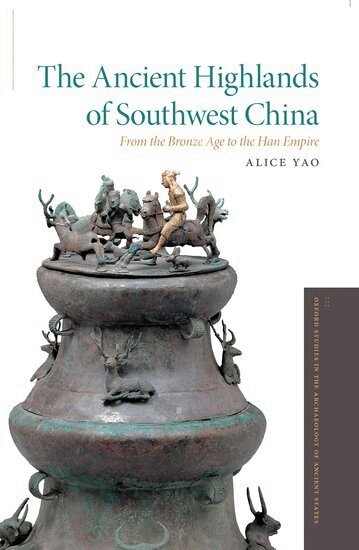
Although long considered to be a barren region on the periphery of ancient Chinese civilization, the southwest massif was once the political heartland of numerous Bronze Age polities. Their distinctive material tradition--intricately cast bronze kettle drums and cowrie shell containers--has given archaeologists and historians a glimpse of the extraordinary wealth, artistry, and power exercised by highland leaders over the course of the first millennium BC. In the first century BC, Han imperial conquest reduced local power and began a process of cultural assimilation.Instead of a clash between center and periphery or barbarism and civilization, this book examines the classic study of imperial rule as a confrontation between different political temporalities. The author provides an archaeological account of the southwest where Bronze Age landscape formations and funerary traditions bring to light a history of competing warrior cultures and kingly genealogies. In particular, the book illustrates how mourners used funerals and cemetery mounds to transmit social biographies and tribal affiliations across successive generations. Han incorporation thus entangled the orders of state time with the generational cycles of local factions, foregrounding the role of time in the production of power relations in imperial frontiers. The book extends approaches to empires to show how prehistoric time frames continue to shape the futures of frontier subjects despite imperial efforts to unify space and histories.
518 kr
Skickas inom 5-8 vardagar
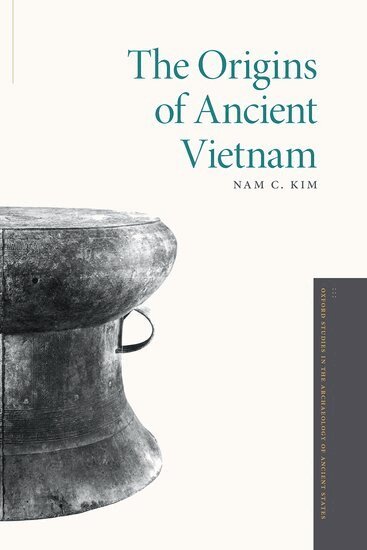
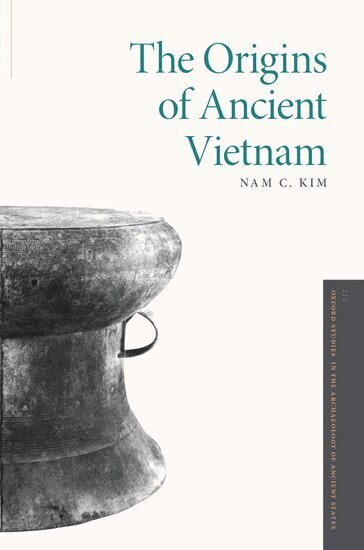
The Origins of Ancient Vietnam explores the origins of civilization in the Red River Delta of Vietnam and how related studies can inform our understanding of ancient societies, generally, and the foundations of Vietnamese culture, specifically. Long believed to be the cradle of Vietnamese civilization, this area has been referenced by Vietnamese and Chinese writers for centuries, many recording colorful tales and legends about the region's prehistory. One of the most enduring accounts relates the story of the Au Lac Kingdom and its capital of Co Loa. Founded during the third century BC, according to legend, the fortified city's ramparts still stand today. However, there are ongoing debates about the origins of the site, the validity of the literary accounts, and the link between the prehistoric past and later Vietnamese societies. The Han Empire's later annexation of the region, combined with the problematic accounts found in the Chinese chronicles, further complicates these questions. Recent decades of archaeology in the region have provided new perspectives for examining these issues. The material record reveals indigenous trajectories of cultural change throughout the prehistoric period, culminating in the emergence of a politically sophisticated society. Specifically, new data indicate the founding of Co Loa by an ancient state, centuries before the Han arrival. In The Origins of Ancient Vietnam, Nam Kim synthesizes the archaeological evidence for this momentous development, placing Co Loa within a wider, global setting of emergent cities, states, and civilizations.
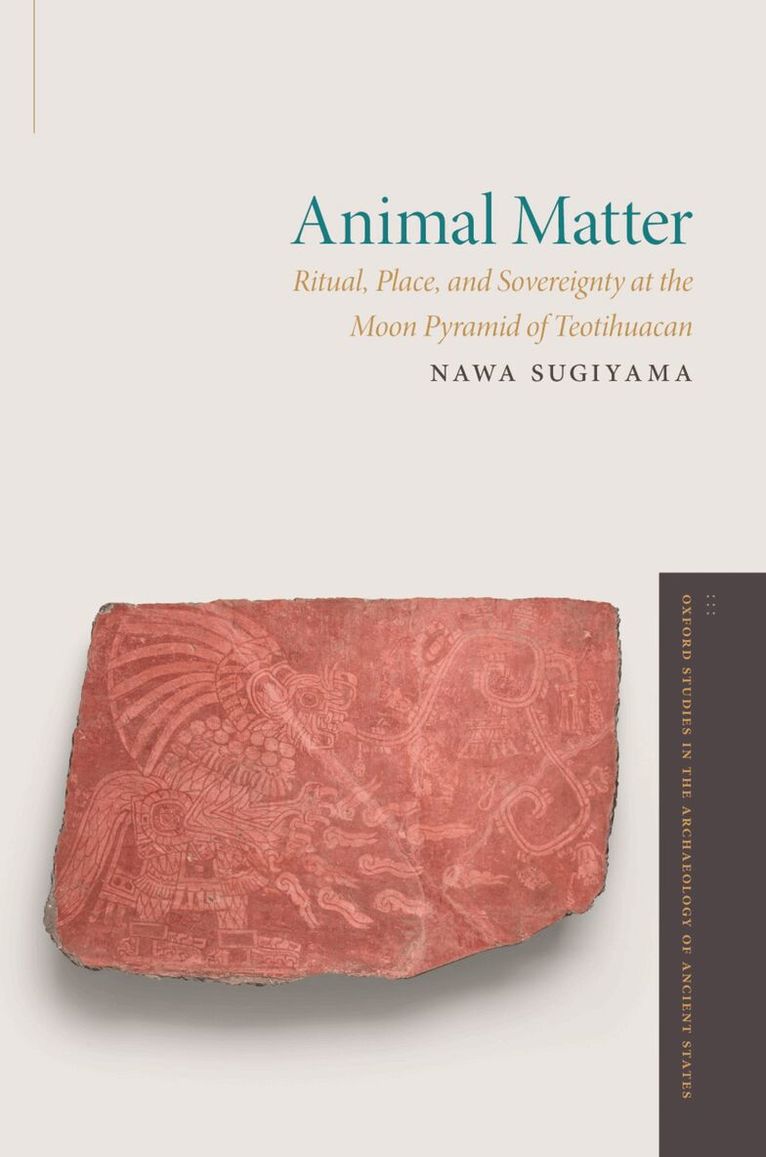
Animal Matter
Ritual, Place, and Sovereignty at the Moon Pyramid of Teotihuacan
Inbunden, Engelska, 2025
831 kr
Skickas inom 7-10 vardagar
Based on primary data and analyses from the Moon Pyramid Project at the center of the UNSECO World Heritage site at Teotihuacan, Mexico (1-550 CE), Animal Matter questions how the inhabitants of this ancient metropolis elevated a monumental earthwork into a sacred mountain that crowns one of the most influential and enduring ritualized landscapes in Mesoamerica. The research gathered from four dedicatory caches embedded within the Moon Pyramid constitutes one of the best-attested cases of mass animal sacrifice within Mesoamerica, with over 200 animals offered as primary sacrificial victims or secondary products (ritual paraphernalia, isolated body parts, etc.). By bringing biographies of jaguars, pumas, wolves, rattlesnakes, and golden eagles to life, the book supports the earliest evidence for wild carnivore management in captivity within the city confines, a feat unknown in this region for ten centuries until it appeared in detailed and lurid colonial descriptions of Moctezuma's zoo. The book argues that state-sanctioned ritualized performances were sacred places to stage the consecration of apex predators into key symbols of the Teotihuacan state. Perfected through sacrifice into the heart of the monument, their essence animated the Moon Pyramid into the material nexus of state authority: a sacred mountain. By utilizing the tools of relational ontologies and new materialism, and applying them to her non-human subjects, Sugiyama offers a unique perspective on their roles in the development of state sovereignty. The result is a rigorously argued description of ancient state-coordinated rituals--spectacular but full of imperfections and contradictions--an approach that humanizes the past.
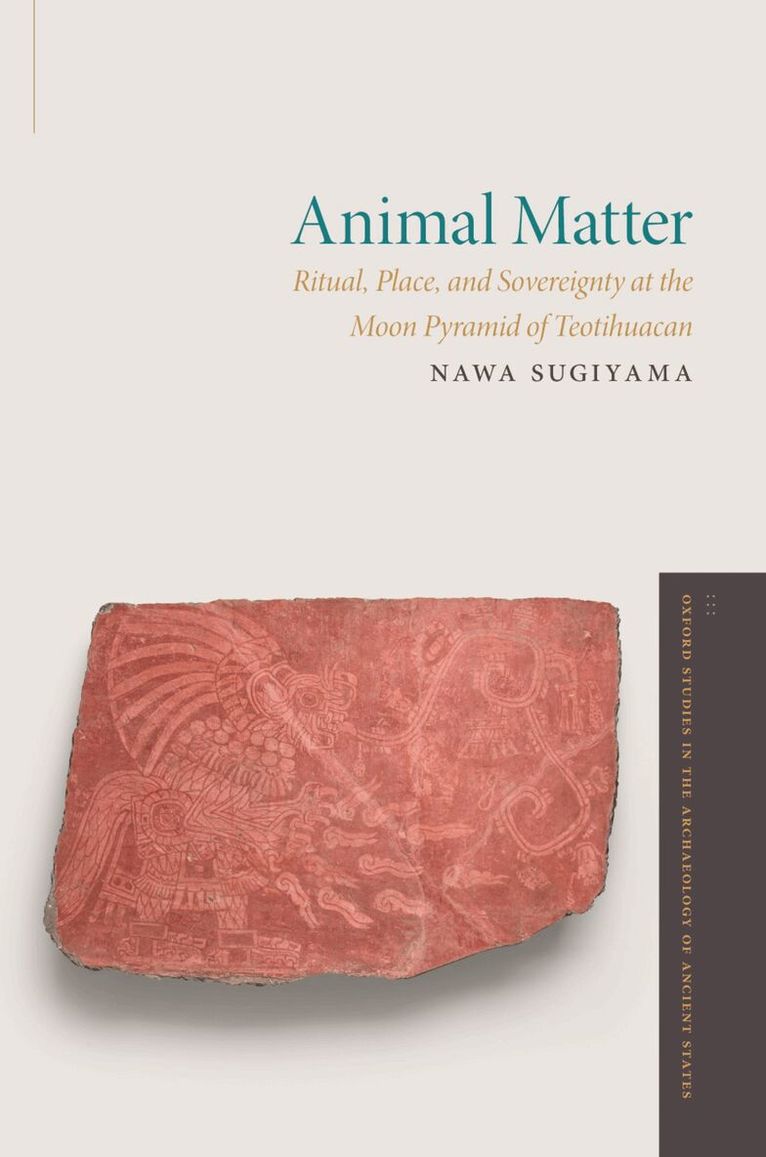
Animal Matter
Ritual, Place, and Sovereignty at the Moon Pyramid of Teotihuacan
Häftad, Engelska, 2025
317 kr
Skickas inom 5-8 vardagar
Based on primary data and analyses from the Moon Pyramid Project at the center of the UNSECO World Heritage site at Teotihuacan, Mexico (1-550 CE), Animal Matter questions how the inhabitants of this ancient metropolis elevated a monumental earthwork into a sacred mountain that crowns one of the most influential and enduring ritualized landscapes in Mesoamerica. The research gathered from four dedicatory caches embedded within the Moon Pyramid constitutes one of the best-attested cases of mass animal sacrifice within Mesoamerica, with over 200 animals offered as primary sacrificial victims or secondary products (ritual paraphernalia, isolated body parts, etc.). By bringing biographies of jaguars, pumas, wolves, rattlesnakes, and golden eagles to life, the book supports the earliest evidence for wild carnivore management in captivity within the city confines, a feat unknown in this region for ten centuries until it appeared in detailed and lurid colonial descriptions of Moctezuma's zoo. The book argues that state-sanctioned ritualized performances were sacred places to stage the consecration of apex predators into key symbols of the Teotihuacan state. Perfected through sacrifice into the heart of the monument, their essence animated the Moon Pyramid into the material nexus of state authority: a sacred mountain. By utilizing the tools of relational ontologies and new materialism, and applying them to her non-human subjects, Sugiyama offers a unique perspective on their roles in the development of state sovereignty. The result is a rigorously argued description of ancient state-coordinated rituals--spectacular but full of imperfections and contradictions--an approach that humanizes the past.
1 164 kr
Skickas inom 5-8 vardagar
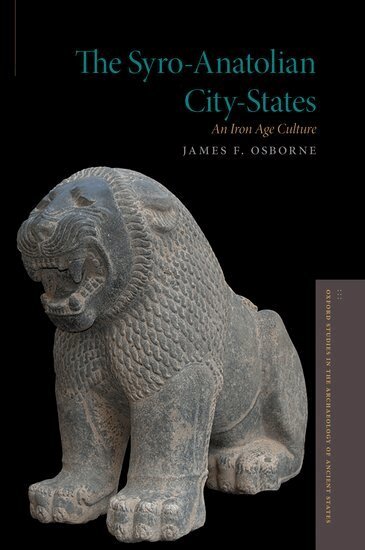
This book presents a new model for understanding the collection of ancient kingdoms that surrounded the northeast corner of the Mediterranean Sea from the Cilician Plain in the west to the upper Tigris River in the east, and from Cappadocia in the north to western Syria in the south, during the Iron Age of the ancient Near East (ca. 1200 to 600 BCE). Rather than presenting them as homogenous ethnolinguistic communities like "the Aramaeans" or "the Luwians" living in neatly bounded territories, this book sees these polities as being fundamentally diverse and variable, distinguished by demographic fluidity and cultural mobility. The Syro-Anatolian City-States sheds new light via an examination of a host of evidentiary sources, including archaeological site plans, settlement patterns, visual arts, and historical sources. Together, these lines of evidence reveal a complex fusion of cultural traditions that is nevertheless distinctly recognizable unto itself. This book is the first to specifically characterize the Iron Age city-states of southeastern Turkey and northern Syria, arguing for a unified cultural formation characterized above all by diversity and mobility and that can be referred to as the "Syro-Anatolian Culture Complex."
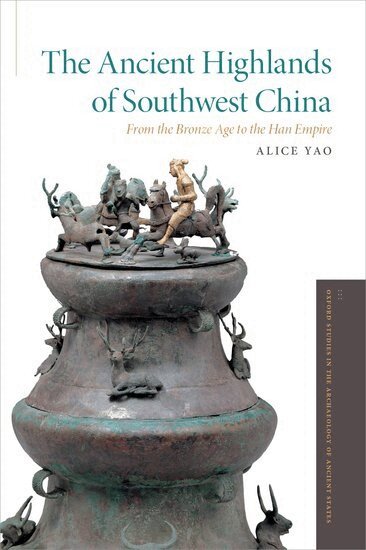
The Ancient Highlands of Southwest China
From the Bronze Age to the Han Empire
Inbunden, Engelska, 2016
1 002 kr
Skickas inom 5-8 vardagar
Although long considered to be a barren region on the periphery of ancient Chinese civilization, the southwest massif was once the political heartland of numerous Bronze Age kingdoms. Their distinctive material tradition--intricately cast bronze kettle drums and cowrie shell containers--have given archaeologists and historians a glimpse of the extraordinary wealth, artistry, and power exercised by highland leaders in prehistory. After a millennium of rule however, imperial conquest under the Han state reduced local power, leading to the disappearance of Bronze Age traditions and a fraught process of assimilation. Instead of a clash between center and periphery or barbarism and civilization, The Ancient Highlands of Southwest China examines the classic study of imperial conquest as a confrontation of different political times. Alice Yao grounds an archaeological account of the region where local landscape histories and funerary traditions bring to light a history of competing elite lineages, warrior cultures, and of kingly genealogies. In particular, this book illustrates how buried precious material objects--drums, ornate weaponry, and cowries--enabled the transmission and memorialization of biographies and lineage wealth across successive generations. A provocative picture emerges of imperial absorption and change as a problem entangling the generational time of highland leadership and its political cycles and the penetration of Chinese dynastic history as well as time of bureaucracy and state economy. Yao extends conventional approaches to empires to show how prehistoric forms of temporal experience can complicate imperial efforts to incorporate and unify time.
1 487 kr
Skickas inom 5-8 vardagar
Long believed to be the cradle of Vietnamese civilization, the Red River Delta of Vietnam has been referenced by Vietnamese and Chinese writers for centuries, many recording colorful tales and legends about the region's prehistory. One of the most enduring accounts relates the story of the Au Lac Kingdom and its capital, known as Co Loa. According to legend, the city was founded during the third century BC and massive rampart walls protected its seat of power. Over the past two millennia, Co Loa has become emblematic of an important foundational era for Vietnamese civilization. Today, the ramparts of this ancient city still stand in silent testament to the power of past societies. However, there are ongoing debates about the origins of the site, the validity of legendary accounts, and the link between the prehistoric past with later Vietnamese society. Recent decades of archaeology in the region have provided a new dimension to further explore these issues, and to elucidate the underpinnings of civilization in northern Vietnam. Nam C. Kim's The Origins of Ancient Vietnam explores the origins of an ancient state in northern Vietnam, an area long believed to be the cradle of Vietnamese civilization. In doing so, it analyzes the archaeological record and the impact of new information on extant legends about the region and its history. Additionally, Kim presents the archaeological case for this momentous development, placing Co Loa within a wider archaeological consideration of emergent cities, states, and civilizations.