Pere Marquette Lecture in Theology – serie
Visar alla böcker i serien Pere Marquette Lecture in Theology. Handla med fri frakt och snabb leverans.
35 produkter
Theology and the Spaces of Apocalyptic
Inbunden, 2009
174 kr
Lägg i varukorg
O'Regan pointed to the "exile" of apocalyptic in the modern period, and its "contemporary return" in a host of theologians, including, but not limited to: Hans Urs von Balthasar, Jurgen Moltmann, Johann Baptist Metz, Sergei Bulgakov, Karl Barth, Stanley Hauerwas, Jacques Derrida, (to a limited …
Givenness & Hermeneutics
Inbunden, 2013
174 kr
Lägg i varukorg
The question of the given is central to philosophy; phenomenology uses the method of reduction to find the given. This lecture asks whether there is anything that resists reduction, whether there is something irreducible. The author concludes that the phenomenology of givenness addresses the gap …
Should War Be Eliminated?
Philosophical and Theological Investigations
Inbunden, 1984
174 kr
Lägg i varukorg
Christian Understanding of Freedom and History of Freedom in the Modern Era
Inbunden, 1988
174 kr
Lägg i varukorg
Faith Adoring the Mystery
Reading the Bible with St. Ephraem the Syrian
Häftad, 1997
232 kr
Lägg i varukorg
Wheels Within Wheels
William Blake & Ezekiel's Merkabah in Text & Image
Inbunden, 2007
200 kr
Lägg i varukorg
Why on Earth Did Anyone Become a Christian in the First Three Centuries?
Inbunden, 2016
174 kr
Lägg i varukorg
The consequences of becoming a Christian in the early Christian movemen is set apart from that move from any other religious affiliation. You could become a Mithraist or Isiac or whatever, and it made no difference to your previous religious activities and loyalties. You continued to take part in …
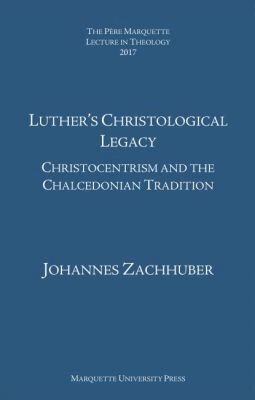
Luther's Christological Legacy
Christocentrism and the Chalcedonian Tradition
Inbunden, 2018
174 kr
Lägg i varukorg
The author addresses the continuing importance of the Reformation and its ongoing relevance for theology today through an exploration of Luther’s understanding of Christology, the doctrine of the person of Jesus Christ. “In Luther’s theological position lay a strong and uncompromising affirmation …
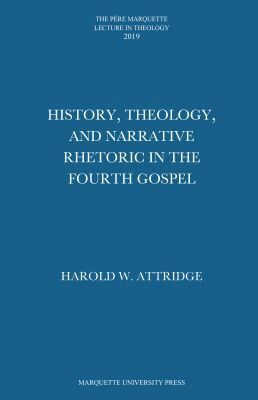
History, Theology, and Narrative Rhetoric in the Fourth Gospel
Inbunden, 2020
178 kr
Lägg i varukorg
The Gospel of John, one of the most enigmatic writings of the early Christian movement, has continued to produce sophisticated scholarly analyses of its literary form, its relationship to the Jesus of history, and its fundamental theological claims. Drawing on contemporary Johannine scholarship, …
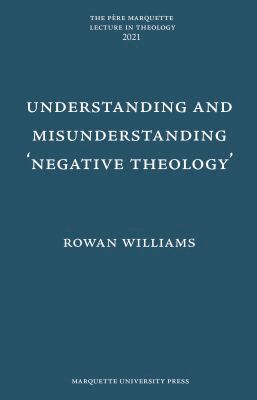
Understanding and Misunderstanding Negative Theology
Inbunden, 2021
174 kr
Lägg i varukorg
Rowan Williams distinguishes four modes of 'negative theology' - what we do not and cannot know about God. He argues that such theology is best approached within the context of the worshipping Church and that it offers some intriguing pointers towards a better understanding of artistic endeavor.
Politics of Redemption
The Doctrine, the Matter, the Law, and Grace
Inbunden, 2025
202 kr
Lägg i varukorg
This work of Christian political theology argues that the redemption offered by Christianity cannot be separated from the political and social realities of human oppression and injustice. According to M. Shawn Copeland, redemption cannot be understood solely as an abstract theological concept; …
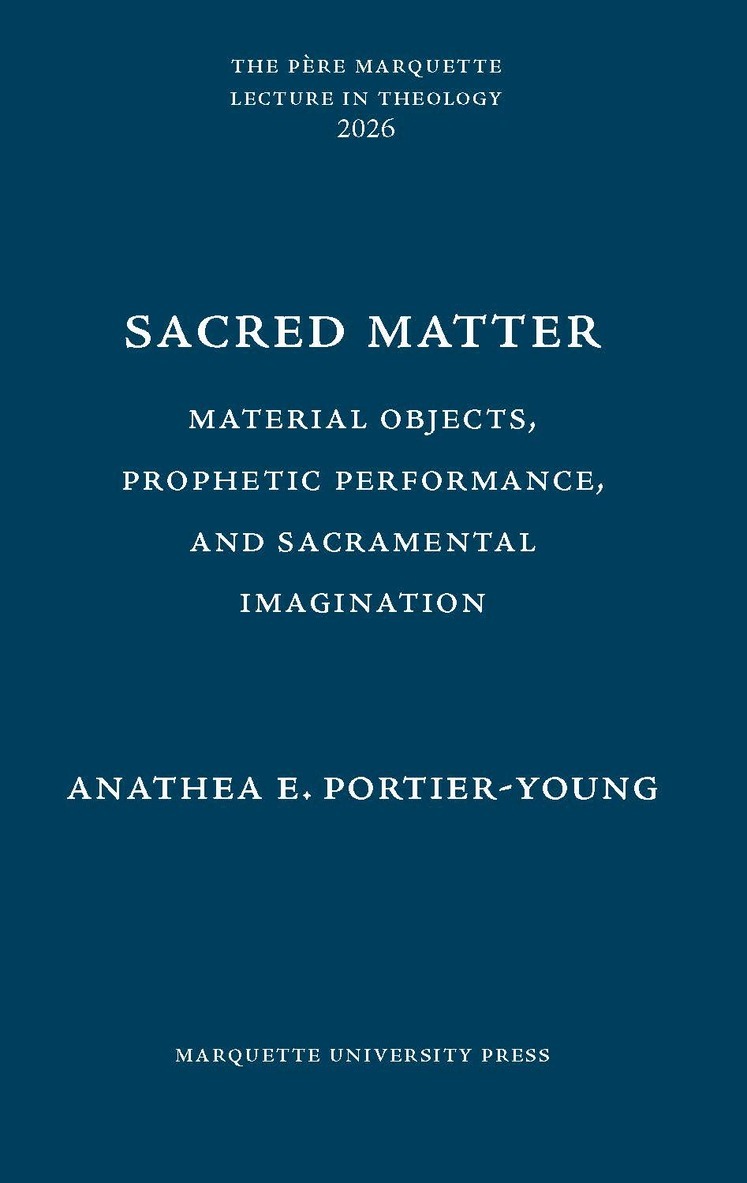
Sacred Matter
Material Objects, Prophetic Performance, and Sacramental Imagination
Inbunden, 2026
207 kr
Lägg i varukorg
It is common to think of prophecy as a matter of words, and biblical literature frequently portrays and presents prophecy as precisely that. Yet biblical narrative also frequently portrays prophets interacting with the material world. Within that broader nexus of interactions, this book focuses on …
Is the Reformation Over?
Catholics and Protestants at the Turn or the Millennia
Inbunden, 2000
174 kr
Tillfälligt slut
Reception of Vatican II
Liturgical Reforms in the Life of the Church
Inbunden, 2003
174 kr
Tillfälligt slut