Persistent Questions of the Past – serie
Visar alla böcker i serien Persistent Questions of the Past. Handla med fri frakt och snabb leverans.
4 produkter
4 produkter
2 176 kr
Skickas inom 10-15 vardagar
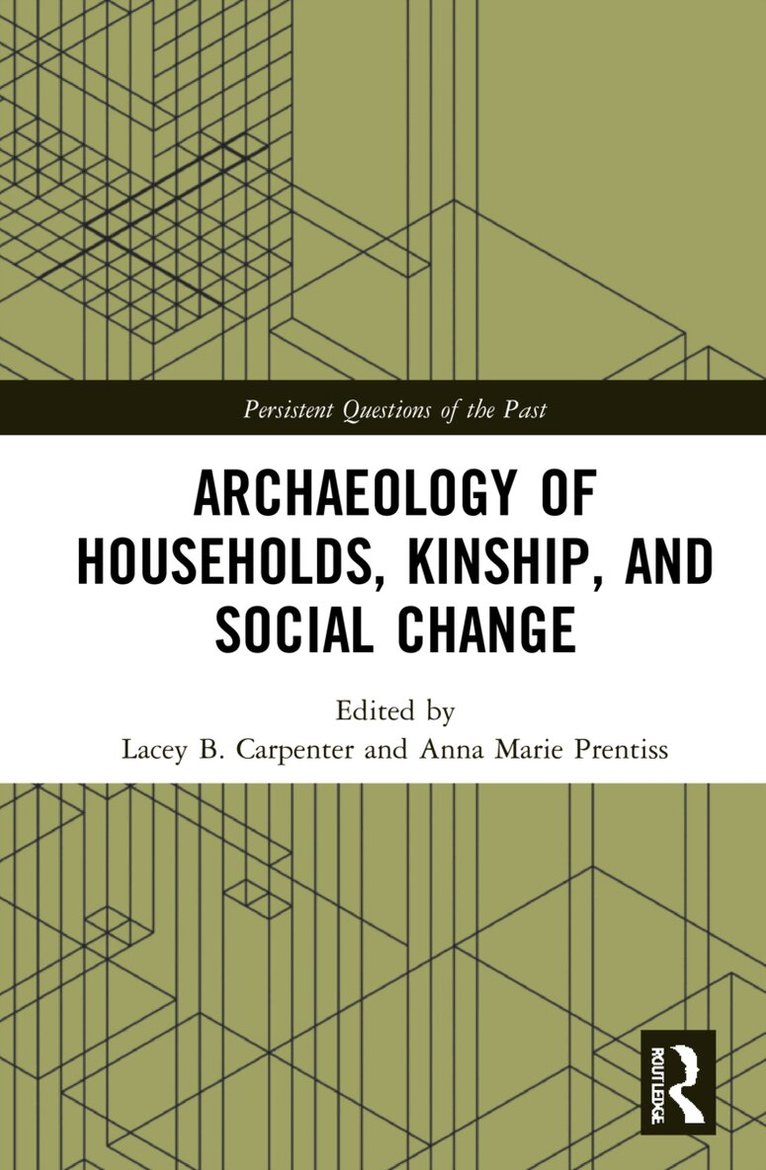
Archaeology of Households, Kinship, and Social Change offers new perspectives on the processes of social change from the standpoint of household archaeology.This volume develops new theoretical and methodological approaches to the archaeology of households pursuing three critical themes: household diversity in human residential communities with and without archaeologically identifiable houses, interactions within and between households that explicitly considers impacts of kin and non-kin relationships, and lastly change as a process that involves the choices made by members of households in the context of larger societal constraints. Encompassing these themes, authors explore the role of social ties and their material manifestations (within the house, dwelling, or other constructed space), how the household relates to other social units, how households consolidate power and control over resources, and how these changes manifest at multiple scales. The case studies presented in this volume have broader implications for understanding the drivers of change, the ways households create the contexts for change, and how households serve as spaces for invention, reaction, and/or resistance. Understanding the nature of relationships within households is necessary for a more complete understanding of communities and regions as these ties are vital to explaining how and why societies change.Taking a comparative outlook, with case studies from around the world, this volume will inform students and professionals researching household archaeology and be of interest to other disciplines concerned with the relationship between social networks and societal change.
595 kr
Skickas inom 10-15 vardagar
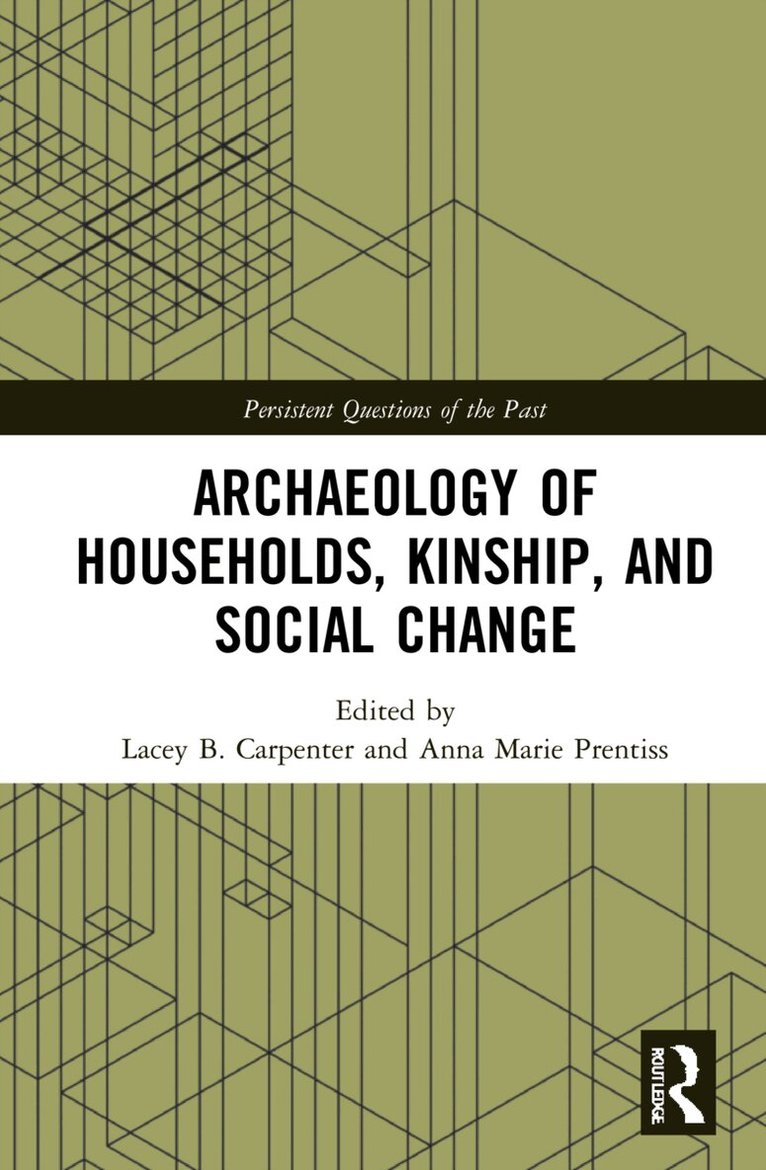
Archaeology of Households, Kinship, and Social Change offers new perspectives on the processes of social change from the standpoint of household archaeology.This volume develops new theoretical and methodological approaches to the archaeology of households pursuing three critical themes: household diversity in human residential communities with and without archaeologically identifiable houses, interactions within and between households that explicitly considers impacts of kin and non-kin relationships, and lastly change as a process that involves the choices made by members of households in the context of larger societal constraints. Encompassing these themes, authors explore the role of social ties and their material manifestations (within the house, dwelling, or other constructed space), how the household relates to other social units, how households consolidate power and control over resources, and how these changes manifest at multiple scales. The case studies presented in this volume have broader implications for understanding the drivers of change, the ways households create the contexts for change, and how households serve as spaces for invention, reaction, and/or resistance. Understanding the nature of relationships within households is necessary for a more complete understanding of communities and regions as these ties are vital to explaining how and why societies change.Taking a comparative outlook, with case studies from around the world, this volume will inform students and professionals researching household archaeology and be of interest to other disciplines concerned with the relationship between social networks and societal change.
2 176 kr
Skickas inom 10-15 vardagar
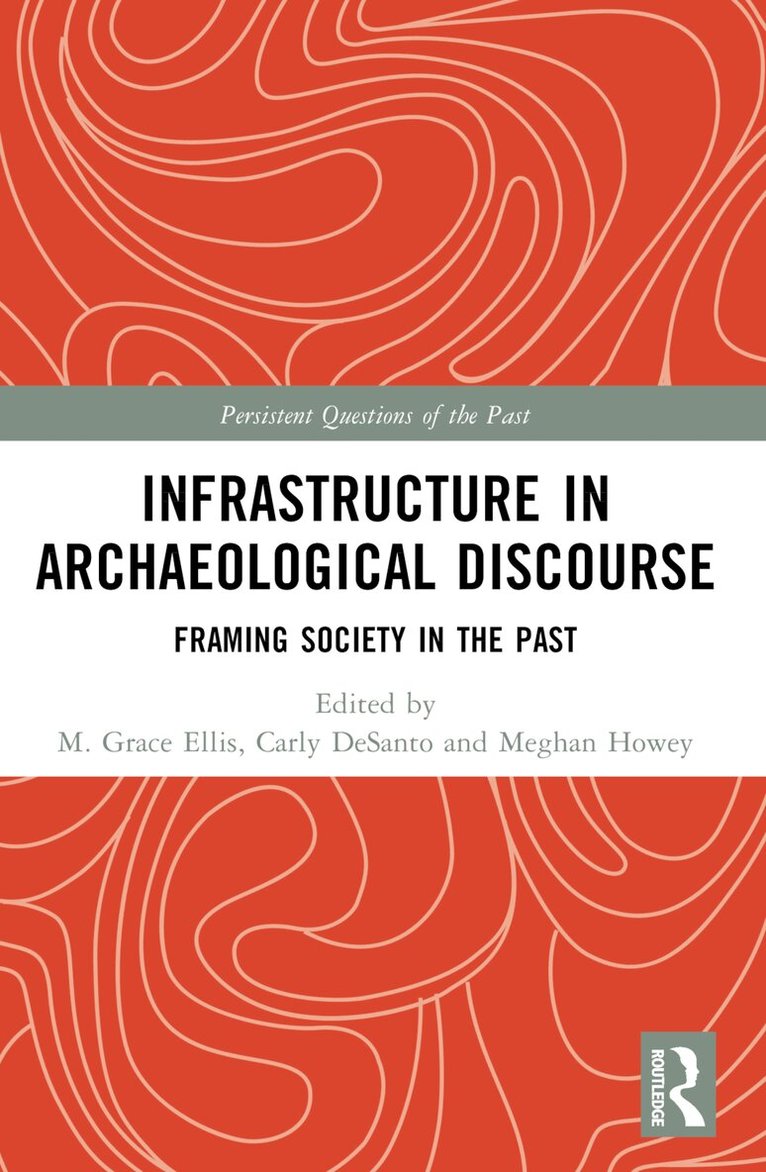
This volume expands perspectives on infrastructure that are rooted in archaeological discourse and material evidence.The compiled chapters represent new and emerging ideas within archaeology about what infrastructure is, how it can materialize, and how it impacts and reflects human behavior, social organization, and identity in the past as well as the present. Three goals central to the work include: (1) expand the definition of infrastructure using archaeological frameworks and evidence from a wide range of social, historical, and geographic contexts; (2) explore how new archaeological perspectives on infrastructure can help answer anthropological questions pertaining to social organization, group collaboration, and community consensus and negotiation; and (3) examine the broader implications of an archaeological engagement with infrastructure and contributions to contemporary infrastructural studies. Chapters explore important aspects of infrastructure, including its relationality, scale, history, and relevance, and provide archaeological case studies that examine the social repercussions of infrastructure and the various ways it has materialized in the past. This compilation ultimately expands the discourse of infrastructure in archaeology and social sciences more broadly.Social scientists can turn to this volume for insights into an archaeologically informed perspective on infrastructure relevant to the study of past and current human behavior.
651 kr
Skickas inom 10-15 vardagar
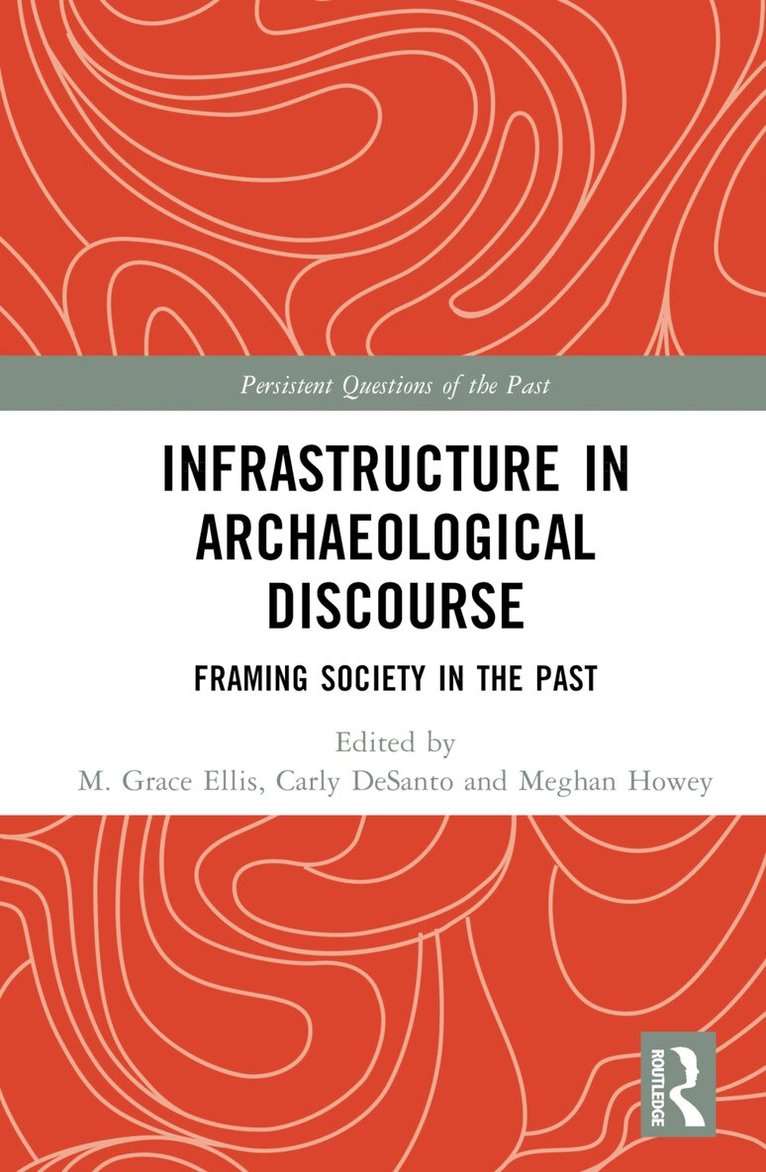
This volume expands perspectives on infrastructure that are rooted in archaeological discourse and material evidence.The compiled chapters represent new and emerging ideas within archaeology about what infrastructure is, how it can materialize, and how it impacts and reflects human behavior, social organization, and identity in the past as well as the present. Three goals central to the work include: (1) expand the definition of infrastructure using archaeological frameworks and evidence from a wide range of social, historical, and geographic contexts; (2) explore how new archaeological perspectives on infrastructure can help answer anthropological questions pertaining to social organization, group collaboration, and community consensus and negotiation; and (3) examine the broader implications of an archaeological engagement with infrastructure and contributions to contemporary infrastructural studies. Chapters explore important aspects of infrastructure, including its relationality, scale, history, and relevance, and provide archaeological case studies that examine the social repercussions of infrastructure and the various ways it has materialized in the past. This compilation ultimately expands the discourse of infrastructure in archaeology and social sciences more broadly.Social scientists can turn to this volume for insights into an archaeologically informed perspective on infrastructure relevant to the study of past and current human behavior.