Perspectives on Classical Political and Social Thought – serie
Visar alla böcker i serien Perspectives on Classical Political and Social Thought. Handla med fri frakt och snabb leverans.
7 produkter
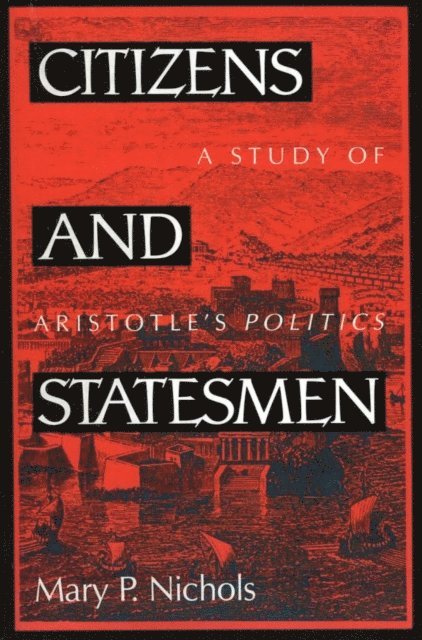
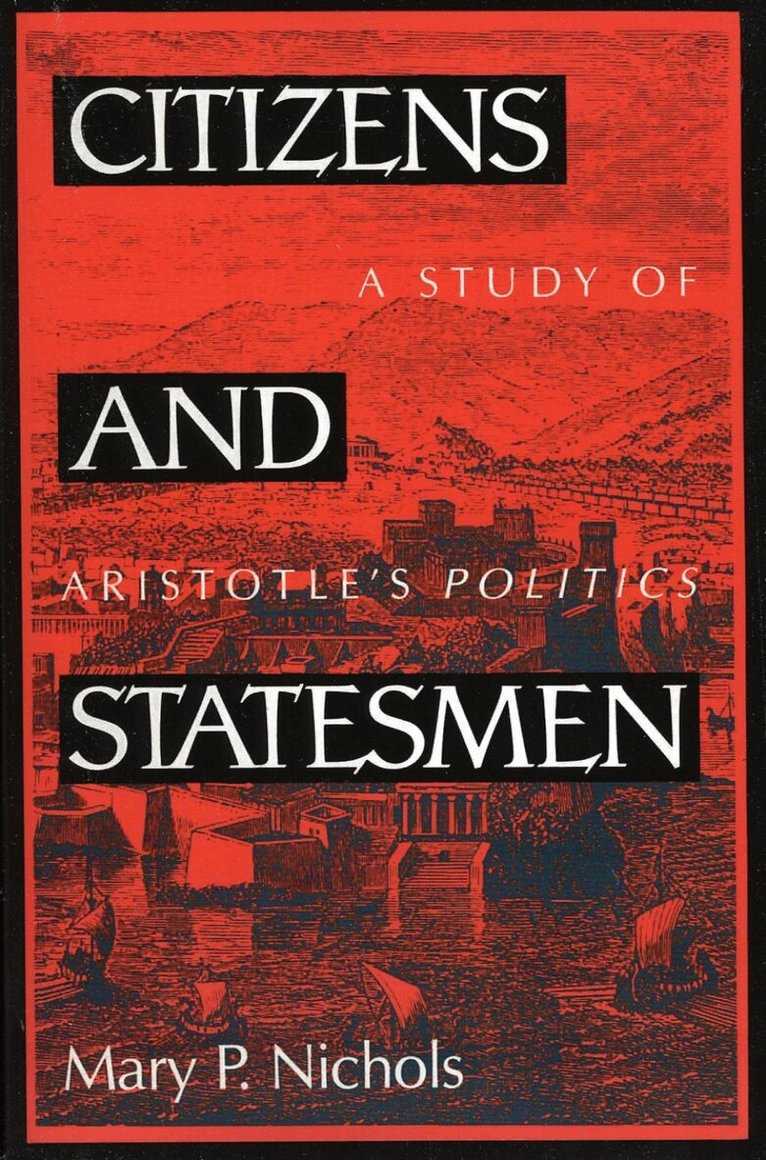
Citizens and Statesmen
A Study of Aristotle's Politics
E-bok, 1991
763 kr
Lägg i varukorg
This ebook is now available from Bloomsbury Academic. Bloomsbury Academic publish acclaimed resources for undergraduate and postgraduate courses, as well as the general reader, across a broad range of subjects including Archaeology, Art & Visual Culture, Biblical Studies, Business & Management, …
Citizens and Statesmen
A Study of Aristotle's Politics
Häftad, 1991
715 kr
Lägg i varukorg
Two important criticisms of contemporary liberalism turn to Aristotle's political thought for support - that which advocates participatory democracy, and that sympathetic to the rule of a virtuous or philosophic elite. In this commentary on Aristotle's politics the author explores how Aristotle …
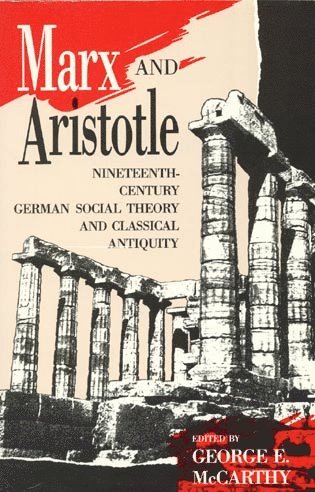
Marx and Aristotle
Nineteenth-Century German Social Theory and Classical Antiquity
Häftad, 1992
1069 kr
Lägg i varukorg
As the Iron Curtain was shattered recently in Eastern Europe, revealing a diversity of cultural traditions lost during the recent past, so too the curtain which has hidden Karl Marx's writings for many years seems to be crumbling. Its disappearance reveals a rich complexity of traditions and …
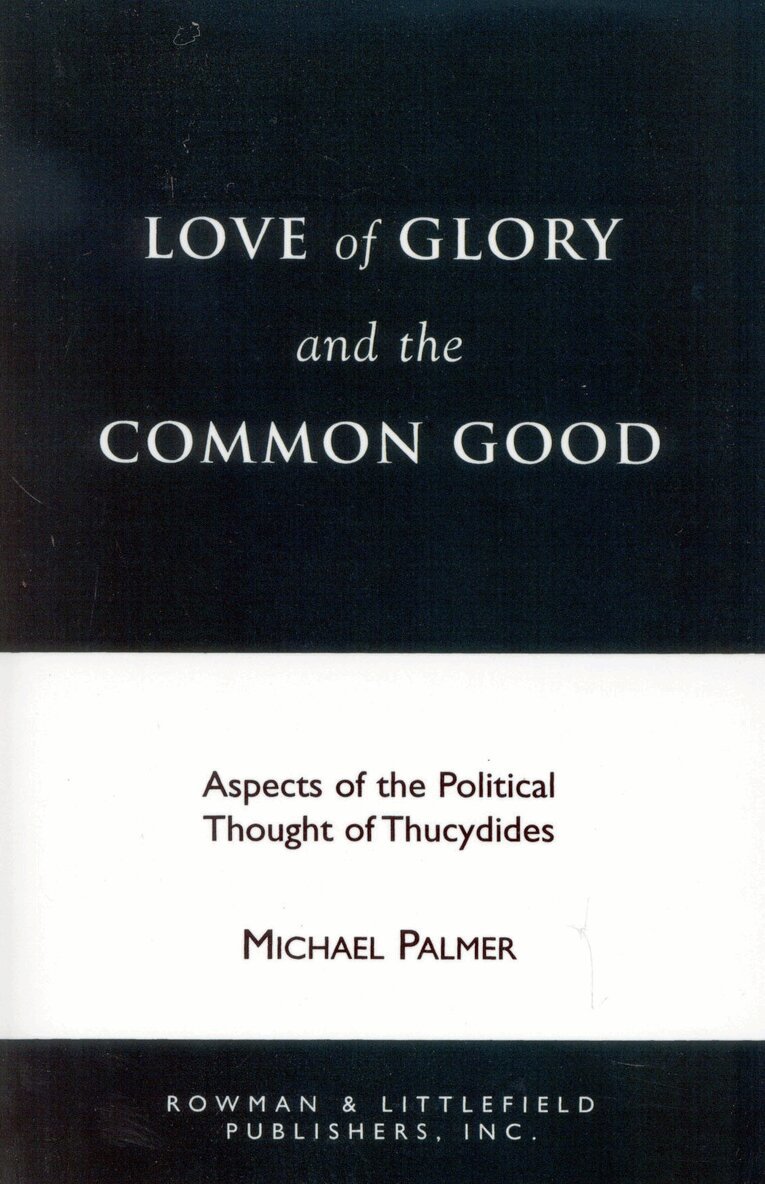
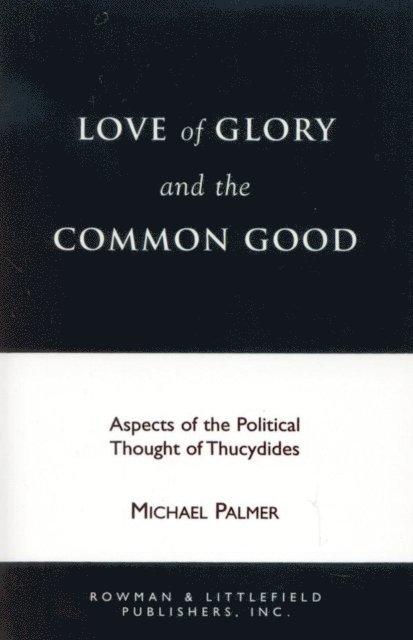
Love of Glory and the Common Good
Aspects of the Political Thought of Thucydides
Häftad, 1992
786 kr
Lägg i varukorg
More clearly than any previous work on the subject, Michael Palmer's Love of Glory and the Common Good defines the relationship between Periclean democracy and the decline in Athenian political life that followed the death of Pericles. The author elaborates upon the views of Thucydides, who saw the …
Love of Glory and the Common Good
Aspects of the Political Thought of Thucydides
E-bok, 1992
883 kr
Lägg i varukorg
More clearly than any previous work on the subject, Michael Palmer''s Love of Glory and the Common Good defines the relationship between Periclean democracy and the decline in Athenian political life that followed the death of Pericles. The author elaborates upon the views of Thucydides, who saw …
Marx and Aristotle
Nineteenth-Century German Social Theory and Classical Antiquity
Inbunden, 1992
1058 kr
Tillfälligt slut
As the Iron Curtain was shattered recently in Eastern Europe, revealing a diversity of cultural traditions lost during the recent past, so too the curtain which has hidden Karl Marx's writings for many years seems to be crumbling. Its disappearance reveals a rich complexity of traditions and …
Love of Glory and the Common Good
Aspects of the Political Thought of Thucydides
Inbunden, 1992
836 kr
Tillfälligt slut
More clearly than any previous work on the subject, Michael Palmer's Love of Glory and the Common Good defines the relationship between Periclean democracy and the decline in Athenian political life that followed the death of Pericles. The author elaborates upon the views of Thucydides, who saw the …