Philosophy Across Borders - Böcker
Visar alla böcker i serien Philosophy Across Borders. Handla med fri frakt och snabb leverans.
2 produkter
2 produkter
875 kr
Skickas inom 5-8 vardagar
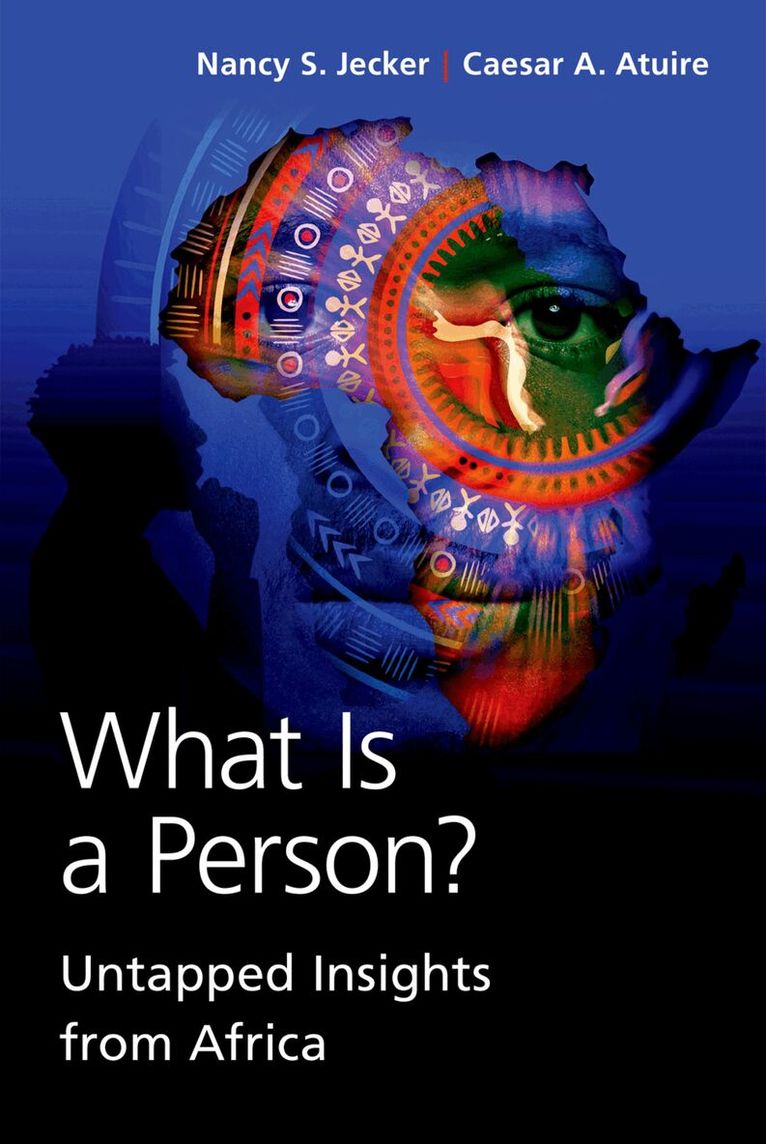
What makes us 'persons' in the moral sense, beings with a certain dignity and worth? Philosophers Nancy S. Jecker and Caesar A. Atuire explore this question by bringing African and Western philosophies into conversation. They start by characterizing the differences in the contemporary scene in Africa and the West, proposing that these differences were not always present, are hardly inevitable, and can and should be bridged. They then introduce the concept of Emergent Personhood, a new philosophy of personhood that combines insights from Africa and the West. It holds that beings with superlative worth emerge through social relational processes involving human beings, yet they are more than the sum of these relationships. Persons have an identity of their own and exhibit superlative moral worth, a remarkable feature not present at the base. Emergent Personhood justifies personhood for all human beings from birth to death. It also gives strong support to personhood for a wide range of animals, soils, rocks, and ecosystems. Focusing on human personhood, Jecker and Atuire argue that high moral status is stable across the lifespan and reaches a terminus with death's declaration, which ends the human-human associations that enable personhood to arise. They conclude with a turn to nonhuman personhood, considering personhood for artificial intelligence, animals, non-living nature, and extra-terrestrial life and lands.
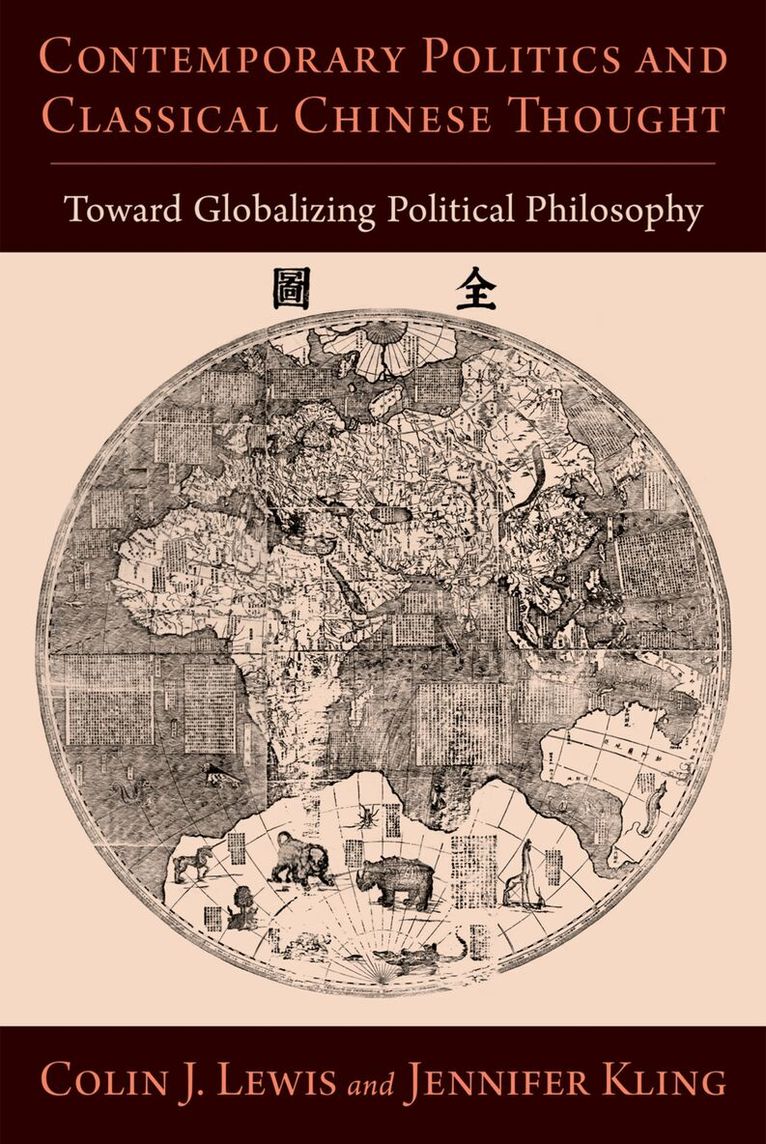
Contemporary Politics and Classical Chinese Thought
Toward Globalizing Political Philosophy
Inbunden, Engelska, 2025
739 kr
Skickas inom 5-8 vardagar
Current approaches to contemporary political philosophy are disproportionately western, and the need for more diverse and global perspectives is urgent. To address this imbalance Colin J. Lewis and Jennifer Kling take up a series of contemporary topics in political philosophy and consider how the application of classical Chinese thought can engender new insights and enable progress on some of the thorniest sociopolitical issues. They argue that classical Chinese political theories and views have much to say that is relevant to our contemporary life, and buttress their argument with case studies. Each chapter takes up a particular contemporary sociopolitical issue, describes standard Western approaches to it, and then applies classical Chinese thought to the task of either re-framing it, or suggesting a novel solution.The book engages with and makes progress on several current sociopolitical issues, including the construction and deconstruction of political narratives, the legal standing of robots, the relationships between people, communities, and the environment, the funding (or defunding) of police, the status of private militias, and the question of justified revolution in liberal democracies, among others. While classical Chinese philosophy has been previously dismissed in some circles as inaccessible or banal, Lewis and Kling argue that, to the contrary, it is a powerful lens through which to view and dissect today's challenges.