Race in the Atlantic World – serie
Visar alla böcker i serien Race in the Atlantic World. Handla med fri frakt och snabb leverans.
19 produkter
19 produkter
Inbunden, Engelska, 2012
1 139 kr
Skickas inom 5-8 vardagar
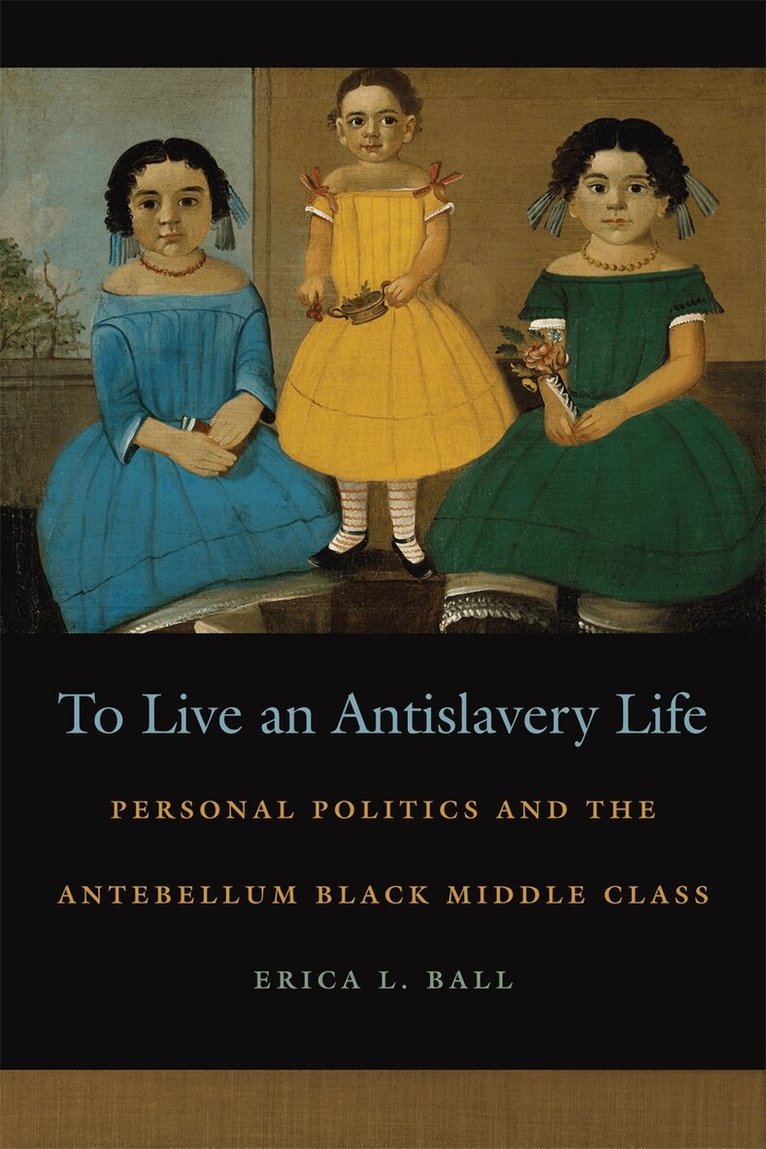
In this study of antebellum African American print culture in transnational perspective, Erica L. Ball explores the relationship between antislavery discourse and the emergence of the northern black middle class.Through innovative readings of slave narratives, sermons, fiction, convention proceedings, and the advice literature printed in forums like Freedom’s Journal, the North Star, and the Anglo-African Magazine, Ball demonstrates that black figures such as Susan Paul, Frederick Douglass, and Martin Delany consistently urged readers to internalize their political principles and to interpret all their personal ambitions, private familial roles, and domestic responsibilities in light of the freedom struggle. Ultimately, they were admonished to embody the abolitionist agenda by living what the fugitive Samuel Ringgold Ward called an “antislavery life.”Far more than calls for northern free blacks to engage in what scholars call “the politics of respectability,” African American writers characterized true antislavery living as an oppositional stance rife with radical possibilities, a deeply personal politics that required free blacks to transform themselves into model husbands and wives, mothers and fathers, self-made men, and transnational freedom fighters in the mold of revolutionary figures from Haiti to Hungary. In the process, Ball argues, antebellum black writers crafted a set of ideals—simultaneously respectable and subversive—for their elite and aspiring African American readers to embrace in the decades before the Civil War.Published in association with the Library Company of Philadelphia’s Program in African American History. A Sarah Mills Hodge Fund Publication.
Häftad, Engelska, 2012
397 kr
Skickas inom 5-8 vardagar
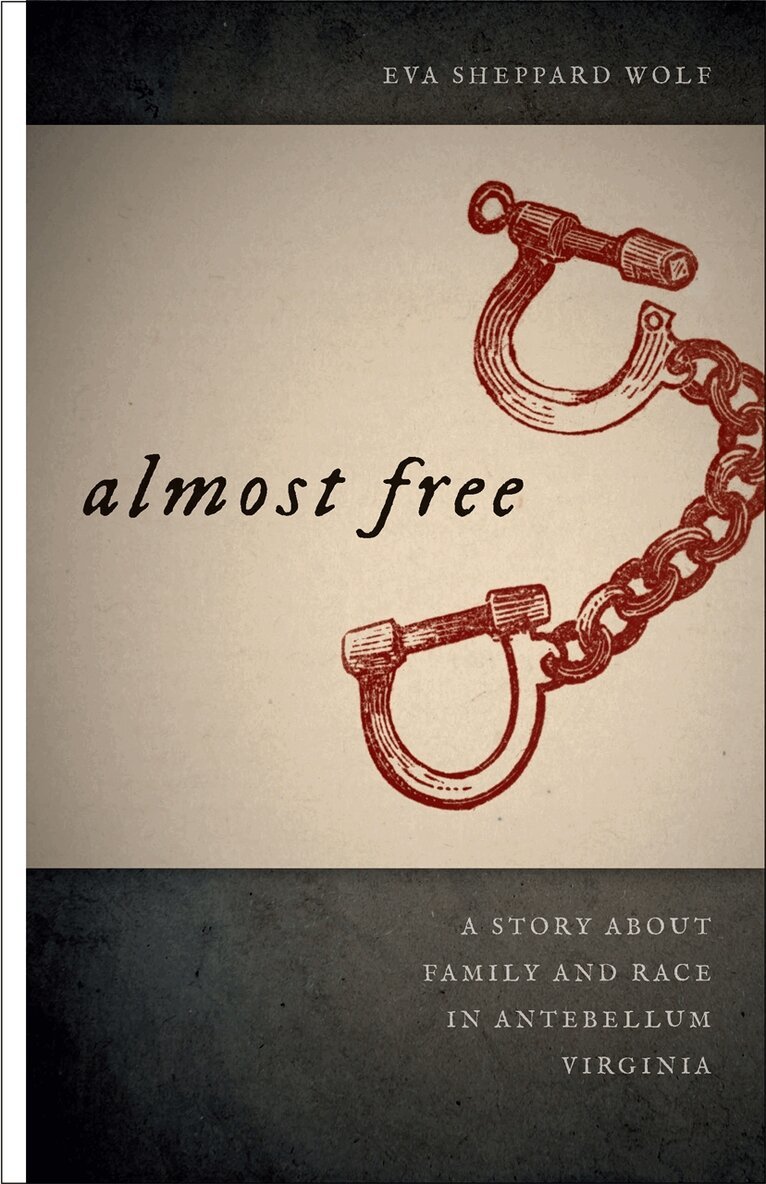
In Almost Free, Eva Sheppard Wolf uses the story of Samuel Johnson, a free black man from Virginia attempting to free his family, to add detail and depth to our understanding of the lives of free blacks in the South.There were several paths to freedom for slaves, each of them difficult. After ten years of elaborate dealings and negotiations, Johnson earned manumission in August 1812. An illiterate “mulatto” who had worked at the tavern in Warrenton as a slave, Johnson as a freeman was an anomaly, since free blacks made up only 3 percent of Virginia’s population. Johnson stayed in Fauquier County and managed to buy his enslaved family, but the law of the time required that they leave Virginia if Johnson freed them. Johnson opted to stay. Because slaves’ marriages had no legal standing, Johnson was not legally married to his enslaved wife, and in the event of his death his family would be sold to new owners. Johnson’s story dramatically illustrates the many harsh realities and cruel ironies faced by blacks in a society hostile to their freedom.Wolf argues that despite the many obstacles Johnson and others faced, race relations were more flexible during the early American republic than is commonly believed. It could actually be easier for a free black man to earn the favor of elite whites than it would be for blacks in general in the post-Reconstruction South. Wolf demonstrates the ways in which race was constructed by individuals in their day-to-day interactions, arguing that racial status was not simply a legal fact but a fluid and changeable condition. Almost Free looks beyond the majority experience, focusing on those at society’s edges to gain a deeper understanding of the meaning of freedom in the slaveholding South.A Sarah Mills Hodge Fund Publication
Inbunden, Engelska, 2010
816 kr
Skickas inom 5-8 vardagar
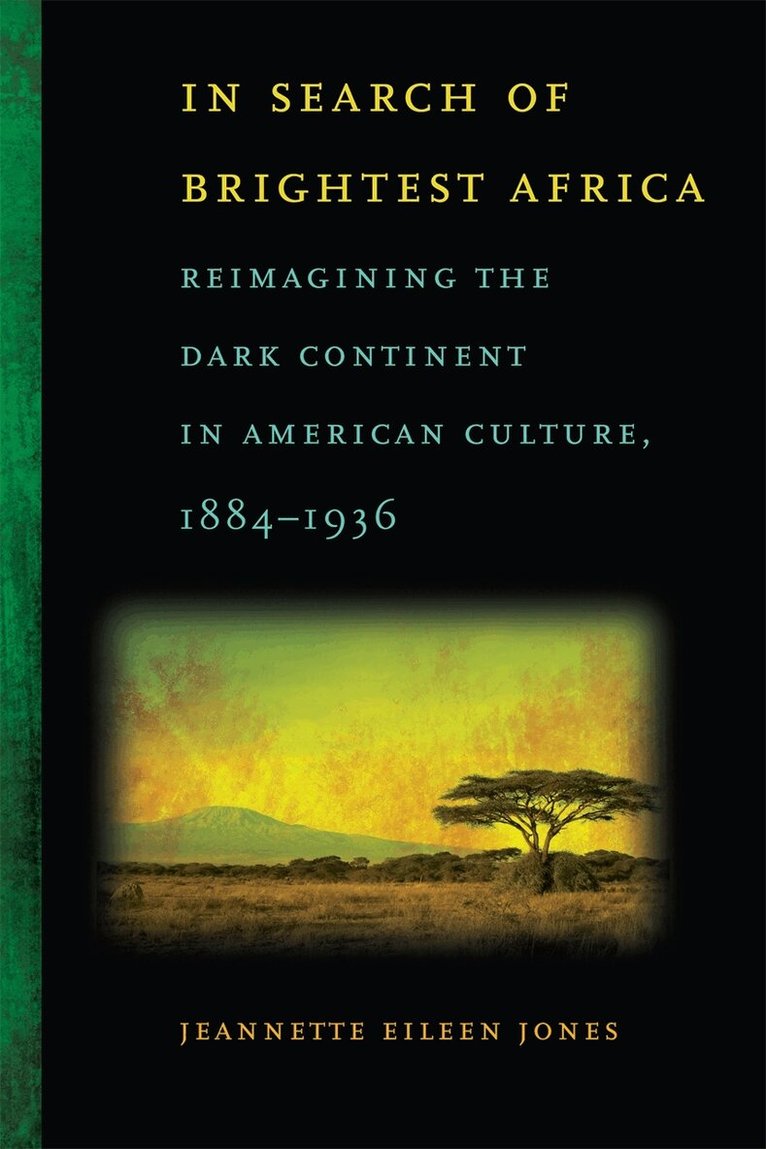
In the decades between the Berlin Conference that partitioned Africa and the opening of the African Hall at the American Museum of Natural History, Americans in several fields and from many backgrounds argued that Africa had something to teach them. Jeannette Eileen Jones traces the history of the idea of Africa with an eye to recovering the emergence of a belief in “Brightest Africa”—a tradition that runs through American cultural and intellectual history with equal force to its “Dark Continent” counterpart.Jones skillfully weaves disparate strands of turn-of-the-century society and culture to expose a vivid trend of cultural engagement that involved both critique and activism. Filmmakers spoke out against the depiction of “savage” Africa in the mass media while also initiating a countertradition of ethnographic documentaries. Early environmentalists celebrated Africa as a pristine continent while lamenting that its unsullied landscape was “vanishing.” New Negro political thinkers also wanted to “save” Africa but saw its fragility in terms of imperiled human promise. Jones illuminates both the optimism about Africa underlying these concerns and the racist and colonial interests these agents often nevertheless served. The book contributes to a growing literature on the ongoing role of global exchange in shaping the African American experience as well as debates about the cultural place of Africa in American thought.
Inbunden, Engelska, 2010
816 kr
Skickas inom 5-8 vardagar
The Oberlin College mission to Jamaica, begun in the 1830s, was an ambitious, and ultimately troubled, effort to use the example of emancipation in the British West Indies to advance the domestic agenda of American abolitionists. White Americans hoped to argue that American slaves, once freed, could be absorbed productively into the society that had previously enslaved them, but their “civilizing mission” did not go as anticipated. Gale L. Kenny’s illuminating study examines the differing ideas of freedom held by white evangelical abolitionists and freed people in Jamaica and explores the consequences of their encounter for both American and Jamaican history.Kenny finds that white Americans—who went to Jamaica intending to assist with the transition from slavery to Christian practice and solid citizenship—were frustrated by liberated blacks’ unwillingness to conform to Victorian norms of gender, family, and religion. In tracing the history of the thirty-year mission, Kenny makes creative use of available sources to unpack assumptions on both sides of this American-Jamaican interaction, showing how liberated slaves in many cases were able not just to resist the imposition of white mores but to redefine the terms of the encounter.
Inbunden, Engelska, 2011
1 139 kr
Skickas inom 5-8 vardagar
Widely remembered as a time of heated debate over the westward expansion of slavery, the 1850s in the United States was also a period of mass immigration. As the sectional conflict escalated, discontented Europeans came in record numbers, further dividing the young republic over issues of race, nationality, and citizenship. The arrival of German-speaking “Forty-Eighters,” refugees of the failed European revolutions of 1848–49, fueled apprehensions about the nation’s future. Reaching America did not end the foreign revolutionaries’ pursuit of freedom; it merely transplanted it.In We Are the Revolutionists, Mischa Honeck offers a fresh appraisal of these exiled democrats by probing their relationship to another group of beleaguered agitators: America’s abolitionists. Honeck details how individuals from both camps joined forces in the long, dangerous battle to overthrow slavery. In Texas and in cities like Milwaukee, Cincinnati, and Boston this cooperation helped them find new sources of belonging in an Atlantic world unsettled by massive migration and revolutionary unrest.Employing previously untapped sources to write the experience of radical German émigrés into the abolitionist struggle, Honeck elucidates how these interethnic encounters affected conversations over slavery and emancipation in the United States and abroad. Forty-Eighters and abolitionists, Honeck argues, made creative use not only of their partnerships but also of their disagreements to redefine notions of freedom, equality, and humanity in a transatlantic age of racial construction and nation making.
Häftad, Engelska, 2011
448 kr
Skickas inom 5-8 vardagar
Widely remembered as a time of heated debate over the westward expansion of slavery, the 1850s in the United States was also a period of mass immigration. As the sectional conflict escalated, discontented Europeans came in record numbers, further dividing the young republic over issues of race, nationality, and citizenship. The arrival of German-speaking “Forty-Eighters,” refugees of the failed European revolutions of 1848–49, fueled apprehensions about the nation’s future. Reaching America did not end the foreign revolutionaries’ pursuit of freedom; it merely transplanted it.In We Are the Revolutionists, Mischa Honeck offers a fresh appraisal of these exiled democrats by probing their relationship to another group of beleaguered agitators: America’s abolitionists. Honeck details how individuals from both camps joined forces in the long, dangerous battle to overthrow slavery. In Texas and in cities like Milwaukee, Cincinnati, and Boston this cooperation helped them find new sources of belonging in an Atlantic world unsettled by massive migration and revolutionary unrest.Employing previously untapped sources to write the experience of radical German émigrés into the abolitionist struggle, Honeck elucidates how these interethnic encounters affected conversations over slavery and emancipation in the United States and abroad. Forty-Eighters and abolitionists, Honeck argues, made creative use not only of their partnerships but also of their disagreements to redefine notions of freedom, equality, and humanity in a transatlantic age of racial construction and nation making.
Häftad, Engelska, 2011
416 kr
Skickas inom 5-8 vardagar
As a young man, John B. Prentis (1788–1848) expressed outrage over slavery, but by the end of his life he had transported thousands of enslaved persons from the upper to the lower South. Kari J. Winter’s life-and-times portrayal of a slave trader illuminates the clash between two American dreams: one of wealth, the other of equality.Prentis was born into a prominent Virginia family. His grandfather, William Prentis, emigrated from London to Williamsburg in 1715 as an indentured servant and rose to become the major shareholder in colonial Virginia’s most successful store. William’s son Joseph became a Revolutionary judge and legislator who served alongside Thomas Jefferson, Patrick Henry, and James Madison. Joseph Jr. followed his father’s legal career, whereas John was drawn to commerce. To finance his early business ventures, he began trading in slaves. In time he grew besotted with the high-stakes trade, appeasing his conscience with the populist platitudes of Jacksonian democracy, which aggressively promoted white male democracy in conjunction with white male supremacy.Prentis’s life illuminates the intertwined politics of labor, race, class, and gender in the young American nation. Participating in a revolution in the ethics of labor that upheld Benjamin Franklin as its icon, he rejected the gentility of his upbringing to embrace solidarity with “mechanicks,” white working-class men. His capacity for admirable thoughts and actions complicates images drawn by elite slaveholders, who projected the worst aspects of slavery onto traders while imagining themselves as benign patriarchs. This is an absorbing story of a man who betrayed his innate sense of justice to pursue wealth through the most vicious forms of human exploitation.
Inbunden, Engelska, 2011
1 171 kr
Skickas inom 5-8 vardagar
As a young man, John B. Prentis (1788–1848) expressed outrage over slavery, but by the end of his life he had transported thousands of enslaved persons from the upper to the lower South. Kari J. Winter’s life-and-times portrayal of a slave trader illuminates the clash between two American dreams: one of wealth, the other of equality.Prentis was born into a prominent Virginia family. His grandfather, William Prentis, emigrated from London to Williamsburg in 1715 as an indentured servant and rose to become the major shareholder in colonial Virginia’s most successful store. William’s son Joseph became a Revolutionary judge and legislator who served alongside Thomas Jefferson, Patrick Henry, and James Madison. Joseph Jr. followed his father’s legal career, whereas John was drawn to commerce. To finance his early business ventures, he began trading in slaves. In time he grew besotted with the high-stakes trade, appeasing his conscience with the populist platitudes of Jacksonian democracy, which aggressively promoted white male democracy in conjunction with white male supremacy.Prentis’s life illuminates the intertwined politics of labor, race, class, and gender in the young American nation. Participating in a revolution in the ethics of labor that upheld Benjamin Franklin as its icon, he rejected the gentility of his upbringing to embrace solidarity with “mechanicks,” white working-class men. His capacity for admirable thoughts and actions complicates images drawn by elite slaveholders, who projected the worst aspects of slavery onto traders while imagining themselves as benign patriarchs. This is an absorbing story of a man who betrayed his innate sense of justice to pursue wealth through the most vicious forms of human exploitation.
Häftad, Engelska, 2015
542 kr
Skickas inom 5-8 vardagar
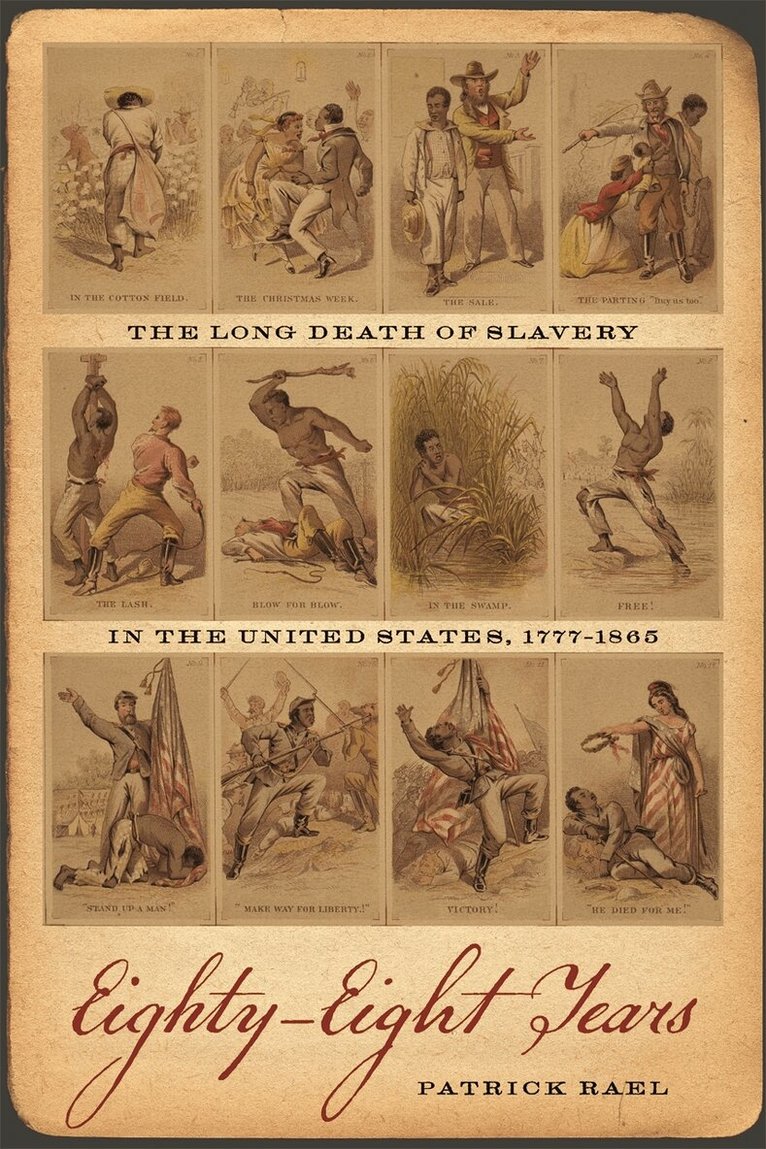
Why did it take so long to end slavery in the United States, and what did it mean that the nation existed eighty-eight years as a “house divided against itself,” as Abraham Lincoln put it? The decline of slavery throughout the Atlantic world was a protracted affair, says Patrick Rael, but no other nation endured anything like the United States. Here the process took from 1777, when Vermont wrote slavery out of its state constitution, to 1865, when the Thirteenth Amendment abolished slavery nationwide.Rael immerses readers in the mix of social, geographic, economic, and political factors that shaped this unique American experience. He not only takes a far longer view of slavery’s demise than do those who date it to the rise of abolitionism in 1831, he also places it in a broader Atlantic context. We see how slavery ended variously by consent or force across time and place and how views on slavery evolved differently between the centers of European power and their colonial peripheries—some of which would become power centers themselves.Rael shows how African Americans played the central role in ending slavery in the United States. Fueled by new Revolutionary ideals of self-rule and universal equality—and on their own or alongside abolitionists—both slaves and free blacks slowly turned American opinion against the slave interests in the South. Secession followed, and then began the national bloodbath that would demand slavery’s complete destruction.
Häftad, Engelska, 2018
463 kr
Skickas inom 5-8 vardagar
Popular and academic representations of the free mulatta concubine repeatedly depict women of mixed black African and white racial descent as defined by their sexual attachment to white men, and thus they offer evidence of the means to and dimensions of their freedom within Atlantic slave societies. In The Mulatta Concubine, Lisa Ze Winters contends that the uniformity of these representations conceals the figure’s centrality to the practices and production of diaspora.Beginning with a meditation on what captive black subjects may have seen and remembered when encountering free women of color living in slave ports, the book traces the echo of the free mulatta concubine across the physical and imaginative landscapes of three Atlantic sites: Gorée Island, New Orleans, and Saint Domingue (Haiti). Ze Winters mines an archive that includes a 1789 political petition by free men of color, a 1737 letter by a free black mother on behalf of her daughter, antebellum newspaper reports, travelers’ narratives, ethnographies, and Haitian Vodou iconography. Attentive to the tenuousness of freedom, Ze Winters argues that the concubine figure’s manifestation as both historical subject and African diasporic goddess indicates her centrality to understanding how free and enslaved black subjects performed gender, theorized race and freedom, and produced their own diasporic identities.
Häftad, Engelska, 2021
662 kr
Skickas inom 3-6 vardagar
In Search of Liberty explores how African Americans, since the founding of the United States, have understood their struggles for freedom as part of the larger Atlantic world. The essays in this volume capture the pursuits of equality and justice by African Americans across the Atlantic World through the end of the nineteenth century, as their fights for emancipation and enfranchisement in the United States continued. This book illuminates stories of individual Black people striving to escape slavery in places like Nova Scotia, Louisiana, and Mexico and connects their eff orts to emigration movements from the United States to Africa and the Caribbean, as well as to Black abolitionist campaigns in Europe. By placing these diverse stories in conversation, editors Ronald Angelo Johnson and Ousmane K. Power-Greene have curated a larger story that is only beginning to be told. By focusing on Black internationalism in the eighteenth and nineteenth centuries, In Search of Liberty reveals that Black freedom struggles in the United States were rooted in transnational networks much earlier than the better-known movements of the twentieth century.
Häftad, Engelska, 2022
517 kr
Skickas inom 3-6 vardagar
For decades, scholars have conceived of the coastal city of New Orleans as a remarkable outlier, an exception to nearly every “rule” of accepted U.S. historiography. A frontier town of the circum-Caribbean, the popular image of New Orleans has remained a vestige of North America’s European colonial era rather than an Atlantic city on the southern coast of the United States. Beginning with the French founding of New Orleans in 1718 and concluding with the outbreak of the American Civil War in 1861, An American Color seeks to correct this vision. By tracing the impact of racial science, law, and personal reputation and identity through multiple colonial and territorial regimes, it shows how locally born mulâtres in French New Orleans became part of a self-conscious, identifiable community of Creoles of color in the United States. An American Color places this local history in the wider context of the North American continent and the Atlantic world. This book shows that New Orleans and its free population of color did not develop in a cultural, legal, or intellectual vacuum. More than just a study of race and law, this work tells a story of humanity in the Atlantic world, a story of how a people on the French colonial frontier in the mid-eighteenth century became unlikely, accepted parts of a vast political, social, and racial United States without ever leaving home.
Häftad, Engelska, 2022
438 kr
Skickas inom 3-6 vardagar
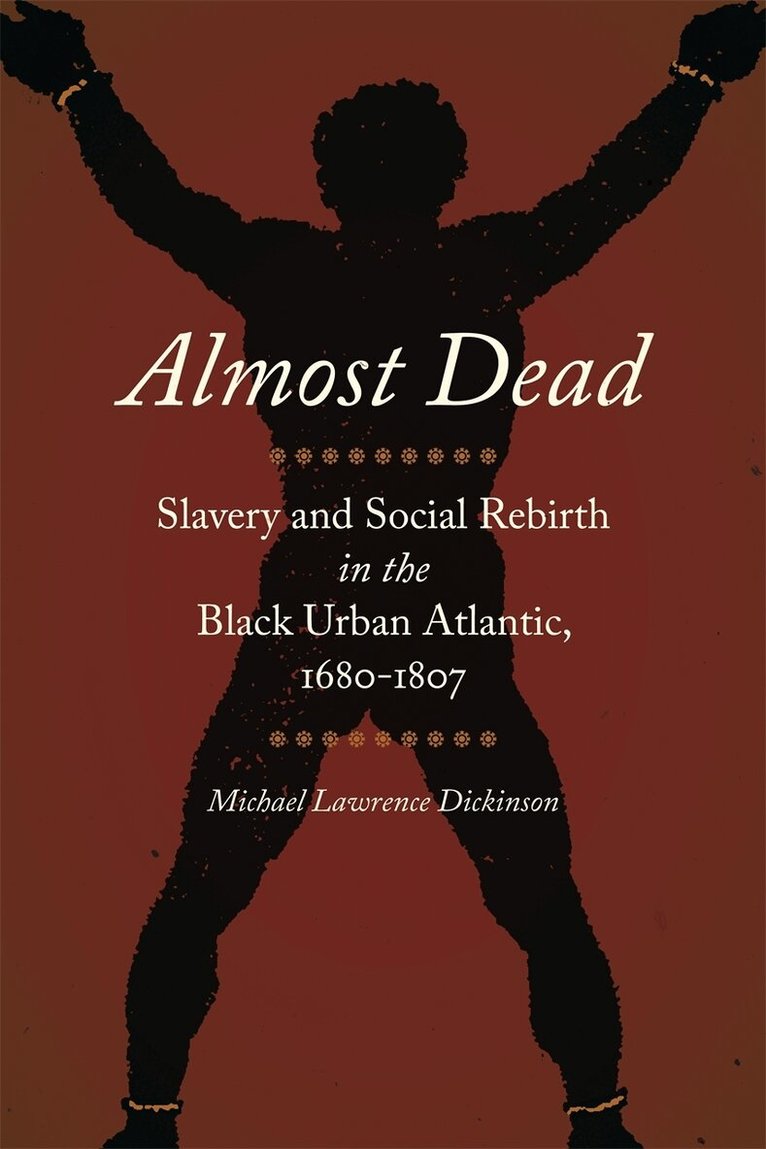
Beginning in the late seventeenth century and concluding with the abolition of the Atlantic slave trade, Almost Dead reveals how the thousands of captives who lived, bled, and resisted in the Black Urban Atlantic survived to form dynamic communities. Michael Lawrence Dickinson uses cities with close commercial ties to shed light on similarities, variations, and linkages between urban Atlantic slave communities in mainland America and the Caribbean. The study adopts the perspectives of those enslaved to reveal that, in the eyes of the enslaved, the distinctions were often of degree rather than kind as cities throughout the Black Urban Atlantic remained spaces for Black oppression and resilience. The tenets of subjugation remained all too similar, as did captives’ need to stave off social death and hold on to their humanity. Almost Dead argues that urban environments provided unique barriers to and avenues for social rebirth: the process by which African-descended peoples reconstructed their lives individually and collectively after forced exportation from West Africa. This was an active process of cultural remembrance, continued resistance, and communal survival. It was in these urban slave communities—within the connections between neighbors and kinfolk—that the enslaved found the physical and psychological resources necessary to endure the seemingly unendurable. Whether sites of first arrival, commodification, sale, short-term captivity, or lifetime enslavement, the urban Atlantic shaped and was shaped by Black lives.
Inbunden, Engelska, 2022
1 985 kr
Skickas inom 3-6 vardagar
For more than four centuries, communities of maroons (men and women who escaped slavery) dotted the fringes of plantation America, from Brazil through the Caribbean to the United States. Today their descendants still form semi-independent enclaves—in Jamaica, Brazil, Colombia, Belize, Suriname, Guyane, and elsewhere—remaining proud of their maroon origins and, in some cases, faithful to unique cultural traditions forged during the earliest days of Afro-American history. In 1986, expelled by the military regime of Suriname, anthropologists Richard and Sally Price turned to neighboring Guyane (French Guiana), where thousands of Maroons were taking refuge from the Suriname civil war. Over the next fifteen years, their conversations with local people convinced them of the need to replace the pervasive stereotypes about Maroons in Guyane with accurate information. In 2003, Les Marrons became a local best seller. In 2020, after a series of further visits, the Prices wrote a new edition taking into account the many rapid changes. Available for the first time in English, Maroons in Guyane reviews the history of Maroon peoples in Guyane, explains how these groups differ from one another, and analyzes their current situations in the bustling, multicultural world of this far-flung outpost of the French Republic. A gallery of the magnificent arts of the Maroons completes the volume.
Häftad, Engelska, 2023
543 kr
Skickas inom 3-6 vardagar
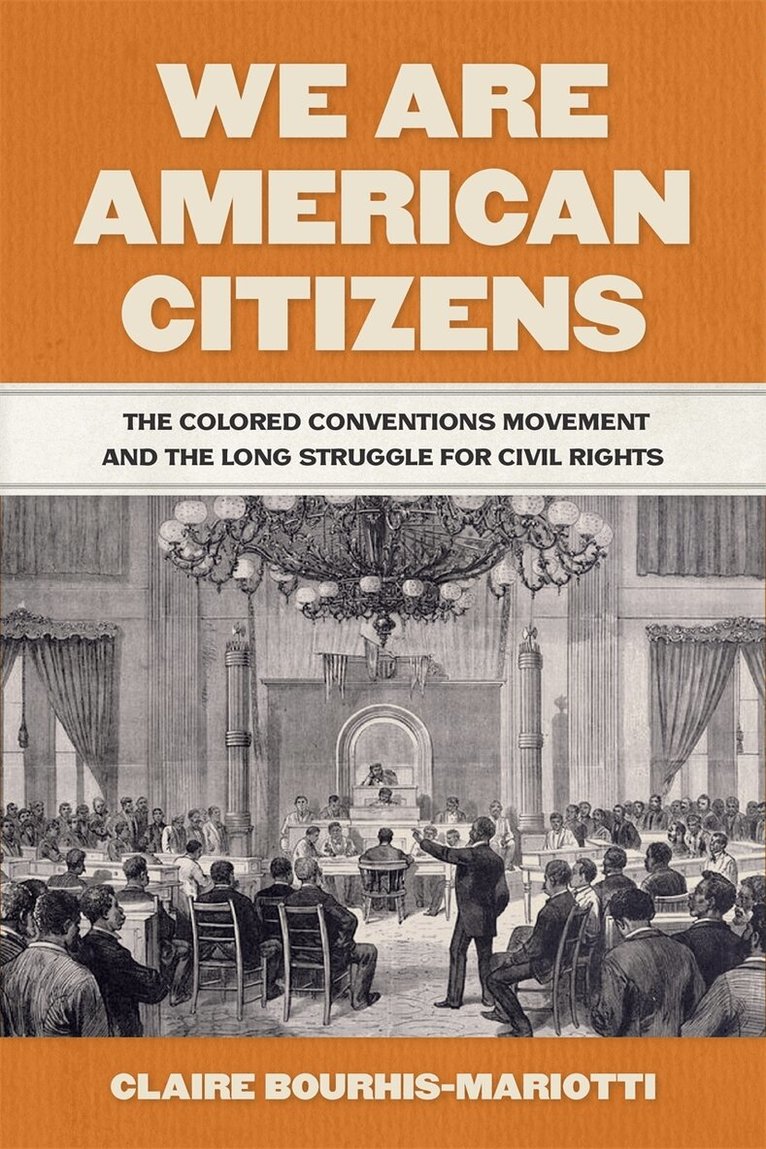
Covering the whole of the nineteenth century, Wanted! A Nation! reveals how Haiti remained a focus of attention for white as well as Black Americans before, during, and even after the Civil War. Before the Civil War, Claire Bourhis-Mariotti argues, the Black republic was considered by free Black Americans as a place where full citizenship was at hand. Haiti was essentially viewed and concretely experienced as a refuge during moments when free Black Americans lost hope of obtaining rights in the United States. Haiti is also at the heart of this book, as Haitian leaders supported the American emigration to Haiti (in the 1820s and early 1860s), opposed the American geostrategic and diplomatic diktats in the 1870s and 1880s, and finally offered an international platform to Frederick Douglass at the 1893 Columbian World’s Fair, thus helping Black people who faced discrimination at home to fight first against slavery and the slave trade, and then for equal rights. By spanning the entire nineteenth century, Wanted! A Nation! presents a complex panorama of the emergence of African American identity and argues that Haiti should be considered as an essential prism to understand how African Americans forged their identity in the nineteenth century. Drawing on a variety of sources, Wanted! A Nation! goes far beyond the usual framework of national American history and contributes to the writing of an Atlantic and global history of the struggle for equal rights.
Inbunden, Engelska, 2022
1 985 kr
Skickas inom 3-6 vardagar
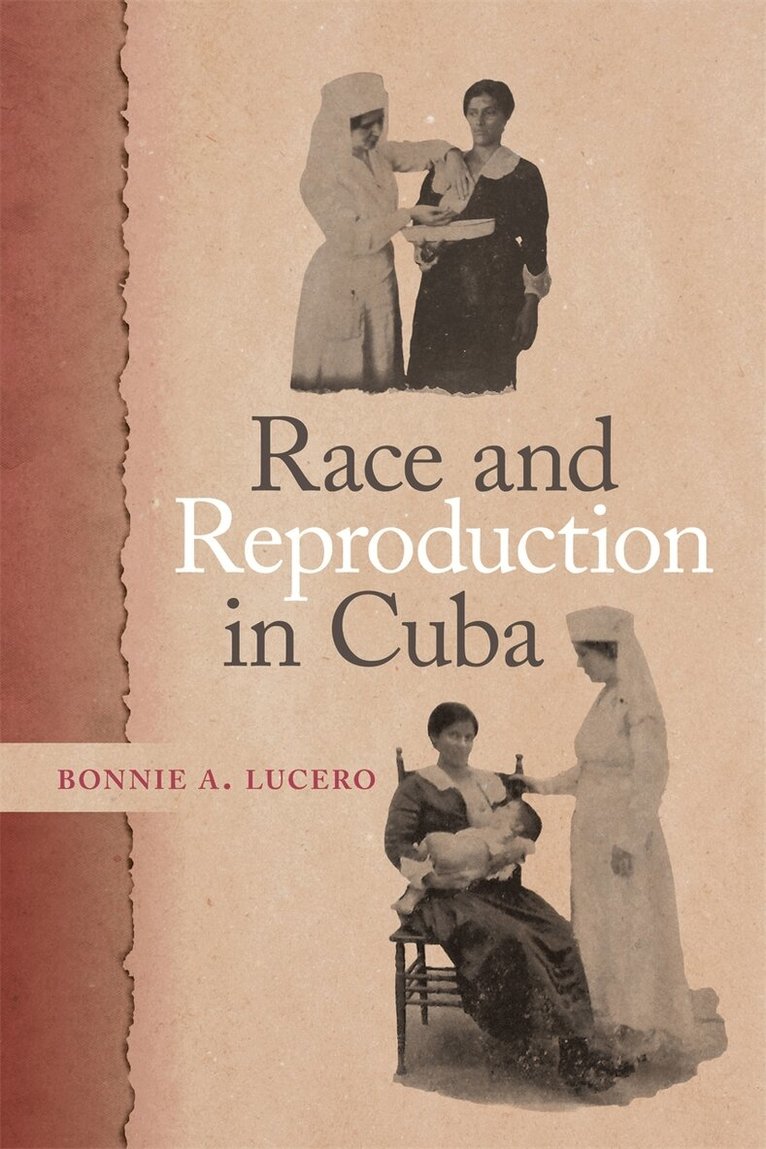
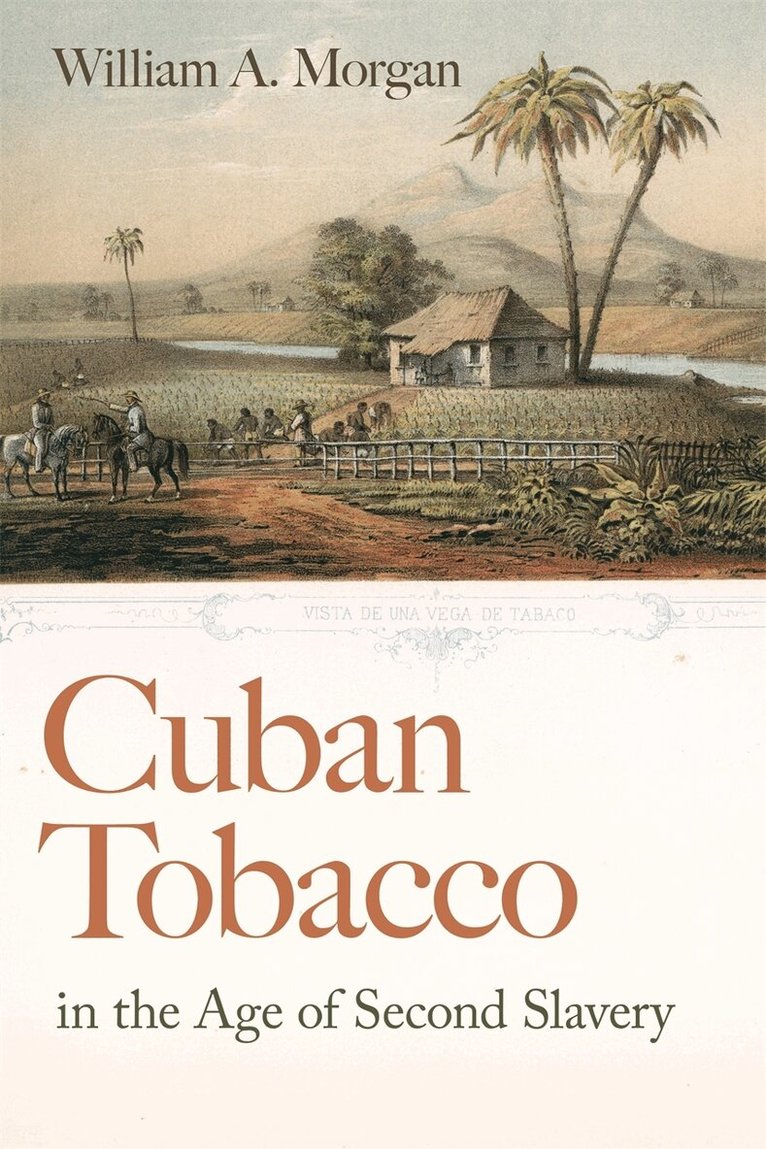
Women’s reproduction, including conception, pregnancy, childbirth, breastfeeding, and other physical acts of motherhood (as well as the rejection of those roles), played a critical role in the evolution and management of Cuba’s population. While existing scholarship has approached Cuba’s demographic history through the lens of migration, both forced and voluntary, Race and Reproduction in Cuba challenges this male-normative perspective by centering women in the first book-length history of reproduction in Cuba.Bonnie A. Lucero traces women’s reproductive lives, as well as key medical, legal, and institutional interventions influencing them, over four centuries. Her study begins in the early colonial period with the emergence of the island’s first charitable institutions dedicated to relieving poor women and abandoned white infants. The book’s centerpiece is the long nineteenth century, when elite interventions in women’s reproduction hinged not only on race but also legal status. It ends in 1965 when Cuba’s nascent revolutionary government shifted away from enforcing antiabortion laws that had historically targeted impoverished women of color.Questioning how elite demographic desires—specifically white population growth and nonwhite population management—shaped women’s reproduction, Lucero argues that elite men, including judges, physicians, philanthropists, and public officials, intervened in women’s reproductive lives in racially specific ways. Lucero examines how white supremacy shaped tangible differences in the treatment of women and their infants across racial lines and outlines how those reproductive outcomes were crucial in sustaining racial hierarchies through moments of tremendous political, economic, and social change.
Häftad, Engelska, 2022
728 kr
Skickas inom 3-6 vardagar
Women’s reproduction, including conception, pregnancy, childbirth, breastfeeding, and other physical acts of motherhood (as well as the rejection of those roles), played a critical role in the evolution and management of Cuba’s population. While existing scholarship has approached Cuba’s demographic history through the lens of migration, both forced and voluntary, Race and Reproduction in Cuba challenges this male-normative perspective by centering women in the first book-length history of reproduction in Cuba.Bonnie A. Lucero traces women’s reproductive lives, as well as key medical, legal, and institutional interventions influencing them, over four centuries. Her study begins in the early colonial period with the emergence of the island’s first charitable institutions dedicated to relieving poor women and abandoned white infants. The book’s centerpiece is the long nineteenth century, when elite interventions in women’s reproduction hinged not only on race but also legal status. It ends in 1965 when Cuba’s nascent revolutionary government shifted away from enforcing antiabortion laws that had historically targeted impoverished women of color.Questioning how elite demographic desires—specifically white population growth and nonwhite population management—shaped women’s reproduction, Lucero argues that elite men, including judges, physicians, philanthropists, and public officials, intervened in women’s reproductive lives in racially specific ways. Lucero examines how white supremacy shaped tangible differences in the treatment of women and their infants across racial lines and outlines how those reproductive outcomes were crucial in sustaining racial hierarchies through moments of tremendous political, economic, and social change.
Inbunden, Engelska, 2023
1 985 kr
Skickas inom 3-6 vardagar
Covering the whole of the nineteenth century, Wanted! A Nation! reveals how Haiti remained a focus of attention for white as well as Black Americans before, during, and even after the Civil War. Before the Civil War, Claire Bourhis-Mariotti argues, the Black republic was considered by free Black Americans as a place where full citizenship was at hand. Haiti was essentially viewed and concretely experienced as a refuge during moments when free Black Americans lost hope of obtaining rights in the United States. Haiti is also at the heart of this book, as Haitian leaders supported the American emigration to Haiti (in the 1820s and early 1860s), opposed the American geostrategic and diplomatic diktats in the 1870s and 1880s, and finally offered an international platform to Frederick Douglass at the 1893 Columbian World’s Fair, thus helping Black people who faced discrimination at home to fight first against slavery and the slave trade, and then for equal rights. By spanning the entire nineteenth century, Wanted! A Nation! presents a complex panorama of the emergence of African American identity and argues that Haiti should be considered as an essential prism to understand how African Americans forged their identity in the nineteenth century. Drawing on a variety of sources, Wanted! A Nation! goes far beyond the usual framework of national American history and contributes to the writing of an Atlantic and global history of the struggle for equal rights.
Inbunden, Engelska, 2025
2 046 kr
Skickas inom 3-6 vardagar
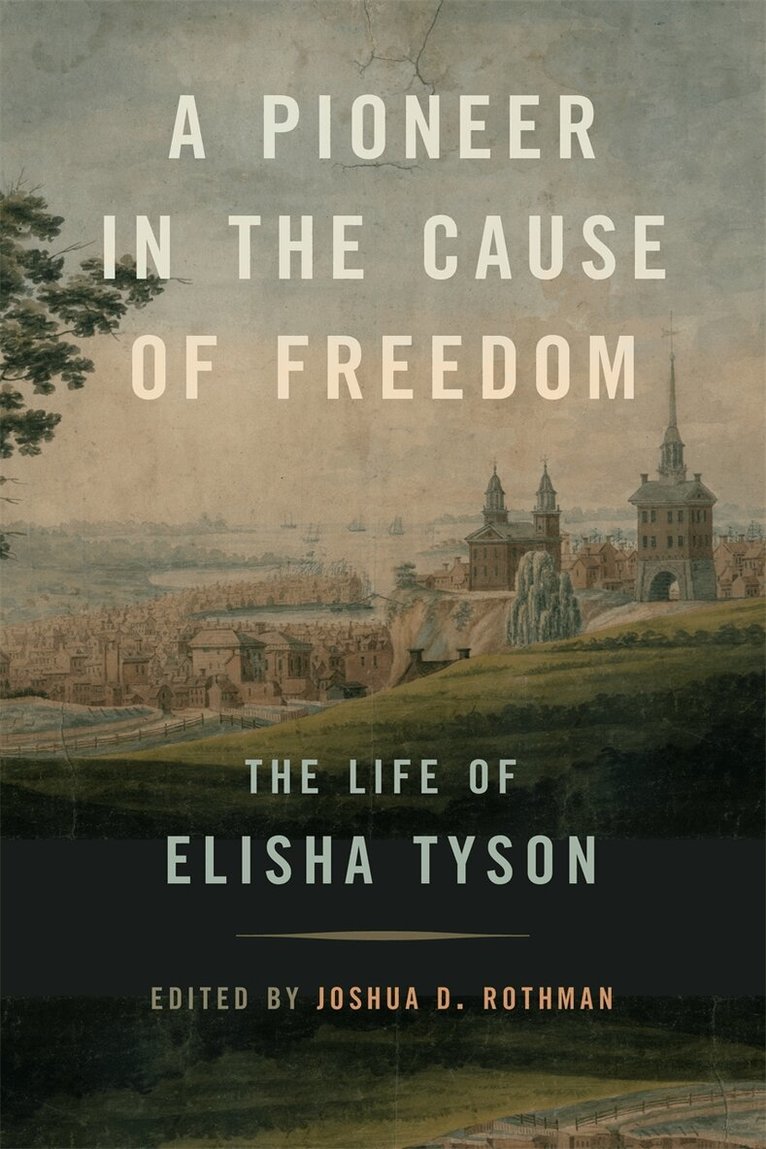
Descended from German Quakers who immigrated to Pennsylvania in the late seventeenth century, Elisha Tyson was born in 1749. As a young man he became wealthy in the milling business in northeastern Maryland before moving in the early 1780s to Baltimore, where he grew even wealthier and established a reputation as a prominent member of the city’s business community. Over the course of more than three decades in the late eighteenth and early nineteenth centuries, Tyson helped found abolition societies, supported schools for free Black children, and contributed to the creation of numerous Black institutions and benevolent societies. He filed freedom petitions on behalf of enslaved people and pushed for the passage of liberalized manumission laws in Maryland. He used some of his fortune to assist Black people who claimed they were illegally held in bondage to sue for their liberty, and he confronted slave traders who kidnapped free Black Americans with the aim of selling them into slavery. By the time he died in February 1824, Elisha Tyson had personally aided in the liberation of perhaps two thousand Black people.Yet the only biography published about this remarkable man was penned shortly after his death by John Shoemaker Tyson, Elisha Tyson’s nephew. In A Pioneer in the Cause of Freedom, Joshua D. Rothman—a preeminent historian of slavery and abolition—seeks to remedy that silence. Along with an annotated version of that nineteenth-century biography, Rothman provides a thorough introduction to Elisha Tyson’s religious, political, and ideological worlds as well as a set of selected documents that illuminate some of Tyson’s work.