Restorative Justice in Heritage Studies and Archaeology – Serie
Visar alla böcker i serien Restorative Justice in Heritage Studies and Archaeology. Handla med fri frakt och snabb leverans.
6 produkter
6 produkter
553 kr
Skickas inom 10-15 vardagar
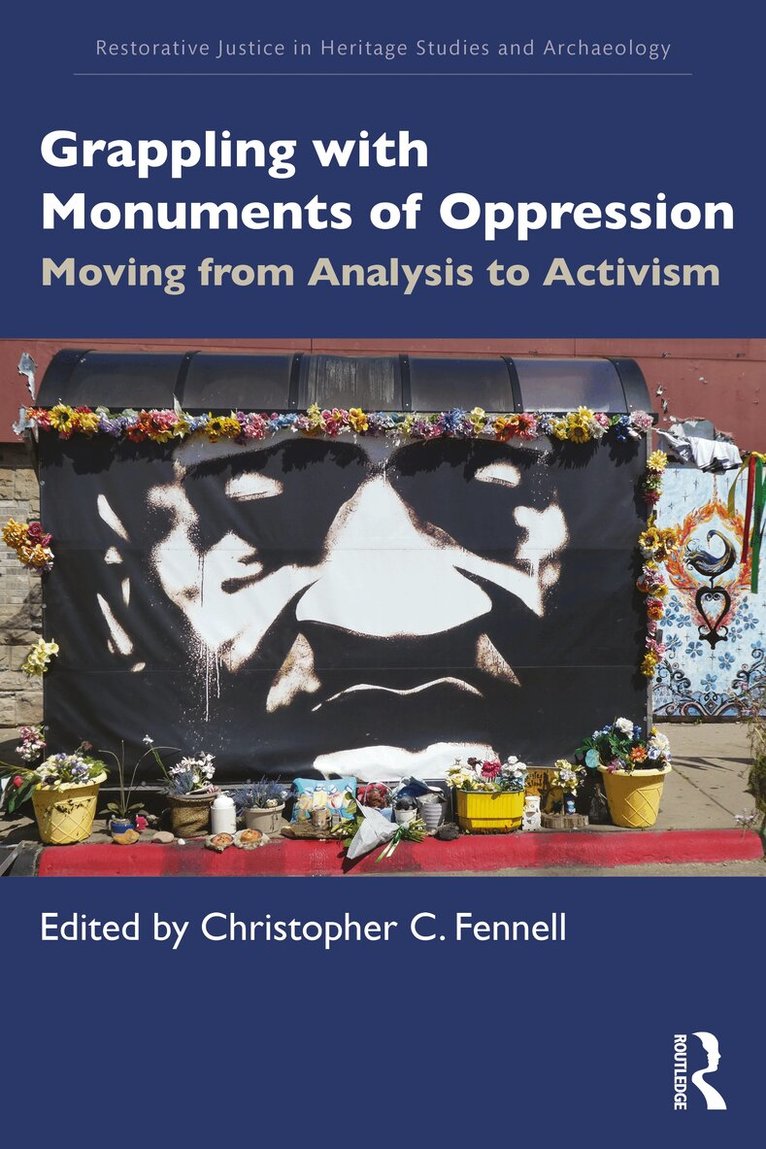
Grappling with Monuments of Oppression provides a timely analysis of the diverse approaches being used around the world to confront colonial and imperial monuments and to promote social equity.Presenting 12 interdisciplinary, international case studies, this volume explores the ways in which the materiality of social domination can be combated. With contributions from activists, scholars, artists, and policymakers, the book envisions the theme of restorative justice in heritage and archaeology as encompassing initiatives for the reconciliation of past societal transgressions using processes that are multivocal, dialogic, historically informed, community-based, negotiated, and transformative. Arguing that monuments to historical figures who engaged in oppressive regimes provide rich opportunities for dialogue and negotiation, chapters within the book demonstrate that, by confronting these monuments, citizens can envision new ways to address the context and significance of the figures they memorialize and the many people who were targets of their oppression. Contributors to the book also provide a toolkit of methods and strategies for addressing the continuing structures of social domination.Grappling with Monuments of Oppression will be essential reading for academics and students working in heritage studies, archaeology, anthropology, material culture studies, landscape analysis, and museum studies. It will also be of great interest to practitioners and activists around the world.
595 kr
Skickas inom 10-15 vardagar
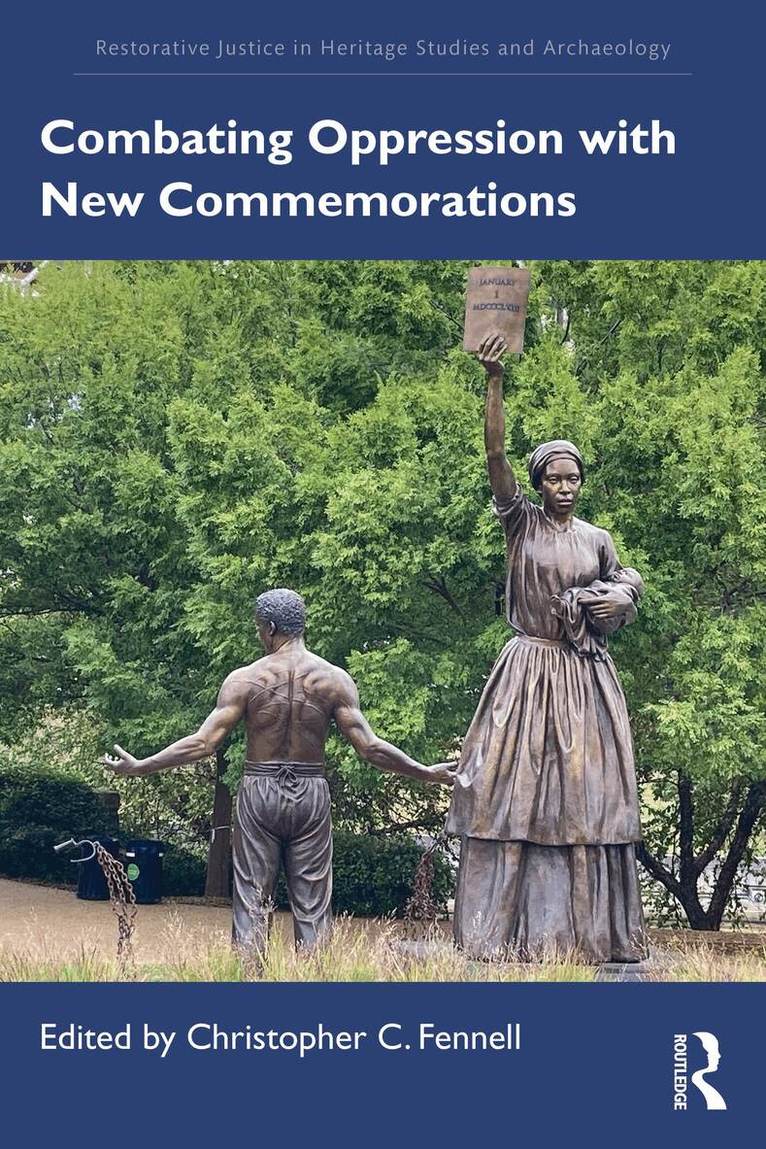
Combating Oppression with New Commemorations examines the ways in which marginalized groups can confront oppressive regimes through commemorations and advocacy of their own heritage.Presenting case studies from across the globe, the volume provides invaluable insights into the diverse strategies and various disciplinary approaches being used to counter oppression through commemorations of the heritage of marginalized groups. Reminding the reader that such commemorations are often created by individuals who have directly confronted traumas of oppression, contributors emphasize that their survivance, successes, and vitality are tributes to human resilience and creativity. Chapters also demonstrate how such commemorations can advance recognition of the group’s diverse legacies and cultural identity and help enhance social and economic equities for that population across local, regional, and national scales. It is also made clear that they can provide resources for reconciliation negotiations with other social collectives who seek to oppress the marginalized group. These dynamics can facilitate truth-telling, accountability, recovery of unrecorded histories, revitalization, increments of healing, and efforts to avoid future repetitions of past and present social traumas.Combating Oppression with New Commemorations will be essential reading for academics, and students working in heritage studies, archaeology, anthropology, material culture studies, landscape analysis, and museum studies. It will also be of great interest to practitioners and activists around the world.
3 085 kr
Skickas inom 10-15 vardagar
Combating Oppression with New Commemorations examines the ways in which marginalized groups can confront oppressive regimes through commemorations and advocacy of their own heritage.Presenting case studies from across the globe, the volume provides invaluable insights into the diverse strategies and various disciplinary approaches being used to counter oppression through commemorations of the heritage of marginalized groups. Reminding the reader that such commemorations are often created by individuals who have directly confronted traumas of oppression, contributors emphasize that their survivance, successes, and vitality are tributes to human resilience and creativity. Chapters also demonstrate how such commemorations can advance recognition of the group’s diverse legacies and cultural identity and help enhance social and economic equities for that population across local, regional, and national scales. It is also made clear that they can provide resources for reconciliation negotiations with other social collectives who seek to oppress the marginalized group. These dynamics can facilitate truth-telling, accountability, recovery of unrecorded histories, revitalization, increments of healing, and efforts to avoid future repetitions of past and present social traumas.Combating Oppression with New Commemorations will be essential reading for academics, and students working in heritage studies, archaeology, anthropology, material culture studies, landscape analysis, and museum studies. It will also be of great interest to practitioners and activists around the world.
2 036 kr
Skickas inom 10-15 vardagar
Grappling with Monuments of Oppression provides a timely analysis of the diverse approaches being used around the world to confront colonial and imperial monuments and to promote social equity.Presenting 12 interdisciplinary, international case studies, this volume explores the ways in which the materiality of social domination can be combated. With contributions from activists, scholars, artists, and policymakers, the book envisions the theme of restorative justice in heritage and archaeology as encompassing initiatives for the reconciliation of past societal transgressions using processes that are multivocal, dialogic, historically informed, community-based, negotiated, and transformative. Arguing that monuments to historical figures who engaged in oppressive regimes provide rich opportunities for dialogue and negotiation, chapters within the book demonstrate that, by confronting these monuments, citizens can envision new ways to address the context and significance of the figures they memorialize and the many people who were targets of their oppression. Contributors to the book also provide a toolkit of methods and strategies for addressing the continuing structures of social domination.Grappling with Monuments of Oppression will be essential reading for academics and students working in heritage studies, archaeology, anthropology, material culture studies, landscape analysis, and museum studies. It will also be of great interest to practitioners and activists around the world.
635 kr
Kommande
Monuments, Statues, and Commemorations of Women examines the heritage messages presented by statuary monuments, focusing on statues and monuments of women and exploring the challenges involved in depicting the key role played by women across different societies.The chapters within the volume examine the motives behind – and impediments to – the installation and commemoration of women around the world from Antiquity to the 21st century. Describing the role androcentrism has played in the great predominance of statues memorializing men, the book argues that the lack of statues of accomplished women renders their achievements invisible by erasing them from the past. In describing the identity of the kinds of women who are represented in heritage landscapes, authors use diverse perspectives to evaluate the roles of race, class, ethnicity, gender, and religion and consider how they impact what kinds of women are represented on or in heritage landscapes. Case studies from Australia, Europe, Africa, and North America explore and analyze the statues and monuments of women of color, white women, and LGBTQ+ womenMonuments, Statues, and Commemorations of Women is essential reading for academics and students working in the fields of archaeology, and feminist studies, cultural heritage, history, and art history.
2 325 kr
Kommande
Monuments, Statues, and Commemorations of Women examines the heritage messages presented by statuary monuments, focusing on statues and monuments of women and exploring the challenges involved in depicting the key role played by women across different societies.The chapters within the volume examine the motives behind – and impediments to – the installation and commemoration of women around the world from Antiquity to the 21st century. Describing the role androcentrism has played in the great predominance of statues memorializing men, the book argues that the lack of statues of accomplished women renders their achievements invisible by erasing them from the past. In describing the identity of the kinds of women who are represented in heritage landscapes, authors use diverse perspectives to evaluate the roles of race, class, ethnicity, gender, and religion and consider how they impact what kinds of women are represented on or in heritage landscapes. Case studies from Australia, Europe, Africa, and North America explore and analyze the statues and monuments of women of color, white women, and LGBTQ+ womenMonuments, Statues, and Commemorations of Women is essential reading for academics and students working in the fields of archaeology, and feminist studies, cultural heritage, history, and art history.