Ripley P. Bullen Series - Böcker
Visar alla böcker i serien Ripley P. Bullen Series. Handla med fri frakt och snabb leverans.
4 produkter
4 produkter
503 kr
Skickas inom 10-15 vardagar
324 kr
Skickas inom 10-15 vardagar
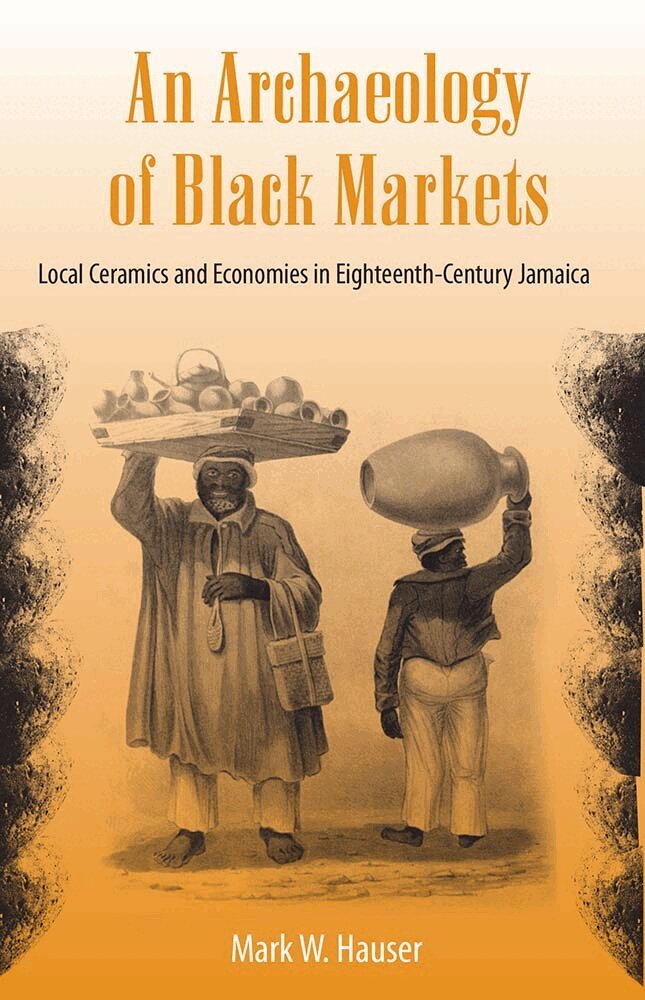
Archaeology of Black Markets
Local Ceramics and Economies in Eighteenth-Century Jamaica
Häftad, Engelska, 2013
283 kr
Skickas inom 10-15 vardagar
In eighteenth-century Jamaica, an informal, underground economy existed among enslaved labourers. Mark Hauser uses pottery fragments to examine their trade networks and to understand how enslaved and free Jamaicans created communities that transcended plantation boundaries.An Archaeology of Black Markets utilises both documentary and archaeological evidence to reveal how slaves practiced their own systematic forms of economic production, exchange, and consumption. Hauser compares the findings from a number of previously excavated sites and presents new analyses that reinterpret these collections in the context of island-wide trading networks.Trading allowed enslaved labourers to cross boundaries of slave life and enter into a black market of economic practices with pots in hand. By utilising secret trails that connected plantations, sectarian churches, and street markets, the enslaved remained in contact, exchanged information, news, and gossip, and ultimately stoked the colony's 1831 rebellion. Hauser considers how uprooted peoples from Africa created new networks in Jamaica, and interjects into archaeological discussions the importance of informal economic practice among non-elite members of society.
269 kr
Skickas inom 10-15 vardagar
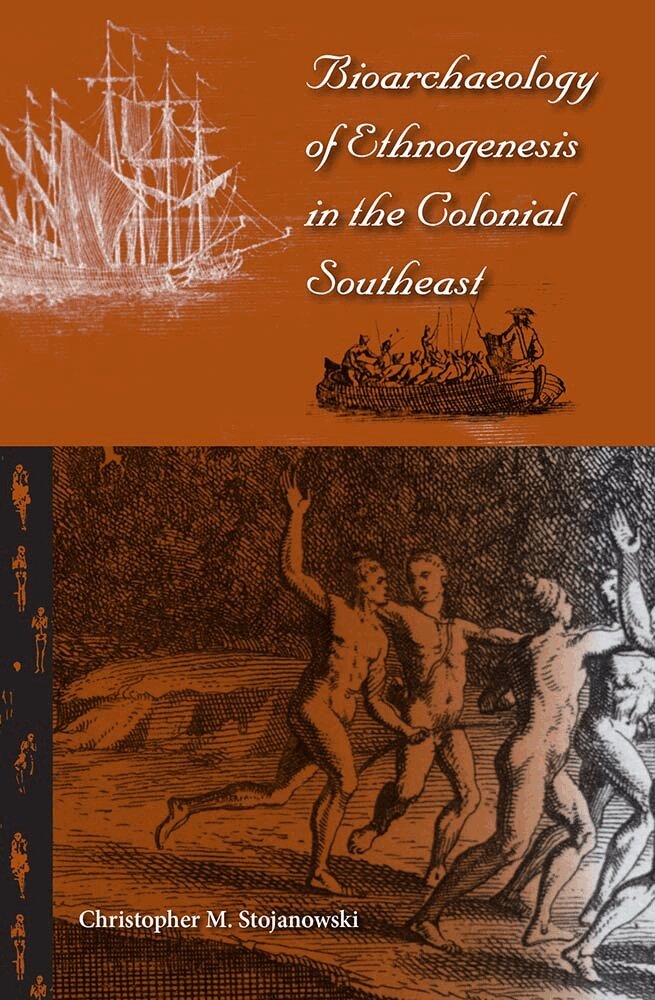
Christopher Stojanowski seeks to understand changes in social identities among Christianised Native Americans living within Franciscan missions during the Spanish colonial period. His novel contribution is attempting to reconstruct identity transformation through skeletal analysis within a microevolutionary framework.Key to this narrative is a detailed, contextual analysis of data gathered from mission cemetery remains of Apalachee, Timucua, and Guale individuals interpreted within broad historical trends and social theoretical constructions of ethnicity and ethnogenesis. Stojanowski's investigation of biological data gathered from these earlier groups may help scientists trace the ethnogenesis of the present-day Seminole tribe in Florida.Analyses suggest the native communities throughout northern Florida and coastal Georgia were developing a common social identity by the end of the seventeenth century--a fact that allows for reinterpretation of eighteenth-century ideas about Seminole origins. In this intriguing and controversial investigation, Stojanowski strives to bridge the divide between the social world of humans and the biological aspects of our lives by linking patterns of past skeletal variation to patterns of group affinity and identification.