Routledge Studies in Educational History and Development in Asia - Böcker
Visar alla böcker i serien Routledge Studies in Educational History and Development in Asia. Handla med fri frakt och snabb leverans.
14 produkter
14 produkter
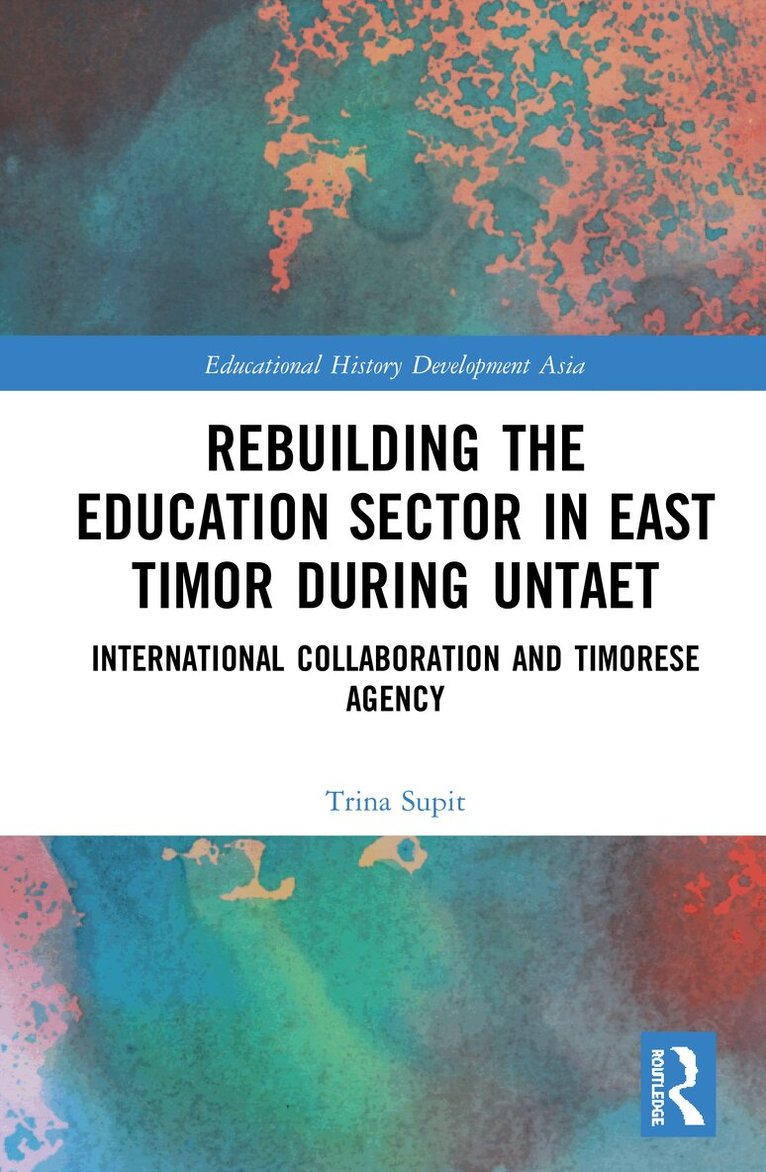
Rebuilding the Education Sector in East Timor during UNTAET
International Collaboration and Timorese Agency
Inbunden, Engelska, 2020
2 430 kr
Skickas inom 10-15 vardagar
This original volume examines the collaboration between East Timorese and international staff in the rebuilding of the education sector during the United Nations Transitional Administration in East Timor (UNTAET) 1999-2002. Using interviews, contemporary newspaper articles and reports from UN sources and the World Bank, the book enables a comprehensive analysis of Timorese agency.Examining choices made by the Timorese and drawing comparison with other former Portuguese colonies, the text considers the power of the Timorese elite, the role of nepotism and corruption, the preservation of the Indonesian curriculum and the selection of Portuguese as the medium of instruction and official language - together with Tetum. Concluding with a contemporary discussion on the educational achievements for East Timorese children during UNTAET compared with those of today, Rebuilding the Education Sector in East Timor during UNTAET will be of interest to academics, researchers and post-graduate students in the fields of post-conflict studies, post-colonial education and language policy as well as East Timor more specifically. This book will also benefit graduate students and scholars in teacher education.Trina Supit completed her PhD at the University of Sydney, Australia. She was a member of the UNTAET Division of Education.
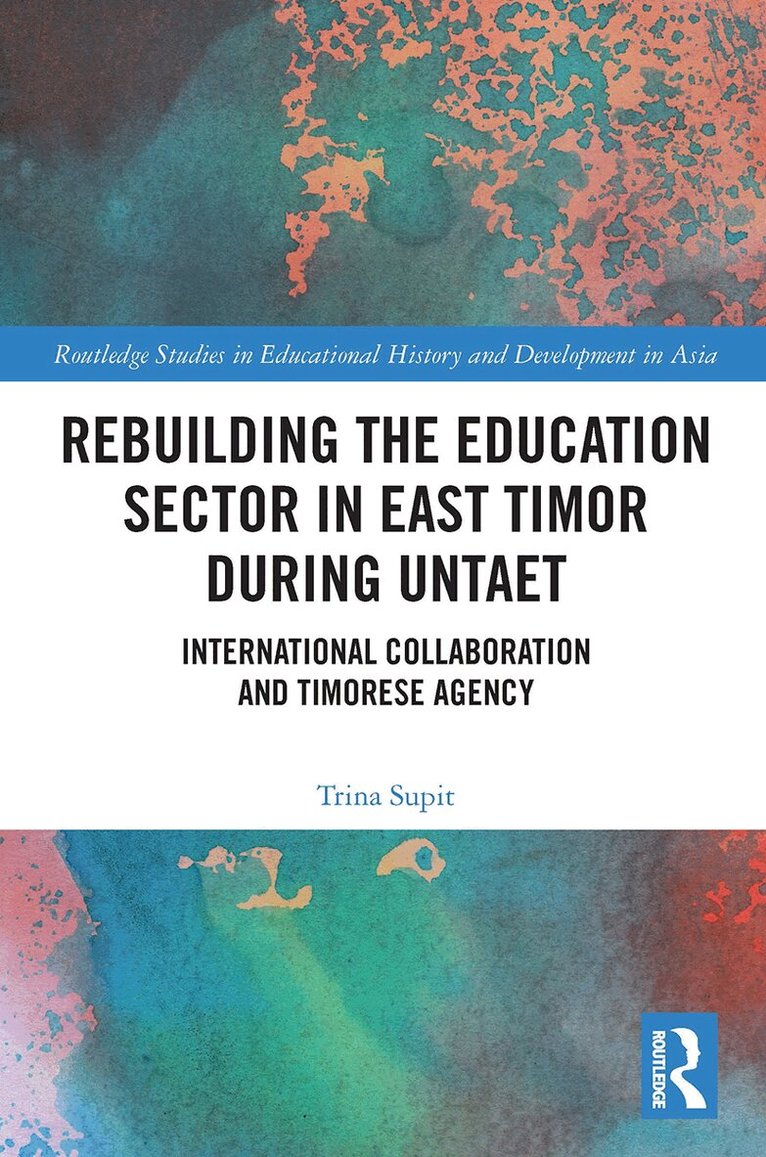
Rebuilding the Education Sector in East Timor during UNTAET
International Collaboration and Timorese Agency
Häftad, Engelska, 2022
561 kr
Skickas inom 10-15 vardagar
This original volume examines the collaboration between East Timorese and international staff in the rebuilding of the education sector during the United Nations Transitional Administration in East Timor (UNTAET) 1999-2002. Using interviews, contemporary newspaper articles and reports from UN sources and the World Bank, the book enables a comprehensive analysis of Timorese agency.Examining choices made by the Timorese and drawing comparison with other former Portuguese colonies, the text considers the power of the Timorese elite, the role of nepotism and corruption, the preservation of the Indonesian curriculum and the selection of Portuguese as the medium of instruction and official language - together with Tetum. Concluding with a contemporary discussion on the educational achievements for East Timorese children during UNTAET compared with those of today, Rebuilding the Education Sector in East Timor during UNTAET will be of interest to academics, researchers and post-graduate students in the fields of post-conflict studies, post-colonial education and language policy as well as East Timor more specifically. This book will also benefit graduate students and scholars in teacher education.Trina Supit completed her PhD at the University of Sydney, Australia. She was a member of the UNTAET Division of Education.
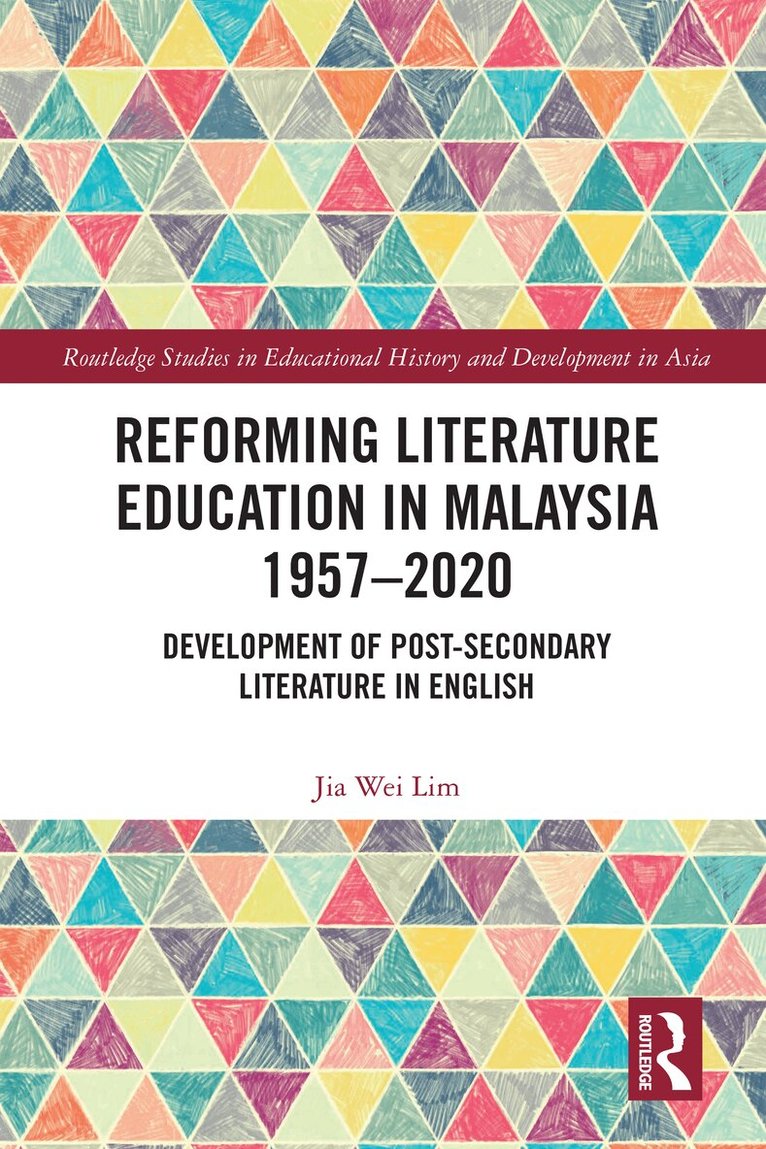
Reforming Literature Education in Malaysia 1957 – 2020
Development of Post-secondary Literature in English
Inbunden, Engelska, 2024
2 053 kr
Skickas inom 10-15 vardagar
Lim traces the complexities in construction and implementation of a school subject, namely Literature in English in Malaysia through a focused and grounded narrative where tensions regarding identity, reader response and conceptualisations about literature play out in a postcolonial context.The book demonstrates the need to think about school subjects as abstract concepts negotiated at various levels, be it during curriculum construction or in the classroom. These conceptualisations of the subject are further influenced by contemporary concerns and sociopolitical changes over time. As such, the scope of this book ranges from pre-independence Malaysia (then Malaya) from the 1950s till the current phase of the subject’s development in the 21st century. The volume illustrates the complex interplay of historical, cultural, and social influences on the conceptualisation of English literature as a school subject in Malaysia. Lim traces, examines, and interprets its development as an elective subject in the context of post-secondary Malaysian education, and engages with current trends in education such as internationalization and standardized assessment. Lim also highlights the importance of teacher and student lived experiences to argue that personal conceptualisations of the school subject are actualized and negotiated in classroom discourse.Offering unique insights into studying Literature in English in a postcolonial context, the book will appeal to researchers, students and practitioners in the fields of history of education, curriculum reform and literature education.
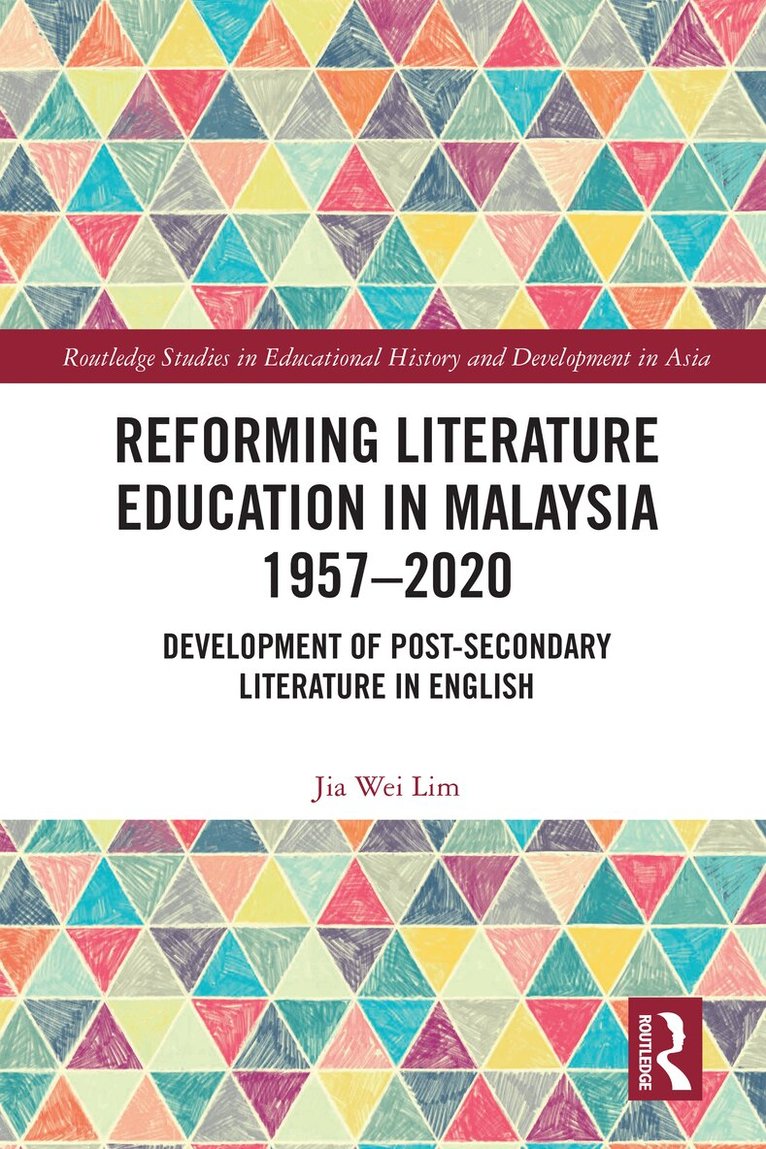
Reforming Literature Education in Malaysia 1957 – 2020
Development of Post-secondary Literature in English
Häftad, Engelska, 2025
711 kr
Skickas inom 10-15 vardagar
Lim traces the complexities in construction and implementation of a school subject, namely Literature in English in Malaysia through a focused and grounded narrative where tensions regarding identity, reader response and conceptualisations about literature play out in a postcolonial context.The book demonstrates the need to think about school subjects as abstract concepts negotiated at various levels, be it during curriculum construction or in the classroom. These conceptualisations of the subject are further influenced by contemporary concerns and sociopolitical changes over time. As such, the scope of this book ranges from pre-independence Malaysia (then Malaya) from the 1950s till the current phase of the subject’s development in the 21st century. The volume illustrates the complex interplay of historical, cultural, and social influences on the conceptualisation of English literature as a school subject in Malaysia. Lim traces, examines, and interprets its development as an elective subject in the context of post-secondary Malaysian education, and engages with current trends in education such as internationalization and standardized assessment. Lim also highlights the importance of teacher and student lived experiences to argue that personal conceptualisations of the school subject are actualized and negotiated in classroom discourse.Offering unique insights into studying Literature in English in a postcolonial context, the book will appeal to researchers, students and practitioners in the fields of history of education, curriculum reform and literature education.
595 kr
Skickas inom 10-15 vardagar
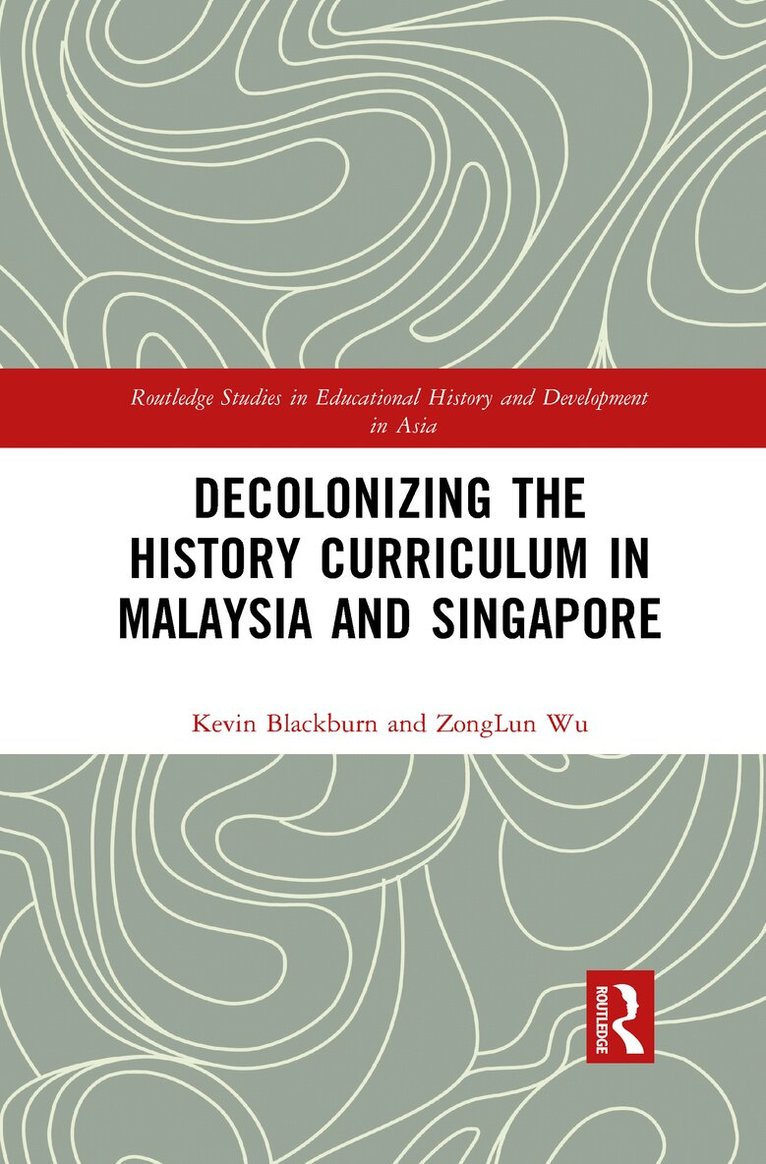
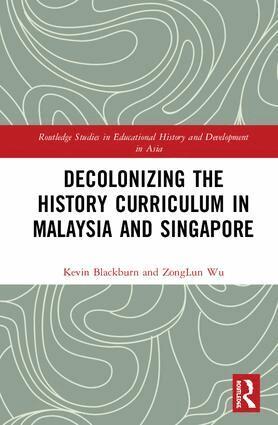
Decolonizing the History Curriculum in Malaysia and Singapore is a unique study in the history of education because it examines decolonization in terms of how it changed the subject of history in the school curriculum of two colonized countries – Malaysia and Singapore. Blackburn and Wu’s book analyzes the transition of the subject of history from colonial education to postcolonial education, from the history syllabus upholding the colonial order to the period after independence when the history syllabus became a tool for nation-building. Malaysia and Singapore are excellent case studies of this process because they once shared a common imperial curriculum in the English language schools that was gradually ‘decolonized’ to form the basis of the early history syllabuses of the new nation-states (they were briefly one nation-state in the early to mid-1960s). The colonial English language history syllabus was ‘decolonized’ into a national curriculum that was translated for the Chinese, Malay, and Tamil schools of Malaysia and Singapore. By analyzing the causes and consequences of the dramatic changes made to the teaching of history in the schools of Malaya and Singapore as Britain ended her empire in Southeast Asia, Blackburn and Wu offer fascinating insights into educational reform, the effects of decolonization on curricula, and the history of Malaysian and Singaporean education.
Aboriginal and Torres Strait Islander School Teachers and Australian Settler Colonialism
A History
Inbunden, Engelska, 2025
2 176 kr
Skickas inom 10-15 vardagar
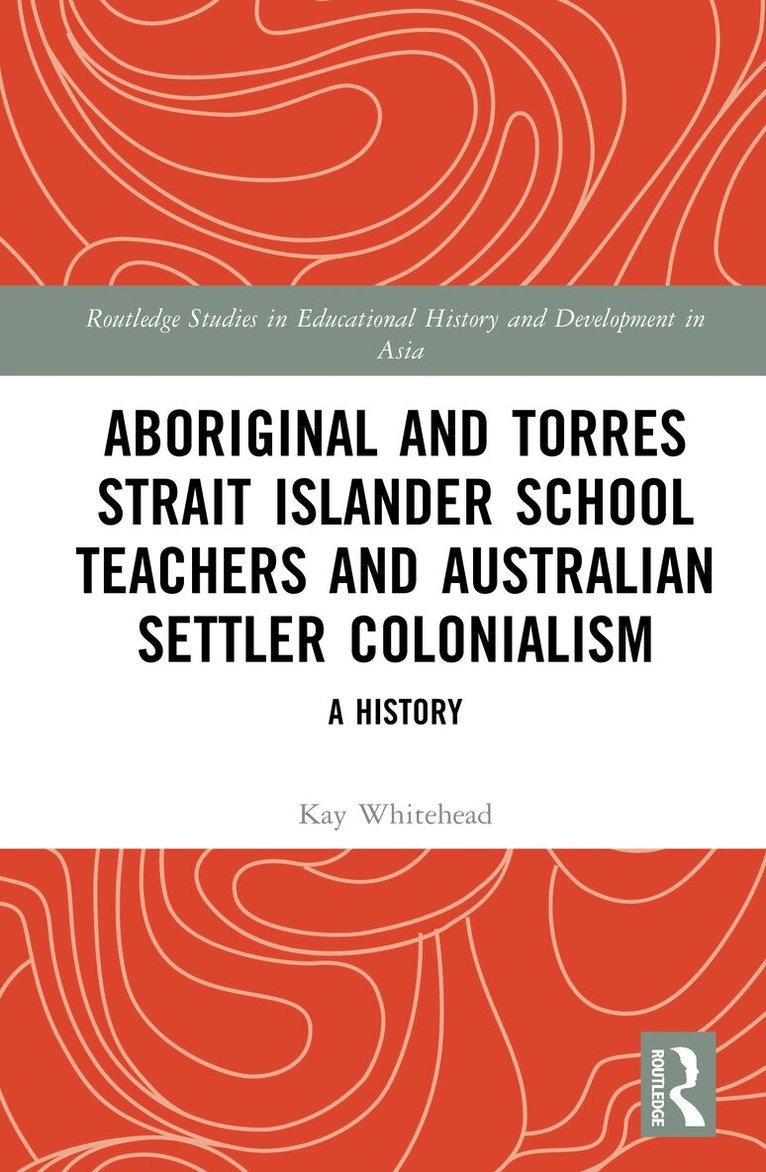
This book addresses the gap in our historical knowledge about the roles Aboriginal and Torres Strait Islander teachers have played in Australia's history of school education. To date, there are few references to schooling in histories of Indigenous Australians, and Australian histories of Indigenous education and teacher education omit Indigenous teachers until systemic initiatives were introduced to recruit and qualify them in the 1970s. This book reinstates and honours Aboriginal and Torres Strait Islander people who worked as school teachers from invasion to contemporary state school systems.The book is structured chronologically to explore Aboriginal and Torres Strait Islander teachers' lives and work in relation to settler colonial policies of segregation and protection, assimilation and self-determination; and education policy and practice. The chapters span the nineteenth century to contemporary times and show the systemic challenges Indigenous people faced in becoming qualified teachers and joining the profession. Stories of Aboriginal and Torres Strait Islander teachers from different geographic regions, communities and historical periods foreground their agency including their political activism and take account of localised cultural and education contexts.This insightful book is recommended for upper-level undergraduates and academics in Indigenous education, history of education, teacher education and teachers' work. It will also appeal to readers with a general interest in Australian Indigenous history.
1 921 kr
Skickas inom 10-15 vardagar
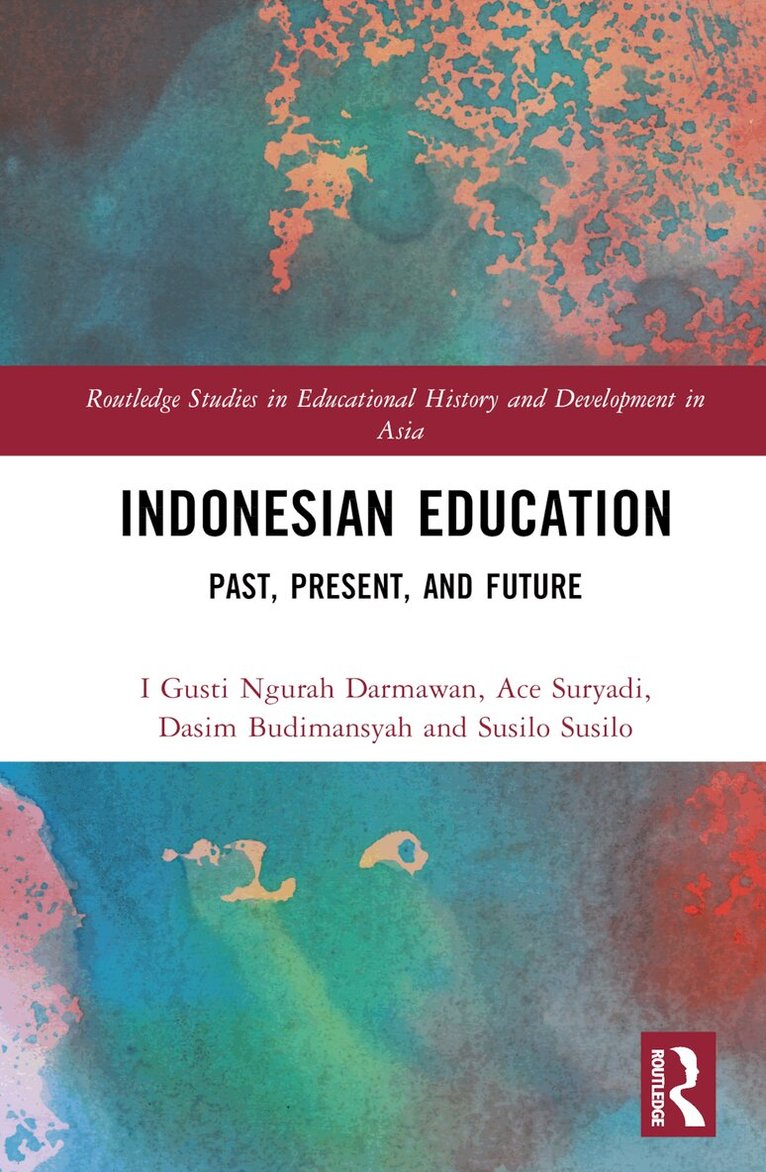
Offering an overview of the history, perspectives, and developments of education in Indonesia since the country’s independence in 1945, in this book, the authors raise awareness of education's impact on national development in this unique context.With more than 50 million students, 3 million teachers, and 300,000 schools, Indonesia's most significant challenge for education is not only to improve access but also to improve the education quality to face the fast-paced world we live in today. The book traces the development of Indonesian education since 1945, highlighting its successes, failures, and responses to social, political, and economic changes. It addresses key issues such as legislation, school systems, education management, national policies, quality versus expansion, equity, curriculum, assessment, and unemployment. This book offers a nuanced understanding of the history of education in Indonesia and serves as a comparative reference for studies with other countries.The book will be a valuable resource for researchers, students, and scholars of comparative education, educational history, and Asian studies.
642 kr
Kommande
Offering an overview of the history, perspectives, and developments of education in Indonesia since the country’s independence in 1945, in this book, the authors raise awareness of education's impact on national development in this unique context.With more than 50 million students, 3 million teachers, and 300,000 schools, Indonesia's most significant challenge for education is not only to improve access but also to improve the education quality to face the fast-paced world we live in today. The book traces the development of Indonesian education since 1945, highlighting its successes, failures, and responses to social, political, and economic changes. It addresses key issues such as legislation, school systems, education management, national policies, quality versus expansion, equity, curriculum, assessment, and unemployment. This book offers a nuanced understanding of the history of education in Indonesia and serves as a comparative reference for studies with other countries.The book will be a valuable resource for researchers, students, and scholars of comparative education, educational history, and Asian studies.
2 176 kr
Skickas inom 10-15 vardagar
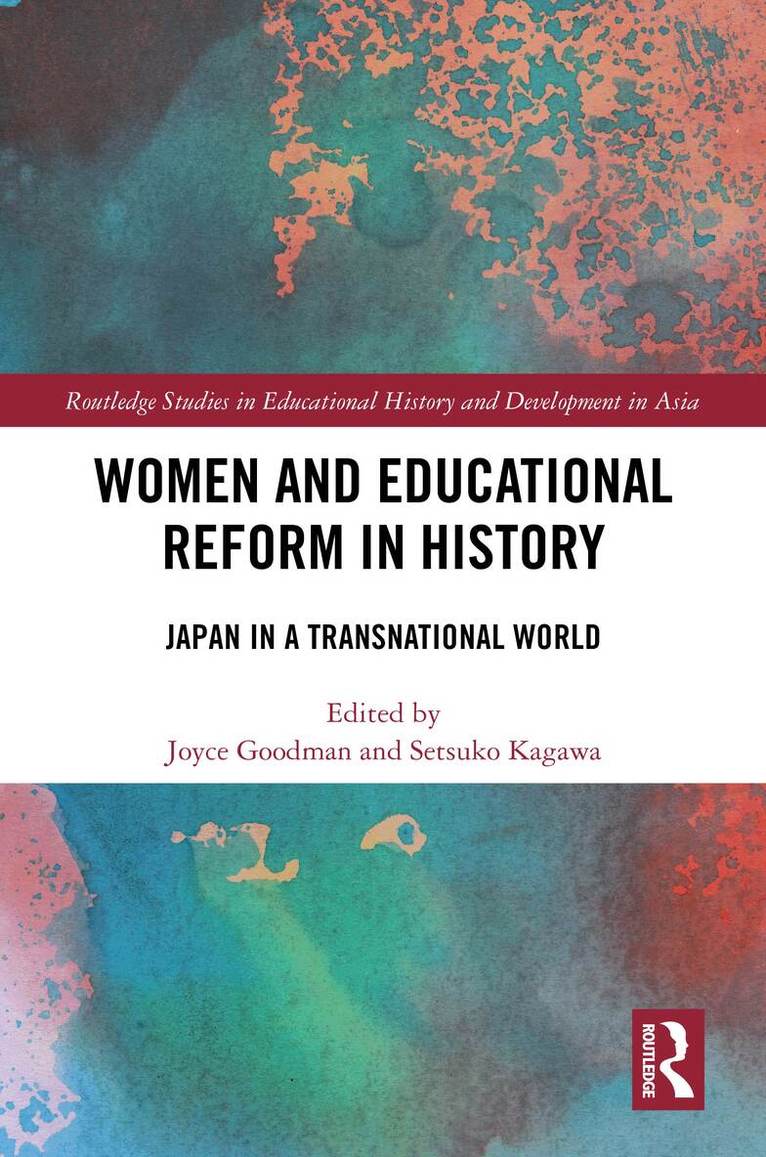
This unique collection provides critical analyses of Japanese educational history by bringing together gender, transnational, and transcultural perspectives.It illustrates how Japanese, European, and American women educators transcended national borders in seeking to reform and re-shape Japanese education and society in the midst of social and political change from the Meiji era (1868-1912) to 1948 and beyond, including during the American Occupation of Japan. It demonstrates how educational practice from Europe and the United States not only flowed into Japan before and after the First and Second World Wars but also became entangled with Japanese perspectives, as well as with nationalism, colonialism, imperialism, and regionalism, as some Japanese educators sought to reform education for Asian women beyond Japan’s borders. In an increasingly connected world, where, at the same time, opportunities for women’s education in some countries are declining, the volume provides insights for readers into how women educators have co-operated historically across national borders in pursuit of reform in education and society in periods of immense social and political change, including at moments when nationalism and imperialism were in the ascendancy.This volume will be of interest to academics, researchers, and post graduate students in the fields of Japanese history, history of Japanese education, Japanese women’s history, gender perspectives, and transnational and transcultural research. It will also be of interest to readers curious about the history of Asia more broadly.
2 316 kr
Skickas inom 10-15 vardagar
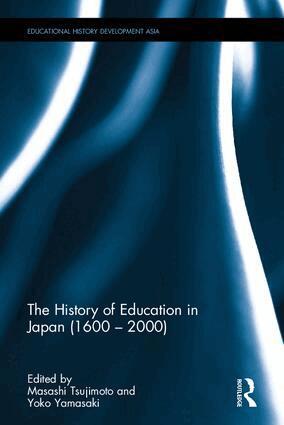
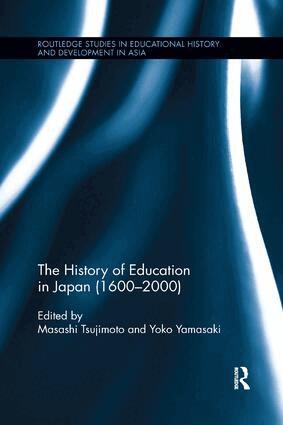
As one of the most rapid and earliest nations to achieve "Western modernisation", much of Japan’s success stems from its fruitful literacy history during the Tokugawa shogunate as well as later influences from Western educational ideals and consequent economic and democratic conflicts in Japan. This book seeks to enlighten readers on how education and schooling contributed to Japan’s particular process of modernisation and industrialisation. These historical insights can be applied to crises in formal and systemised education today, and form the basis of potential solutions to controversies faced by formal education in Japan and other nation-states. A book that bridges the international information gap in Japan’s history of education will be immensely valuable to historians of both international and Japanese education.
284 kr
Skickas inom 10-15 vardagar
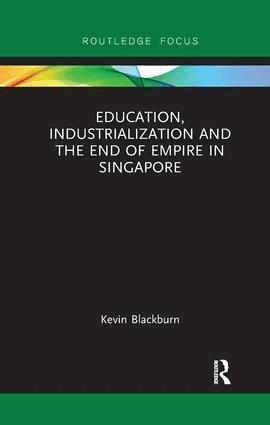
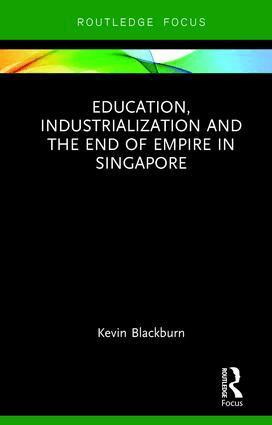
Singapore under the ruling People’s Action Party government has been categorized as a developmental state which has utilized education as an instrument of its economic policies and nation-building agenda. However, contrary to accepted assumptions, the use of education by the state to promote economic growth did not begin with the coming to power of the People’s Action Party in 1959. In Singapore, the colonial state had been using education to meet the demands of its colonial economy well before the rise of the post-independence developmental state. Education, Industrialization and the End of Empire in Singapore examines how the state’s use of education as an instrument of economic policy had its origins in the colonial economy and intensified during the process of decolonization. By covering this process the history of vocational and technical education and its relationship with the economy is traced from the colonial era through to decolonization and into the early postcolonial period.
679 kr
Skickas inom 10-15 vardagar
As one of the most rapid and earliest nations to achieve "Western modernisation", much of Japan’s success stems from its fruitful literacy history during the Tokugawa shogunate as well as later influences from Western educational ideals and consequent economic and democratic conflicts in Japan. This book seeks to enlighten readers on how education and schooling contributed to Japan’s particular process of modernisation and industrialisation. These historical insights can be applied to crises in formal and systemised education today, and form the basis of potential solutions to controversies faced by formal education in Japan and other nation-states. A book that bridges the international information gap in Japan’s history of education will be immensely valuable to historians of both international and Japanese education.
2 176 kr
Skickas inom 10-15 vardagar
Decolonizing the History Curriculum in Malaysia and Singapore is a unique study in the history of education because it examines decolonization in terms of how it changed the subject of history in the school curriculum of two colonized countries – Malaysia and Singapore. Blackburn and Wu’s book analyzes the transition of the subject of history from colonial education to postcolonial education, from the history syllabus upholding the colonial order to the period after independence when the history syllabus became a tool for nation-building. Malaysia and Singapore are excellent case studies of this process because they once shared a common imperial curriculum in the English language schools that was gradually ‘decolonized’ to form the basis of the early history syllabuses of the new nation-states (they were briefly one nation-state in the early to mid-1960s). The colonial English language history syllabus was ‘decolonized’ into a national curriculum that was translated for the Chinese, Malay, and Tamil schools of Malaysia and Singapore. By analyzing the causes and consequences of the dramatic changes made to the teaching of history in the schools of Malaya and Singapore as Britain ended her empire in Southeast Asia, Blackburn and Wu offer fascinating insights into educational reform, the effects of decolonization on curricula, and the history of Malaysian and Singaporean education.
799 kr
Skickas inom 10-15 vardagar
Singapore under the ruling People’s Action Party government has been categorized as a developmental state which has utilized education as an instrument of its economic policies and nation-building agenda. However, contrary to accepted assumptions, the use of education by the state to promote economic growth did not begin with the coming to power of the People’s Action Party in 1959. In Singapore, the colonial state had been using education to meet the demands of its colonial economy well before the rise of the post-independence developmental state. Education, Industrialization and the End of Empire in Singapore examines how the state’s use of education as an instrument of economic policy had its origins in the colonial economy and intensified during the process of decolonization. By covering this process the history of vocational and technical education and its relationship with the economy is traced from the colonial era through to decolonization and into the early postcolonial period.