Kevin Blackburn – författare
Visar alla böcker från författaren Kevin Blackburn. Handla med fri frakt och snabb leverans.
21 produkter
Forgotten Captives in Japanese-Occupied Asia
Häftad, 2011
772 kr
Lägg i varukorg
Experiences of captivity in Japanese-occupied Asia varied enormously. Some prisoners of war (POWs) were sent to work in Japan, others to toil on the ‘Death Railway’ between Burma and Thailand. Some camps had death rates below 1 per cent, others of over 20 per cent. While POWs were deployed far and …
Did Singapore Have to Fall?
Churchill and the Impregnable Fortress
Inbunden, 2003
2826 kr
Lägg i varukorg
This book provides a sophisticated summary of up-to-date knowledge on the Fall of Singapore, including the critical tensions between Churchill and local commanders. A focus on the role of Churchill, and on his understanding of the guns and Singapore's fortifications, makes the Fortress central to …
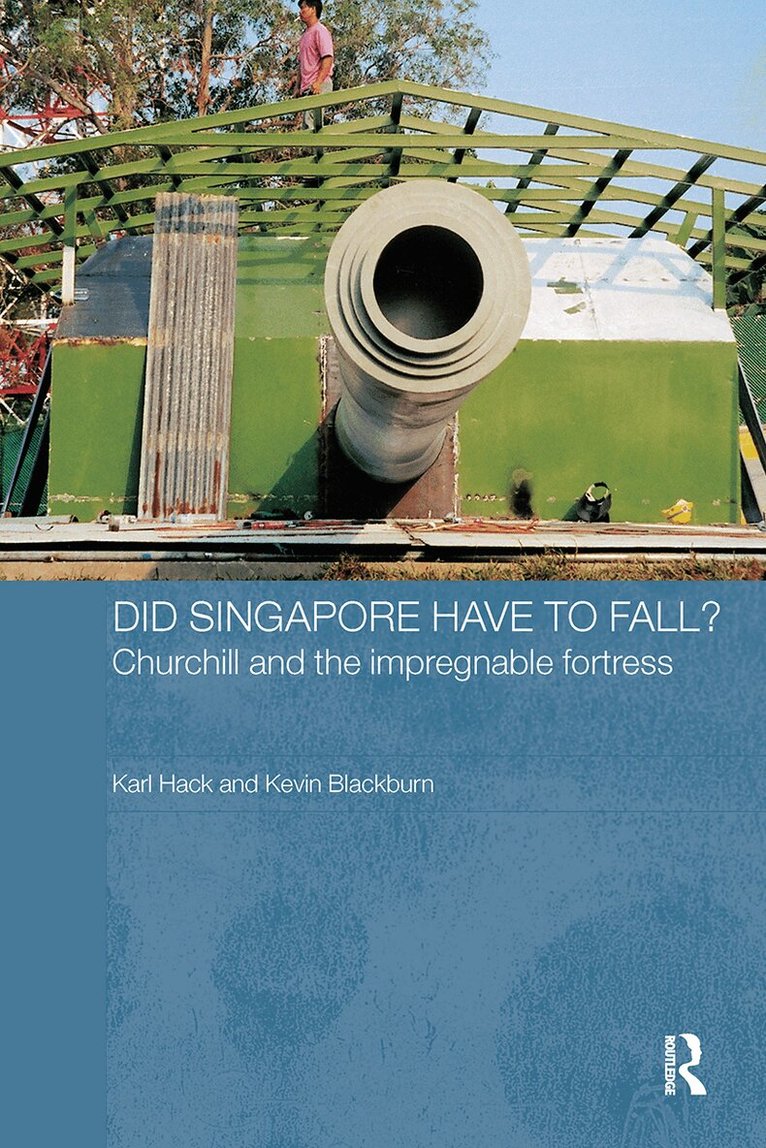
Did Singapore Have to Fall?
Churchill and the Impregnable Fortress
Häftad, 2005
772 kr
Lägg i varukorg
This book provides a sophisticated summary of up-to-date knowledge on the Fall of Singapore, including the critical tensions between Churchill and local commanders. A focus on the role of Churchill, and on his understanding of the guns and Singapore's fortifications, makes the Fortress central to …
Forgotten Captives in Japanese-Occupied Asia
Inbunden, 2007
2826 kr
Lägg i varukorg
Experiences of captivity in Japanese-occupied Asia varied enormously. Some prisoners of war (POWs) were sent to work in Japan, others to toil on the ‘Death Railway’ between Burma and Thailand. Some camps had death rates below 1 per cent, others of over 20 per cent. While POWs were deployed far and …
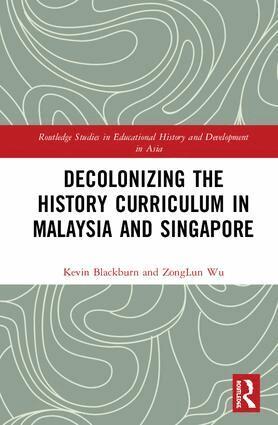
Decolonizing the History Curriculum in Malaysia and Singapore
Av ZongLun Wu, Kevin Blackburn
E-bok, 2019
876 kr
Lägg i varukorg
Decolonizing the History Curriculum in Malaysia and Singapore is a unique study in the history of education because it examines decolonization in terms of how it changed the subject of history in the school curriculum of two colonized countries – Malaysia and Singapore. Blackburn and Wu’s book …
Decolonizing the History Curriculum in Malaysia and Singapore
Av ZongLun Wu, Kevin Blackburn
E-bok, 2019
876 kr
Lägg i varukorg
Decolonizing the History Curriculum in Malaysia and Singapore is a unique study in the history of education because it examines decolonization in terms of how it changed the subject of history in the school curriculum of two colonized countries – Malaysia and Singapore. Blackburn and Wu’s book …
Decolonizing the History Curriculum in Malaysia and Singapore
Av Kevin Blackburn, ZongLun Wu
Häftad, 2021
667 kr
Lägg i varukorg
Decolonizing the History Curriculum in Malaysia and Singapore is a unique study in the history of education because it examines decolonization in terms of how it changed the subject of history in the school curriculum of two colonized countries – Malaysia and Singapore. Blackburn and Wu’s book …
Forgotten Captives in Japanese-Occupied Asia
E-bok, 2007
910 kr
Lägg i varukorg
Experiences of captivity in Japanese-occupied Asia varied enormously. Some prisoners of war (POWs) were sent to work in Japan, others to toil on the ‘Death Railway’ between Burma and Thailand. Some camps had death rates below 1 per cent, others of over 20 per cent. While POWs were deployed far and …
Forgotten Captives in Japanese-Occupied Asia
E-bok, 2007
910 kr
Lägg i varukorg
Experiences of captivity in Japanese-occupied Asia varied enormously. Some prisoners of war (POWs) were sent to work in Japan, others to toil on the ‘Death Railway’ between Burma and Thailand. Some camps had death rates below 1 per cent, others of over 20 per cent. While POWs were deployed far and …
Did Singapore Have to Fall?
Churchill and the Impregnable Fortress
E-bok, 2003
803 kr
Lägg i varukorg
This book provides a sophisticated summary of up-to-date knowledge on the Fall of Singapore, including the critical tensions between Churchill and local commanders. A focus on the role of Churchill, and on his understanding of the guns and Singapore''s fortifications, makes the Fortress central to …
Did Singapore Have to Fall?
Churchill and the Impregnable Fortress
E-bok, 2003
803 kr
Lägg i varukorg
This book provides a sophisticated summary of up-to-date knowledge on the Fall of Singapore, including the critical tensions between Churchill and local commanders. A focus on the role of Churchill, and on his understanding of the guns and Singapore''s fortifications, makes the Fortress central to …
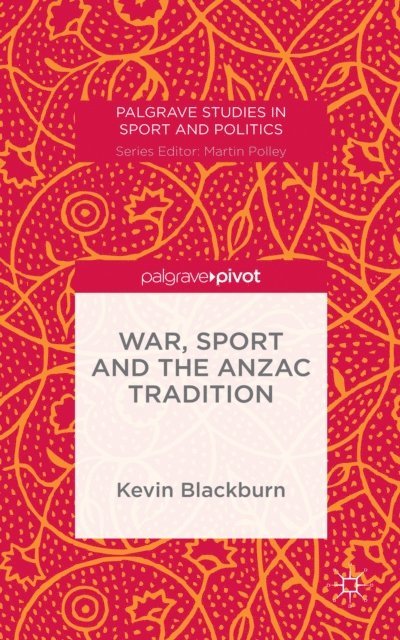
War, Sport and the Anzac Tradition
Inbunden, 2015
569 kr
Lägg i varukorg
Commemoration of war is done through sport on Anzac Day to remember Australia's war dead. War, Sport and the Anzac Tradition traces the creation of this sporting tradition at Gallipoli in 1915, and how it has evolved from late Victorian and Edwardian ideas of masculinity extolling prowess on the …
War, Sport and the Anzac Tradition
E-bok, 2016
785 kr
Lägg i varukorg
Commemoration of war is done through sport on Anzac Day to remember Australia''s war dead. War, Sport and the Anzac Tradition traces the creation of this sporting tradition at Gallipoli in 1915, and how it has evolved from late Victorian and Edwardian ideas of masculinity extolling prowess on the …
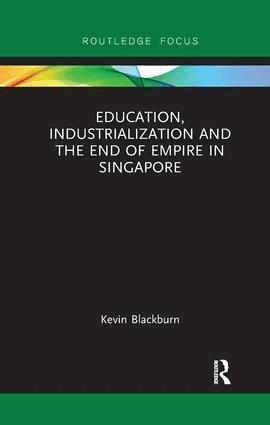
Education, Industrialization and the End of Empire in Singapore
Häftad, 2018
318 kr
Lägg i varukorg
Singapore under the ruling People’s Action Party government has been categorized as a developmental state which has utilized education as an instrument of its economic policies and nation-building agenda. However, contrary to accepted assumptions, the use of education by the state to promote …
Decolonizing the History Curriculum in Malaysia and Singapore
Av Kevin Blackburn, ZongLun Wu
Inbunden, 2019
2586 kr
Lägg i varukorg
Decolonizing the History Curriculum in Malaysia and Singapore is a unique study in the history of education because it examines decolonization in terms of how it changed the subject of history in the school curriculum of two colonized countries – Malaysia and Singapore. Blackburn and Wu’s book …
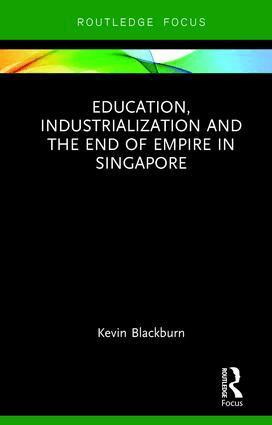
Education, Industrialization and the End of Empire in Singapore
Inbunden, 2016
969 kr
Lägg i varukorg
Singapore under the ruling People’s Action Party government has been categorized as a developmental state which has utilized education as an instrument of its economic policies and nation-building agenda. However, contrary to accepted assumptions, the use of education by the state to promote …
Education, Industrialization and the End of Empire in Singapore
E-bok, 2016
359 kr
Lägg i varukorg
Singapore under the ruling People’s Action Party government has been categorized as a developmental state which has utilized education as an instrument of its economic policies and nation-building agenda. However, contrary to accepted assumptions, the use of education by the state to promote …
Education, Industrialization and the End of Empire in Singapore
E-bok, 2016
370 kr
Lägg i varukorg
Singapore under the ruling People’s Action Party government has been categorized as a developmental state which has utilized education as an instrument of its economic policies and nation-building agenda. However, contrary to accepted assumptions, the use of education by the state to promote …
Comfort Women of Singapore in History and Memory
Häftad, 2022
354 kr
Lägg i varukorg
A balanced, sensitive study of the history of comfort women in Singapore during World War II.“Comfort women” or ianfu is the euphemism used by the Japanese military for the women they compelled to do sex work in the Second World War, and has become the term generally used in English to discuss the …
Comfort Women of Singapore in History and Memory
E-bok, 2023
736 kr
Lägg i varukorg
A balanced, sensitive study of the history of comfort women in Singapore during World War II. “Comfort women” or ianfu is the euphemism used by the Japanese military for the women they compelled to do sex work in the Second World War, and has become the term generally used in English to discuss the …
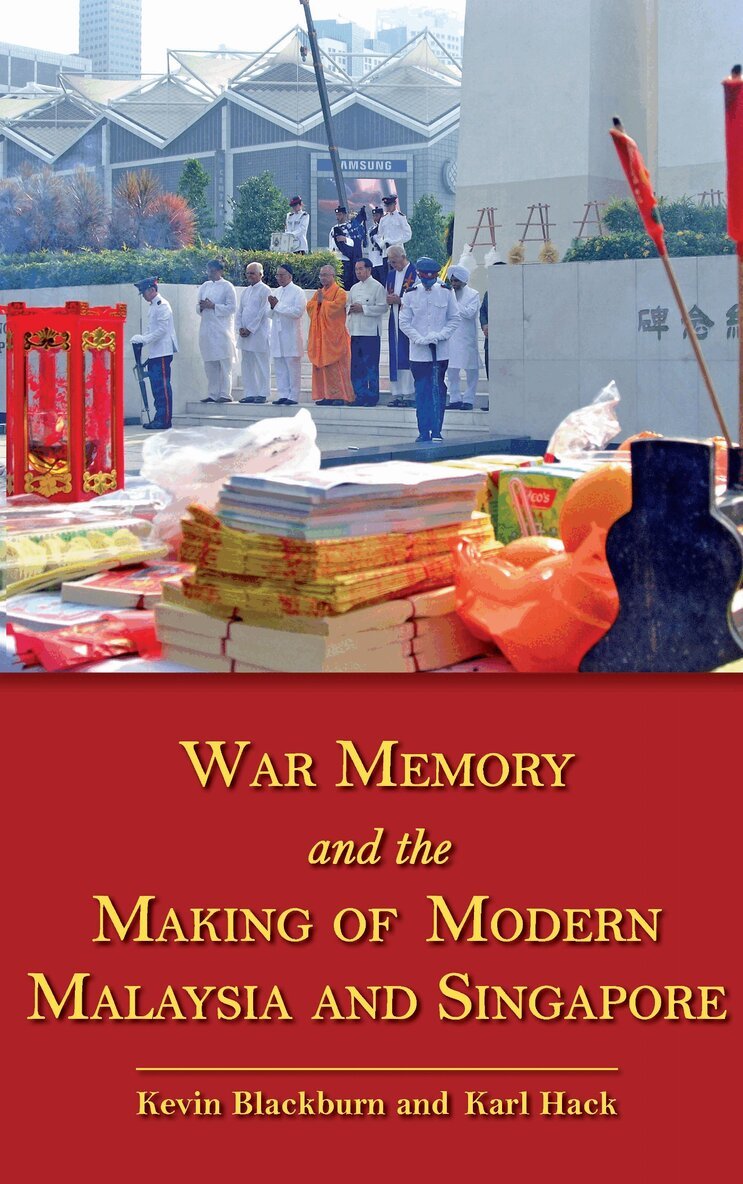
War Memory and the Making of Modern Malaysia and Singapore
Häftad, 2012
375 kr
Lägg i varukorg
Singapore fell to Japanese forces on 15 February 1942. Within a matter of days, the occupying army took prisoner more than 100,000 British, Australian and Indian soldiers, and massacred thousands of Chinese civilians. A resistance movement formed in Malaya's jungle-covered mountains, but the vast …