Karl Hack – författare
Visar alla böcker från författaren Karl Hack. Handla med fri frakt och snabb leverans.
21 produkter
Forgotten Captives in Japanese-Occupied Asia
Häftad, 2011
772 kr
Lägg i varukorg
Experiences of captivity in Japanese-occupied Asia varied enormously. Some prisoners of war (POWs) were sent to work in Japan, others to toil on the ‘Death Railway’ between Burma and Thailand. Some camps had death rates below 1 per cent, others of over 20 per cent. While POWs were deployed far and …
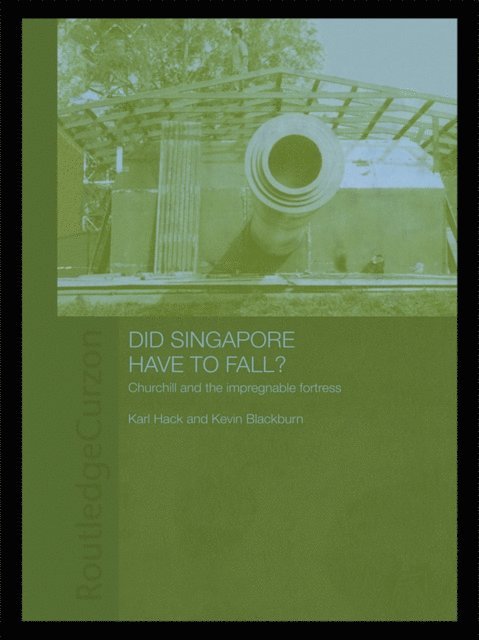
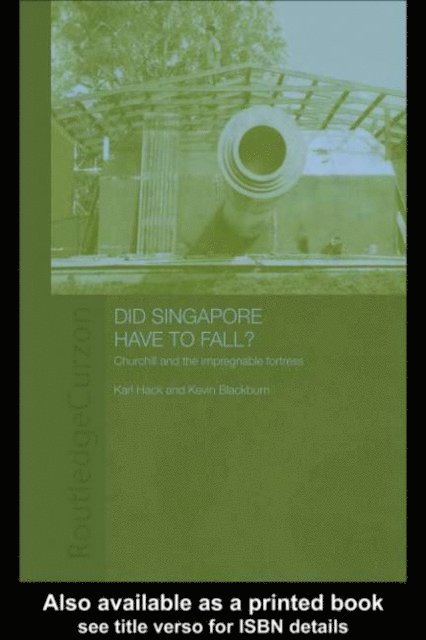
Did Singapore Have to Fall?
Churchill and the Impregnable Fortress
Inbunden, 2003
2826 kr
Lägg i varukorg
This book provides a sophisticated summary of up-to-date knowledge on the Fall of Singapore, including the critical tensions between Churchill and local commanders. A focus on the role of Churchill, and on his understanding of the guns and Singapore's fortifications, makes the Fortress central to …
Colonial Armies in Southeast Asia
Inbunden, 2005
2586 kr
Lägg i varukorg
Colonial armies were the focal points for some of the most dramatic tensions inherent in Chinese, Japanese and Western clashes with Southeast Asia. The international team of scholars take the reader on a compelling exploration from Ming China to the present day, examining their conquests, …
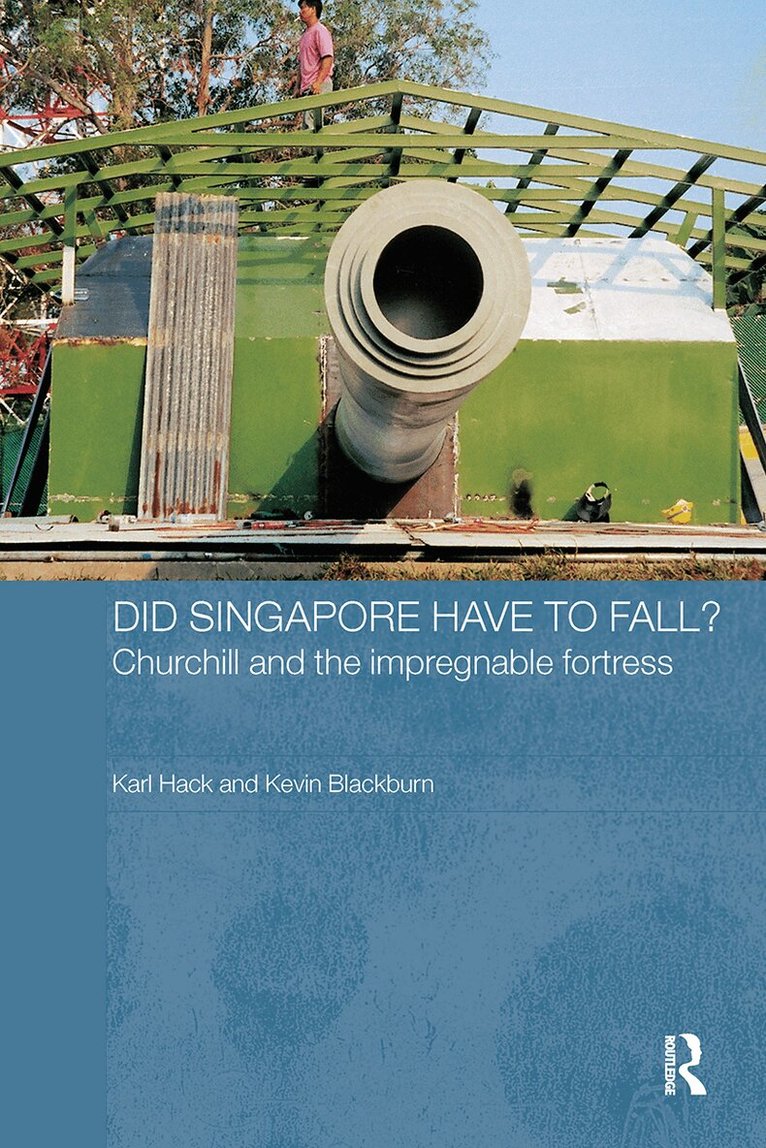
Did Singapore Have to Fall?
Churchill and the Impregnable Fortress
Häftad, 2005
772 kr
Lägg i varukorg
This book provides a sophisticated summary of up-to-date knowledge on the Fall of Singapore, including the critical tensions between Churchill and local commanders. A focus on the role of Churchill, and on his understanding of the guns and Singapore's fortifications, makes the Fortress central to …
Forgotten Captives in Japanese-Occupied Asia
Inbunden, 2007
2826 kr
Lägg i varukorg
Experiences of captivity in Japanese-occupied Asia varied enormously. Some prisoners of war (POWs) were sent to work in Japan, others to toil on the ‘Death Railway’ between Burma and Thailand. Some camps had death rates below 1 per cent, others of over 20 per cent. While POWs were deployed far and …
Colonial Armies in Southeast Asia
Häftad, 2011
937 kr
Lägg i varukorg
Colonial armies were the focal points for some of the most dramatic tensions inherent in Chinese, Japanese and Western clashes with Southeast Asia. The international team of scholars take the reader on a compelling exploration from Ming China to the present day, examining their conquests, …
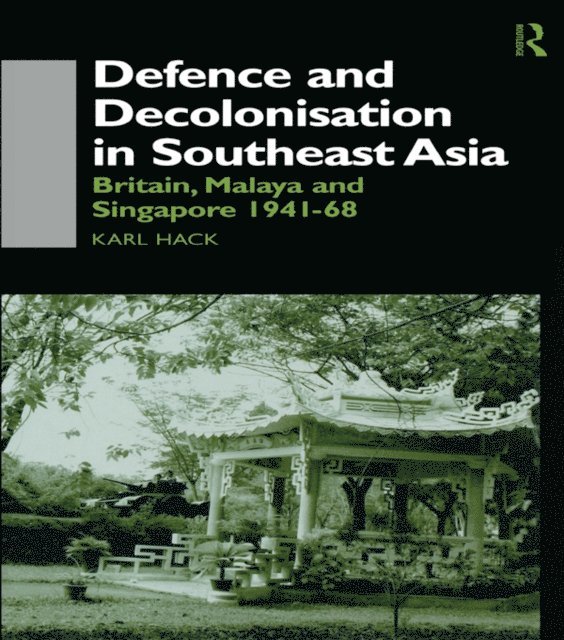
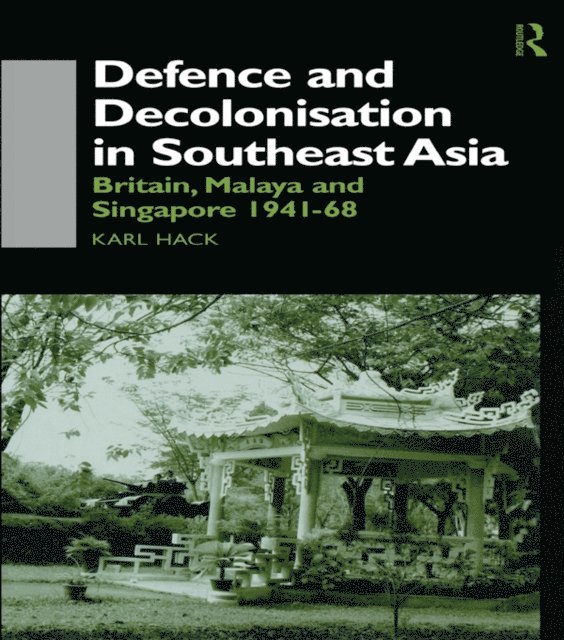
Defence and Decolonisation in South-East Asia
Britain, Malaya and Singapore 1941-1967
Av Karl Hack
Inbunden, 2000
2586 kr
Lägg i varukorg
This book explains why British defence policy and practice emerged as it did in the period 1941-67, by looking at the overlapping of colonial, military, economic and Cold War factors in the area. Its main focus is on the 1950s and the decolonisation era, but it argues that the plans and conditions …
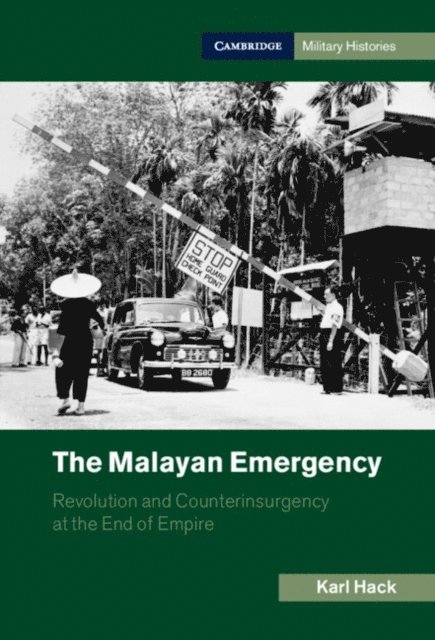
Malayan Emergency
Revolution and Counterinsurgency at the End of Empire
Av Karl Hack
E-bok, 2021
504 kr
Lägg i varukorg
The Malayan Emergency of 1948–1960 has been scrutinised for ''lessons'' about how to win counterinsurgencies from the Vietnam War to twenty-first century Afghanistan. This book brings our understanding of the conflict up to date by interweaving government and insurgent accounts and looking at how …
Malayan Emergency
Revolution and Counterinsurgency at the End of Empire
Av Karl Hack
E-bok, 2021
488 kr
Lägg i varukorg
The Malayan Emergency of 1948–1960 has been scrutinised for ''lessons'' about how to win counterinsurgencies from the Vietnam War to twenty-first century Afghanistan. This book brings our understanding of the conflict up to date by interweaving government and insurgent accounts and looking at how …
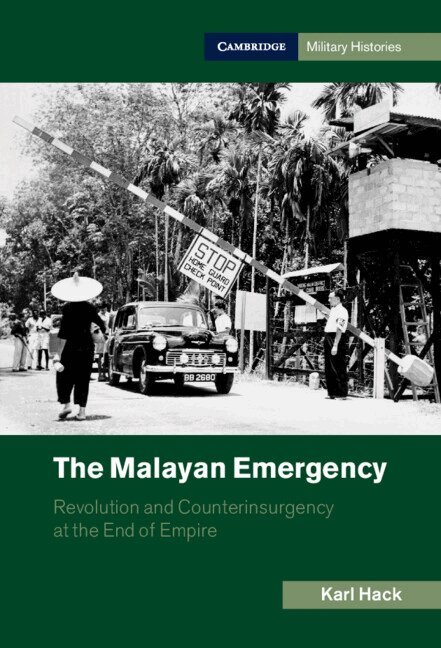
The Malayan Emergency
Revolution and Counterinsurgency at the End of Empire
Av Karl Hack
Inbunden, 2021
1509 kr
Lägg i varukorg
The Malayan Emergency of 1948-1960 has been scrutinised for 'lessons' about how to win counterinsurgencies from the Vietnam War to twenty-first century Afghanistan. This book brings our understanding of the conflict up to date by interweaving government and insurgent accounts and looking at how …
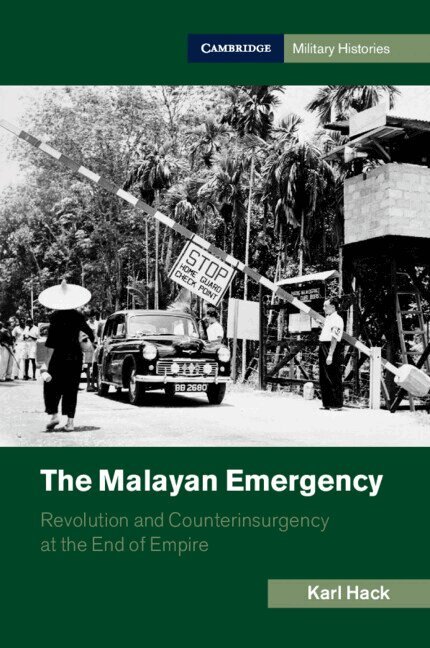
The Malayan Emergency
Revolution and Counterinsurgency at the End of Empire
Av Karl Hack
Häftad, 2021
519 kr
Lägg i varukorg
The Malayan Emergency of 1948-1960 has been scrutinised for 'lessons' about how to win counterinsurgencies from the Vietnam War to twenty-first century Afghanistan. This book brings our understanding of the conflict up to date by interweaving government and insurgent accounts and looking at how …
Forgotten Captives in Japanese-Occupied Asia
E-bok, 2007
910 kr
Lägg i varukorg
Experiences of captivity in Japanese-occupied Asia varied enormously. Some prisoners of war (POWs) were sent to work in Japan, others to toil on the ‘Death Railway’ between Burma and Thailand. Some camps had death rates below 1 per cent, others of over 20 per cent. While POWs were deployed far and …
Forgotten Captives in Japanese-Occupied Asia
E-bok, 2007
910 kr
Lägg i varukorg
Experiences of captivity in Japanese-occupied Asia varied enormously. Some prisoners of war (POWs) were sent to work in Japan, others to toil on the ‘Death Railway’ between Burma and Thailand. Some camps had death rates below 1 per cent, others of over 20 per cent. While POWs were deployed far and …
Colonial Armies in Southeast Asia
E-bok, 2005
1106 kr
Lägg i varukorg
Colonial armies were the focal points for some of the most dramatic tensions inherent in Chinese, Japanese and Western clashes with Southeast Asia. The international team of scholars take the reader on a compelling exploration from Ming China to the present day, examining their conquests, …
Colonial Armies in Southeast Asia
E-bok, 2005
1106 kr
Lägg i varukorg
Colonial armies were the focal points for some of the most dramatic tensions inherent in Chinese, Japanese and Western clashes with Southeast Asia. The international team of scholars take the reader on a compelling exploration from Ming China to the present day, examining their conquests, …
Did Singapore Have to Fall?
Churchill and the Impregnable Fortress
E-bok, 2003
803 kr
Lägg i varukorg
This book provides a sophisticated summary of up-to-date knowledge on the Fall of Singapore, including the critical tensions between Churchill and local commanders. A focus on the role of Churchill, and on his understanding of the guns and Singapore''s fortifications, makes the Fortress central to …
Did Singapore Have to Fall?
Churchill and the Impregnable Fortress
E-bok, 2003
803 kr
Lägg i varukorg
This book provides a sophisticated summary of up-to-date knowledge on the Fall of Singapore, including the critical tensions between Churchill and local commanders. A focus on the role of Churchill, and on his understanding of the guns and Singapore''s fortifications, makes the Fortress central to …
Defence and Decolonisation in South-East Asia
Britain, Malaya and Singapore 1941-1967
Av Karl Hack
E-bok, 2013
1012 kr
Lägg i varukorg
This book explains why British defence policy and practice emerged as it did in the period 1941-67, by looking at the overlapping of colonial, military, economic and Cold War factors in the area. Its main focus is on the 1950s and the decolonisation era, but it argues that the plans and conditions …
Defence and Decolonisation in South-East Asia
Britain, Malaya and Singapore 1941-1967
Av Karl Hack
E-bok, 2013
1034 kr
Lägg i varukorg
This book explains why British defence policy and practice emerged as it did in the period 1941-67, by looking at the overlapping of colonial, military, economic and Cold War factors in the area. Its main focus is on the 1950s and the decolonisation era, but it argues that the plans and conditions …
Defence and Decolonisation in South-East Asia
Britain, Malaya and Singapore 1941-1967
Av Karl Hack
Häftad, 2015
877 kr
Lägg i varukorg
This book explains why British defence policy and practice emerged as it did in the period 1941-67, by looking at the overlapping of colonial, military, economic and Cold War factors in the area. Its main focus is on the 1950s and the decolonisation era, but it argues that the plans and conditions …
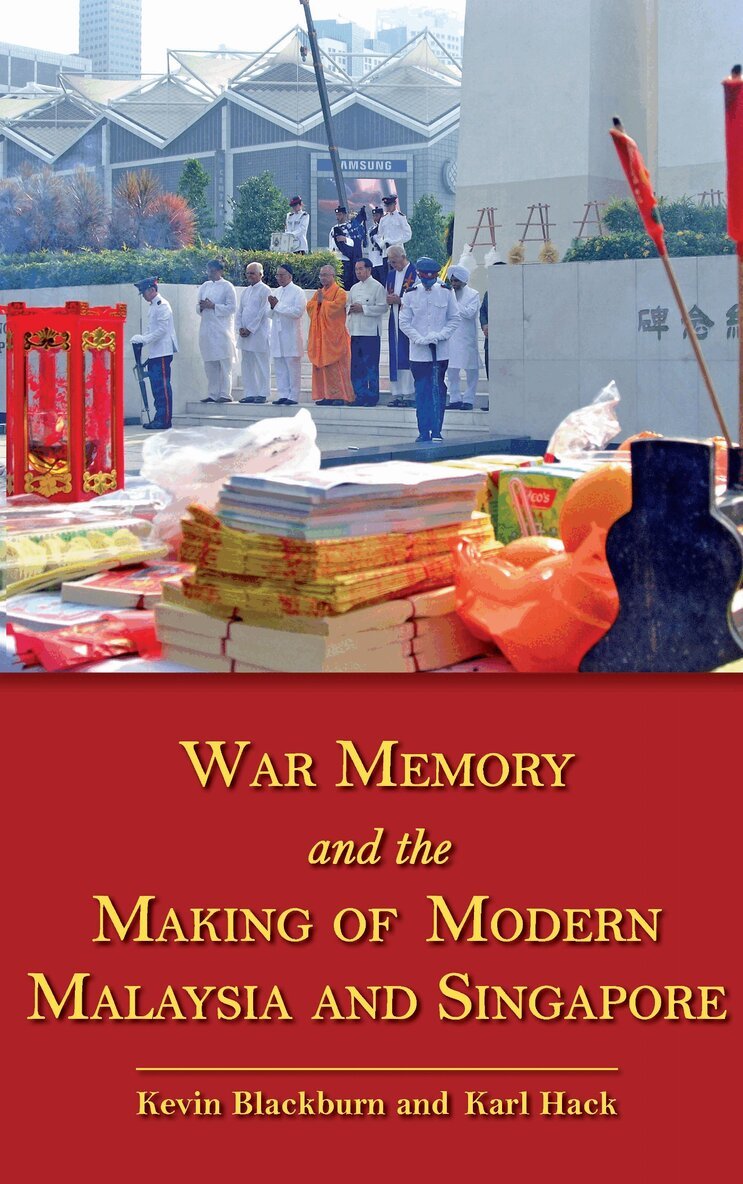
War Memory and the Making of Modern Malaysia and Singapore
Häftad, 2012
375 kr
Lägg i varukorg
Singapore fell to Japanese forces on 15 February 1942. Within a matter of days, the occupying army took prisoner more than 100,000 British, Australian and Indian soldiers, and massacred thousands of Chinese civilians. A resistance movement formed in Malaya's jungle-covered mountains, but the vast …