Yoko Yamasaki – författare
Visar alla böcker från författaren Yoko Yamasaki. Handla med fri frakt och snabb leverans.
8 produkter
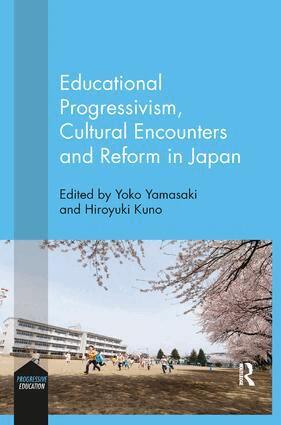
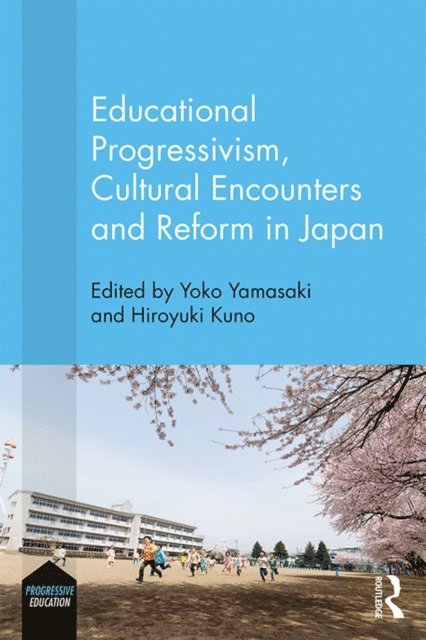
Educational Progressivism, Cultural Encounters and Reform in Japan
Av Yoko Yamasaki, Hiroyuki Kuno
Häftad, 2018
715 kr
Lägg i varukorg
Educational Progressivism, Cultural Encounters and Reform in Japan provides a critical analysis of educational initiatives, progressive ideas and developments in curriculum and pedagogy in Japan, from 1900 to the present day. Drawing on evidence of both cultural encounters and internal drivers for …
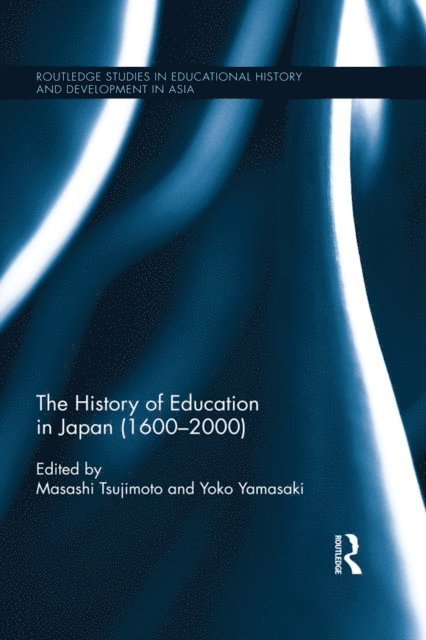
History of Education in Japan (1600 – 2000)
Av Masashi Tsujimoto, Yoko Yamasaki
Inbunden, 2017
2594 kr
Lägg i varukorg
As one of the most rapid and earliest nations to achieve "Western modernisation", much of Japan’s success stems from its fruitful literacy history during the Tokugawa shogunate as well as later influences from Western educational ideals and consequent economic and democratic conflicts in Japan. …
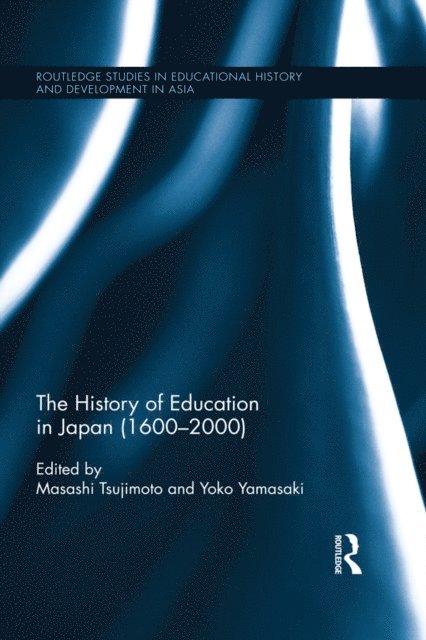
History of Education in Japan (1600 – 2000)
Av Masashi Tsujimoto, Yoko Yamasaki
Häftad, 2018
716 kr
Lägg i varukorg
As one of the most rapid and earliest nations to achieve "Western modernisation", much of Japan’s success stems from its fruitful literacy history during the Tokugawa shogunate as well as later influences from Western educational ideals and consequent economic and democratic conflicts in Japan. …
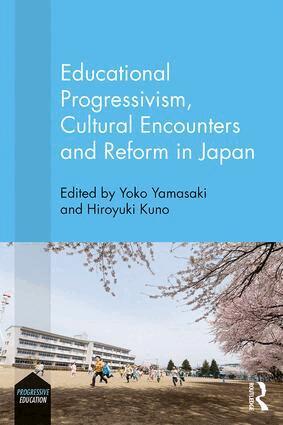
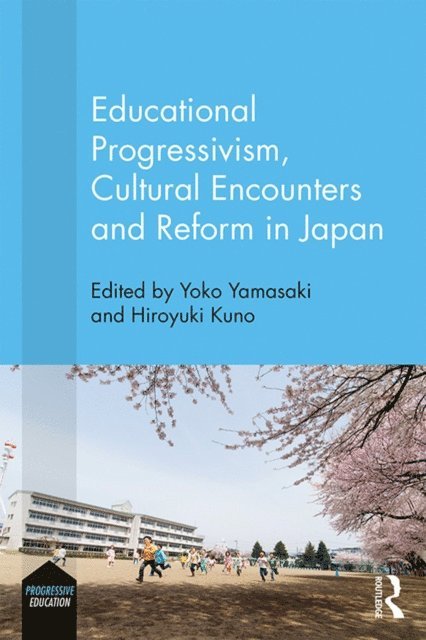
Educational Progressivism, Cultural Encounters and Reform in Japan
Av Yoko Yamasaki, Hiroyuki Kuno
Inbunden, 2017
2448 kr
Lägg i varukorg
Educational Progressivism, Cultural Encounters and Reform in Japan provides a critical analysis of educational initiatives, progressive ideas and developments in curriculum and pedagogy in Japan, from 1900 to the present day. Drawing on evidence of both cultural encounters and internal drivers for …
History of Education in Japan (1600 - 2000)
Av Yoko Yamasaki, Masashi Tsujimoto
E-bok, 2017
892 kr
Lägg i varukorg
As one of the most rapid and earliest nations to achieve "Western modernisation", much of Japan’s success stems from its fruitful literacy history during the Tokugawa shogunate as well as later influences from Western educational ideals and consequent economic and democratic conflicts in Japan. …
History of Education in Japan (1600 - 2000)
Av Yoko Yamasaki, Masashi Tsujimoto
E-bok, 2017
892 kr
Lägg i varukorg
As one of the most rapid and earliest nations to achieve "Western modernisation", much of Japan’s success stems from its fruitful literacy history during the Tokugawa shogunate as well as later influences from Western educational ideals and consequent economic and democratic conflicts in Japan. …
Educational Progressivism, Cultural Encounters and Reform in Japan
Av Hiroyuki Kuno, Yoko Yamasaki
E-bok, 2017
817 kr
Lägg i varukorg
Educational Progressivism, Cultural Encounters and Reform in Japan provides a critical analysis of educational initiatives, progressive ideas and developments in curriculum and pedagogy in Japan, from 1900 to the present day. Drawing on evidence of both cultural encounters and internal drivers for …
Educational Progressivism, Cultural Encounters and Reform in Japan
Av Hiroyuki Kuno, Yoko Yamasaki
E-bok, 2017
842 kr
Lägg i varukorg
Educational Progressivism, Cultural Encounters and Reform in Japan provides a critical analysis of educational initiatives, progressive ideas and developments in curriculum and pedagogy in Japan, from 1900 to the present day. Drawing on evidence of both cultural encounters and internal drivers for …