Science Fiction Television - Böcker
Visar alla böcker i serien Science Fiction Television. Handla med fri frakt och snabb leverans.
10 produkter
10 produkter
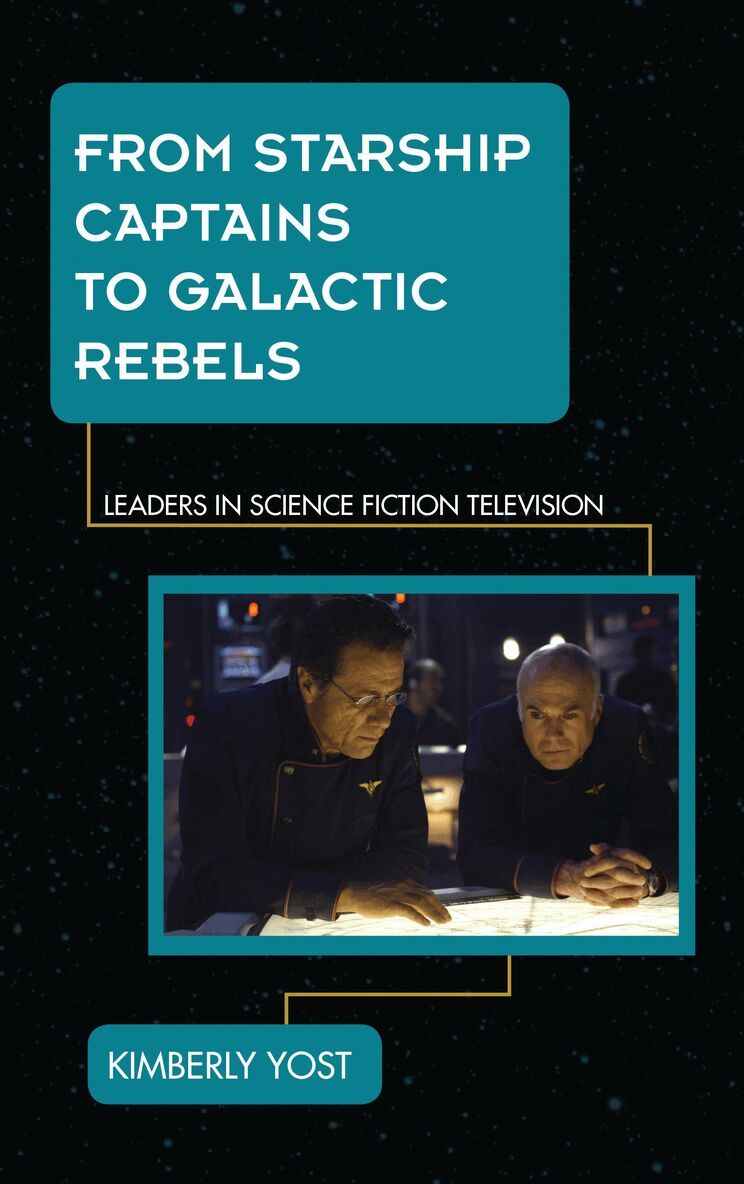
From Starship Captains to Galactic Rebels
Leaders in Science Fiction Television
Inbunden, Engelska, 2013
1 355 kr
Skickas inom 10-15 vardagar
Real-world leaders hold the fates of companies, armies, and nations in their hands, but the leaders portrayed in science fiction play for larger stakes. Their decisions determine the survival of species, planets, or reality itself. They tend, therefore, to be larger-than-life characters like Doc Savage, Obi-Wan Kenobi, and Captain James T. Kirk.In From Starship Captains to Galactic Rebels, Kimberley Yost brings the principles of leadership studies to bear on characters from a quarter-century of classic science fiction television series, examining how their adventures can illuminate the challenges of real-world leadership. These in-depth case studies cover a full range of science-fictional leaders—from conventional heroes such as Jonathan Archer of Star Trek: Enterprise to William Adama and Laura Roslin, the dark, conflicted protagonists of Battlestar Galactica. Charismatic rebels like Malcolm Reynolds of Firefly and the ragtag fugitives of Farscape stand alongside pillars of the establishment like John Sheridan of Babylon 5. In her analysis, Yost considers emerging, flawed, and failed leaders as well as successful ones; women as well as men; and aliens as well as humans.An insightful examination of how leadership is represented on the small screen, From Starship Captains to Galactic Rebels will appeal not only to fans of televised science fiction but also to those grappling with the problems of leadership, regardless of their species.
1 355 kr
Skickas inom 10-15 vardagar
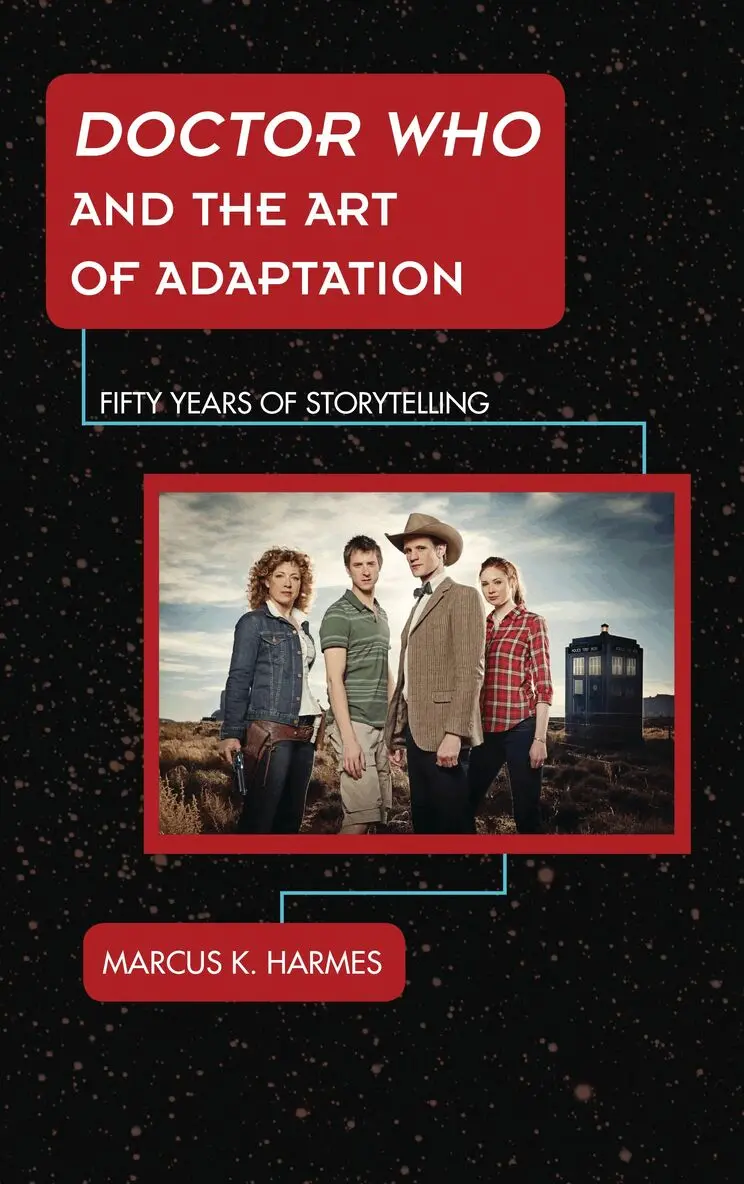
Although it started as a British television show with a small but devoted fan base, Doctor Who has grown in popularity and now appeals to audiences around the world. In the fifty-year history of the program, Doctor Who’s producers and scriptwriters have drawn on a dizzying array of literary sources and inspirations. Elements from Homer, classic literature, gothic horror, swashbucklers, Jacobean revenge tragedies, Orwellian dystopias, Westerns, and the novels of Agatha Christie and Evelyn Waugh have all been woven into the fabric of the series. One famous storyline from the mid-1970s was rooted in the Victoriana of authors like H. Rider Haggard and Arthur Conan Doyle, and another was a virtual remake of Anthony Hope’s The Prisoner of Zenda—with robots!In Doctor Who and the Art of Adaptation: Fifty Years of Storytelling, Marcus Harmes looks at the show’s frequent exploration of other sources to create memorable episodes. Harmes observes that adaptation in Doctor Who is not just a matter of transferring literary works to the screen, but of bringing a diversity of texts into dialogue with the established mythology of the series as well as with longstanding science fiction tropes. In this process, original stories are not just resituated, but transformed into new works. Harmes considers what this approach reveals about adaptation, television production, the art of storytelling, and the long-term success and cultural resonance enjoyed by Doctor Who.Doctor Who and the Art of Adaptation will be of interest to students of literature and television alike, and to scholars interested in adaptation studies. It will also appeal to fans of the series interested in tracing the deep cultural roots of television’s longest-running and most literate science-fiction adventure.
1 276 kr
Skickas inom 10-15 vardagar
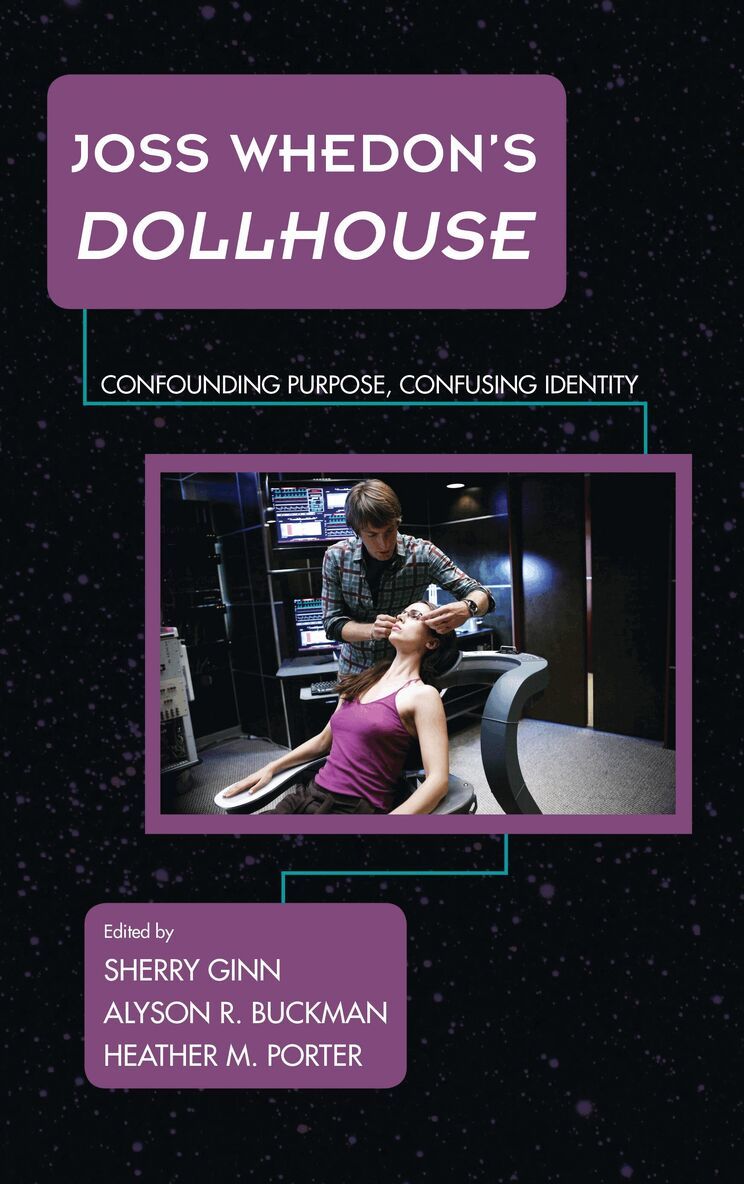
Although it lasted barely more than a season, Dollhouse continues to intrigue viewers as one of Joss Whedon’s most provocative forays into television. The program centered on men and women who have their memories and personalities repeatedly wiped and replaced with new ones by a shadowy corporation dedicated to “fulfilling the whims of the rich.” This chilling scenario was used to tell stories about big issues—power and resistance, freedom and servitude, class and gender—while always returning to its central themes of identity and individuality.In Joss Whedon’s Dollhouse: Confounding Purpose, Confusing Identity, Sherry Ginn, Alyson R. Buckman, and Heather M. Porter bring together fourteen diverse essays that showcase the series’ complex vision of the future. Contributors probe deeply into the fictional universe of the show by considering the motives of the wealthy clients and asking what love means when personalities are continually remade. Other essays consider the show’s relations to politics, philosophy, and psychology and its representations of race and gender. Several essays explore the show’s complex relationship to transhumanism: considering the dark potential for dehumanization and abuse that lurks beneath the promise of turning bodies into temporary vessels for immortal, downloadable personalities.Though a short-lived series, Dollhouse has been hailed as one of television’s most thoughtful explorations of classic science fiction themes. As the first serious treatment of this landmark show, this collection will interest science-fiction scholars and Whedon fans alike.
1 544 kr
Skickas inom 10-15 vardagar
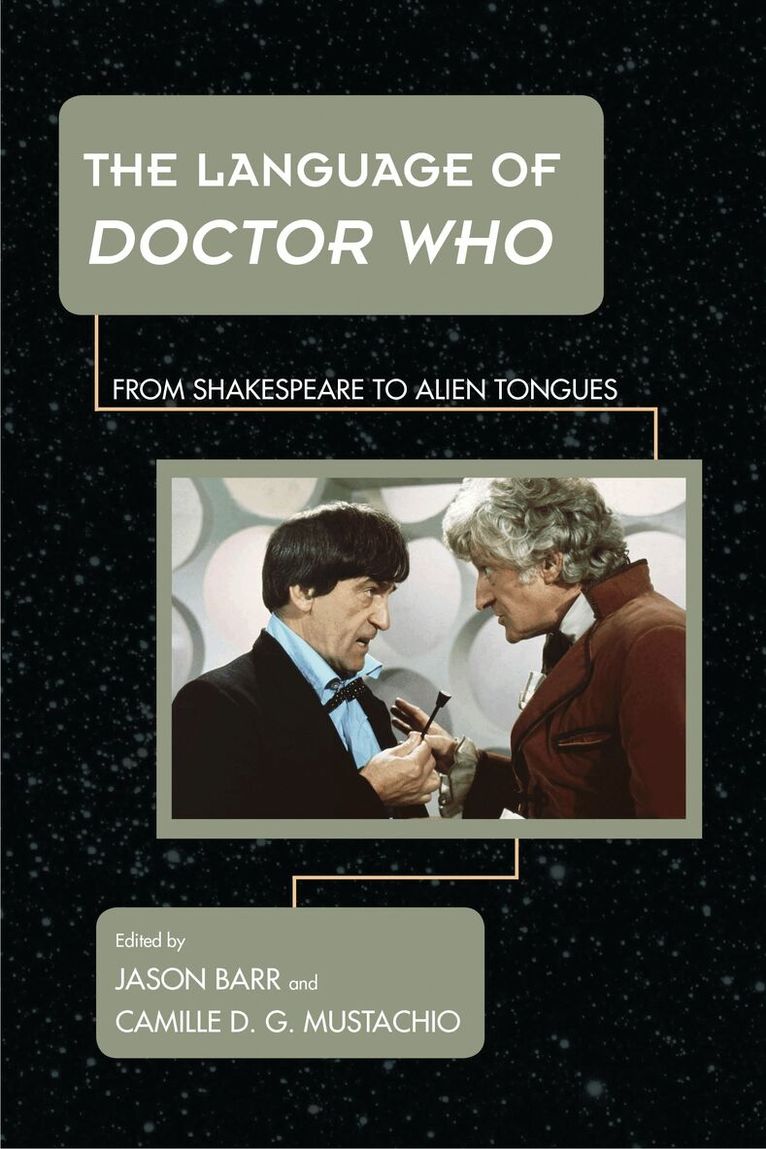
In a richly developed fictional universe, Doctor Who, a wandering survivor of a once-powerful alien civilization, possesses powers beyond human comprehension. He can bend the fabric of time and space with his TARDIS, alter the destiny of worlds, and drive entire species into extinction. The good doctor’s eleven “regenerations” and fifty years’ worth of adventures make him the longest-lived hero in science-fiction television.In The Language of Doctor Who: From Shakespeare to Alien Tongues, Jason Barr and Camille D. G. Mustachio present several essays that use language as an entry point into the character and his universe. Ranging from the original to the rebooted television series—through the adventures of the first eleven Doctors—these essays explore how written and spoken language have been used to define the Doctor’s ever-changing identities, shape his relationships with his many companions, and give him power over his enemies—even the implacable Daleks. Individual essays focus on fairy tales, myths, medical-travel narratives, nursery rhymes, and, of course, Shakespeare. Contributors consider how the Doctor’s companions speak with him through graffiti, how the Doctor himself uses postmodern linguistics to communicate with alien species, and how language both unites and divides fans of classic Who and new Who as they try to converse with each other.Broad in scope, innovative in approach, and informed by a deep affection for the program, TheLanguage of Doctor Whowill appeal to scholars of science fiction, television, and language, as well as to fans looking for a new perspective on their favorite Time Lord.
1 284 kr
Skickas inom 10-15 vardagar
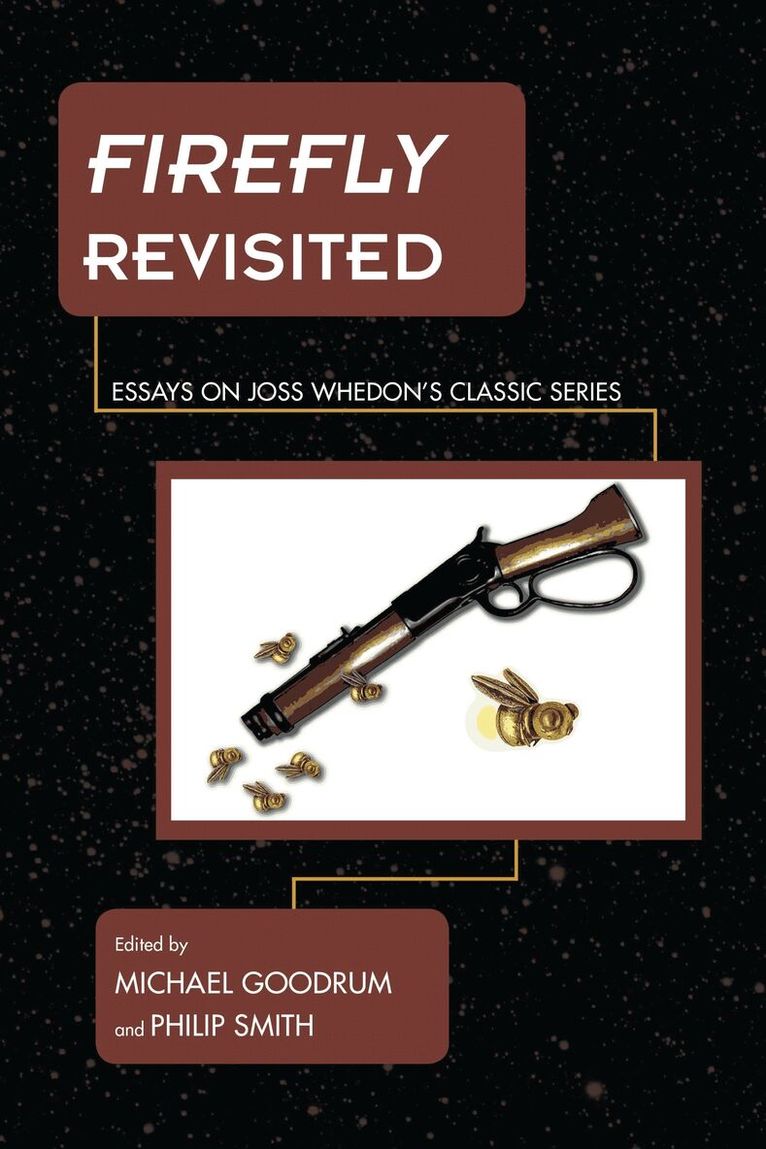
According to Joss Whedon, the creator of the short-lived series Firefly (2002), the cult show is about “nine people looking into the blackness of space and seeing nine different things.” The chronicles of crewmembers on a scruffy space freighter, Firefly ran for only four months before its abrupt cancellation. In that brief time, however, it established a reputation as one of the best science-fiction programs of the new millennium: sharply written, superbly cast, and set on an exotic multicultural frontier unlike anything ever seen on the small screen. The show’s large, enthusiastic fan following supported a series of comics and a theatrical film, Serenity (2005), that extended the story, deepened the characters, and revealed new wonders and dangers on the deep-space frontier.In Firefly Revisited: Essays on Joss Whedon’s Classic Series, Michael Goodrum and Philip Smith present a collection that reflects on the program, the characters, and the post-cancellation film and comics that grew out of the show. The contributors to this volume offer fresh perspectives on familiar characters and blaze new trails into unexplored areas of the Firefly universe. Individual essays explore the series’ place in the history of the space-Western subgenre, the political economy of the Alliance, and the uses of music and language in the series to immerse audiences in a multicultural future.These essays look at how the show offered viewers high adventure as well as engaged with a range of themes that still resonate today. As such, Firefly Revisited will intrigue the show’s many fans, as well as Whedon scholars and anyone interested in the twenty-first-century renaissance of science-fiction television.
1 284 kr
Skickas inom 10-15 vardagar
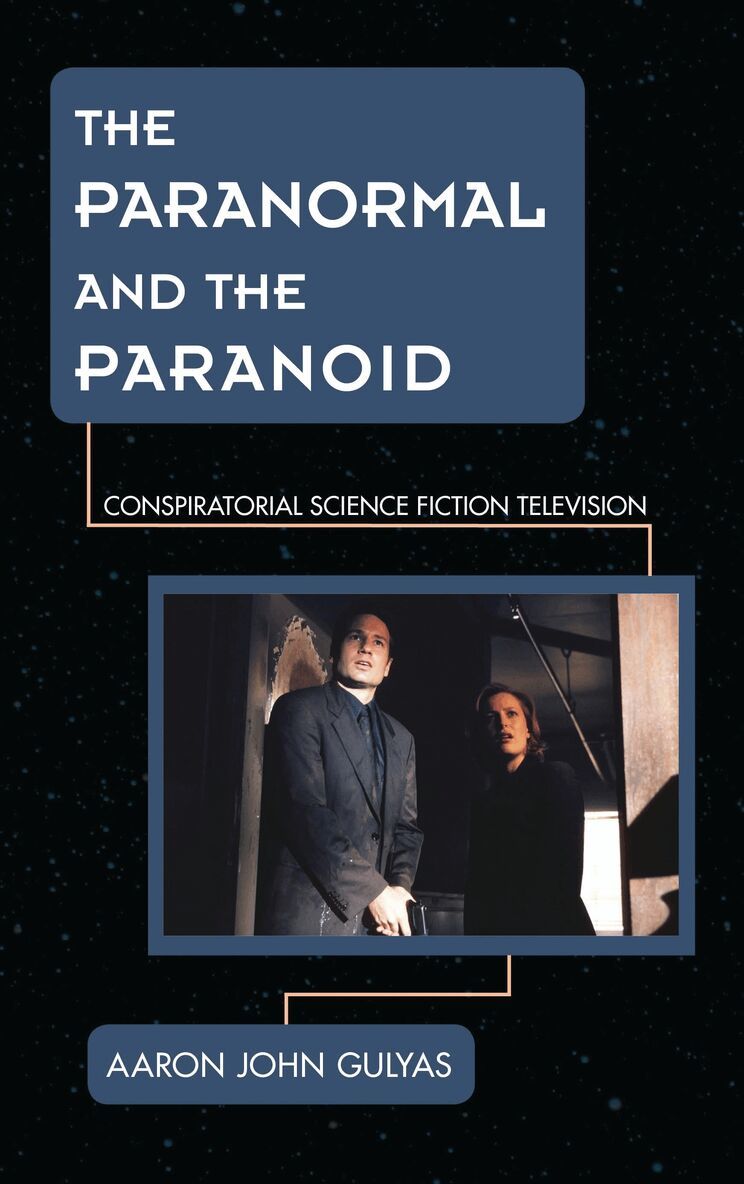
Toward the end of the twentieth century, science fiction television took a dark turn. Series like The X-Files, Millennium, and Dark Skies wove menacing technologies, paranormal forces, and shadowy government agencies into complex tales of corruption and cover-ups. Mind control, alien abductions, secret government laboratories, and implacable “men in black” moved from the fringes to the mainstream of American culture, making weekly appearances in living rooms everywhere. Other series that played on fears of new technologies—such as virtual reality—set the stage for unfamiliar kinds of exploitation, while Dark Angel offered glimpses of a near-future wasteland devastated by a technological catastrophe.In The Paranormal and the Paranoid: Conspiratorial Science Fiction Television, Aaron John Gulyas explores the themes that permeated and defined science fiction television at the turn of the millennium. The author traces the roots of this phenomenon in an earlier generation of series including The Invaders, Kolchak: The Night Stalker,and Project U.F.O. and examines how changes in the cultural landscape led to the proliferation of these types of shows. This book delves into the internal mythology of shows like The X-Files, resurrects now-forgotten series like Wild Palms and VR.5, and provides an important glimpse into American culture at the close of the twentieth century. While exploring the pervasive grimness of these shows, Gulyas also examines how they offer hope in the form of heroes—like agents Scully and Mulder—who relentlessly dug through the tissue of lies and distortions to find and expose the truth. The Paranormal and the Paranoid will appeal to scholars of media studies, sociology, and science fiction—not to mention fans of these programs and even conspiracy theorists.
1 391 kr
Skickas inom 10-15 vardagar
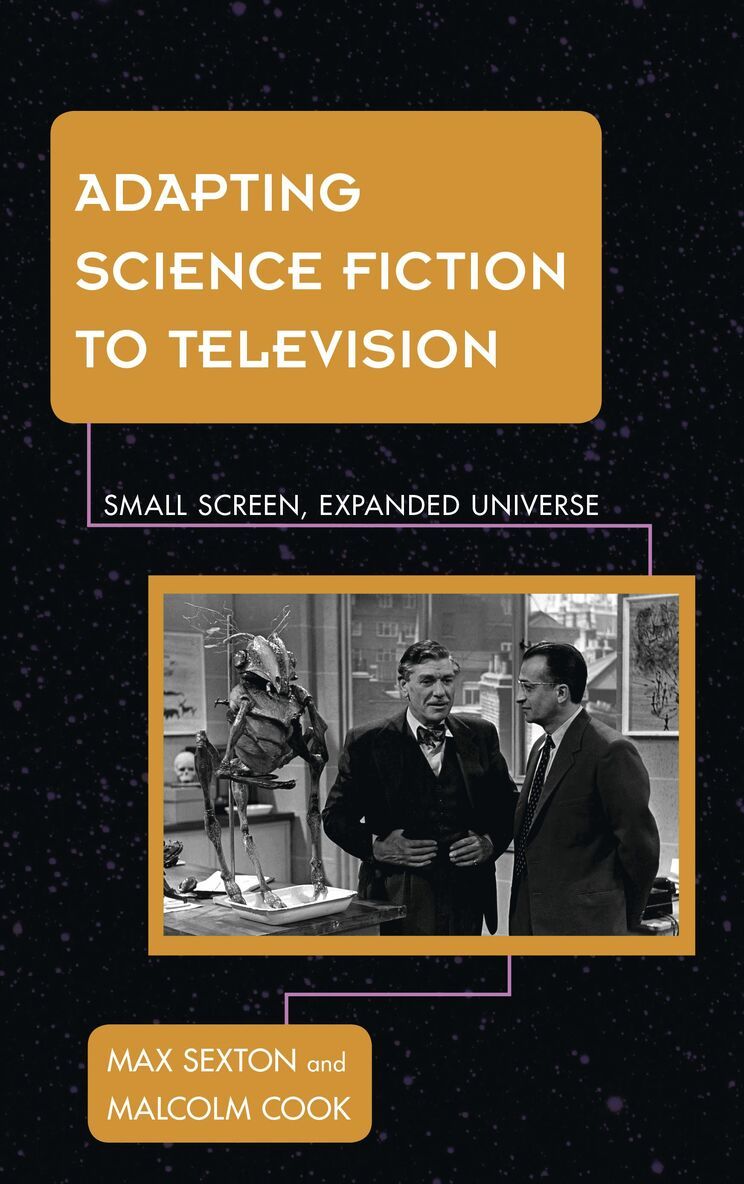
Before it reached television, science fiction existed on the printed page, in comic books, and on movie screens for decades. Adapting science fiction to the new medium posed substantial challenges: Small viewing screens and limited production facilities made it difficult to achieve the sense of wonder that had become the genre's hallmark. Yet, television also offered unprecedented opportunities. Its serial nature allowed for longer, more complex stories, as well as developing characters and building suspense over time. Producers of science fiction television programming learned to create adaptations that honored the source material—literature, comics, or film—while taking full advantage of television's unique aesthetic.In Adapting Science Fiction to Television: Small Screen, Expanded Universe, Max Sexton and Malcolm Cook examine how the genre evolved over time. The authors consider productions in both the UK and the United States, ranging from Walt Disney's acclaimed "Man in Space"in the 1950s to the BBC's reimagined Day of the Triffids in the 1990s. Iconic characters from Flash Gordon and Captain Nemo to Superman and Professor Quatermass all play a role in this history, along with such authors as E. M. Forster and Wernher von Braun. The real stars of this study, however, are the pioneering producers and directors who learned how to bring imagined worlds and fantastic stories into living rooms across the globe. The authors make the case that television has become more sophisticated, capable of taking on larger themes and deploying a more complex use of the image than other media. A unique reappraisal of the history and dynamics of the medium, Adapting Science Fiction Television will be of interest not only to scholars of science fiction, but to anyone interested in the early history of television, as well as the evolution of its unique capacity to tell stories.
1 284 kr
Skickas inom 10-15 vardagar
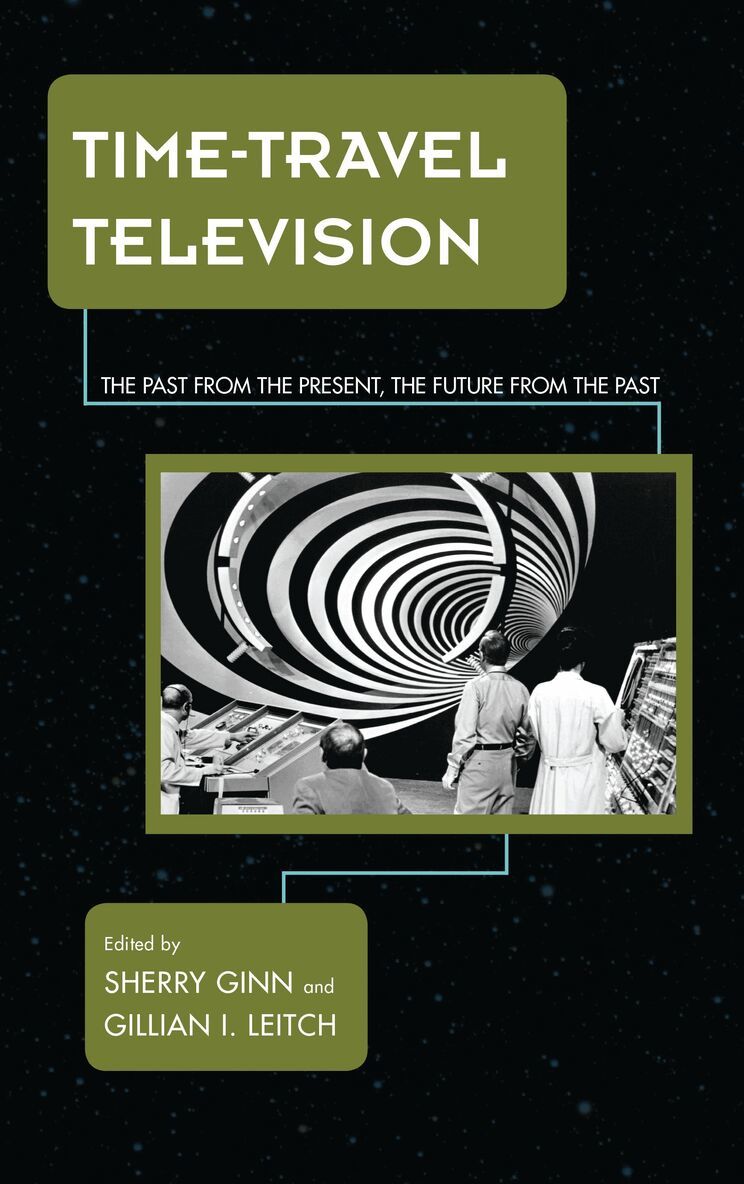
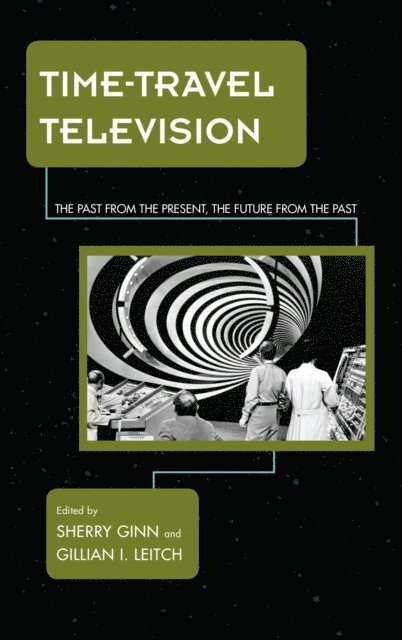
Stories of time travel have been part of science fiction since H. G. Wells sent his nameless hero hurtling into Earth’s distant future in The Time Machine. Time travel enables the storyteller to depict alternate realities, bring fictional characters face to face with historical figures, and depict moral and ethical dilemmas in which millions of lives (or the world as we know it) are at stake. From Doctor Who and Quantum Leap to the multiple incarnations of Star Trek, time travel has been a staple of science fiction television for more than fifty years. Time-Travel Television: The Past from the Present, the Future from the Pastsurveys the whole range of time travel stories on the small screen. The essays in this collection explore time travel series both familiar (Babylon 5, Stargate SG-1) and forgotten (The Time Tunnel, Voyagers!), as well as time-travel themed episodes and arcs in series where it is not central, such as Red Dwarf, Lost, and Heroes. Contributors to this volume consider some of the classic themes of time-travel stories: the promise (and peril) of “fixing” the past, the chance to experience (and choose) possible futures, and the potential for small changes to have great effects. Exploring time travel as a teaching tool, as a vehicle for moral lessons, and as a background for high adventure, this book offers new perspectives on many familiar programs and the first serious study of several unjustly neglected ones. Time-Travel Television is essential reading for science fiction scholars and fans, and for anyone interested in the many ways that television brings the fantastic into viewers’ living rooms.
Science Wars through the Stargate
Explorations of Science and Society in Stargate SG-1
Inbunden, Engelska, 2015
1 284 kr
Skickas inom 10-15 vardagar
The story of an elite team of scientists and soldiers who travel to other worlds through an alien-built portal, Stargate SG-1 gave its viewers a weekly dose of spectacle and high adventure. Over its ten-season run (1997-2007), the series explored the interactions of the scientific and military cultures represented by its characters, as well as the place of science in society. The initial airing of Stargate SG-1 coincided with the “Science Wars,” a highly public clash among scholars and public intellectuals over the nature and value of scientific knowledge. Critics of science argued that it was merely one form of knowledge among many, subject to biases and blind spots imposed by the culture in which it was created. Defenders of science—mostly scientists themselves—contended that it possessed a unique ability to uncover universal truths, and thus was uniquely valuable to society.In Science Wars through the Stargate: Explorations of Science and Society in Stargate SG-1, Steven Gil offers the first in-depth analysis of the series and places it in the context of contemporary debates about the nature of scientific thought. Gil contends that representations of science within SG-1 can be more fully understood through the prism of the Science Wars. Scientific ideas put forth in SG-1 demonstrate how such complex intellectual exchanges and debates have a place in popular culture and can be further understood through these fictional articulations. Although SG-1 serves as the principal case study, the analysis also casts light on the role and position of science in science fiction television more generally. The long-form narrative of Stargate SG-1 enabled it to engage, in sophisticated ways, with many of the questions at issue in the Science Wars. As the author illustrates, the show presented a complex, sophisticated portrait of science and scientists at a time when the scientific enterprise was under intense public scrutiny. Science Wars through the Stargate will be of interest to science fiction scholars and fans of the series, but also to those interested in the public’s evolving understanding of science and its role in society.
1 284 kr
Skickas inom 10-15 vardagar
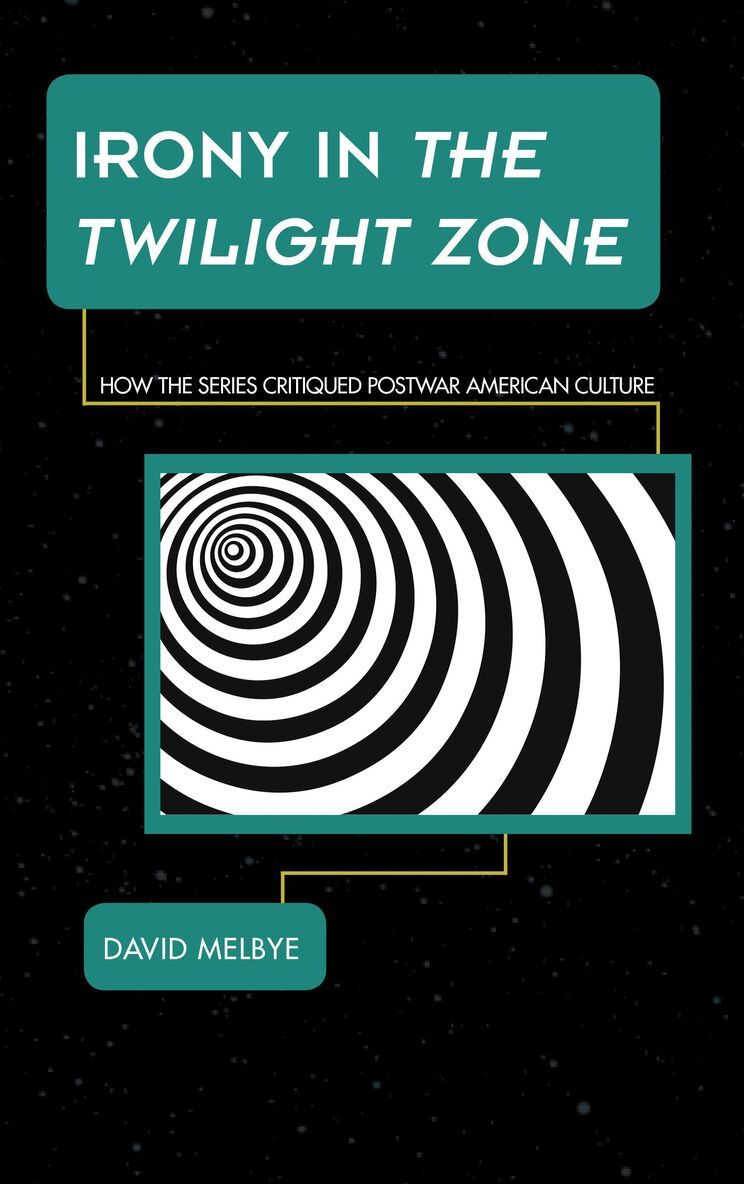
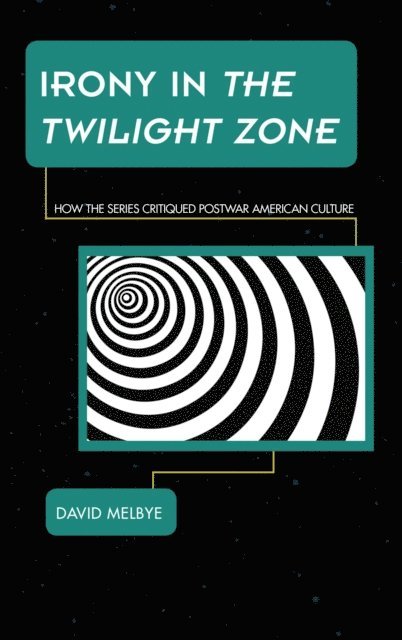
Rod Serling’s pioneering series TheTwilight Zone (1959 to 1964) is remembered for its surprise twist endings and pervading sense of irony.While other American television series of the time also experimented with ironic surprises, none depended on these as much as Serling’s. However, irony was not used merely as a structural device—Serling and his writers used it as a provocative means by which to comment on the cultural landscape of the time. Irony in The Twilight Zone: How the Series Critiqued Postwar American Culture explores the multiple types of irony—such as technological, invasive, martial, sociopolitical, and domestic—that Serling, Richard Matheson, Charles Beaumont, and other contributors employed in the show. David Melbye explains how each kind of irony critiqued of a specific aspect of American culture and how all of them informed one another, creating a larger social commentary. This book also places the show’s use of irony in historical and philosophical contexts, connecting it to a rich cultural tradition reaching back to ancient Greece. The Twilight Zone endures because it uses irony to negotiate its definitively modernist moment of “high” social consciousness and “low” cultural escapism. With its richly detailed, frequently unexpected readings of episodes, Irony in The Twilight Zone offers scholars and fans a fresh and unique lens through which to view the classic series.