Shearwater - Böcker
Visar alla böcker i serien Shearwater. Handla med fri frakt och snabb leverans.
14 produkter
14 produkter
290 kr
Skickas inom 11-20 vardagar
The Digital Age was expected to usher in an era of clean production, an alternative to smokestack industries and their pollutants. But as environmental journalist Elizabeth Grossman reveals in this penetrating analysis of high tech manufacture and disposal, digital may be sleek, but it's anything but clean. Deep within every electronic device lie toxic materials that make up the bits and bytes, a complex thicket of lead, mercury, cadmium, plastics, and a host of other often harmful ingredients.High Tech Trash is a wake-up call to the importance of the e-waste issue and the health hazards involved. Americans alone own more than two billion pieces of high tech electronics and discard five to seven million tons each year. As a result, electronic waste already makes up more than two-thirds of the heavy metals and 40 percent of the lead found in our landfills. But the problem goes far beyond American shores, most tragically to the cities in China and India where shiploads of discarded electronics arrive daily. There, they are "recycled"-picked apart by hand, exposing thousands of workers and community residents to toxics.As Grossman notes, "This is a story in which we all play a part, whether we know it or not. If you sit at a desk in an office, talk to friends on your cell phone, watch television, listen to music on headphones, are a child in Guangdong, or a native of the Arctic, you are part of this story."The answers lie in changing how we design, manufacture, and dispose of high tech electronics. Europe has led the way in regulating materials used in electronic devices and in e-waste recycling. But in the United States many have yet to recognize the persistent human health and environmental effects of the toxics in high tech devices. If Silent Spring brought national attention to the dangers of DDT and other pesticides, High Tech Trash could do the same for a new generation of technology's products.
275 kr
Skickas inom 7-10 vardagar
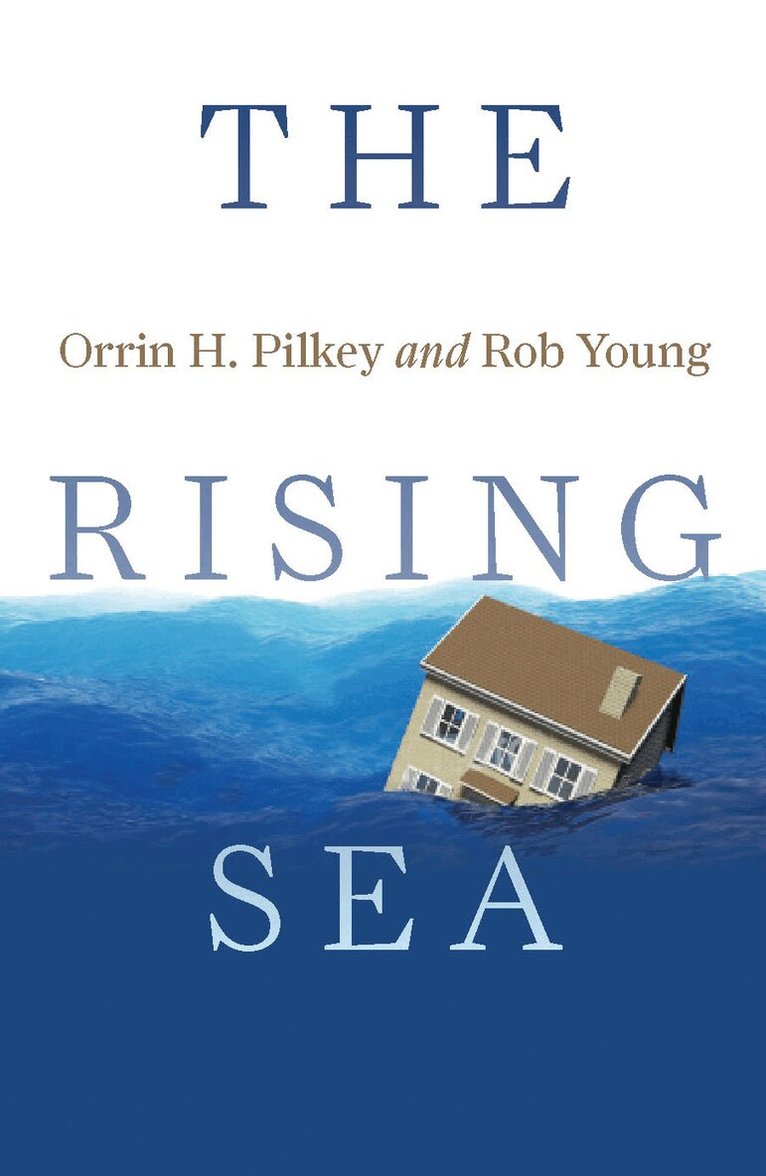
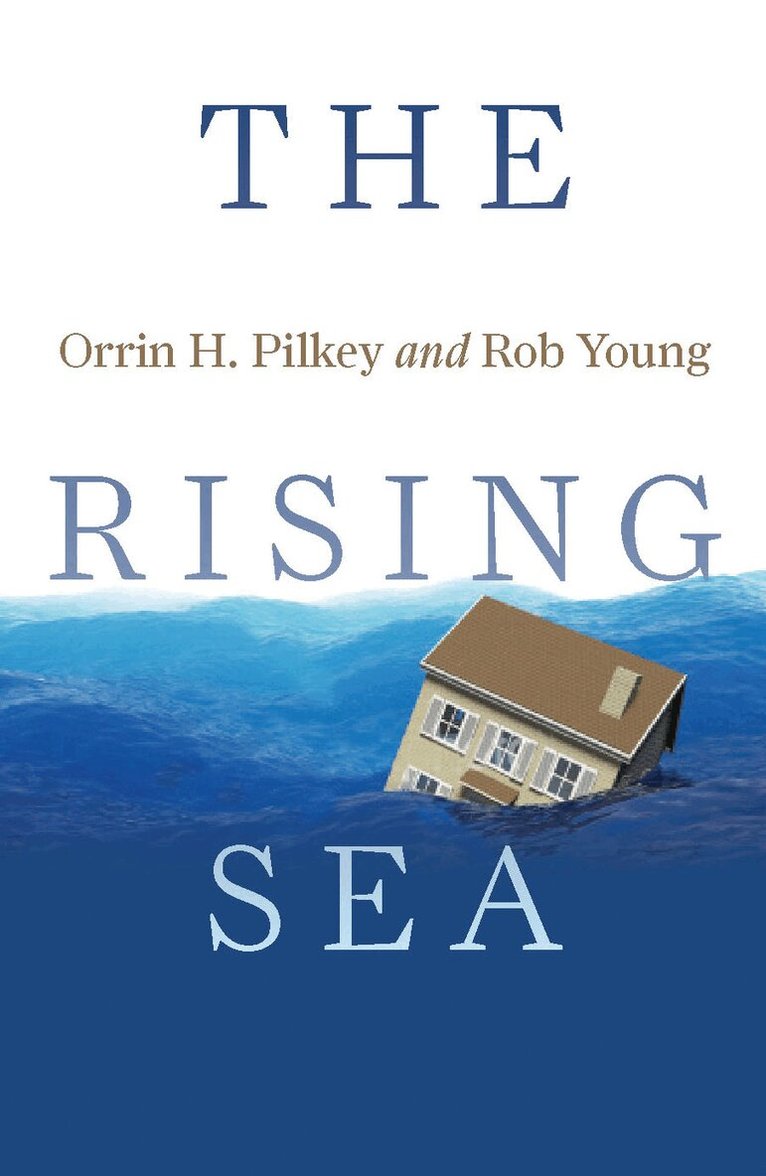
This is the authoritative book on sea level rise and its coastal consequences. On Shismaref Island in Alaska, homes are being washed into the sea. In the South Pacific, small island nations face annihilation by encroaching waters. In coastal Louisiana, an area the size of a football field disappears every day. For these communities, sea level rise isn't a distant, abstract fear: it's happening now and it's threatening their way of life. In "The Rising Sea", Orrin H. Pilkey and Rob Young warn that many other coastal areas may be close behind. Prominent scientists predict that the oceans may rise by as much as seven feet in the next hundred years. That means coastal cities will be forced to construct dikes and seawalls or to move buildings, roads, pipelines, and railways to avert inundation and destruction. The question is no longer whether climate change is causing the oceans to swell, but by how much and how quickly. Pilkey and Young deftly guide readers through the science, explaining the facts and debunking the claims of industry-sponsored 'sceptics'. They also explore the consequences for fish, wildlife - and people.While rising seas are now inevitable, we are far from helpless. By making hard choices - including uprooting citizens, changing where and how we build, and developing a coordinated national response - we can save property, and ultimately lives. With unassailable research and practical insights, "The Rising Sea" is a critical first step in understanding the threat and keeping our heads above water.
330 kr
Skickas inom 7-10 vardagar
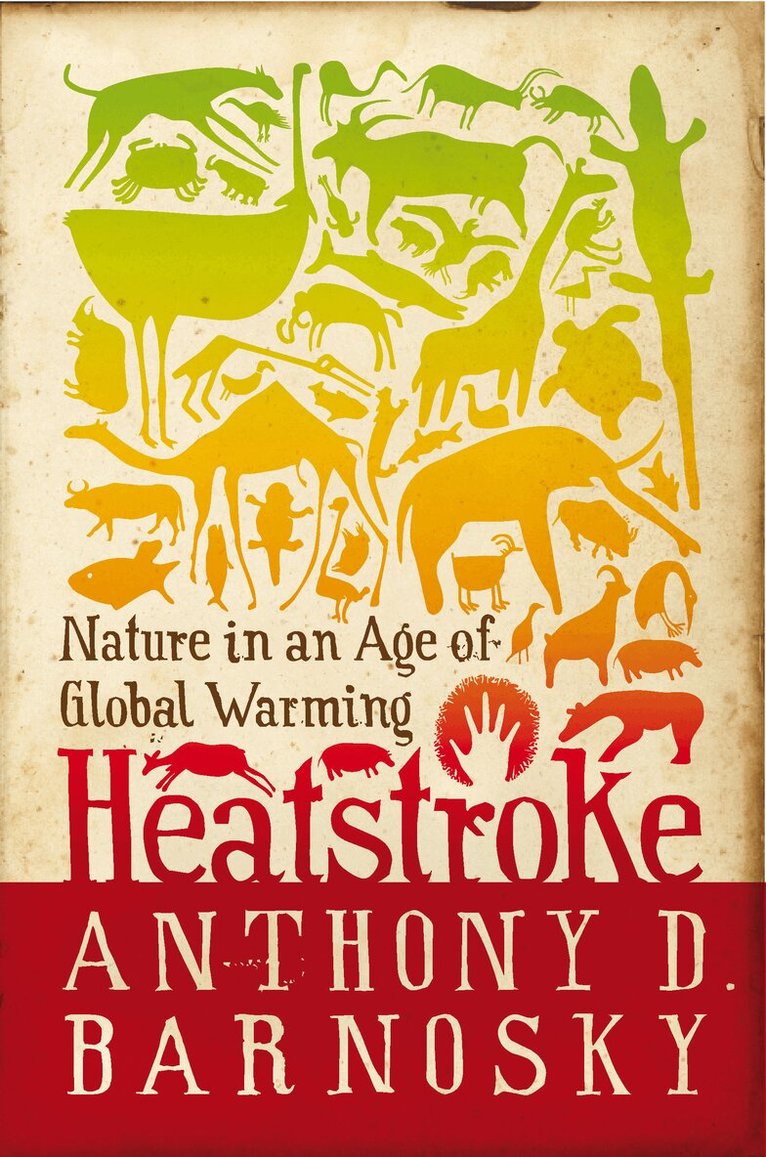
How is wildlife adapting to climate change? In 2006, one of the hottest years on record, a 'pizzly' was discovered near the top of the world. Half polar bear, half grizzly, this never-before-seen animal might be dismissed as a fluke of nature. Anthony Barnosky instead sees it as a harbinger of things to come. In "Heatstroke", the renowned paleoecologist shows how global warming is fundamentally changing the natural world and its creatures. While melting ice may have helped produce the pizzly, climate change is more likely to wipe out species than to create them. Plants and animals that have followed the same rhythms for millennia are suddenly being confronted with a world they're unprepared for - and adaptation usually isn't an option. This is not the first time climate change has dramatically transformed Earth. Barnosky draws connections between the coming centuries and the end of the last ice age, when mass extinctions swept the planet. The differences now are that climate change is faster and hotter than past changes, and for the first time humanity is driving it. Which means this time we can work to stop it.No one knows exactly what nature will come to look like in this new age of global warming. But "Heatstroke" gives us a haunting portrait of what we stand to lose and the vitality of what can be saved.
438 kr
Skickas inom 11-20 vardagar
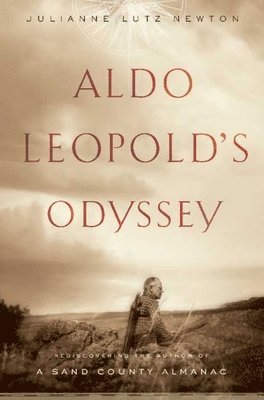
Aldo Leopold's Odyssey illuminates the great conservationist's lifelong quest for answers to a fundamental question: how can people live prosperously on the land and keep it healthy, too? Leopold's journey took him from Iowa to Yale to the Southwest to Wisconsin, with stops along the way to probe the causes of land settlement failures, contribute to the emerging science of ecology, compose his best known work, "A Sand County Almanac", and craft a new vision for land use. More than a biography, this insightful work is a guide to one person's intellectual growth and to our ongoing struggle to live in concert with the natural world.
347 kr
Skickas inom 11-20 vardagar
This is the story of a once abundant fish decimated by corporate interests.In this brilliant portrait of the oceans' unlikely hero, H. Bruce Franklin shows how menhaden have shaped America's natural - and national - history, and why a single company now threatens their crucial ecological mission. The same pudgy little fish that once saved the Pilgrims from starvation and helped power the industrial revolution are today being ground up by the billions and turned into everything from linoleum to lipstick. The massive harvest isn't just devastating one fish, but the Atlantic and Gulf coasts. In Franklin's vibrant prose, the menhaden's decline becomes an adventure story, an exciting exploration of American history, and an inspiring call to action.
282 kr
Skickas inom 7-10 vardagar
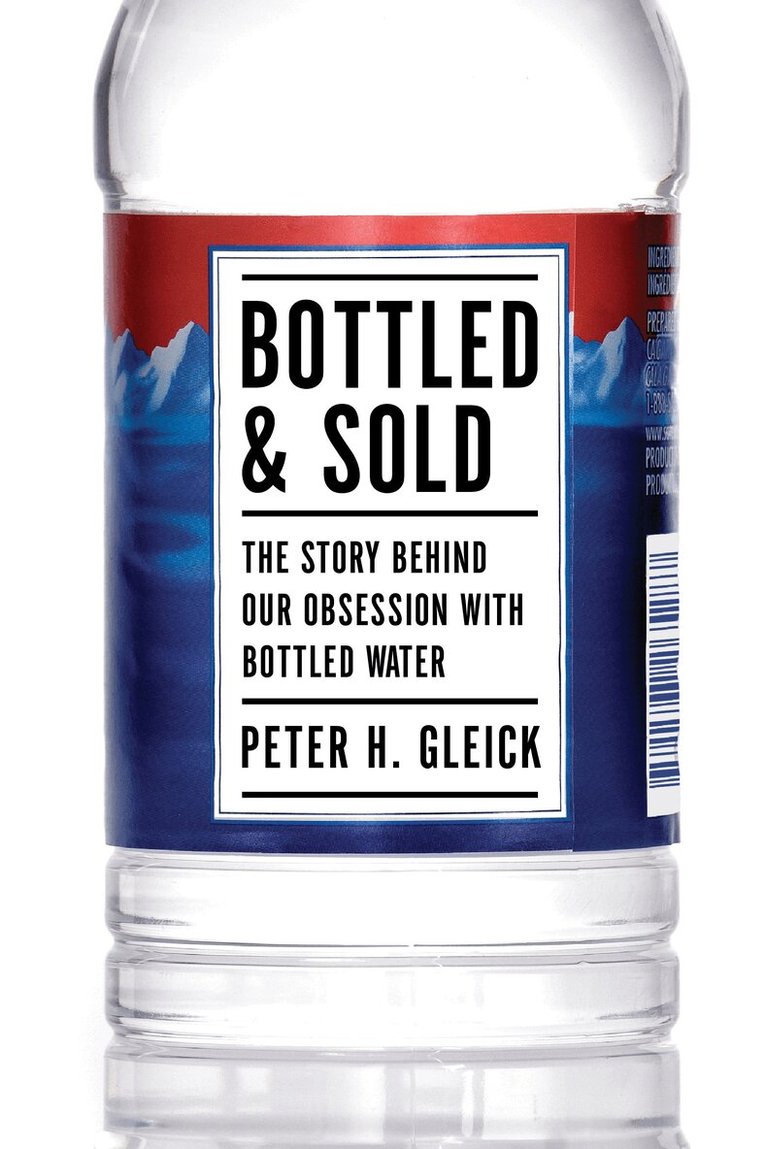
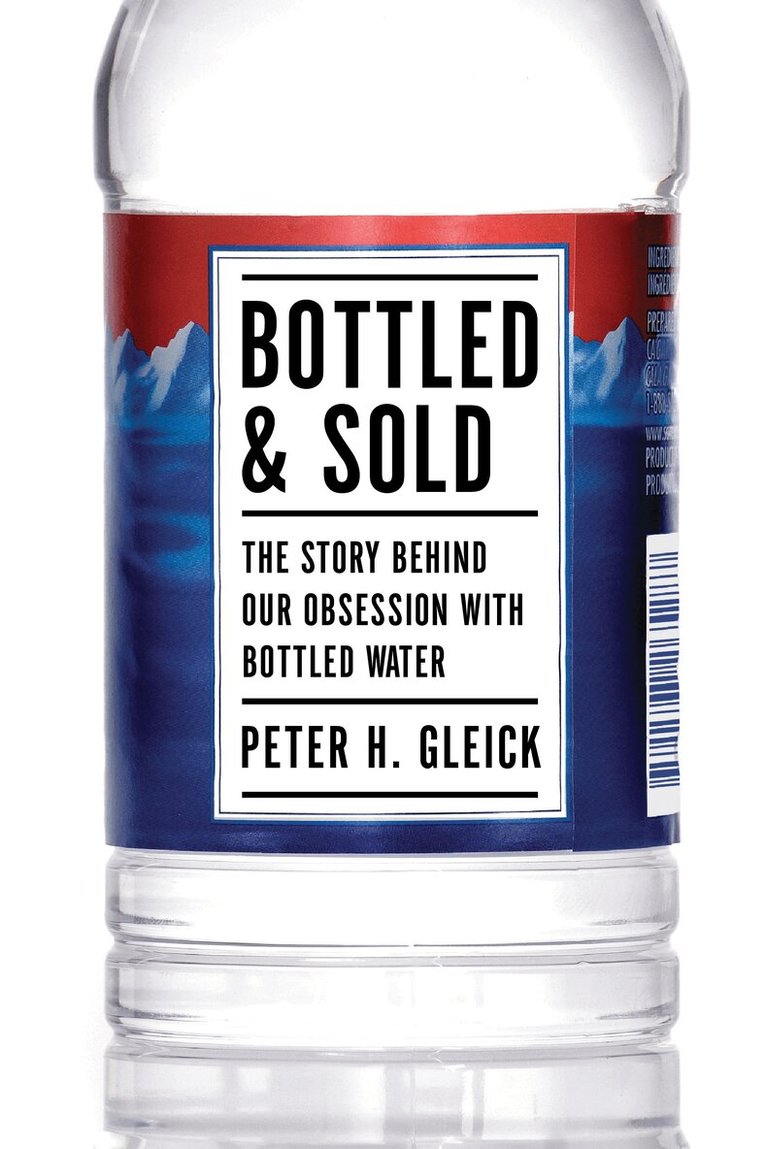
Peter Gleick knows water. A world-renowned freshwater expert, Gleick is a MacArthur Foundation 'genius', and according to the BBC, an environmental visionary. And he drinks from the tap. Why don't the rest of us? "Bottled and Sold" shows how water went from being a free natural resource to one of the most successful commercial products of the last one hundred years - and why we are poorer for it. It's a big story and water is big business. Every second of every day in the United States, a thousand people buy a plastic bottle of commercially produced water, and every second of every day a thousand more throw one of those bottles away. That adds up to more than thirty billion bottles a year and tens of billions of dollars. Have we simply been hoodwinked by corporate executives or are there legitimate reasons to buy all those bottles? With a scientist's eye and a natural storyteller's wit, Gleick investigates whether claims about the relative safety, convenience, and taste of bottled vs. tap hold water. And he exposes the true reasons we've turned to the bottle, from fear-mongering by business interests and our own vanity to the breakdown of public systems and global inequities.Jewel-encrusted 'designer' H2O may be laughable, but the debate over commodifying water is deadly serious. It comes down to society's choices about the human right to water, the role of government and free markets, the importance of being 'green', and fundamental values. Gleick gets to the heart of the bottled water craze, exploring what it means for our most basic necessity to become a luxury.
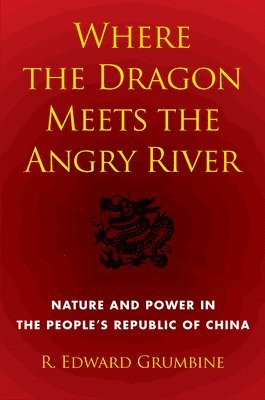
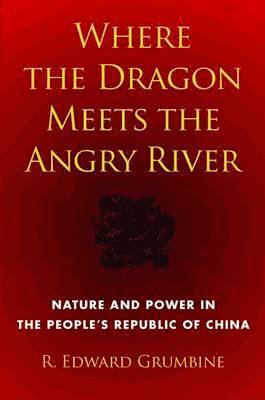
Where the Dragon Meets the Angry River
Nature and Power in the People's Republic of China
Inbunden, Engelska, 2010
373 kr
Skickas inom 11-20 vardagar
China's meteoric rise to economic powerhouse might be charted with dams. Every river in the country has been tapped to power exploding cities and factories - every river but one. Running through one of the richest natural areas in the world, the Nujiang's raging waters were on the verge of being dammed when a 2004 government moratorium halted construction. Might the Chinese dragon bow to the angry river? Would Beijing put local people and their land ahead of power and profit? Could this remote region actually become a model for sustainable growth? Ed Grumbine travelled to the far corners of China's Yunnan province to find out. He was driven by a single question: could this last fragment of wild nature withstand China's unrelenting development? But as he hiked through deep-cut emerald mountains, backcountry villages, and burgeoning tourist towns, talking with trekking guides, school children, and rural farmers, he discovered that the problem wasn't as simple as growth versus conservation.In its struggle to 'build a well-off society in an all-round way', Beijing juggles a host of competing priorities: health care for impoverished villagers; habitat for threatened tigers, cars for a growing middle class; clean air for all citizens; energy to power new cities; and, rubber for the global marketplace. All the issues China faces are bound together - and to larger forces in Asia, the United States, and the world. "Where the Dragon Meets the Angry River" is an incisive meditation on the fate of China and the planet. Will the Angry River continue to flow? Will Tibetan girls from subsistence farming families learn to read and write? Can China and the U.S. come together to lead action on climate change? Far-reaching in its history and scope, this unique book pieces together the many facets of conservation and development in China, from the poorest rural hamlets to a globalized world. Ed Grumbine doesn't have a crystal ball, but he does show us the real-world consequences of decisions now being made in Beijing and beyond.
400 kr
Skickas inom 7-10 vardagar
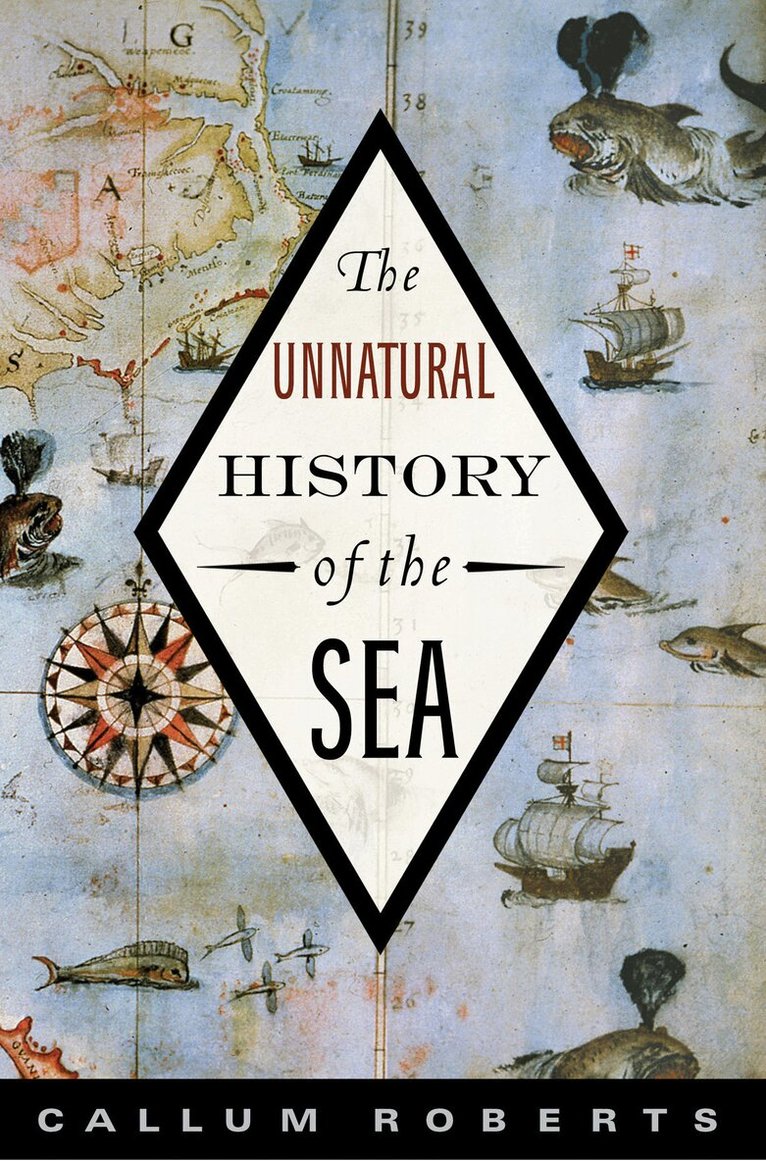
Humanity can make short work of the oceans’ creatures. In 1741, hungry explorers discovered herds of Steller’s sea cow in the Bering Strait, and in less than thirty years, the amiable beast had been harpooned into extinction. It’s a classic story, but a key fact is often omitted. Bering Island was the last redoubt of a species that had been decimated by hunting and habitat loss years before the explorers set sail.As Callum M. Roberts reveals in The Unnatural History of the Sea, the oceans’ bounty didn’t disappear overnight. While today’s fishing industry is ruthlessly efficient, intense exploitation began not in the modern era, or even with the dawn of industrialization, but in the eleventh century in medieval Europe. Roberts explores this long and colorful history of commercial fishing, taking readers around the world and through the centuries to witness the transformation of the seas.Drawing on firsthand accounts of early explorers, pirates, merchants, fishers, and travelers, the book recreates the oceans of the past: waters teeming with whales, sea lions, sea otters, turtles, and giant fish. The abundance of marine life described by fifteenth century seafarers is almost unimaginable today, but Roberts both brings it alive and artfully traces its depletion. Collapsing fisheries, he shows, are simply the latest chapter in a long history of unfettered commercialization of the seas.The story does not end with an empty ocean. Instead, Roberts describes how we might restore the splendor and prosperity of the seas through smarter management of our resources and some simple restraint. From the coasts of Florida to New Zealand, marine reserves have fostered spectacular recovery of plants and animals to levels not seen in a century. They prove that history need not repeat itself: we can leave the oceans richer than we found them.
235 kr
Skickas inom 7-10 vardagar
On her deathbed, Sue asked her sister for one thing: to write about the connection between the industrial pollution in their hometown and the rare cancer that was killing her. Fulfilling that promise has been Nancy Nichols' mission for more than a decade. "Lake Effect" is the story of her investigation. It reaches back to their childhood in Waukegan, Illinois, an industrial town on Lake Michigan once known for good factory jobs and great fishing. Now Waukegan is famous for its Superfund sites: as one resident put it, asbestos to the north, PCBs to the south. Drawing on her experience as a journalist, Nichols interviewed dozens of scientists, doctors, and environmentalists to determine if these pollutants could have played a role in her sister's death. While researching Sue's cancer, she discovered her own: a vicious though treatable form of pancreatic cancer. Doctors and even family urged her to forget causes and concentrate on cures, but Nichols knew that it was relentless questioning that had led to her diagnosis. And that it is questioning - by government as well as individuals - that could save other lives. "Lake Effect" challenges us to ask why.It is the fulfillment of a sister's promise. And it is a call to stop the pollution that is endangering the health of all our families.
Life in the Valley of Death
The Fight to Save Tigers in a Land of Guns, Gold, and Greed
Häftad, Engelska, 2010
497 kr
Tillfälligt slut
Dubbed the Indiana Jones of wildlife science by "The New York Times", Alan Rabinowitz has devoted - and risked - his life to protect nature's great endangered mammals. He has journeyed to the remote corners of the earth in search of wild things, weathering treacherous terrain, plane crashes, and hostile governments. "Life in the Valley of Death" recounts his most ambitious and dangerous adventure yet: the creation of the world's largest tiger preserve. The tale is set in the lush Hukaung Valley of Myanmar, formerly known as Burma. An escape route for refugees fleeing the Japanese army during World War II, this rugged stretch of land claimed the lives of thousands of children, women, and soldiers. Today it is home to one of the largest tiger populations outside of India - a population threatened by rampant poaching and the recent encroachment of gold prospectors. To save the remaining tigers, Rabinowitz must navigate not only an unforgiving landscape, but the tangled web of politics in Myanmar. Faced with a military dictatorship, an insurgent army, tribes once infamous for taking the heads of their enemies, and villagers living on less than one U.S. dollar per day, the scientist and adventurer most comfortable with animals is thrust into a diplomatic minefield.As he works to balance the interests of disparate factions and endangered wildlife, his own life is threatened by an incurable disease. The resulting story is one of destruction and loss, but also renewal. In forests reviled as the valley of death, Rabinowitz finds new life for himself, for communities haunted by poverty and violence, and for the tigers he vowed to protect.
268 kr
Skickas inom 11-20 vardagar
While rising seas are now inevitable, we are far from helpless. By making hard choices - including uprooting communities, changing where and how we build, and developing a coordinated response - we can save property, and ultimately lives. With unassailable research and practical insights, "The Rising Sea" is a critical first step in understanding the threat and keeping our heads above water.
Where the Dragon Meets the Angry River
Nature and Power in the People's Republic of China
Häftad, Engelska, 2011
312 kr
Skickas inom 11-20 vardagar
China's meteoric rise to economic powerhouse might be charted with dams. Every river in the country has been tapped to power exploding cities and factories - every river but one. Running through one of the richest natural areas in the world, the Nujiang's raging waters were on the verge of being dammed when a 2004 government moratorium halted construction. Might the Chinese dragon bow to the angry river? Would Beijing put local people and their land ahead of power and profit? Could this remote region actually become a model for sustainable growth? Ed Grumbine travelled to the far corners of China's Yunnan province to find out. He was driven by a single question: Could this last fragment of wild nature withstand China's unrelenting development? But as he hiked through deep-cut emerald mountains, backcountry villages, and burgeoning tourist towns, talking with trekking guides, school children, and rural farmers, he discovered that the problem wasn't as simple as growth versus conservation.In its struggle to "build a well-off society in an all-round way", Beijing juggles a host of competing priorities: health care for impoverished villagers; habitat for threatened tigers, cars for a growing middle class; clean air for all citizens; energy to power new cities; and, rubber for the global marketplace. All the issues China faces are bound together - and to larger forces in Asia, the United States, and the world. "Where the Dragon Meets the Angry River" is an incisive meditation on the fate of China and the planet. Will the Angry River continue to flow? Will Tibetan girls from subsistence farming families learn to read and write? Can China and the U.S. come together to lead action on climate change? Far-reaching in its history and scope, this unique book pieces together the many facets of conservation and development in China, from the poorest rural hamlets to a globalized world. Ed Grumbine doesn't have a crystal ball, but he does show us the real-world consequences of decisions now being made in Beijing and beyond.
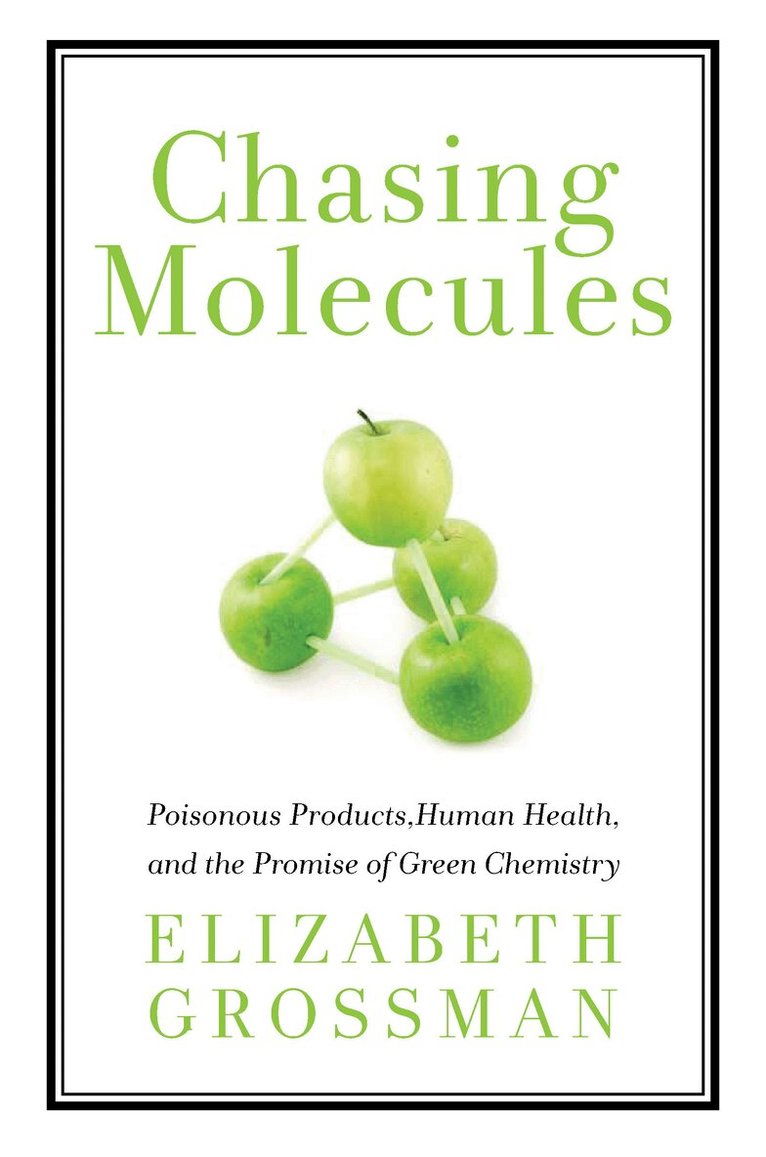
Chasing Molecules
Poisonous Products, Human Health, and the Promise of Green Chemistry
Häftad, Engelska, 2011
250 kr
Skickas
Each day, headlines warn that baby bottles are leaching dangerous chemicals, nonstick pans are causing infertility, and plastic containers are making us fat. What if green chemistry could change all that? What if rather than toxics, our economy ran on harmless, environmentally-friendly materials? Elizabeth Grossman, an acclaimed journalist who brought national attention to the contaminants hidden in computers and other high tech electronics, now tackles the hazards of ordinary consumer products. She shows that for the sake of convenience, efficiency, and short-term safety, we have created synthetic chemicals that fundamentally change, at a molecular level, the way our bodies work. The consequences range from diabetes to cancer, reproductive and neurological disorders. Yet it's hard to imagine life without the creature comforts current materials provide - and Grossman argues we do not have to. A scientific revolution is introducing products that are "benign by design", developing manufacturing processes that consider health impacts at every stage, and is creating new compounds that mimic rather than disrupt natural systems.Through interviews with leading researchers, Grossman gives us a first look at this radical transformation. Green chemistry is just getting underway, but it offers hope that we can indeed create products that benefit health, the environment, and industry.
212 kr
Skickas inom 7-10 vardagar
Peter Gleick knows water. A world-renowned freshwater expert, Gleick is a MacArthur Foundation "genius", and according to the BBC, an environmental visionary. And he drinks from the tap. Why don't the rest of us? "Bottled and Sold" shows how water went from being a free natural resource to one of the most successful commercial products of the last one hundred years - and why we are poorer for it. It's a big story and water is big business. Every second of every day in the United States, a thousand people buy a plastic bottle of commercially produced water, and every second of every day a thousand more throw one of those bottles away. That adds up to more than thirty billion bottles a year and tens of billions of dollars. Have we simply been hoodwinked by corporate executives or are there legitimate reasons to buy all those bottles? With a scientist's eye and a natural storyteller's wit, Gleick investigates whether claims about the relative safety, convenience, and taste of bottled vs. tap hold water. And he exposes the true reasons we've turned to the bottle, from fear-mongering by business interests and our own vanity to the breakdown of public systems and global inequities.Jewel-encrusted "designer" H2O may be laughable, but the debate over commodifying water is deadly serious. It comes down to society's choices about the human right to water, the role of government and free markets, the importance of being "green", and fundamental values. Gleick gets to the heart of the bottled water craze, exploring what it means for our most basic necessity to become a luxury.