South Asia Seminar – serie
Visar alla böcker i serien South Asia Seminar. Handla med fri frakt och snabb leverans.
4 produkter
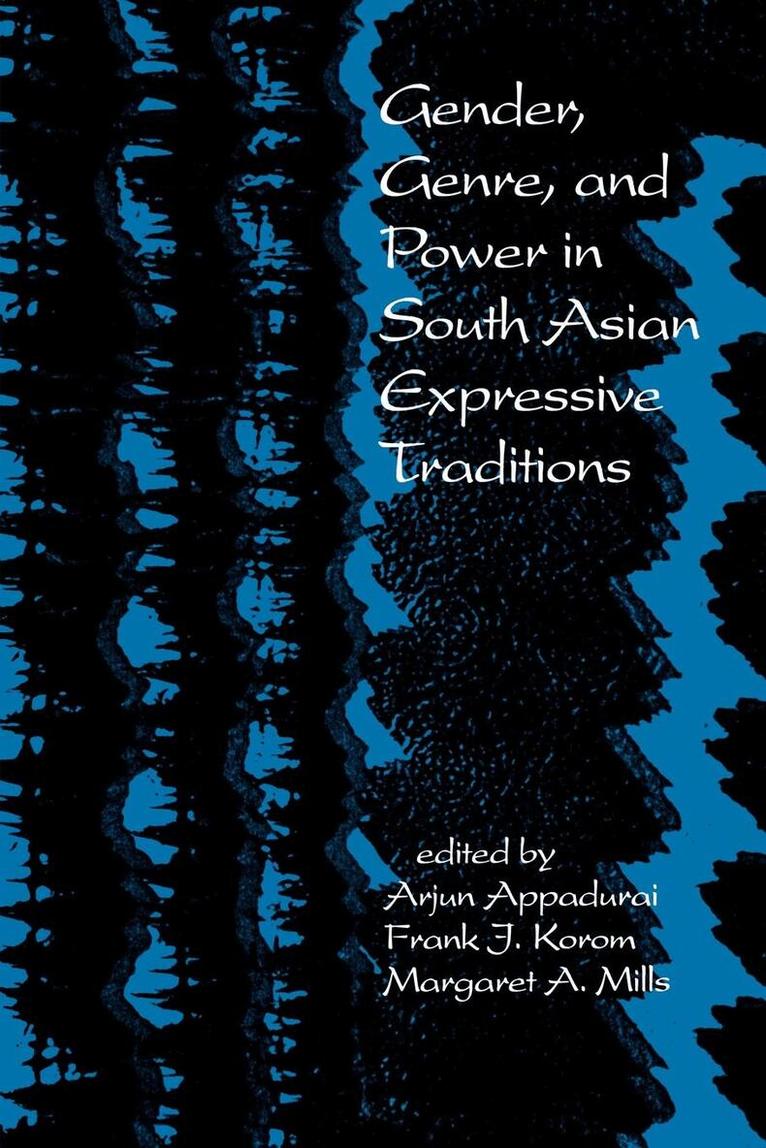
Gender, Genre, and Power in South Asian Expressive Traditions
Av Arjun Appadurai, Frank J. Korom m. fl.
Häftad, 1991
502 kr
Lägg i varukorg
The authors cross the boundaries between anthropology, folklore, and history to cast new light on the relation between songs and stories, reality and realism, and rhythm and rhetoric in the expressive traditions of South Asia.
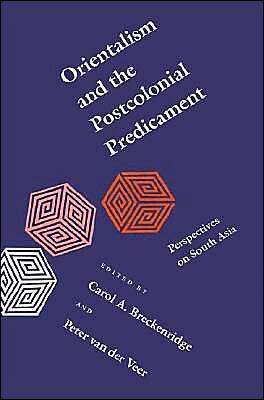
Orientalism and the Postcolonial Predicament
Perspectives on South Asia
Av Carol A. Breckenridge, Peter van der Veer
Häftad, 1993
400 kr
Lägg i varukorg
In his extraordinarily influential book Orientalism, Edward Said argued that Western knowledge about the Orient in the Post-Enlightenment period has been "a systematic discourse by which Europe was able to manage-even produce-the Orient politically, sociologically, militarily, ideologically, …
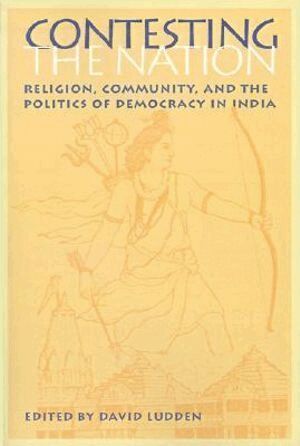
Contesting the Nation
Religion, Community, and the Politics of Democracy in India
Av David Ludden
Häftad, 1996
388 kr
Lägg i varukorg
Today, powerful political forces seek to make the Indian state Hindu. Their rising influence since 1980 has occurred during a period of radical change in Indian society and politics, and has been accomplished by electoral means as well as by organized violence. The 1996 elections will be a major …
Gender, Genre, and Power in South Asian Expressive Traditions
Av Arjun Appadurai, Frank J. Korom m. fl.
E-bok, 2015
668 kr
Lägg i varukorg
The authors cross the boundaries between anthropology, folklore, and history to cast new light on the relation between songs and stories, reality and realism, and rhythm and rhetoric in the expressive traditions of South Asia.