Southern African Studies - Böcker
Visar alla böcker i serien Southern African Studies. Handla med fri frakt och snabb leverans.
9 produkter
9 produkter
2 150 kr
Skickas inom 10-15 vardagar
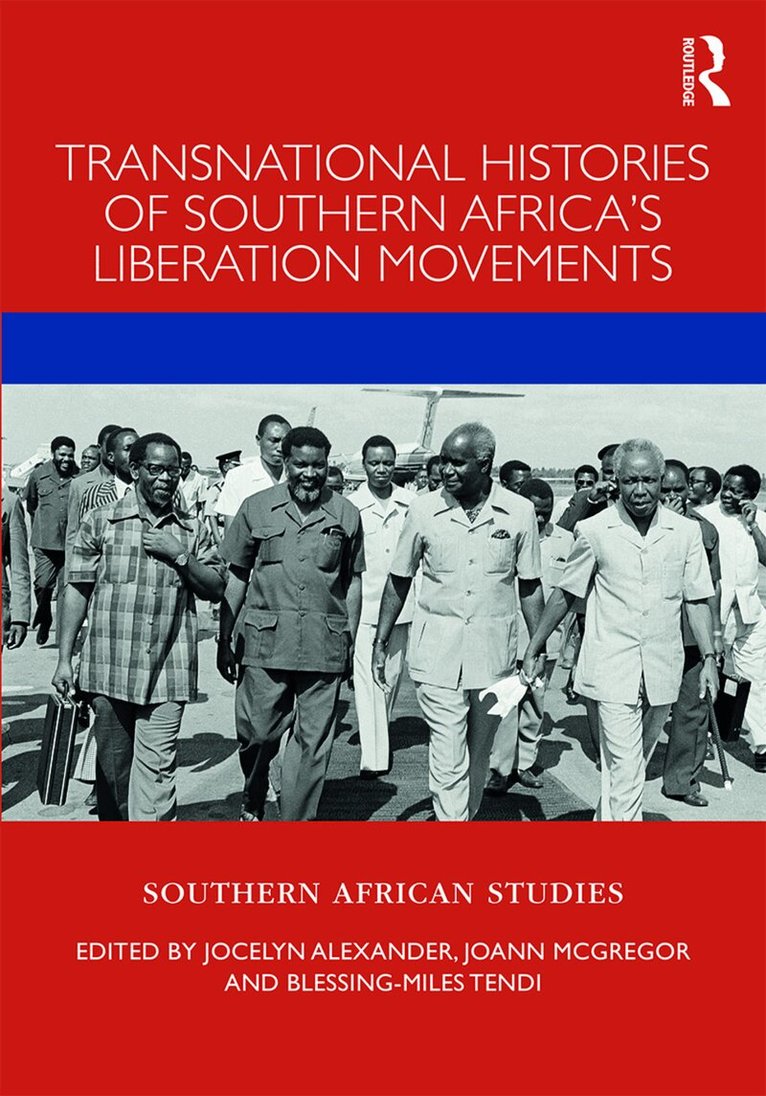
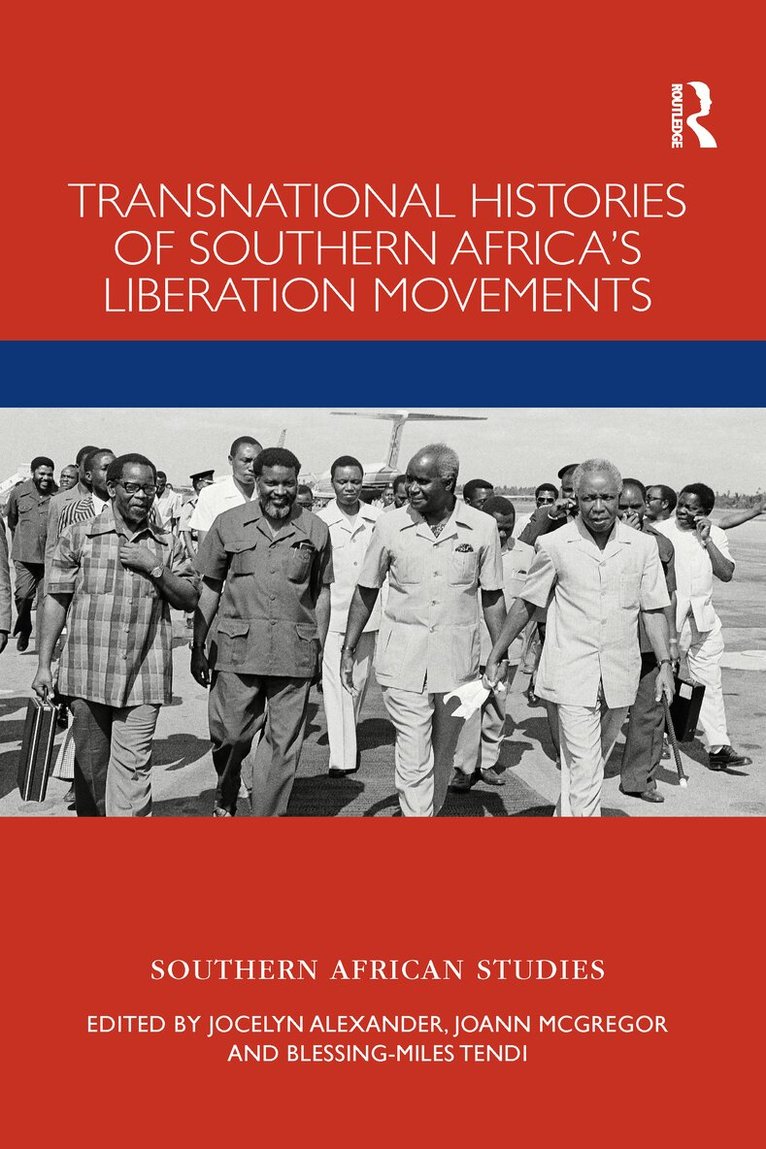
Transnational Histories of Southern Africa’s Liberation Movements offers new perspectives on southern Africa’s wars of national liberation, drawing on extensive oral historical and archival research. Assuming neither the primacy of nationalist loyalties as they exist today nor any single path to liberation, the book unpicks any notion of a straightforward imposition of Cold War ideologies or strategic interests on liberation wars. This approach adds new dimensions to the rich literatures on the Global Cold War and on solidarity movements. The contributors trace the ways that ideas and practices were made, adopted, and circulated through time and space through a focus on African soldiers, politicians and diplomats. The book also asks what motivated the men and women who crossed borders to join liberation movements, how Cold War influences were acted upon, interpreted and used, and why certain moments, venues and relations took on exaggerated importance. The connections among liberation movements, between them and their hosts, and across an extraordinarily diverse set of external actors reveal surprising exchanges and lasting legacies that have too often been obscured by the assertion of monolithic national histories. Tracing an extraordinarily diverse set of interactions and exchanges, Transnational Histories of Southern Africa’s Liberation Movements will be of great interest to scholars of Southern Africa, Transnational History, the Cold War and African Politics. The chapters were originally published as a special issue of the Journal of Southern African Studies.
2 088 kr
Skickas inom 10-15 vardagar
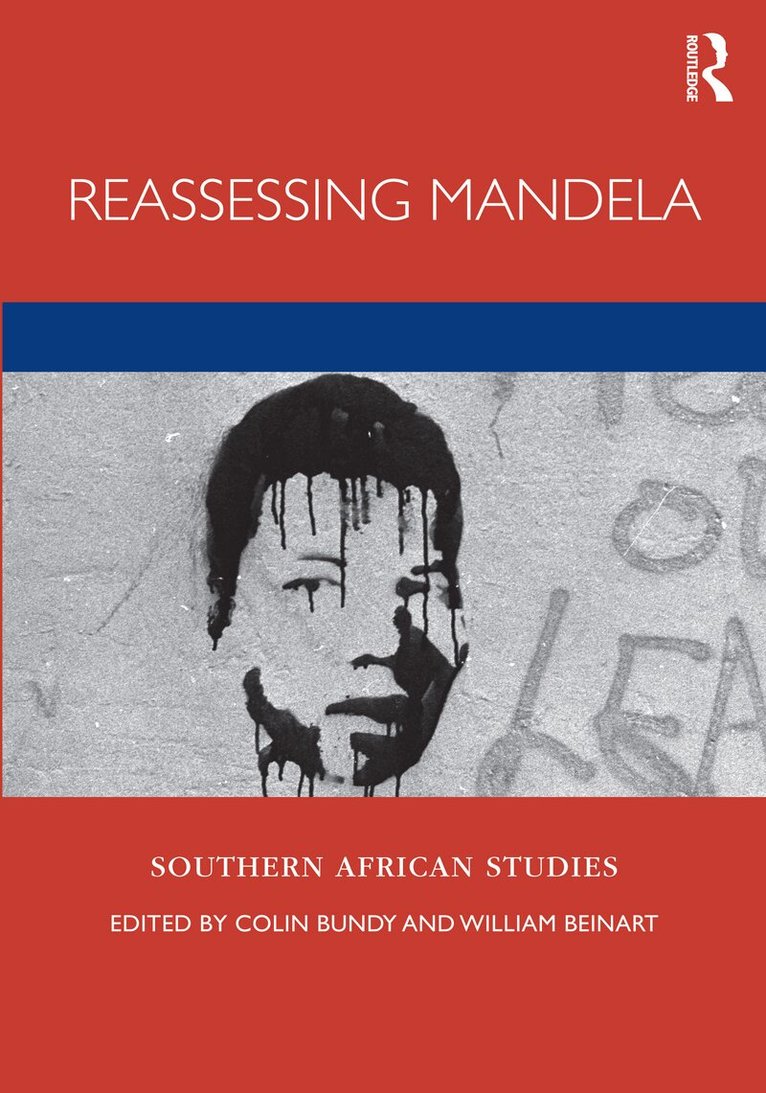
Seven years since his death (2013), Nelson Mandela still occupies an extraordinary place in the global imagination. Internationally, Mandela’s renown seems intact and invulnerable. In South Africa, however, his legacy and his place in the country’s history have become matters of contention and dispute, especially amongst younger black South Africans. The essays in this book analyse aspects of Mandela’s life in the context of South Africa’s national history, and make an important contribution to the historiography of the anti-apartheid political struggle. They reassess: the political context of Mandela’s youth; his changing political beliefs and connections with the Left; his role in the African National Congress and the turn to armed struggle; his marriage to Winnie Madikizela-Mandela and their political relationship. By providing new context, they explore Mandela as an actor in broader social processes such as the rise of the ANC and the making of South Africa’s post-apartheid constitution.The detailed essays are linked in a substantial introduction by Colin Bundy and current debates are addressed in a concluding essay by Elleke Boehmer. This book provides a scholarly counterweight both to uncritical celebration of Mandela and also to a simplistic attribution of post-apartheid shortcomings to the person of Mandela.This book was originally published as a special issue of the Journal of Southern African Studies.
617 kr
Skickas inom 10-15 vardagar
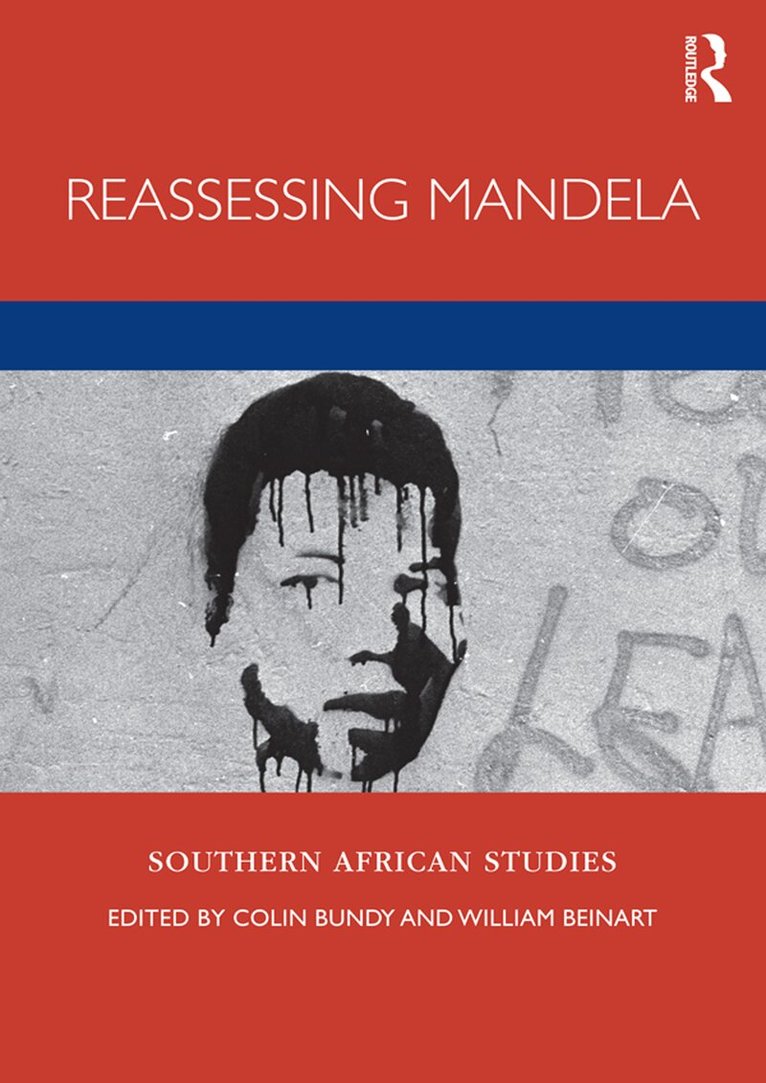
Seven years since his death (2013), Nelson Mandela still occupies an extraordinary place in the global imagination. Internationally, Mandela’s renown seems intact and invulnerable. In South Africa, however, his legacy and his place in the country’s history have become matters of contention and dispute, especially amongst younger black South Africans. The essays in this book analyse aspects of Mandela’s life in the context of South Africa’s national history, and make an important contribution to the historiography of the anti-apartheid political struggle. They reassess: the political context of Mandela’s youth; his changing political beliefs and connections with the Left; his role in the African National Congress and the turn to armed struggle; his marriage to Winnie Madikizela-Mandela and their political relationship. By providing new context, they explore Mandela as an actor in broader social processes such as the rise of the ANC and the making of South Africa’s post-apartheid constitution.The detailed essays are linked in a substantial introduction by Colin Bundy and current debates are addressed in a concluding essay by Elleke Boehmer. This book provides a scholarly counterweight both to uncritical celebration of Mandela and also to a simplistic attribution of post-apartheid shortcomings to the person of Mandela.This book was originally published as a special issue of the Journal of Southern African Studies.
2 401 kr
Skickas inom 10-15 vardagar
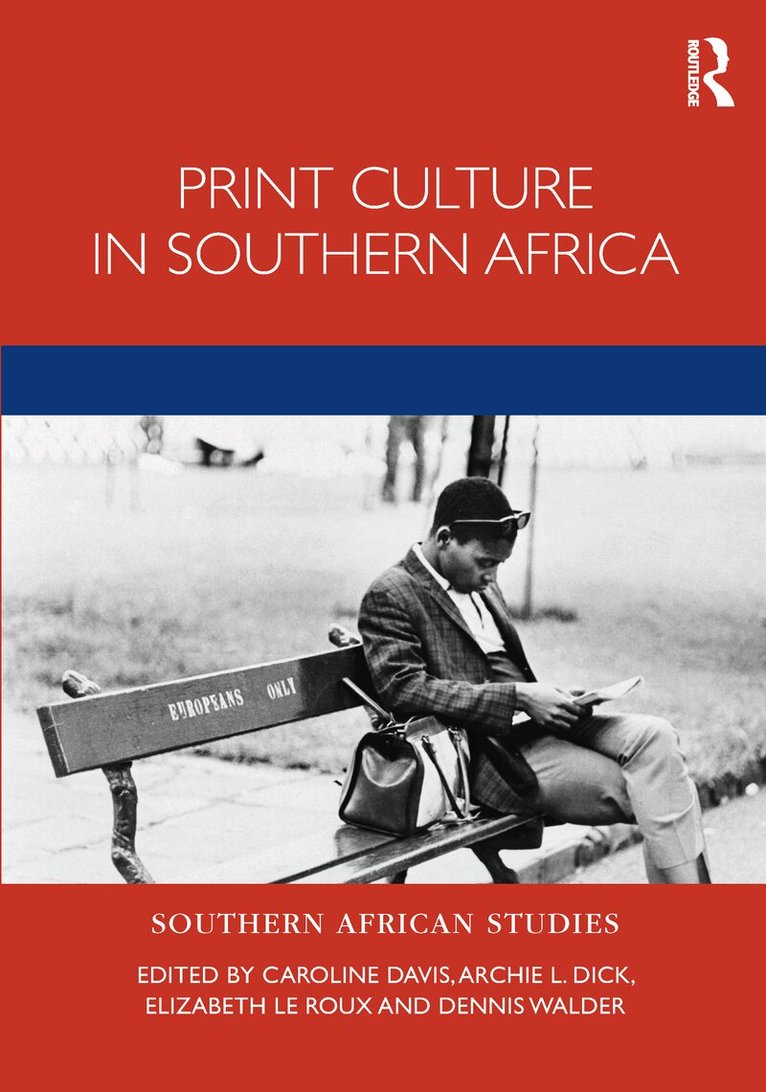
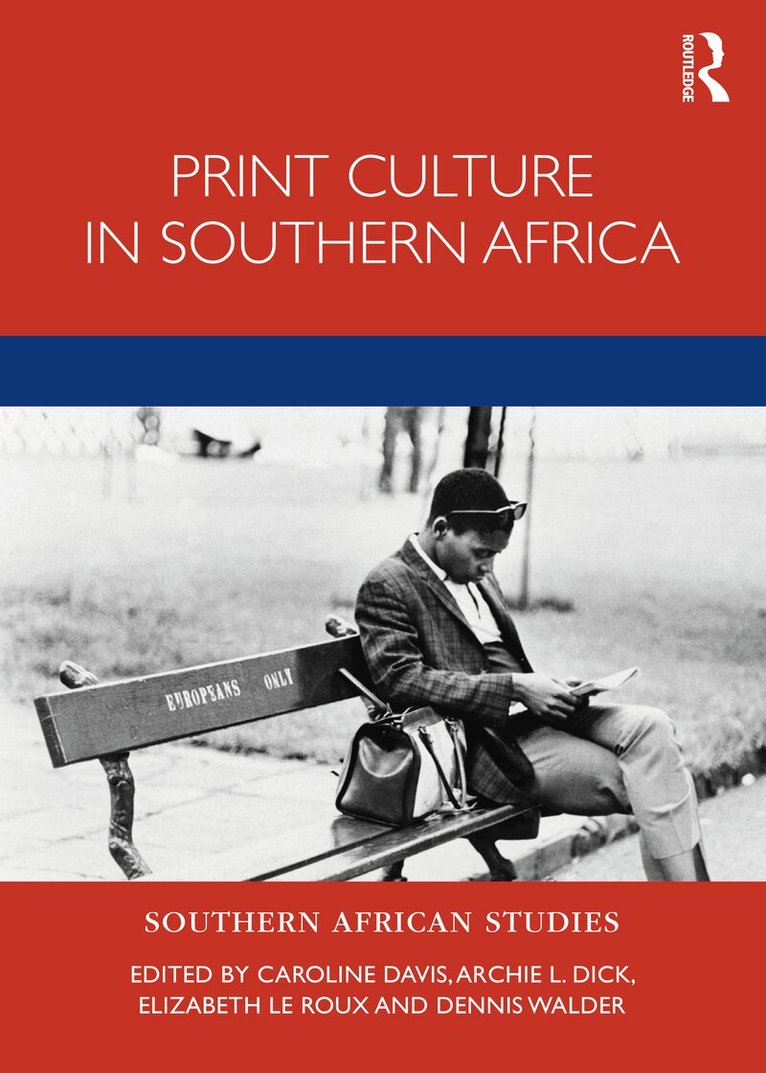
Print Culture in Southern Africa is concerned with the institutions and processes informing textual production, circulation and consumption in the region, over a broad historical period from the late 18th century to the present day. The book is organised around three closely related themes. Firstly, it presents original research into the formation of reading publics and the impact of reading cultures, by uncovering obscure but important reading communities and circuits of book distribution and reception. A second theme is the relationship between print and politics, with a particular focus on the networks of power: how control over the production and circulation of printed books has shaped literary and cultural development. The third theme is transnational print culture, and how the control exercised by publishers in Europe and America has shaped literature and society in southern Africa. Drawing together interdisciplinary research and diverse methodologies, the collection encompasses a range of perspectives, including literary studies, anthropology, publishing studies, the history of the book and art history, and many of the chapters are based on previously unexamined archives and collections. The volume contributes to current debates and opens up new and exciting ways of furthering the study of postcolonial literature and African book history. The chapters included in this book were originally published in the Journal of Southern African Studies.
662 kr
Skickas inom 10-15 vardagar
Print Culture in Southern Africa is concerned with the institutions and processes informing textual production, circulation and consumption in the region, over a broad historical period from the late 18th century to the present day. The book is organised around three closely related themes. Firstly, it presents original research into the formation of reading publics and the impact of reading cultures, by uncovering obscure but important reading communities and circuits of book distribution and reception. A second theme is the relationship between print and politics, with a particular focus on the networks of power: how control over the production and circulation of printed books has shaped literary and cultural development. The third theme is transnational print culture, and how the control exercised by publishers in Europe and America has shaped literature and society in southern Africa. Drawing together interdisciplinary research and diverse methodologies, the collection encompasses a range of perspectives, including literary studies, anthropology, publishing studies, the history of the book and art history, and many of the chapters are based on previously unexamined archives and collections. The volume contributes to current debates and opens up new and exciting ways of furthering the study of postcolonial literature and African book history. The chapters included in this book were originally published in the Journal of Southern African Studies.
635 kr
Skickas inom 10-15 vardagar
Transnational Histories of Southern Africa’s Liberation Movements offers new perspectives on southern Africa’s wars of national liberation, drawing on extensive oral historical and archival research. Assuming neither the primacy of nationalist loyalties as they exist today nor any single path to liberation, the book unpicks any notion of a straightforward imposition of Cold War ideologies or strategic interests on liberation wars. This approach adds new dimensions to the rich literatures on the Global Cold War and on solidarity movements. The contributors trace the ways that ideas and practices were made, adopted, and circulated through time and space through a focus on African soldiers, politicians and diplomats. The book also asks what motivated the men and women who crossed borders to join liberation movements, how Cold War influences were acted upon, interpreted and used, and why certain moments, venues and relations took on exaggerated importance. The connections among liberation movements, between them and their hosts, and across an extraordinarily diverse set of external actors reveal surprising exchanges and lasting legacies that have too often been obscured by the assertion of monolithic national histories. Tracing an extraordinarily diverse set of interactions and exchanges, Transnational Histories of Southern Africa’s Liberation Movements will be of great interest to scholars of Southern Africa, Transnational History, the Cold War and African Politics. The chapters were originally published as a special issue of the Journal of Southern African Studies.
2 150 kr
Skickas inom 10-15 vardagar
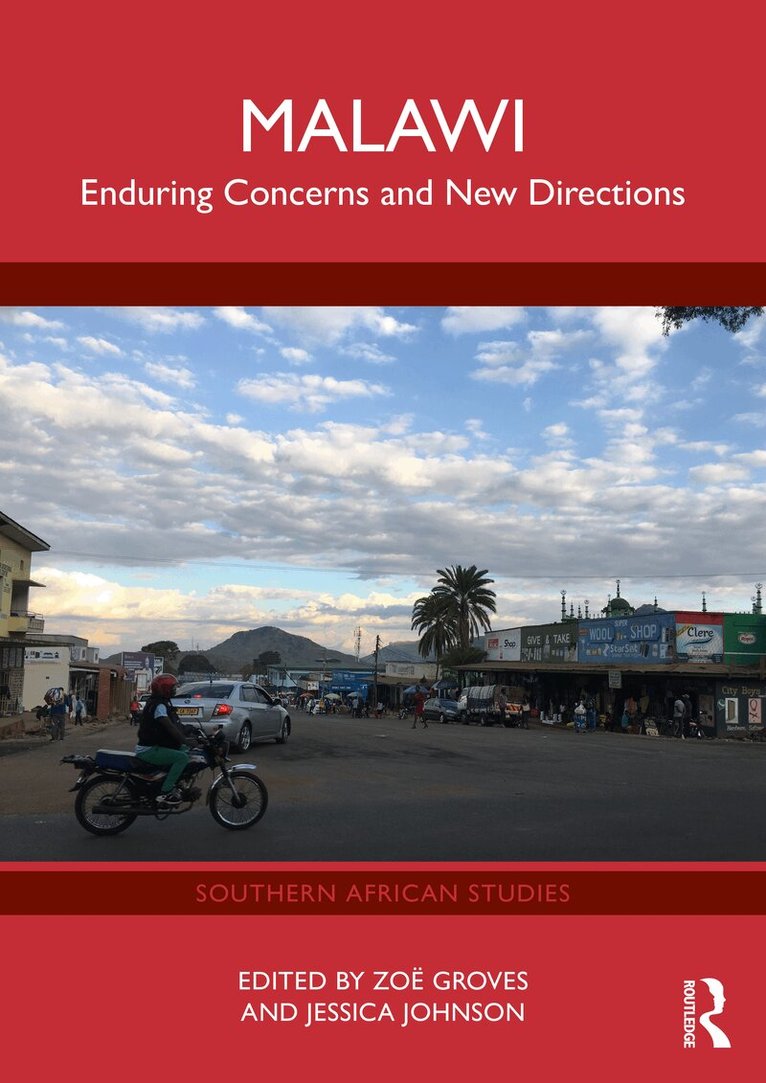
This book explores Malawi’s recent history in light of longer-term historical developments, contributing important new insights to debates about migration, citizenship, chieftaincy, language, cultural practice, anti-colonialism and nationalism.The book is organised around five key themes: Rethinking Kamuzu Banda’s Malawi; Rural Development and Agricultural Production; Power and Politics from pre- to post-colony; Malawi and the Southern African Region; and ‘Culture’ and Cultural Production. The focus on a single country facilitates consideration of local particularities, as well as indentification of similarities in the trajectories and challenges shared with other countries in Africa. This book provides a nuanced understanding of Hastings Kamuzu Banda (Malawi’s first Prime Minister and President, 1964-94) and the legacy of his rule. Chapters analyse decolonisation in a political and a cultural sense, and show how the beginning and end of colonial rule were gradual processes rather than sharp ruptures. Individual chapters expand our knowledge of the history of public health, development, rural livelihoods, food production, and agricultural policy, as well as prompting new debate on migration, citizenship, chieftaincy, language, cultural practice, anti-colonialism and nationalism.This book will be of particular interest to scholars of Malawi and the wider Southern African region. Nine of the chapters were originally published in a special issue of the Journal of Southern African Studies, volume 46, issue 2 (2020). This volume contains a revised Introduction, five additional chapters, all previously published in JSAS, and a new Afterword.
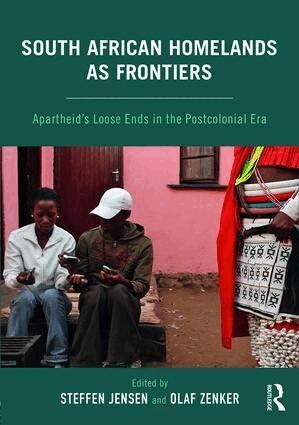
South African Homelands as Frontiers
Apartheid’s Loose Ends in the Postcolonial Era
Häftad, Engelska, 2017
635 kr
Skickas inom 10-15 vardagar
This book explores what happened to the homelands – in many ways the ultimate apartheid disgrace – after the fall of apartheid. This research contributes to understanding the multiple configurations that currently exist in areas formerly declared "homelands" or "Bantustans". Using the concept of frontier zones, the homelands emerge as areas in which the future of the South African postcolony is being renegotiated, contested and remade with hyper-real intensity. This is so because the many fault lines left over from apartheid (its loose ends, so to speak) – between white and black; between different ethnicities; between rich and poor; or differentiated by gender, generation and nationality; between "traditions" and "modernities" or between wilderness and human habitation – are particularly acute and condensed in these so-called "communal areas". Hence, the book argues that it is particularly in these settings that the postcolonial promise of liberation and freedom must face its test. As such, the book offers highly nuanced and richly detailed analyses that go to the heart of the diverse dilemmas of post-apartheid South Africa as a whole, but simultaneously also provides in condensed form an extended case study on the predicaments of African postcoloniality in general. This book was originally published as a special issue of the Journal of Southern African Studies.
South African Homelands as Frontiers
Apartheid’s Loose Ends in the Postcolonial Era
Inbunden, Engelska, 2016
2 150 kr
Skickas inom 10-15 vardagar
This book explores what happened to the homelands – in many ways the ultimate apartheid disgrace – after the fall of apartheid. This research contributes to understanding the multiple configurations that currently exist in areas formerly declared "homelands" or "Bantustans". Using the concept of frontier zones, the homelands emerge as areas in which the future of the South African postcolony is being renegotiated, contested and remade with hyper-real intensity. This is so because the many fault lines left over from apartheid (its loose ends, so to speak) – between white and black; between different ethnicities; between rich and poor; or differentiated by gender, generation and nationality; between "traditions" and "modernities" or between wilderness and human habitation – are particularly acute and condensed in these so-called "communal areas". Hence, the book argues that it is particularly in these settings that the postcolonial promise of liberation and freedom must face its test. As such, the book offers highly nuanced and richly detailed analyses that go to the heart of the diverse dilemmas of post-apartheid South Africa as a whole, but simultaneously also provides in condensed form an extended case study on the predicaments of African postcoloniality in general. This book was originally published as a special issue of the Journal of Southern African Studies.