Colin Bundy – författare
Visar alla böcker från författaren Colin Bundy. Handla med fri frakt och snabb leverans.
14 produkter
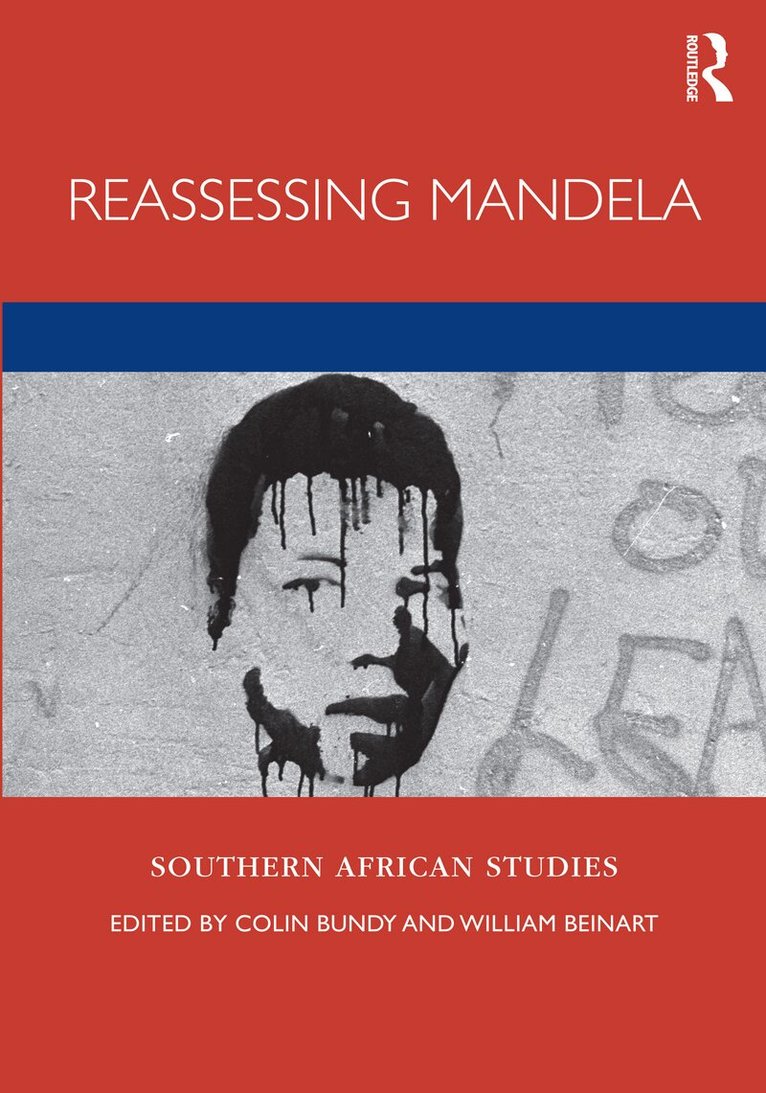
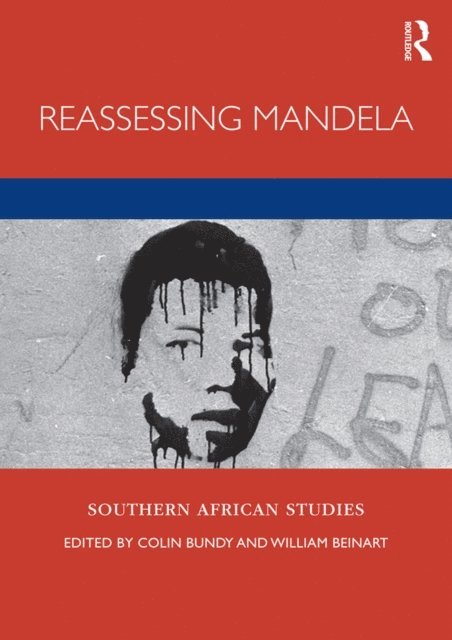
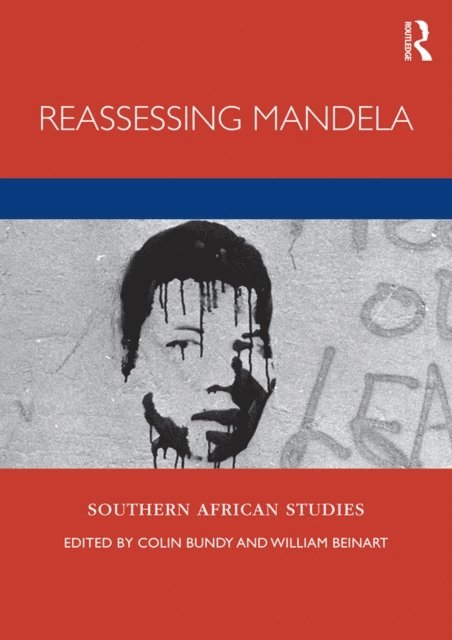
Reassessing Mandela
Av Colin Bundy, William Beinart
Inbunden, 2020
2512 kr
Lägg i varukorg
Seven years since his death (2013), Nelson Mandela still occupies an extraordinary place in the global imagination. Internationally, Mandela’s renown seems intact and invulnerable. In South Africa, however, his legacy and his place in the country’s history have become matters of contention and …
Reassessing Mandela
Av Colin Bundy, William Beinart
Häftad, 2023
691 kr
Lägg i varukorg
Seven years since his death (2013), Nelson Mandela still occupies an extraordinary place in the global imagination. Internationally, Mandela’s renown seems intact and invulnerable. In South Africa, however, his legacy and his place in the country’s history have become matters of contention and …
Nelson Mandela: pocket GIANTS
Av Colin Bundy
E-bok, 2015
57 kr
Lägg i varukorg
‘Colin Bundy has given us an incredible insight into the person of Mandela. What a man and what a gift Madiba was to the world.’ - Desmond TutuNelson Mandela’s place in history is secure: he was one of the best known prisoners in the world even before his election as the first president of …
Govan Mbeki
Av Colin Bundy
Häftad, 2013
230 kr
Lägg i varukorg
Govan Mbeki (1910–2001) was a core leader of the African National Congress, the Communist Party, and the armed wing of the ANC during the struggle against apartheid. Known as a hard-liner, Mbeki was a prolific writer and combined in a rare way the attributes of intellectual and activist, political …
Short-Changed?
South Africa Since Apartheid
Av Colin Bundy
Häftad, 2014
159 kr
Lägg i varukorg
What have been the most significant developments—political, social, economic—in South Africa since 1994? How much has changed since the demise of apartheid, and how much remains stubbornly the same? Should one celebrate a robust democracy now two decades old, or lament the corrosive effects of …
Govan Mbeki
Av Colin Bundy
E-bok, 2013
360 kr
Lägg i varukorg
Govan Mbeki (1910–2001) was a core leader of the African National Congress, the Communist Party, and the armed wing of the ANC during the struggle against apartheid. Known as a hard-liner, Mbeki was a prolific writer and combined in a rare way the attributes of intellectual and activist, political …
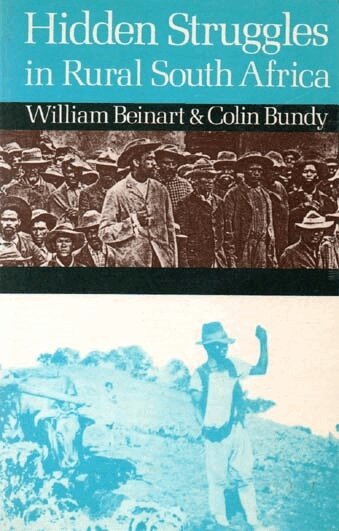
Hidden Struggles in Rural South Africa
Politics and Popular Movements in the Transkei and Eastern Cape, 1890-1930
Av William Beinart, Colin Bundy
Häftad, 1997
370 kr
Lägg i varukorg
The authors argue that a larger role should be accorded to the lives and struggles of rural South Africans in the shaping of the country's past.Terence Ranger described ths book as a '...landmark in the historiography of southern Africa.'The book is an exercise in historical retrieval, focussed on …
Rise and Fall of the South African Peasantry
Av Colin Bundy
Häftad, 1988
370 kr
Lägg i varukorg
With a Preface reviewing some of the debates prompted by the earlier edition of this book.The first edition of this book was hailed as a major reinterpretation of South African history. It criticised the prevailing view that African agriculture was primitive or backward, and attacked the notion …
Reassessing Mandela
Av William Beinart, Colin Bundy
E-bok, 2020
820 kr
Lägg i varukorg
Seven years since his death (2013), Nelson Mandela still occupies an extraordinary place in the global imagination. Internationally, Mandela’s renown seems intact and invulnerable. In South Africa, however, his legacy and his place in the country’s history have become matters of contention and …
Reassessing Mandela
Av William Beinart, Colin Bundy
E-bok, 2020
820 kr
Lägg i varukorg
Seven years since his death (2013), Nelson Mandela still occupies an extraordinary place in the global imagination. Internationally, Mandela’s renown seems intact and invulnerable. In South Africa, however, his legacy and his place in the country’s history have become matters of contention and …
The Rise and Fall of the South African Peasantry Second Edition
Av Colin Bundy
Inbunden
919 kr
Lägg i varukorg
The Rise and Fall of the South African Peasantry Second Edition
Av Colin Bundy
Häftad
613 kr
Lägg i varukorg
Nelson Mandela: pocket GIANTS
Av Colin Bundy
Häftad, 2015
88 kr
Tillfälligt slut
‘Colin Bundy has given us an incredible insight into the person of Mandela. What a man and what a gift Madiba was to the world.’ - Desmond TutuNelson Mandela’s place in history is secure: he was one of the best known prisoners in the world even before his election as the first president of …