Proceedings of the XVII UISPP World Congress (1–7 September 2014, Burgos, Spain) – serie
Visar alla böcker i serien Proceedings of the XVII UISPP World Congress (1–7 September 2014, Burgos, Spain). Handla med fri frakt och snabb leverans.
8 produkter
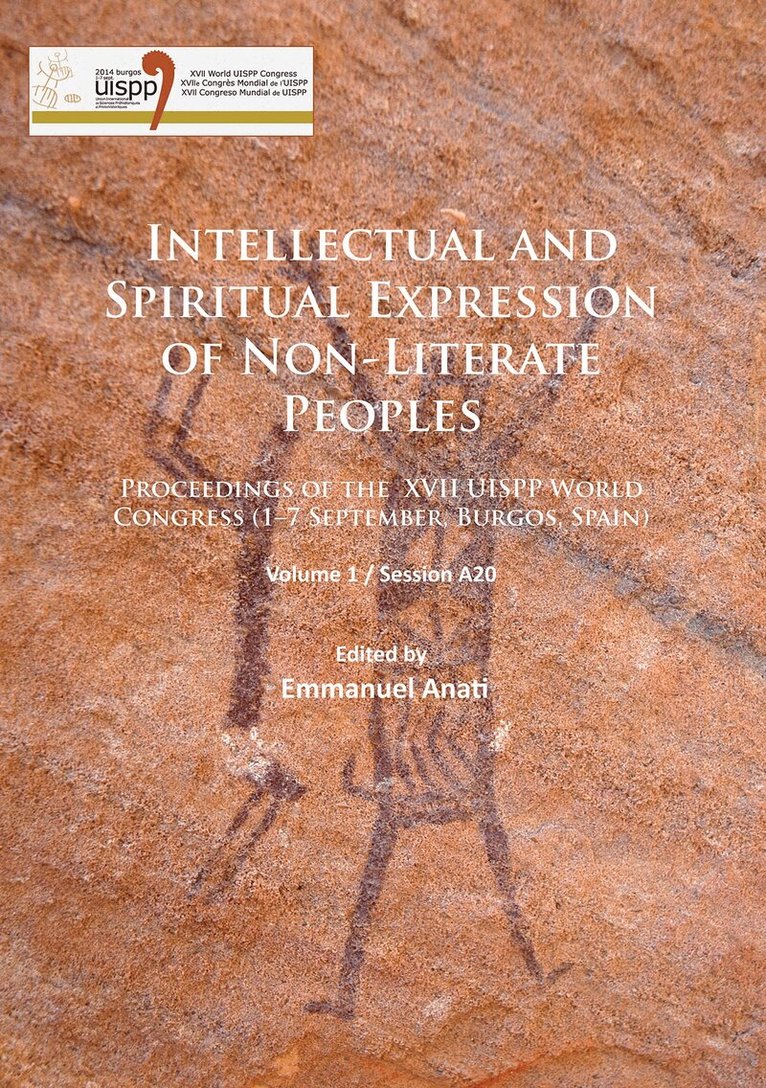
Intellectual and Spiritual Expression of Non-Literate Peoples
Proceedings of the XVII UISPP World Congress (1–7 September, Burgos, Spain): Volume 1 / Session A20
Häftad, 2016
873 kr
Lägg i varukorg
This volume presents the proceedings of the session ‘Intellectual and Spiritual Expression of Non-literate Peoples’ part of the XVII World UISPP Congress, held in Burgos (Spain), the 4th September 2014. The session brought together experts from various disciplines to share experience and scientific …
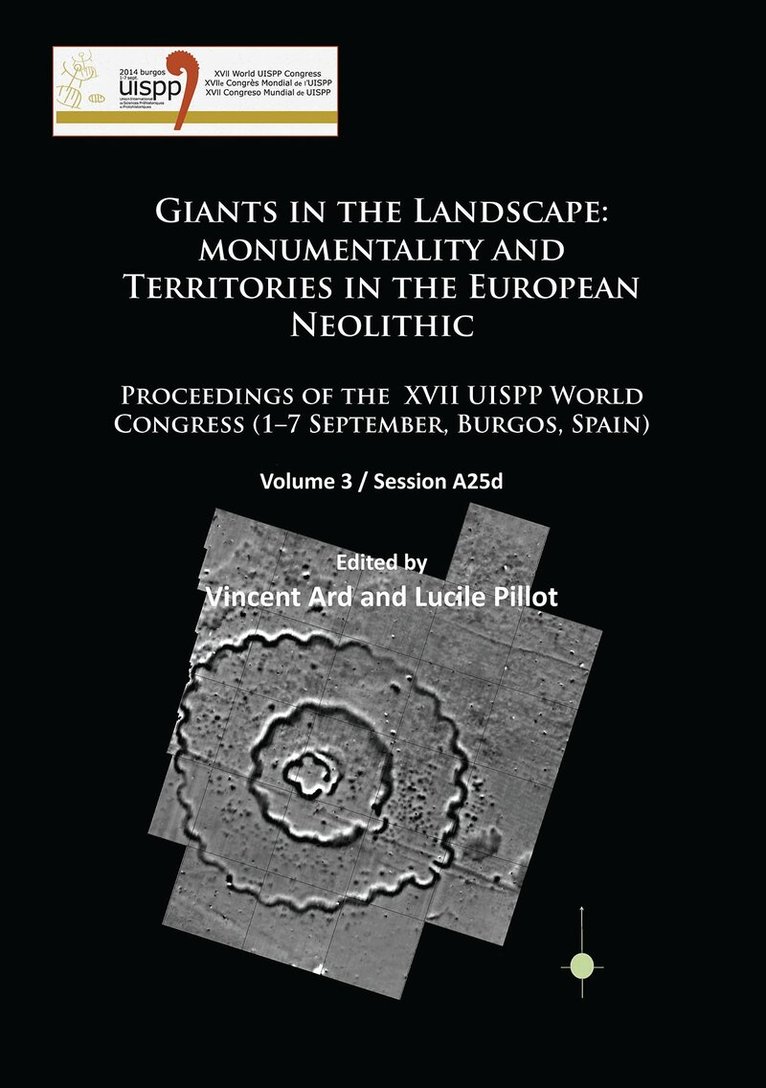
Giants in the Landscape: Monumentality and Territories in the European Neolithic
Proceedings of the XVII UISPP World Congress (1–7 September, Burgos, Spain): Volume 3 / Session A25d
Häftad, 2016
416 kr
Lägg i varukorg
In many European areas, the Neolithic period corresponds to the development of architectural monumentality which left important marks in the landscape, as well as the land clearing and the cultivation by the first agro-pastoral societies. This volume presents proceedings from the session …
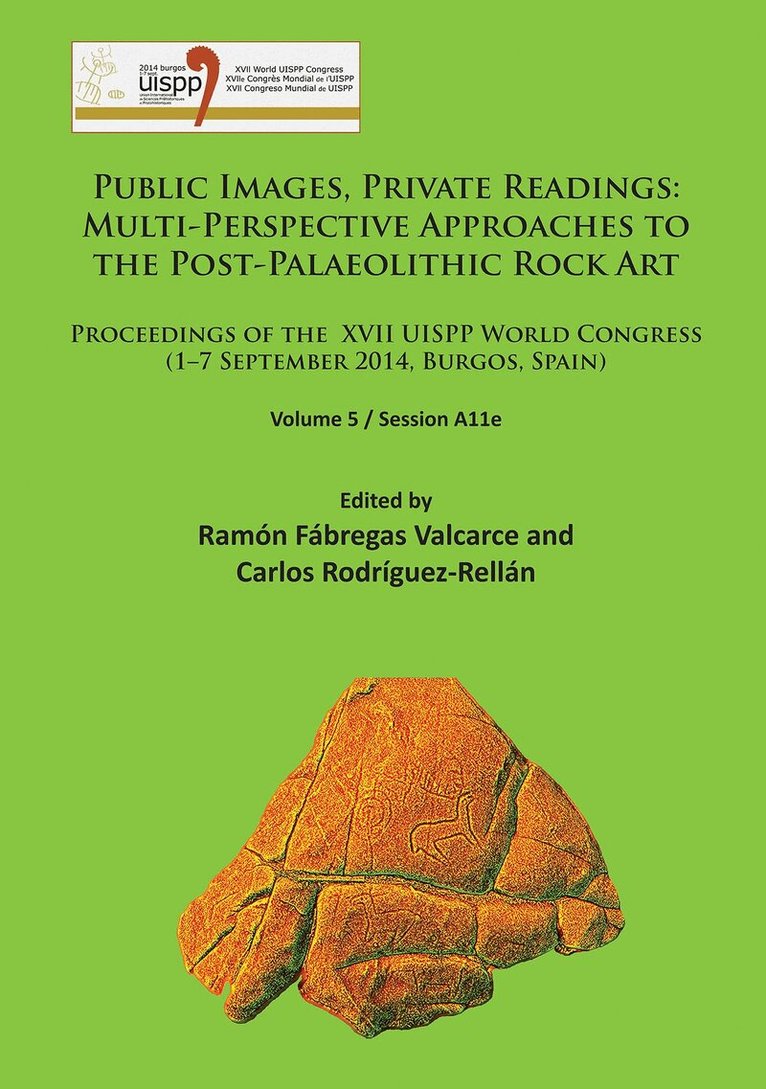
Public Images, Private Readings: Multi-Perspective Approaches to the Post-Palaeolithic Rock Art
Proceedings of the XVII UISPP World Congress (1–7 September 2014, Burgos, Spain) Volume 5 / Session A11e
Av Ramón Fábregas Valcarce, Carlos Rodríguez-Rellán
Häftad, 2016
354 kr
Lägg i varukorg
A significant number of Holocene societies throughout the world have resorted at one time or another to the making of paints or carvings on different places (tombs, rock-shelters or caves, openair outcrops). The aim of the session A11e. Public images, private readings: multi-perspective approaches …
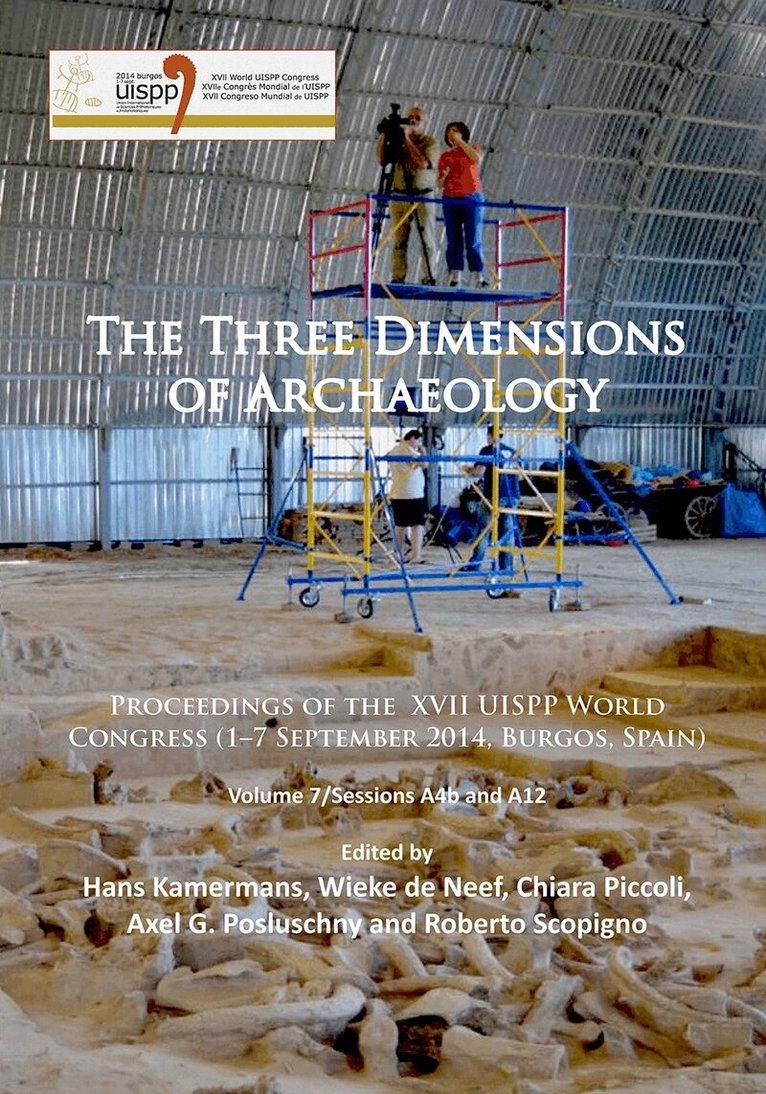
Three Dimensions of Archaeology
Proceedings of the XVII UISPP World Congress (1–7 September, Burgos, Spain). Volume 7/Sessions A4b and A12
Av Hans Kamermans, Wieke de Neef m. fl.
Häftad, 2016
454 kr
Lägg i varukorg
This volume brings together presentations from two sessions organized for the XVII World UISPP Conference that was held from 1-7 September 2014 in Burgos (Spain). The sessions are: The scientific value of 3D archaeology, organised by Hans Kamermans, Chiara Piccoli and Roberto Scopigno, and …
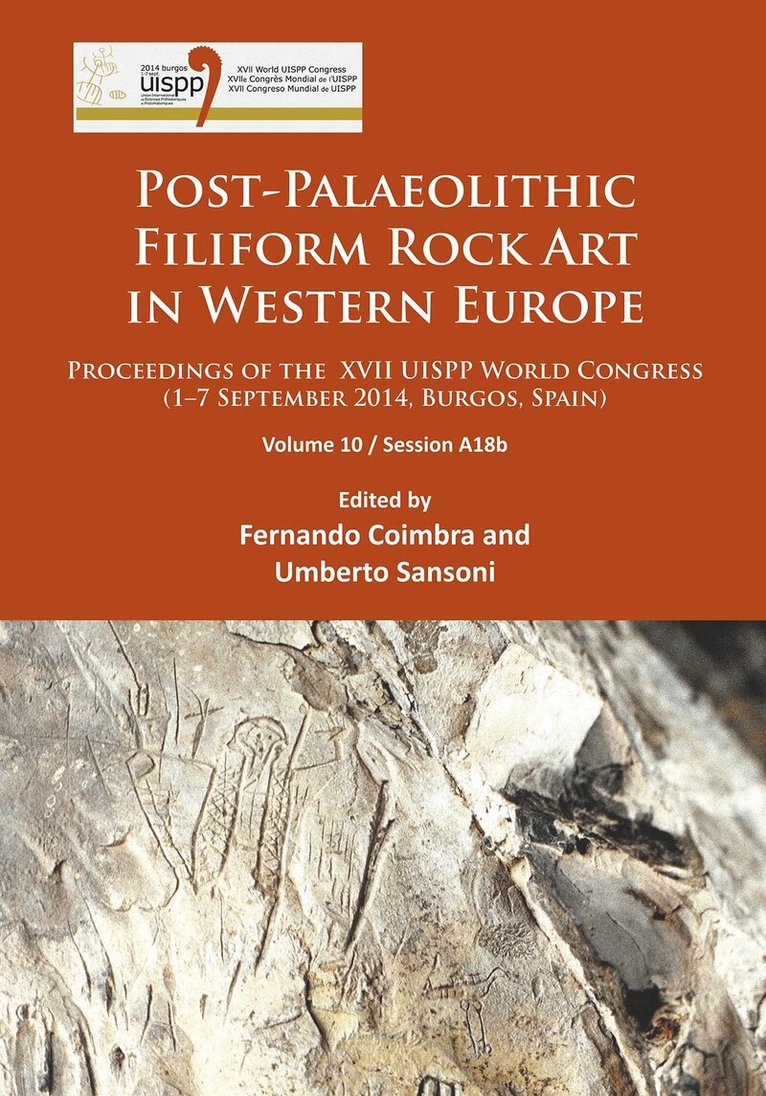
Post-Palaeolithic Filiform Rock Art in Western Europe
Proceedings of the XVII UISPP World Congress (1–7 September 2014, Burgos, Spain) Volume 10 / Session A18b
Av Fernando Coimbra, Umberto Sansoni
Häftad, 2016
385 kr
Lägg i varukorg
Filiform rock art appears as a spontaneous technique, more simple and immediate than pecking, good either for autonomous strands of expression, or for sketches and first drafts regarding works of painting or pecking. According to the order of presentation of the session’s papers during the XVII …
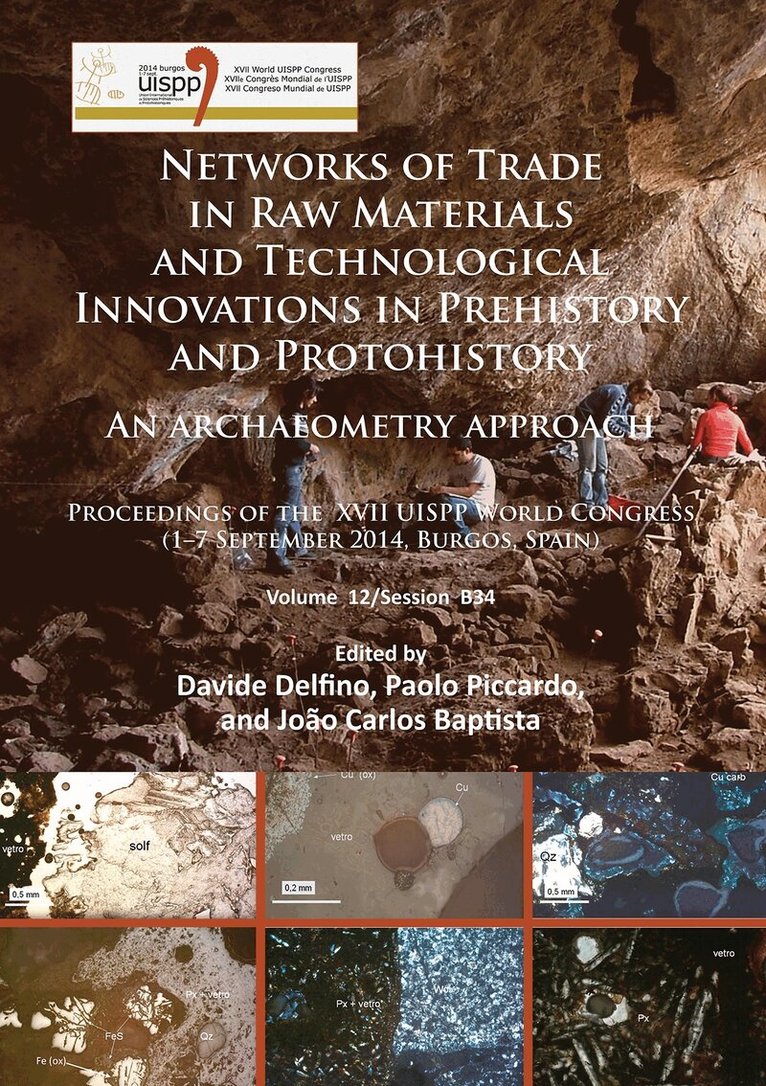
Networks of trade in raw materials and technological innovations in Prehistory and Protohistory: an archaeometry approach
Proceedings of the XVII UISPP World Congress (1–7 September 2014, Burgos, Spain) Volume 12/Session B34
Av Davide Delfino, Paolo Piccardo m. fl.
Häftad, 2016
401 kr
Lägg i varukorg
The papers collected in this book correspond to the lectures held during session B34 of UISPP conference in Burgos (June 2014) where the presentation of multidisciplinary works were encouraged. The main goal of bringing together specialists from various disciplines (humanities and natural sciences) …
Materials, Productions, Exchange Network and their Impact on the Societies of Neolithic Europe
Proceedings of the XVII UISPP World Congress (1–7 September 2014, Burgos, Spain) Volume 13/Session A25a
Häftad, 2017
385 kr
Lägg i varukorg
Scholars who will study the historiography of the European Neolithic, more particularly with regards to the second half of the 20th century and the beginning of the 21st century, will observe a progressive change in the core understanding of this period. For several decades the concept of ‘culture’ …
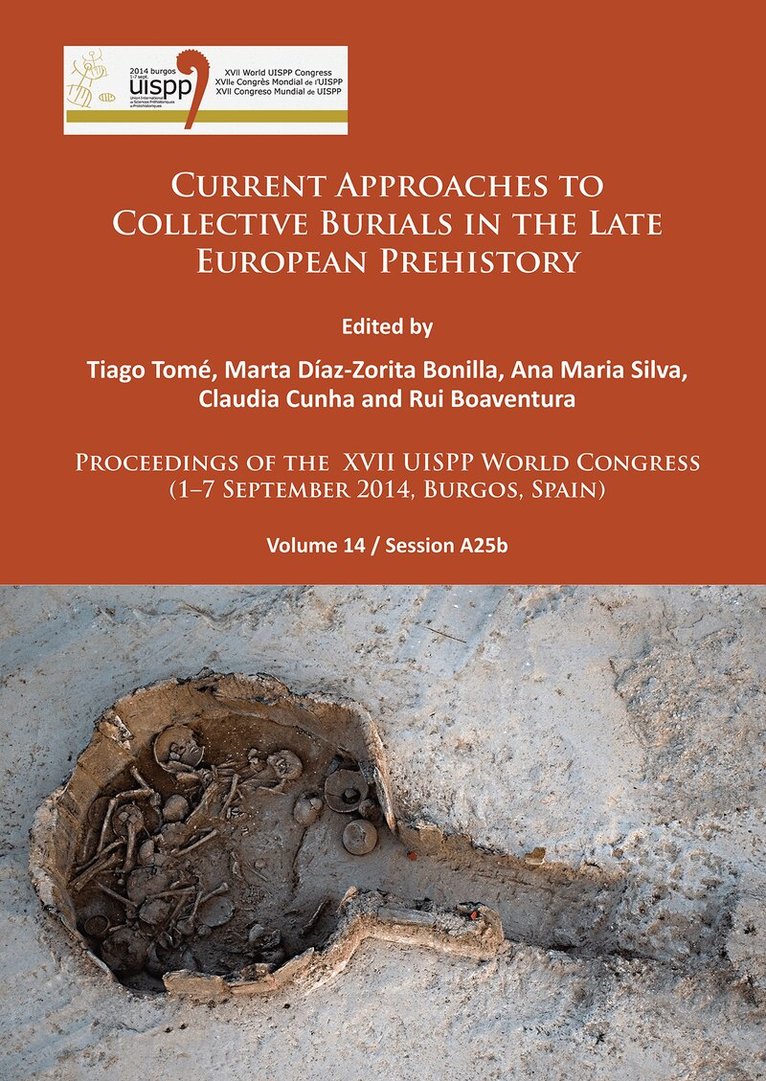
Current Approaches to Collective Burials in the Late European Prehistory
Proceedings of the XVII UISPP World Congress (1–7 September 2014, Burgos, Spain) Volume 14/Session A25b
Av Tiago Tomé, Marta Díaz-Zorita Bonilla m. fl.
Häftad, 2017
448 kr
Lägg i varukorg
The present volume originated in session A25b (‘Current Approaches to Collective Burials in the Late European Prehistory’) of the XVII World Congress of the International Union of the Prehistoric and Protohistoric Sciences (UISPP), held in Burgos in September 2014. Collective burials are quite a …